Landmine exercises: build a landmine workout
What a landmine attachment is, how to set it up, and the best landmine exercises for a joint-friendly full-body session.
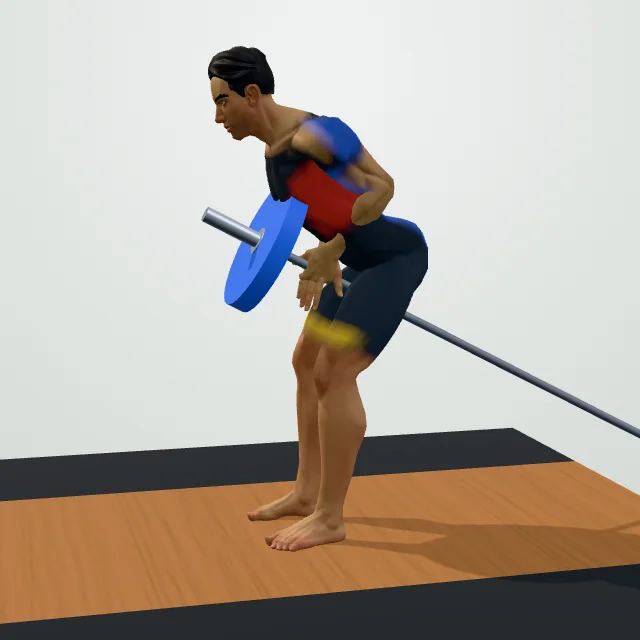
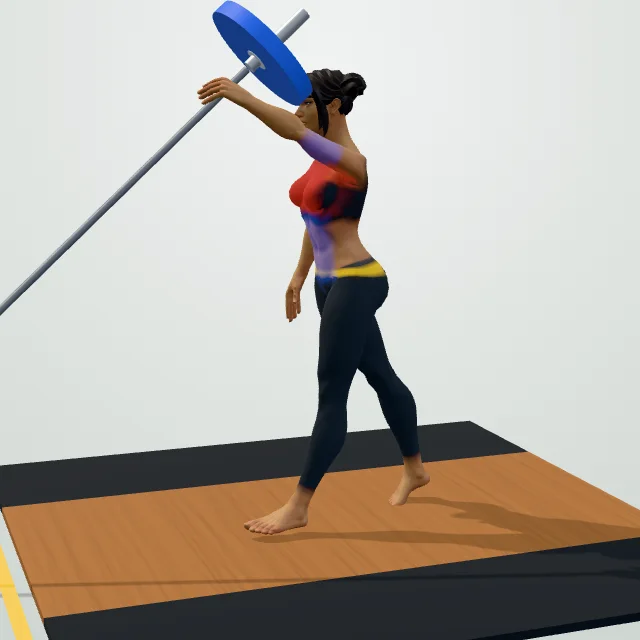
A landmine is a simple attachment that pivots one end of a barbell in a fixed sleeve while you hold the other end, and landmine exercises use that pivoting arc to press, row and rotate through a path that's easier on the shoulders than a straight overhead barbell press. A landmine workout is a good option for anyone who finds standard overhead pressing uncomfortable, since the bar travels on a diagonal rather than straight up. The 3D coach shows setup for the T-bar row and landmine press.
What is a landmine, and why is it called that?
The name comes from the way the barbell sticks up out of its base at an angle, similar in look to a landmine marker. Most gyms have a dedicated landmine attachment (a swiveling sleeve bolted to the floor or a plate), but you can improvise one by wedging the bottom of a barbell into a corner or under a heavy, stable object — just make sure it can't slide during the set.
Safety and setup
Load the free end of the bar with light weight the first time you try any landmine exercise, since the arc changes the leverage compared with a straight bar path you might already know. Keep a stable base and braced core, especially on rotational moves, and check the landmine sleeve or improvised anchor is secure before loading real weight.
Best landmine exercises
The T-bar row is a classic landmine back builder, letting you row heavy without the lower-back strain of a bent-over barbell row for some lifters. The landmine press trains the shoulders and chest through a shoulder-friendly diagonal path, often more comfortable than a straight overhead press. Beyond these two staple exercises on this site, the landmine format also supports squat-to-press combinations and rotational core work for anyone with access to more advanced programming.
Sample landmine workout
| Exercise | Sets × reps | Rest |
|---|---|---|
| T-bar row | 4 × 8–10 | 90 s |
| Landmine press | 3 × 8–10 per side | 75 s |
How to program landmine training
Landmine exercises fit well into a standard strength split at 3–4 sets of 6–12 reps, either replacing a barbell row or overhead press if those feel uncomfortable, or supplementing them for variety. Because the pivot point changes the strength curve of each lift, expect a different "feel" and working weight than the equivalent straight-bar exercise rather than comparing numbers directly.
Why the landmine is considered shoulder-friendly
The diagonal pressing path of the landmine press keeps the shoulder in a more neutral position than a straight vertical press, which is why lifters with shoulder discomfort on overhead barbell or dumbbell presses often tolerate the landmine version better. It's not a guaranteed fix for shoulder pain, but it's worth trying as an alternative pressing pattern if standard overhead work bothers you — check with a physiotherapist if pain persists. This makes the landmine a useful option for older lifters or anyone returning from a shoulder injury who still wants to train pressing strength.
Landmine vs standard barbell exercises
A standard barbell row or overhead press moves in a straight, free-standing path that requires more stabilization from the shoulders and core; the landmine's fixed pivot removes some of that demand, making the movement more predictable and often more comfortable for beginners or anyone managing a minor shoulder or lower-back issue. This isn't a downside — reducing the stabilization demand lets you focus effort on the target muscle rather than balance, which is valuable both early in training and later as an accessory movement alongside heavier free-standing lifts.
Building a landmine setup at home
A dedicated landmine attachment bolts to the floor or slides under a weight plate to hold a barbell at an angle, and is inexpensive if you already own a barbell. Without one, wedging the bar securely into a sturdy corner, a heavy sandbag, or a purpose-made floor sleeve works as a substitute — just confirm it can't slide or kick out sideways once you start loading real weight, since an unstable anchor is the main risk with an improvised setup.
Where landmine exercises fit into your training
Landmine moves complement barbell training and appear as row and press variations for lifters managing shoulder or back sensitivity. Use the plan builder to include landmine work in a plan built around your available equipment.