Forma by CodingMarble · free, no sign-up
Free workout plan with a 3D coach, at home or in the gym
Watch a 3D athlete demonstrate every exercise, build a workout plan for your goal and equipment, then train with a voice that counts your reps.
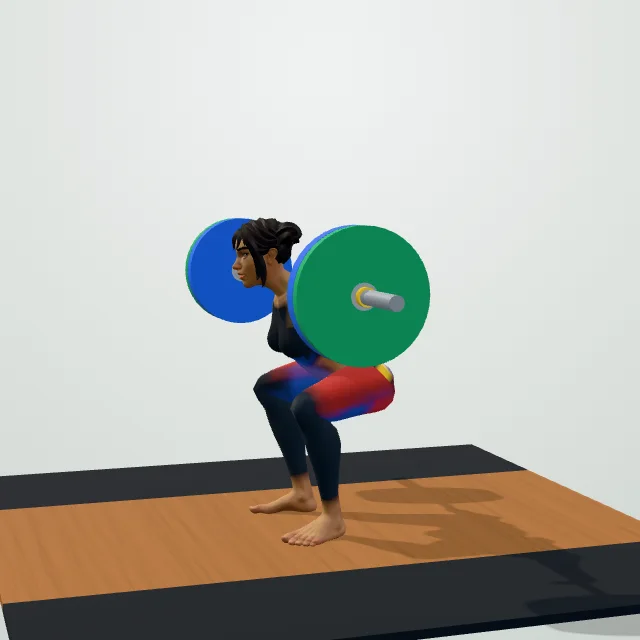
Where do you train?
Pick your setup and see only the exercises and plans that work with it — a home workout without equipment, a full gym workout plan, or something in between.
Start with the basics
Browse exercises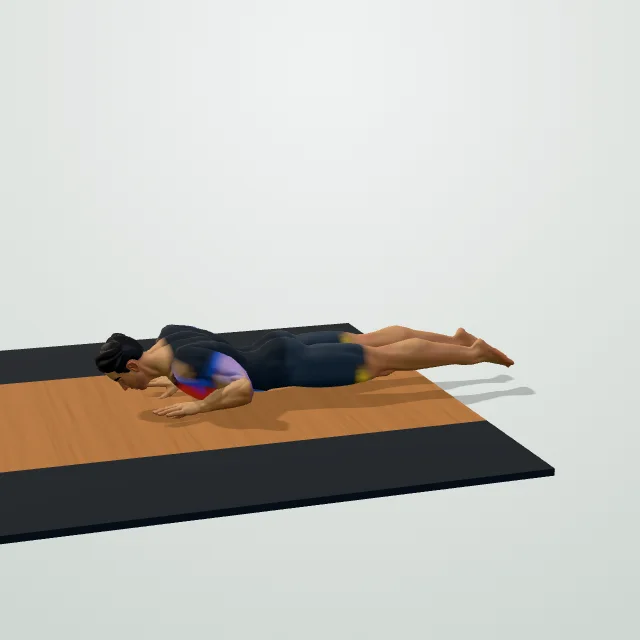
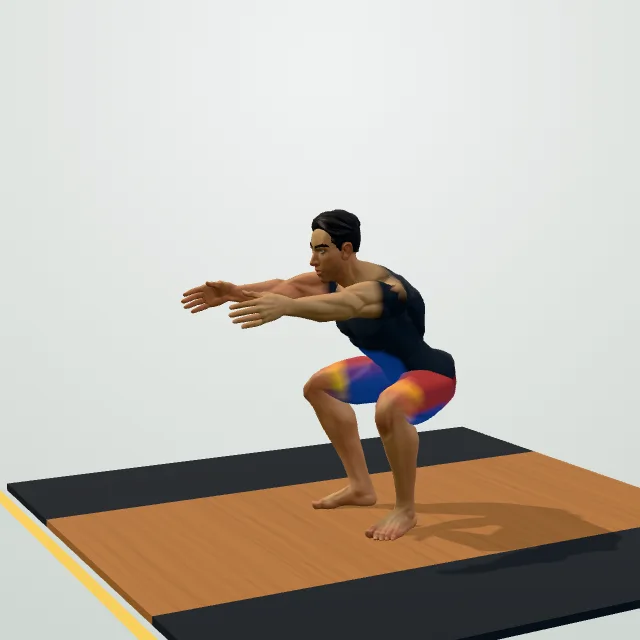
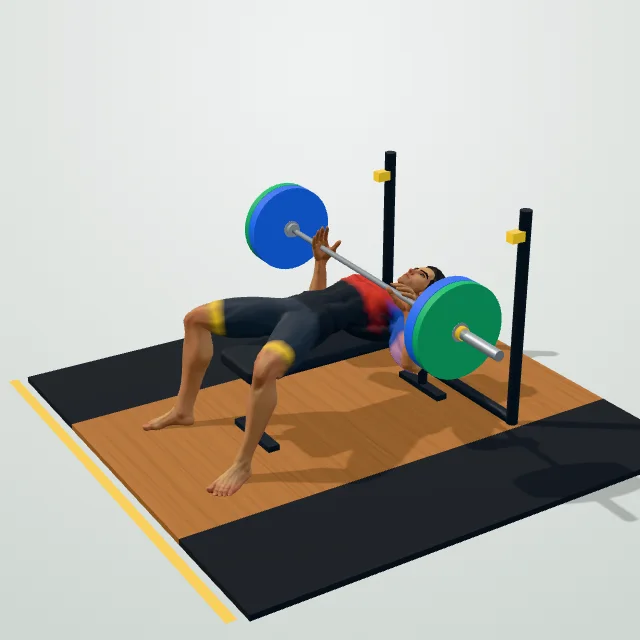
Workout plans that fit your week
Workout plansGeneral fitness · Beginner
30-Day Home Workout Plan (No Equipment)
General fitness · Beginner
Beginner Full-Body Gym Workout
Build muscle · Intermediate
Push Pull Legs Split (6 Days)
Fat loss · Intermediate
15-Minute HIIT Workout (No Equipment)
Build muscle · Beginner
Full-Body Dumbbell Workout Plan
General fitness · Beginner
The 7-Minute Workout
How the coach works
Pick
Choose a single exercise from the library, or answer a few questions in the plan builder and get a full weekly workout plan for your goal, days and equipment.
Watch
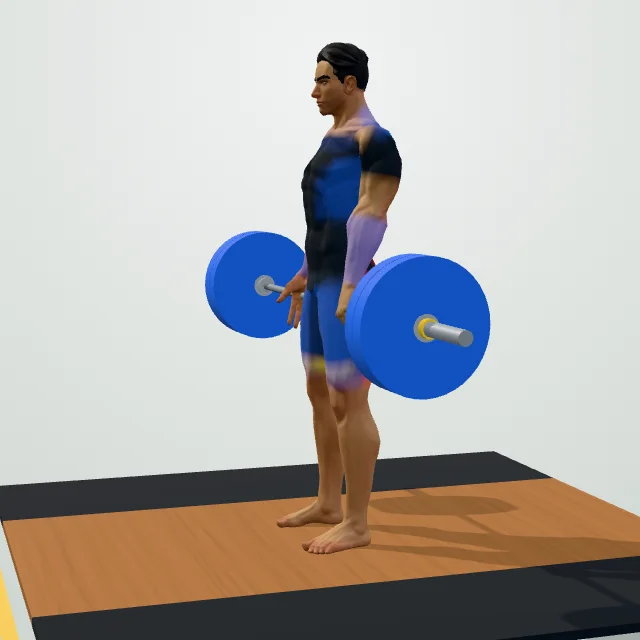
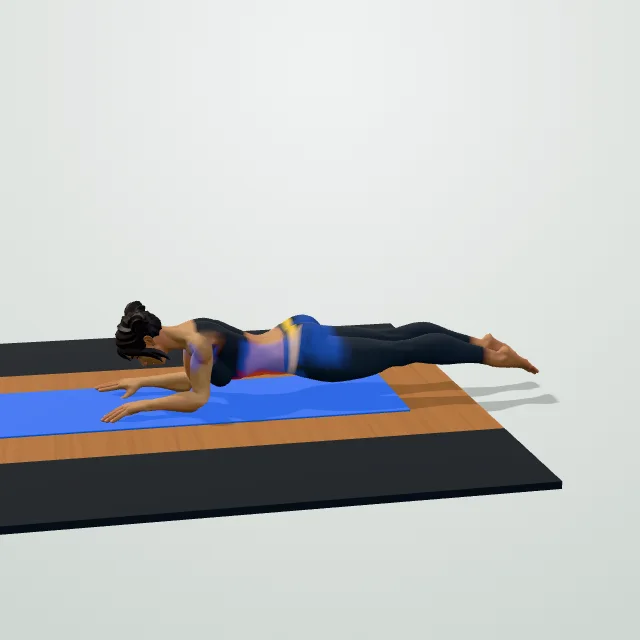
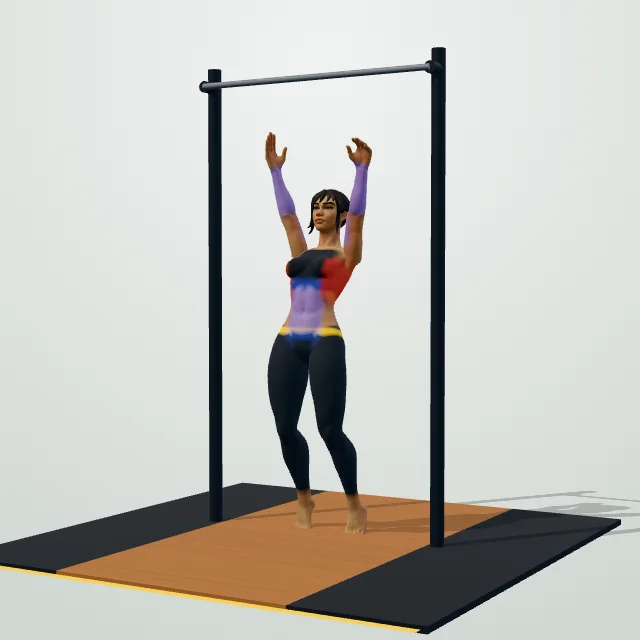
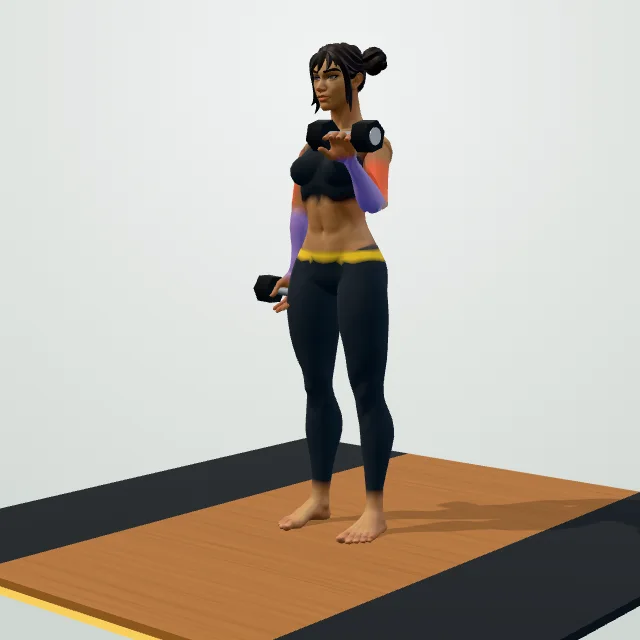
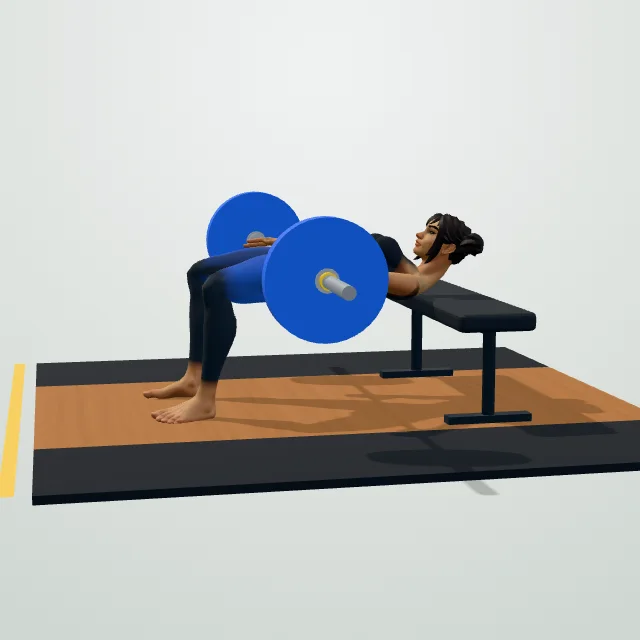
A 3D athlete — Leo or Mia — performs every rep at the right tempo from any angle, and the muscles it works light up on the body so you know exactly what you are training.
Train
Start the guided workout: the coach counts your reps out loud, times your rest between sets, and gives short form cues while you move.
Track
Finished sessions are saved on your own device, so you can see your training history and keep the routine going.
A coach that speaks your language
Read the page in one language and hear the coach count and cue in another — text and voice work in 17 languages.
A workout plan only works if you actually know how to do the exercises in it. Forma is a free 3D workout coach that solves that problem: a 3D athlete demonstrates every rep at the right tempo, the muscles it trains light up on the body, and a voice counts your reps and cues your form while you move — in 17 languages. There is no account, no app to install and no fee. Everything runs in your browser, and your saved plans and workout history stay on your own device.
What Forma actually does
Forma has three parts that work together. The exercise library holds 189 gym and home exercises, each with a 3D demonstration, the muscles worked, common mistakes and sets/reps for different goals. The workout plans section has 30 ready-made weekly routines — beginner, strength, muscle-building, fat-loss, home and HIIT. And the plan builder asks a few short questions (your goal, your days, your equipment, your level) and puts together a plan from those exercises for you. Whichever route you take, the same 3D coach and voice guidance run the actual workout.
How to start: a simple beginner path
If this is new to you, do not try to build the perfect workout plan first. Start with three full-body sessions a week, on non-consecutive days (for example Monday, Wednesday, Friday), using a handful of compound movements: a squat pattern, a push, a pull, a hinge and some core work. The Beginner Full-Body Gym Workout and the 30-Day Home Workout Plan are both built exactly this way. Watch the coach do the first rep of an exercise before you try it, keep the weight or difficulty light for the first week or two while you learn the movement, and let the voice cues remind you what to focus on during the set. Progress comes from consistency first, load second.
Gym, home or no equipment: which should you pick?
None of these is objectively better — they suit different situations. A gym workout plan gives you barbells, cable machines and a wider range of loads, which makes it easier to add weight gradually over months. A home workout with dumbbells or a resistance band covers most of the same movement patterns with less equipment and no travel time. A true home workout without equipment — push-ups, squats, lunges, planks — is enough to build a real base of strength and conditioning, especially for beginners, and every one of these paths is represented in the workout plans library. Use the filters on the exercise library to see only what you can do where you are, or start from no-equipment exercises and add gym or dumbbell equipment later as it becomes available to you.
How plans, the player and the plan builder fit together
Every workout plan on Forma is broken into sessions, and every session is a table of exercises with sets, reps and rest. Open any plan and press Start session: the player takes over, shows the 3D coach for each exercise in order, counts your reps out loud, and runs a rest timer between sets so you are not checking a phone clock mid-workout. The plan builder does the same thing but personalised — instead of picking a fixed plan, you choose your goal (strength, muscle, endurance or fat loss), how many days a week you can train, your experience level and the equipment you have, and it assembles a weekly schedule from the exercise library using those inputs. You can rebuild it any time your equipment or schedule changes.
Why form and tempo matter more than the number on the bar
Lifting more weight with poor technique trains the wrong muscles, wastes effort and raises injury risk faster than it builds strength. This is the main reason the 3D demonstration exists: you can rotate the athlete, slow the tempo down, and watch the exact path a bar, dumbbell or your own body should follow before you copy it. Pay attention to the tempo line under each exercise — the speed of the lowering (eccentric) phase in particular is where most people rush and lose tension in the target muscle. If an exercise's rest between sets or sets and reps feel unclear, the exercise page explains both, and the guides section covers the reasoning behind them in more depth, including progressive overload and RPE and RIR for judging how heavy to go.
Training safely
General health guidance from the World Health Organization and the CDC recommends 150–300 minutes of moderate activity, or 75–150 minutes of vigorous activity, per week, plus muscle-strengthening work on two or more days — a good target once you have a base level of consistency. Warm up before a session (see the 6-Minute Dynamic Warm-Up and the warm-up guide), increase load or difficulty gradually rather than in big jumps, and stop and check with a doctor or physiotherapist if you feel chest pain, dizziness, unusual breathlessness, or sharp joint pain rather than normal muscle effort. If you are pregnant, recovering from surgery, or managing a heart, blood-pressure or joint condition, get medical clearance before starting, and see the exercise safety guide for more detail. Forma gives general fitness information, not medical advice.
A note on languages and privacy
Forma's interface and voice coaching are available in 17 languages, so you can read the page in English and still hear the coach count in Hindi, Spanish, Japanese or Arabic, or the other way round — useful for training with a partner who prefers a different language, or simply learning form terms in your own language, such as understanding a "push up kaise kare" search in the context of a proper 3D demonstration. There is no sign-up anywhere on the site: your chosen plan, workout history and settings are stored only in your browser's local storage, never on a server, and you can clear them at any time from My workouts.