Back exercises: the best moves in 3D
How the back muscles work, the best lat and back exercises for the gym and home, and how to program a back workout.
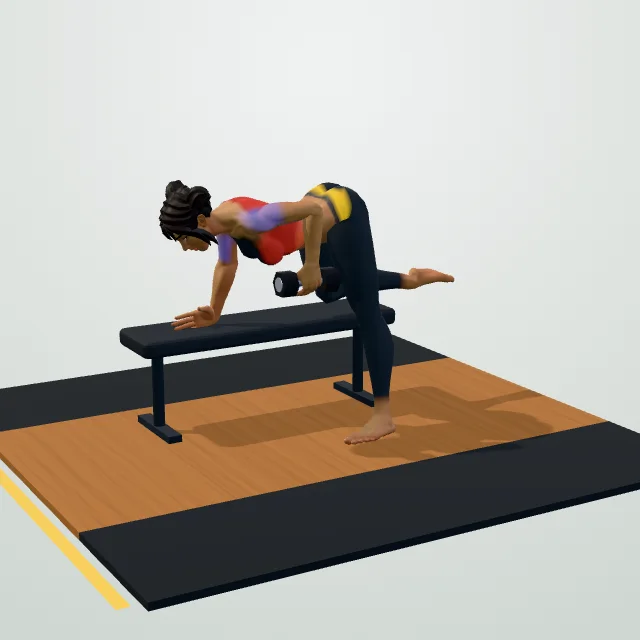
Gym
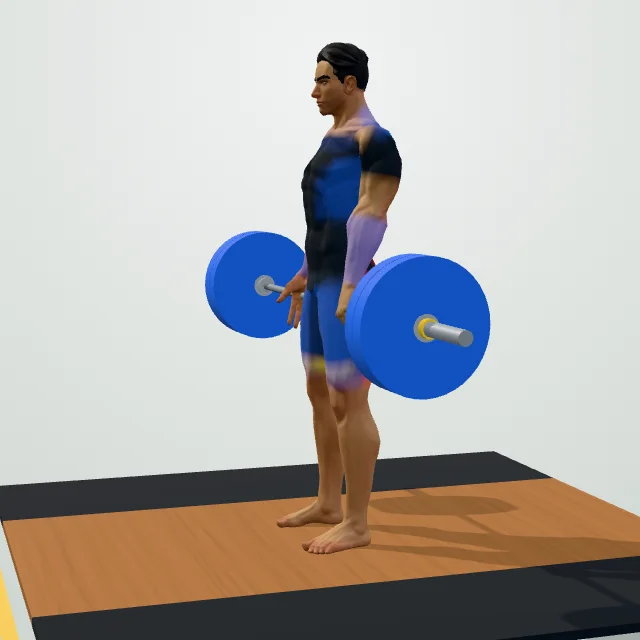
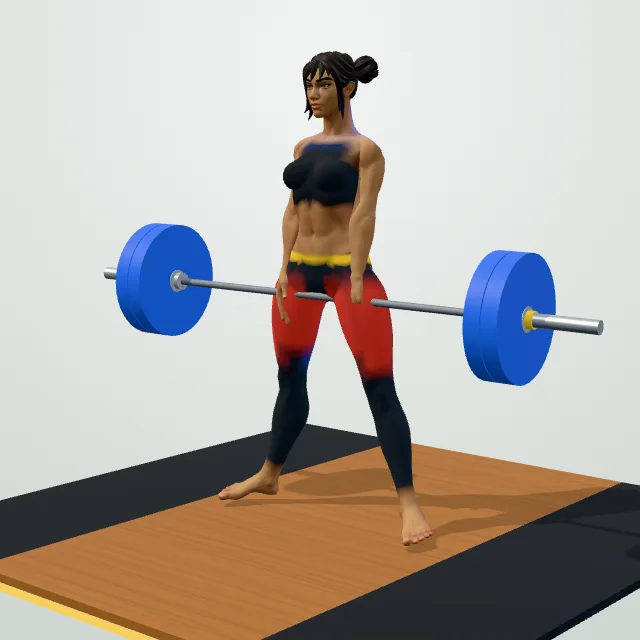
Deadlift
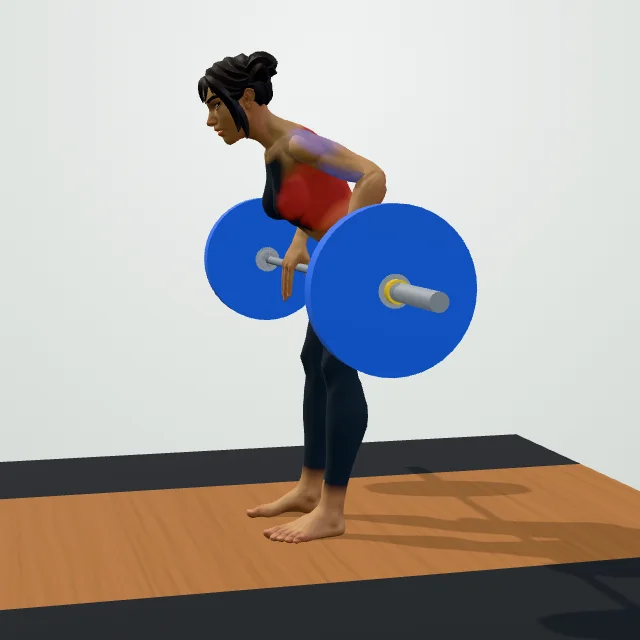
Bent-Over Barbell Row
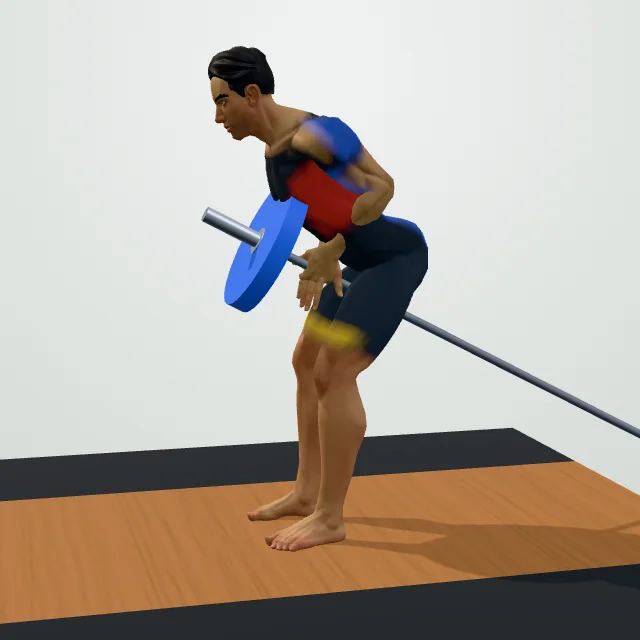
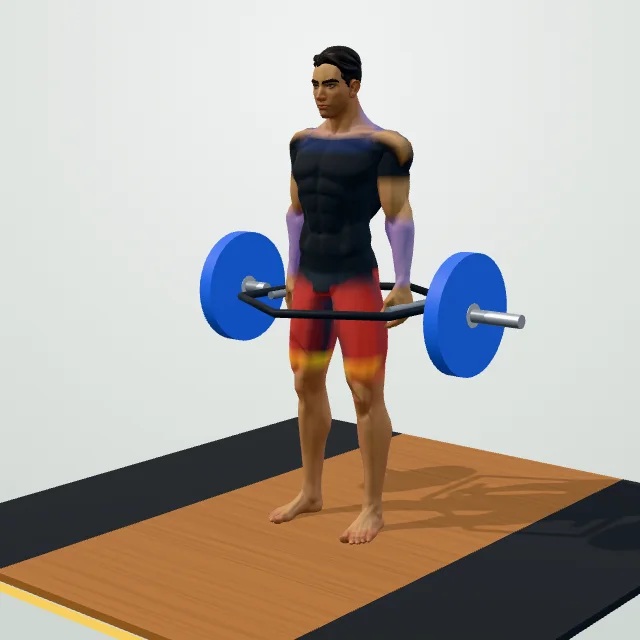
T-Bar Row
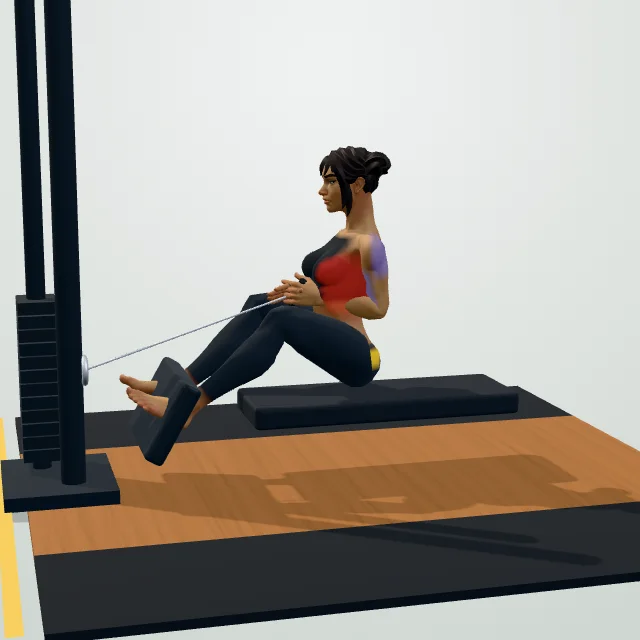
Seated Cable Row
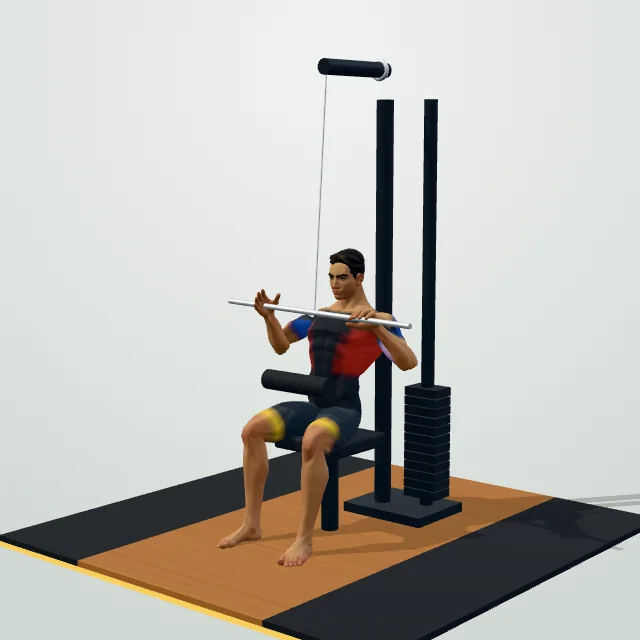
Lat Pulldown
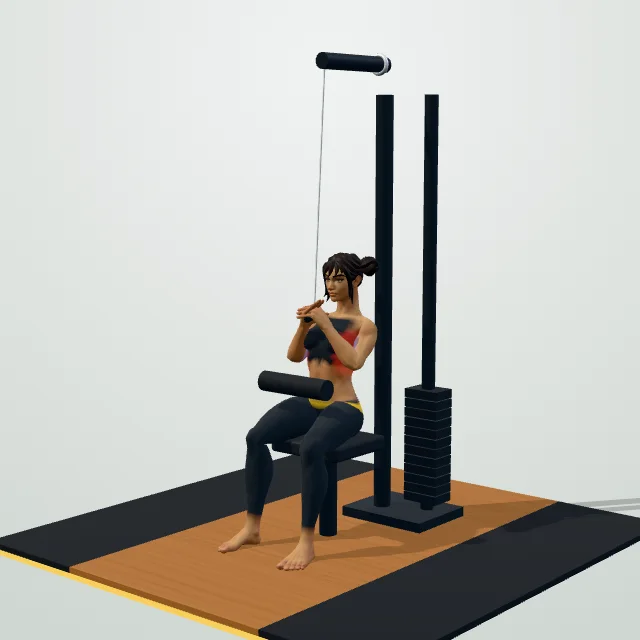
Close-Grip Lat Pulldown
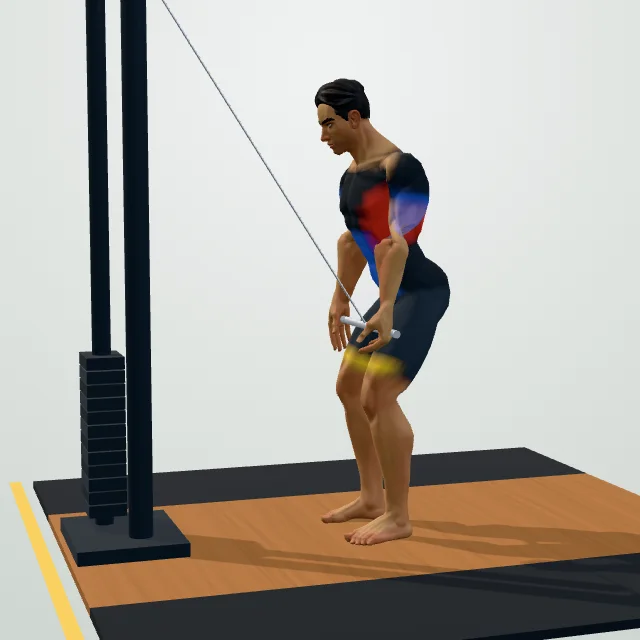
Straight-Arm Pulldown
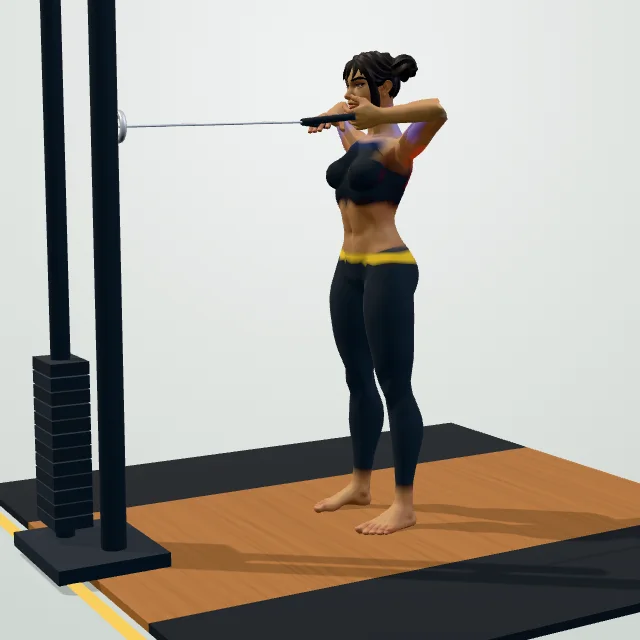
Face Pull
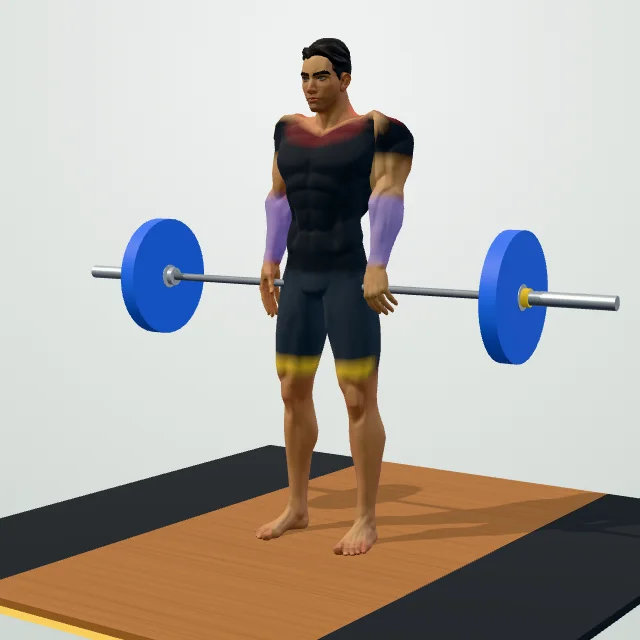
Barbell Shrug
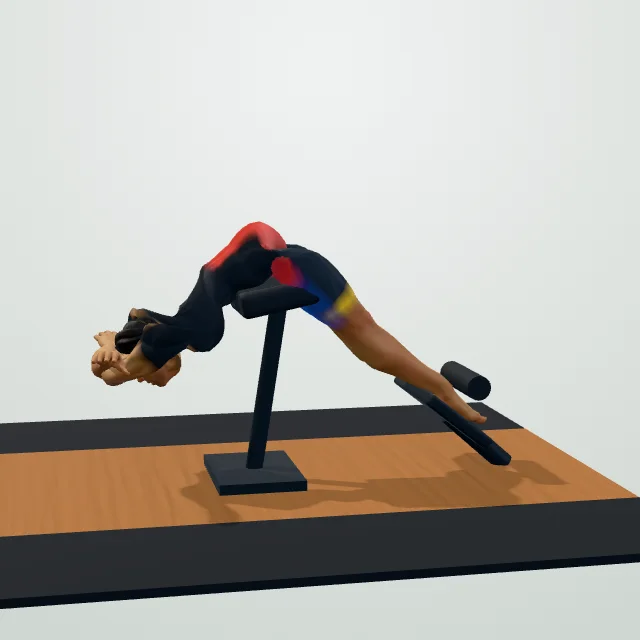
Back Extension
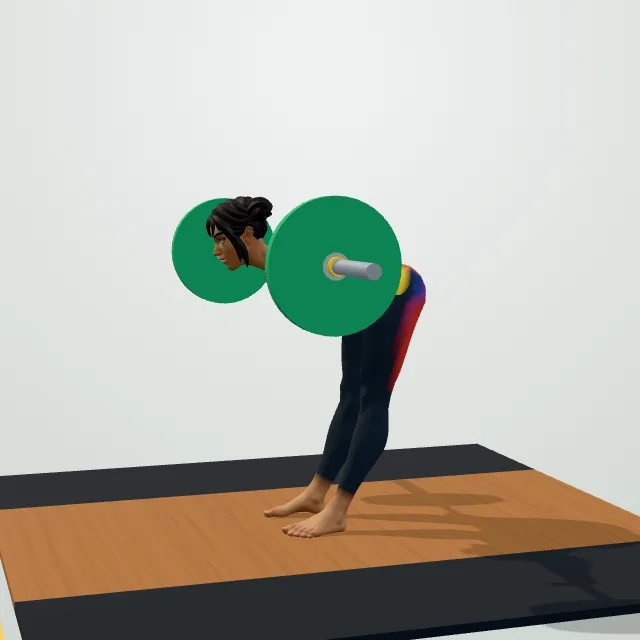
Good Morning
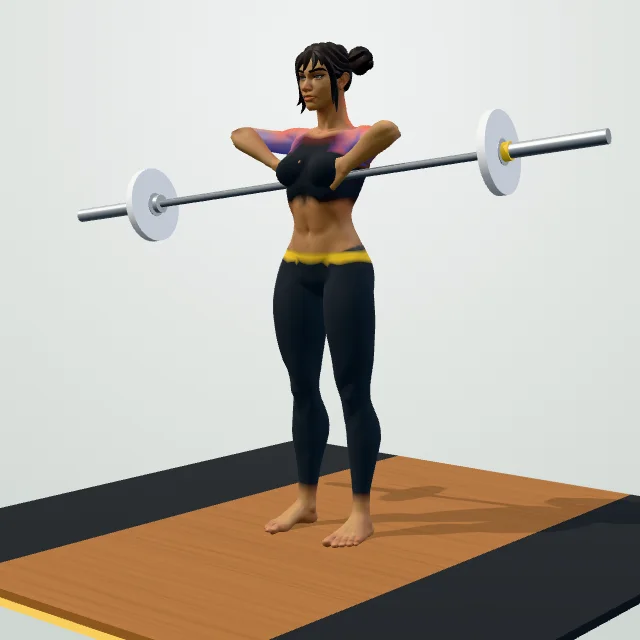
Upright Row
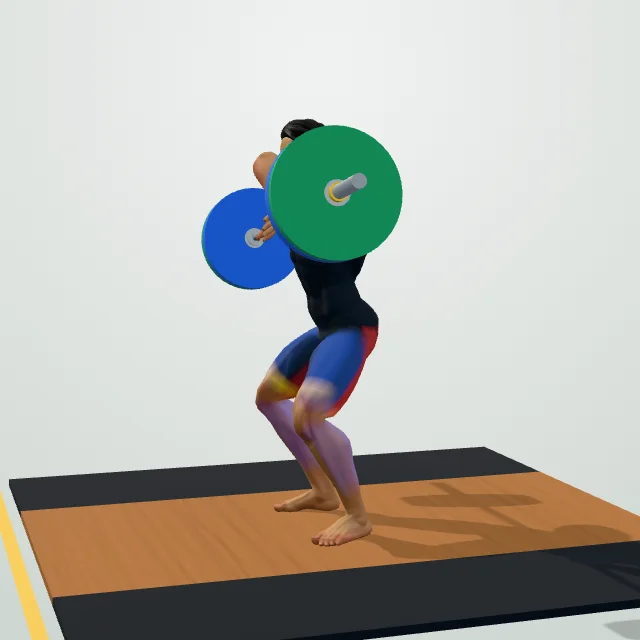
Power Clean
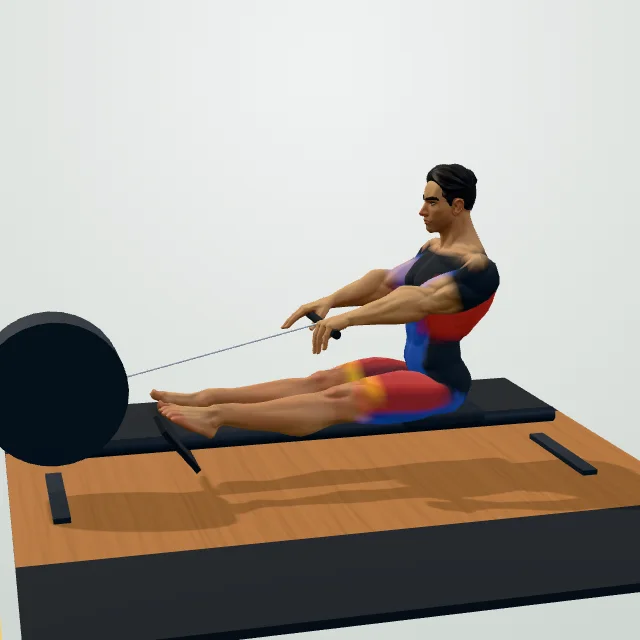
Rowing Machine
Home or gym
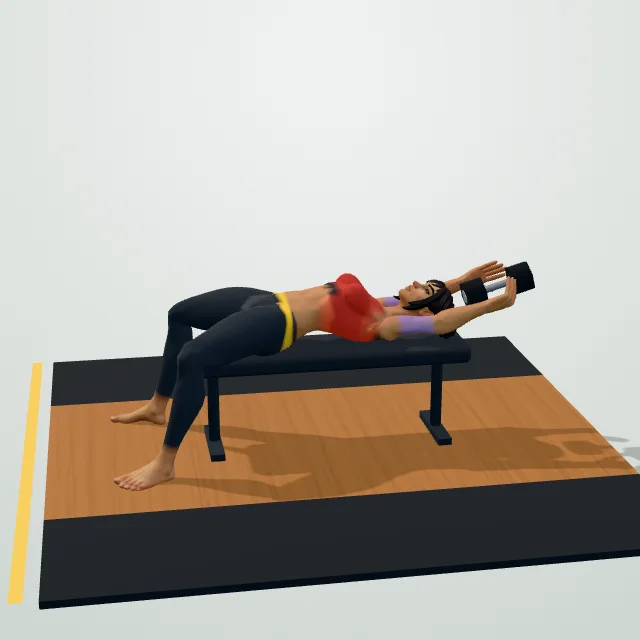
Dumbbell Pullover
One-Arm Dumbbell Row
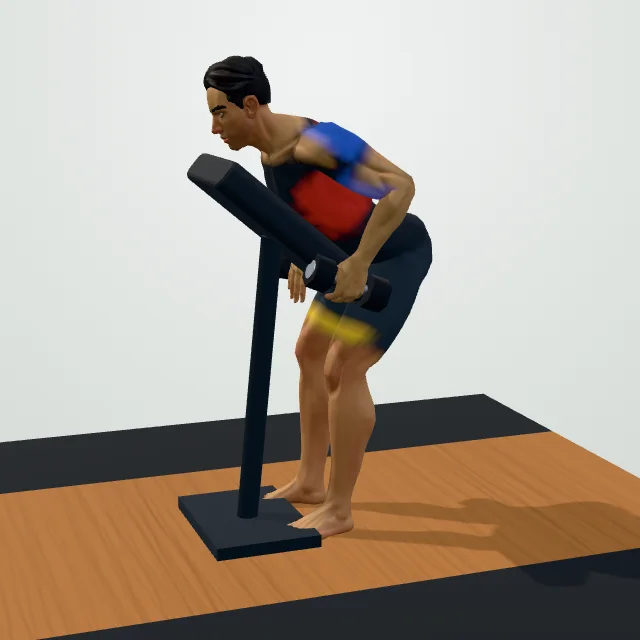
Chest-Supported Dumbbell Row
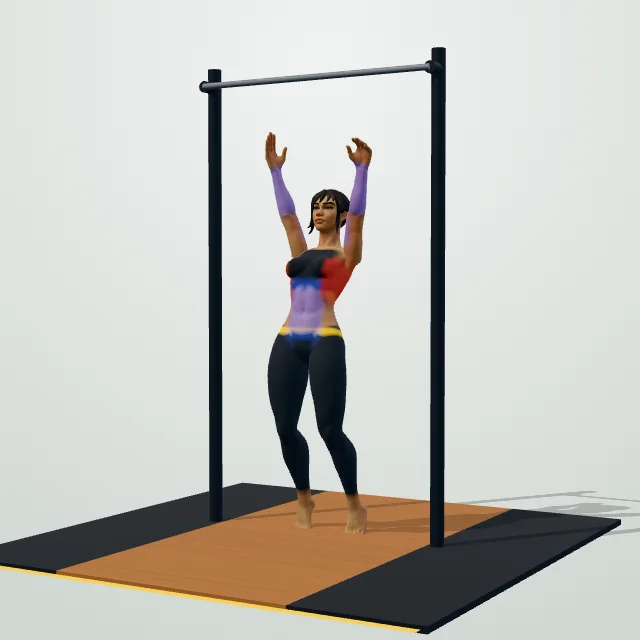
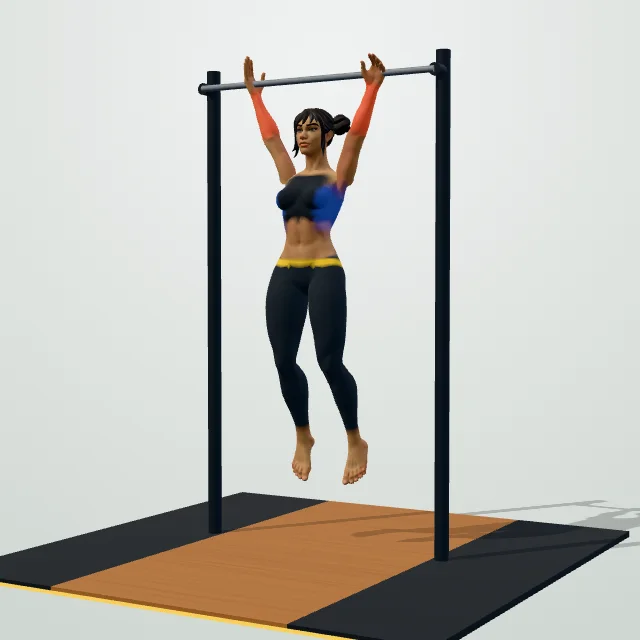
Pull-Up
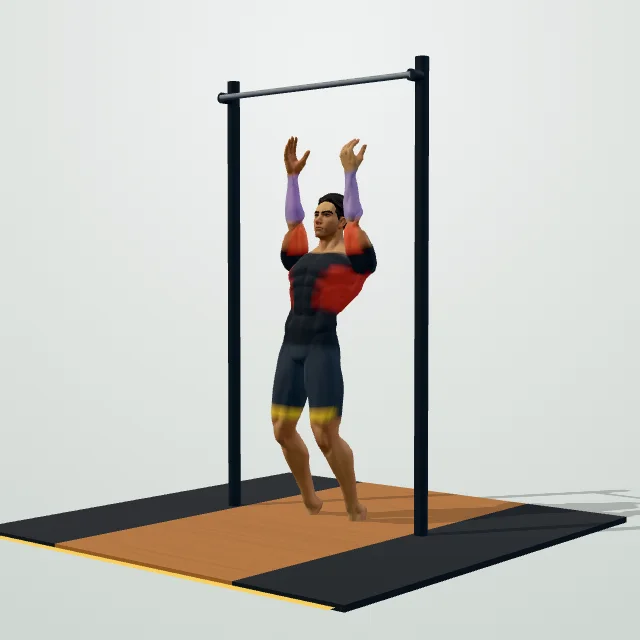
Chin-Up
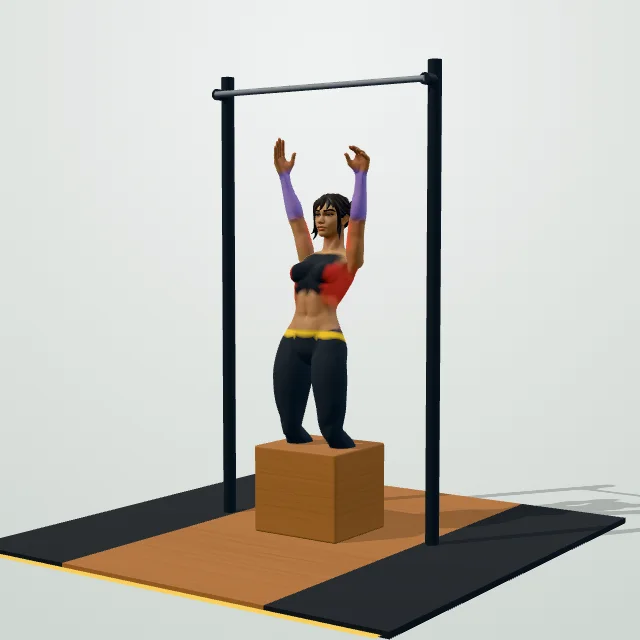
Negative Pull-Up
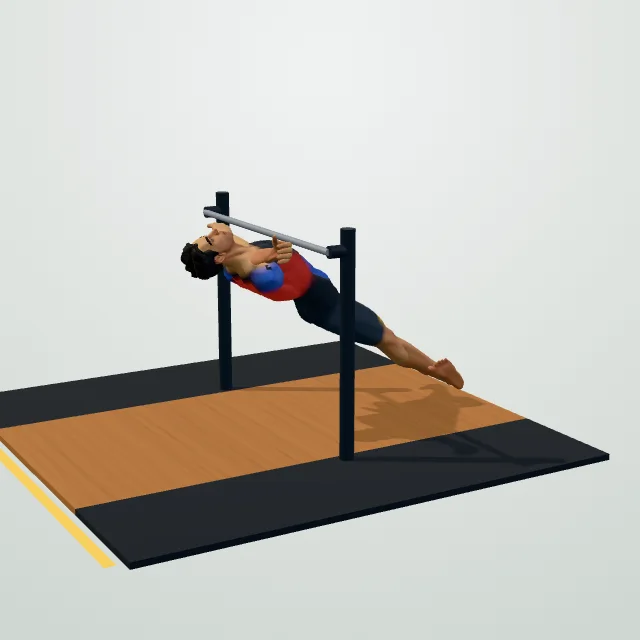
Inverted Row
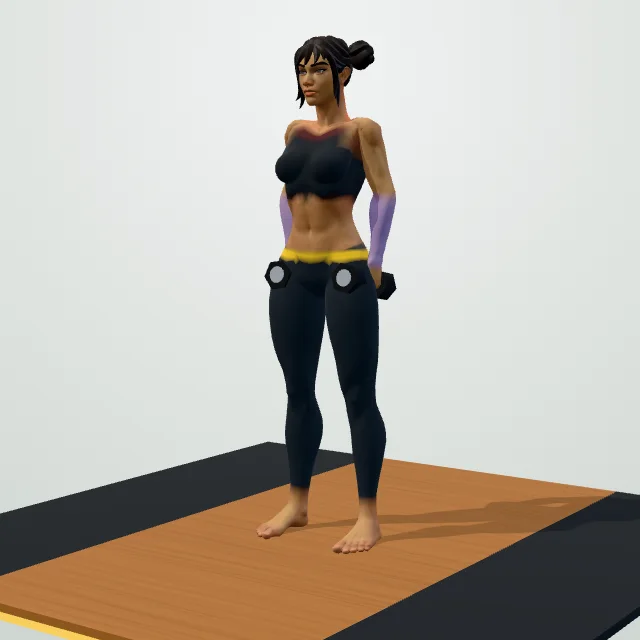
Dumbbell Shrug
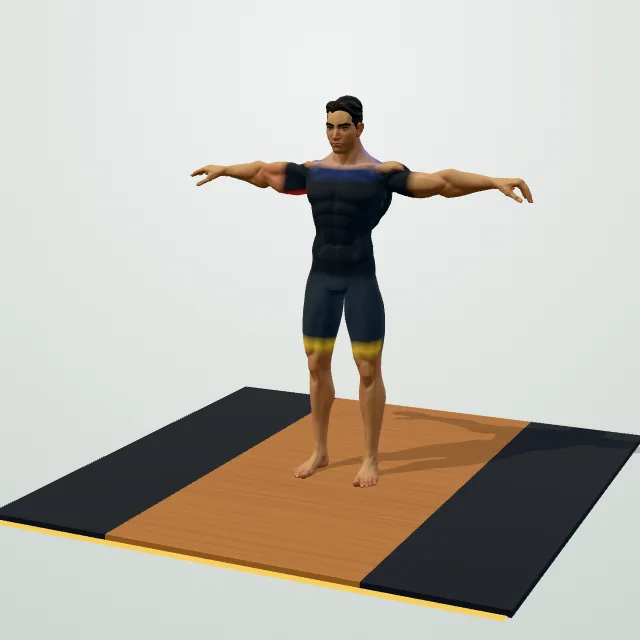
Band Pull-Apart
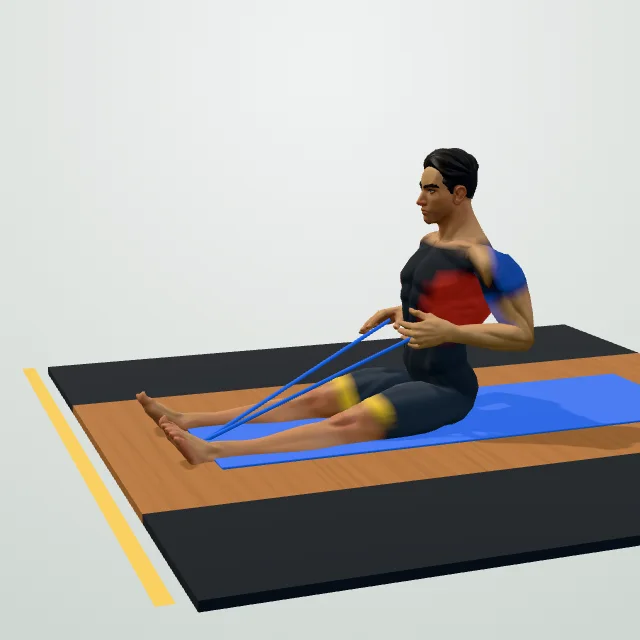
Resistance Band Row
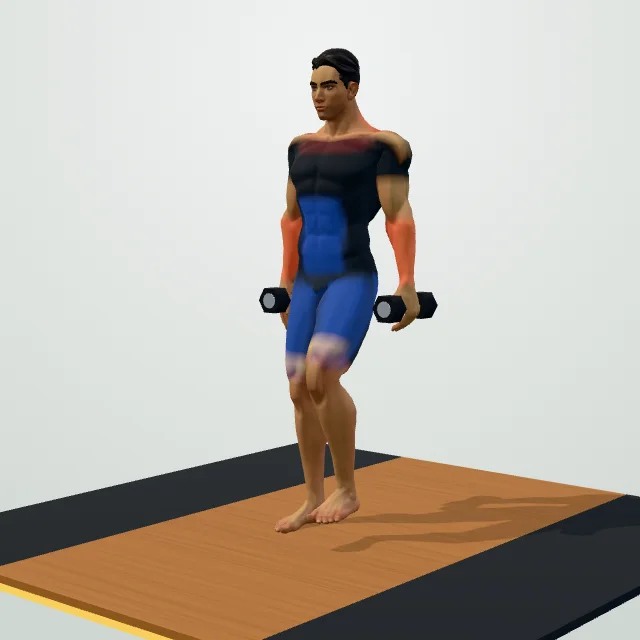
Farmer's Walk
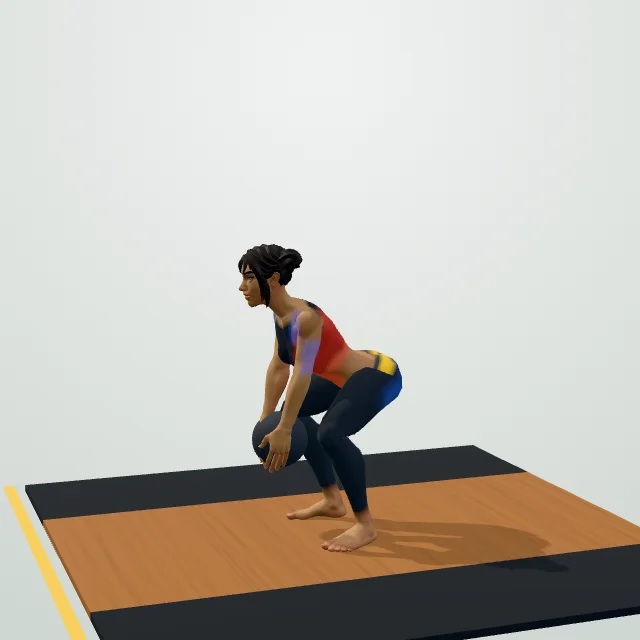
Medicine Ball Slam
Home, no equipment
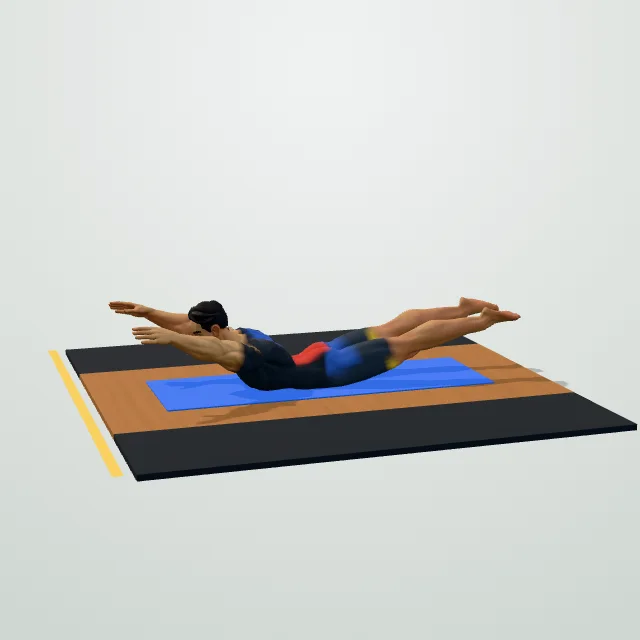
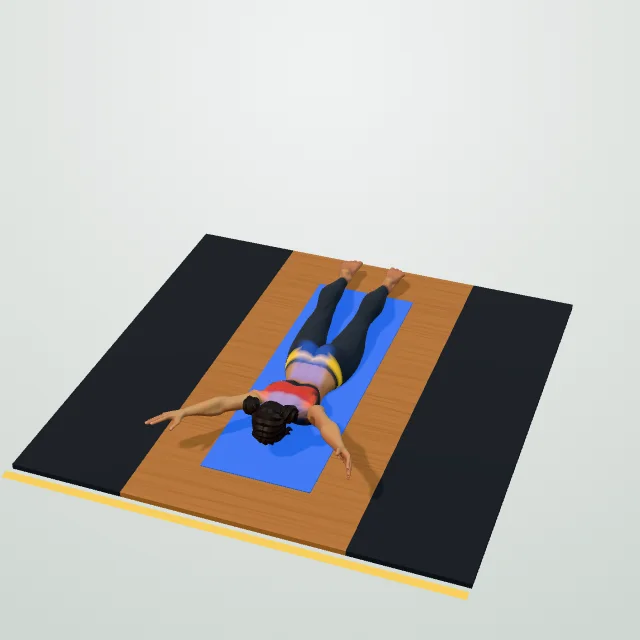
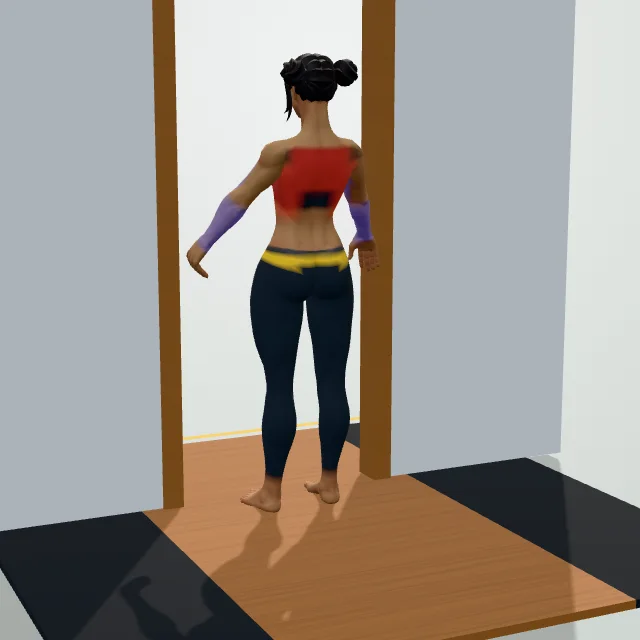
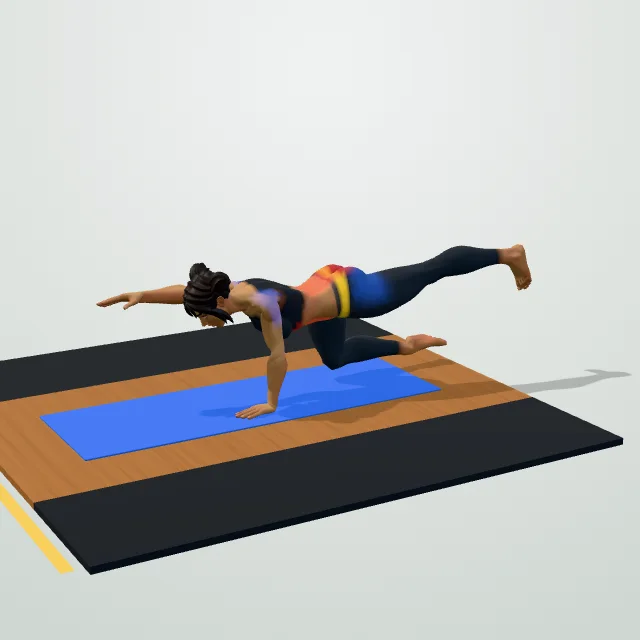
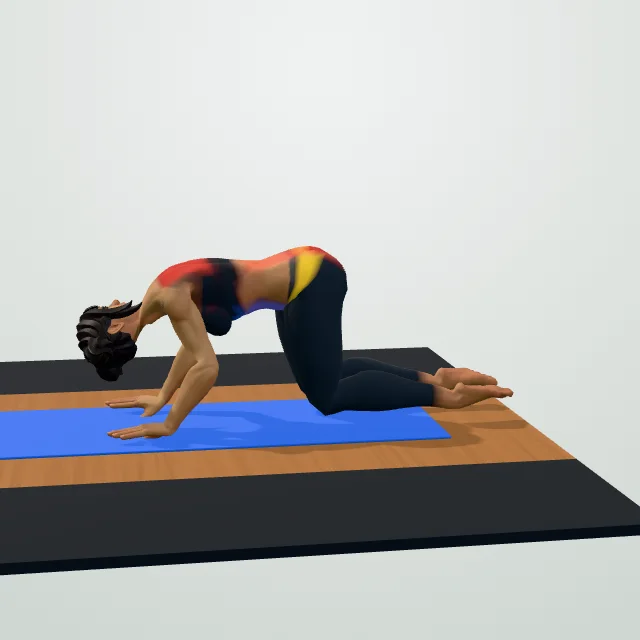
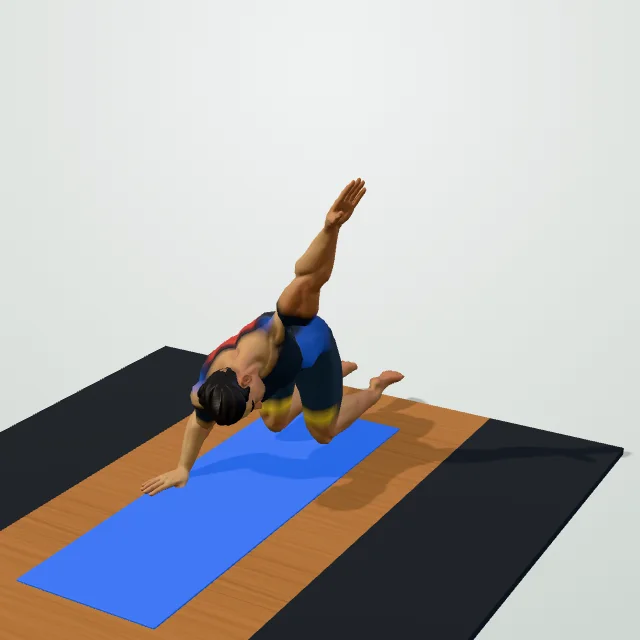
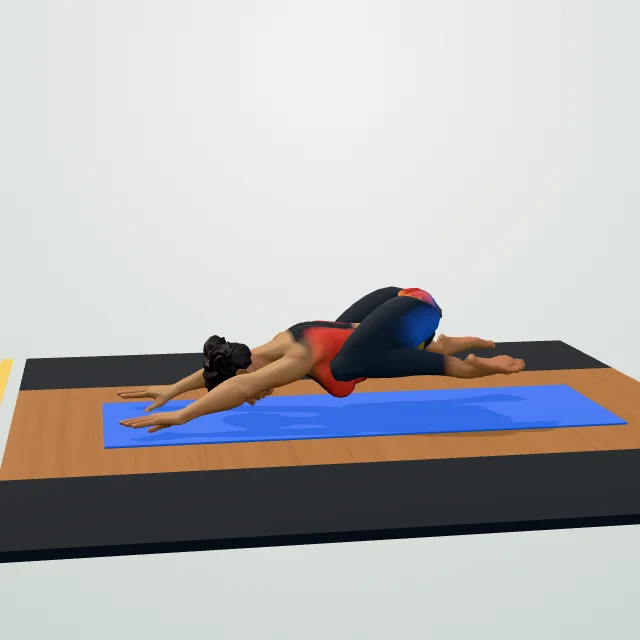
Secondary
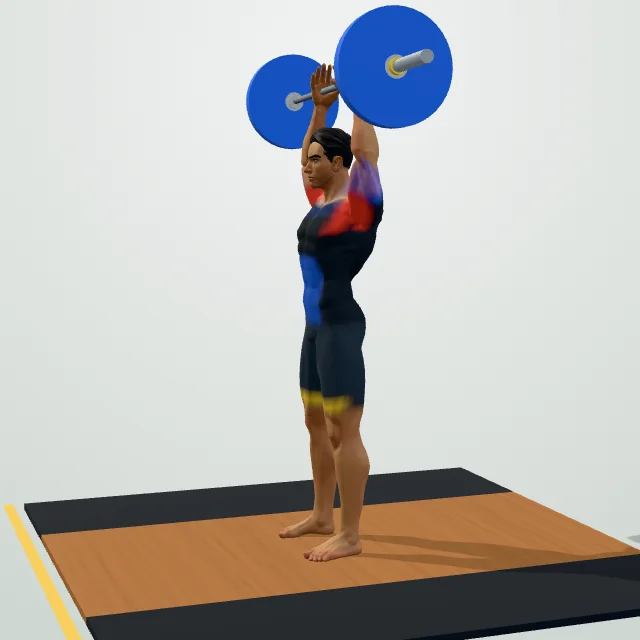
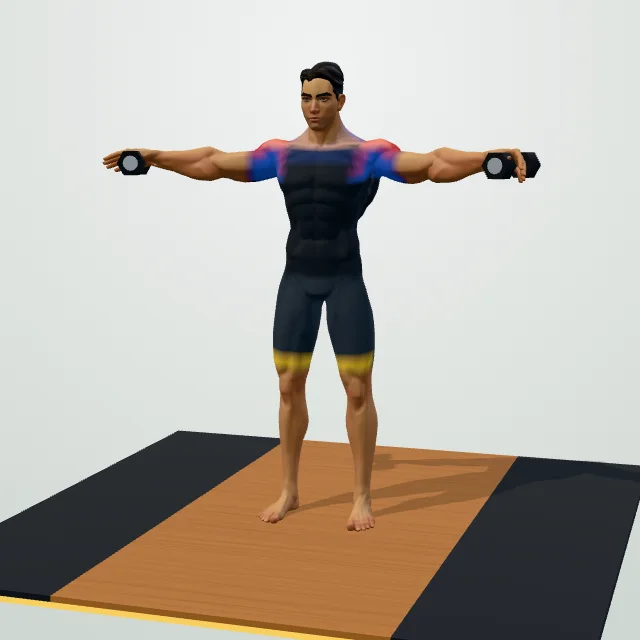
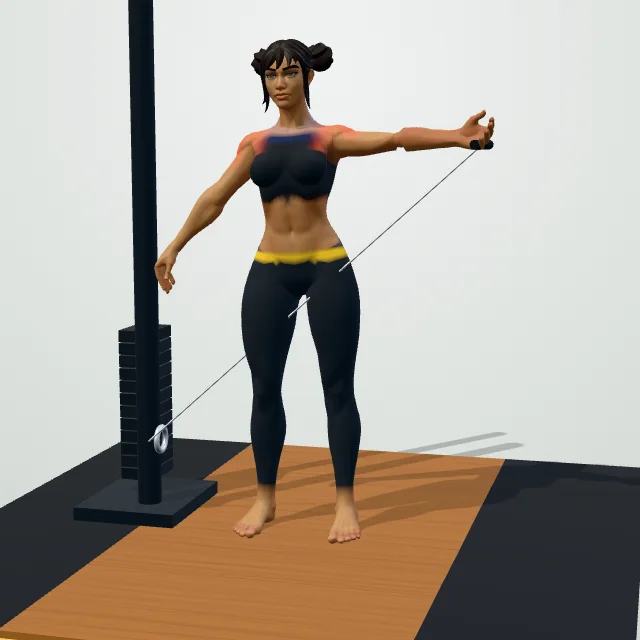
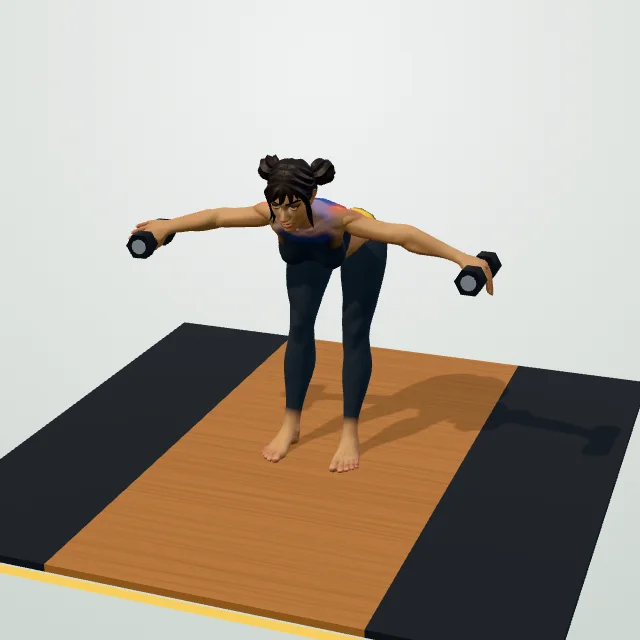
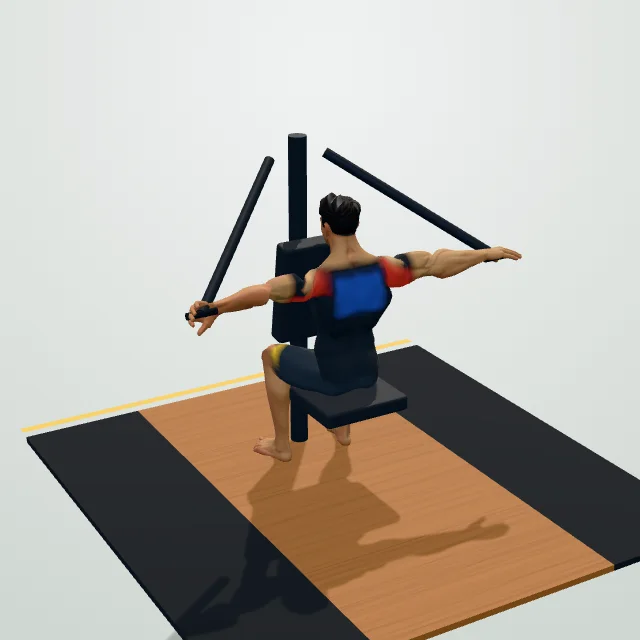
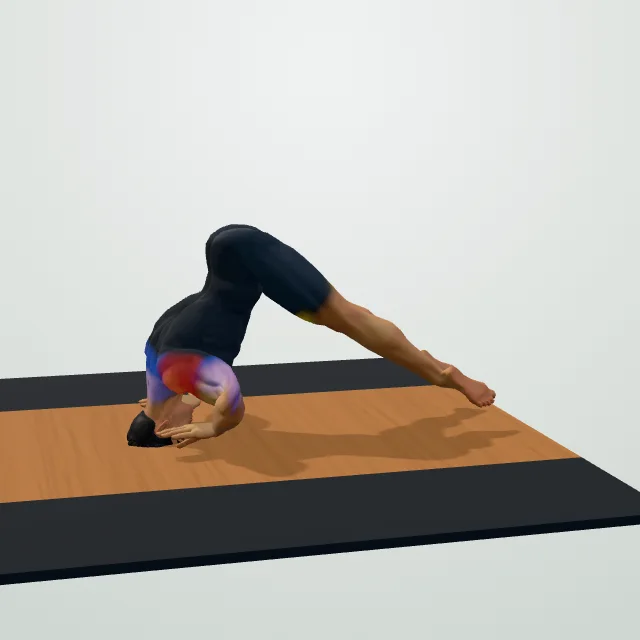
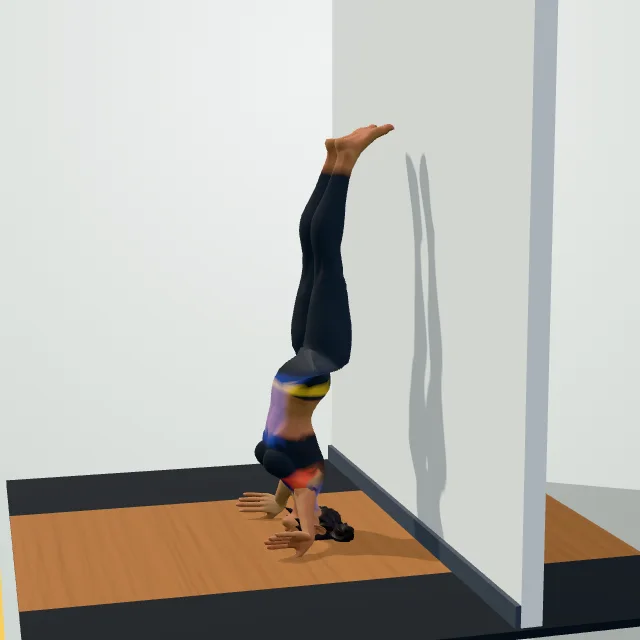
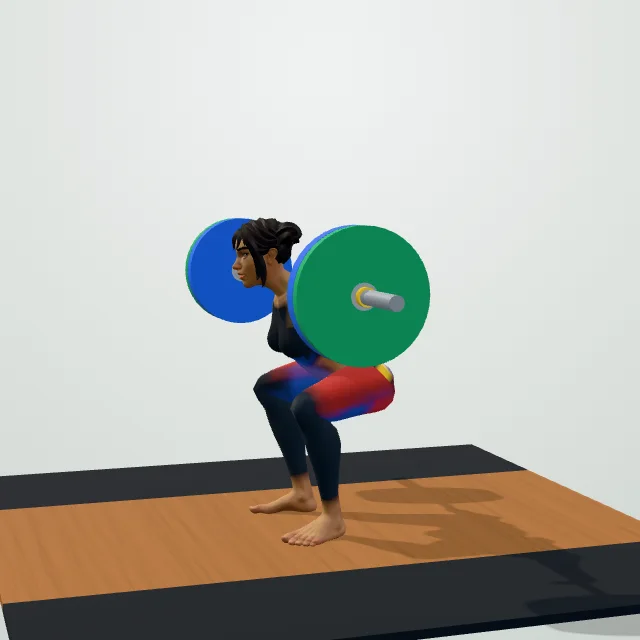
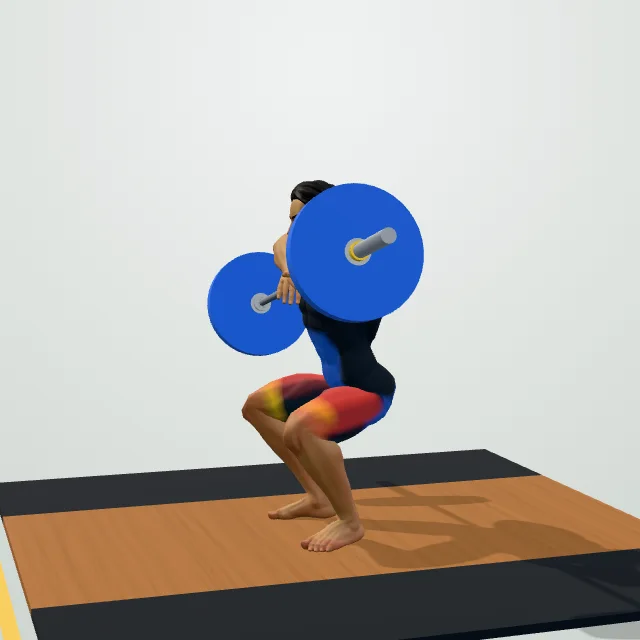
Effective back exercises combine two directions of pulling — rows that pull the torso toward a bar or handle, and pulldowns or pull-ups that pull a bar or your body toward each other from overhead — because the back is made up of several muscles with different fibre directions, and no single exercise trains all of them equally.
Back anatomy and function
The lats (latissimus dorsi) are the large, wing-shaped muscles that run from the mid and lower back up to the upper arm, and they pull the arm down and back — the main driver in pull-ups and pulldowns. The upper back (rhomboids and middle trapezius) sits between the shoulder blades and pulls them together, the main job in rows and face pulls. The traps (upper trapezius) run from the neck to the shoulders and lift and rotate the shoulder blades, worked directly by shrugs. The lower back (erector spinae) runs along the spine and keeps it extended under load, working hard in deadlifts, good mornings and back extensions. A complete back workout trains all four areas, not just the lats.
How to train the back: sets, reps and frequency
Because the back covers several distinct muscles, most effective back workouts use four to six different exercises covering both vertical pulling (pulldowns, pull-ups) and horizontal pulling (rows), typically 10–20 total sets per week for growth in the 6–15 rep range, and heavier 4–8 rep work on a barbell row or deadlift variation for strength. Grip width and angle change which part of the back is emphasised, so varying grip across your rowing and pulldown exercises over a training block covers more of the muscle than repeating the same grip every session.
Best gym back exercises
The deadlift is the single biggest back and full-posterior-chain exercise available, heavily loading the lower back, lats and traps together. The bent-over barbell row and T-bar row are the main horizontal-pulling mass builders, while the seated cable row and one-arm dumbbell row allow more control and unilateral work. For vertical pulling, the lat pulldown and its variations — close-grip lat pulldown and straight-arm pulldown — build toward the pull-up and chin-up, the bodyweight gold standard once you can do them for reps. The face pull targets the rear delts and upper back together and is a common shoulder-health accessory, and barbell shrug and dumbbell shrug isolate the traps directly.
Best home back exercises
The back is one of the harder muscle groups to train well with no equipment, since most bodyweight positions push rather than pull — but a few options work: superman and prone Y-T-W raise train the upper back and lower back through controlled extension, doorframe row uses your own bodyweight against a door frame to mimic a row, and bird dog builds core and lower-back stability together. If you have a resistance band, band pull-apart and resistance band row cover rowing patterns properly, and a single dumbbell is enough for a one-arm dumbbell row or dumbbell shrug. A dead hang from any sturdy bar also builds grip and shoulder health that supports every other back exercise.
Sample back workout
| Exercise | Sets | Reps | Rest |
|---|---|---|---|
| Deadlift or Romanian deadlift | 3–4 | 5–8 | 2–3 min |
| Lat pulldown or pull-up | 3–4 | 6–12 | 90 s |
| Barbell row or one-arm dumbbell row | 3 | 8–12 | 90 s |
| Face pull | 2–3 | 12–15 | 60 s |
Common mistakes
Rounding the lower back on deadlifts and rows removes protective tension from the spine and shifts load onto the discs and ligaments instead of the muscles — keep a neutral spine and brace before every rep. Using momentum ("body English") to swing a row or pulldown up cheats the target muscle out of most of the tension and adds strain to the lower back — slow the tempo and reduce the weight if you cannot control it. Shrugging the shoulders up toward the ears during pulldowns and rows lets the traps take over from the lats — set the shoulder blades down and back before pulling. Only pulling to a partial range because the weight is too heavy also under-trains the muscle; a controlled full range with less weight builds more back over time than a heavy half-rep.
Back exercises and lower back pain
Exercises that strengthen the muscles supporting the spine — bird dog, back extension, glute bridge and controlled hip hinges — can help some types of non-specific lower back pain, but back pain has many causes, and a workout page cannot diagnose yours. If you have persistent or worsening back pain, numbness, or pain radiating down a leg, see a doctor or physiotherapist before adding load-bearing back exercises, and see the exercise for lower back pain guide for more detail.