Build muscle · Intermediate
Push pull legs workout plan: the 6-day PPL split
This push pull legs workout plan trains push muscles (chest, shoulders, triceps), pull muscles (back, biceps) and legs on their own days, twice through each week, so every muscle gets two hard sessions and one rest day nearby it.
Your week
Sessions
Push (chest, shoulders, triceps)
| Exercise | sets | Rest | |
|---|---|---|---|
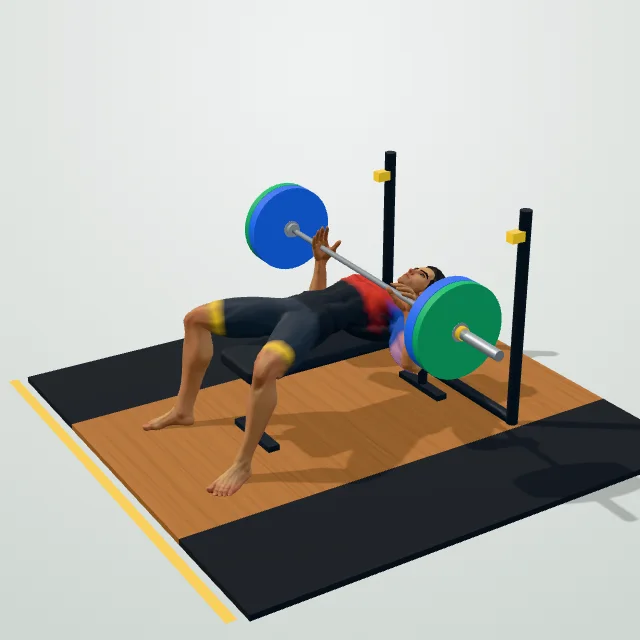
| Barbell Bench Press | 4 × 6-8 | 150 s |
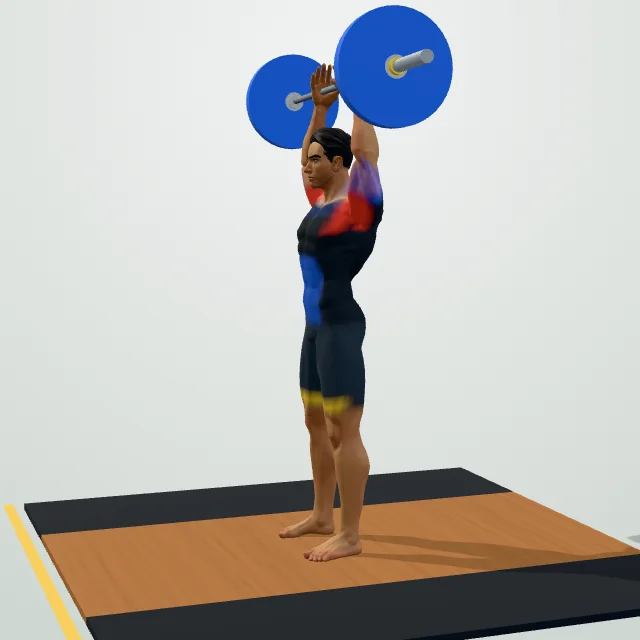 | Overhead Press | 3 × 6-8 | 120 s |
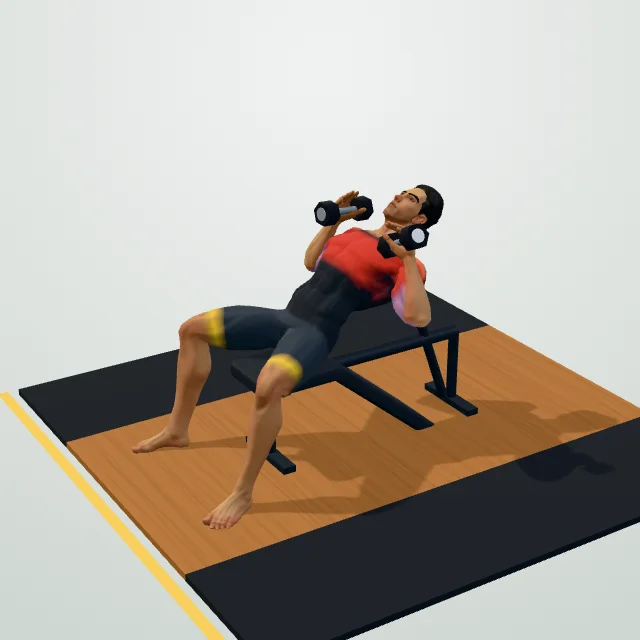 | Incline Dumbbell Press | 3 × 8-12 | 90 s |
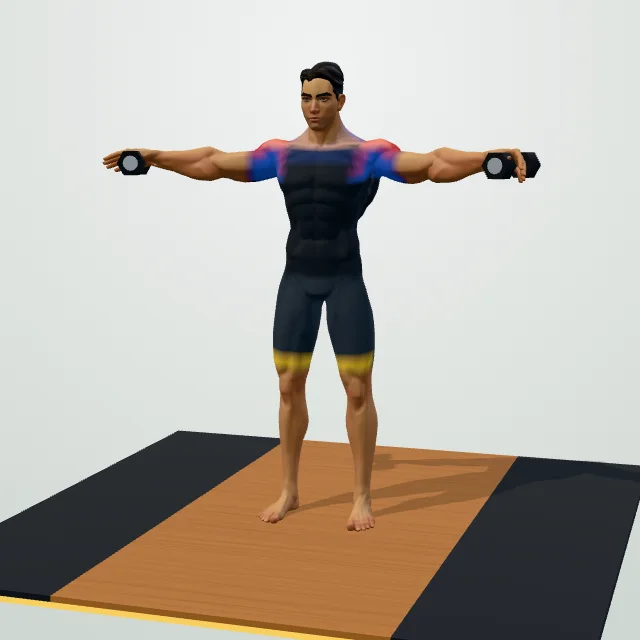 | Dumbbell Lateral Raise | 3 × 12-15 | 60 s |
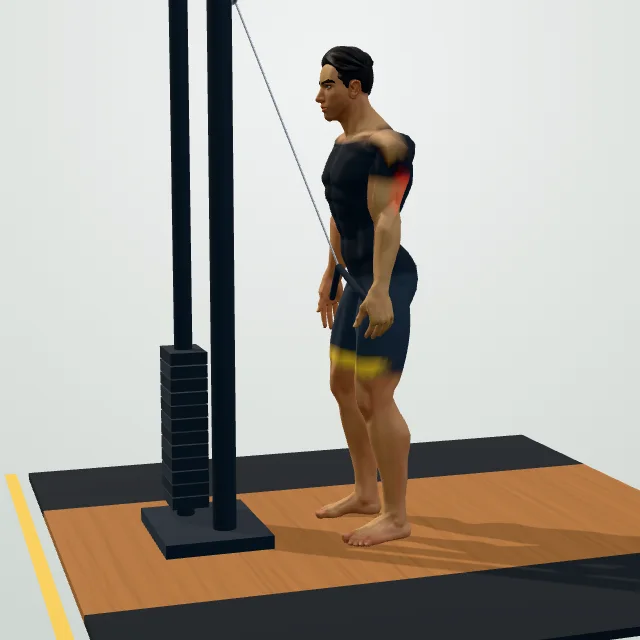 | Triceps Rope Pushdown | 3 × 10-12 | 60 s |
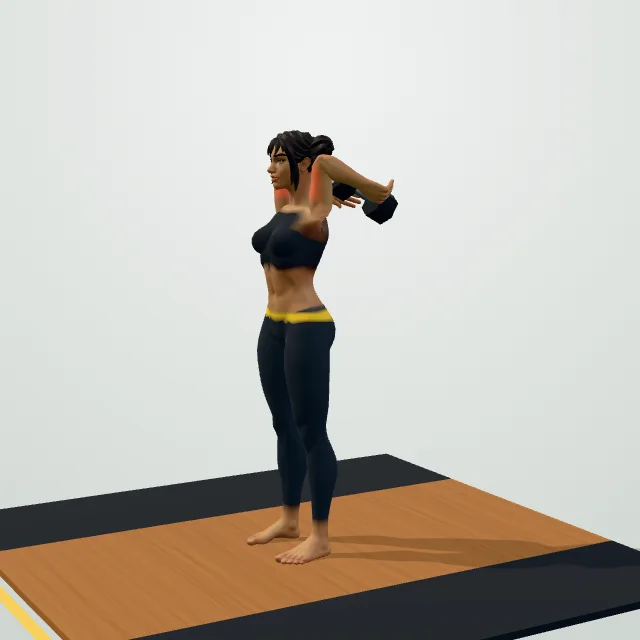 | Overhead Triceps Extension | 2 × 10-12 | 60 s |
Pull (back, rear delts, biceps)
| Exercise | sets | Rest | |
|---|---|---|---|
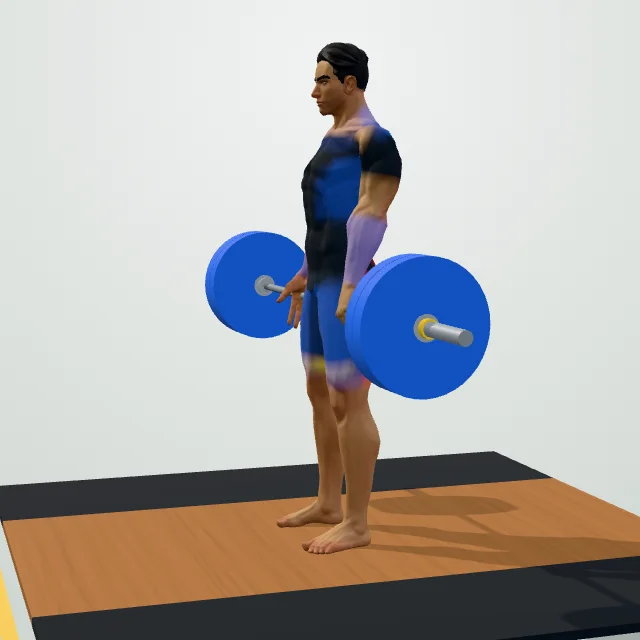 | Deadlift | 3 × 5 | 180 s |
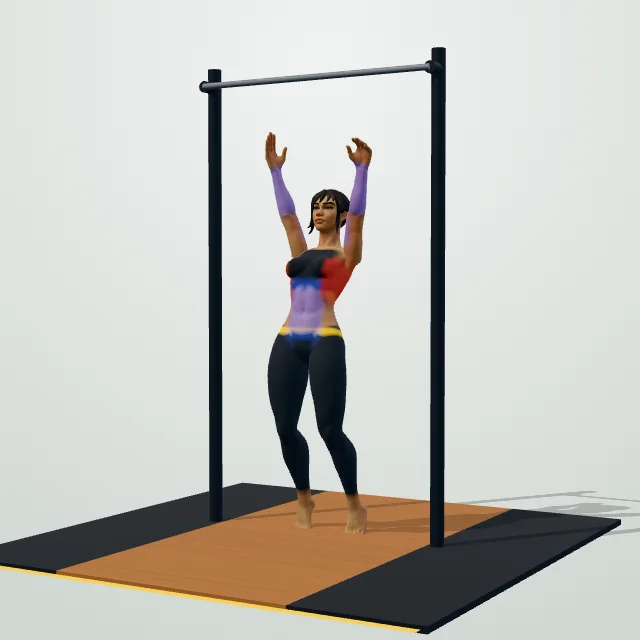 | Pull-Up | 3 × 6-10 | 120 s |
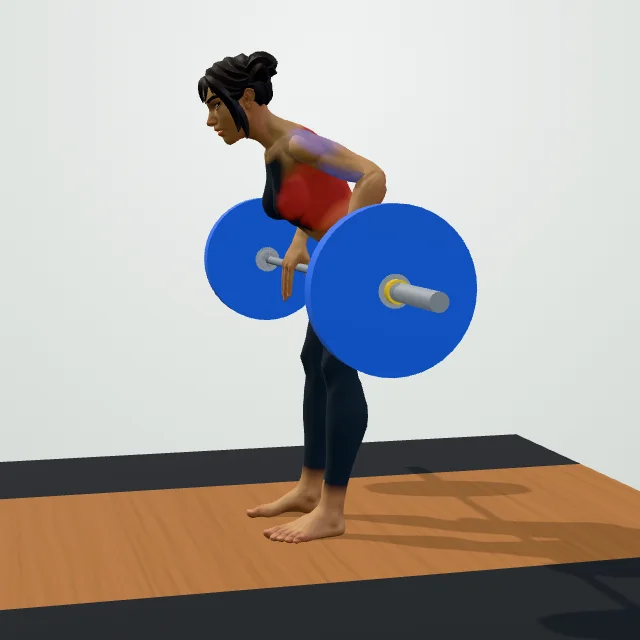 | Bent-Over Barbell Row | 3 × 8-10 | 120 s |
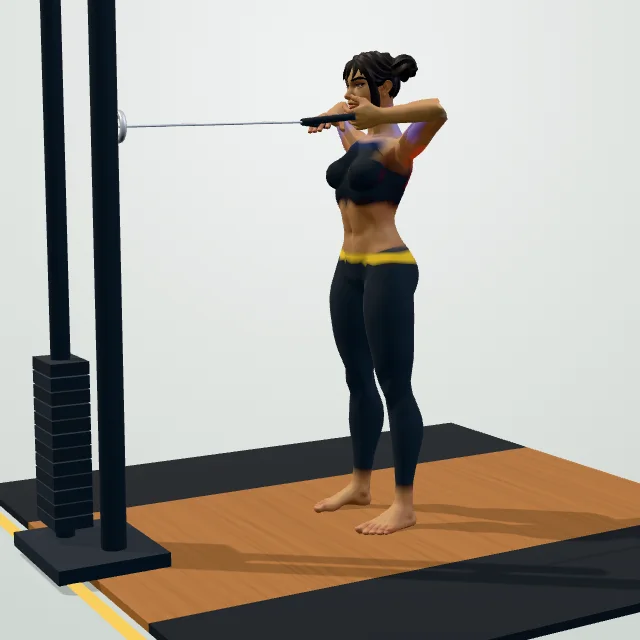 | Face Pull | 3 × 12-15 | 60 s |
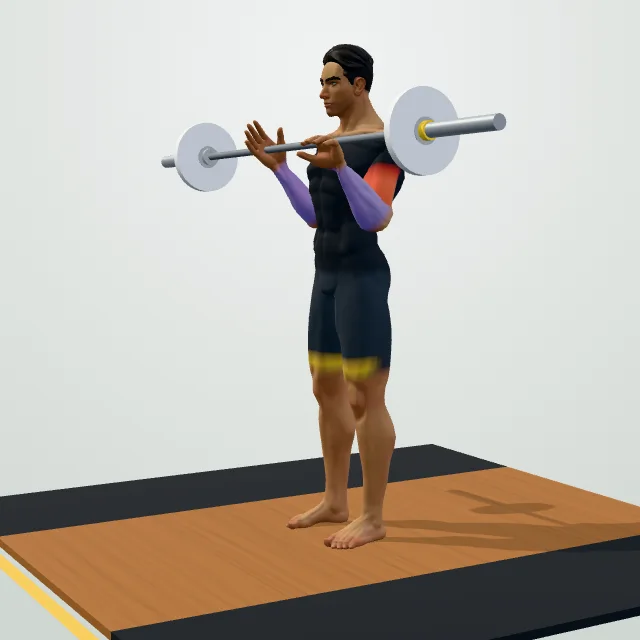 | Barbell Curl | 3 × 8-12 | 60 s |
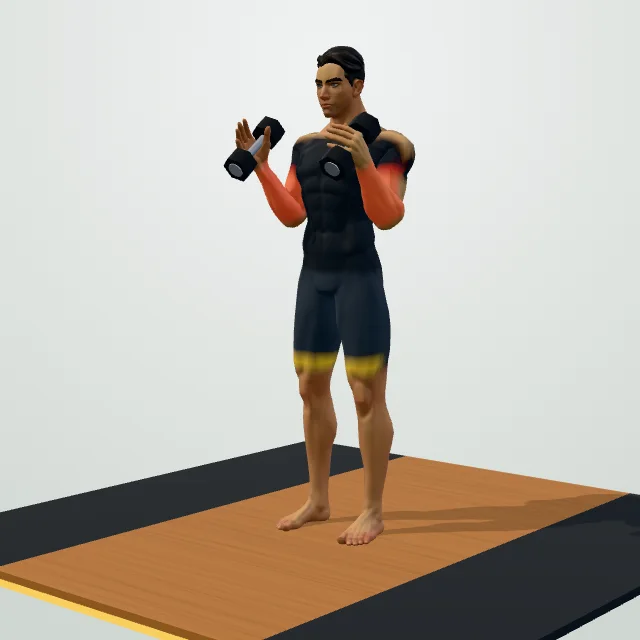 | Hammer Curl | 2 × 10-12 | 60 s |
Legs (quads, hamstrings, glutes, calves)
| Exercise | sets | Rest | |
|---|---|---|---|
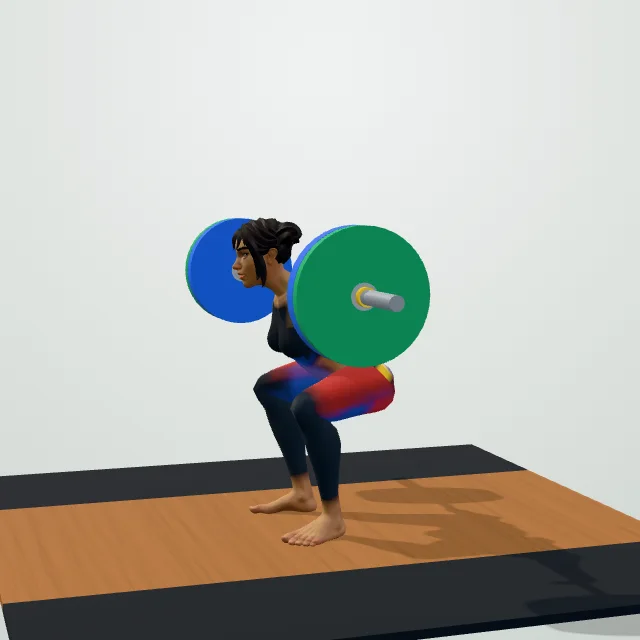 | Barbell Back Squat | 4 × 6-8 | 180 s |
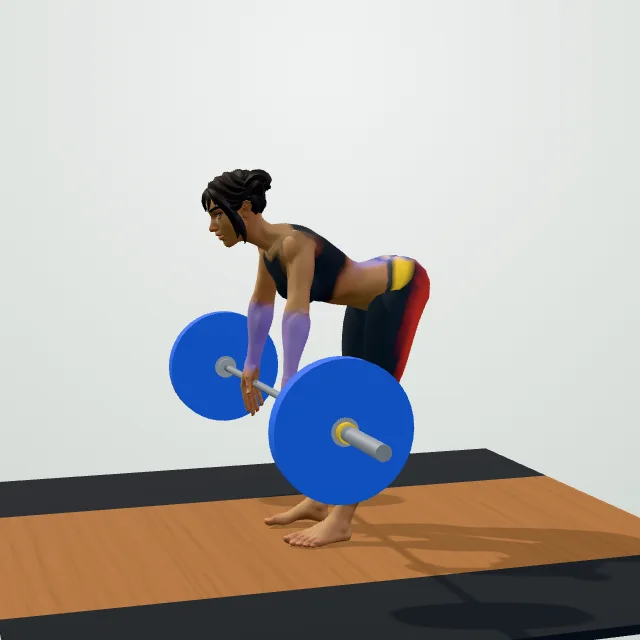 | Romanian Deadlift | 3 × 8-10 | 120 s |
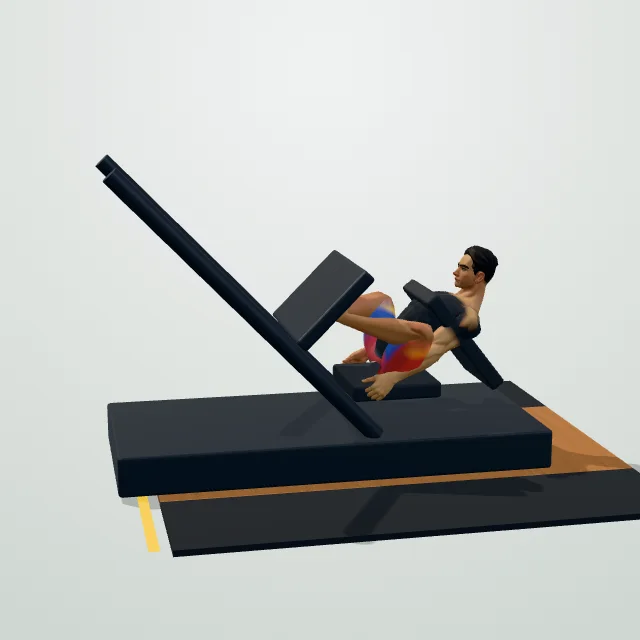 | Leg Press | 3 × 10-12 | 90 s |
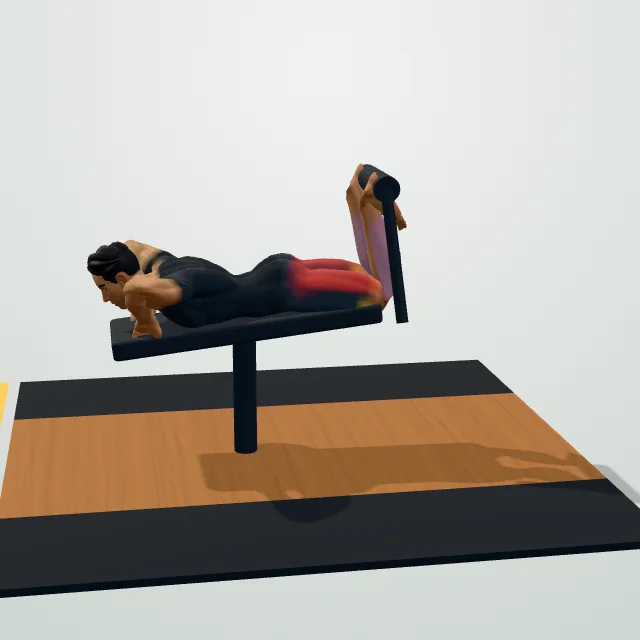 | Lying Leg Curl | 3 × 10-12 | 60 s |
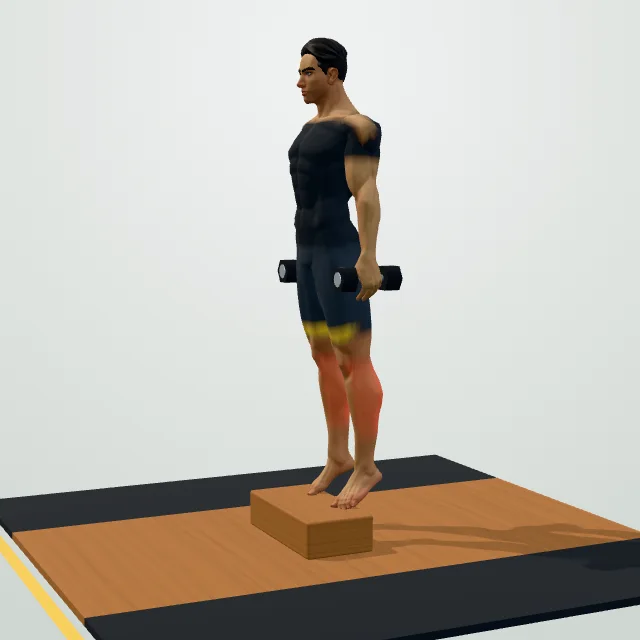 | Standing Calf Raise | 4 × 12-15 | 60 s |
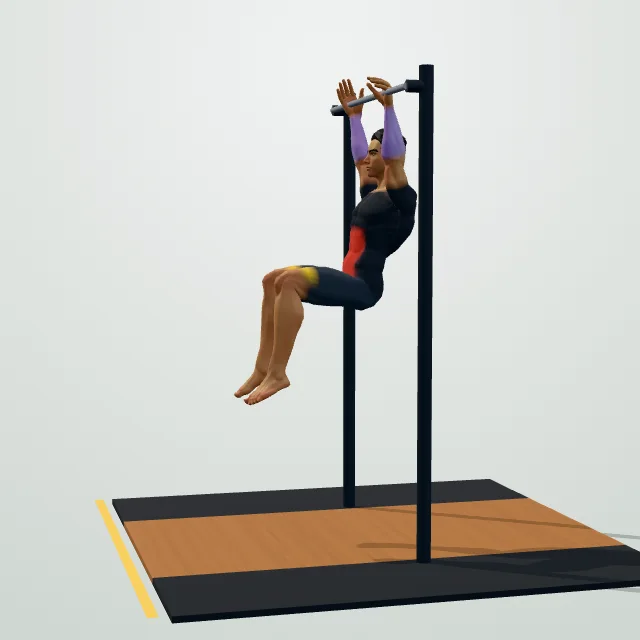 | Hanging Knee Raise | 3 × 10-12 | 60 s |
How to progress
- Use double progression: when every set reaches the top of the rep range, add weight next time.
- Every 6–8 weeks take a lighter week (about half the sets).
A push pull legs workout plan splits training into three types of movement — pushing (chest, shoulders, triceps), pulling (back, biceps) and legs — and runs through all three twice in a 6-day week, which is one of the most efficient ways to hit every muscle group with enough weekly volume for real muscle growth.
Who this push pull legs workout plan is for
This is an intermediate-level, gym-based plan built around barbell and cable staples, so it suits lifters who already have a few months of consistent training and can commit to six sessions a week. It is a strong choice if your main goal is building muscle and you have the time and recovery capacity for daily training. If six days is more than your schedule allows, the upper/lower split covers the same muscle groups in four sessions, and the 5-day body-part split trains each muscle once a week with a bit more focus per session. If you are newer to lifting, build a base first with the beginner full-body workout before taking on a 6-day split like this one.
How to run the sessions
Warm up for 5–8 minutes before every session, then take 1–2 light warm-up sets before your first heavy set on any barbell lift — a cold heavy squat, bench press or deadlift is a common source of strains. On push day, bench press and overhead press come first while you are freshest, with lateral raises and triceps work finishing the session. On pull day, the deadlift and pull-ups lead, with face pulls and curls after. On leg day, the back squat leads, followed by hinges, machine work and calves last. Follow the calendar as written — push, pull, legs, push, pull, legs, rest — rather than reordering days, since the rest day is placed to follow the second leg session, your most demanding day.
How to choose your starting weight
For the main barbell lifts (bench press, deadlift, squat, overhead press), pick a weight that leaves 2–3 reps in reserve on your first sets and lets you just reach the bottom of the rep range with good form on your last set. For accessory work like lateral raises, face pulls and curls, weight matters less than control — pick something you can move through a full range of motion for the full rep range without swinging. The RPE and RIR guide is worth reading if judging "reps in reserve" is new to you.
Week-to-week progression, with numbers
Use double progression on every exercise: once every set reaches the top of its rep range — for example 4×8 on the barbell bench press or 4×15 on lateral raises — add the smallest available weight jump next time, typically 2–2.5 kg (5 lb) on upper-body barbell lifts and 5 kg (10 lb) on squats and deadlifts. This is the standard progressive overload approach: small, steady increases beat trying to jump weight before your reps catch up. Every 6–8 weeks, take a lighter deload week at roughly half your usual sets — this is not a sign of weakness, it is what lets you keep adding weight session after session without your joints and nervous system falling behind. Expect your accessory lifts (lateral raises, curls, triceps pushdowns) to progress in reps more often than in weight, since the jumps available on dumbbells and cable stacks are usually bigger relative to the loads involved.
Adapting the plan: fewer days, home training, missing equipment
Only free for 3–4 days: run push, pull, legs once each and take the rest of the week off, rather than trying to fit two full rotations into fewer days — see the workout split guide for how a 3-day PPL compares to running it six days. No barbell at home: replace the bench press with dumbbell bench press, the barbell row with chest-supported dumbbell row, and the back squat with goblet squat — the full-body dumbbell workout shows a full dumbbell-only template if you want to switch entirely. No pull-up bar: use lat pulldowns at the same sets and reps. If six days becomes unsustainable, dropping to a 4- or 5-day PPL (combining two of the three session types on one day, such as a lighter push added onto a pull day) keeps the same structure with less weekly volume.
Recovery, sleep and nutrition basics
Six days a week is demanding, so recovery matters more here than on lower-frequency plans — sleep 7–9 hours a night and treat the single rest day as non-negotiable, not optional. Eat roughly 1.6 g of protein per kg of body weight a day, spread across meals, to support the muscle repair this volume of training demands. If you are also trying to lose fat while running this plan, keep the deficit modest rather than aggressive: a large calorie deficit combined with six hard sessions a week is a common way to stall progress and feel constantly run down. The muscle soreness guide explains when soreness is normal and when it signals you need more rest.
Common mistakes on a push pull legs split
- Running all six days flat out every week: without a periodic deload, fatigue builds up over months and performance stalls or drops. Take the lighter week every 6–8 weeks as written.
- Neglecting the deadlift's single set: pull day includes only one working set of deadlifts by design — it is there for strength maintenance, not as the main volume driver for your back, so do not add extra heavy sets on top of it without adjusting elsewhere.
- Chasing weight on lateral raises and face pulls: these are stabilizer and shoulder-health exercises that work through range of motion and control, not maximum load. Prioritize form over the number on the dumbbell.
- Skipping the rest day when motivated: training legs a third time in the same week without the scheduled rest day usually shows up as poor squat performance the following week, not extra progress.
- Copying someone else's PPL weights: the plan works because you progress against your own numbers session to session, not because you match a specific weight on any given lift.
What to do next
Use the plan builder if you want to adjust this to 3, 4 or 5 days instead of 6, and the one-rep max calculator to plan working weights on the bench press, squat and deadlift once you know your numbers. If PPL ever feels like too much volume, the upper/lower split and 4-day muscle-building plan cover similar ground with fewer weekly sessions.
Questions people ask
Is push pull legs an effective workout split?
Is push pull legs good for beginners?
How many days a week is push pull legs done?
Is push pull legs better than a bro split?
Can I do push pull legs at home?
What is push pull legs upper lower?
How much weight should I add each week on push pull legs?
General fitness information, not medical advice. Check with a doctor or physiotherapist before starting if you have a health condition, an injury or are pregnant. Stop if you feel chest pain, dizziness or sharp pain.