Legs exercises: the best moves in 3D
How the quads, hamstrings and inner thighs work, the best leg exercises for the gym and home, and how to build leg day.
Gym
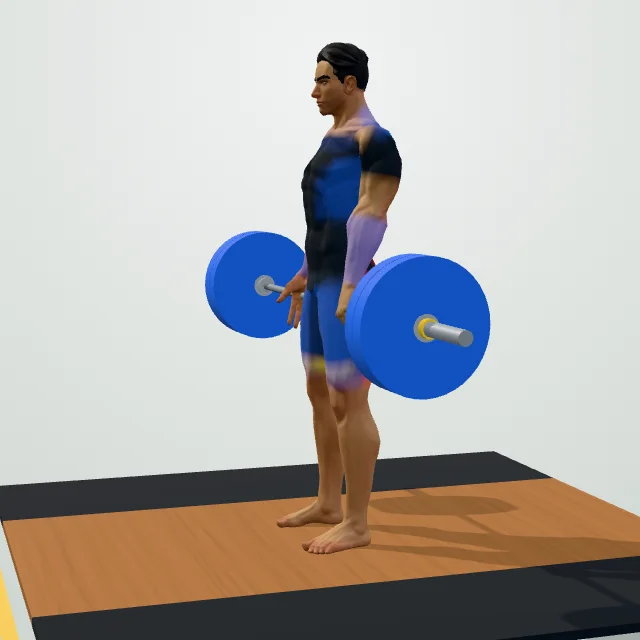
Deadlift
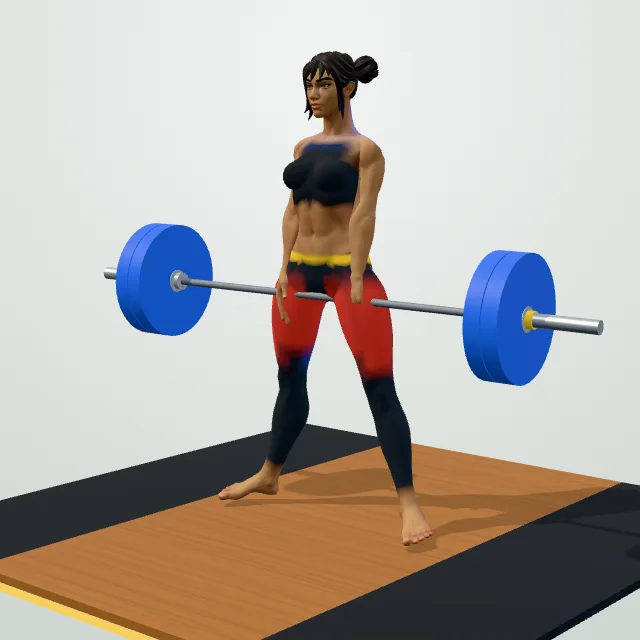
Sumo Deadlift
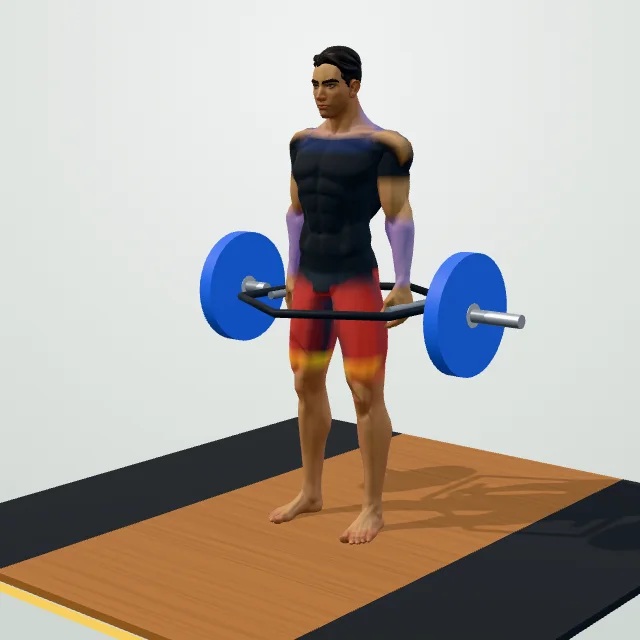
Trap Bar Deadlift
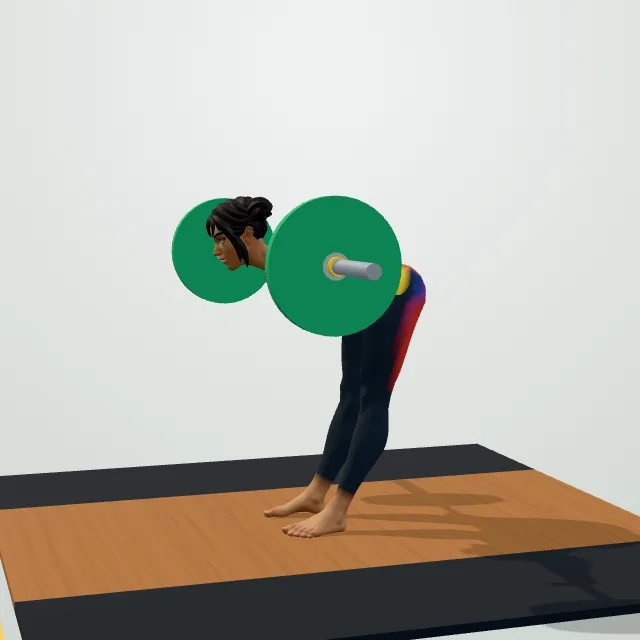
Good Morning
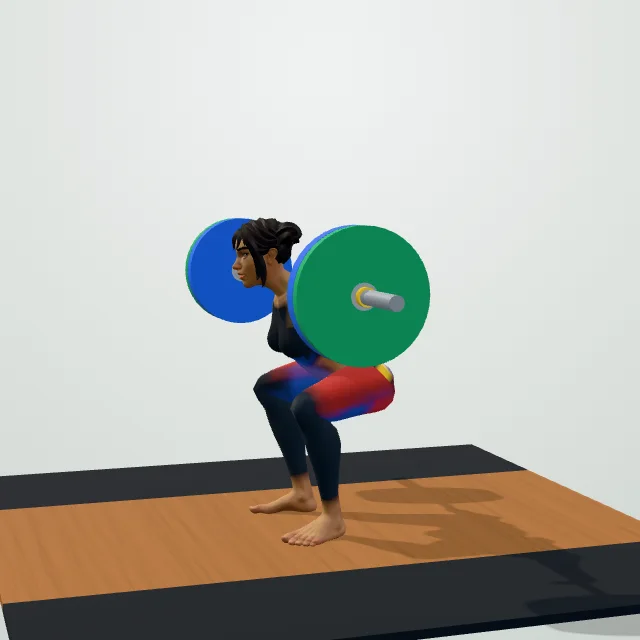
Barbell Back Squat
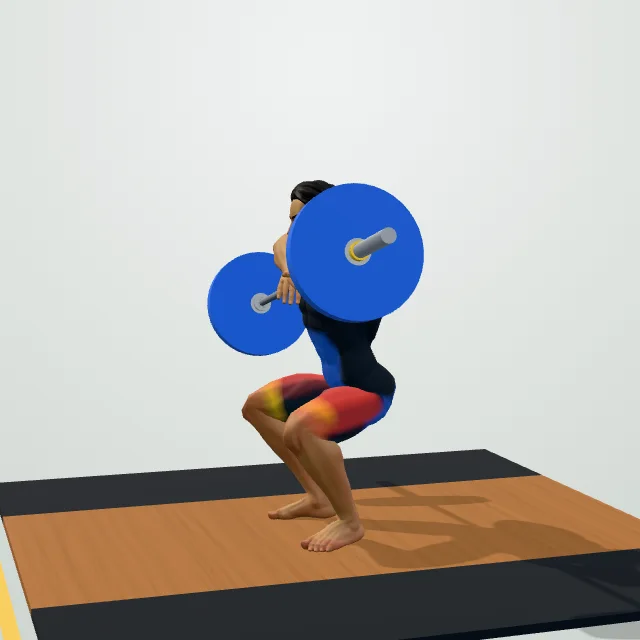
Front Squat
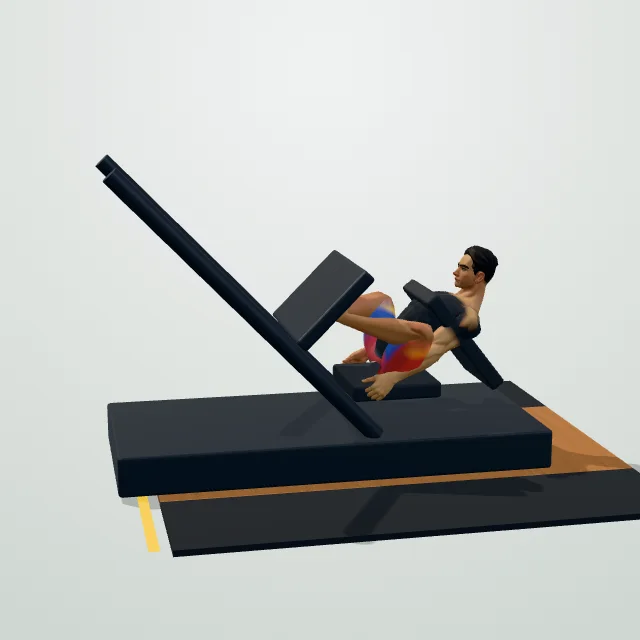
Leg Press
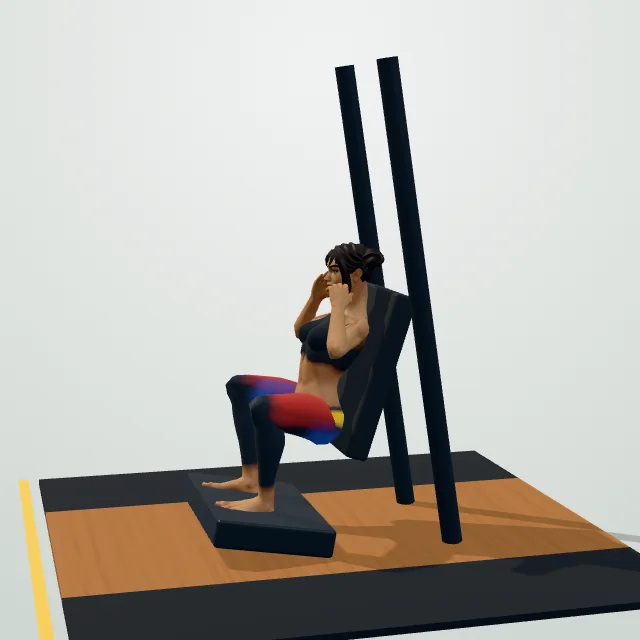
Hack Squat
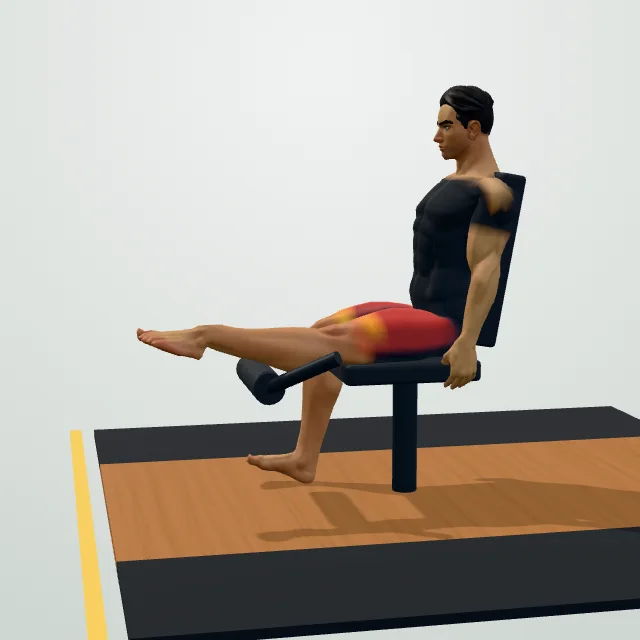
Leg Extension
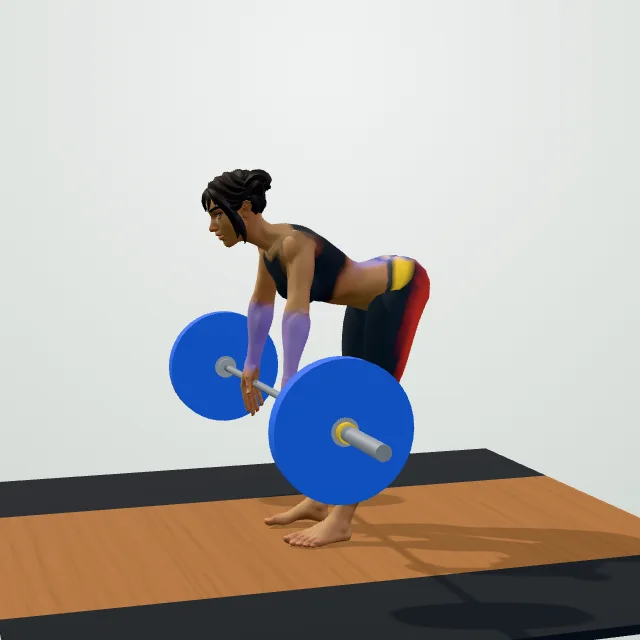
Romanian Deadlift
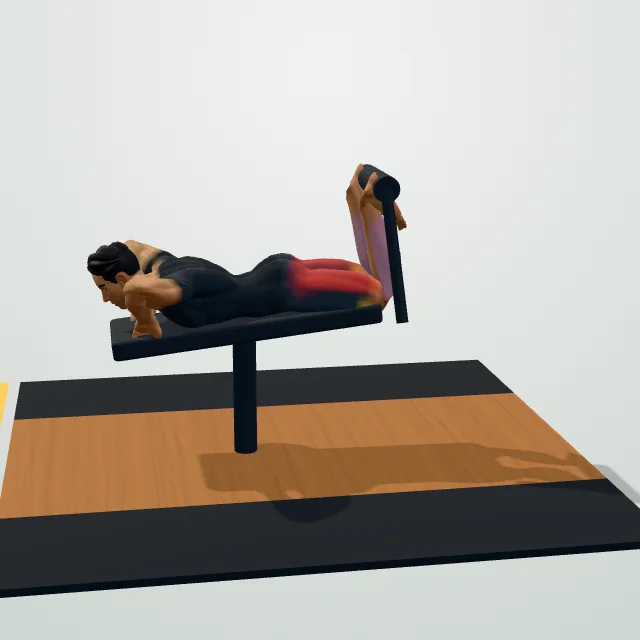
Lying Leg Curl
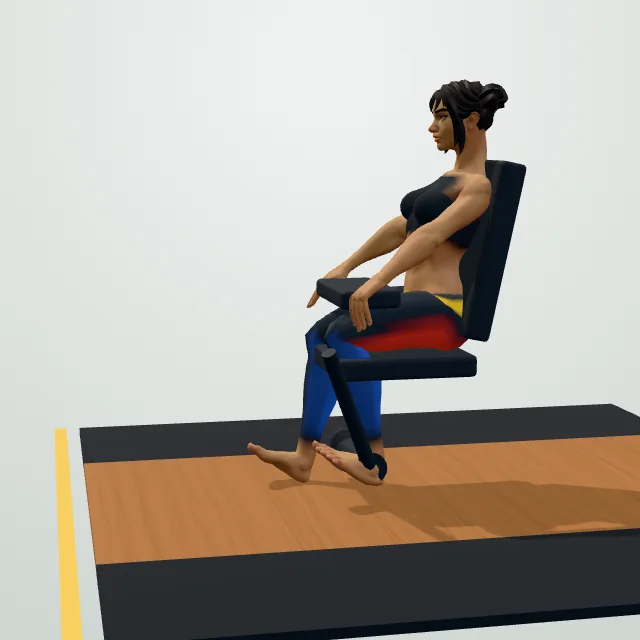
Seated Leg Curl
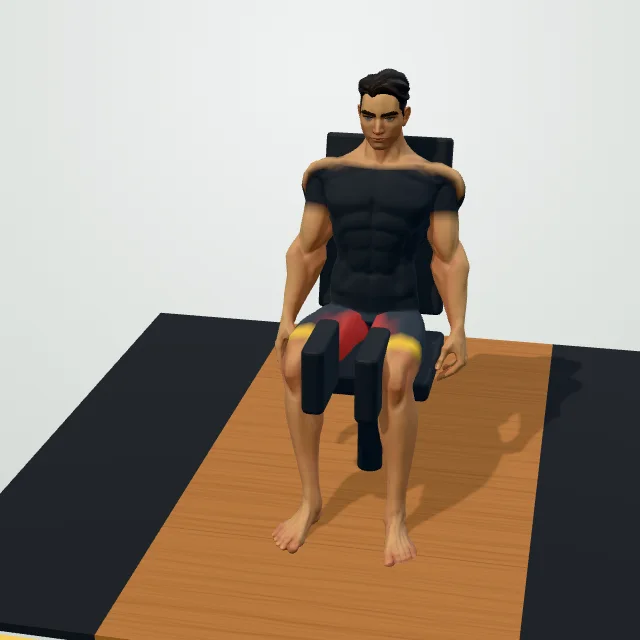
Hip Adduction Machine
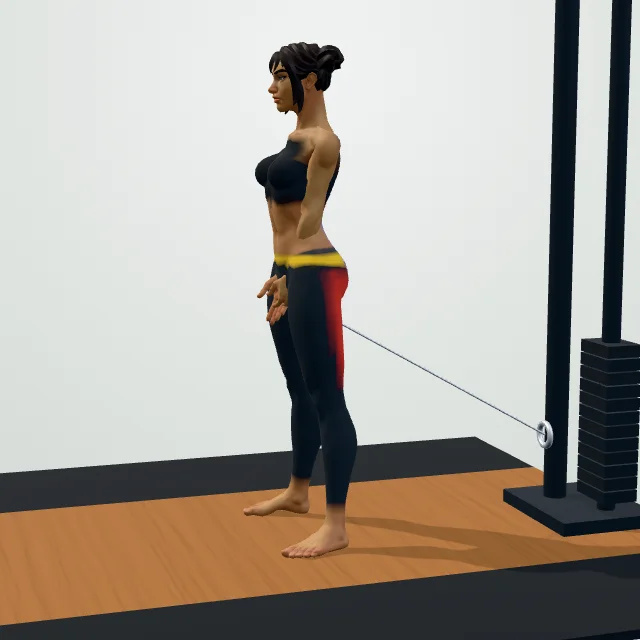
Cable Pull-Through
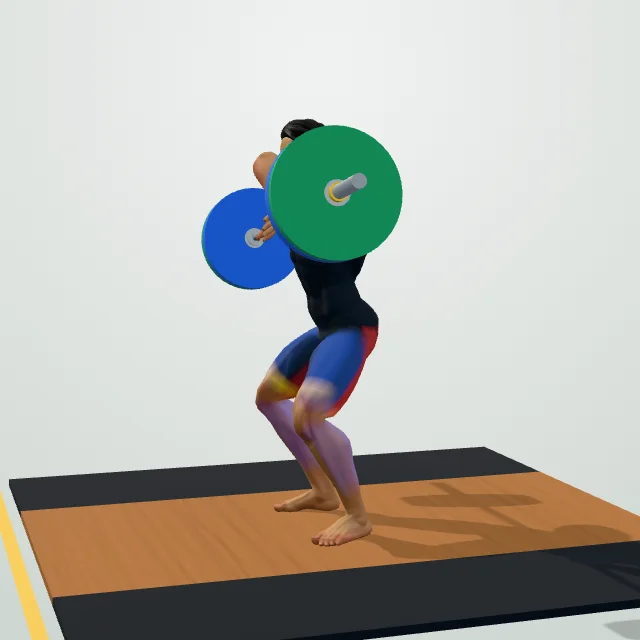
Power Clean
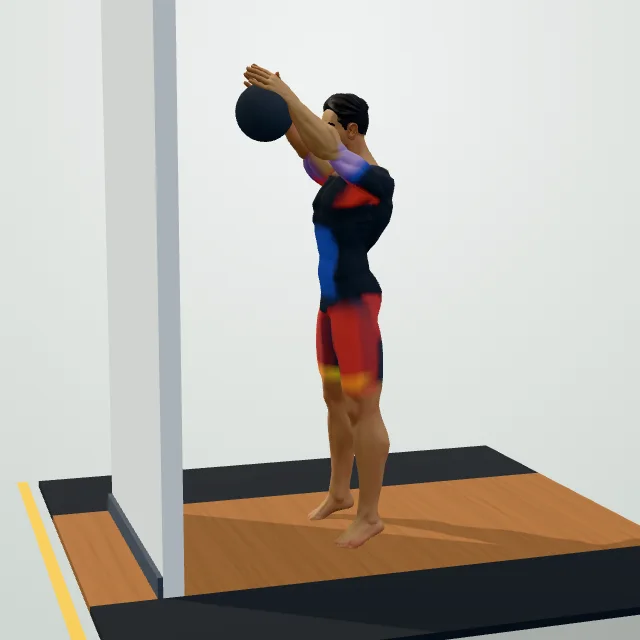
Wall Ball Shot
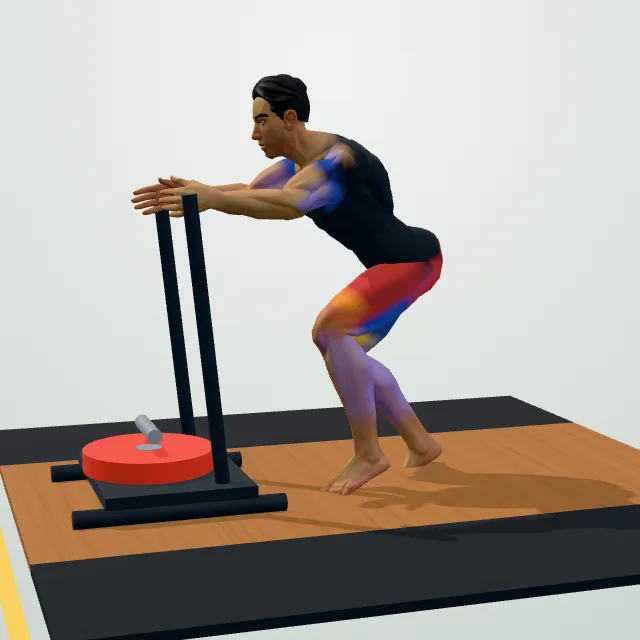
Sled Push
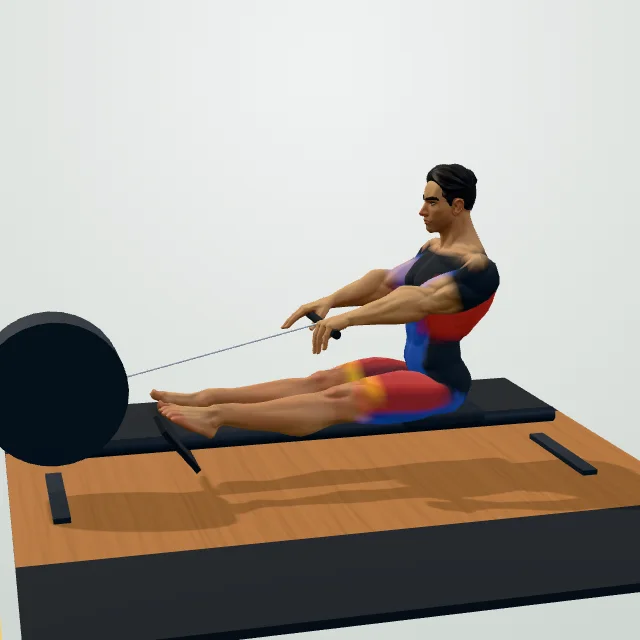
Rowing Machine
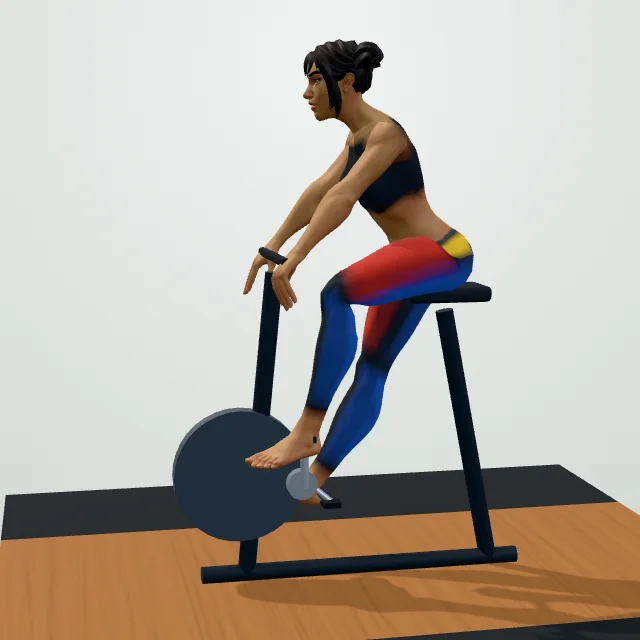
Stationary Bike
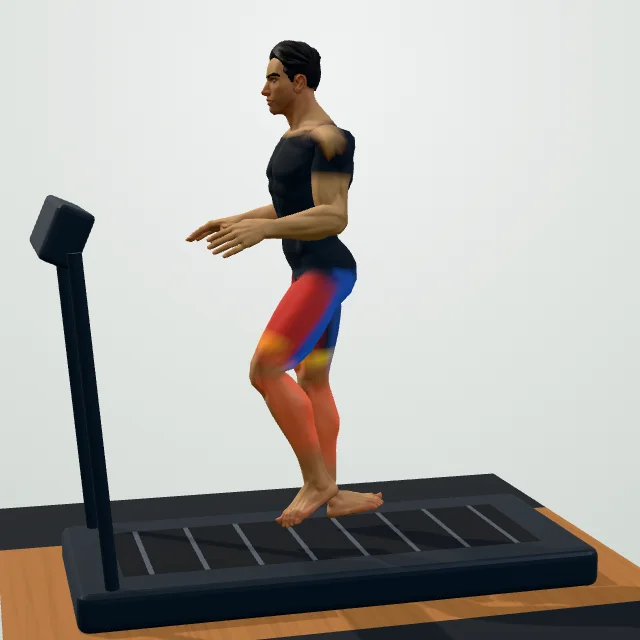
Treadmill Running
Home or gym
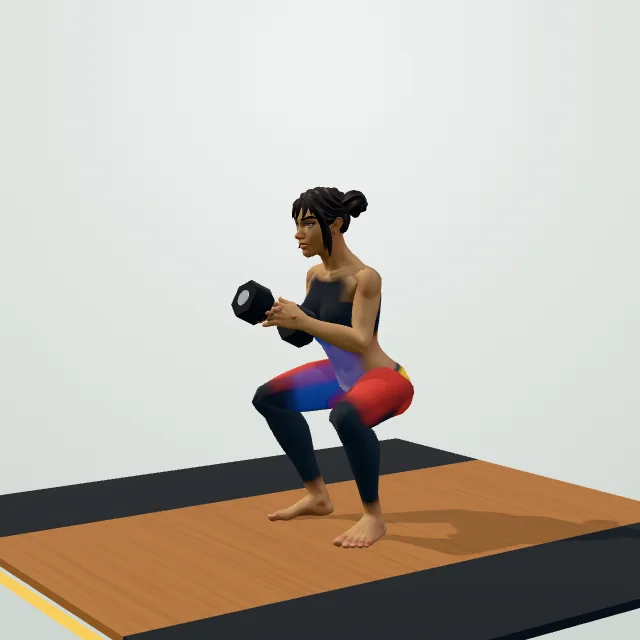
Goblet Squat
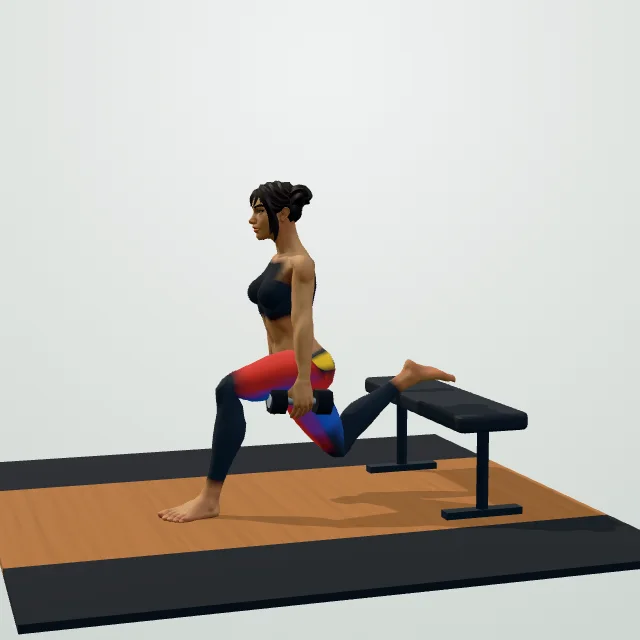
Bulgarian Split Squat
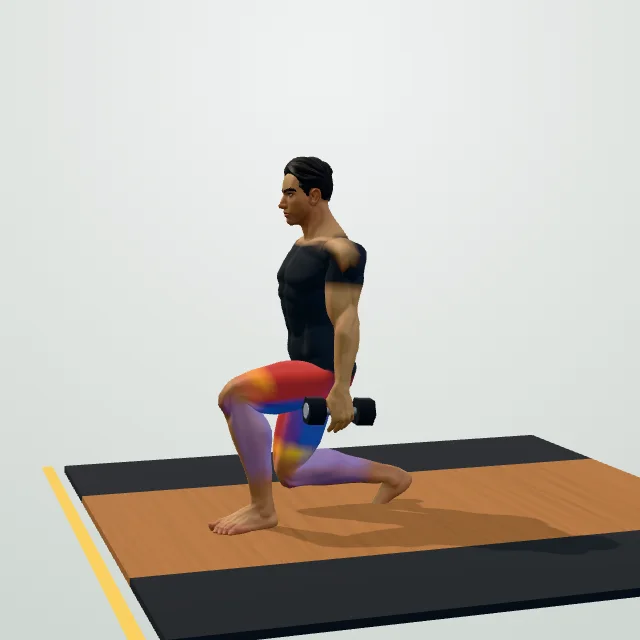
Dumbbell Walking Lunge
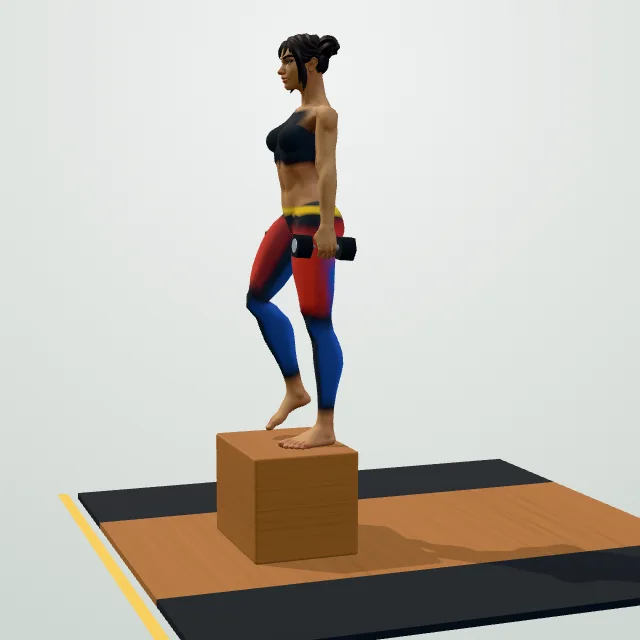
Dumbbell Step-Up
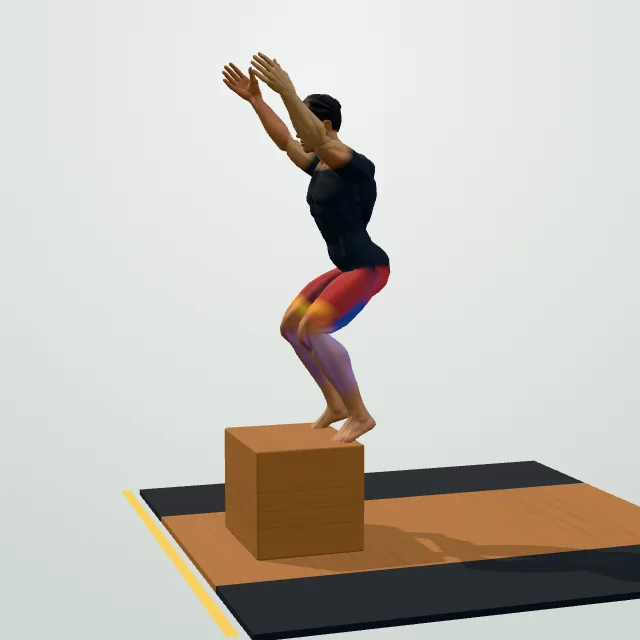
Box Jump
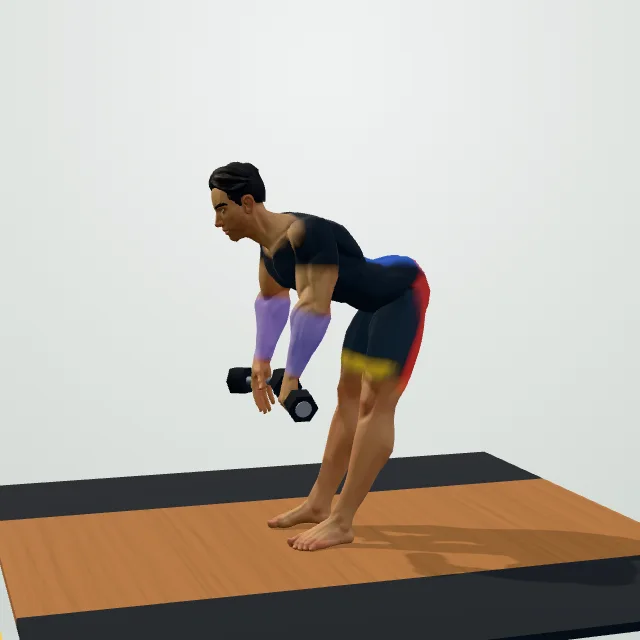
Dumbbell Romanian Deadlift
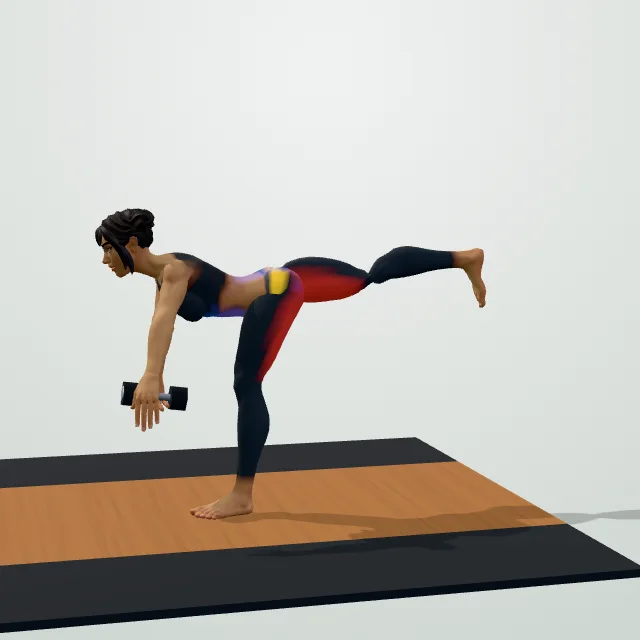
Single-Leg Romanian Deadlift
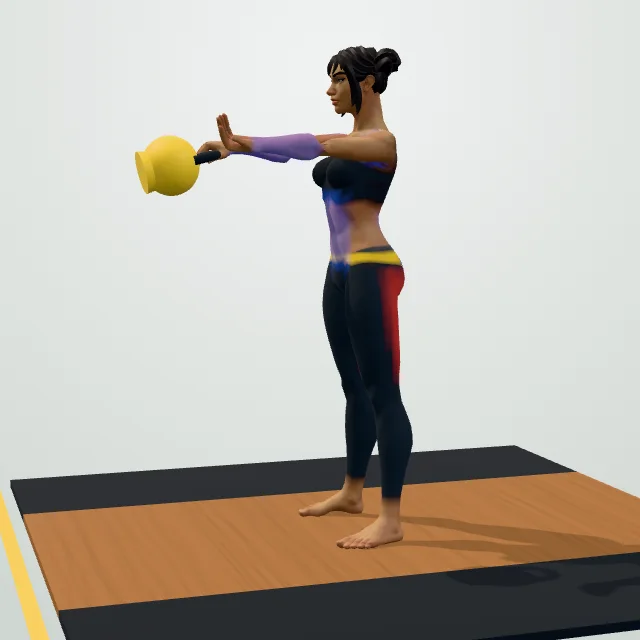
Kettlebell Swing
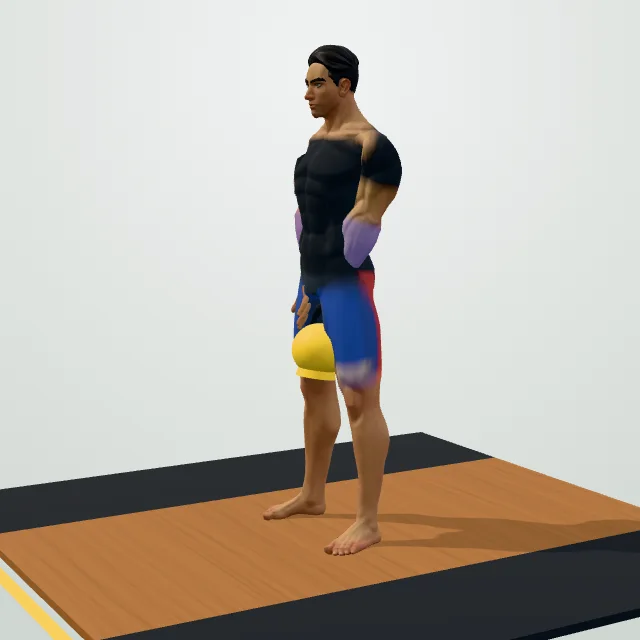
Kettlebell Deadlift
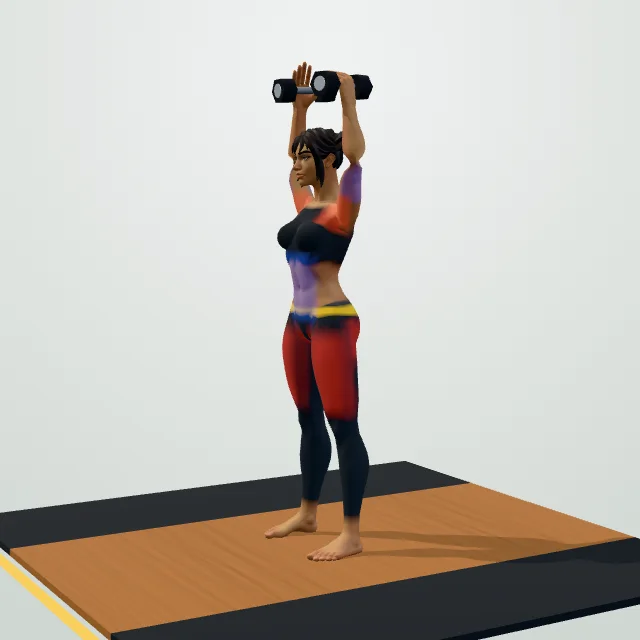
Dumbbell Thruster
Home, no equipment
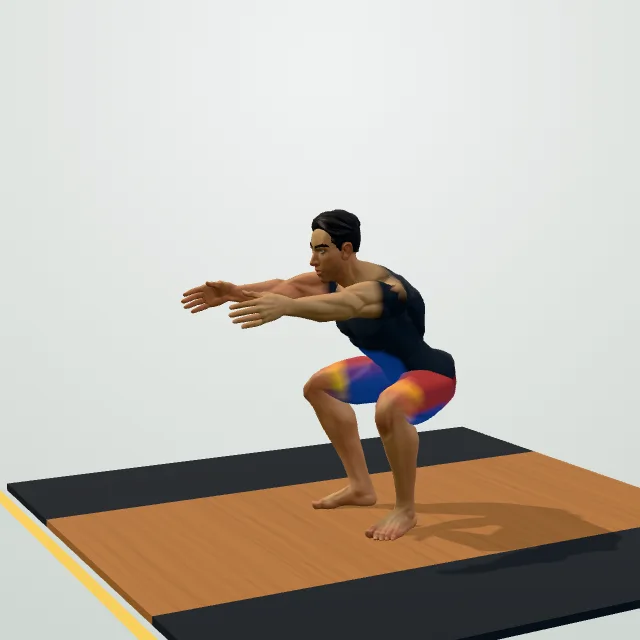
Bodyweight Squat
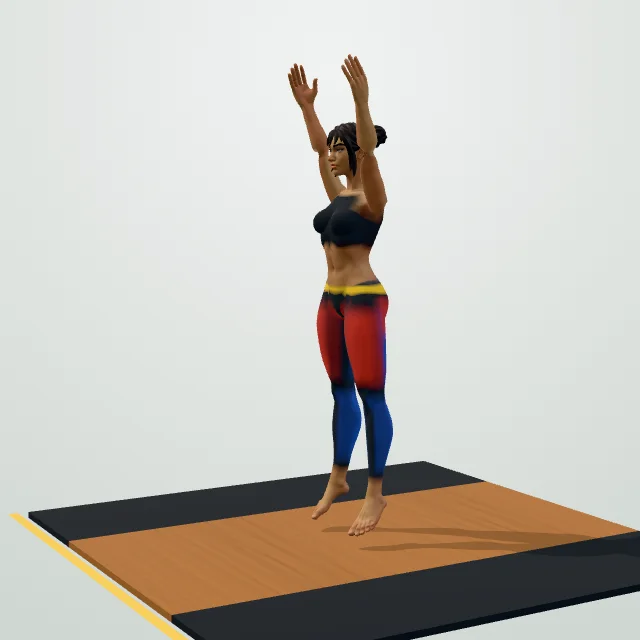
Jump Squat
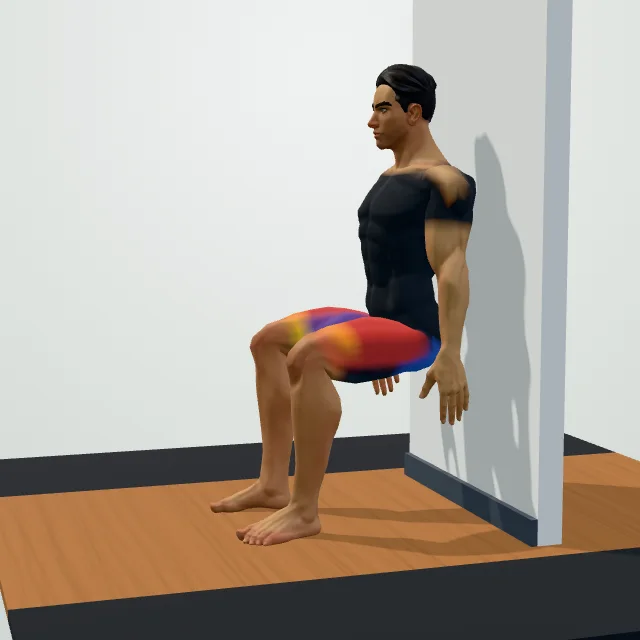
Wall Sit
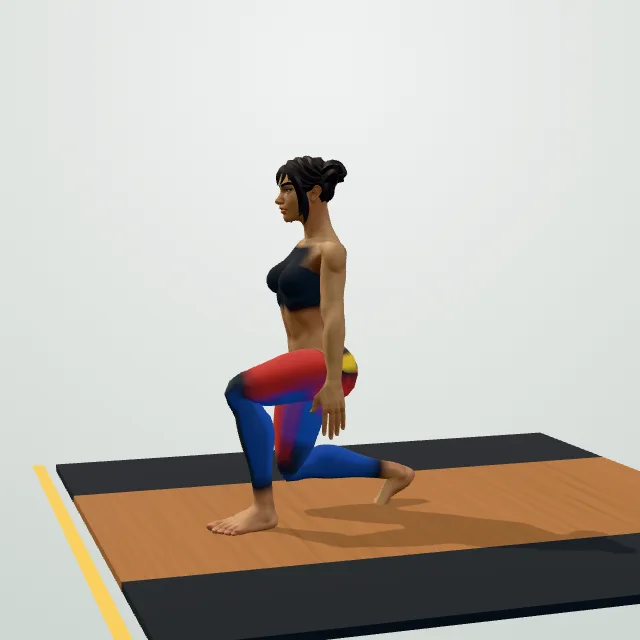
Forward Lunge
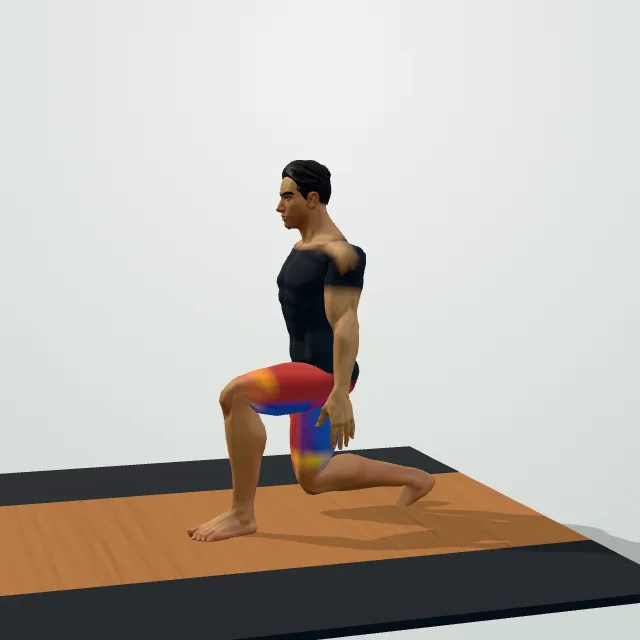
Reverse Lunge
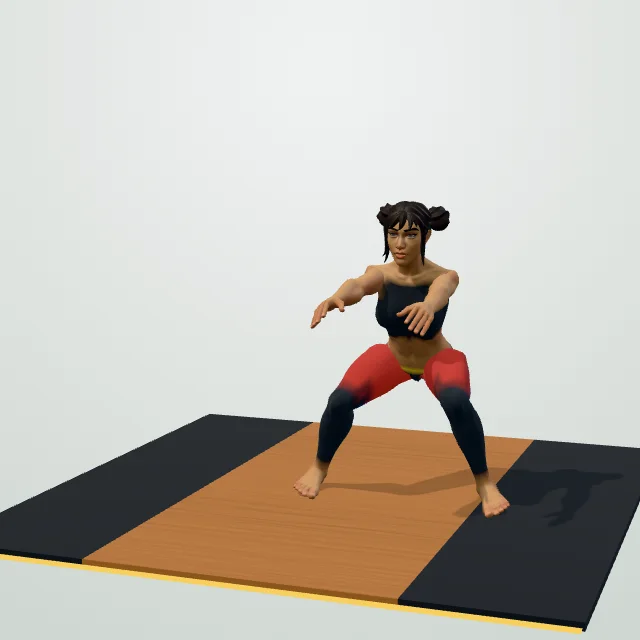
Lateral Lunge
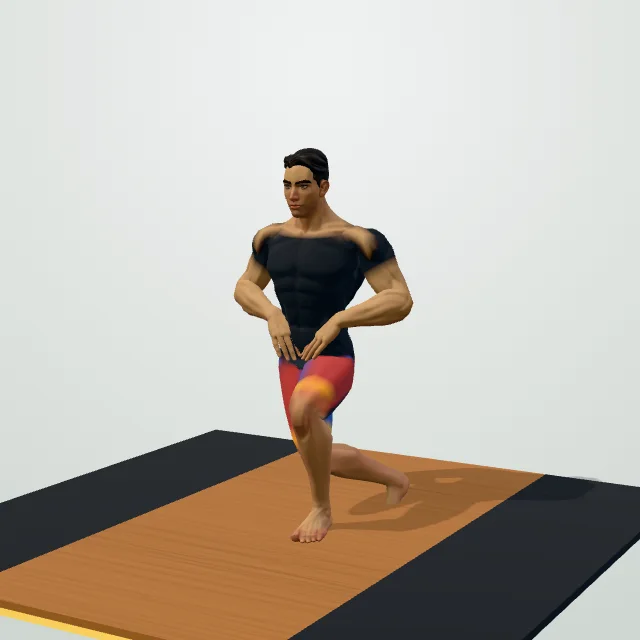
Curtsy Lunge
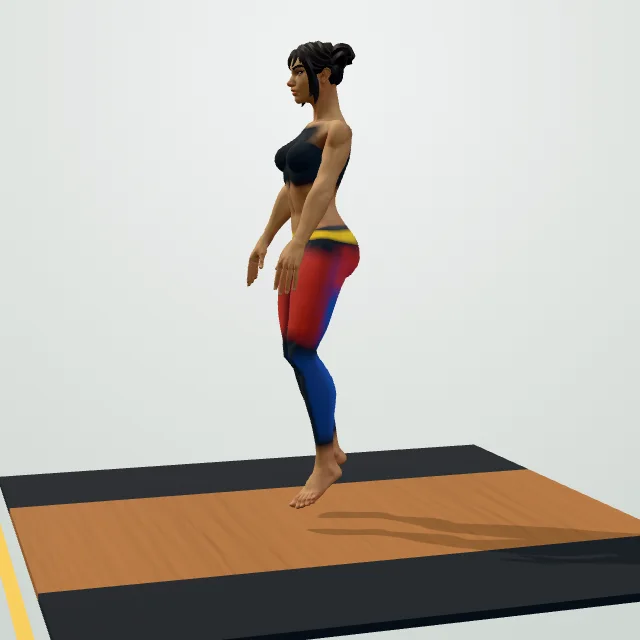
Jumping Lunge
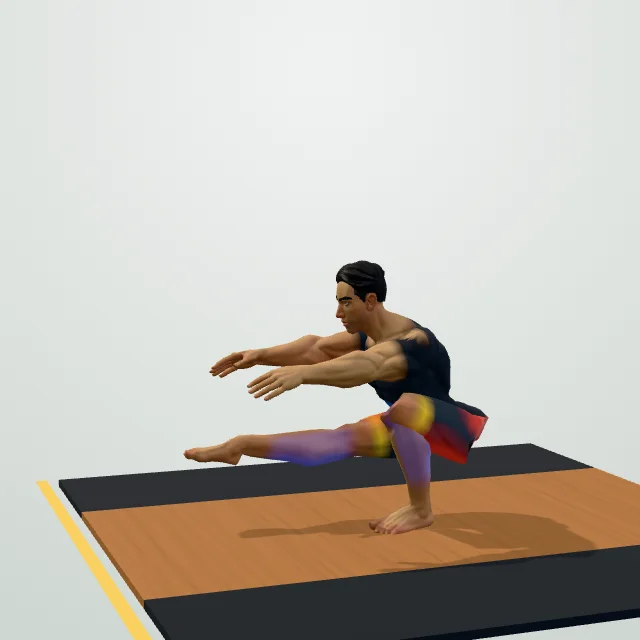
Pistol Squat
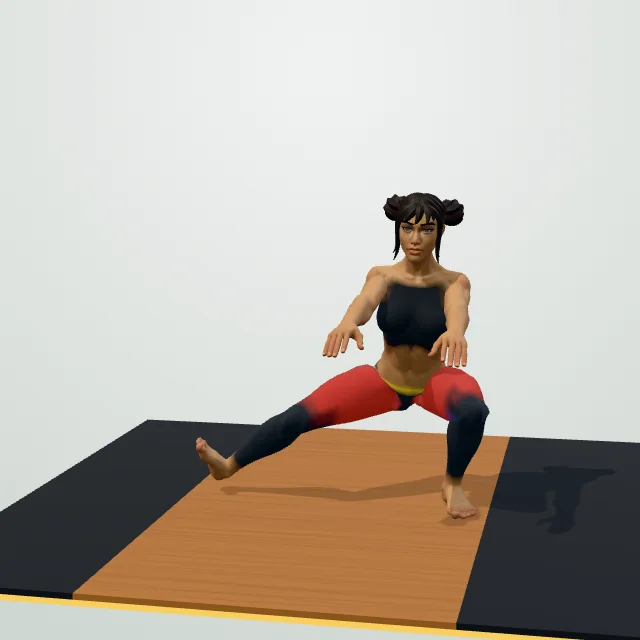
Cossack Squat
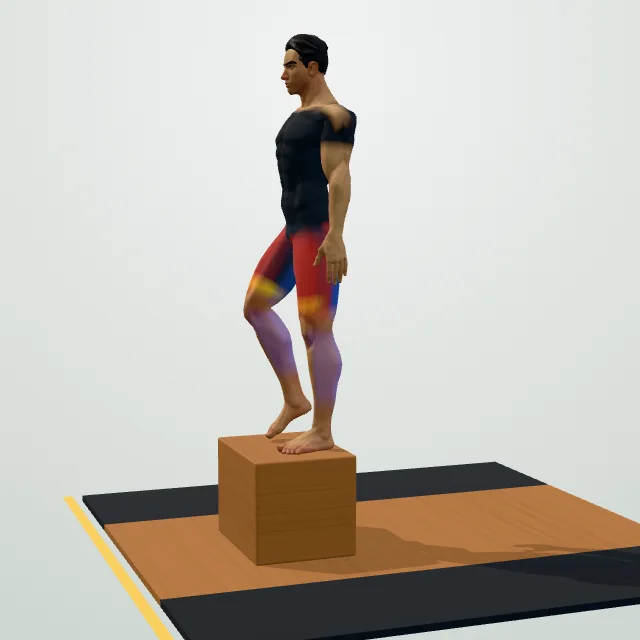
Step-Up
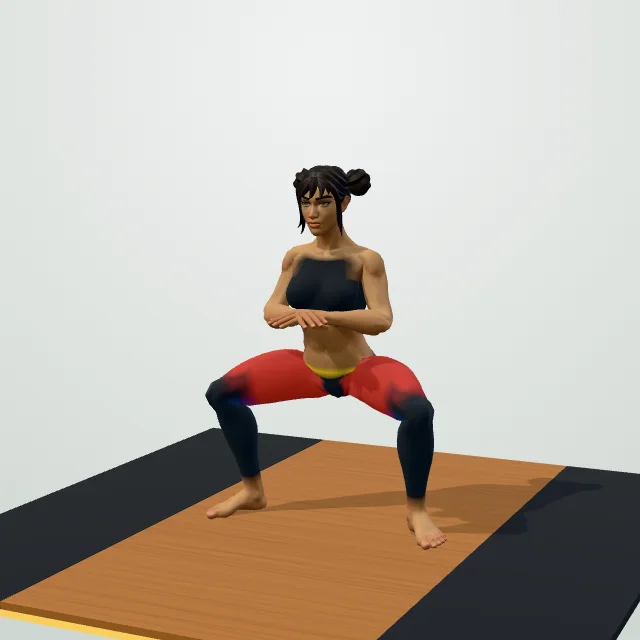
Sumo Squat
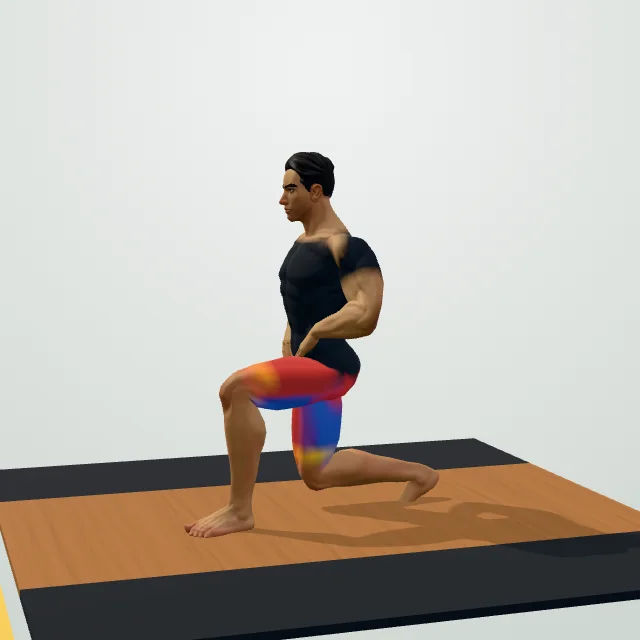
Split Squat
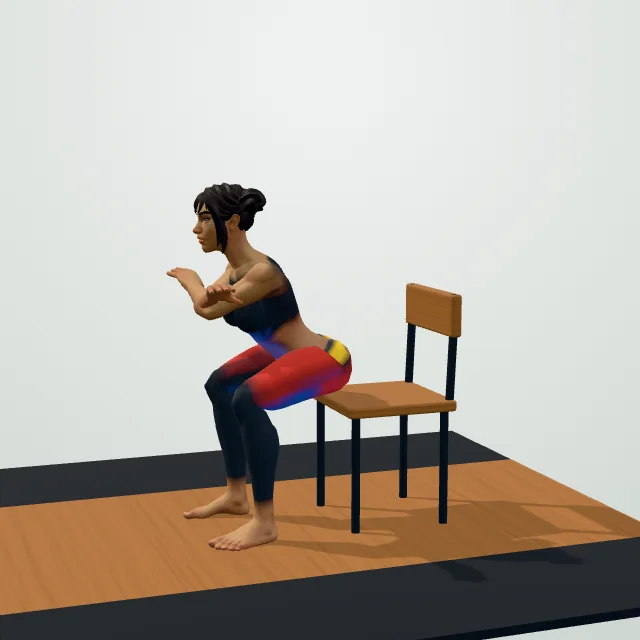
Sit-to-Stand (Chair Squat)
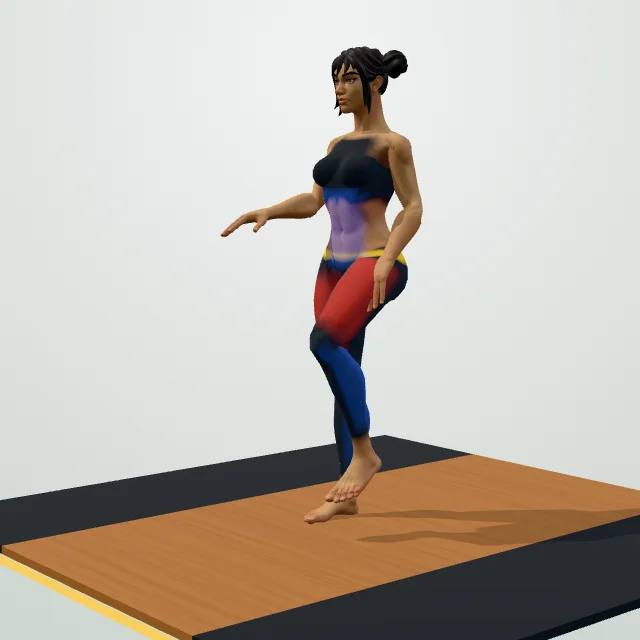
Marching in Place
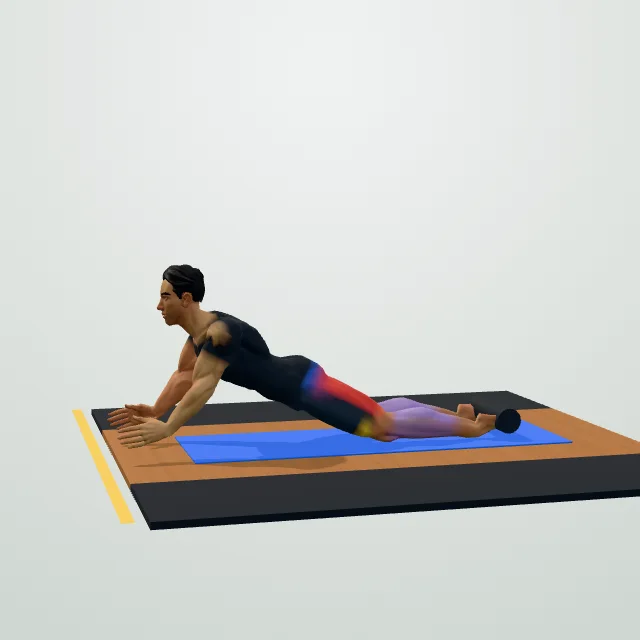
Nordic Hamstring Curl
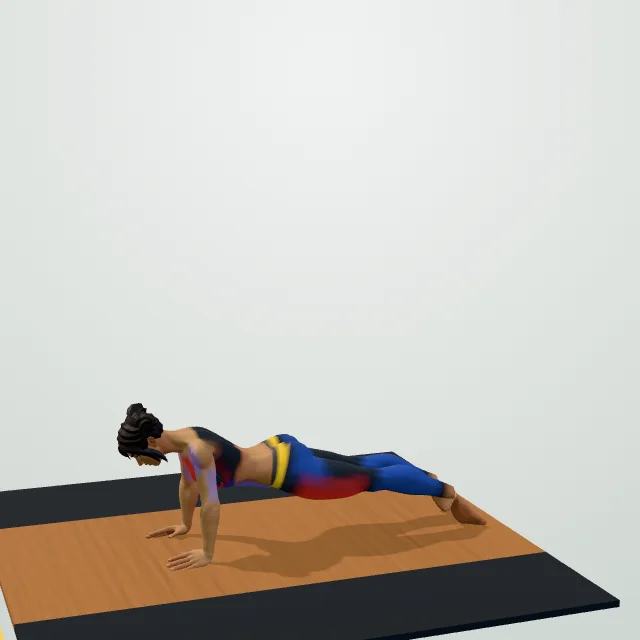
Burpee
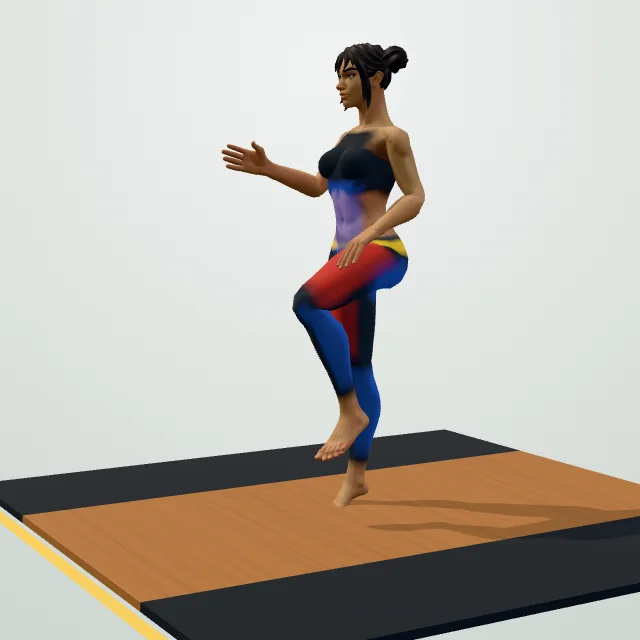
High Knees
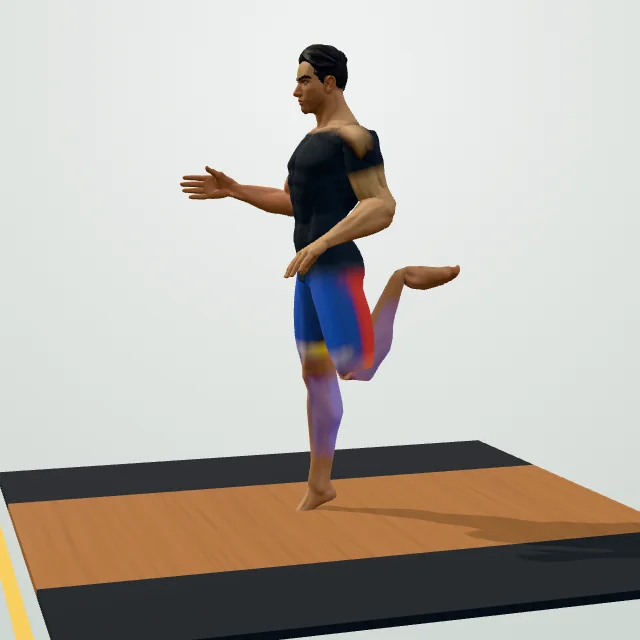
Butt Kicks
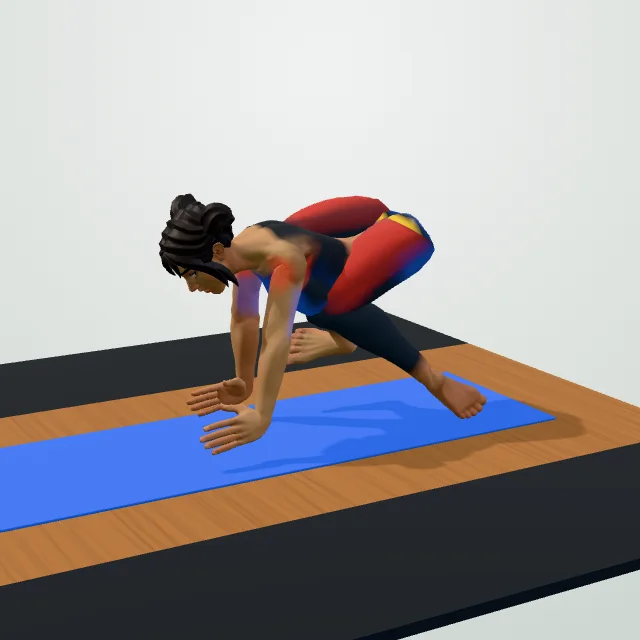
Bear Crawl
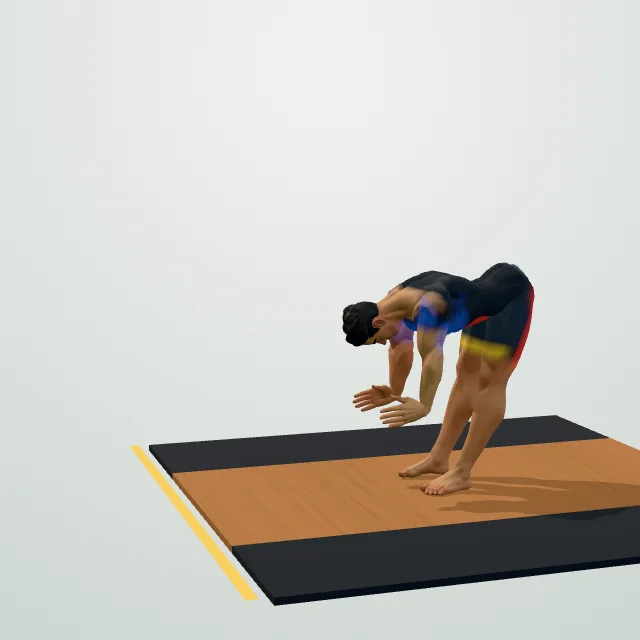
Inchworm
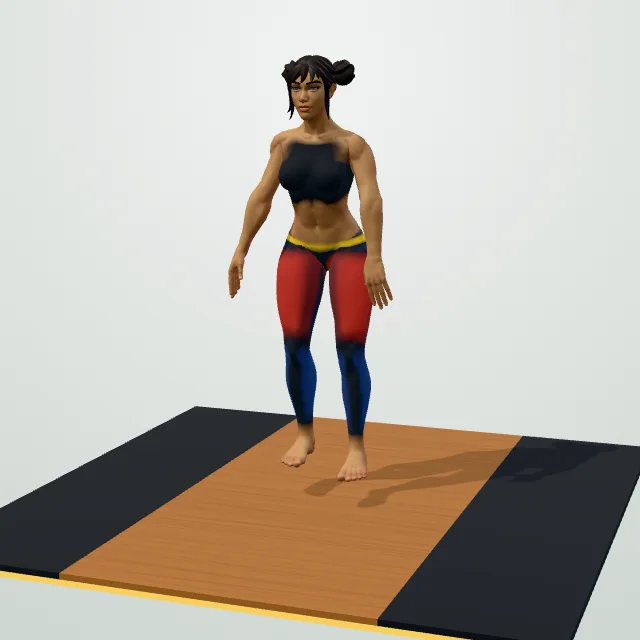
Skater Jump
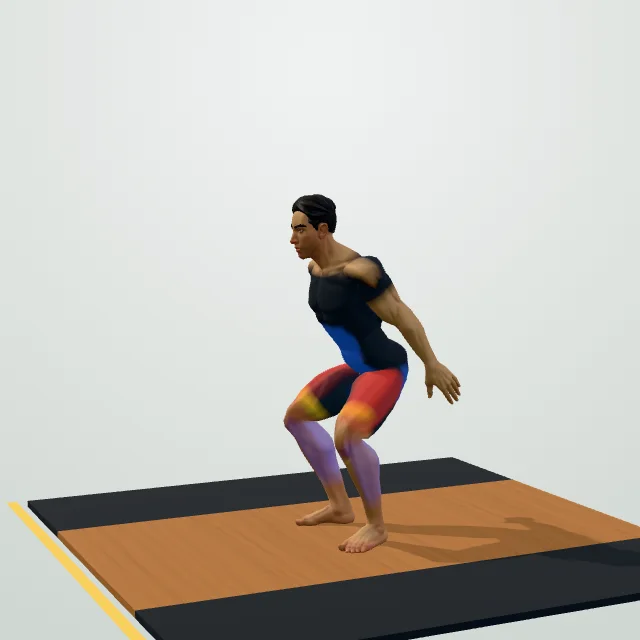
Tuck Jump
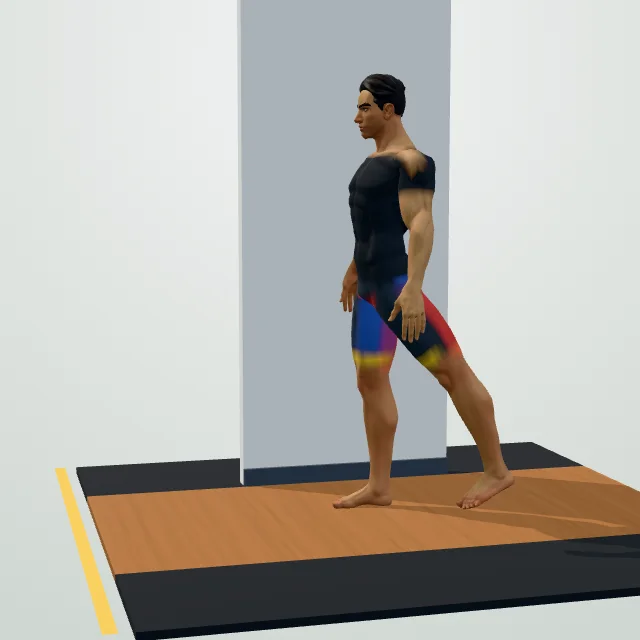
Leg Swings
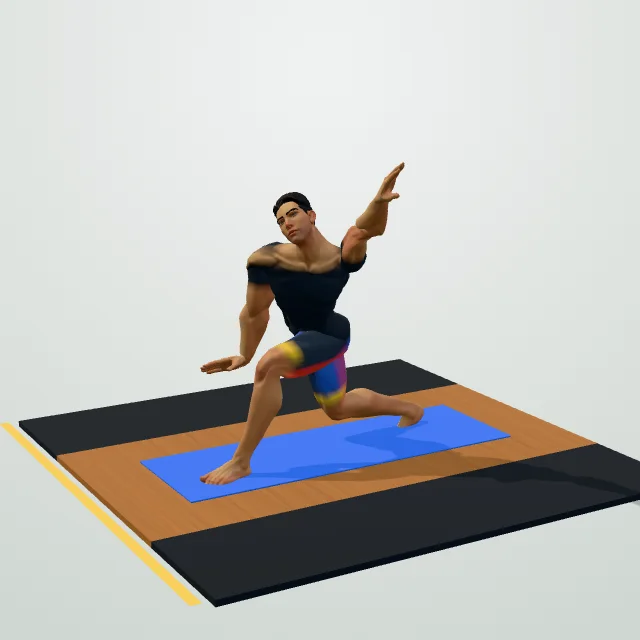
World's Greatest Stretch
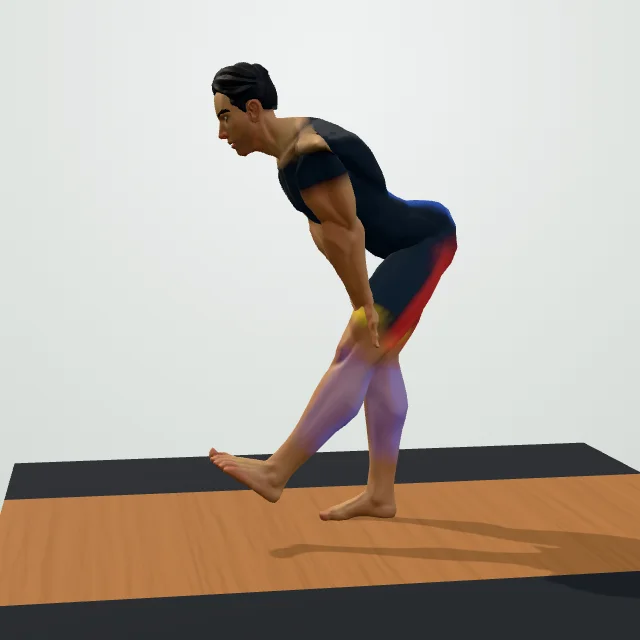
Standing Hamstring Stretch
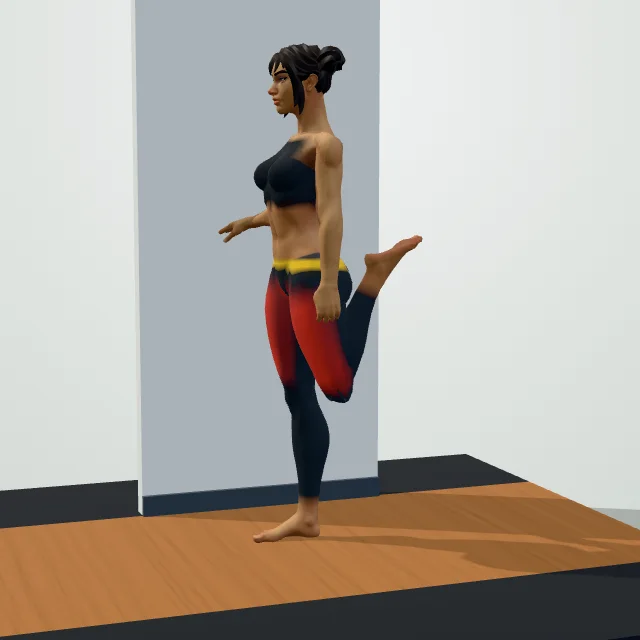
Standing Quad Stretch
Secondary
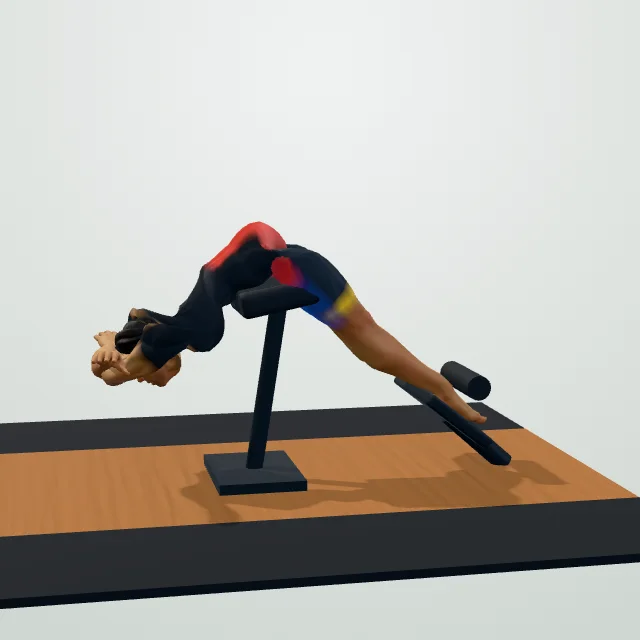
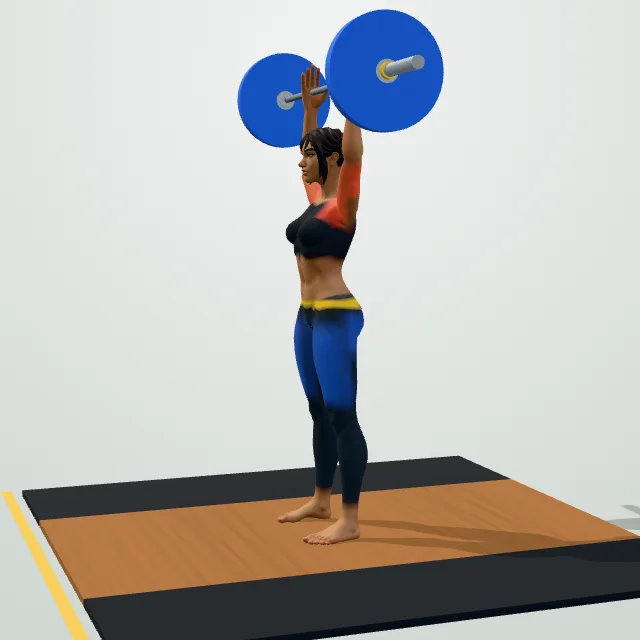
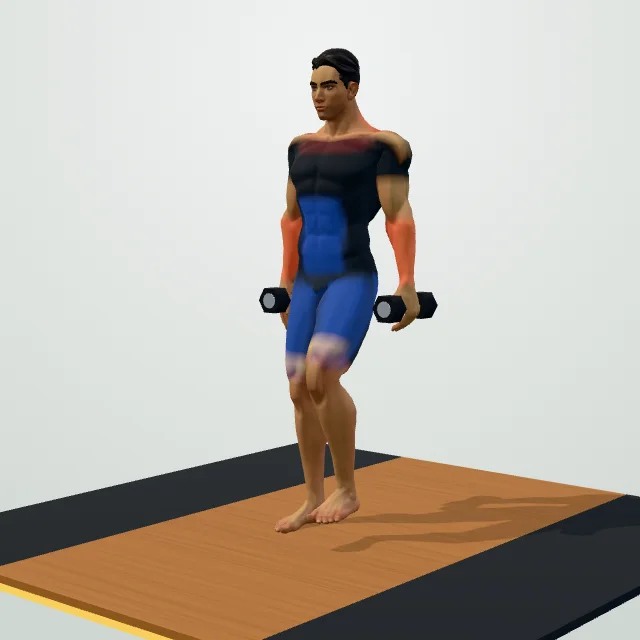
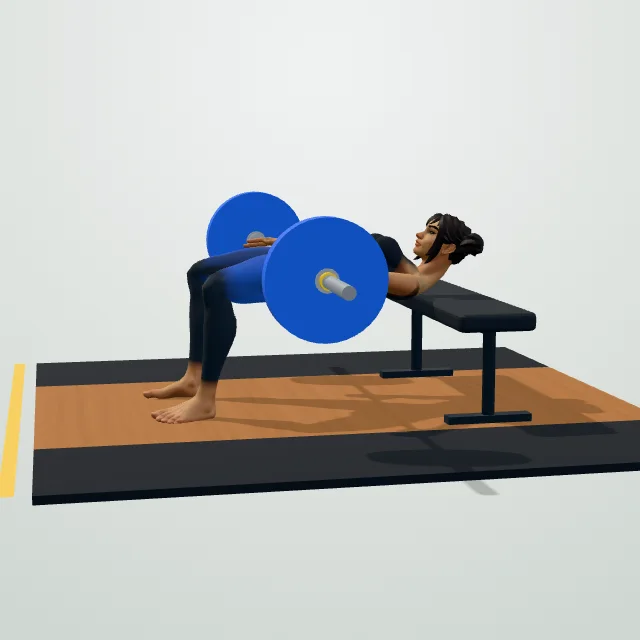
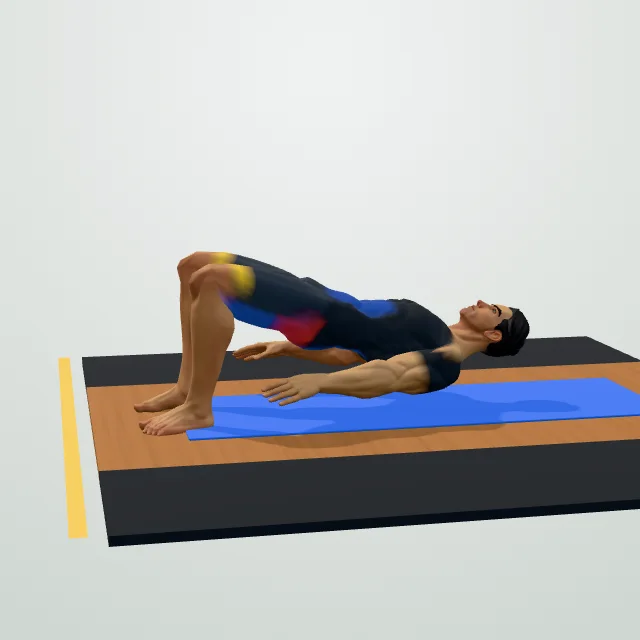
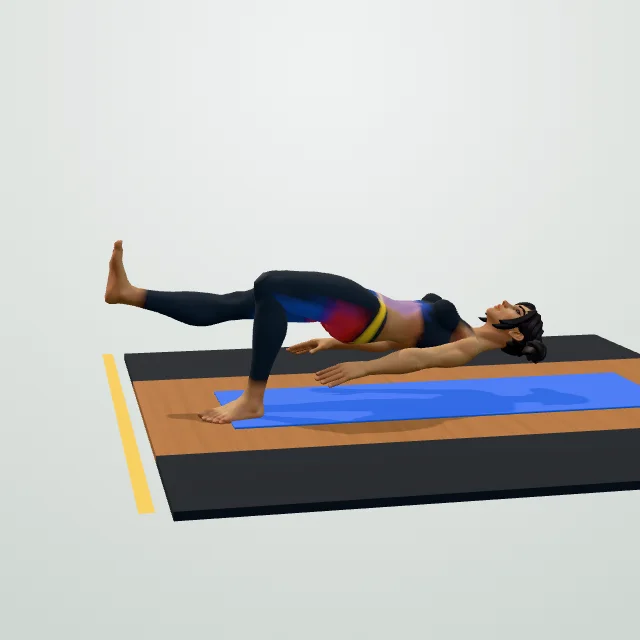
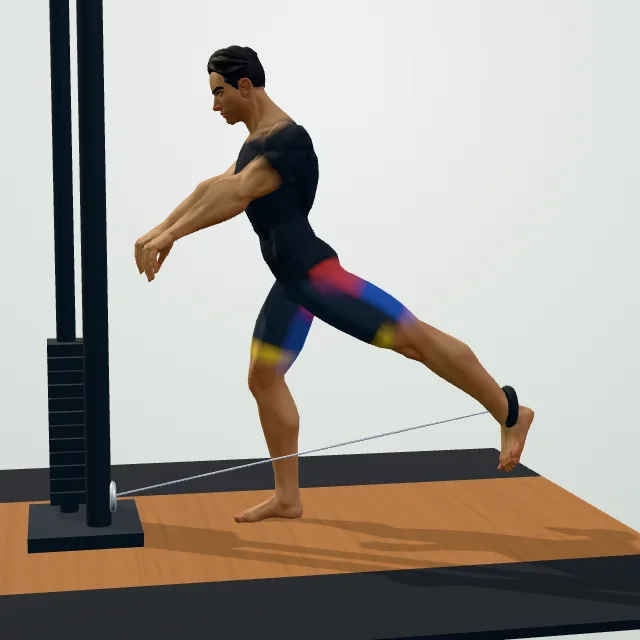
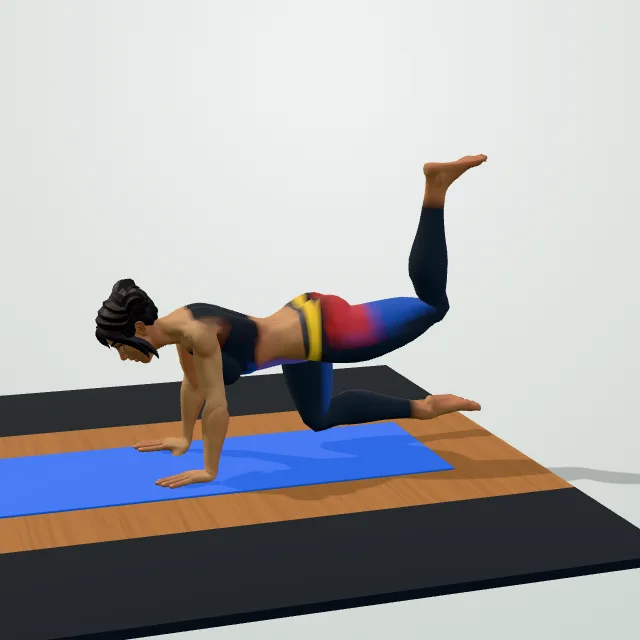
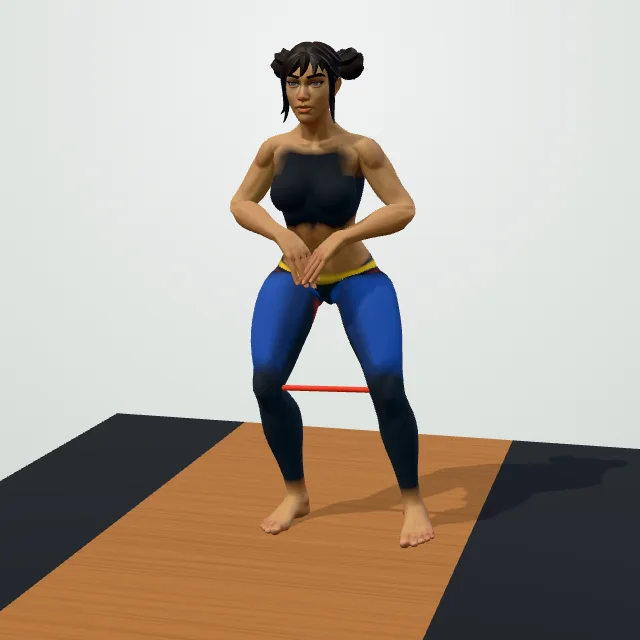
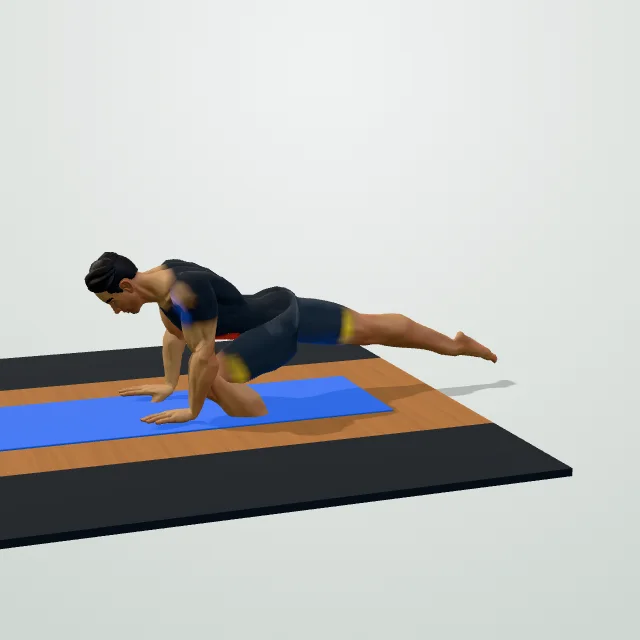
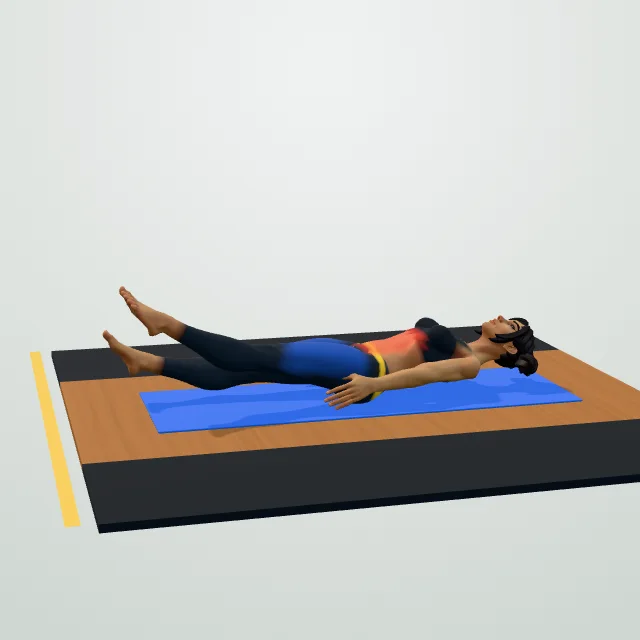
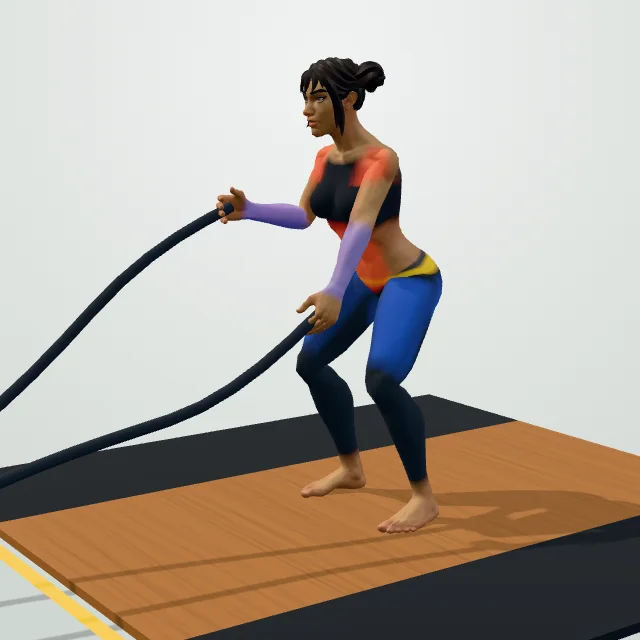
A complete leg workout covers three separate demands — the knee-bending push of a squat, the hip-driven pull of a hinge, and the stability of a single-leg movement — because the legs are not one muscle but several groups (quads, hamstrings, adductors) that respond to different exercise types.
Legs anatomy and function
The quadriceps, at the front of the thigh, straighten the knee and are the prime mover in any squatting or pressing-with-the-legs movement. The hamstrings, at the back of the thigh, bend the knee and extend the hip, and are trained most directly by hip hinges (Romanian deadlifts) and leg curls rather than squats. The adductors (inner thighs) pull the leg inward and stabilise the hip during single-leg and lateral movements, and are trained more by sumo-stance and lateral exercises than by standard squats. A leg workout that only squats trains quads heavily but leaves the hamstrings and adductors comparatively undertrained — pairing a squat pattern with a hinge pattern each session avoids that gap.
How to train legs: sets, reps and frequency
Legs generally tolerate and need more total volume than upper-body muscle groups because they are larger — 12–20 sets per week split between quad-dominant and hamstring-dominant work is a common target for growth, in the 6–15 rep range for most exercises, with heavier 4–8 rep work on squats or deadlifts for strength. Training legs twice a week, rather than one very long single session, tends to allow more total quality volume and less accumulated fatigue near the end of the session.
Best gym leg exercises
The back squat and front squat are the primary quad and overall leg strength builders, and the leg press and hack squat offer similar quad-dominant loading with less balance and core demand. The Romanian deadlift and machine-based lying leg curl and seated leg curl target the hamstrings directly, while the leg extension isolates the quads alone. The Bulgarian split squat and walking lunge add single-leg strength and stability that bilateral exercises do not train as directly, and the hip adduction machine isolates the inner thighs.
Best home leg exercises
The bodyweight squat and progressively harder jump squat, pistol squat and Cossack squat cover the full squat side of leg training with no equipment. Lunges, split squats and step-ups (using a stair or sturdy box) build single-leg strength effectively. The Nordic hamstring curl is a demanding but highly effective bodyweight hamstring exercise once you have something to anchor your feet, and a single dumbbell turns a bodyweight Romanian deadlift into the loaded dumbbell Romanian deadlift or single-leg RDL for hamstring work at home.
Sample leg workout
| Exercise | Sets | Reps | Rest |
|---|---|---|---|
| Back squat or goblet squat | 4 | 6–10 | 2–3 min |
| Romanian deadlift | 3 | 8–12 | 90 s–2 min |
| Bulgarian split squat | 3 | 8–10 per side | 90 s |
| Standing calf raise | 3 | 12–20 | 45–60 s |
Common mistakes
Letting the knees cave inward during squats or lunges shifts stress onto the knee joint and reduces hip and glute involvement — push the knees out over the toes throughout the movement. Cutting squat depth very short to move more weight trains a smaller range of motion and reduces the hamstring and glute contribution — squat to at least parallel where mobility allows, using a lighter weight if needed to keep depth. Rounding the lower back on Romanian deadlifts, usually from trying to keep the legs almost straight, removes tension from the hamstrings and adds spinal risk — keep a soft bend in the knees and hinge from the hips with a neutral back. Only training quads (squats, leg press) and skipping direct hamstring work creates a strength imbalance linked with a higher risk of hamstring strain, particularly for anyone doing running or sprinting.
Leg exercises and knee pain
Quad and leg exercises with a controlled range and moderate load — leg extensions, wall sits, step-ups — are often better tolerated by people with mild knee discomfort than deep, ballistic movements like jump squats. Ongoing or worsening knee pain, swelling, or pain with simple daily movements should be assessed by a doctor or physiotherapist before you build a leg training plan around it; see the exercise for knee pain guide.