Chest exercises: the best moves in 3D
How the chest works, the best chest exercises for the gym and for home, and how to program them for size and strength.
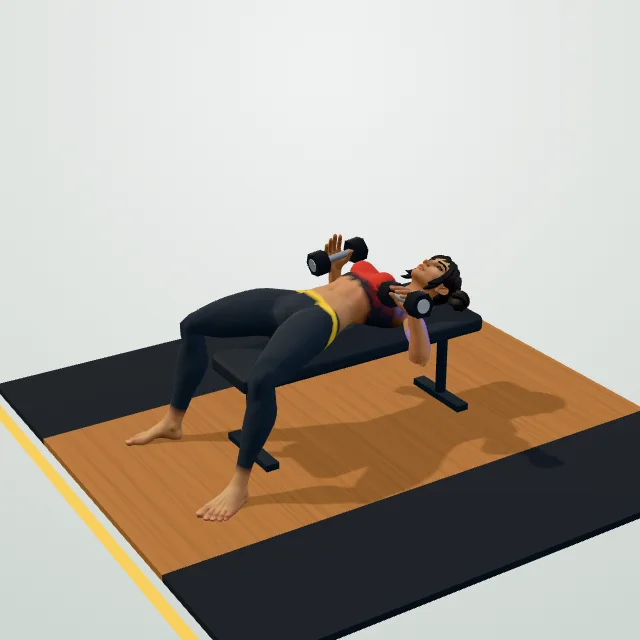
Gym
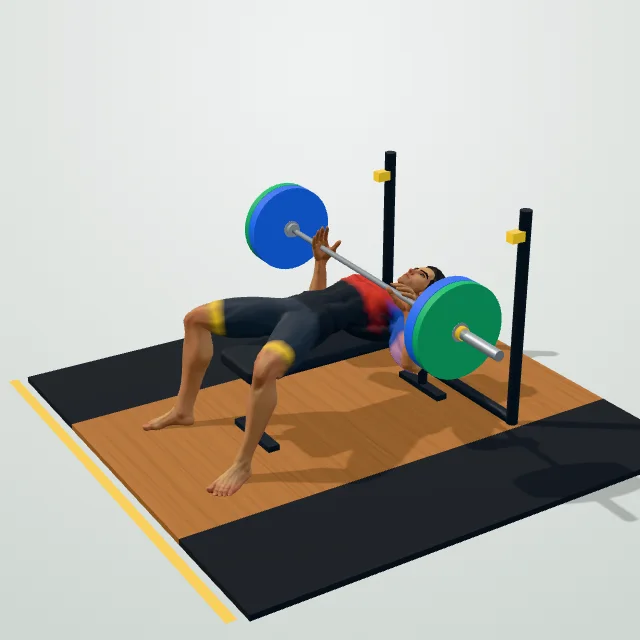
Barbell Bench Press
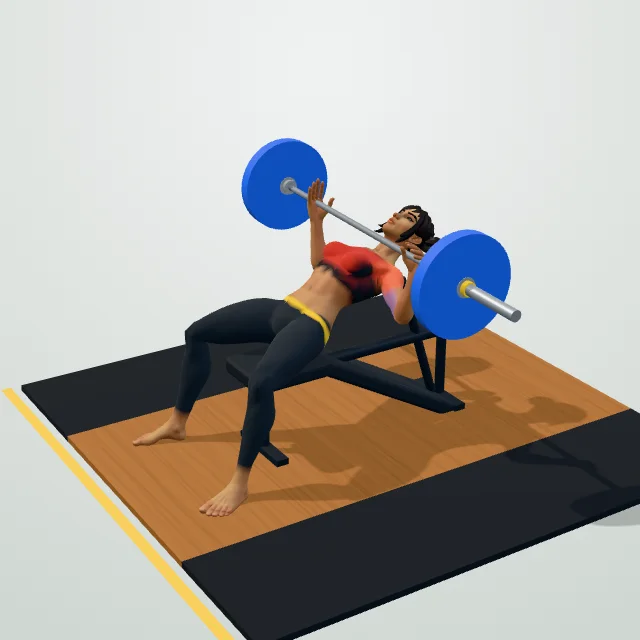
Incline Barbell Bench Press
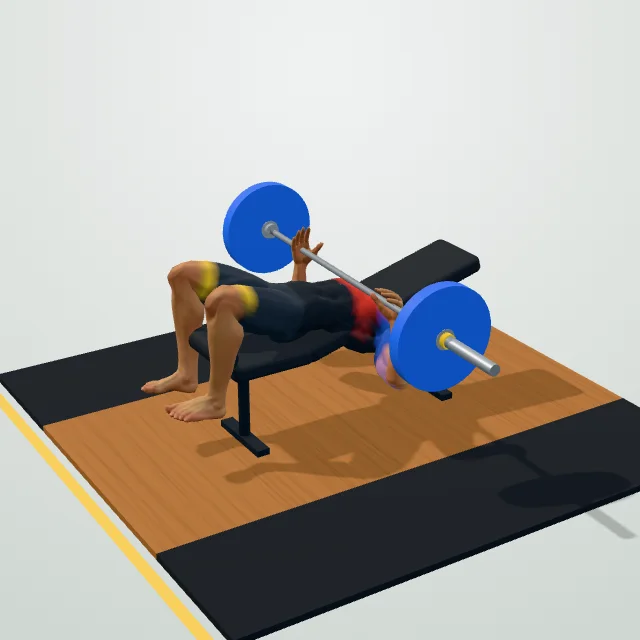
Decline Bench Press
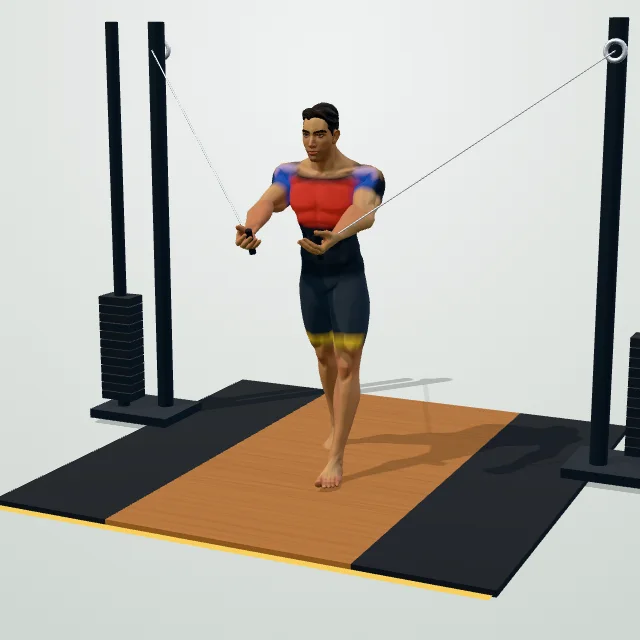
Cable Crossover
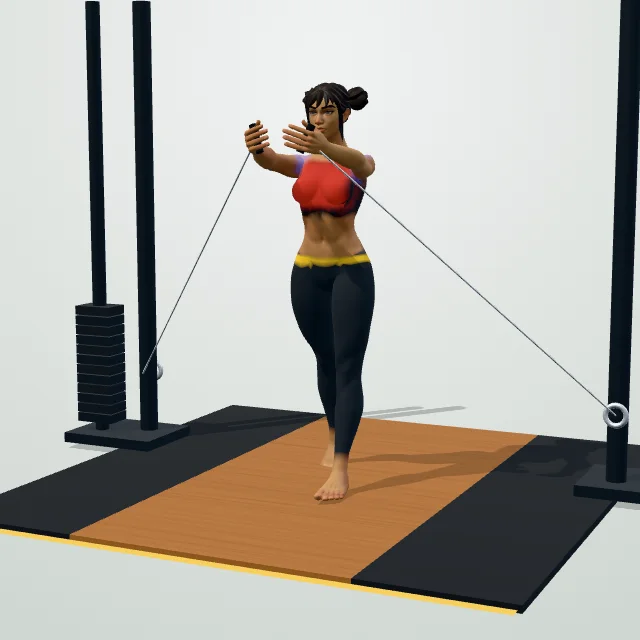
Low-to-High Cable Fly
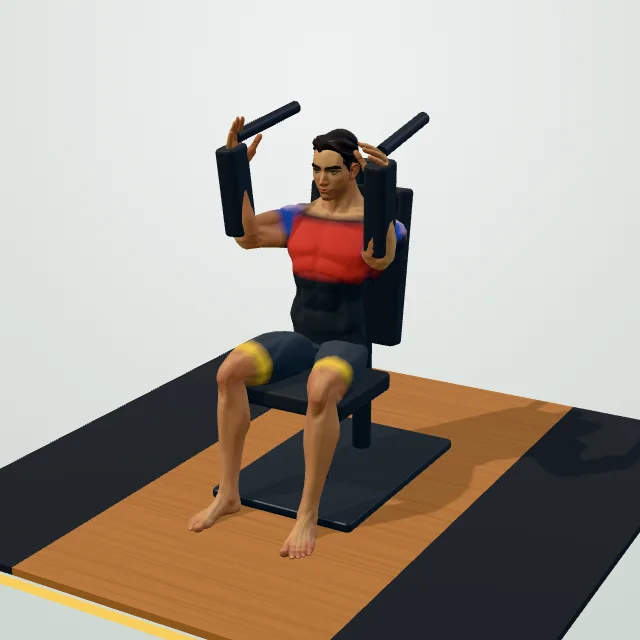
Pec Deck Fly
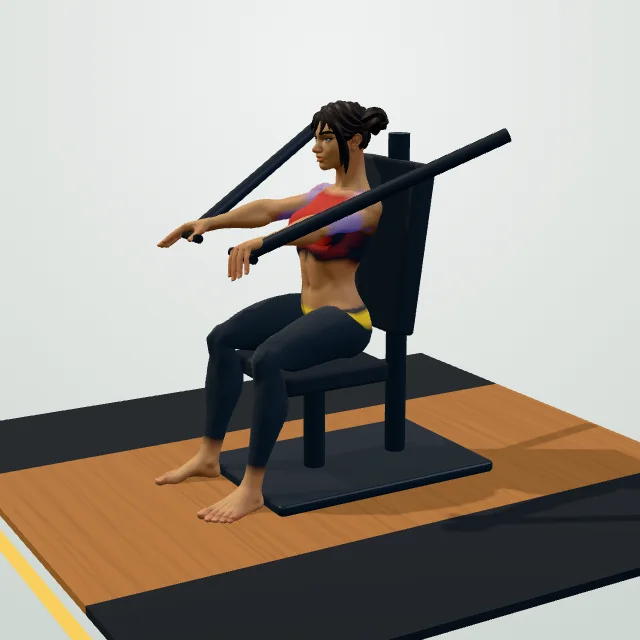
Chest Press Machine
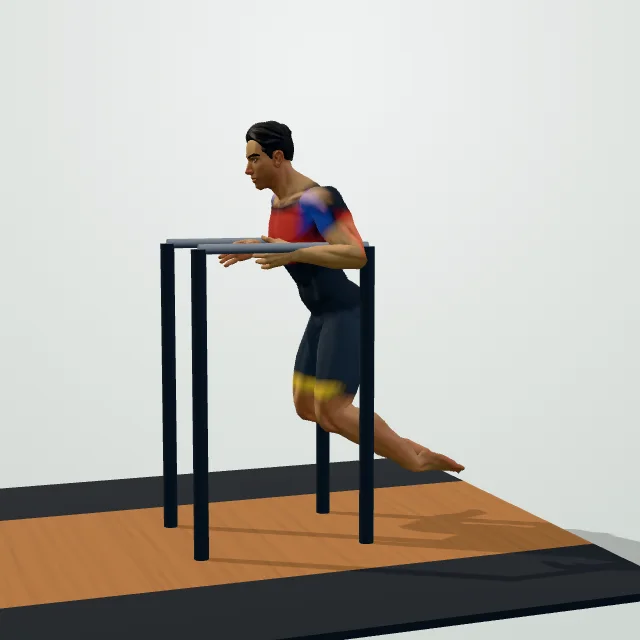
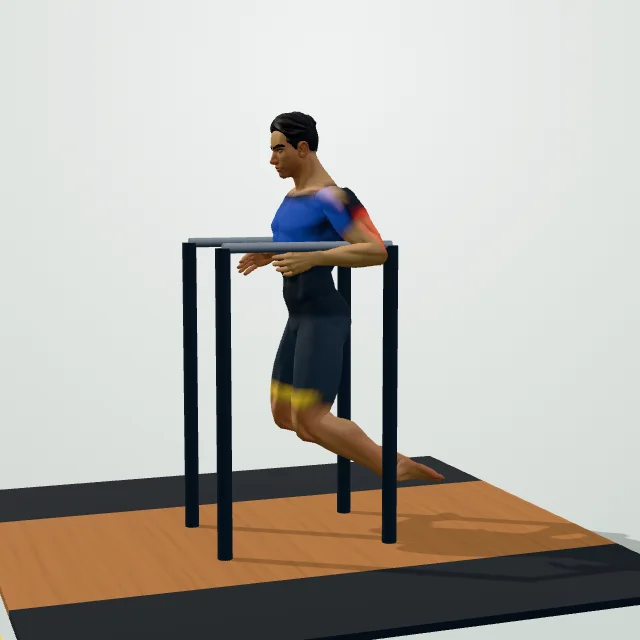
Chest Dip
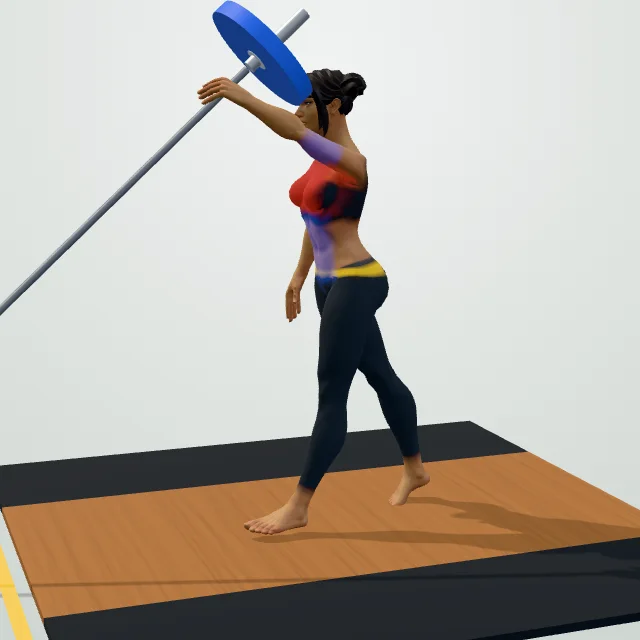
Landmine Press
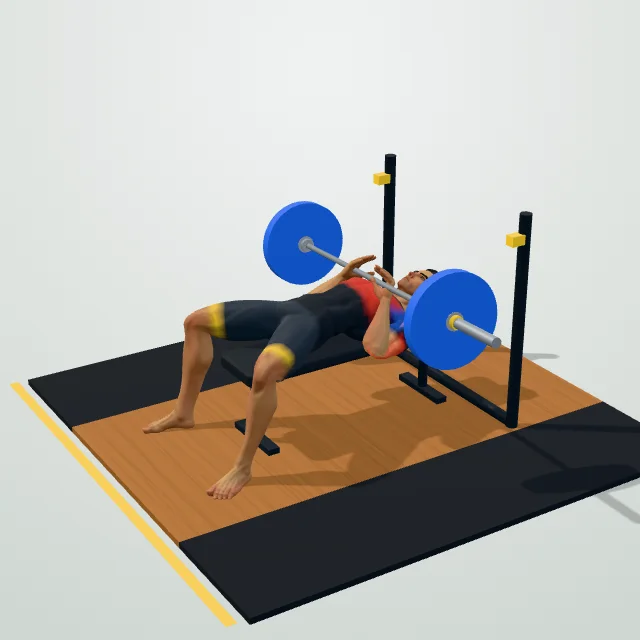
Close-Grip Bench Press
Home or gym
Dumbbell Bench Press
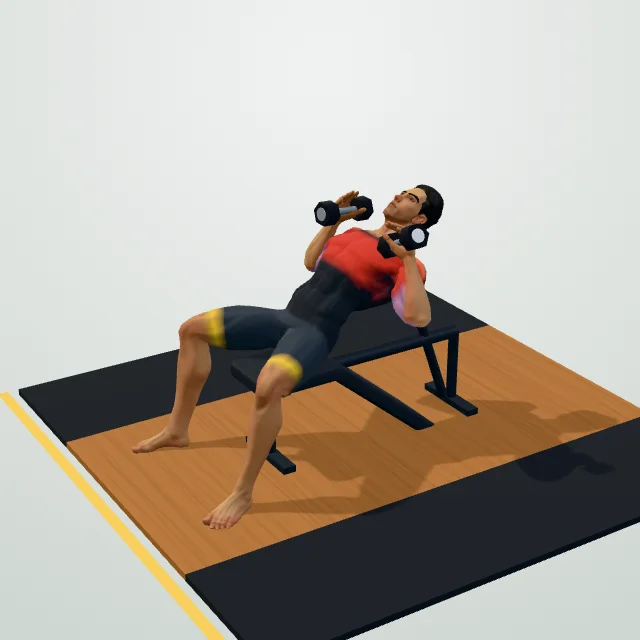
Incline Dumbbell Press
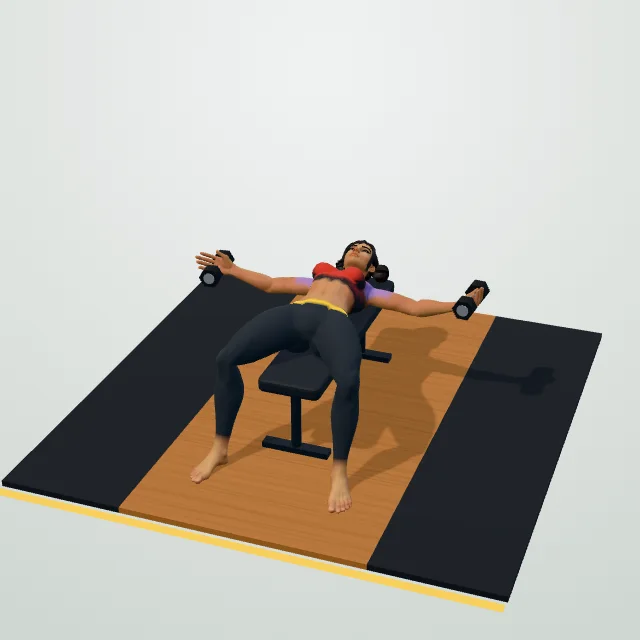
Dumbbell Fly
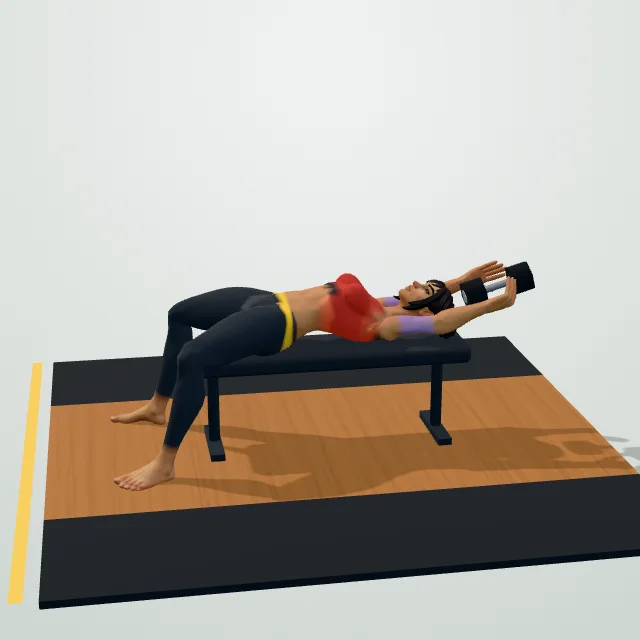
Dumbbell Pullover
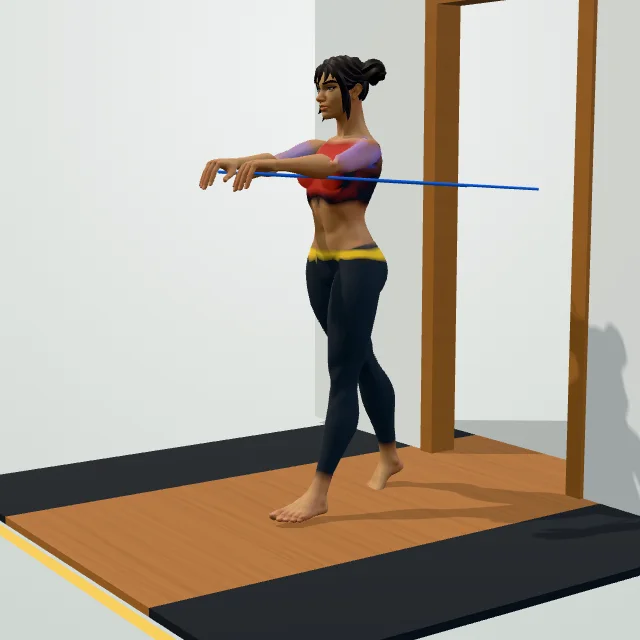
Resistance Band Chest Press
Home, no equipment
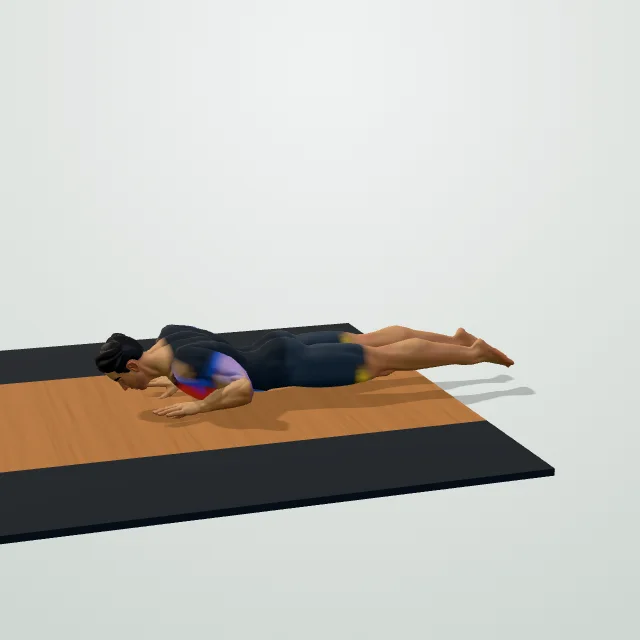
Push-Up
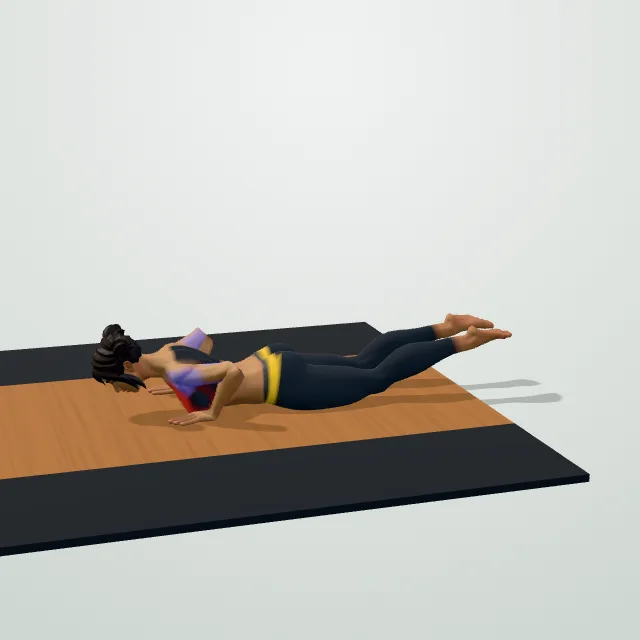
Knee Push-Up
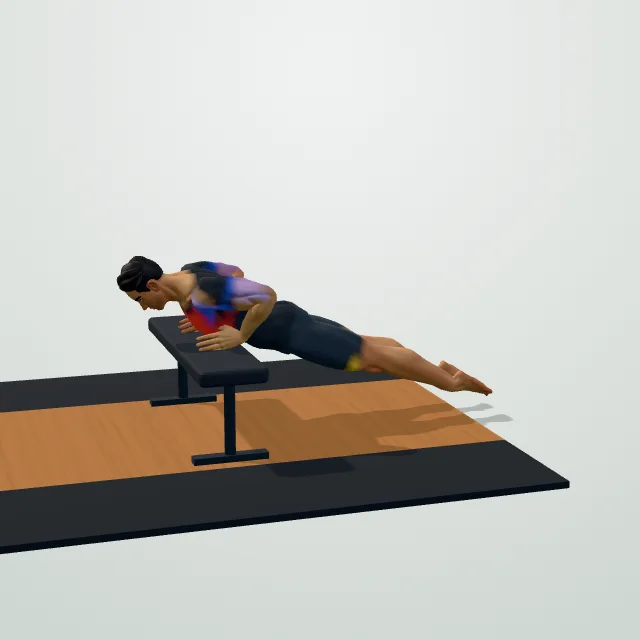
Incline Push-Up
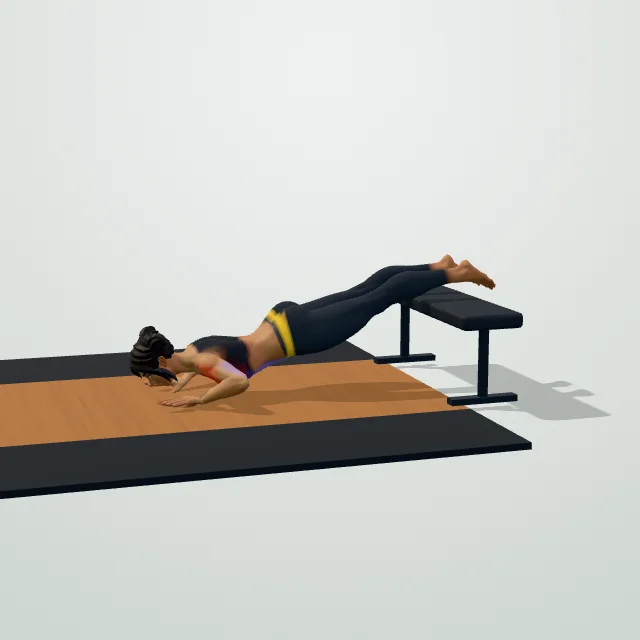
Decline Push-Up
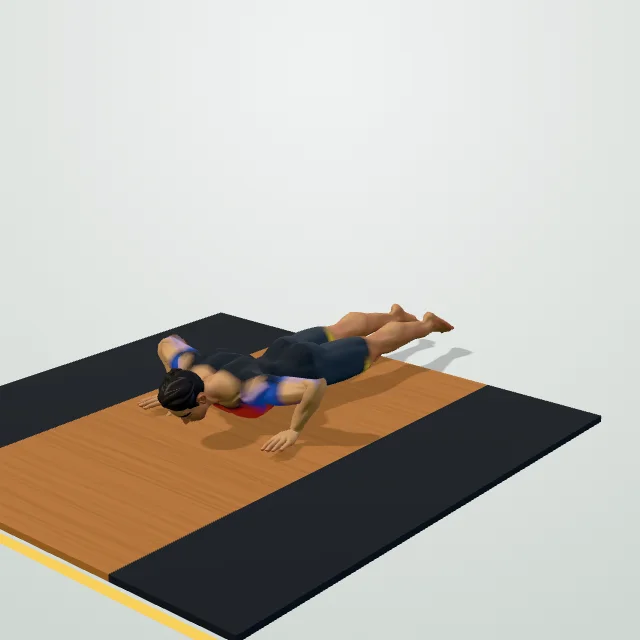
Wide Push-Up
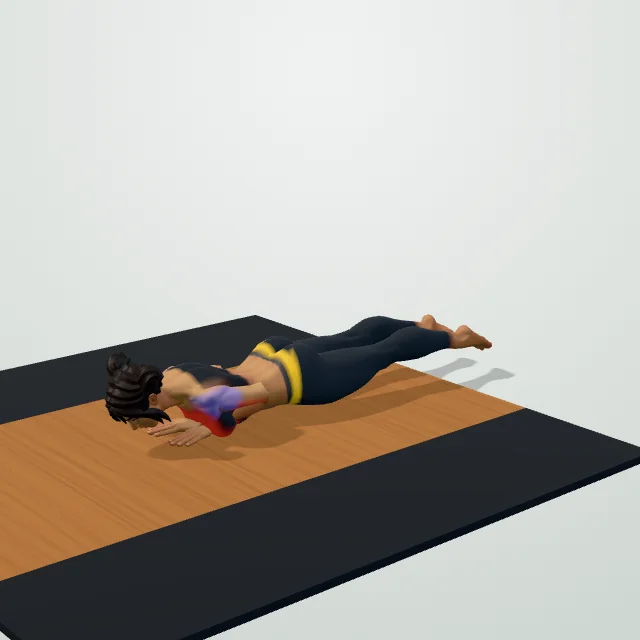
Diamond Push-Up
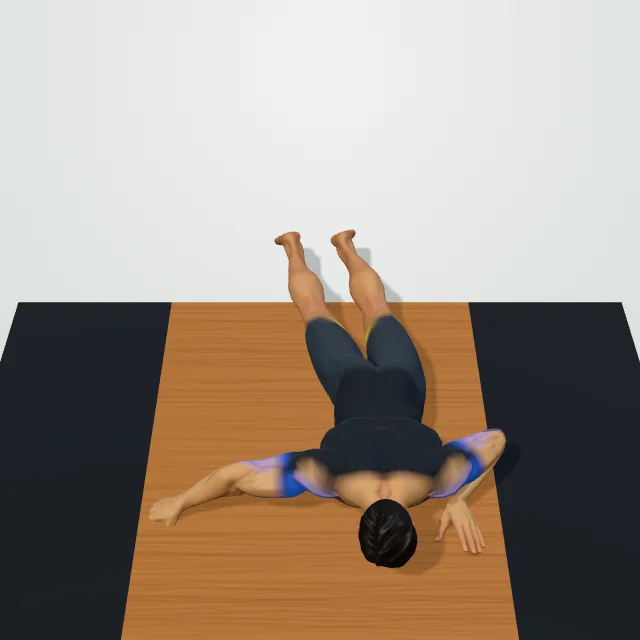
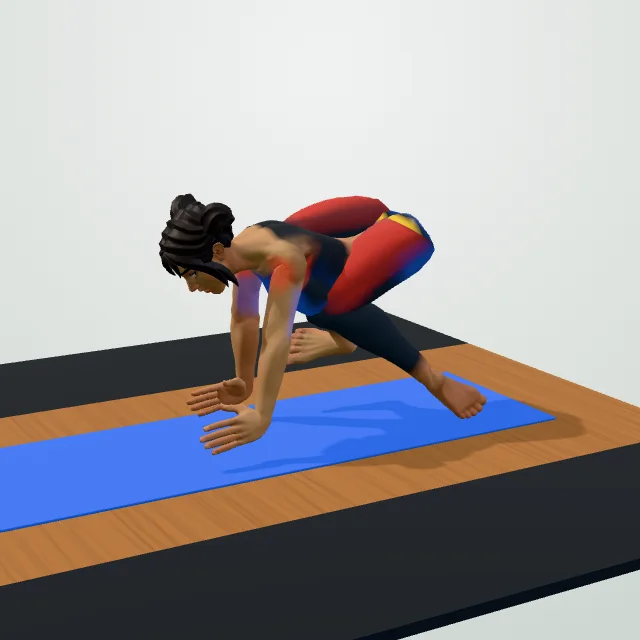
Archer Push-Up
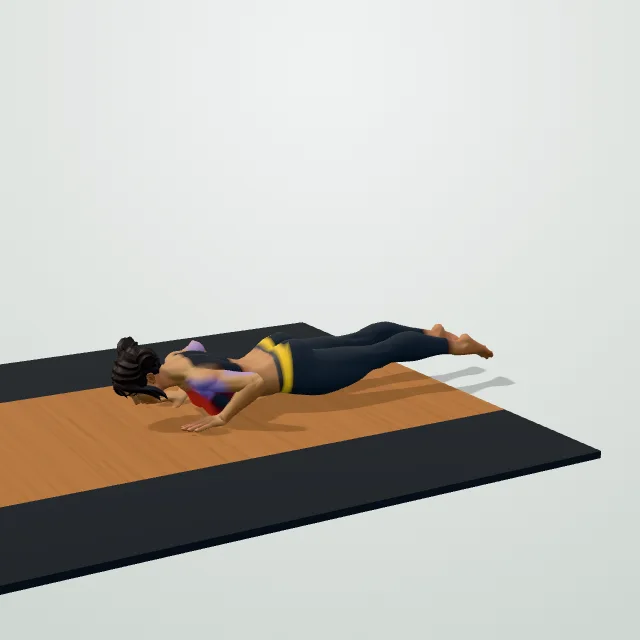
Clap Push-Up
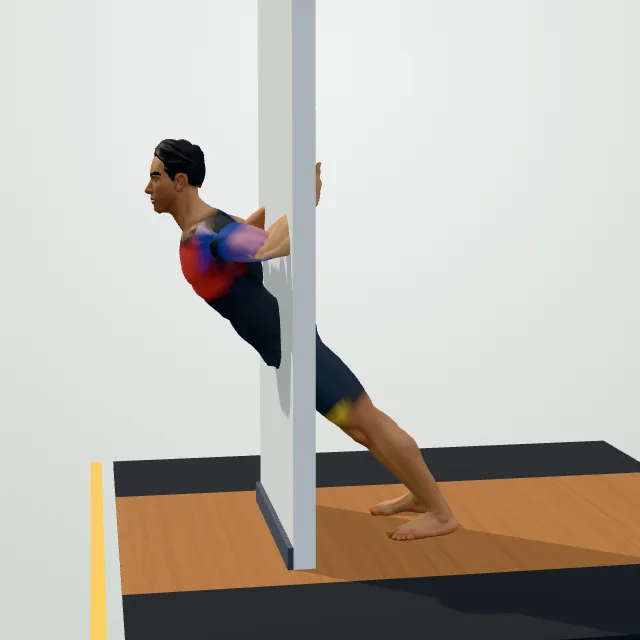
Wall Push-Up
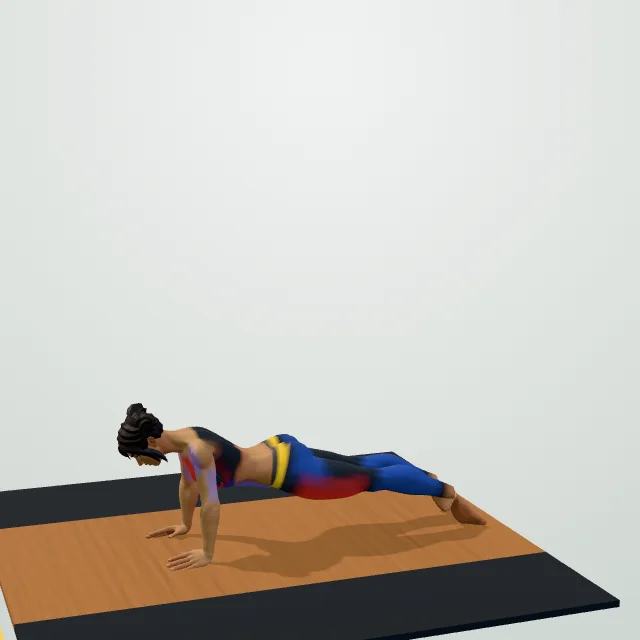
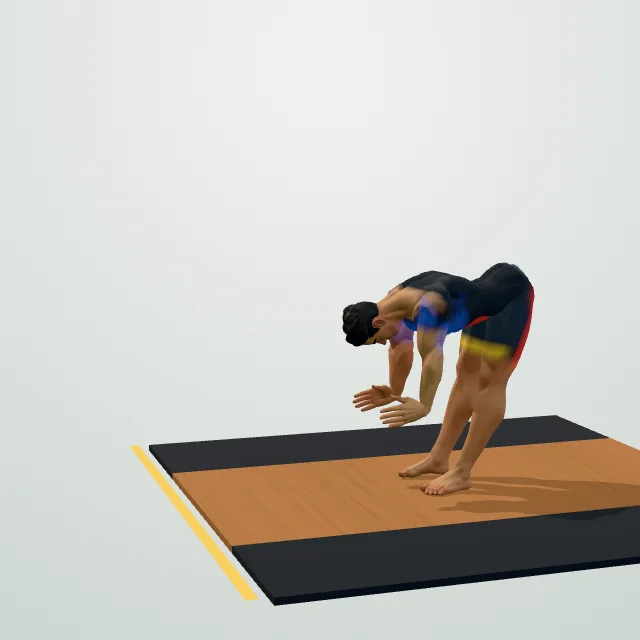
Burpee
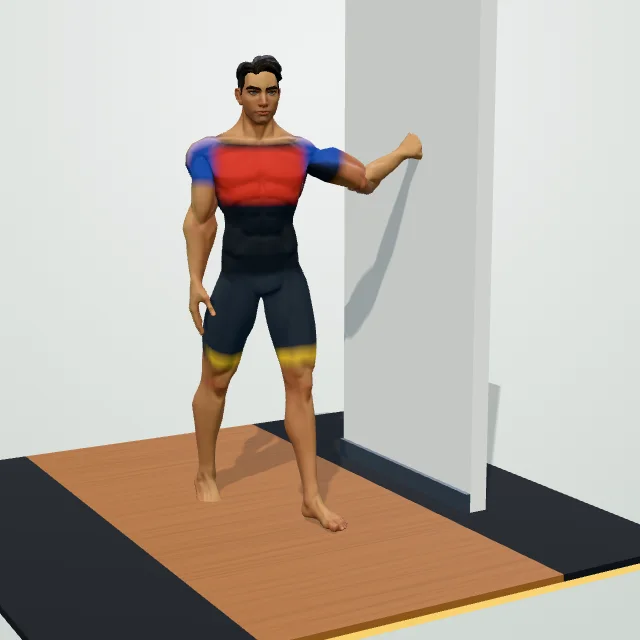
Doorway Chest Stretch
Secondary
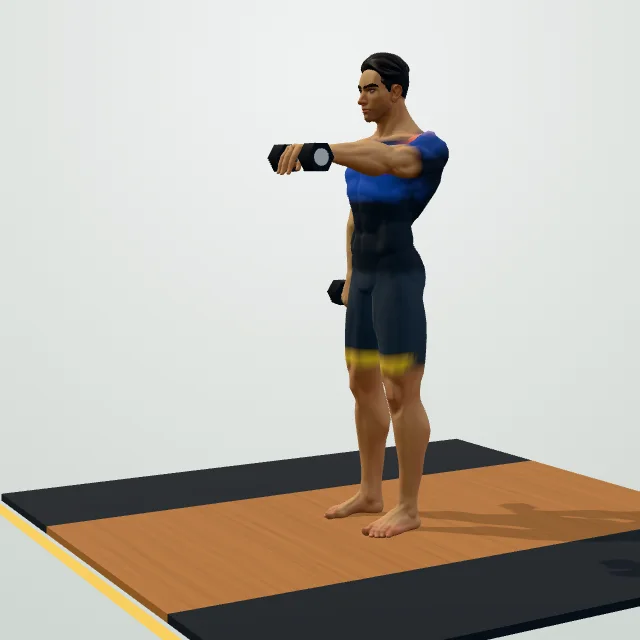
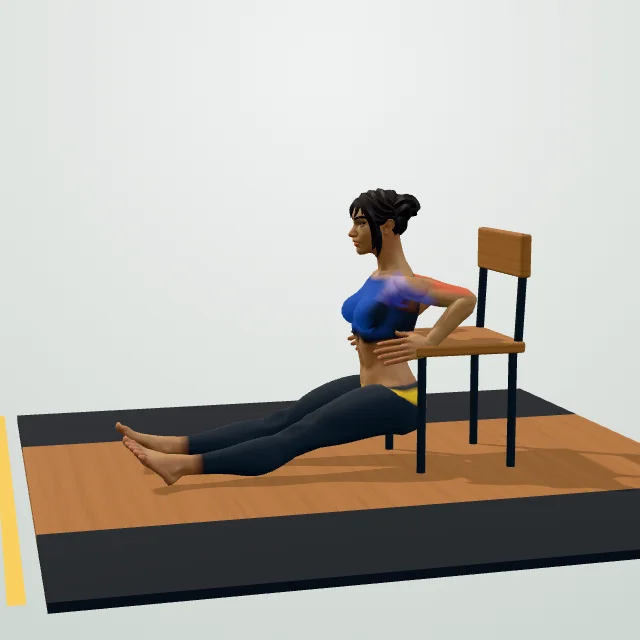
Good chest exercises come in three angles — flat, incline and decline — because the pectoral muscles are a broad, fan-shaped sheet, not one uniform block, and no single angle trains all of it equally. Understanding that is most of what you need to build an effective chest workout, whether you train in a gym or at home.
Chest anatomy and how it works
The chest is made up of the pectoralis major and the smaller pectoralis minor underneath it. The pectoralis major runs from the collarbone, sternum and ribs to the upper arm bone, and its fibres are arranged in a fan: the upper (clavicular) fibres run downward and across, the middle and lower (sternal) fibres run more horizontally and upward. This is why an incline press emphasises the upper chest more, a flat press trains the middle chest most evenly, and a decline press or dip shifts more work to the lower chest. Functionally, the chest's job is to bring the arm across and in front of the body — pressing movements and fly movements both do this, just through a slightly different path, with pressing adding the shoulders and triceps as synergists and flys keeping tension on the chest through a longer stretch.
How to train the chest: sets, reps and frequency
For muscle growth, most lifters do well with roughly 10–20 total chest sets per week, split across two sessions rather than one, in the 6–15 rep range with one or two sets taken close to failure. For strength, lower reps (4–8) with heavier loads and longer rest (2–4 minutes) on a main pressing movement work best, with lighter accessory work for volume. Twice-a-week frequency (for example a push day and a full-body day, or two push days) tends to outperform training chest only once a week at the same total volume, since it spreads recovery demand out and lets you handle heavier top sets more often.
Best gym chest exercises
The barbell bench press is the standard strength and mass builder for the whole chest, with heavy loading potential. The incline barbell bench press and incline dumbbell press shift emphasis to the upper chest, while the decline bench press targets the lower fibres. The dumbbell bench press allows a deeper stretch and more independent arm control than a barbell. For isolation and stretch under tension, the dumbbell fly, cable crossover and low-to-high cable fly (upper chest emphasis) keep constant tension through the whole range. Machine options like the pec deck fly and chest press machine are good for beginners or for training close to fatigue with less stabiliser demand, and the chest dip is an advanced bodyweight move that heavily loads the lower chest and triceps.
Best home chest exercises
A standard push-up is a genuinely effective chest exercise, comparable in muscle activation to a moderate-load bench press when done for enough reps. Progress the difficulty rather than abandoning it once it gets easy: knee push-up and incline push-up are easier regressions, while decline push-up, diamond push-up, wide push-up and eventually archer push-up add difficulty and shift emphasis slightly between chest, triceps and shoulders. If you have a doorframe or wall, a wall push-up is a suitable easier starting point, and the resistance band chest press adds loaded pressing without any weights at all. A dumbbell pullover, done on a bench, also trains the chest and lats together with just one dumbbell.
Sample chest workout
| Exercise | Sets | Reps | Rest |
|---|---|---|---|
| Barbell bench press (or push-up) | 4 | 6–10 | 2–3 min |
| Incline dumbbell press | 3 | 8–12 | 90 s |
| Dumbbell fly or cable crossover | 3 | 10–15 | 60–90 s |
| Chest dip (or diamond push-up) | 2–3 | 8–12 | 90 s |
Barbell vs dumbbell chest press
A barbell lets you load more total weight and is more stable, since both hands move on a fixed path together — useful for building raw pressing strength. A dumbbell press allows a deeper stretch at the bottom, trains each side independently (helpful for correcting a strength imbalance) and puts less fixed demand on the shoulder joint. Neither is strictly better for chest growth; many lifters use a barbell for the heaviest set of the day and dumbbells for the rest of the session to get both benefits.
Chest exercises for beginners
If pressing movements feel unstable at first, start with machine options such as the chest press machine or pec deck fly, which fix the bar path and let you focus purely on squeezing the chest, or with an incline push-up if you are training with no equipment. Move to free weights once the machine or bodyweight version feels controlled and you understand where in the movement the chest should be working hardest.
Common mistakes
Flaring the elbows to 90° on a bench press stresses the shoulder joint and reduces chest involvement — keep them closer to 45–60° from the torso. Bouncing the bar off the chest skips the controlled stretch that builds muscle and adds injury risk; lower with control and pause briefly instead. Arching the lower back excessively to lift more weight shortens the range of motion and shifts load away from the chest — a moderate, natural arch with the shoulder blades pulled back and down is enough. On flys and cable crossovers, bending the elbows too much turns the movement into a press and reduces the chest-isolating stretch that makes flys useful in the first place.