General fitness · Beginner
Beginner workout plan: a 3-day full-body gym routine
This beginner workout plan trains your whole body three times a week with two alternating sessions, so every major muscle group gets worked twice within a week without needing to learn a complicated split.
Your week
Sessions
Full body A
| Exercise | sets | Rest | |
|---|---|---|---|
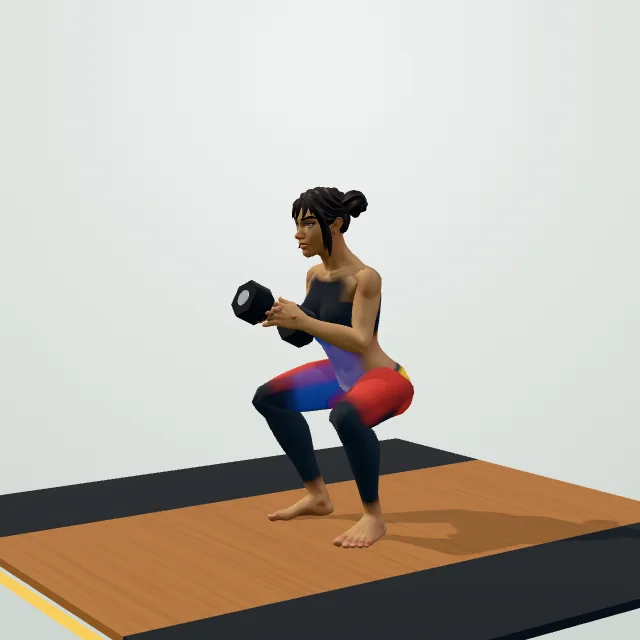
| Goblet Squat | 3 × 10-12 | 90 s |
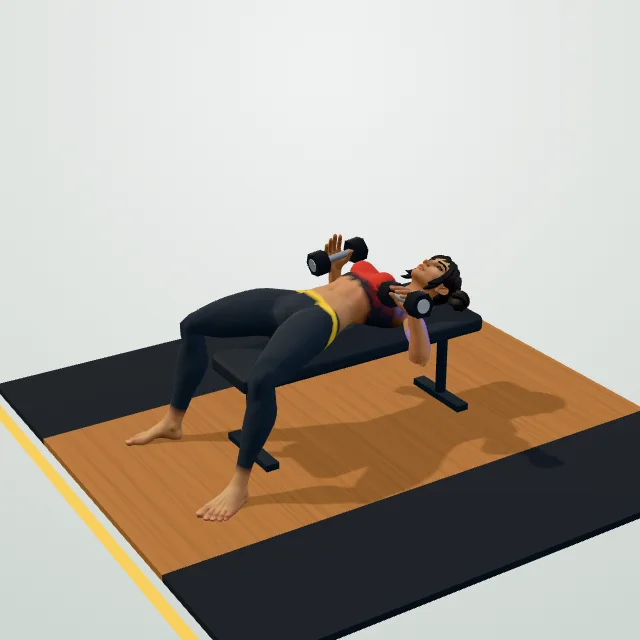 | Dumbbell Bench Press | 3 × 8-12 | 90 s |
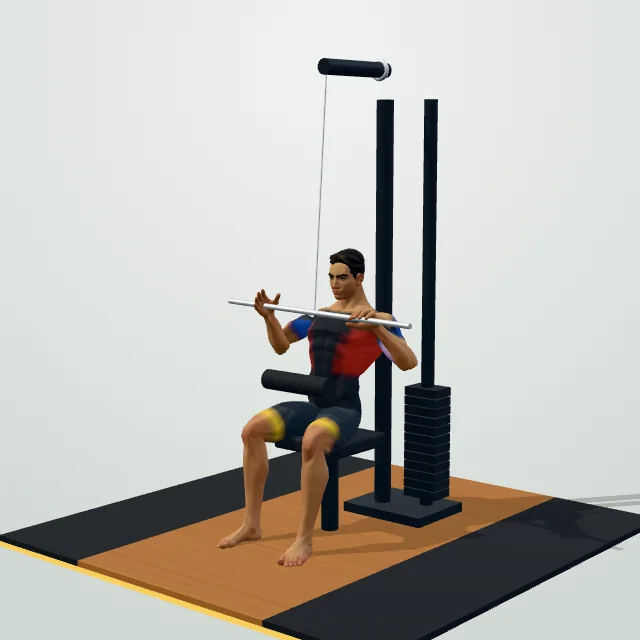 | Lat Pulldown | 3 × 10-12 | 90 s |
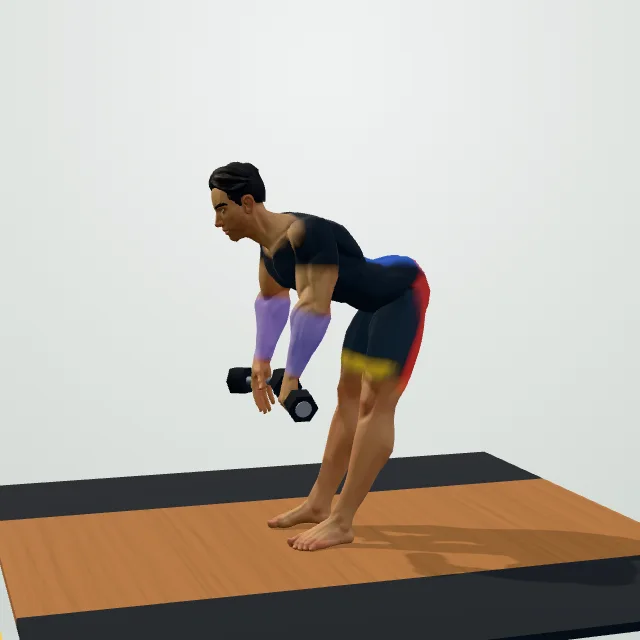 | Dumbbell Romanian Deadlift | 3 × 10-12 | 90 s |
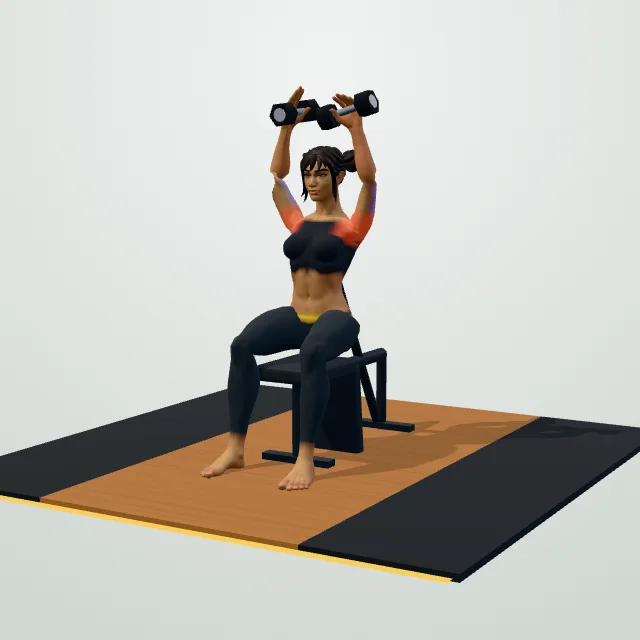 | Dumbbell Shoulder Press | 2 × 10-12 | 60 s |
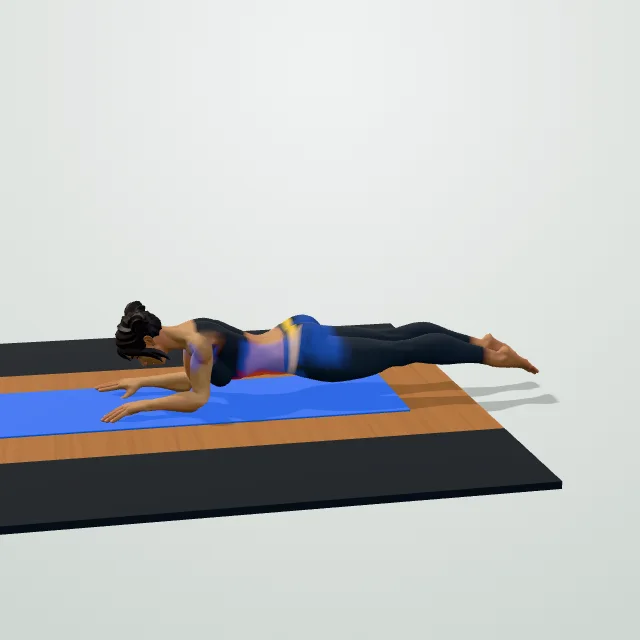 | Plank | 3 × 30 s | 45 s |
Full body B
| Exercise | sets | Rest | |
|---|---|---|---|
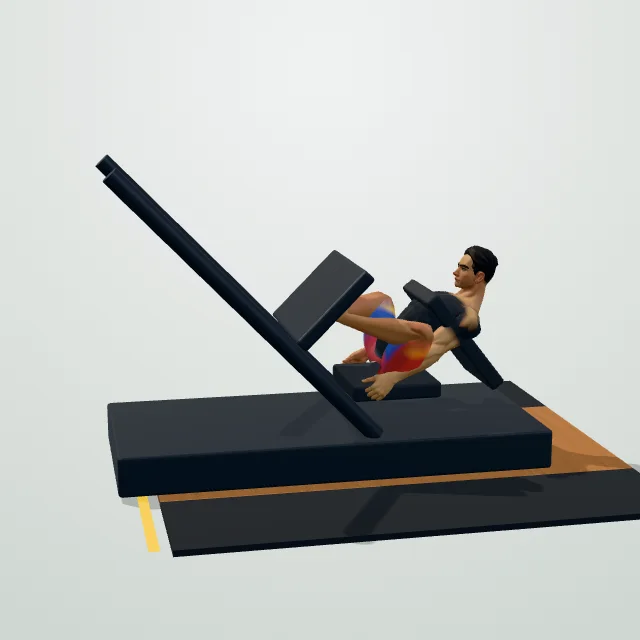 | Leg Press | 3 × 10-12 | 90 s |
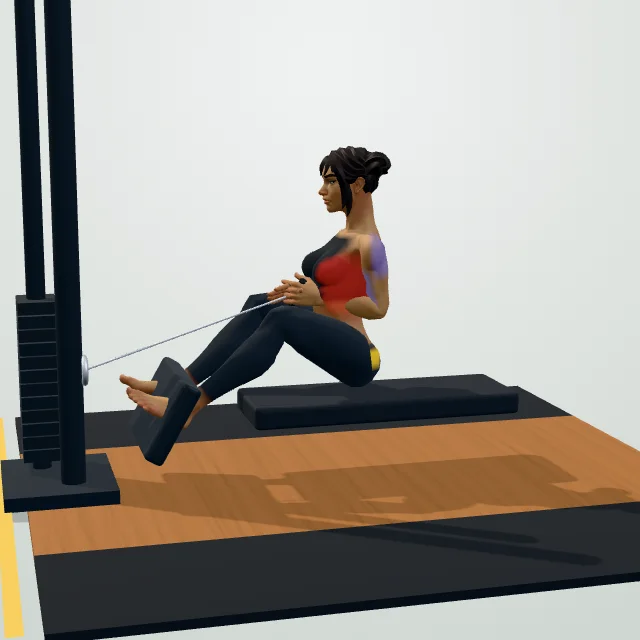 | Seated Cable Row | 3 × 10-12 | 90 s |
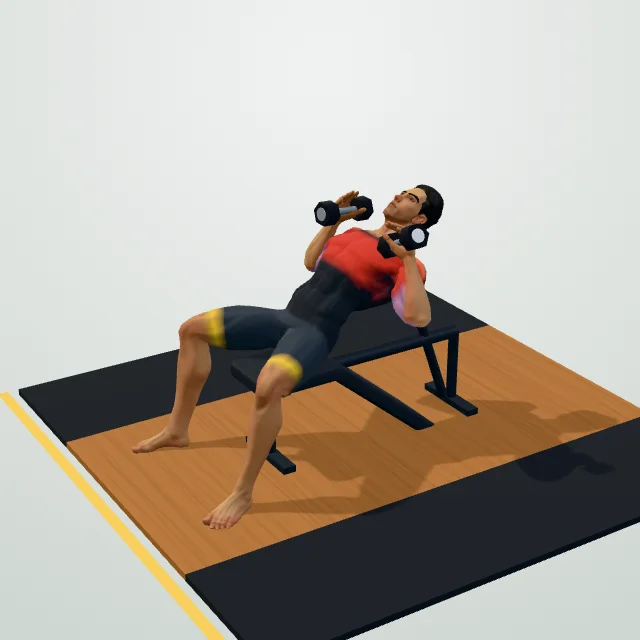 | Incline Dumbbell Press | 3 × 10-12 | 90 s |
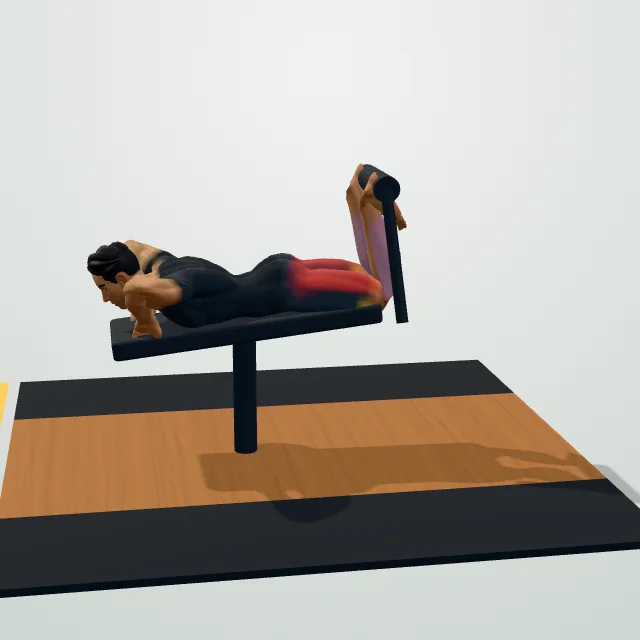 | Lying Leg Curl | 3 × 10-12 | 60 s |
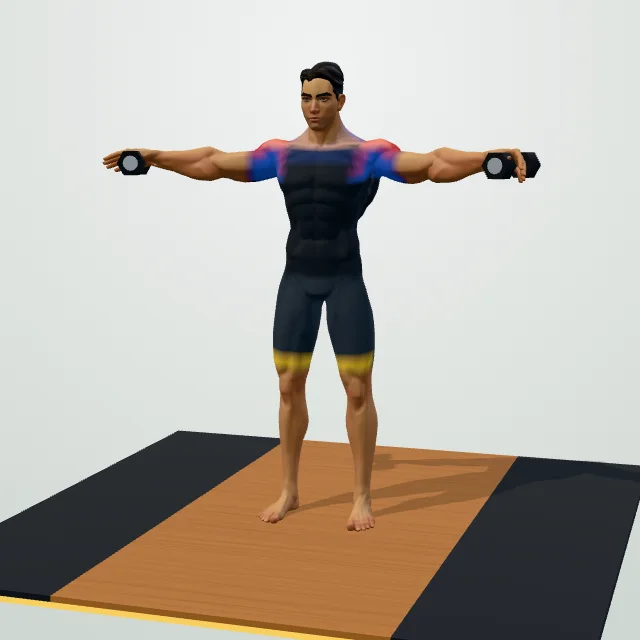 | Dumbbell Lateral Raise | 2 × 12-15 | 60 s |
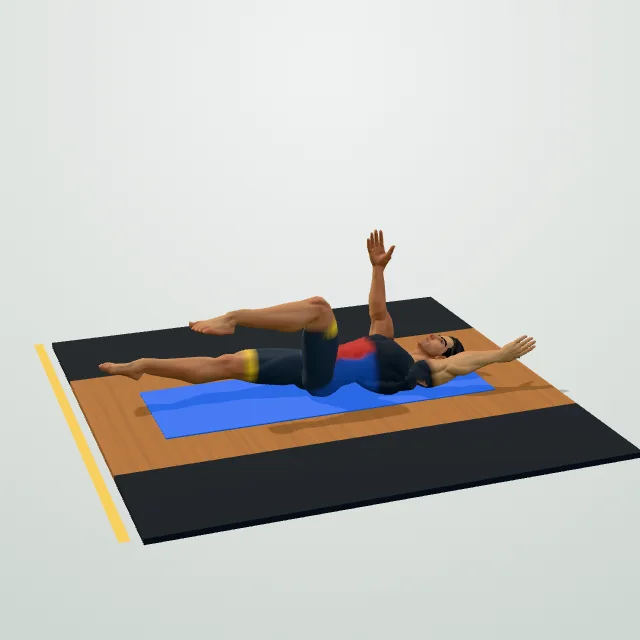 | Dead Bug | 3 × 10 per side | 45 s |
How to progress
- Weeks 1–2: leave 3–4 reps in reserve on every set and learn the movements.
- Weeks 3–8: when you reach the top of the rep range on all sets with good form, add the smallest weight step next session.
- Alternate A and B: week 1 is A-B-A, week 2 is B-A-B.
A beginner workout plan works best when it is simple and repeatable, which is exactly what this 3 day full body workout plan gives you: two alternating full-body sessions (A and B), three times a week, so you never have to guess what to do next in the gym. Full-body training suits beginners because every muscle gets trained twice a week, which builds strength and habit faster than a single-muscle split while you are still learning the main lifts.
Who this beginner workout plan is for
This plan is built for someone new to structured gym training, or returning after a long break, who has access to dumbbells, a lat pulldown machine, a leg press and a cable row station. It is a good starting point whether you are looking for a beginner workout plan for women or for men — the exercises and loading are the same, only the starting weight differs. If you train only at home with no machines, the full-body dumbbell workout plan covers the same muscles with equipment you can own outright, and the 30-day home workout plan needs no equipment at all. If your main goal is dropping body fat rather than learning the gym, see the 4-week fat-loss workout plan, which blends strength work with conditioning.
How to run the sessions
Spend 5–8 minutes on Forma's dynamic warm-up before every session — some light cardio and a few bodyweight reps of your first exercise — then do 1–2 easy warm-up sets before your first working set of any new exercise. Work through the exercises in the order shown: the squats, presses, pulls and hinges come first while you are fresh, and the plank or dead bug core finisher comes last, since a tired core still holds a static hold fine but a tired core does not help you squat safely. Rest 60–90 seconds between sets — long enough to breathe normally again, short enough to keep the session inside about 45 minutes. Finish with a few minutes of the post-workout stretching routine.
How to choose your starting weight
On your first week, pick a weight for each exercise that feels clearly manageable — you should finish every set with 3–4 reps in reserve (RIR), meaning you could have done 3–4 more good reps if you had to. This "too light" feeling in week 1 is intentional: it lets you learn the goblet squat, dumbbell bench press, lat pulldown and Romanian deadlift patterns without fighting the weight. The RPE and RIR guide explains how to judge this more precisely once you have a session or two under your belt. If a machine or dumbbell weight only comes in big jumps, round down rather than up — it is easier to add weight next time than to bail out mid-set.
Week-to-week progression, with numbers
Weeks 1–2: keep 3–4 reps in reserve on every set while you learn the movements — do not add weight yet, even if a set feels easy. Weeks 3–8: once you can complete every set at the top of its rep range (for example, 3×12 on the goblet squat or 3×12 on the dumbbell Romanian deadlift) with good form, add the smallest available weight jump the next time you do that session — typically 1–2 kg (2–5 lb) per dumbbell, or one plate increment on a machine. Alternate A and B strictly: week 1 runs A-B-A, week 2 runs B-A-B, and so on, so both sessions get equal attention over time. This is the same progressive overload principle every stronger lifter eventually relies on — small, regular increases beat big jumps that wreck your form.
Adapting the plan: fewer days, home training, missing equipment
Short on time or only free twice a week? Drop to two sessions (A one week, B the next) rather than skipping rest days — full-body training tolerates this well because nothing gets neglected for long. No lat pulldown machine: swap in the seated cable row for both sessions, or a resistance-band row at home. No leg press: the goblet squat from session A covers the same quad and glute work — just do it in both sessions instead. Training at home instead of a gym: replace the lat pulldown with a doorframe row or resistance band row, and the leg press with extra goblet squat or lunge sets — see the home gym equipment guide for what is worth buying first. If three days a week eventually feels easy, the upper/lower split or 4-day muscle-building plan are natural next steps once you have a few months of consistent training behind you.
Recovery, sleep and nutrition basics
Full-body training three times a week means each muscle gets roughly 48 hours between sessions, which is enough recovery time for most beginners — soreness in the first 2–3 weeks is normal and settles down as your body adapts (see the muscle soreness guide). Aim for 7–9 hours of sleep, since sleep is when most of the actual muscle repair and strength adaptation happens. If building muscle or strength is your main goal, aim for roughly 1.6 g of protein per kg of body weight a day, spread across meals; if fat loss matters more to you right now, a modest calorie deficit (not a crash diet) alongside this plan works far better than exercise alone — the how to lose fat with exercise guide covers this in more depth.
Common mistakes beginners make on this plan
- Adding weight every single session: if you have not hit the top of the rep range on every set yet, adding weight just means you fail reps and stall. Wait for the full rep range before you add load.
- Skipping the warm-up sets: going straight to your working weight on a cold goblet squat or bench press is a common way to strain a shoulder or lower back. Two light sets first cost you two minutes and prevent most of that risk.
- Doing A and B out of order: repeating the same session twice in a row (A, A) trains some muscles too often and others not enough within the week. Stick to the alternating pattern.
- Rounding the back on the Romanian deadlift: a rounded lower back under load is the main way this exercise causes discomfort. Hinge from the hips with a flat back and stop the descent once you feel a stretch in your hamstrings, not pain.
- Comparing your weights to someone else's: your starting weight only matters relative to your own next session. Progress against your own numbers, not another lifter's.
What to do after this plan
After 8–12 consistent weeks on this beginner workout plan, most people are ready to add a fourth day or move to a split that trains upper and lower body separately — try the upper/lower split for more strength focus or the 4-day muscle-building plan for more overall training volume. Use the plan builder to adjust days, equipment or goal at any point, and the one-rep max calculator once you want to plan working weights more precisely on the big lifts.
Questions people ask
Is a 3-day full-body workout plan enough for beginners?
How do I build a beginner workout plan like this myself?
Can I do this beginner workout plan at home?
How long should a beginner workout plan take?
Will this beginner workout plan help with weight loss?
How much weight should I add each week on this plan?
What if I can only train twice a week?
General fitness information, not medical advice. Check with a doctor or physiotherapist before starting if you have a health condition, an injury or are pregnant. Stop if you feel chest pain, dizziness or sharp pain.