Fat loss · Intermediate
15-minute HIIT workout: no equipment needed
This 15-minute HIIT workout runs 40 seconds of work and 20 seconds of rest through ten bodyweight exercises, one round, so you get a full high-intensity session done in about a quarter of an hour.
Your week
Sessions
40/20 HIIT
| Exercise | Work | Rest | |
|---|---|---|---|
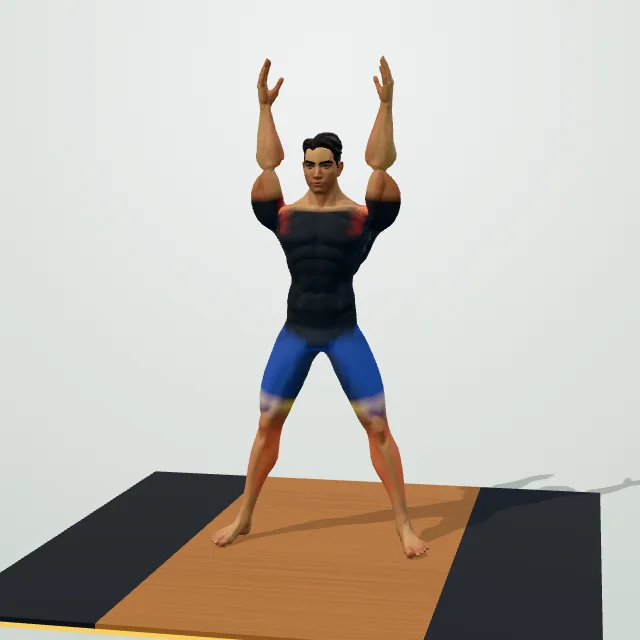
| Jumping Jacks | 40 s | 20 s |
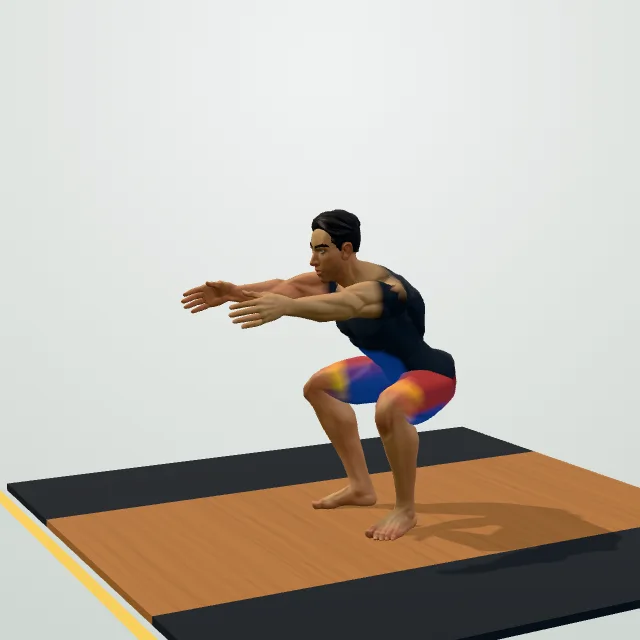 | Bodyweight Squat | 40 s | 20 s |
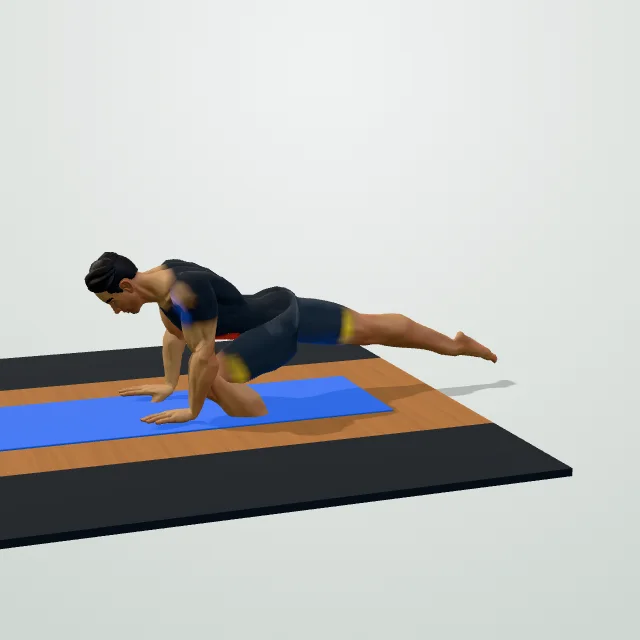 | Mountain Climber | 40 s | 20 s |
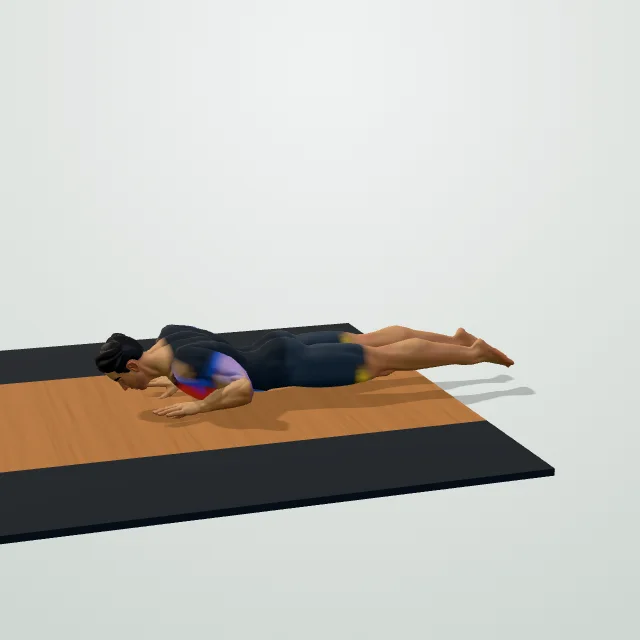 | Push-Up | 40 s | 20 s |
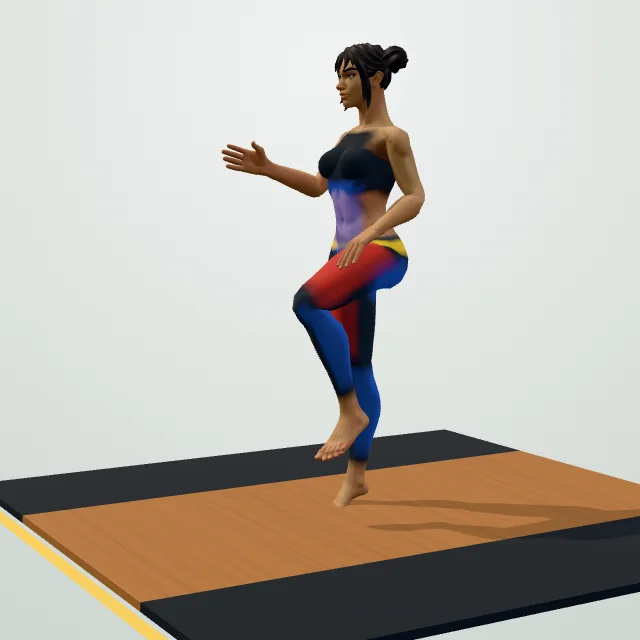 | High Knees | 40 s | 20 s |
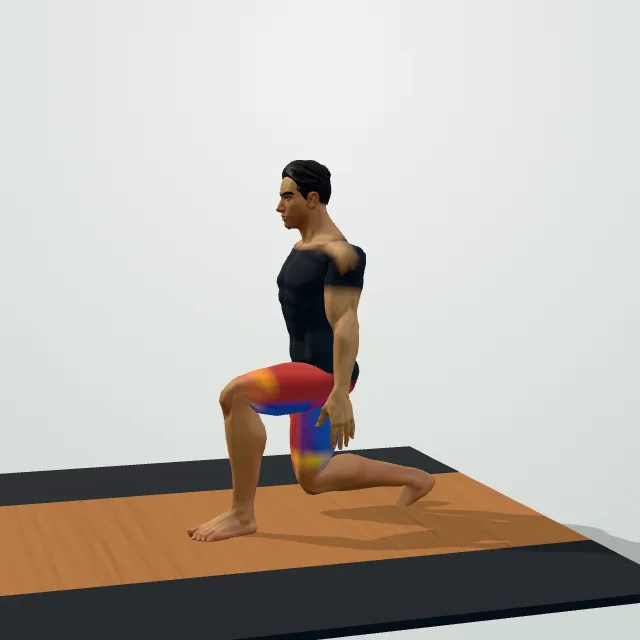 | Reverse Lunge | 40 s | 20 s |
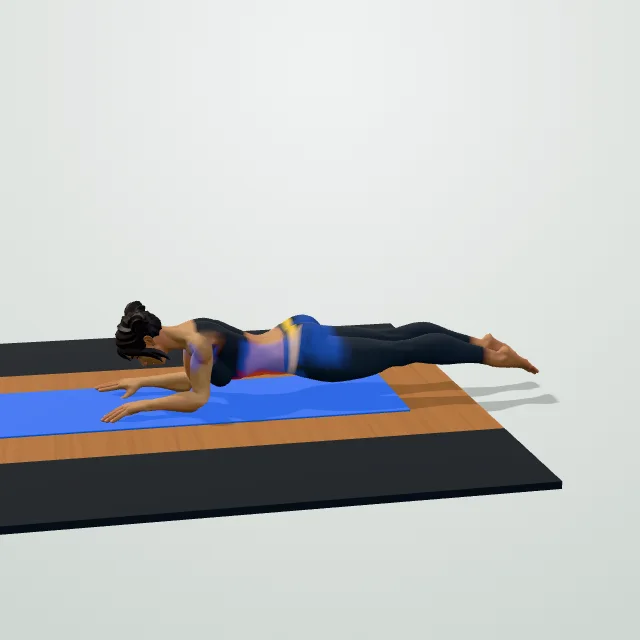 | Plank | 40 s | 20 s |
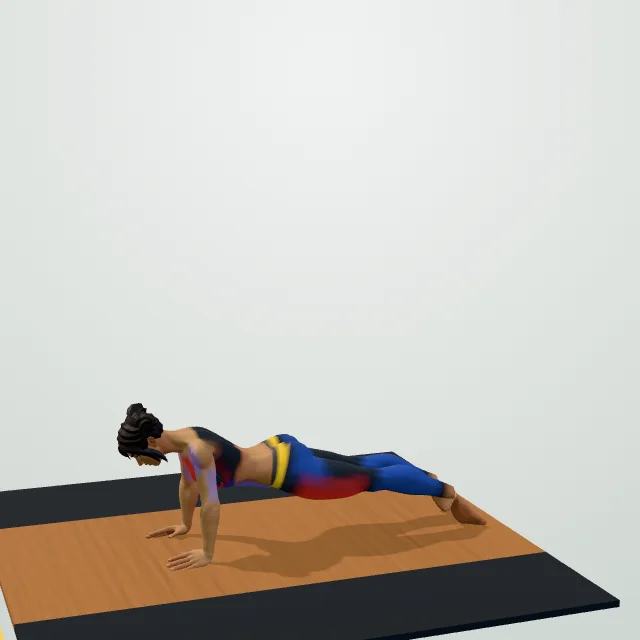 | Burpee | 40 s | 20 s |
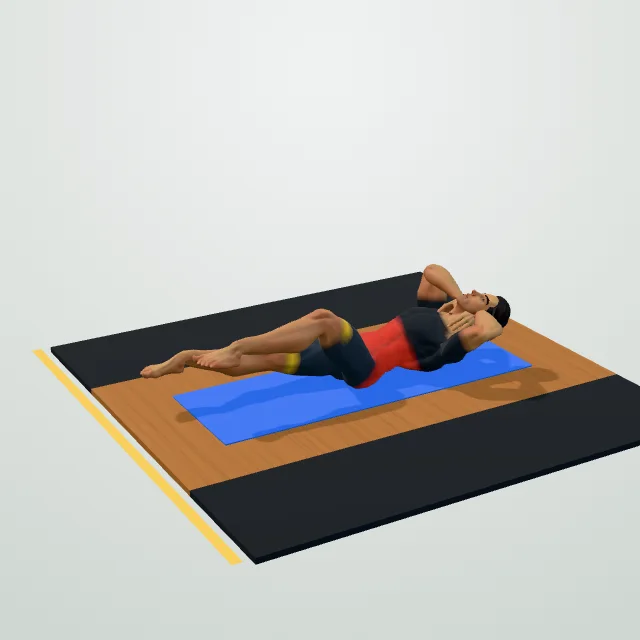 | Bicycle Crunch | 40 s | 20 s |
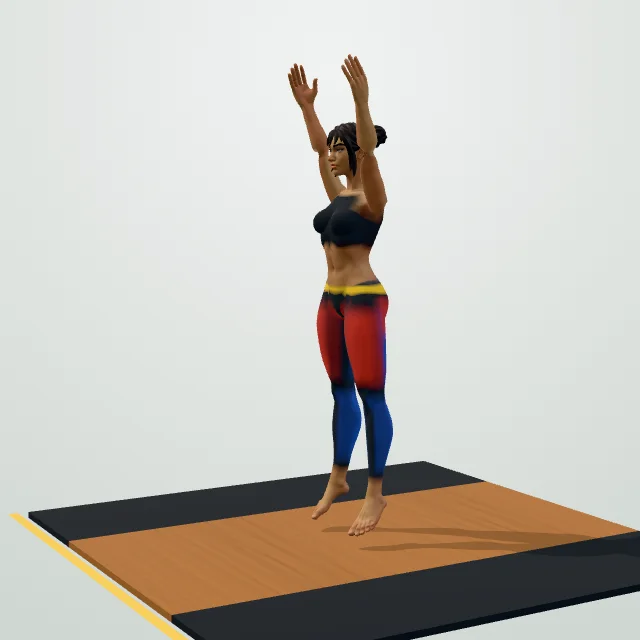 | Jump Squat | 40 s | 20 s |
| Round of 1 × 1 | |||
How to progress
- Beginners: 30 s work / 30 s rest and knee push-ups. Fitter: 2 rounds, or 45 s work / 15 s rest.
A 15-minute HIIT workout packs a lot of effort into a short window: this one alternates 40 seconds of hard work with 20 seconds of rest across ten bodyweight exercises — jumping jacks, squats, mountain climbers, push-ups and more — so your heart rate stays elevated the whole way through without needing any equipment or a gym.
Who this 15-minute HIIT workout is for
This suits anyone short on time who wants a hard, sweat-inducing session at home, and it works as a standalone workout or as a finisher added to the end of a strength session. It is intermediate in intensity — the moves include jump squats and burpees, so if you are brand new to exercise or have joint issues, start with the beginner modification below rather than the full version. If you want a longer, lower-impact conditioning option, the gym cardio workout uses machines instead of jumping; if you want more structure around interval timing specifically, the 20-minute Tabata workout uses shorter, harder intervals with more rounds.
How to run the session
Warm up for 3–5 minutes first — a few easy jumping jacks and bodyweight squats — since jumping straight into 40-second max-effort intervals cold raises your injury risk. Work through all ten exercises once, 40 seconds of work followed immediately by 20 seconds of rest, moving straight from one exercise to the next once the round finishes. Keep your effort genuinely high during each work interval — HIIT only works as intended if the "hard" parts are actually hard — and use the 20-second rest fully to recover your breathing before the next move. Finish with a few minutes of the cool-down stretch to bring your heart rate back down gradually.
Choosing your starting intensity
There is no external weight to select here — your main dial is exercise choice and effort level. If jumping moves like the jump squat or burpee feel like too much impact for your knees or back right now, swap in the non-jumping version of each exercise (a regular squat instead of a jump squat, a slow burpee without the jump at the top) while keeping the same timing. If push-ups are too hard for a full 40 seconds, use knee push-ups for that interval instead of skipping it entirely.
Week-to-week progression, with numbers
Beginners: start with 30 seconds of work and 30 seconds of rest, and use knee push-ups instead of full push-ups — this halves the work-to-rest ratio and makes the session more sustainable while you build a base level of conditioning. Fitter or more experienced: run the full circuit for 2 rounds instead of 1, or shift the ratio to 45 seconds of work and 15 seconds of rest to increase the challenge without adding exercises. Either way, this is a form of progressive overload applied to conditioning — you are gradually increasing the work-to-rest ratio or total volume rather than adding weight, but the underlying idea of small, steady increases is the same.
Adapting the workout: fewer moves, quieter, no jumping
Living somewhere jumping disturbs neighbors below you: replace jumping jacks, mountain climbers and jump squats with marching in place, high knees done slower, and regular bodyweight squats — you keep the same 40/20 timing and heart-rate benefit with far less impact noise. Short on space: most of these ten moves work in a space roughly the size of a yoga mat; the burpee and plank are the only ones that need a bit more room to lie flat. If 40 seconds feels too long when you are new to this, drop to 20 seconds of work with 20 seconds of rest for the first few sessions and build up from there — matching the beginner adjustment above but with an even shorter starting interval.
Recovery, sleep and nutrition basics
Because this session is high-intensity, 2–3 sessions a week with rest or easier training in between is a reasonable starting frequency — daily all-out HIIT tends to accumulate fatigue faster than it builds fitness. Sleep 7–9 hours a night to support recovery from the joint and cardiovascular stress of interval training. If fat loss is your main goal, remember that a HIIT session burns real calories but a modest, sustained calorie deficit through diet does most of the work for fat loss over time — this is one useful piece of a broader plan, not a shortcut around eating habits. The how to lose fat with exercise guide covers this balance, and the exercise safety guide is worth reading if you are new to high-intensity training or have any heart or joint concerns.
Common mistakes on a 15-minute HIIT workout
- Skipping the warm-up because the workout is already short: going straight into max-effort jump squats and burpees cold is one of the more common ways people strain something on HIIT-style training.
- Coasting through the work intervals: HIIT's benefit comes from genuinely high effort during the work portion. Going at a moderate pace the whole way through defeats the purpose of the interval structure.
- Doing this every single day: high-intensity interval training is demanding on joints and the nervous system. Two to three sessions a week, with easier training or rest on other days, is more sustainable.
- Chasing form-breaking speed on burpees and mountain climbers: rushing through reps to "get more in" during the 40 seconds usually means worse form and more injury risk, not more benefit.
- Expecting HIIT alone to produce fat loss without dietary changes: exercise supports fat loss, but a modest calorie deficit through diet is what drives most of the actual result.
What to do next
Use the HIIT and Tabata interval timer to run this workout hands-free, and the calories burned calculator to estimate the energy cost of a session. If you want more structure around interval length specifically, the Tabata workout is a natural next step, and the 4-week fat-loss workout plan combines sessions like this one with strength training for a fuller weekly plan.
Questions people ask
Is a 15-minute HIIT workout effective?
Is 15 minutes of HIIT a day enough?
Can I do this HIIT workout with no equipment?
Is this HIIT workout suitable for beginners?
Will this 15-minute HIIT workout help me lose belly fat?
How many calories does a 15-minute HIIT workout burn?
What if jumping exercises bother my knees?
General fitness information, not medical advice. Check with a doctor or physiotherapist before starting if you have a health condition, an injury or are pregnant. Stop if you feel chest pain, dizziness or sharp pain.