Gym equipment names and the exercises for each
Every piece of gym and home workout equipment, with the exercises it is used for and a free 3D demo for each.
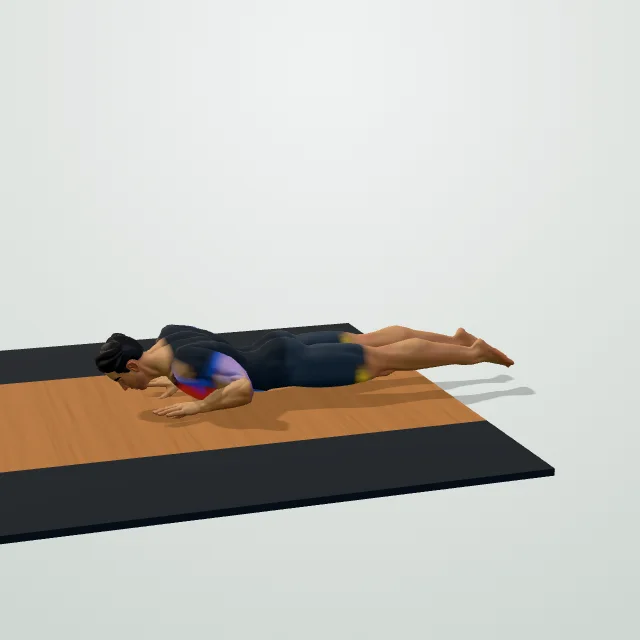
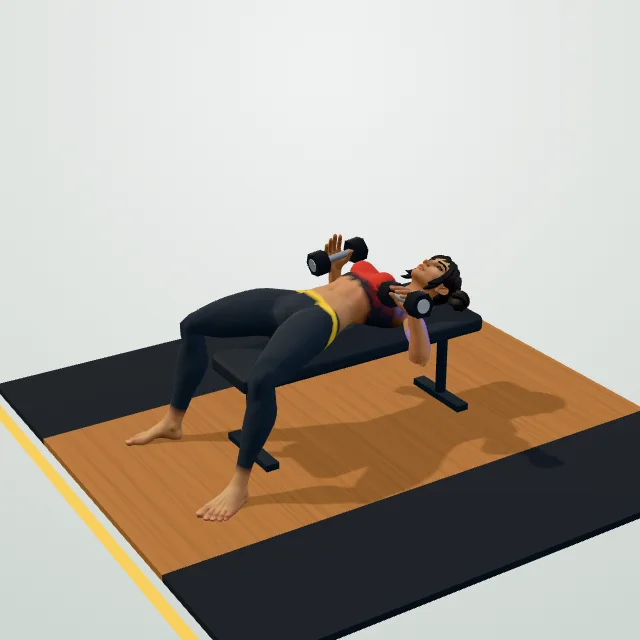
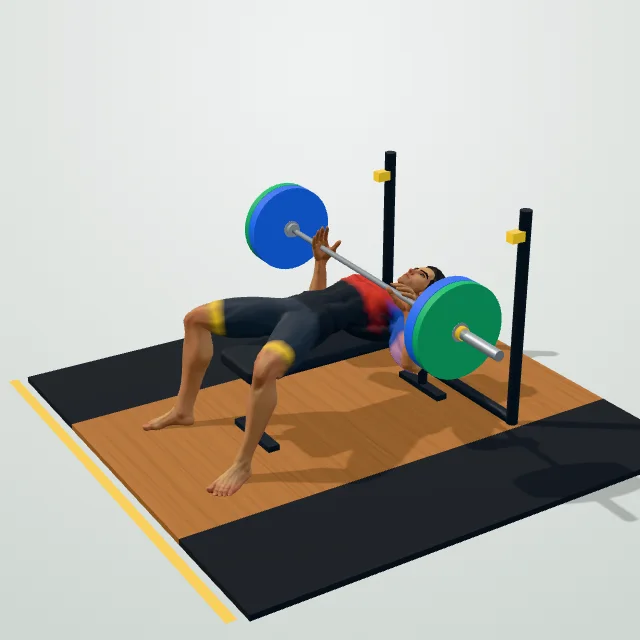
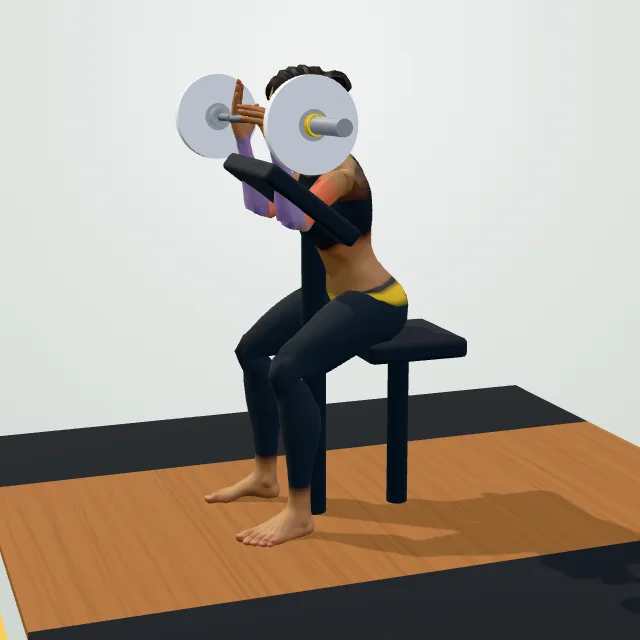
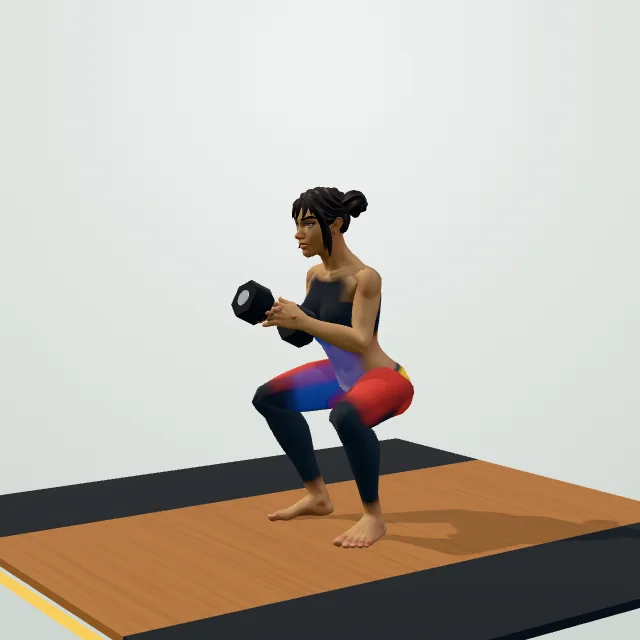
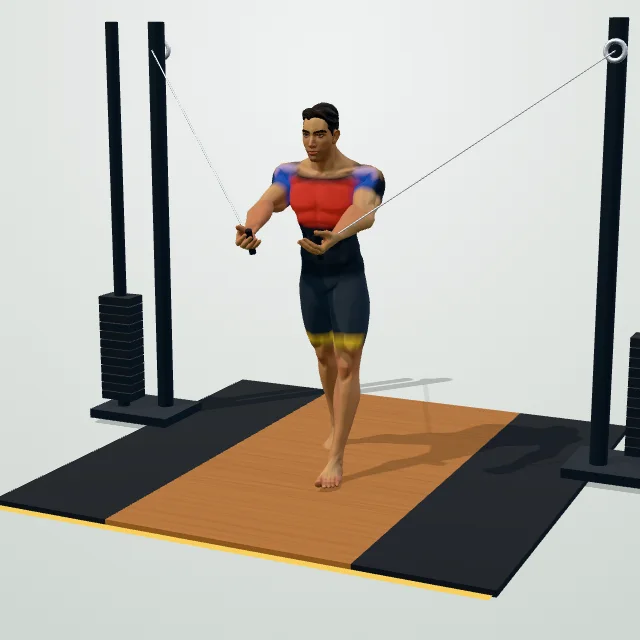
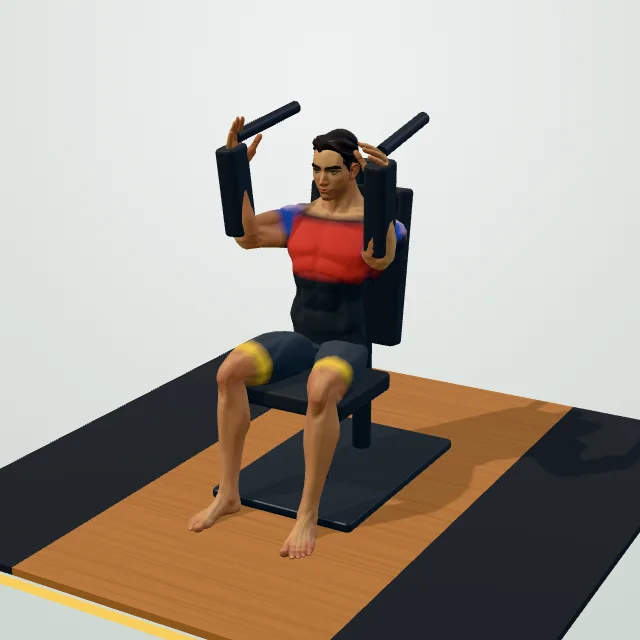
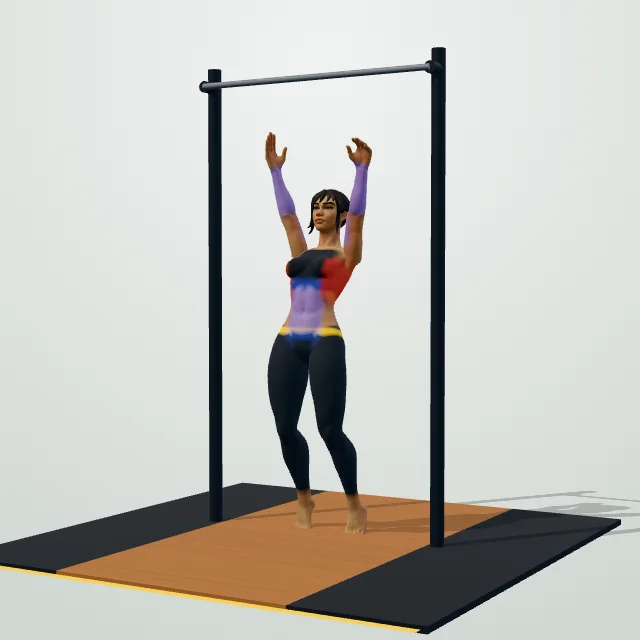
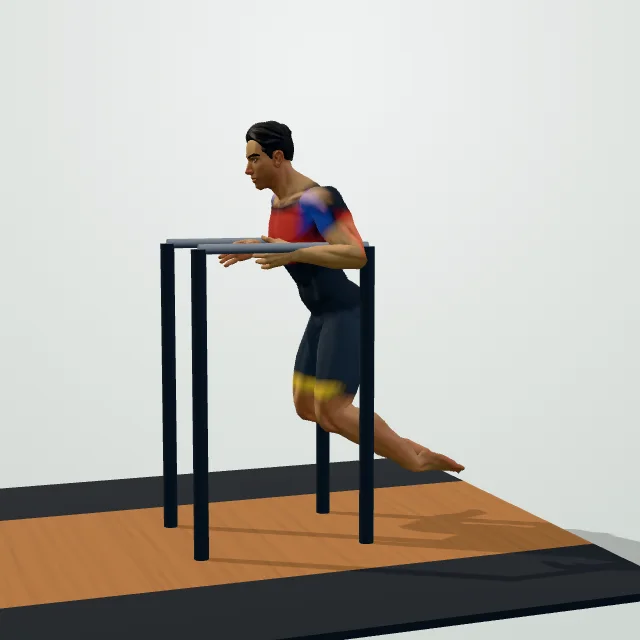
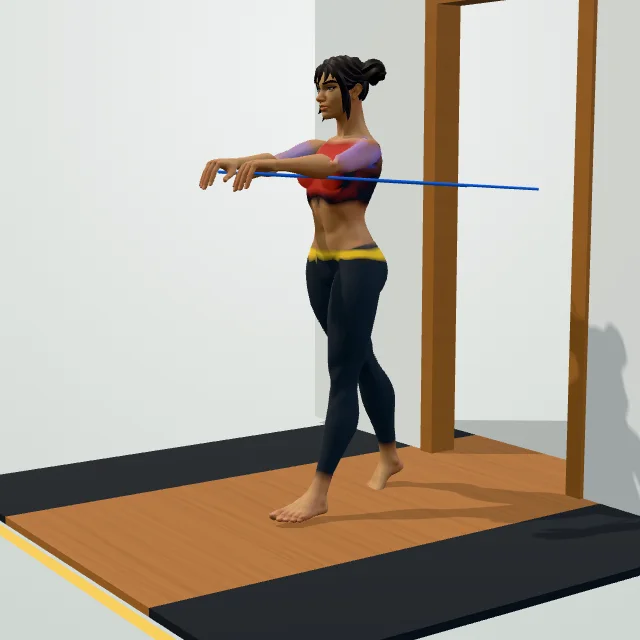
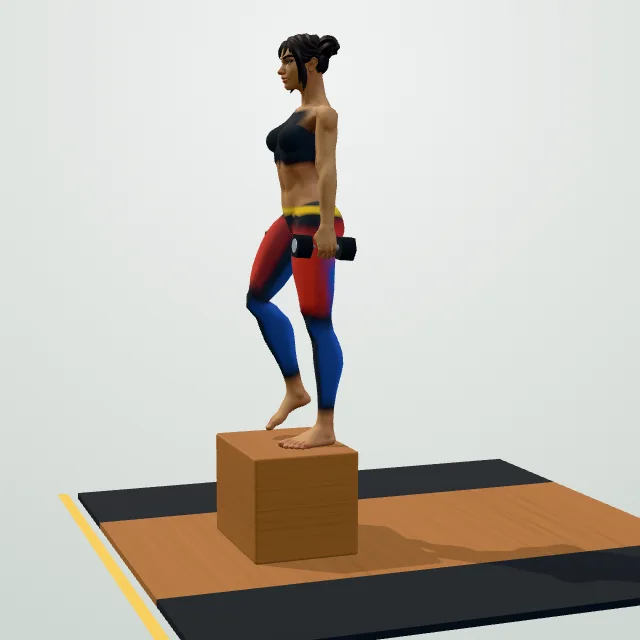
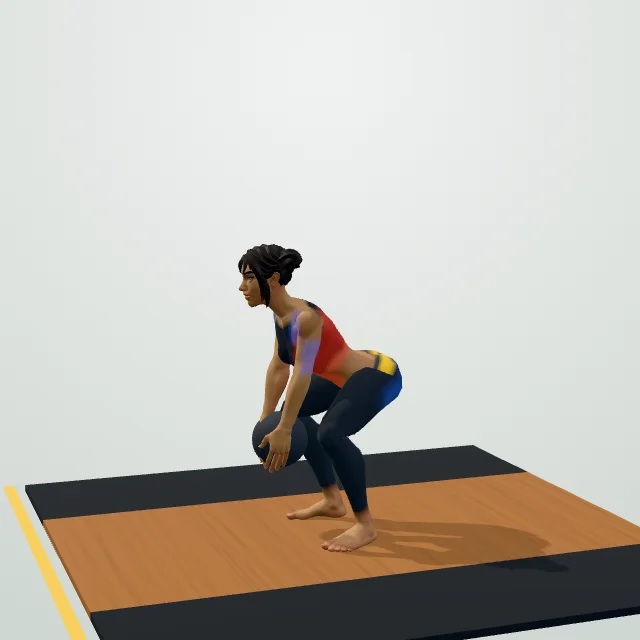
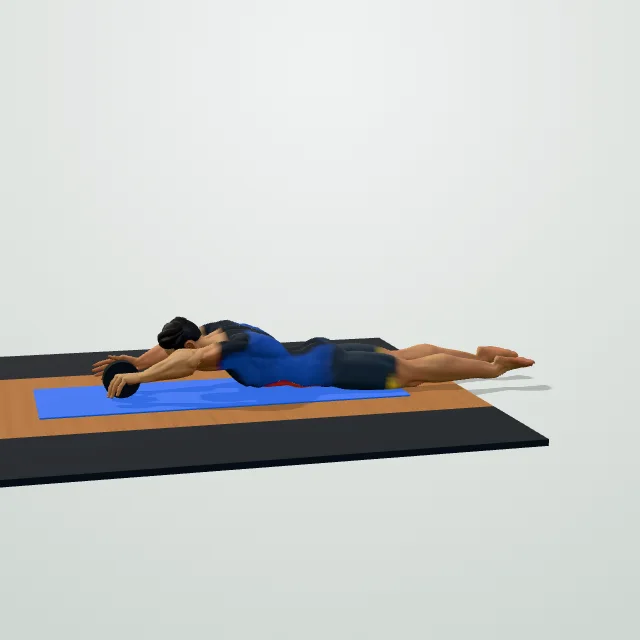
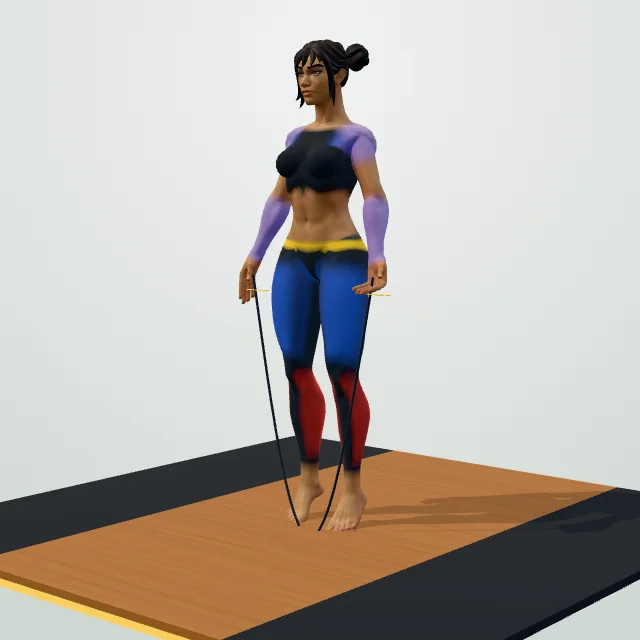
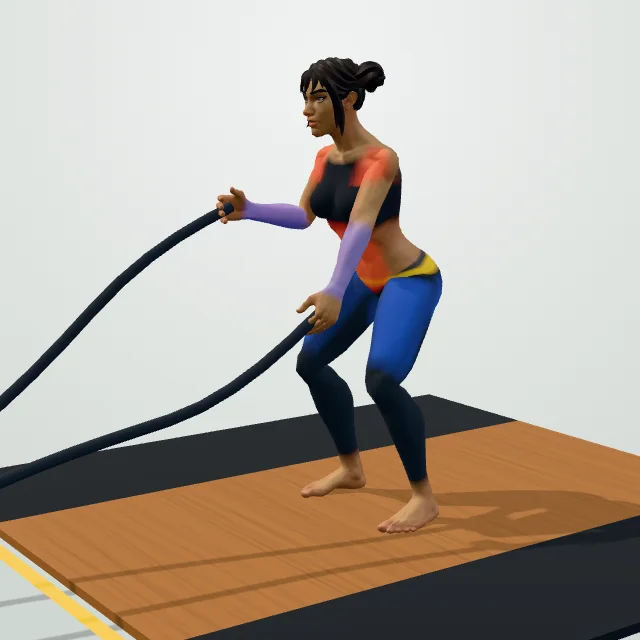
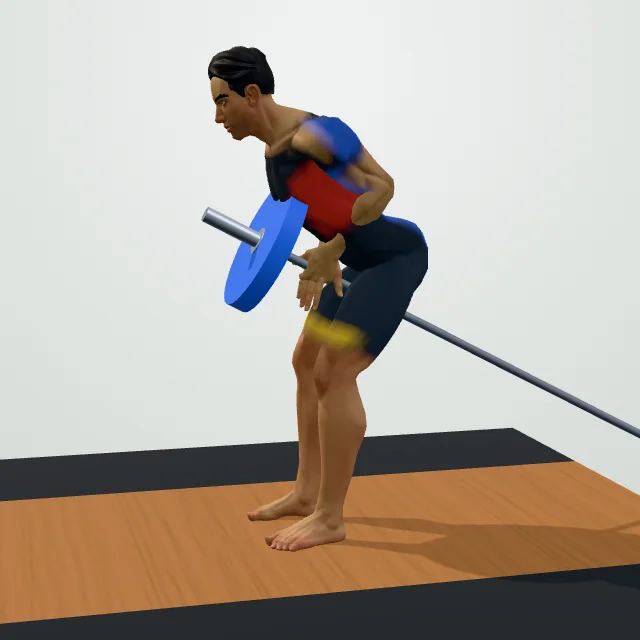
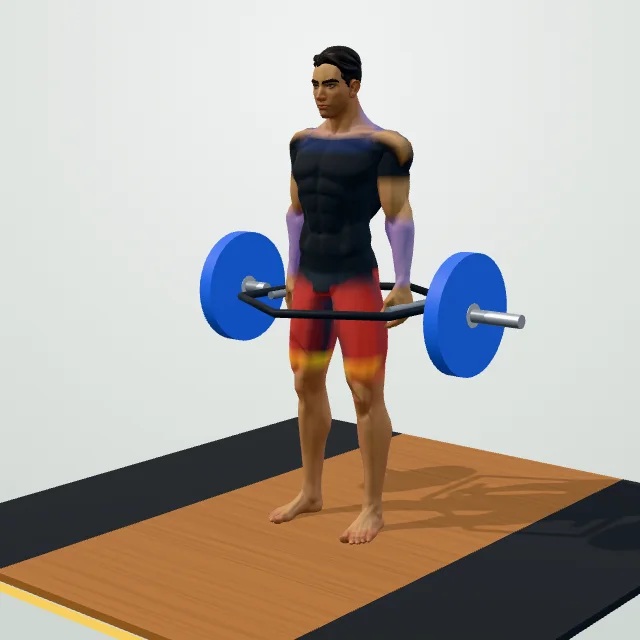
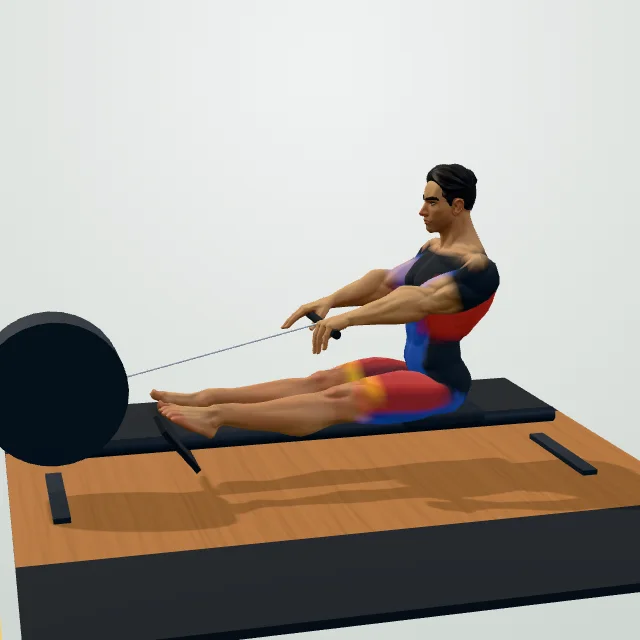
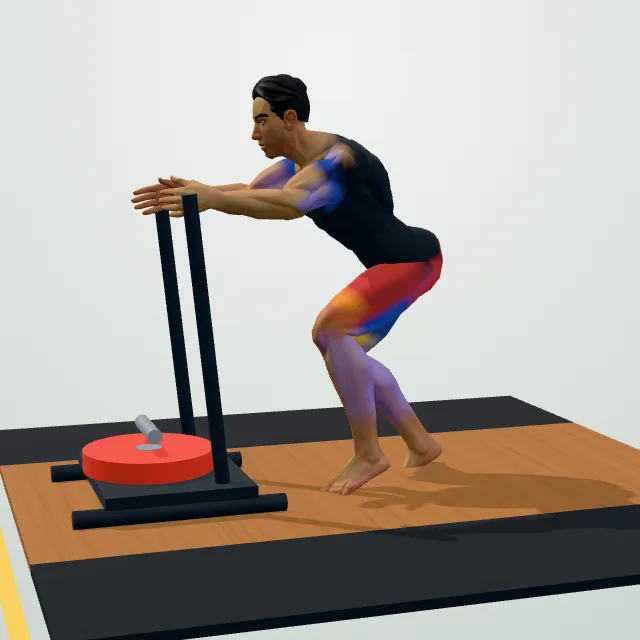
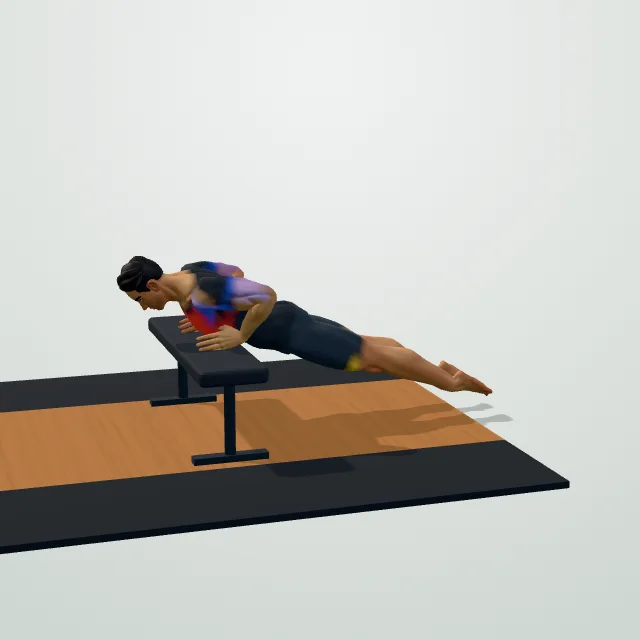
Knowing gym equipment names matters less than knowing what to do with each one — this hub lists every tool the exercise library uses, gym and home, and links straight to the exercises built for it, each shown with a free 3D demo so you can see the correct setup and range of motion before you load a weight.
Core gym equipment
A typical gym floor is built around a handful of tools: the barbell and a bench for the biggest compound lifts, the dumbbells for unilateral and accessory work, the cable machine for constant-tension movements from many angles, and selectorised machines that guide the bar path for you — useful when you are learning a movement pattern or training close to fatigue safely. Add a pull-up bar, a dip station, an EZ curl bar and a trap bar and you have the equipment behind most gym workout plans on this site.
Home workout equipment for a small space
You do not need a full rack to train seriously at home. A pair of adjustable dumbbells, a set of resistance bands, and a sturdy chair or bench cover most upper- and lower-body patterns in very little floor space, and a kettlebell adds hinge and carry movements without taking up much more room. If space or budget is tight, start with no-equipment exercises — push-ups, squats, lunges and planks — and add tools one at a time as you progress past what bodyweight alone challenges. The home gym equipment guide goes through what to prioritise first.
Conditioning and specialty equipment
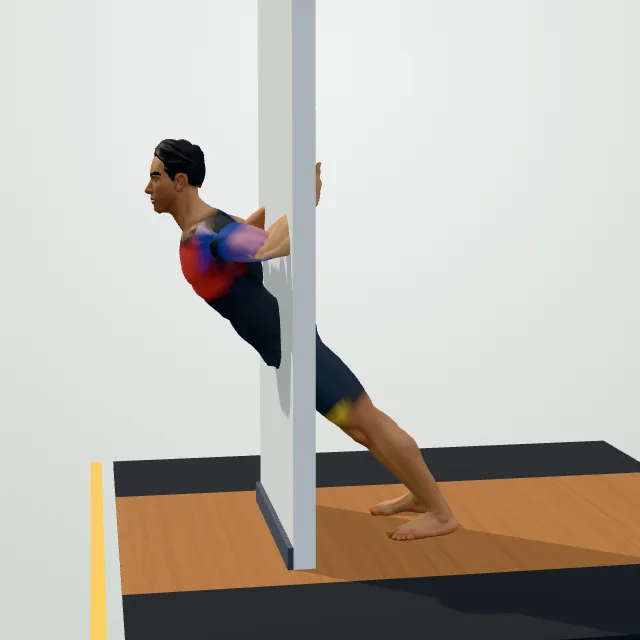
Beyond strength tools, the library covers conditioning equipment too: a jump rope and battle ropes for short, intense intervals; cardio machines such as the treadmill, stationary bike and rowing machine for steady or interval cardio; a medicine ball for explosive, rotational and slam-based movements; an ab wheel for advanced core work; a plyo box for step-ups and jump training; a sled for pushing work; a landmine attachment for angled pressing and rotational movements; and a wall, which turns out to be genuine equipment for wall sits, wall push-ups and calf stretches.
Which equipment to buy first
If you are building a home setup from nothing, a pair of adjustable dumbbells and a couple of resistance bands give the widest range of exercises per dollar and per square foot, covering chest, back, shoulders, arms, legs and glutes. A pull-up bar is the next best addition if you have a doorframe or frame to mount it, since it unlocks true back and biceps compound movements that bands and dumbbells cannot fully replace. A bench and a barbell come later, once you know you are training consistently and want to progress load beyond what dumbbells alone allow.
A common budget order looks like this: adjustable dumbbells first, a set of two or three resistance bands next, a flat bench or sturdy step third, and a pull-up bar fourth if your doorway or wall allows it. Anything beyond that — a barbell and plates, a kettlebell, a landmine attachment — is worth adding only once you are limited by the exercises your current equipment can offer, not before.
Matching equipment to a workout plan
Once you know what you have, filter the exercise library by equipment to see only exercises you can actually do, or open the plan builder and set your available equipment there — it will build a full weekly plan using only tools you own. Several ready-made plans are already built around specific equipment: the Full-Body Dumbbell Workout Plan, the Kettlebell Workout for Beginners, the Resistance Band Full-Body Workout and the fully equipment-free 30-Day Home Workout Plan.
Reading the equipment tags on an exercise
Many exercises list more than one piece of equipment, meaning any one of them will work — a goblet squat, for instance, works with a dumbbell or a kettlebell, and a incline push-up works with a bench or a sturdy chair. This is deliberate: it lets you substitute whatever you own without losing the exercise from your plan. When an exercise page lists two tools joined this way, treat them as interchangeable rather than assuming you need both.
Equipment and safety basics
Whatever equipment you use, check it before a heavy set: collars on a barbell should be tight, resistance bands should be free of visible cracks or thinning, and a bench or box should sit on a stable, non-slip surface. Free weights (barbells, dumbbells, kettlebells) demand more control from you than a machine does, so when you are new to a piece of equipment, start with a lighter load than you think you need and build up once the movement feels stable through its full range.