Calves exercises: the best moves in 3D
How the calf muscles work, the best calf raise variations for gym and home, and how to actually make calves grow.
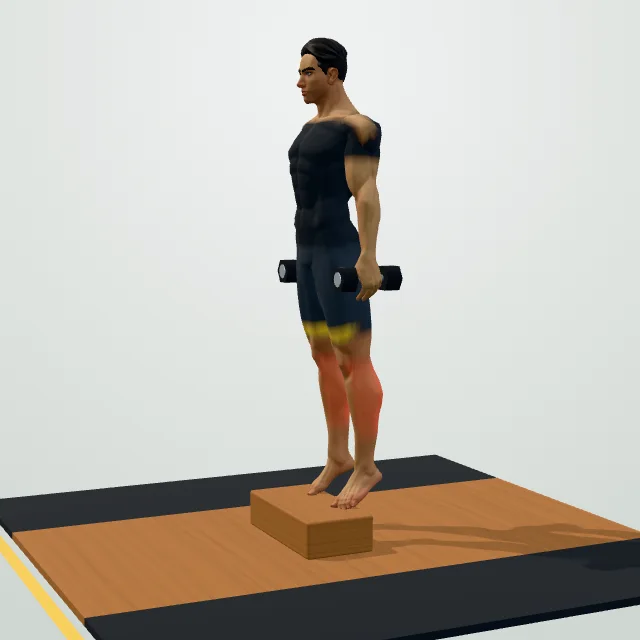
Gym
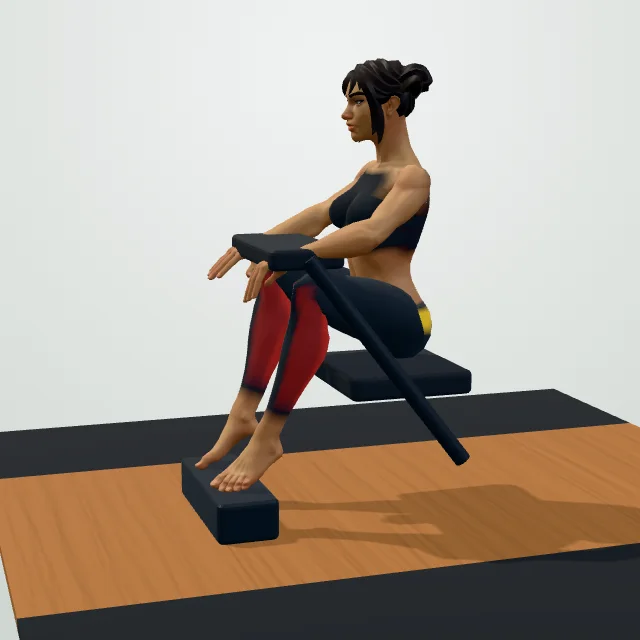
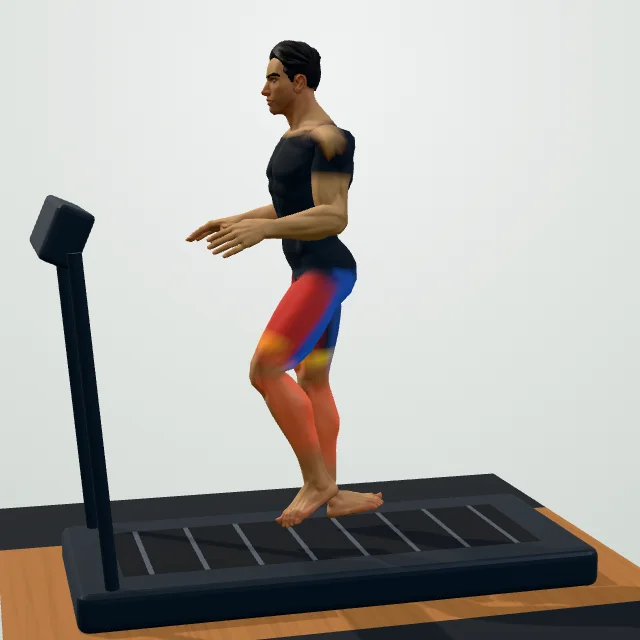
Home or gym
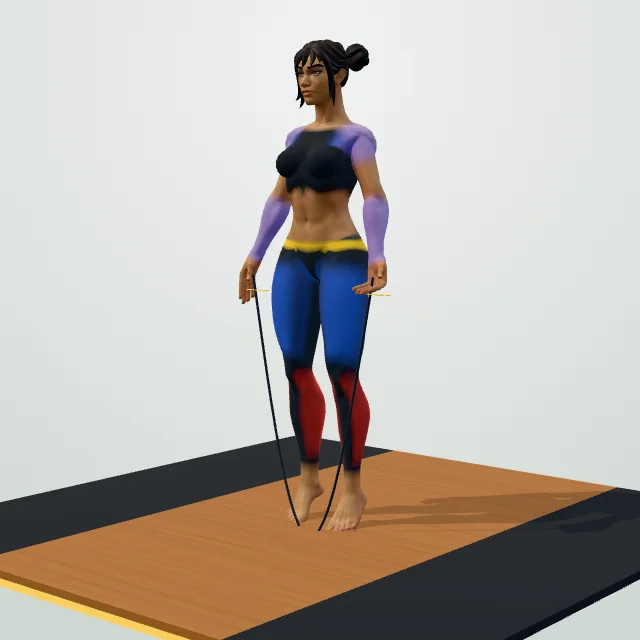
Home, no equipment
Secondary
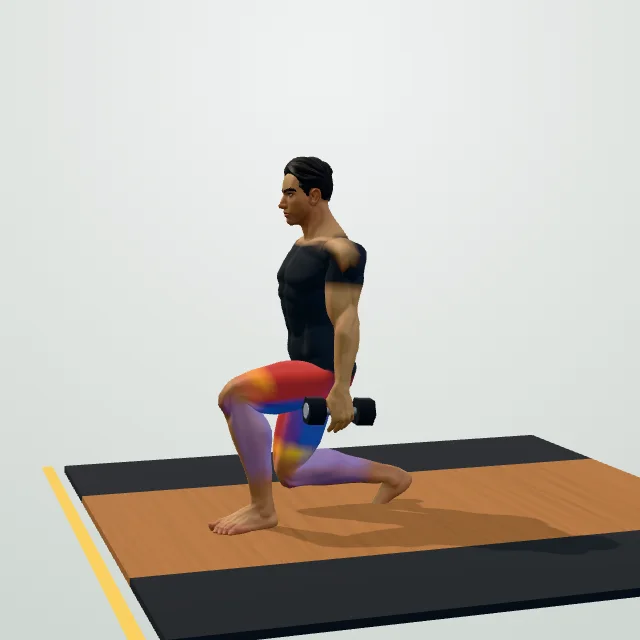
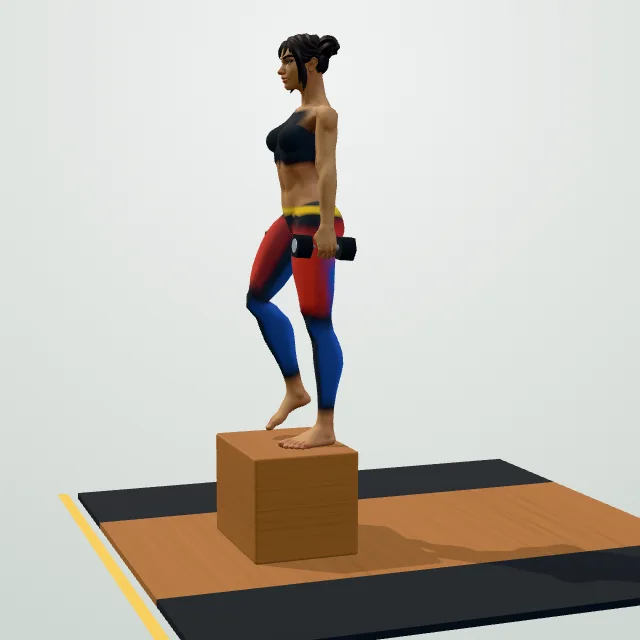
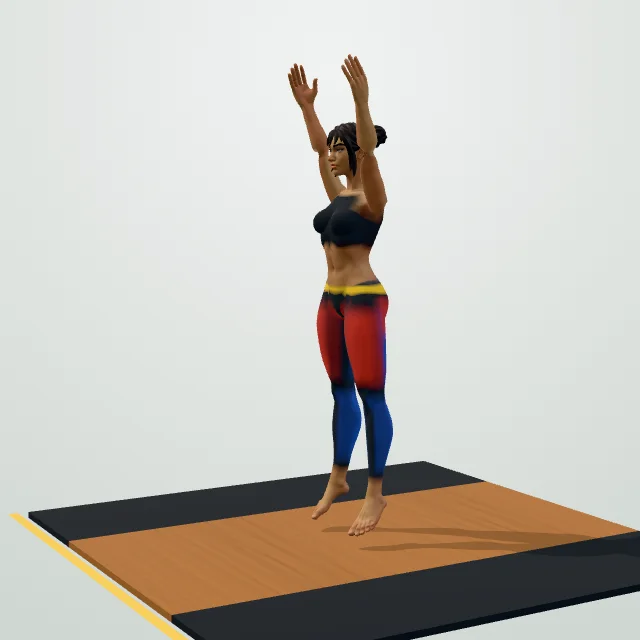
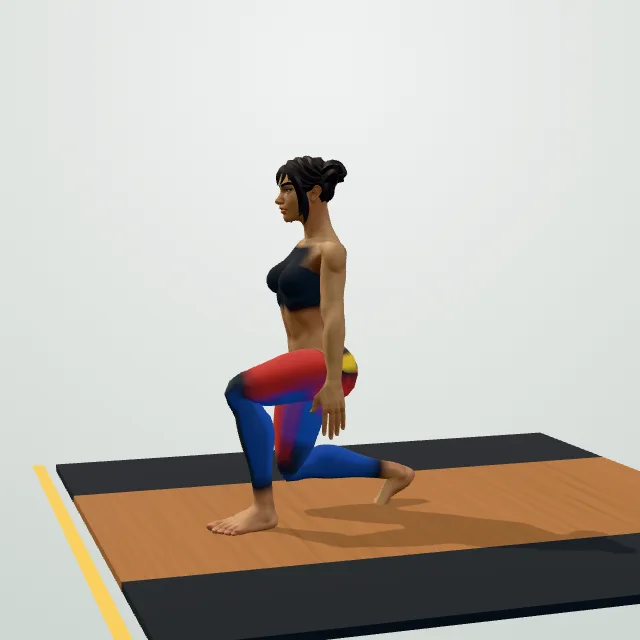
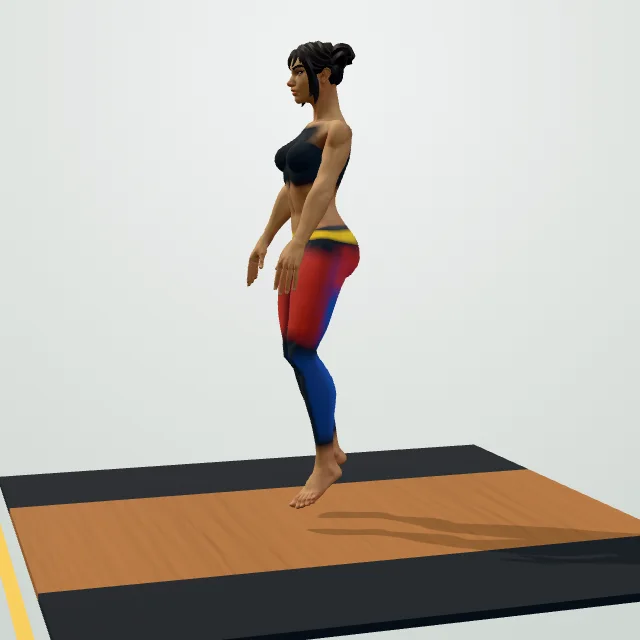
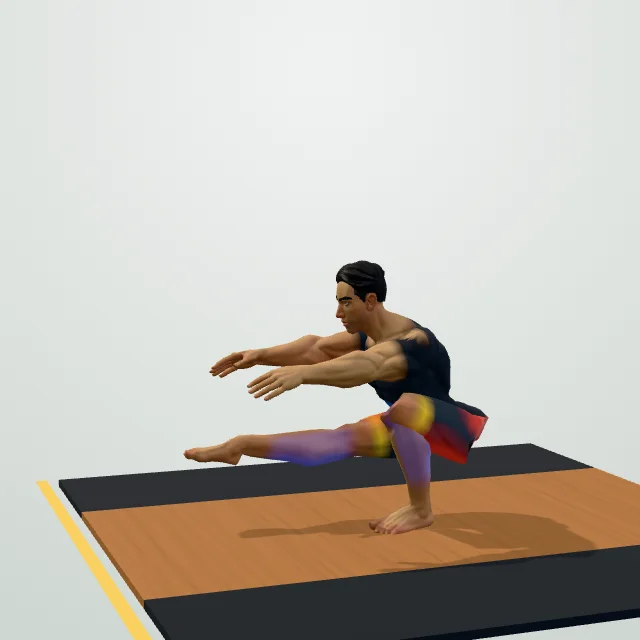
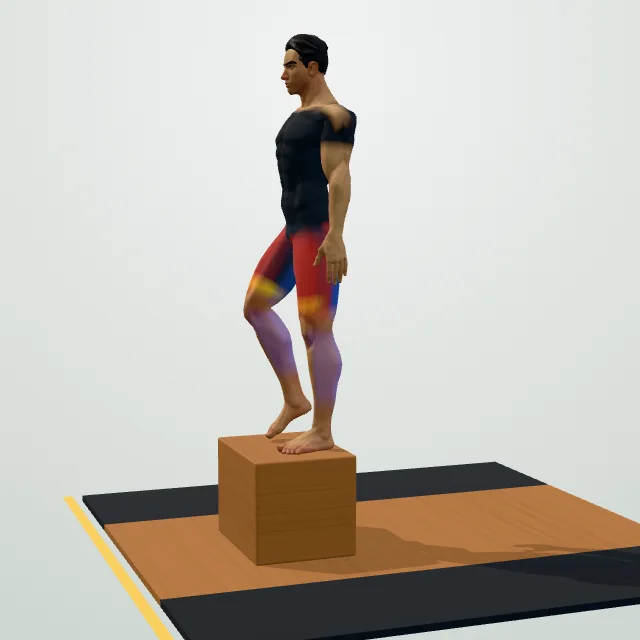
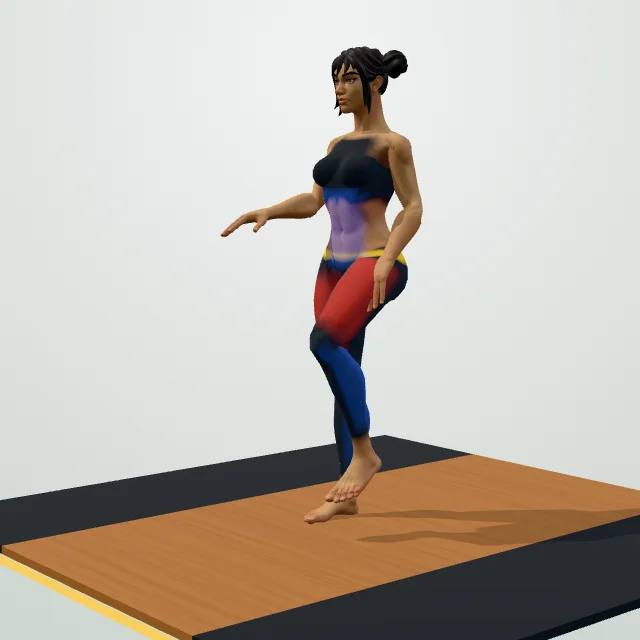
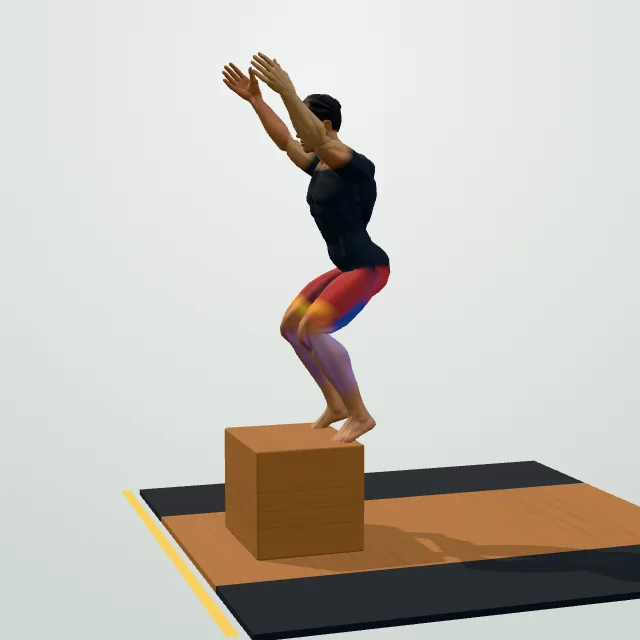
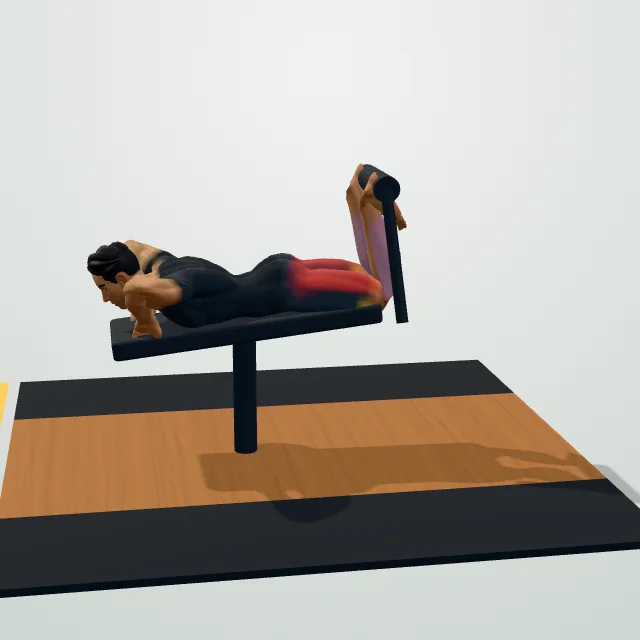
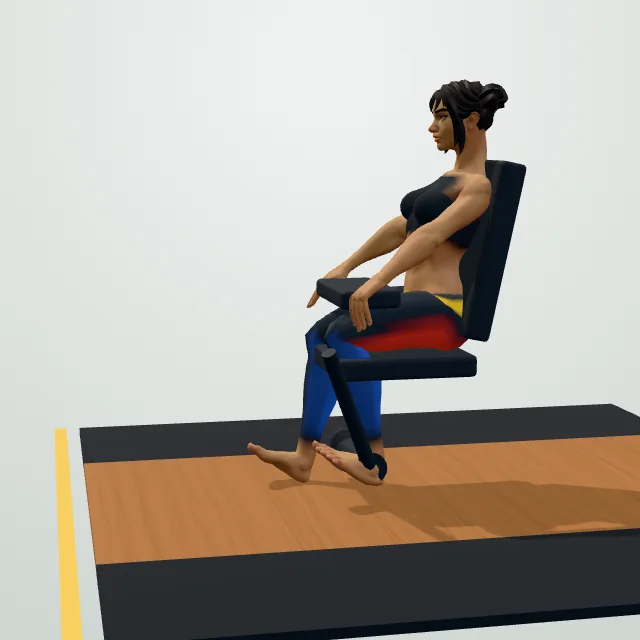
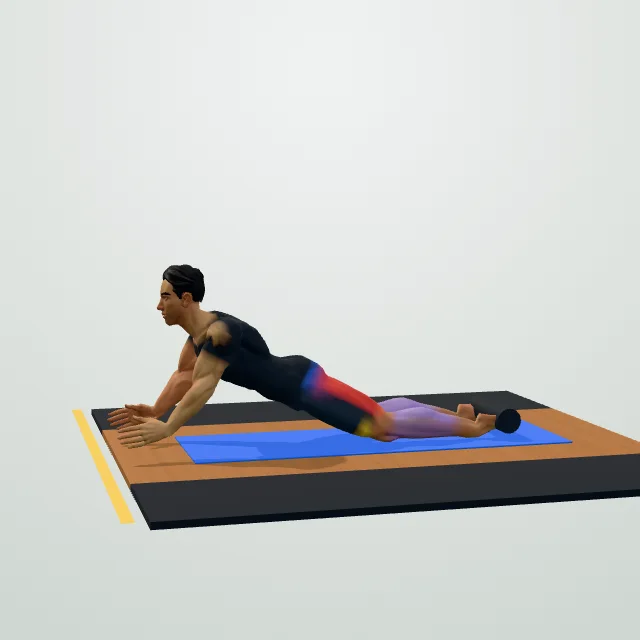
Calf exercises are one of the few muscle groups where most people genuinely under-train the movement — calves are used to standing and walking all day, so they need noticeably heavier loading, a full range of motion and enough total volume before a calf raise actually produces growth.
Calves anatomy and function
The calf is made up of the gastrocnemius, the larger, more visible muscle that crosses both the knee and ankle and is most active when the knee is straight, and the soleus underneath it, which crosses only the ankle and stays active even with the knee bent. This is why standing calf raises (knee straight) emphasise the gastrocnemius, while seated calf raises (knee bent at roughly 90°) shift more of the work to the soleus — training both angles covers the whole muscle group rather than just one part of it.
How to train calves: sets, reps and frequency
Calves respond to a full range of motion (a deep stretch at the bottom, a full contraction and pause at the top) more than to switching exercises frequently, and because the muscle is used to a lot of daily low-intensity work, it usually needs higher volume than other groups — 12–20 sets a week across standing and seated variations, in the 10–20 rep range, with a brief pause at the top of each rep. Training calves two to four times a week, since they recover relatively quickly, tends to produce better results than one weekly session.
Best gym calf exercises
The standing calf raise, done on a machine or with dumbbells on a raised platform, is the main gastrocnemius-focused exercise and allows the deepest stretch at the bottom. The seated calf raise bends the knee and shifts emphasis to the soleus, which does not get as much direct work from standing variations. Calf raises can also be added to the top of a leg press as a convenient way to combine a leg session with direct calf work using the same equipment.
Best home calf exercises
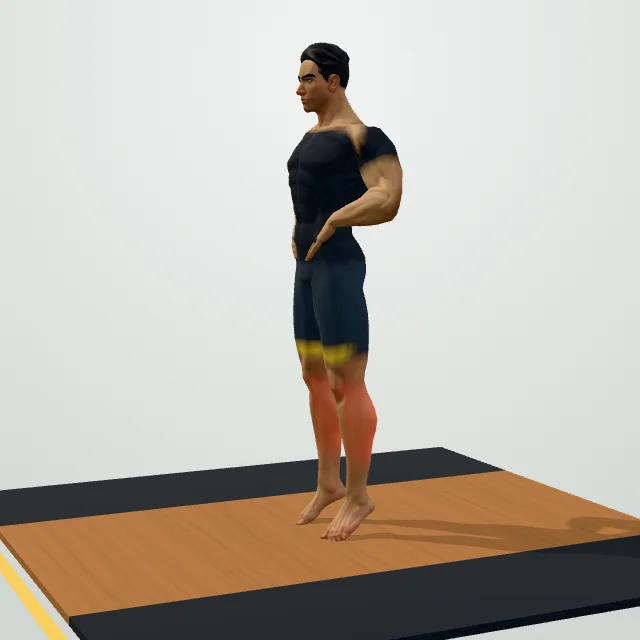
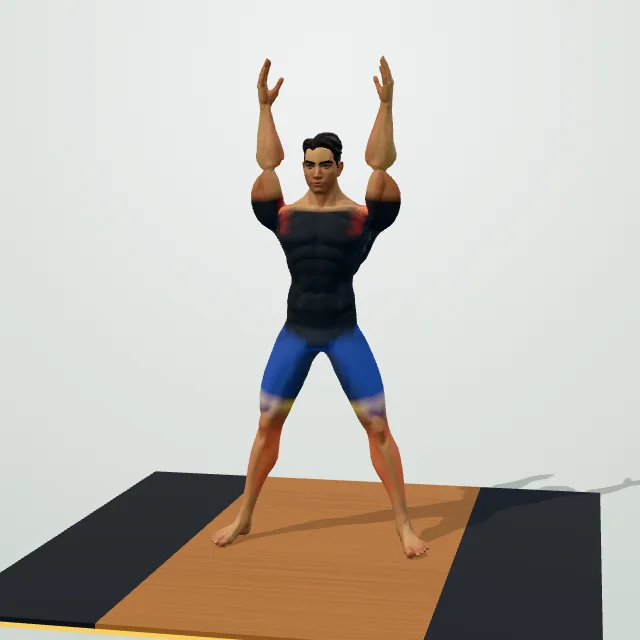
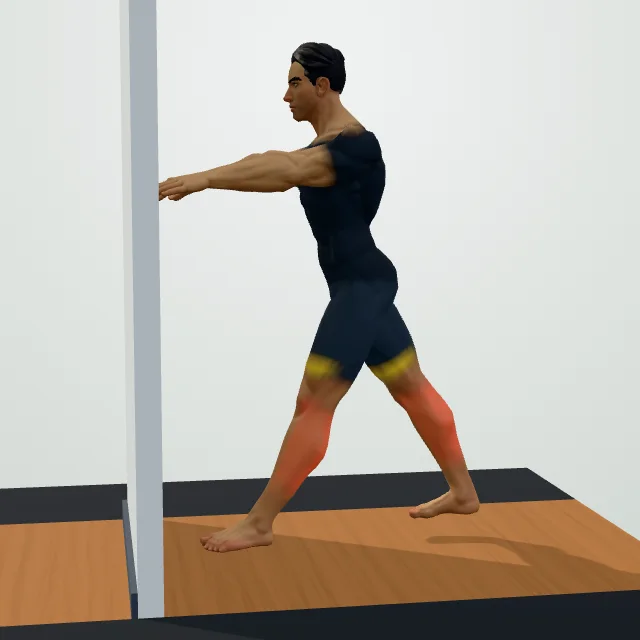
The calf raise, done on the floor or with the heels hanging off a stair step for a deeper stretch, needs no equipment and can be loaded further by holding a backpack or a pair of dumbbells once bodyweight becomes easy. Jumping jacks and jump rope add a dynamic, higher-rep calf stimulus as part of a cardio-style session, and treadmill running or walking on an incline works the calves through repeated ground contact over a session rather than through isolated sets. A calf stretch against a wall is worth doing after training or as part of a warm-up, since tight calves are common and can limit ankle mobility in squats and lunges.
Sample calf workout
| Exercise | Sets | Reps | Rest |
|---|---|---|---|
| Standing calf raise | 4 | 10–15 | 60–90 s |
| Seated calf raise | 3 | 15–20 | 45–60 s |
| Bodyweight calf raise (single-leg) | 2–3 | 15–20 per side | 45 s |
Common mistakes
Bouncing quickly through calf raises rather than pausing at the top and lowering under control skips most of the stretch and contraction that drive growth — slow the tempo down and hold briefly at the top of each rep. Using a very short, partial range of motion (not lowering the heels far enough at the bottom) reduces the stretch on the gastrocnemius and soleus that is a major part of what makes calf training effective. Doing only standing calf raises and never a seated or bent-knee variation leaves the soleus comparatively undertrained. Training calves inconsistently, or giving up after a few weeks because they seem unresponsive, is common — calves are genuinely one of the slower-responding muscle groups for many people, and consistent, heavier, full-range training over several months is usually needed before real change shows.
Calf exercises and plantar fasciitis
Calf stretching and controlled calf-raise strengthening are commonly recommended as part of managing plantar fasciitis, since tight, weak calves can contribute to strain on the plantar fascia. Start gently, avoid high-impact calf work such as jumping while symptoms are active, and see a doctor or physiotherapist for a plan if heel pain is persistent or worsening rather than mild and occasional.