Exercises by muscle group
Pick a muscle group and see the best gym and home exercises for it, with the muscle anatomy lit up on a 3D athlete as it moves.
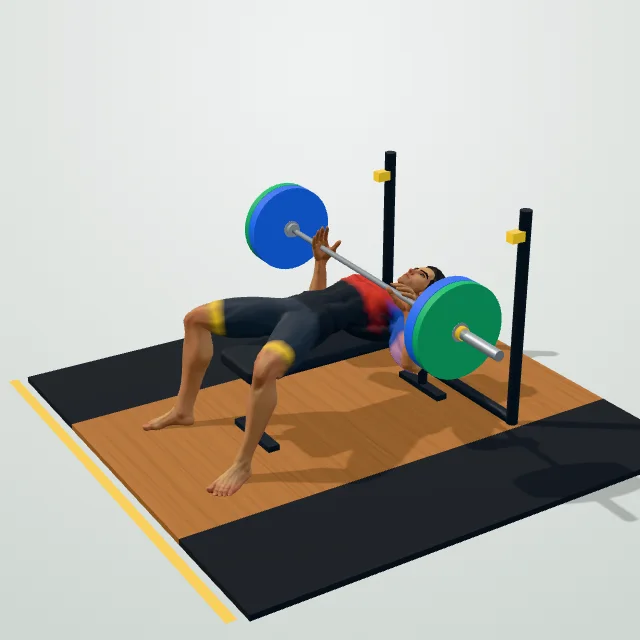
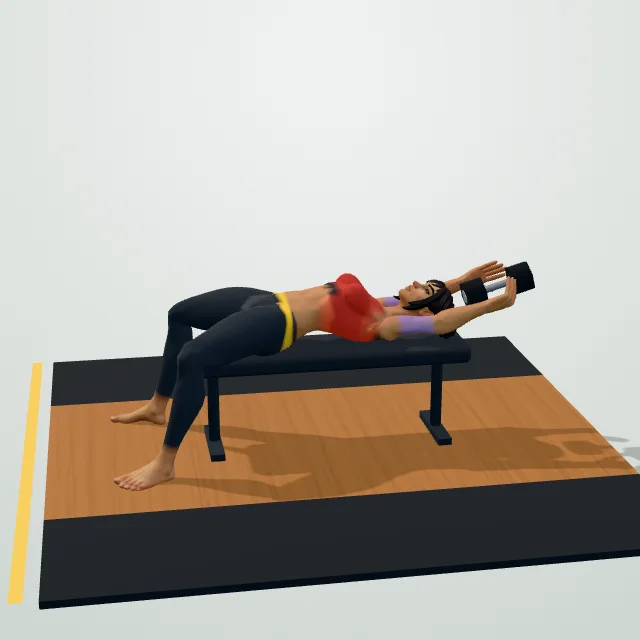
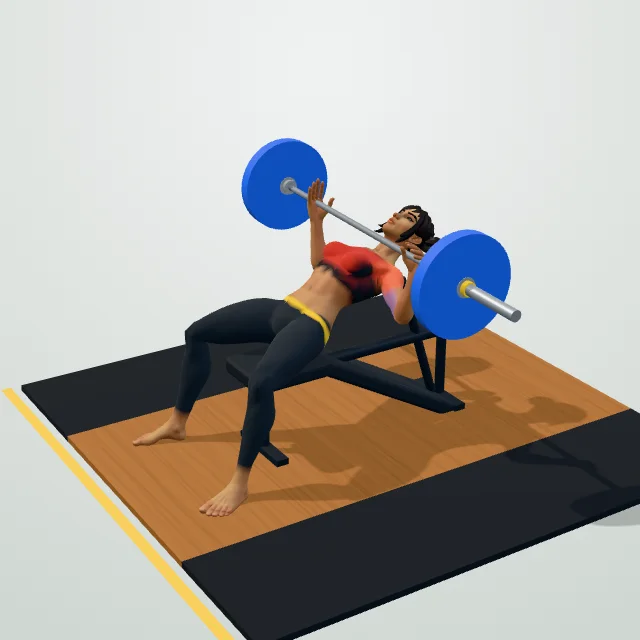
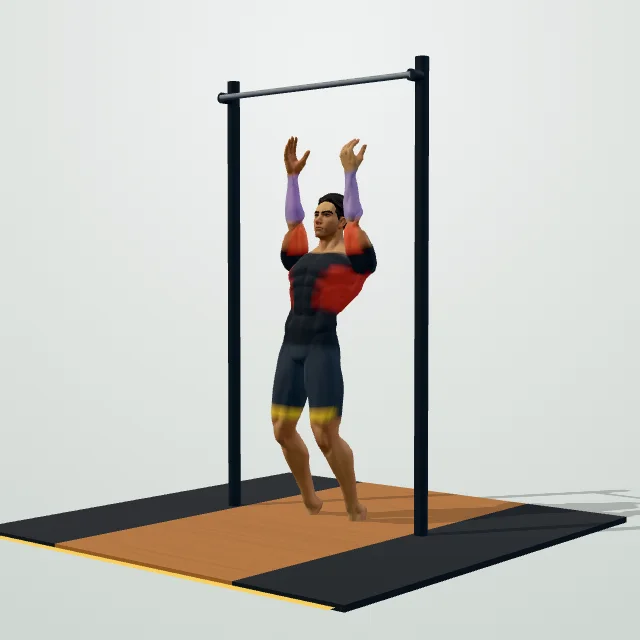
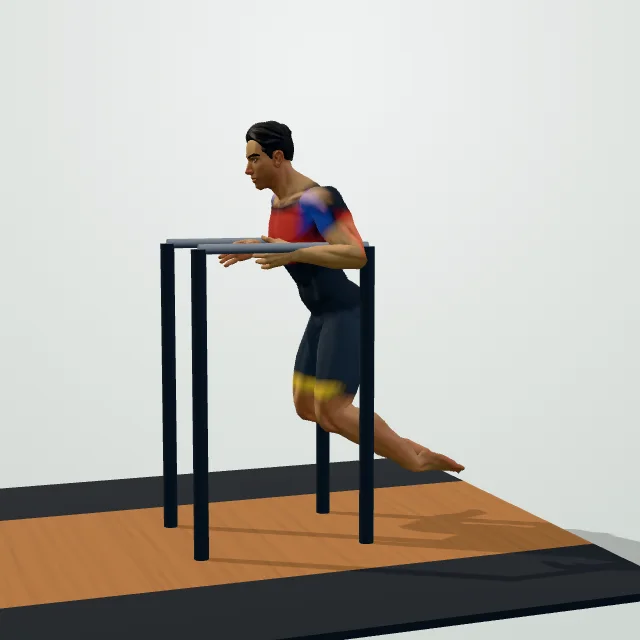
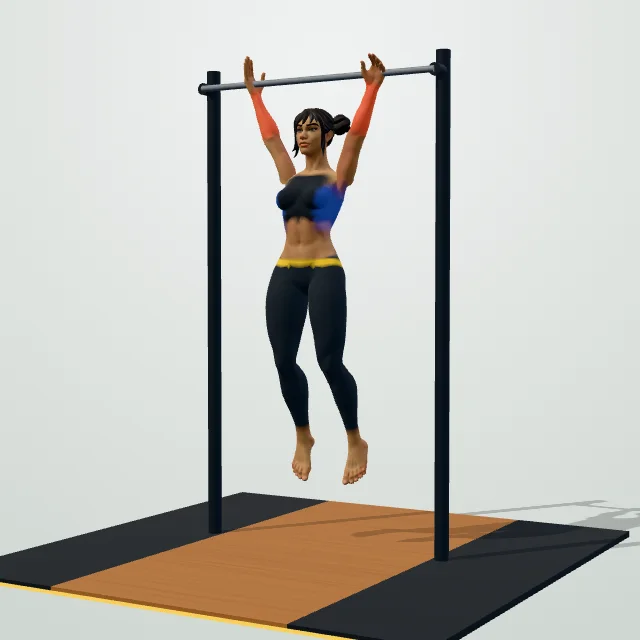
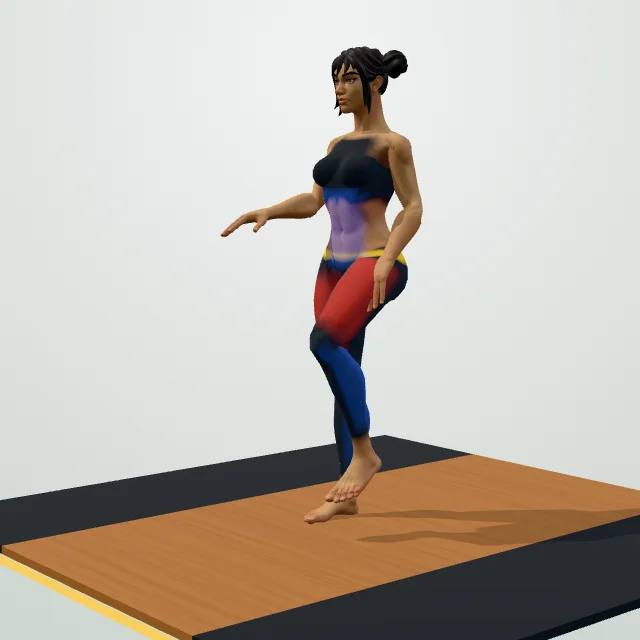
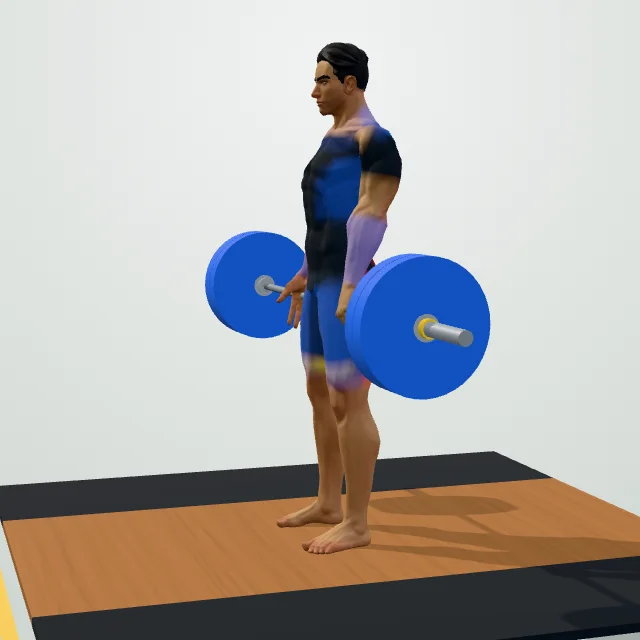
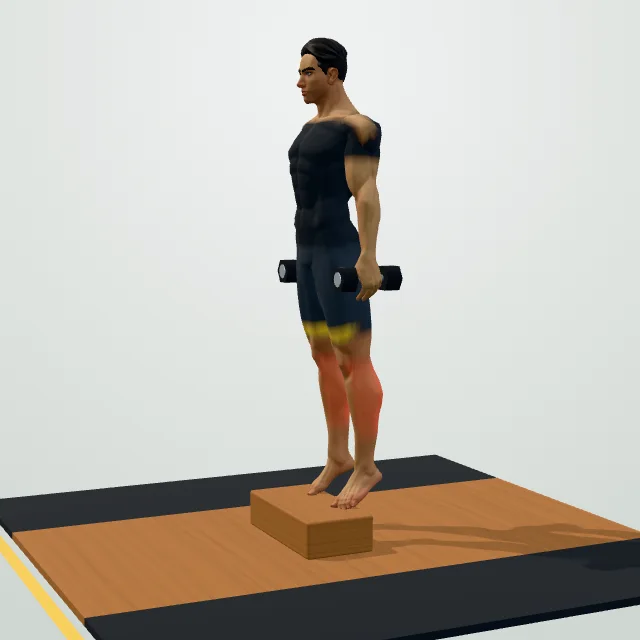
Training exercises by muscle group is the simplest way to make sure a workout plan actually covers your whole body, or to focus a session on the one or two areas you care most about. Each hub below groups exercises by the muscles they train primarily, shows a 3D muscle anatomy demonstration for the group, and lists gym, home and bodyweight options side by side.
The ten muscle groups on Forma
Forma organises the body into ten training hubs: chest, back (lats, upper back, traps and lower back), shoulders (front, side and rear delts), biceps, triceps, forearms and grip, abs and core (including obliques and hip flexors), glutes, legs (quads, hamstrings and inner thighs) and calves. This mirrors how the muscle anatomy diagram most training splits use is built, and it lines up with how the 3D coach highlights primary muscles (in one colour) and secondary muscles (in another) on every exercise page, so you can see at a glance what a movement is really working, not just what its name suggests.
Which muscle groups to train together
There is no single correct answer, but a few patterns work well for most people. A full-body split trains most groups every session, three times a week — simplest for beginners and time-limited schedules; see the Beginner Full-Body Gym Workout. An upper/lower split trains chest, back, shoulders and arms on upper days and legs, glutes and calves on lower days, usually four sessions a week (Upper/Lower Split). A push/pull/legs split groups chest, shoulders and triceps as "push," back and biceps as "pull," and everything below the hips as "legs," repeated once or twice a week (Push Pull Legs Split). A body-part or "bro" split trains one or two groups per session across five or six days, common among more advanced lifters chasing muscle size (5-Day Body-Part Split). The workout split guide walks through choosing between these based on your schedule and goal.
How many exercises per muscle group, and how often
Research summarised by strength-training bodies such as the NSCA generally supports somewhere around 10–20 hard sets per muscle group per week for muscle growth, split across two or more sessions rather than done all at once — training a group only once a week with a huge number of sets tends to be both harder to recover from and no more effective than spreading the same volume out. For a given session, two to four exercises per muscle group is typical: one or two heavier compound movements first, followed by one or two more targeted or isolation movements. Beginners can make excellent progress with less — even 6–10 sets a week per group — and should prioritise consistent technique over chasing volume numbers early on.
How to isolate a muscle group inside an exercise
Some exercises are naturally more isolating than others. A compound movement like a barbell row trains the back as a primary mover but also uses the biceps, forearms and core to stabilise — useful for efficiency, harder to use if you specifically want to fatigue only one small group. A more isolating movement, such as a dumbbell curl for the biceps or a leg extension for the quads, removes most of the assistance from other muscles, which is why isolation exercises are usually programmed with more reps and shorter rest and placed after the heavier compound work in a session, not before it.
Using the 3D muscle map
If you know an area feels tight, sore or underdeveloped but are not sure exactly which muscle that is, the 3D muscle map lets you click directly on the body and jump straight to the matching muscle hub and its exercises, which is often faster than working from anatomical names alone.
Muscle groups for beginners
If you are new to structured training, do not try to isolate every muscle group from week one. Start with a small number of compound exercises that each cover several groups at once — a squat, a hinge, a push and a pull — and let the secondary-muscle highlighting on each exercise page show you what else is being trained along the way. Once technique and recovery feel settled, usually after four to eight weeks, you can add a few more targeted exercises per group, such as direct arm work for biceps and triceps or direct calf work, without needing to redesign the whole plan.
Training every group with dumbbells or bodyweight
You do not need a full gym to cover all ten groups. Dumbbells alone can train chest (dumbbell bench press), back (one-arm dumbbell row), shoulders (dumbbell shoulder press), arms (dumbbell curl, triceps kickback) and legs (goblet squat, dumbbell Romanian deadlift). With no equipment at all, bodyweight moves still reach every group — push-ups for chest, inverted rows or superman for back, pike push-ups for shoulders, bodyweight squats and glute bridges for legs and glutes, and planks for the core. See dumbbell exercises and no-equipment exercises for the full lists.