Forearms and grip exercises: the best moves in 3D
How the forearms and grip work, the best forearm exercises with dumbbells and no equipment, and how to build grip strength.
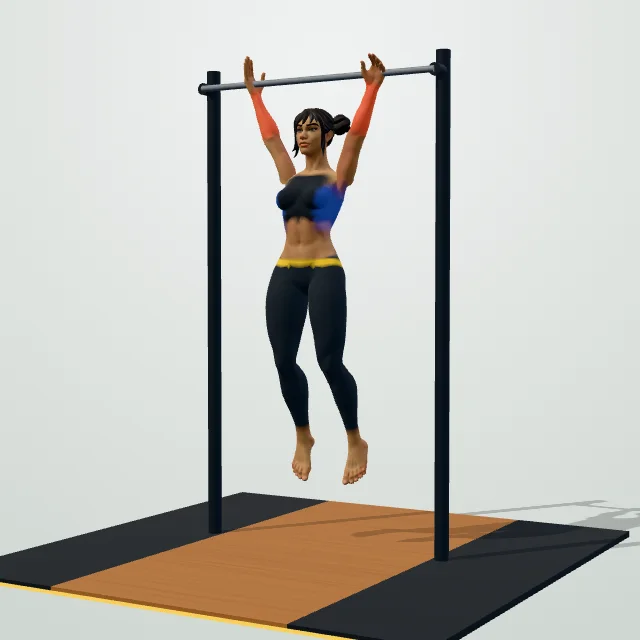
Gym
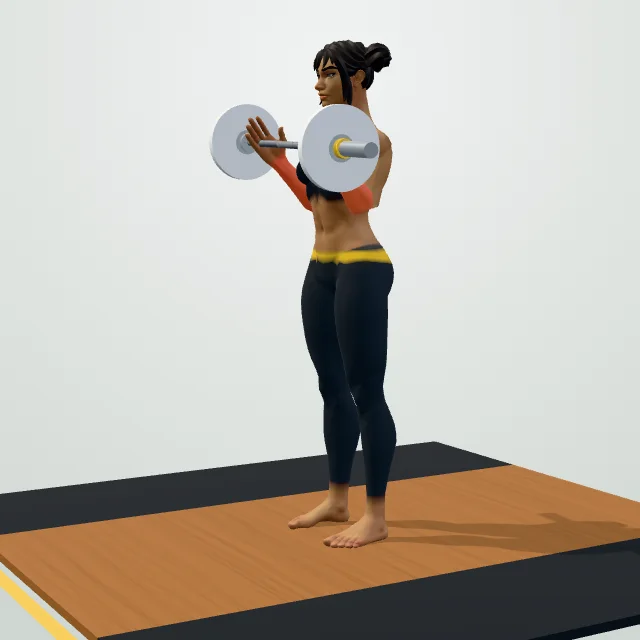
Home or gym
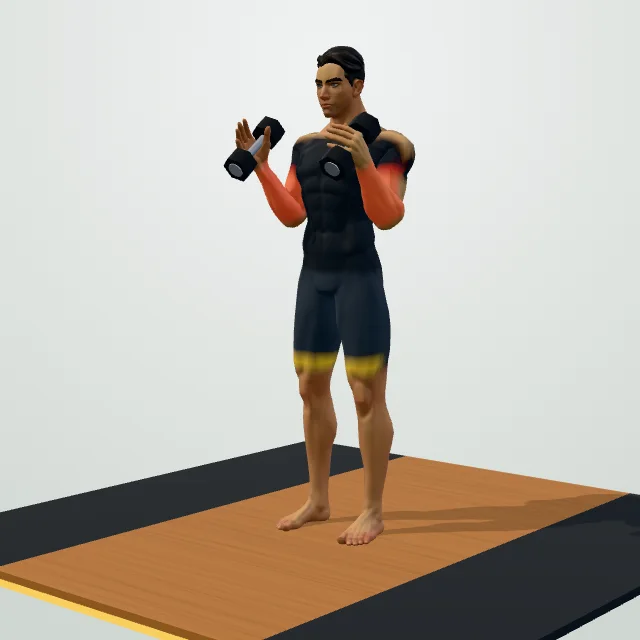
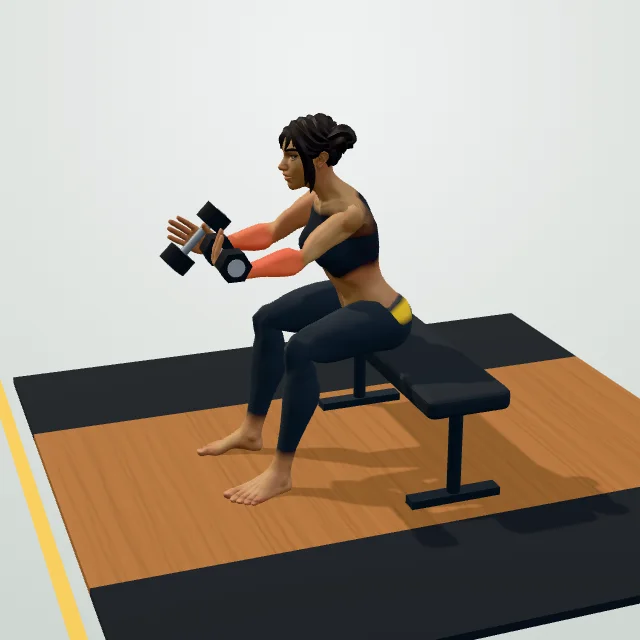
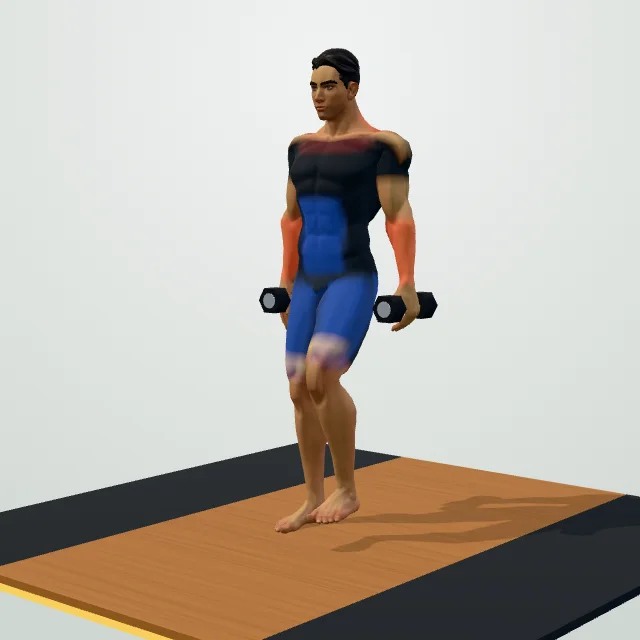
Secondary
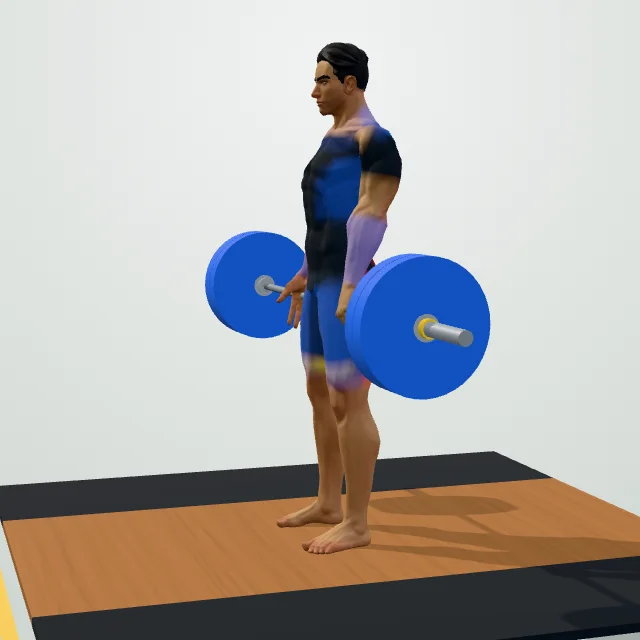
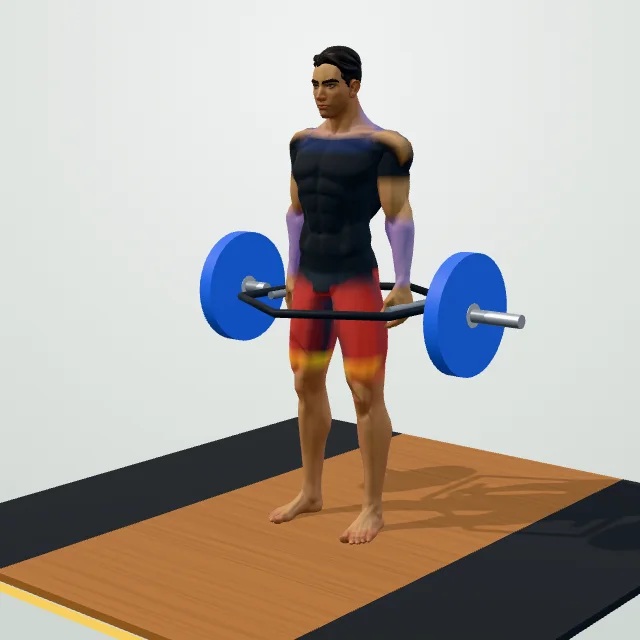
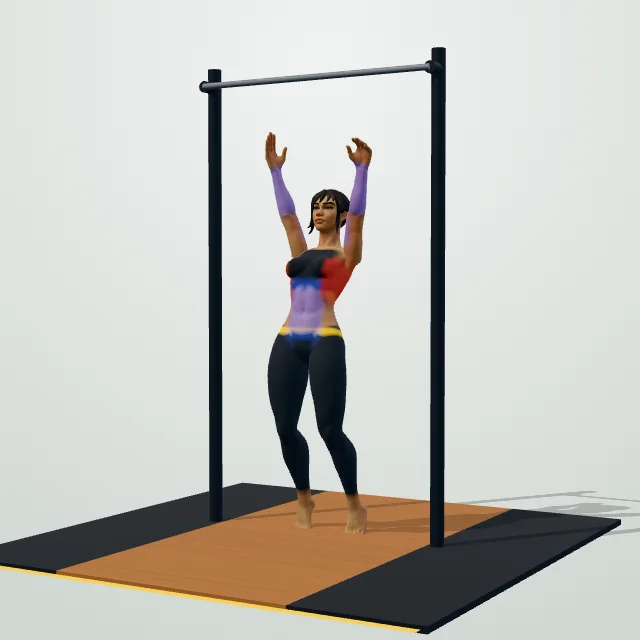
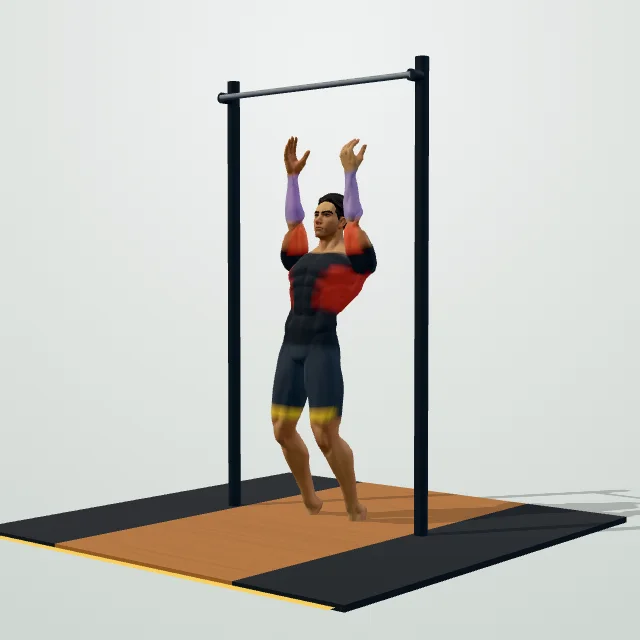
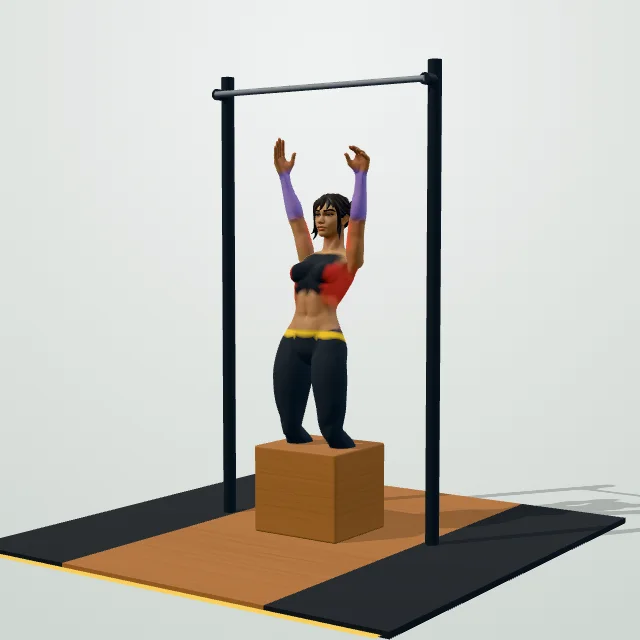
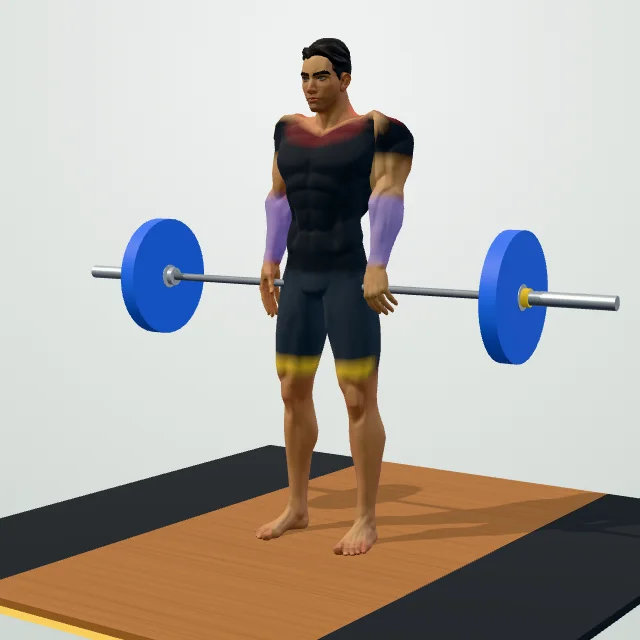
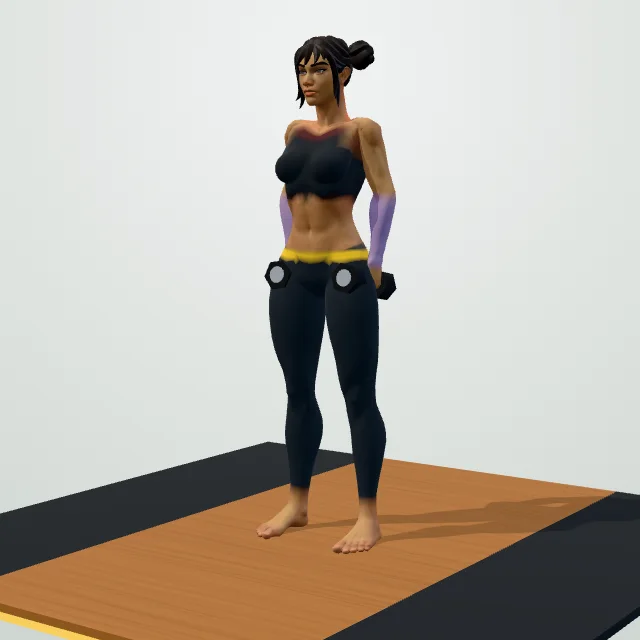
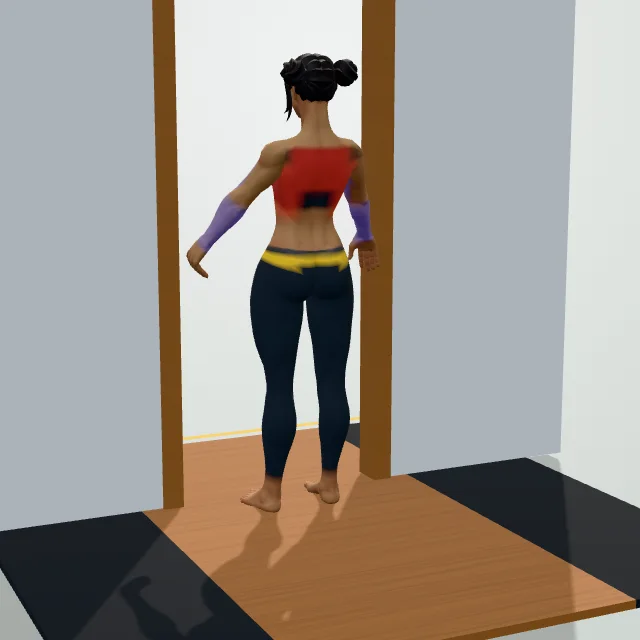
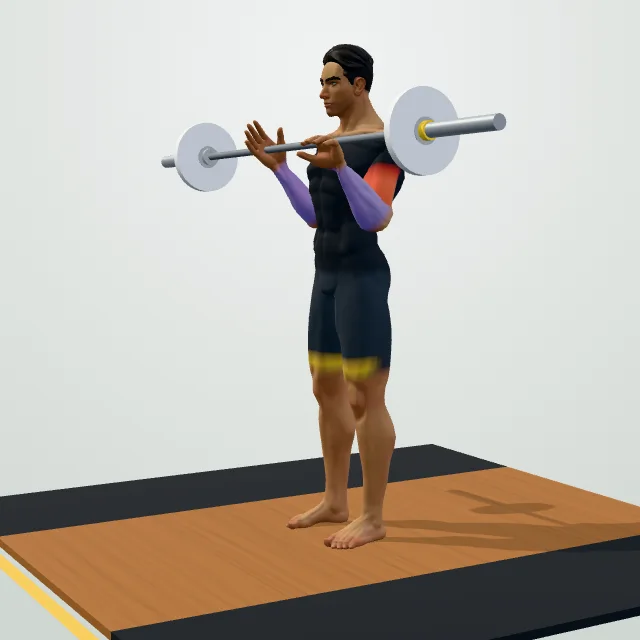
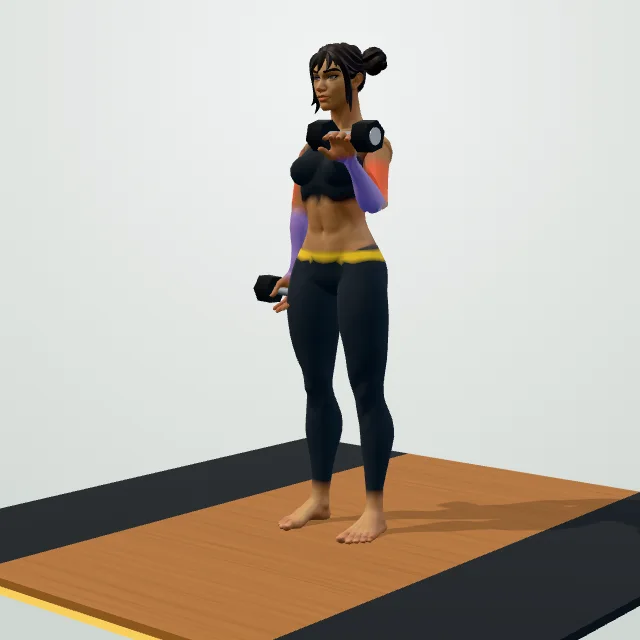
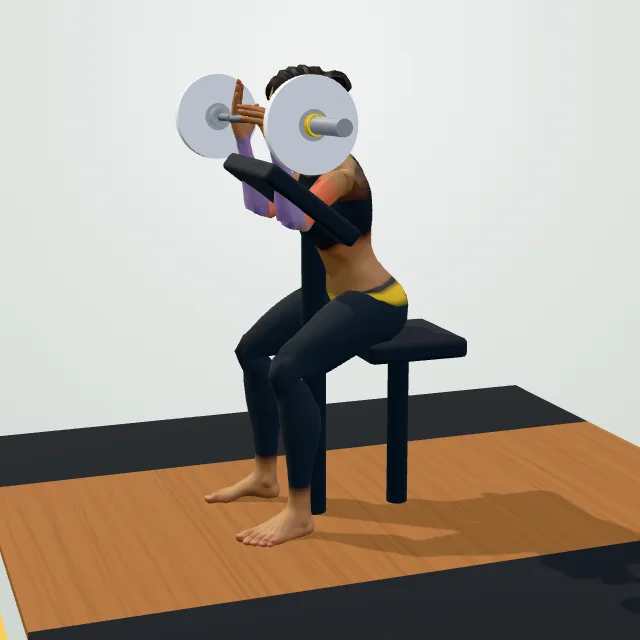
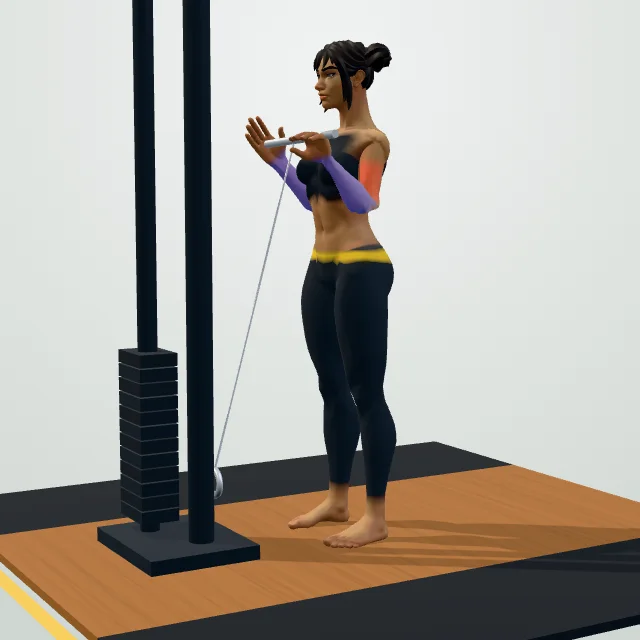
Most training plans train the forearms only by accident, as a side effect of gripping a bar — but a few minutes of direct forearm exercises a week noticeably improves grip strength, which in turn lets you lift more on every row, deadlift and pull-up before your hands give out first.
Forearm anatomy and function
The forearm is made up of wrist flexors (underside, closer to the palm), wrist extensors (topside), and the brachioradialis, which sits on the thumb side of the forearm and bends the elbow with the forearm in a neutral (thumb-up) position. Grip strength itself comes mainly from the flexor muscles pulling the fingers closed against resistance. Because the forearms are worked isometrically (holding, not moving) in almost every pulling and carrying exercise, they recover quickly and can be trained more often than larger muscle groups without much added fatigue.
How to train forearms and grip: sets, reps and frequency
Two to three short sessions a week of 2–4 sets each, in a higher rep range (12–20) for wrist curls or extended holds (20–45 seconds) for carries and hangs, builds grip and forearm size effectively without interfering with recovery elsewhere. Because grip fatigue can limit performance on back and deadlift exercises, many lifters do direct forearm work at the end of a session rather than before pulling movements, so tired forearms do not become the limiting factor on a heavier lift.
Best forearm and grip exercises
The dead hang from a pull-up bar is one of the simplest and most effective grip exercises available — just hanging with bodyweight for time builds grip endurance and also decompresses the shoulders. The farmer's walk, carrying a heavy dumbbell or kettlebell in each hand for distance or time, trains grip under load exactly the way it is used in daily life and in compound lifts. The wrist curl, done with a dumbbell or barbell, directly isolates the wrist flexors, and the hammer curl and reverse curl — both usually thought of as biceps exercises — load the brachioradialis heavily in a neutral or pronated grip. Reducing bar-hold assistance (no straps, no hooks) on rows and pulldowns is itself a simple way to add forearm work to a session you are already doing.
Forearm exercises at home and for seniors
A single light dumbbell is enough for wrist curls, reverse wrist curls and hammer curls at home, and a sturdy door frame, low bar or even a towel wrapped over a stable rail is enough to attempt dead hangs. For older adults or anyone easing back into training, grip strength is worth prioritising specifically: it is linked with general functional strength and independence, and light, frequent wrist and grip work — squeezing a soft ball, light wrist curls, or short assisted hangs — is a low-impact way to build it without straining the elbow or shoulder.
Sample forearm and grip workout
| Exercise | Sets | Reps / time | Rest |
|---|---|---|---|
| Farmer's walk | 3 | 30–40 m or 30–45 s | 90 s |
| Wrist curl | 3 | 12–20 | 45–60 s |
| Hammer curl | 2–3 | 10–15 | 60 s |
| Dead hang | 3 | 20–45 s | 60–90 s |
Common mistakes
Using heavy straps on every pulling exercise removes the natural grip stimulus that builds forearm strength over time — save straps for your heaviest sets only, and grip normally on lighter, higher-rep work. Rushing through wrist curls with a big, bouncy range can strain the wrist tendons; keep the movement slow and controlled, especially at the top and bottom. Ignoring wrist pain that appears specifically during curls or extensions, rather than normal forearm fatigue, is a sign to stop and reduce load or range rather than push through it, since forearm tendons are slower to recover than muscle.
Forearms in other exercises
Because the forearms work isometrically in almost every pulling exercise, you are likely already training them to some degree through barbell rows, lat pulldowns, deadlifts and pull-ups. If grip is what fails first on these lifts before the target muscle does, that is a sign to add direct forearm and grip work rather than a sign something is wrong with your technique — it is simply the smaller muscle reaching its limit first.
Wrist pain and forearm training
Light forearm and wrist exercises can help build tolerance and strength for people managing mild tendon irritation or recovering from a wrist injury, but conditions such as carpal tunnel syndrome, tendonitis or a recent fracture need clearance and guidance from a doctor or physiotherapist before you add resistance training to the area — do not self-treat persistent wrist or forearm pain with exercise alone.