Abs and core exercises: the best moves in 3D
How the abs and obliques work, the best ab exercises for home and the gym, and how to program a core workout.
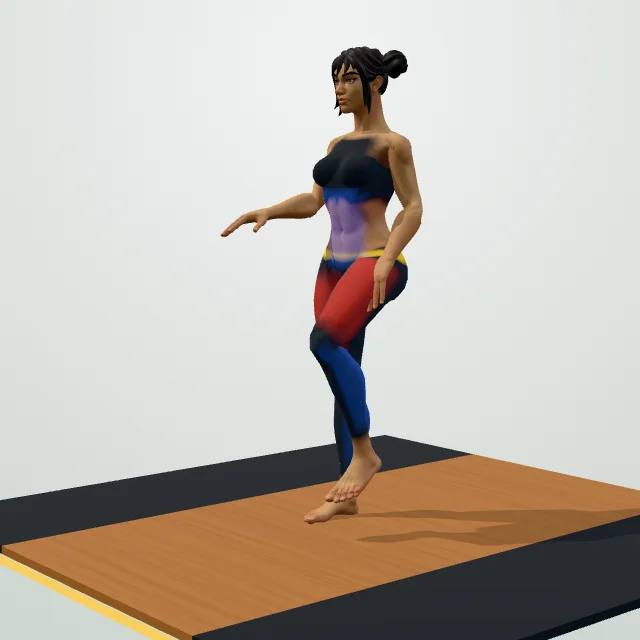
Gym
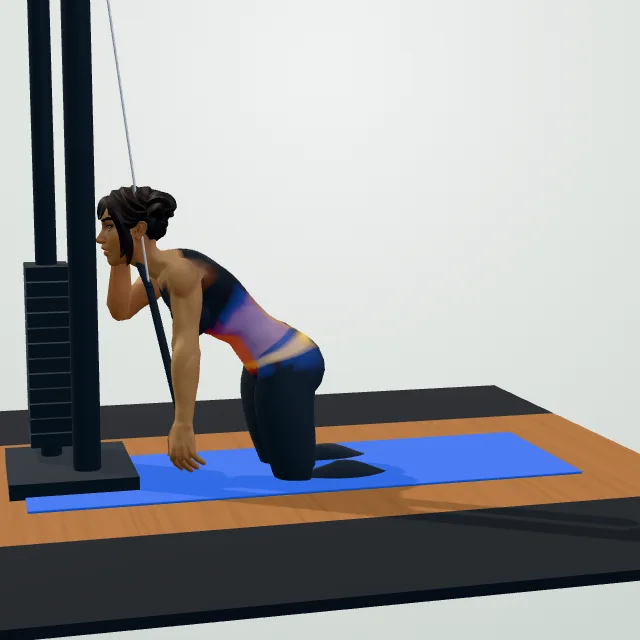
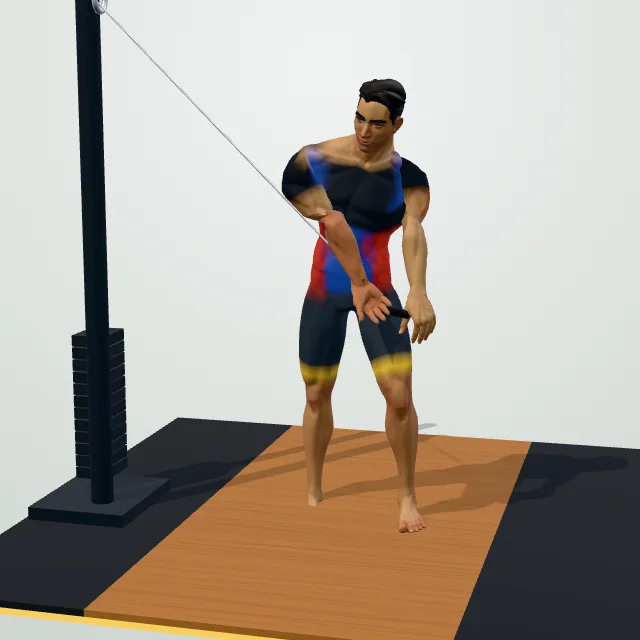
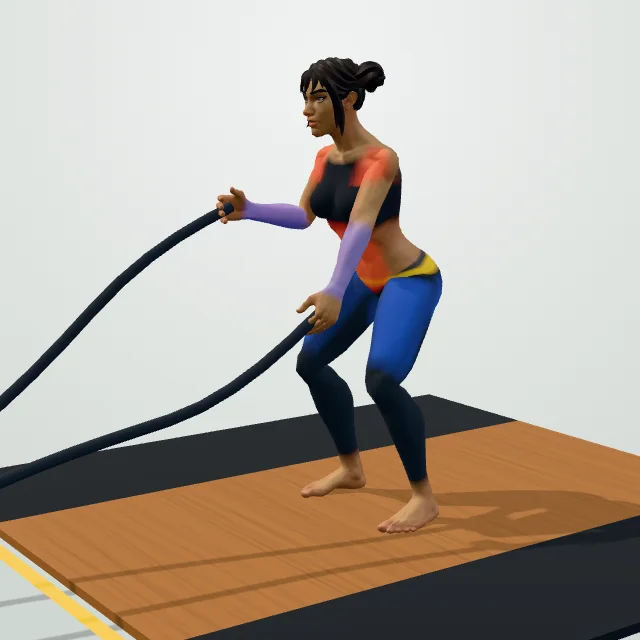
Home or gym
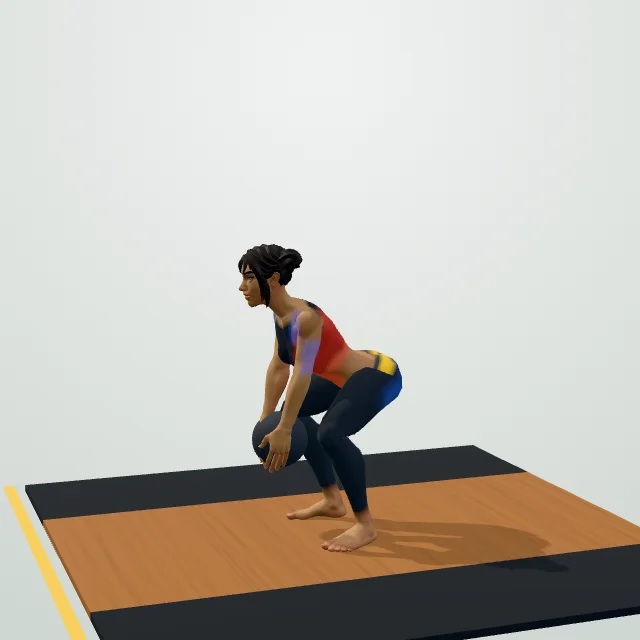
Home, no equipment
Marching in Place
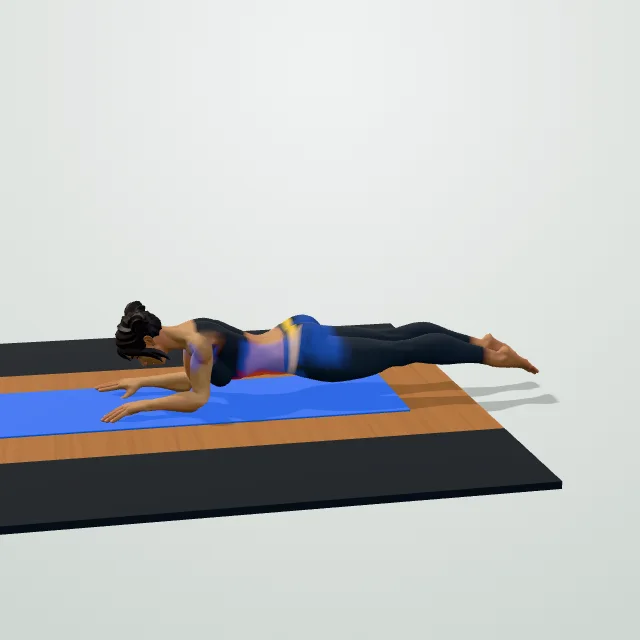
Plank
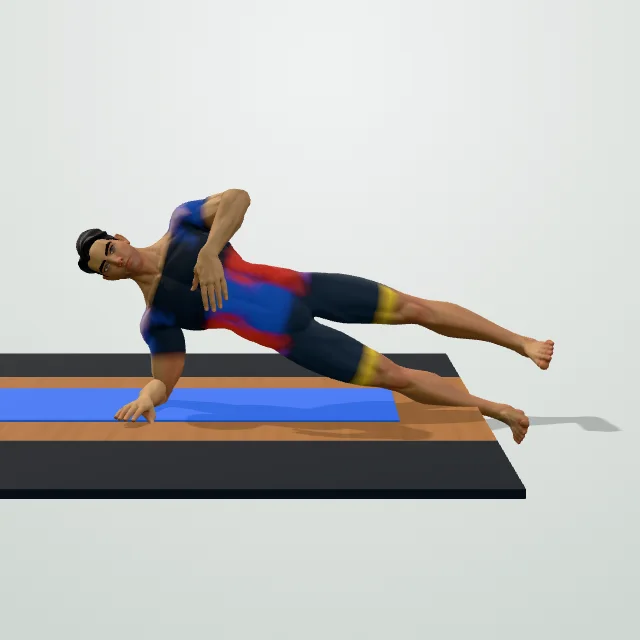
Side Plank
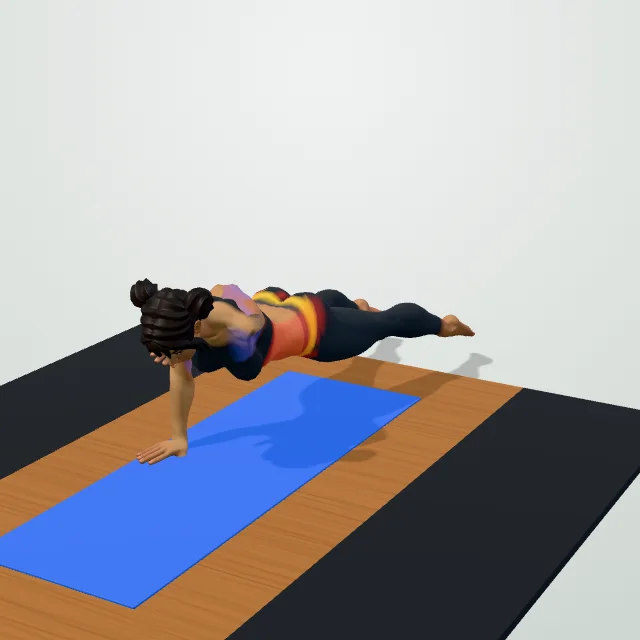
Plank Shoulder Tap
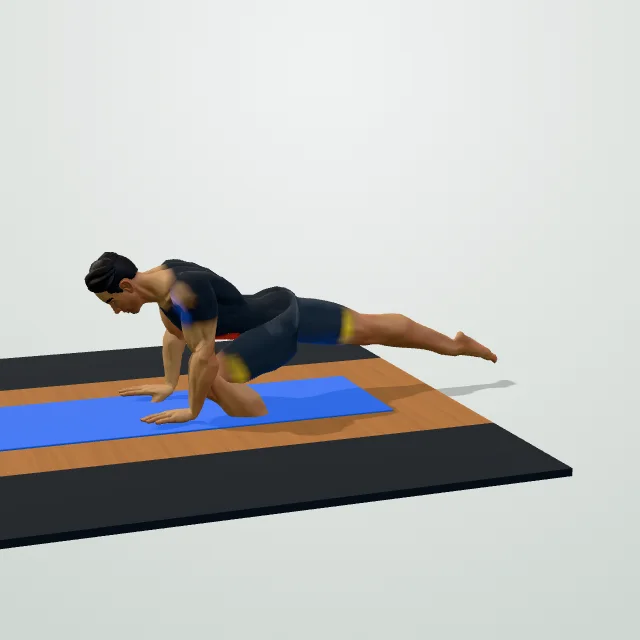
Mountain Climber
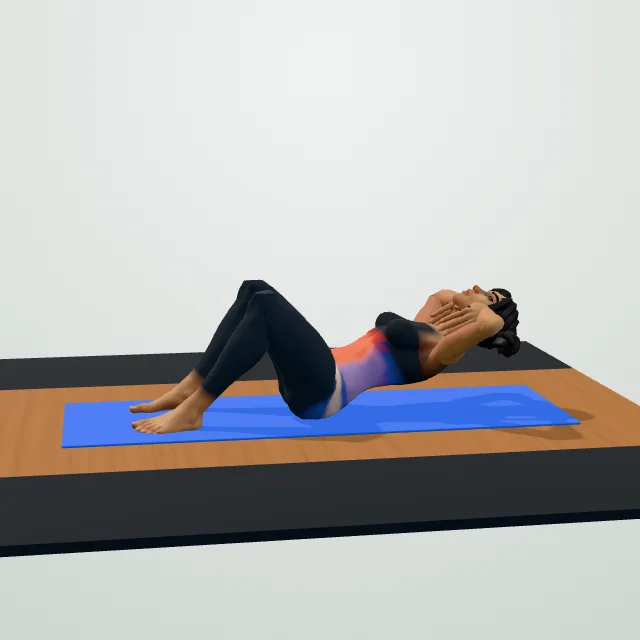
Crunch
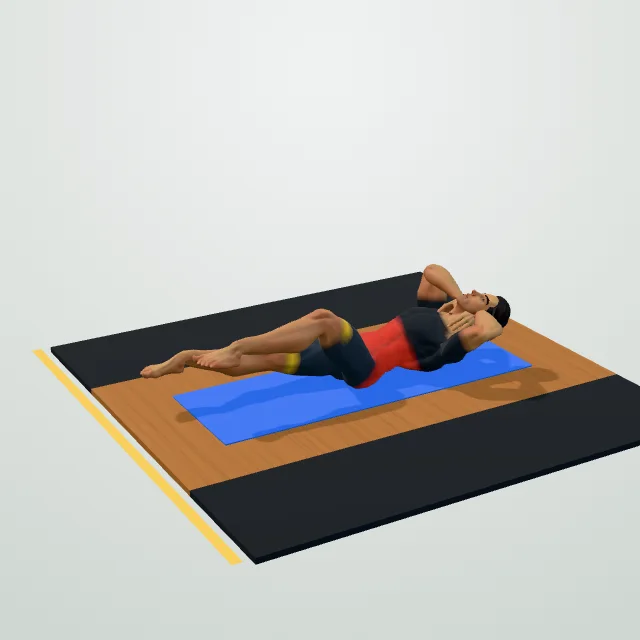
Bicycle Crunch
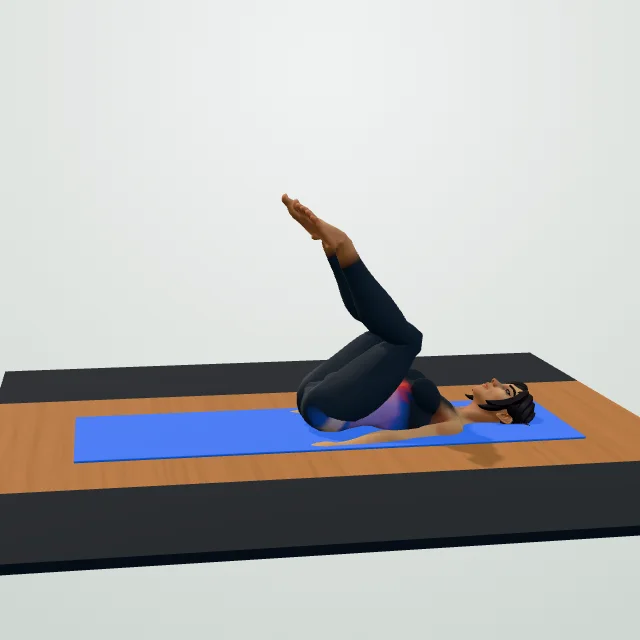
Reverse Crunch
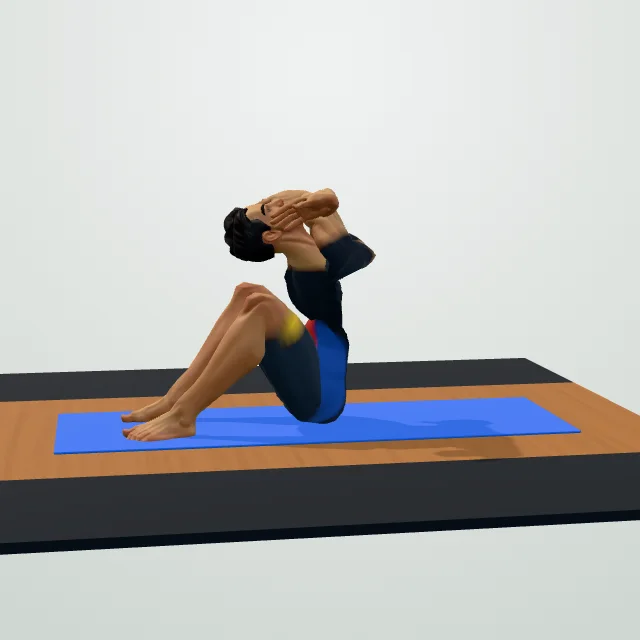
Sit-Up
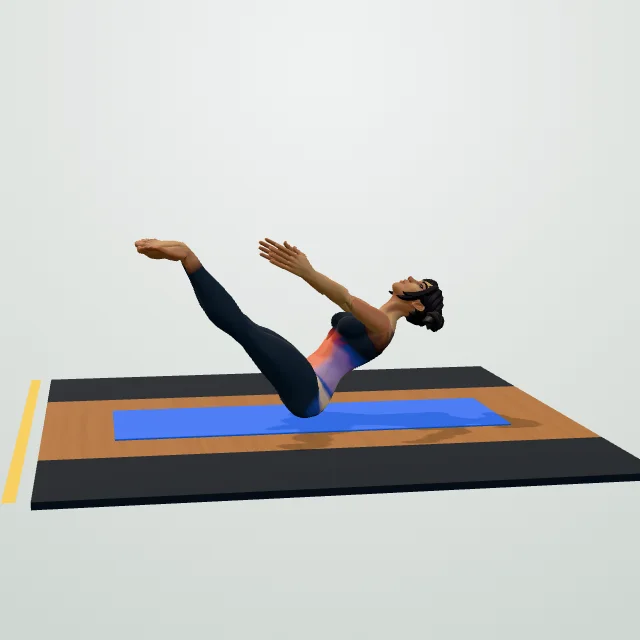
V-Up
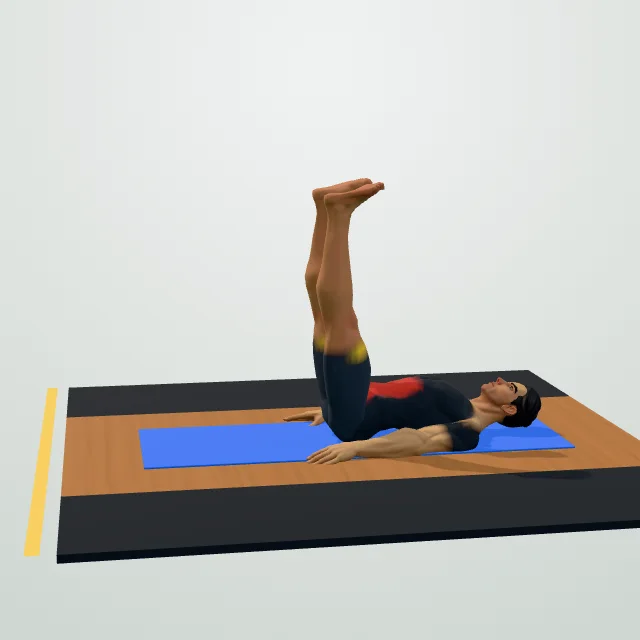
Lying Leg Raise
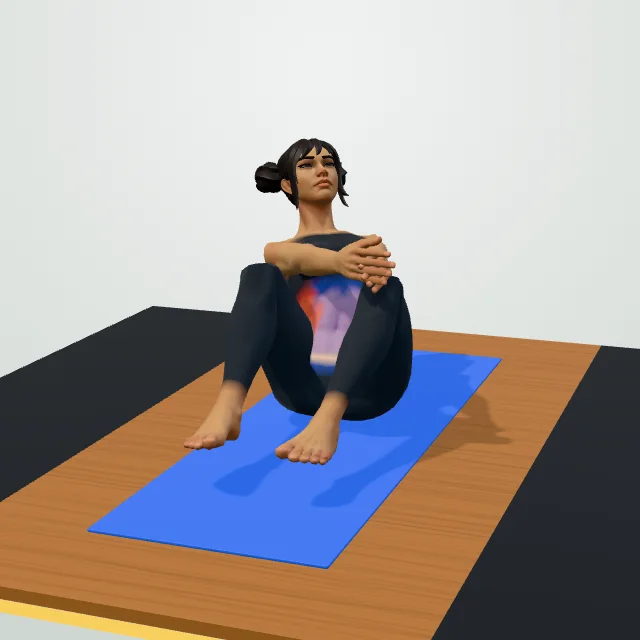
Russian Twist
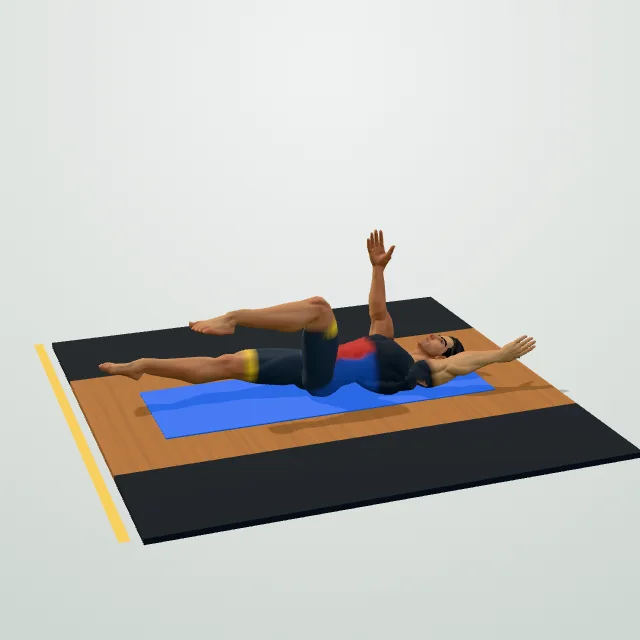
Dead Bug
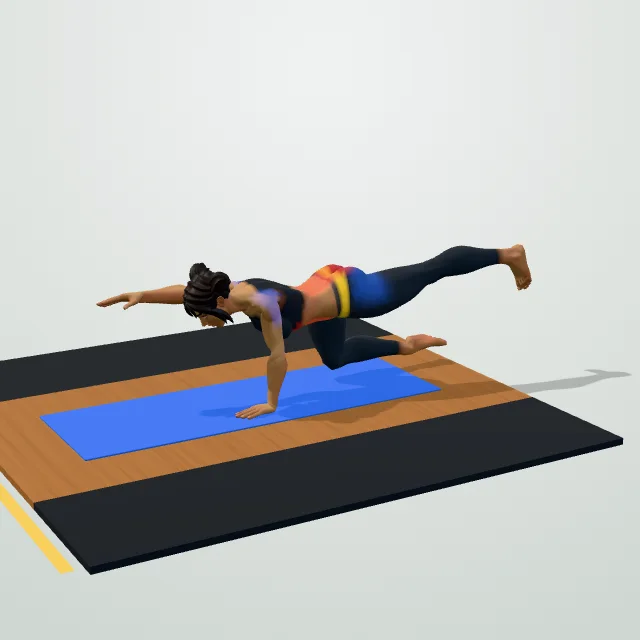
Bird Dog
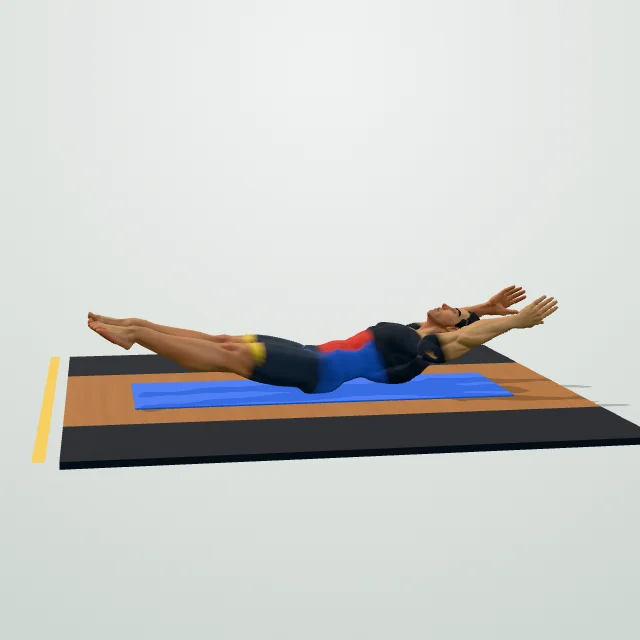
Hollow Body Hold
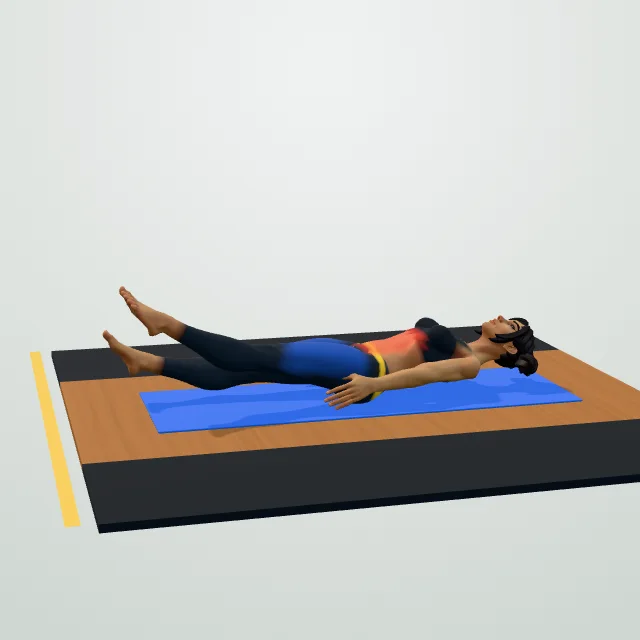
Flutter Kicks
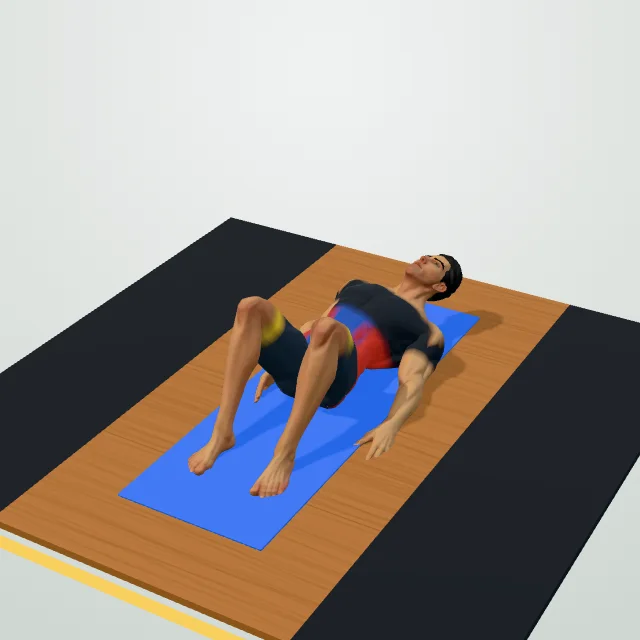
Heel Touches
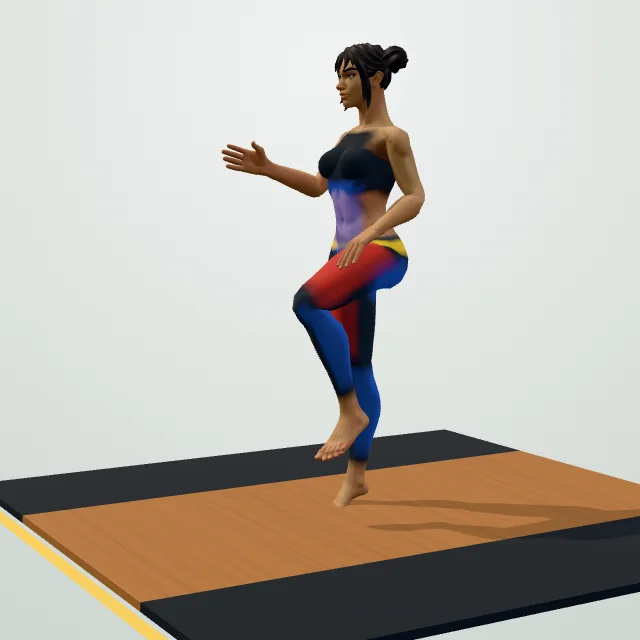
High Knees
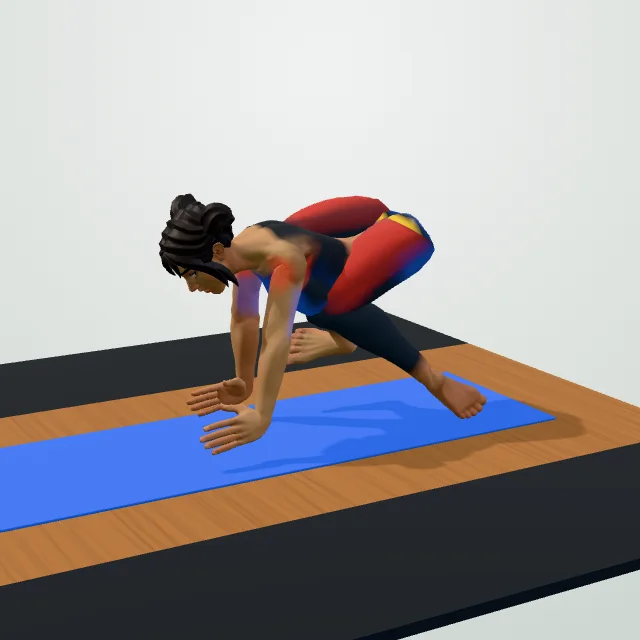
Bear Crawl
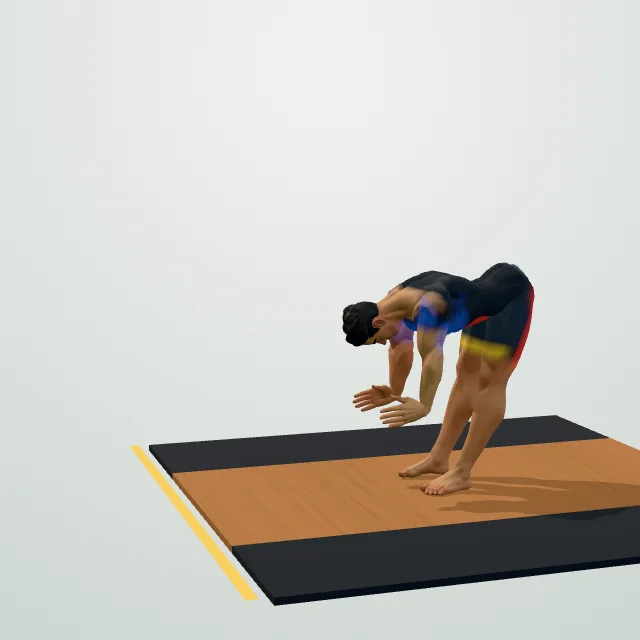
Inchworm
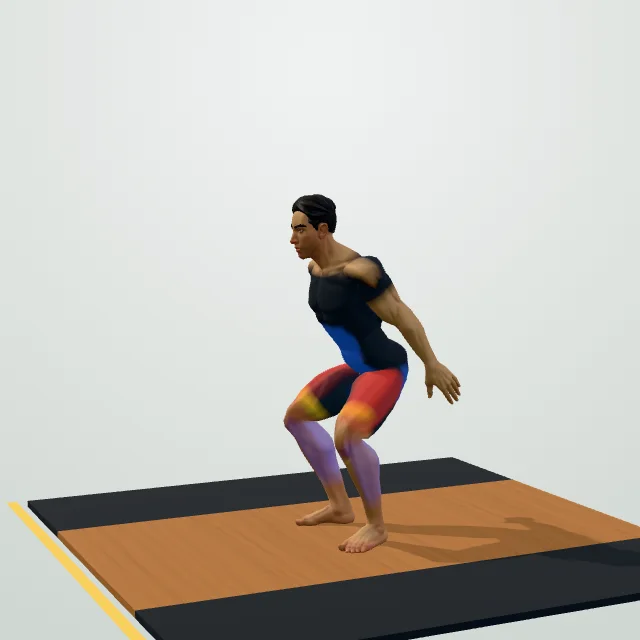
Tuck Jump
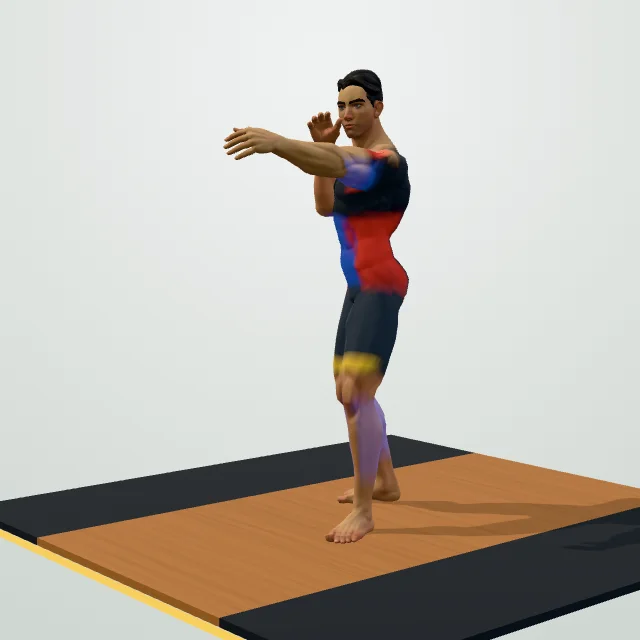
Shadow Boxing
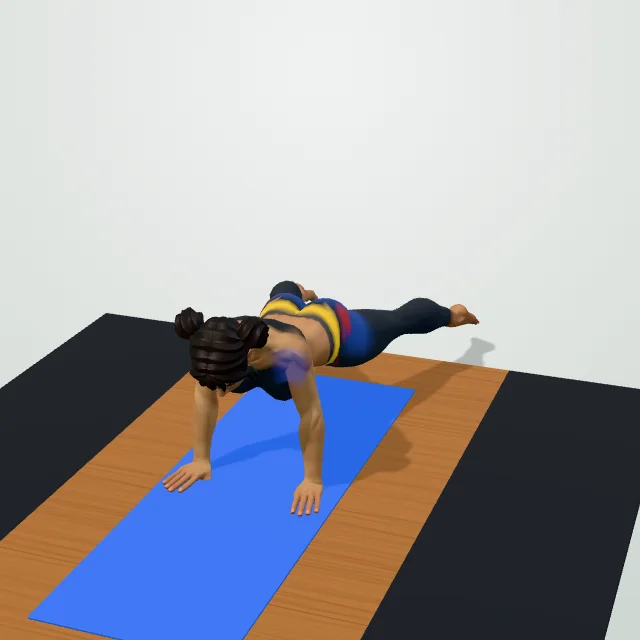
Plank Jack
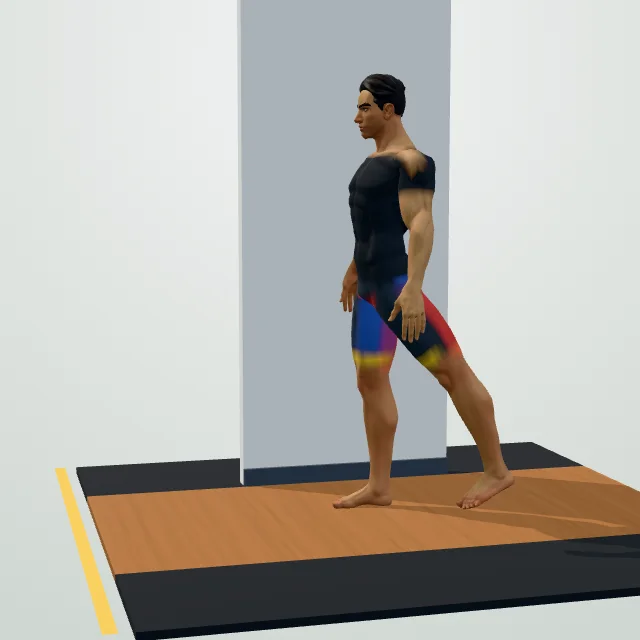
Leg Swings
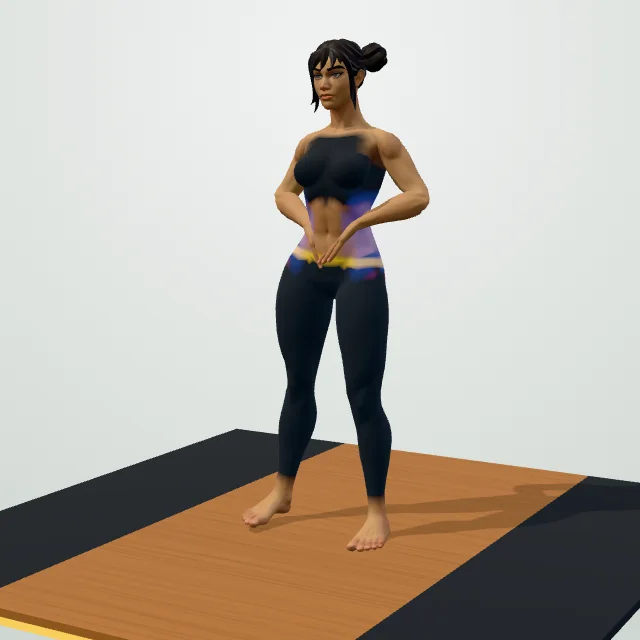
Hip Circles
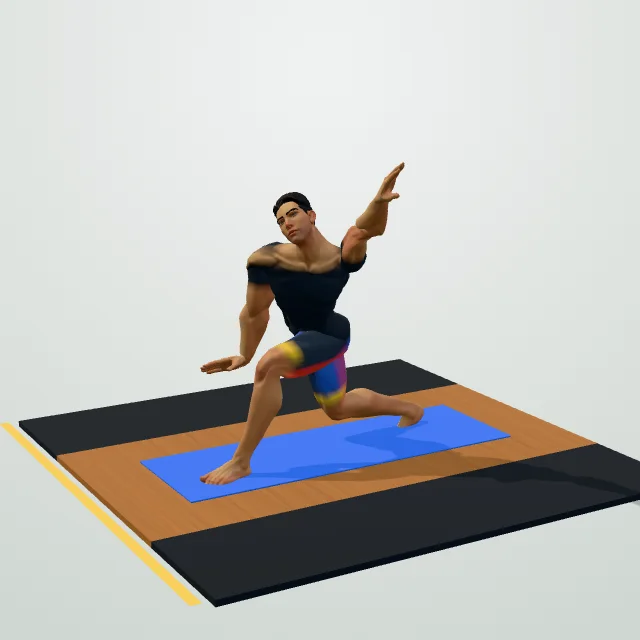
World's Greatest Stretch
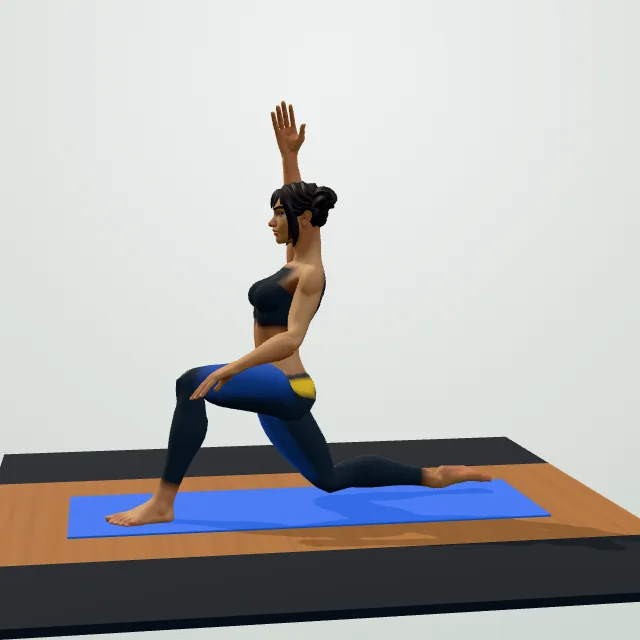
Kneeling Hip Flexor Stretch
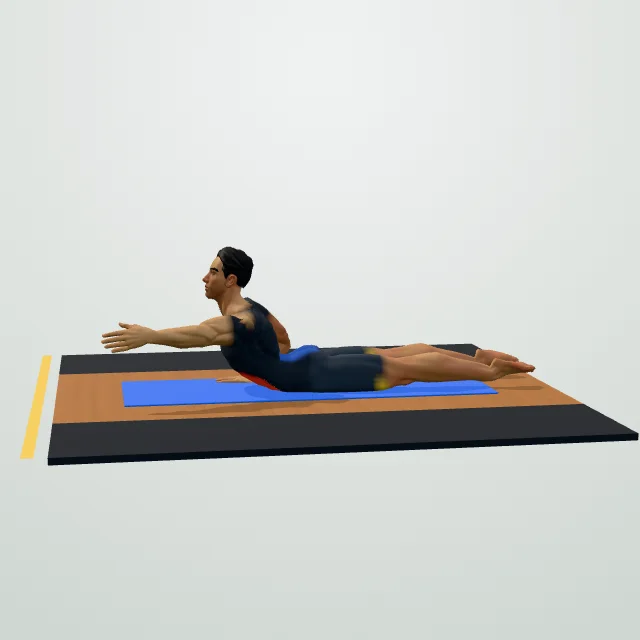
Cobra Stretch
Secondary
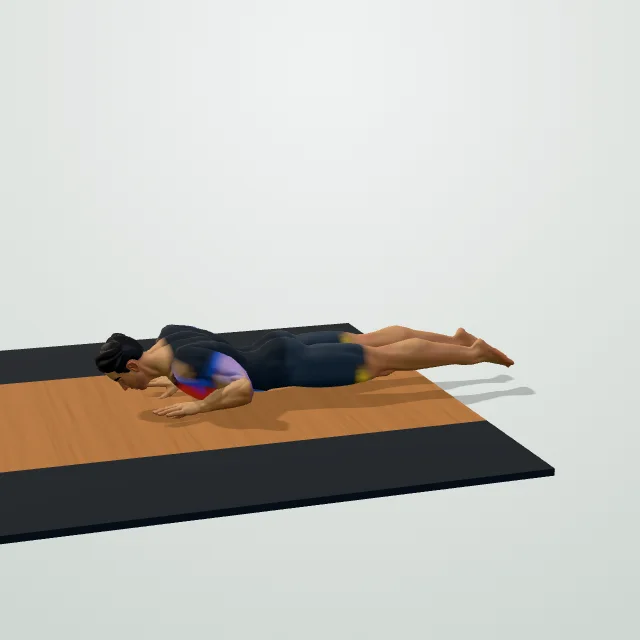
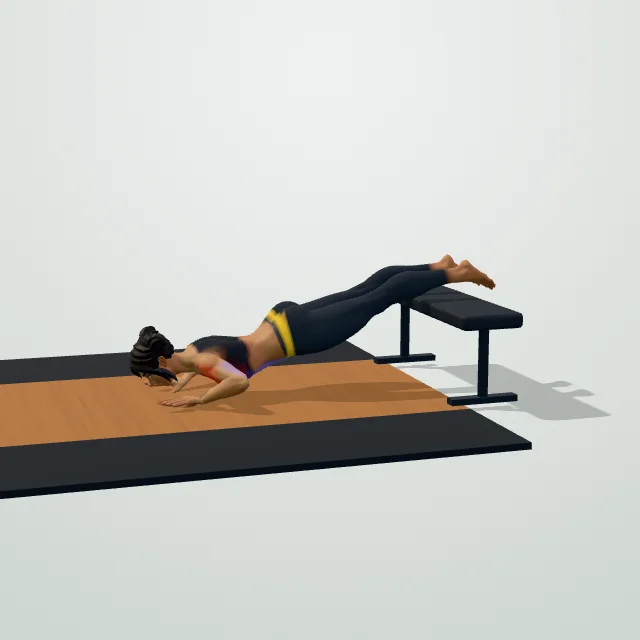
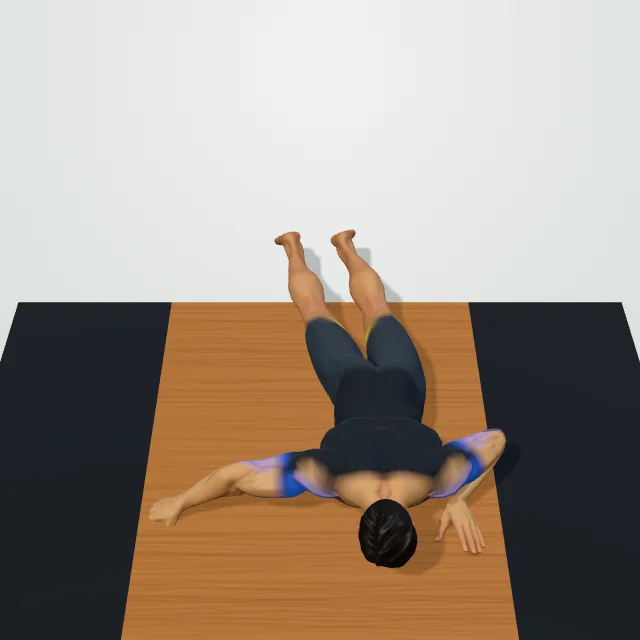
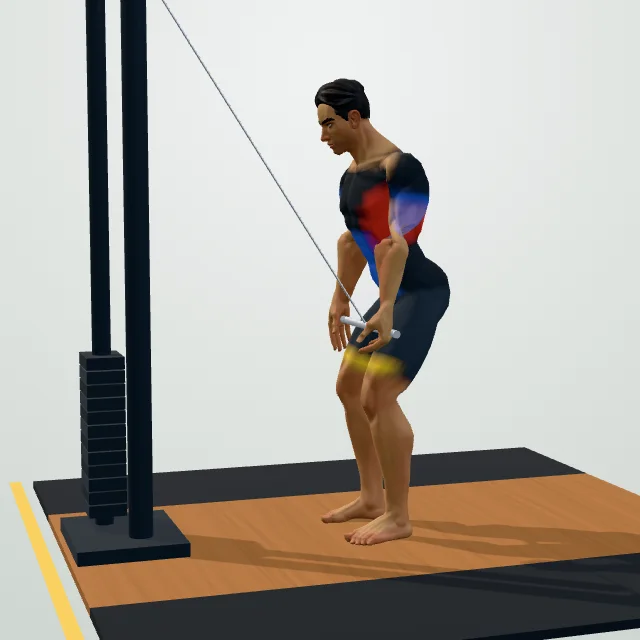
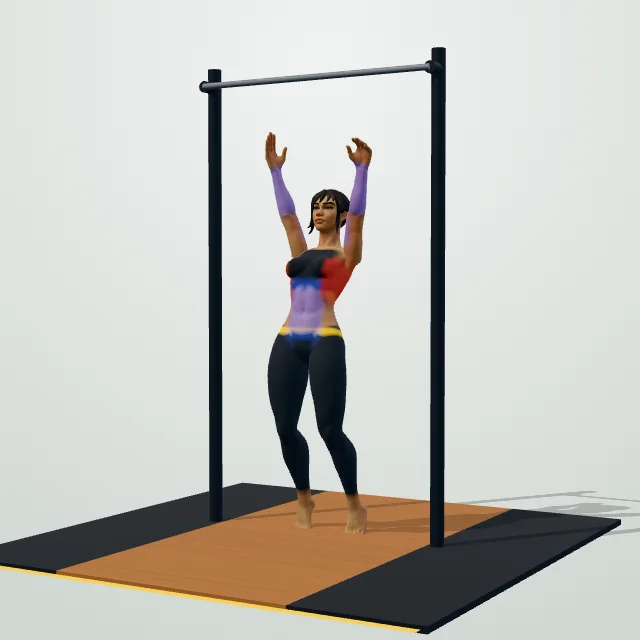
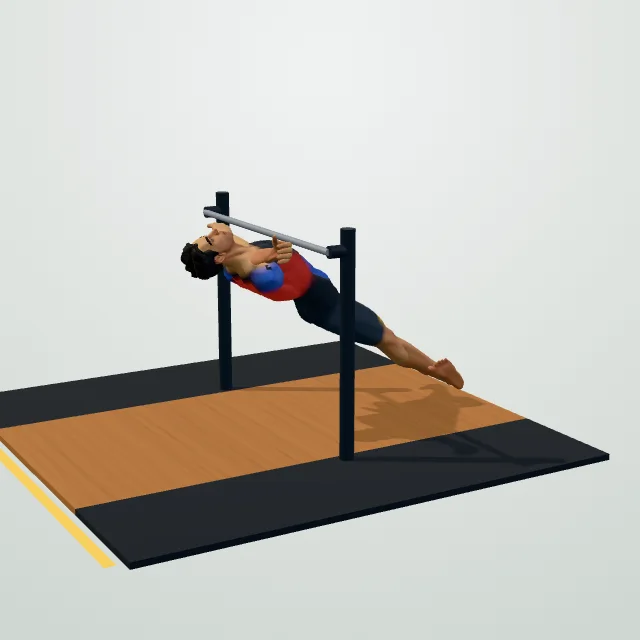
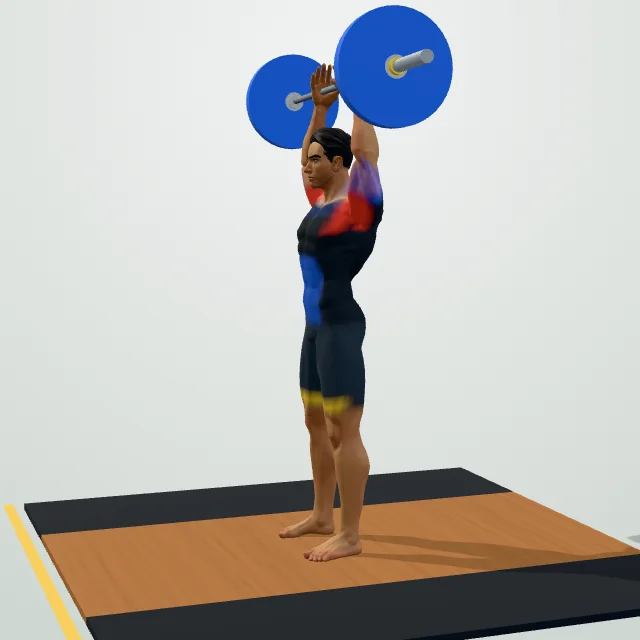
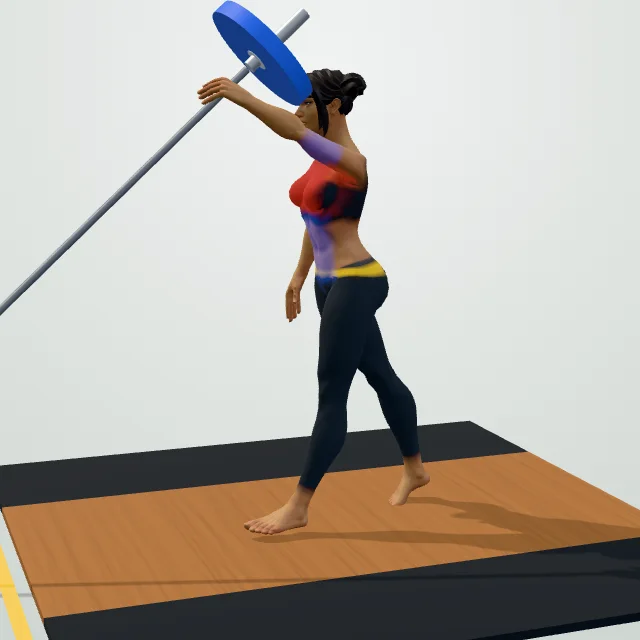
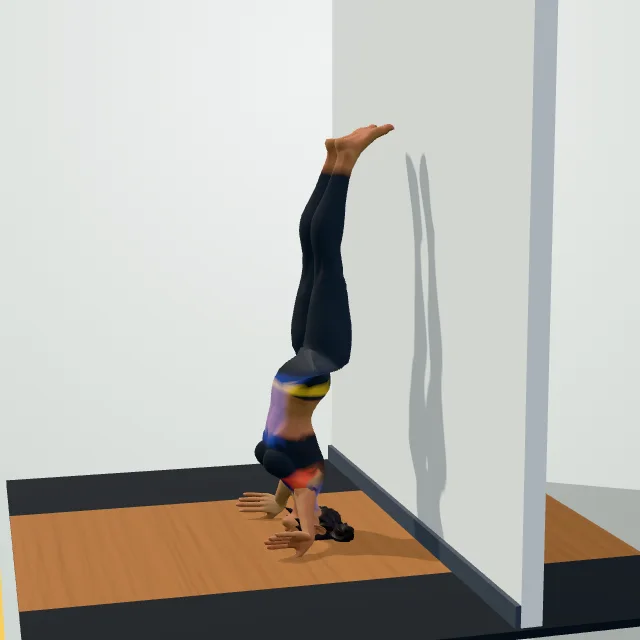
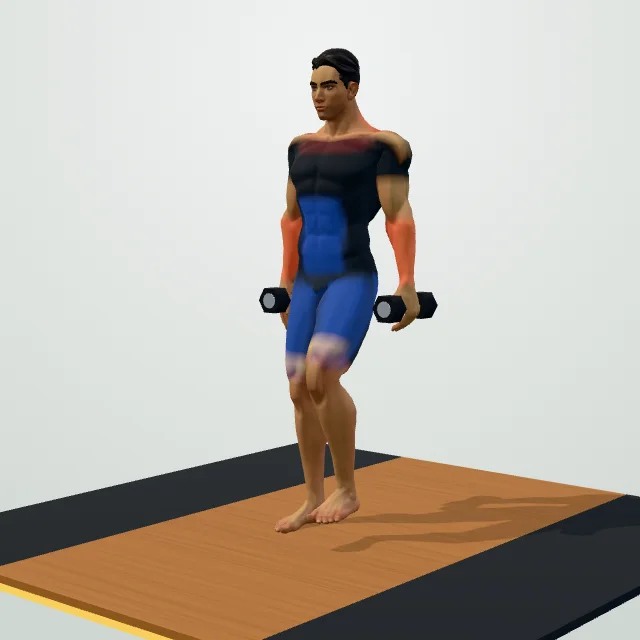
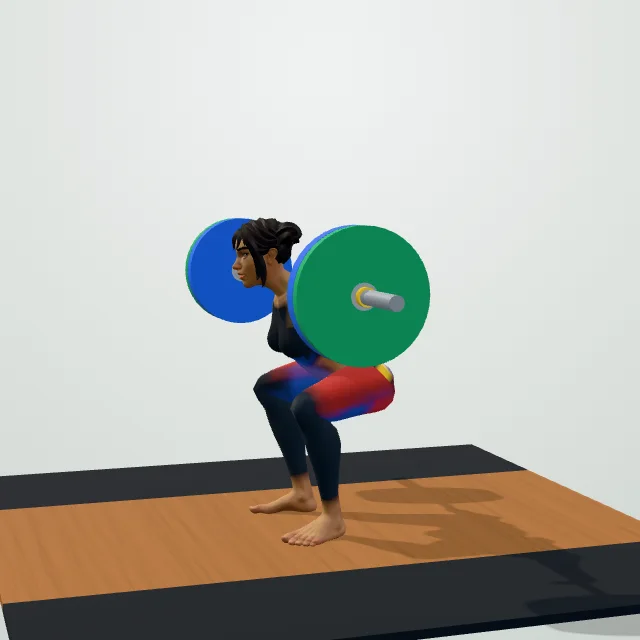
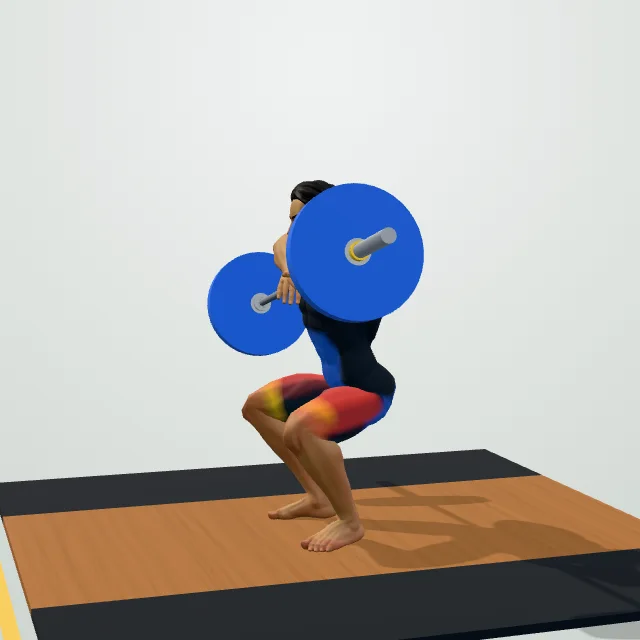
The most useful ab exercises train the core in more than one direction — bending forward (crunches), resisting rotation (planks, pallof press) and rotating (woodchops) — because "core strength" is really about controlling the trunk under load from several directions, not just building visible abdominal muscle.
Abs anatomy and function
The rectus abdominis is the long muscle running down the front of the torso, and it flexes the spine forward — the main muscle behind crunches and sit-ups, and the one responsible for a visible "six-pack" when body fat is low enough. The obliques (external and internal) sit at the sides of the torso and rotate and side-bend the trunk, working hardest during twisting and anti-rotation exercises. The transverse abdominis wraps around the torso like a belt and braces the spine during almost any load-bearing movement, whether it is a squat, a deadlift or simply standing up under a heavy carry. The hip flexors, grouped into this hub as well, lift the leg toward the torso and are heavily involved in leg-raise style ab exercises, which is why those movements can feel like they are working the hips as much as the abs.
How to train abs and core: sets, reps and frequency
Because the core is used to stabilise nearly every other exercise in a training plan, it tolerates and benefits from more frequent direct training than most muscle groups — three to five short sessions a week of 8–15 minutes is common. Mix rep-based movements (12–20 reps for crunch-style exercises) with hold-based movements (20–60 second planks and anti-rotation holds), since both rep endurance and sustained bracing are useful in real lifting and daily movement. Visible ab definition depends much more on overall body fat than on how many ab exercises you do — see the how to lose fat guide for the nutrition side of that.
Best gym ab exercises
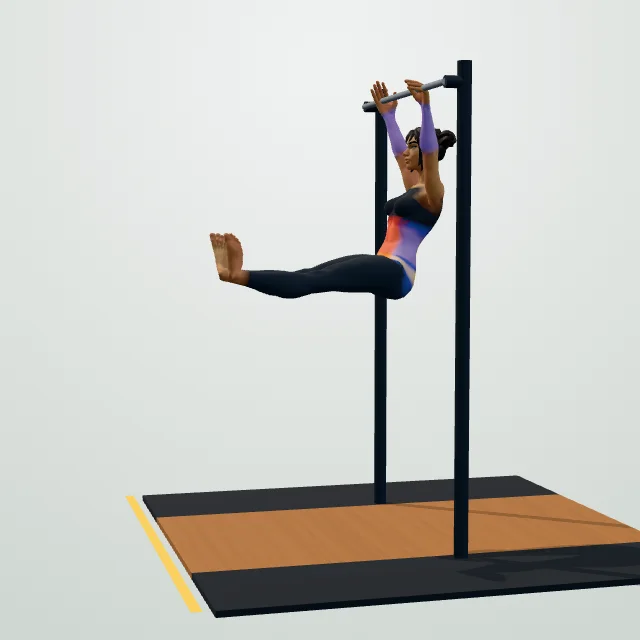
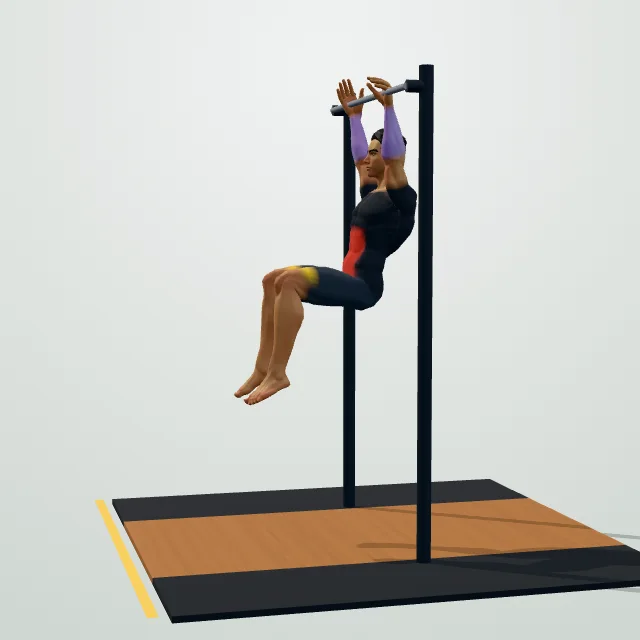
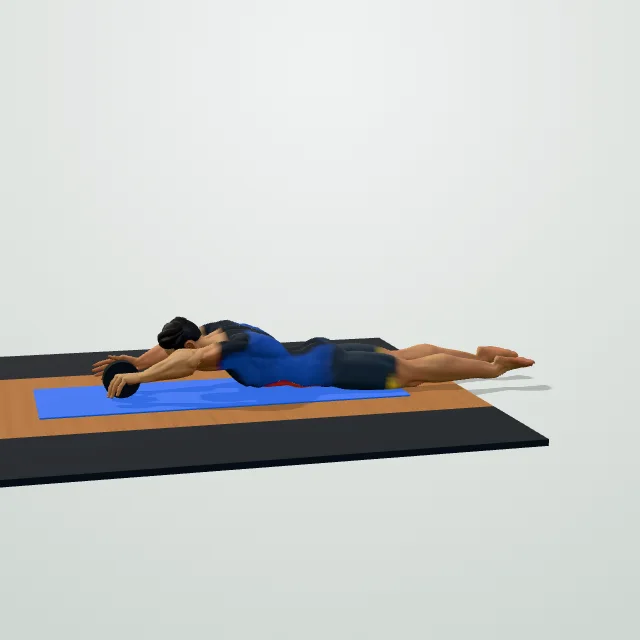
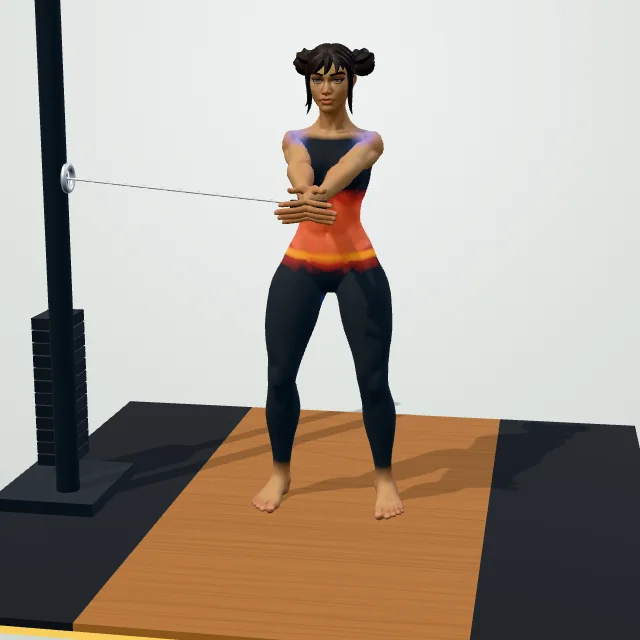
The hanging leg raise and easier hanging knee raise, done from a pull-up bar, load the lower abs and hip flexors hard using bodyweight. The cable crunch allows progressive loading of a crunch pattern beyond bodyweight, and the ab wheel rollout is one of the most demanding anti-extension core exercises available once you build up to it. The cable woodchop trains rotational core strength directly, and the Pallof press trains anti-rotation — resisting a cable's pull to the side — which carries over well to real-world trunk stability.
Best home ab exercises
The plank and side plank need no equipment and train anti-extension and anti-side-bend core strength, both foundational for a stable trunk. The crunch, bicycle crunch and reverse crunch cover upper, rotational and lower-ab-leaning patterns respectively. The dead bug and bird dog are excellent lower-back-friendly options that build core control without spinal flexion, useful if crunches or sit-ups bother your back. The hollow body hold, Russian twist and leg raise round out a full bodyweight core routine.
Sample abs and core workout
| Exercise | Sets | Reps / time | Rest |
|---|---|---|---|
| Plank | 3 | 30–60 s | 45–60 s |
| Hanging knee raise or reverse crunch | 3 | 10–15 | 60 s |
| Russian twist | 3 | 16–20 (both sides) | 45–60 s |
| Dead bug | 2–3 | 10–12 per side | 45 s |
Common mistakes
Pulling on the neck during crunches or sit-ups strains the cervical spine without adding anything to the ab contraction — keep a fist-sized gap under the chin and let the abs, not the hands, do the lifting. Letting the hips sag or pike up during a plank removes tension from the abs and shifts stress to the lower back — keep a straight line from shoulders to ankles. Doing only crunch-style exercises and skipping anti-rotation and anti-extension work (planks, Pallof press, dead bug) leaves a real gap in functional core strength that shows up under heavier lifts elsewhere. Expecting ab exercises alone to reduce belly fat in that one spot ("spot reduction") is not supported by evidence — fat loss happens across the whole body based on overall calorie balance, not the local muscle being trained.
Ab exercises and lower back pain
Core exercises that avoid spinal flexion under load — bird dog, dead bug, plank, Pallof press — are generally a safer starting point than sit-ups or weighted crunches for people with a history of lower back pain, since they build support around the spine without repeatedly bending it. If you have current back pain rather than past history, check with a doctor or physiotherapist before starting a new core routine, and see the exercise for lower back pain guide for more detail.