Barbell exercises: compound lifts and how to do them safely
The main barbell exercises, how to load the bar, and how to build a barbell workout around the big compound lifts.
Workout plans
Build muscle · Intermediate
Push Pull Legs Split (6 Days)
Strength · Intermediate
Upper/Lower Split (4 Days)
Build muscle · Intermediate
4-Day Muscle-Building Workout Plan
Build muscle · Intermediate
5-Day Body-Part Split (Bro Split)
Strength · Intermediate
5×5 Strength Program
Build muscle · Beginner
Glute Workout Plan (Gym and Home)
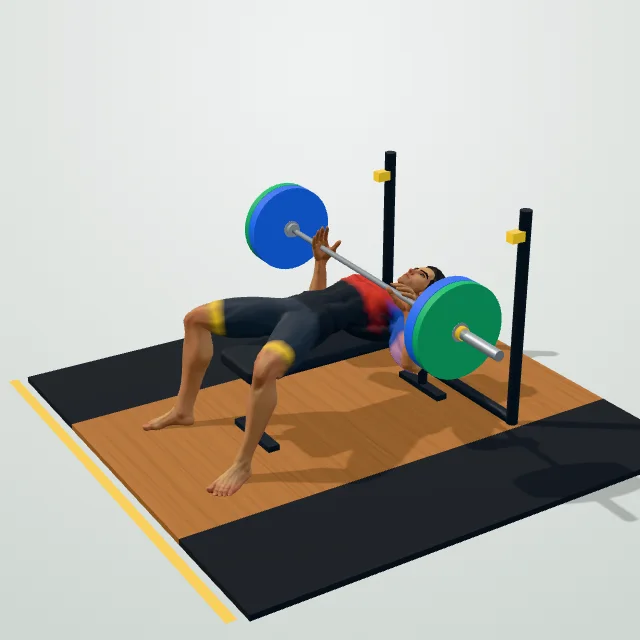
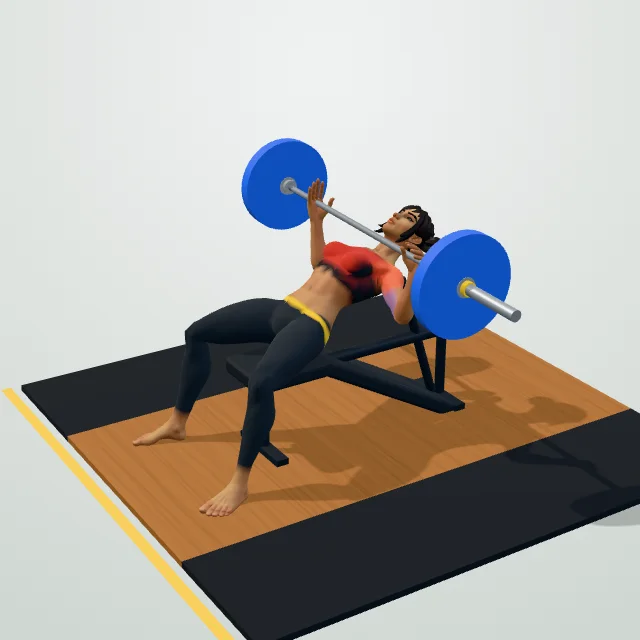
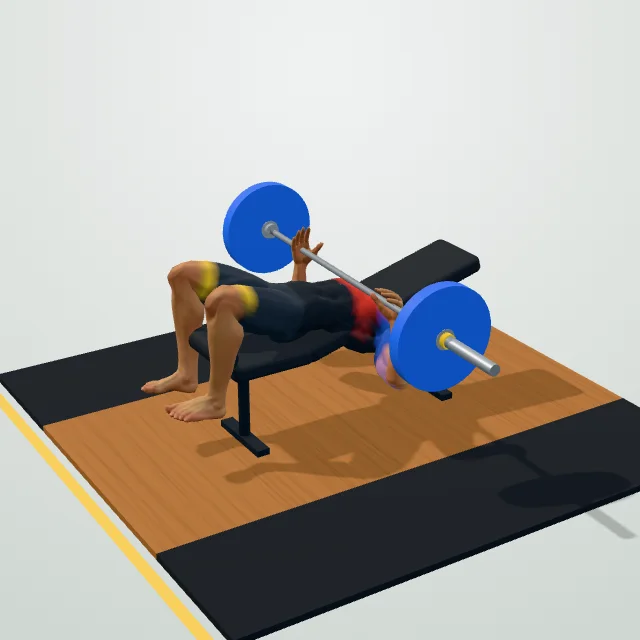
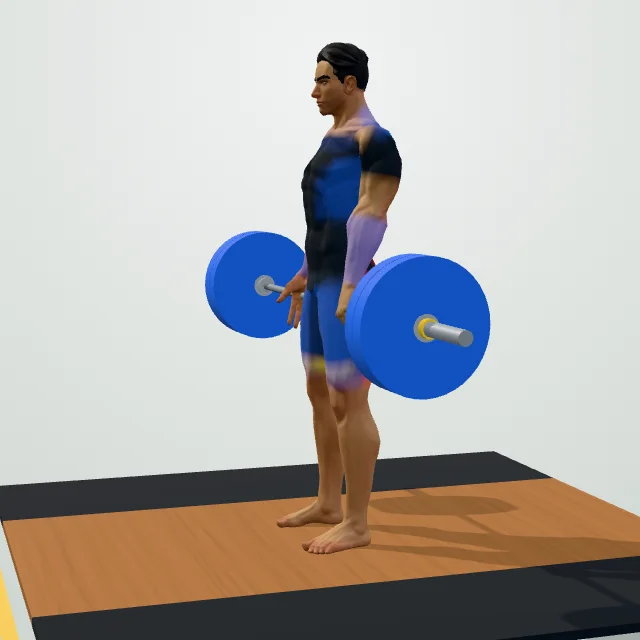
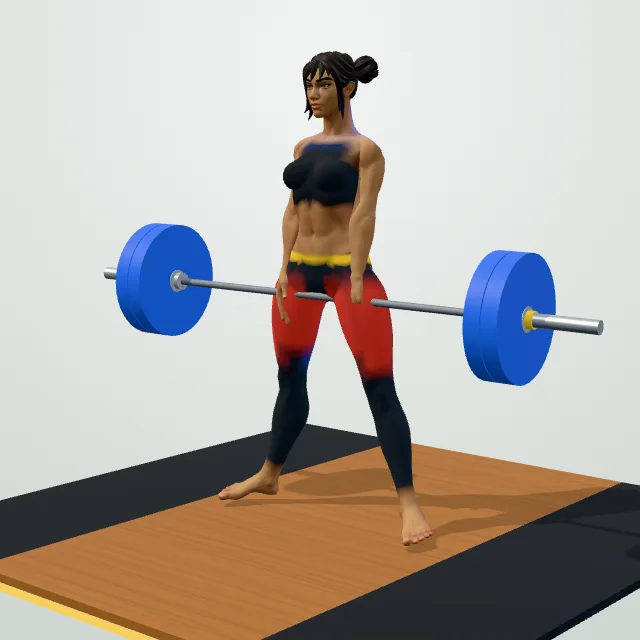
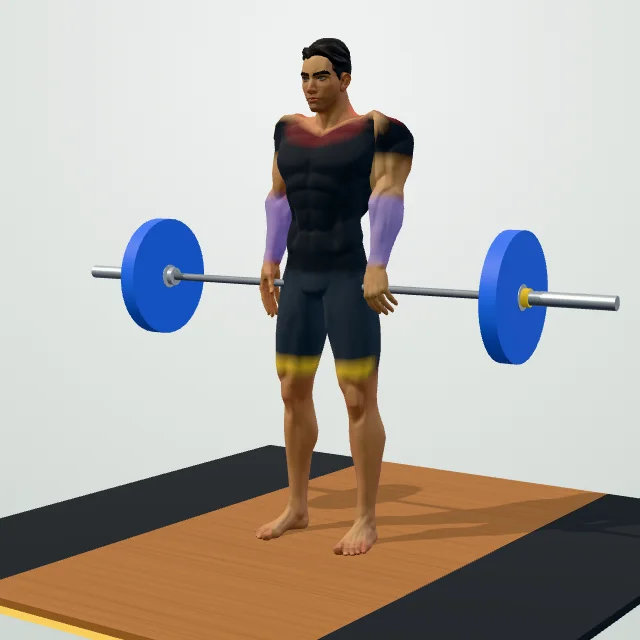
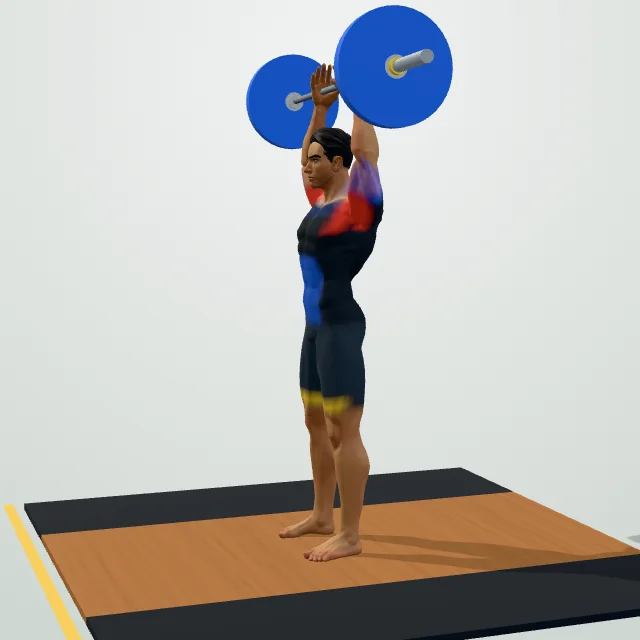
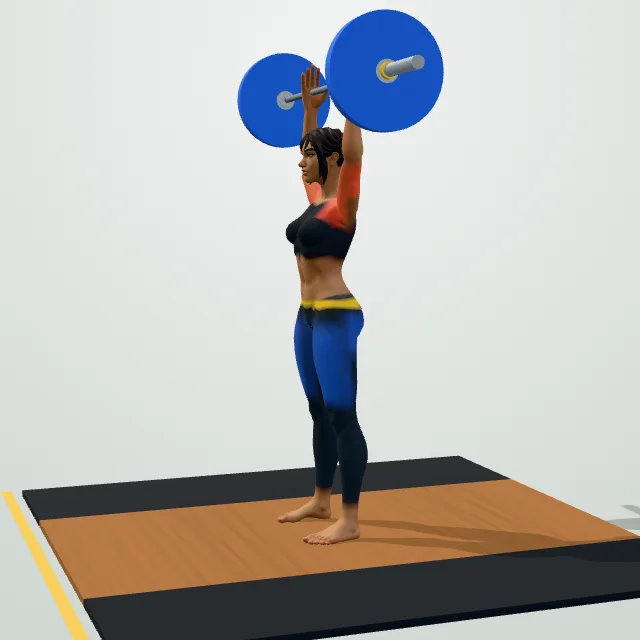
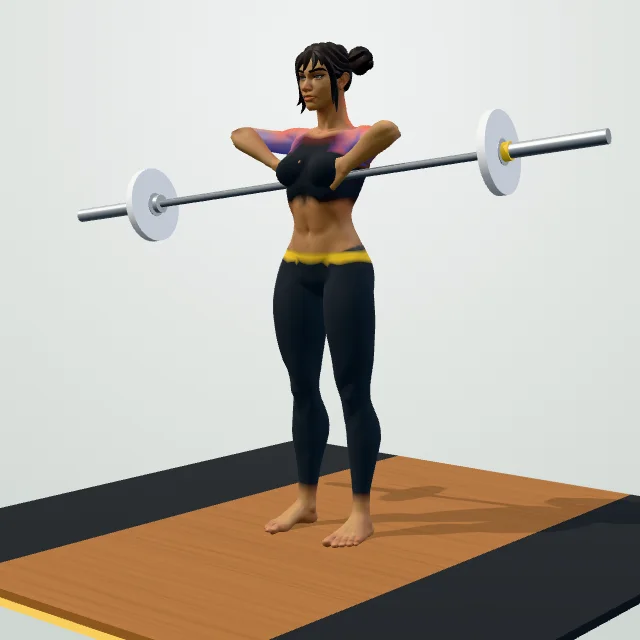
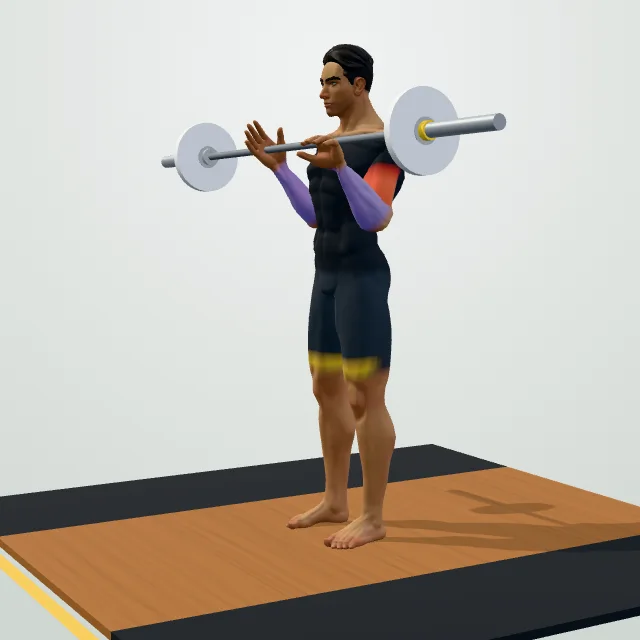
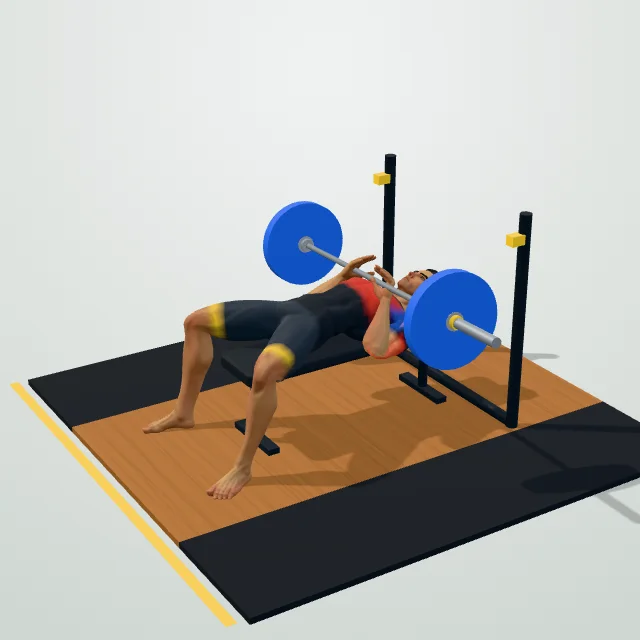
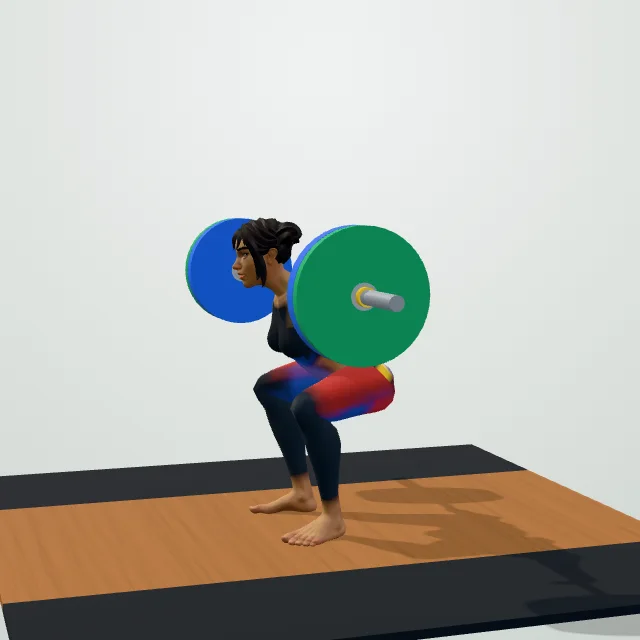
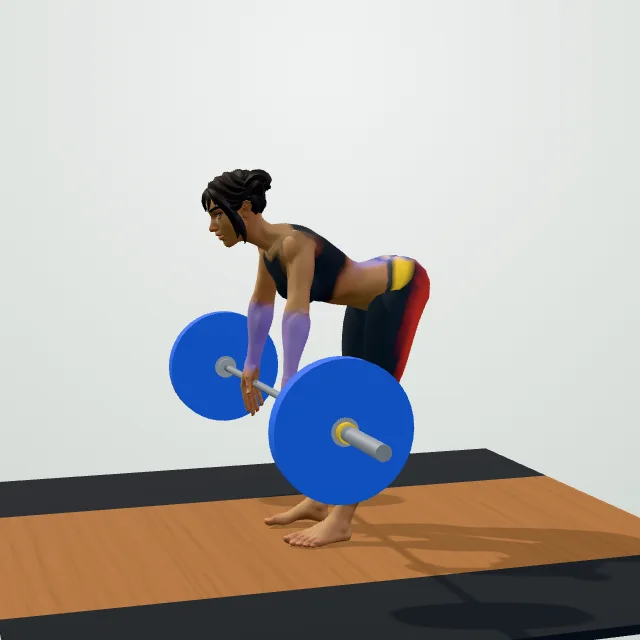
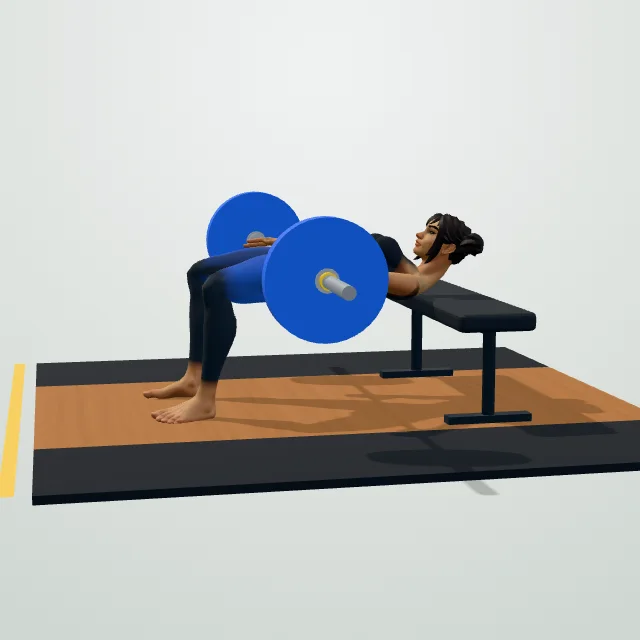
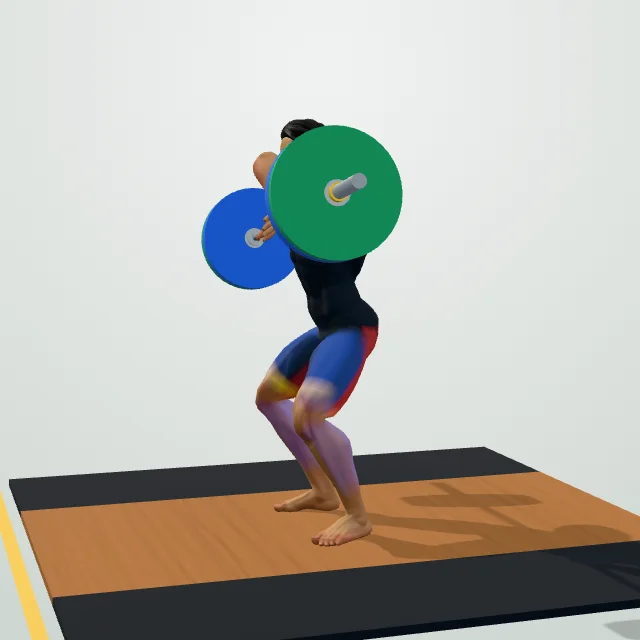
Barbell exercises let you load the most weight of any tool in the gym, which is why the big compound lifts — squat, deadlift, bench press and overhead press — are built around a bar. A standard Olympic barbell weighs 20 kg (45 lb) for men's bars and 15 kg (35 lb) for women's bars, so even an "empty bar" is real training weight for most beginners. The free 3D coach shows the bar path and setup for lifts like the back squat, deadlift and barbell bench press so you can check your form against a model rep.
Choosing a bar, plates and rack
Start on an empty bar or with light plates for every new lift — technique on a barbell matters more than on a dumbbell because the weight is fixed to a single bar path. A squat rack or power cage with safety pins is worth prioritizing over extra plates, since it lets you fail a rep safely on squats and overhead presses. Use the plate calculator to work out which plates to load per side for a given target weight, and collars to stop plates sliding.
Safety and setup
Learn the deadlift and squat setup positions before adding weight: braced core, neutral spine, bar close to the body. Use a spotter or the rack's safety pins for heavy bench and squat work, and never hold your breath through a max-effort lift if you have high blood pressure or a heart condition — breathe out through the hardest part of the rep instead. Add weight in small steps (about 5–10% at a time) and stop for sharp joint pain, chest pain or dizziness.
Best barbell exercises
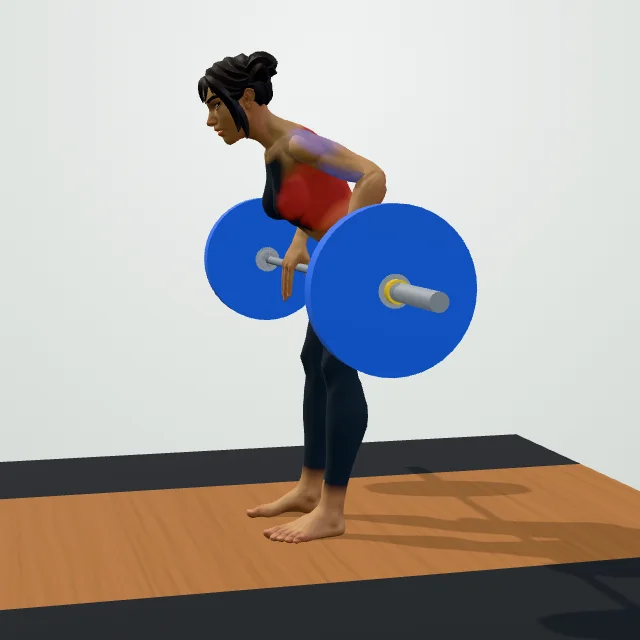
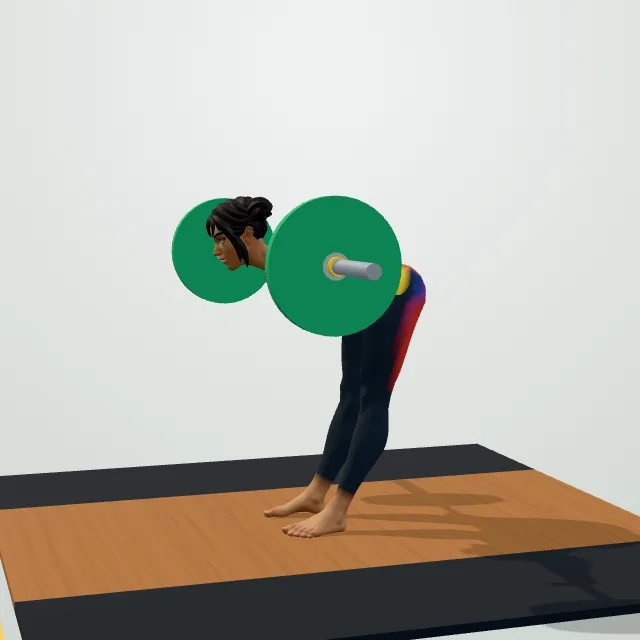
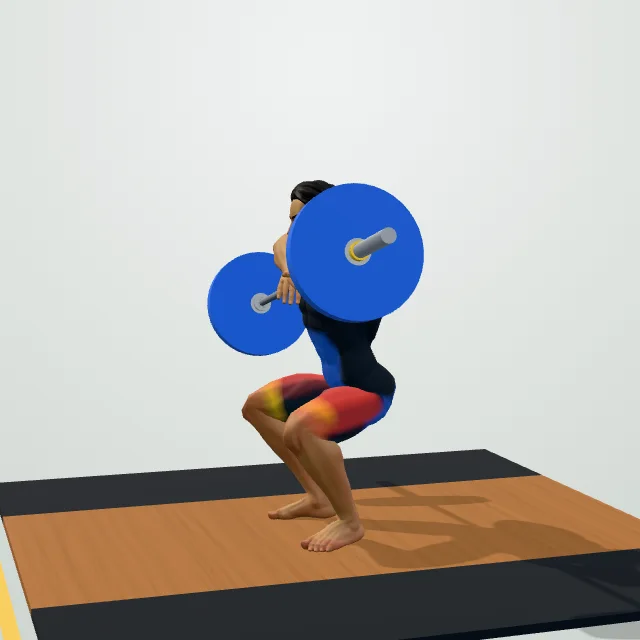
The four foundational compound lifts are the back squat (quads, glutes, core), deadlift (hamstrings, glutes, back, grip), barbell bench press (chest, triceps, shoulders) and overhead press (shoulders, triceps, core). Around them, the bent-over barbell row builds the back, the front squat shifts more load to the quads and core, the Romanian deadlift targets the hamstrings, and the barbell curl and close-grip bench press isolate the arms. These are called compound lifts because each moves several joints and muscle groups together, compared with single-joint isolation moves — see our compound vs isolation exercises guide for how to combine both types in a session.
Sample barbell workout
| Exercise | Sets × reps | Rest |
|---|---|---|
| Back squat | 4 × 5–8 | 2–3 min |
| Barbell bench press | 4 × 6–10 | 2–3 min |
| Barbell row | 3 × 6–10 | 2 min |
| Overhead press | 3 × 6–10 | 2 min |
| Romanian deadlift | 3 × 8–10 | 2 min |
How to program barbell training
For strength, use lower reps (3–6) with 2–4 minutes rest so you can lift near your best each set; for muscle growth, 6–12 reps with 90–150 seconds rest works well. Beginners often do well on a simple linear progression — adding a small amount of weight each session — before moving to weekly progression as gains slow; the progressive overload guide and 5×5 strength program both walk through this. Use the one-rep max calculator to set percentage-based targets once you know a recent working weight and reps.
Barbell training for women and beginners
The barbell exercises and rep ranges above work the same regardless of gender or experience — there is no separate "toning" version of a squat or deadlift. What changes for a true beginner is the starting weight (often the empty bar, or even a lighter technique bar), the pace of progression, and extra attention to setup positions before adding load. If you're new to lifting, a coached first few sessions or careful use of the 3D coach's angle views on the squat, deadlift and press pages will save you more time than any amount of extra reading.
Who should modify or avoid heavy barbell lifts
If you have uncontrolled high blood pressure, a recent hernia, or a spine or shoulder injury, talk to a doctor or physiotherapist before heavy squatting, deadlifting or overhead pressing, and consider lighter loads with more reps in the meantime. Pregnant lifters can often continue barbell training with a doctor's guidance but should avoid moves that require lying flat on the back after the first trimester and any lift that risks a fall. Stop a set immediately for sharp joint pain, chest pain, or unusual breathlessness — normal training discomfort is muscle fatigue, not joint pain.
Workout plans that use a barbell
Barbell lifts anchor several full plans: the 5×5 strength program, push pull legs split, 4-day muscle-building plan, 5-day body-part split and upper/lower split. If you train at a gym with a barbell available, the plan builder can put these lifts into a plan around your own days and goal.