Biceps exercises: the best moves in 3D
How the biceps work, the best bicep exercises with dumbbells and at home, and how to hit every head of the muscle.
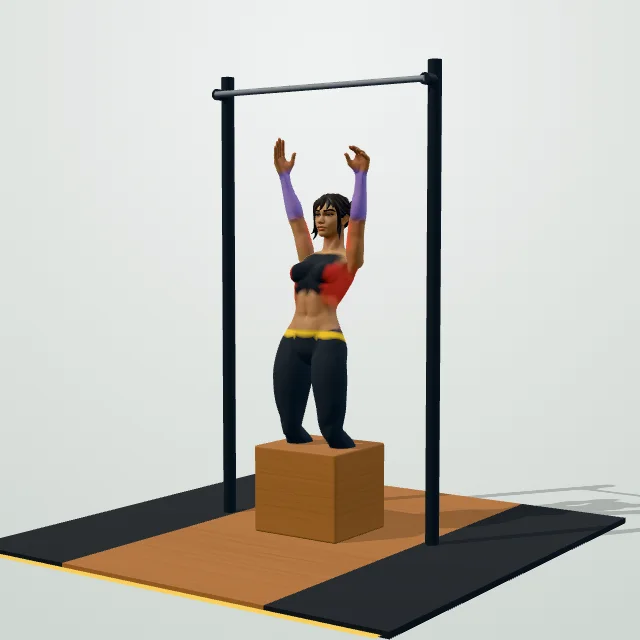
Gym
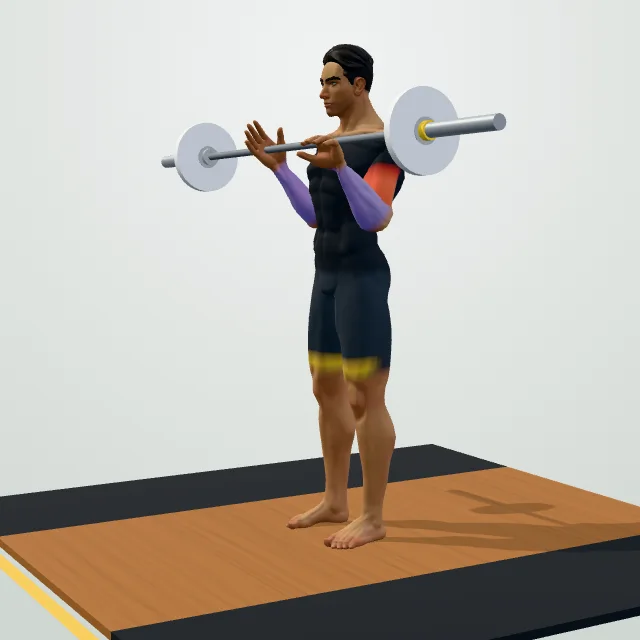
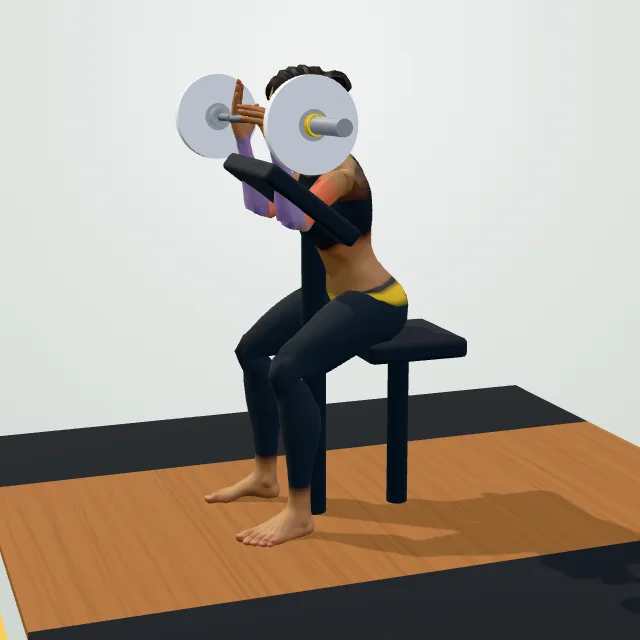
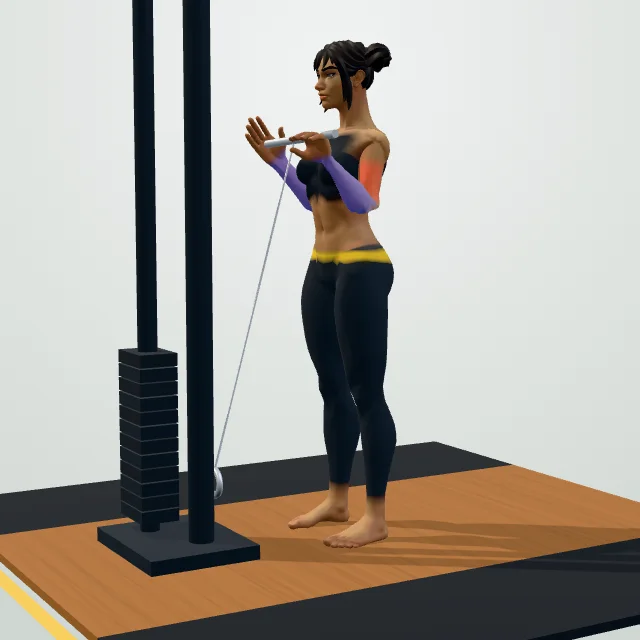
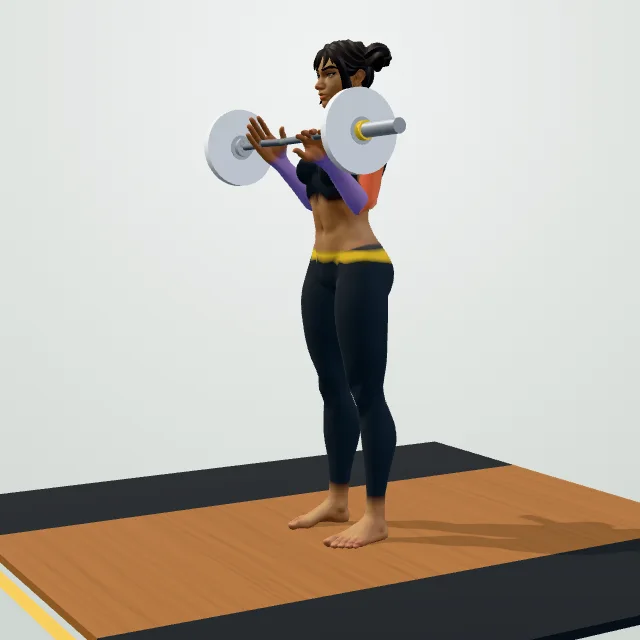
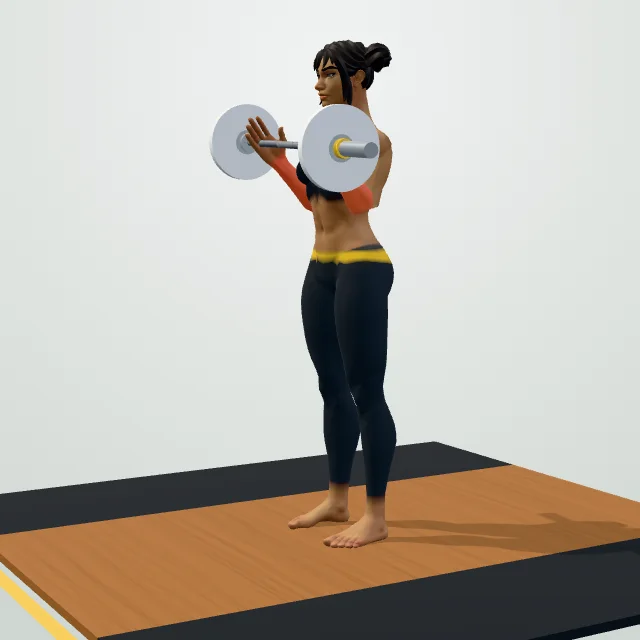
Home or gym
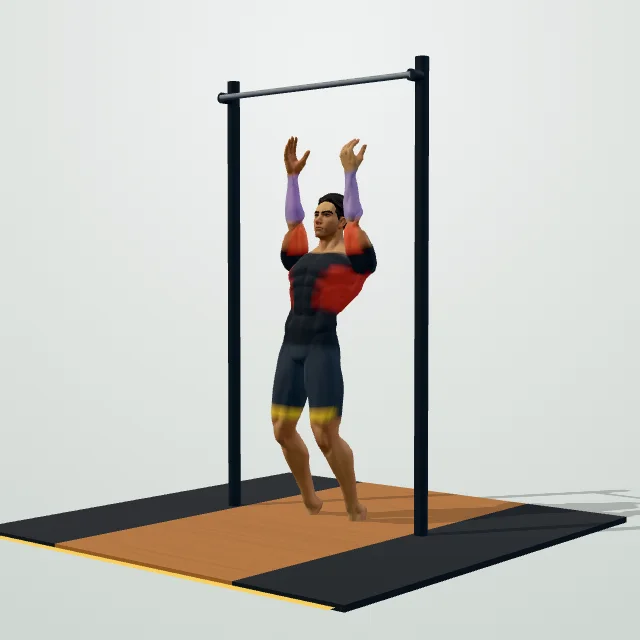
Chin-Up
Negative Pull-Up
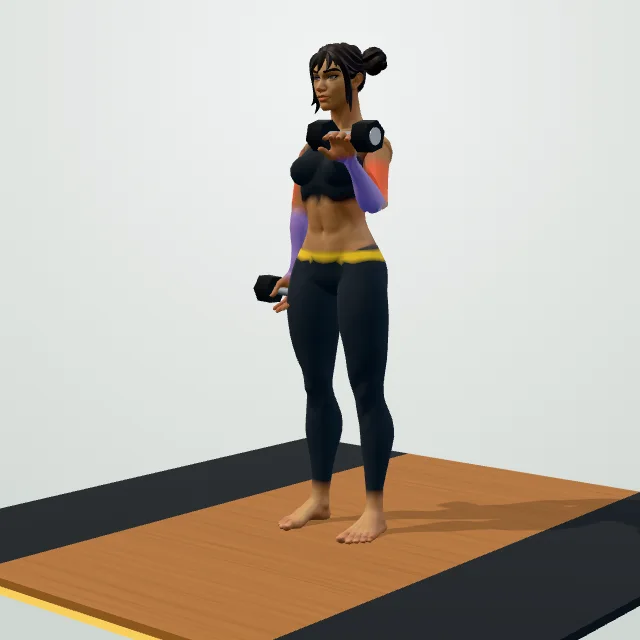
Dumbbell Bicep Curl
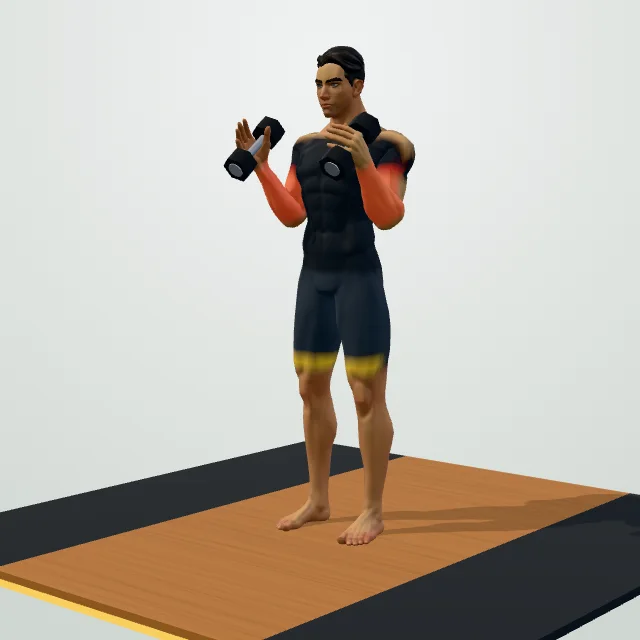
Hammer Curl
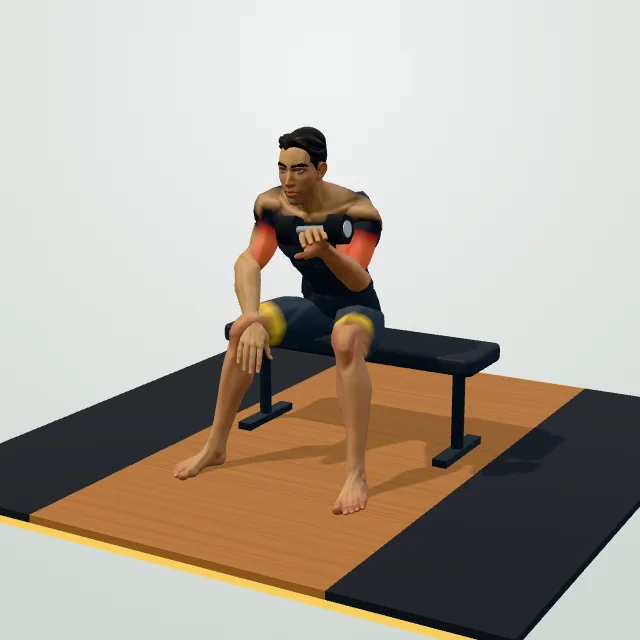
Concentration Curl
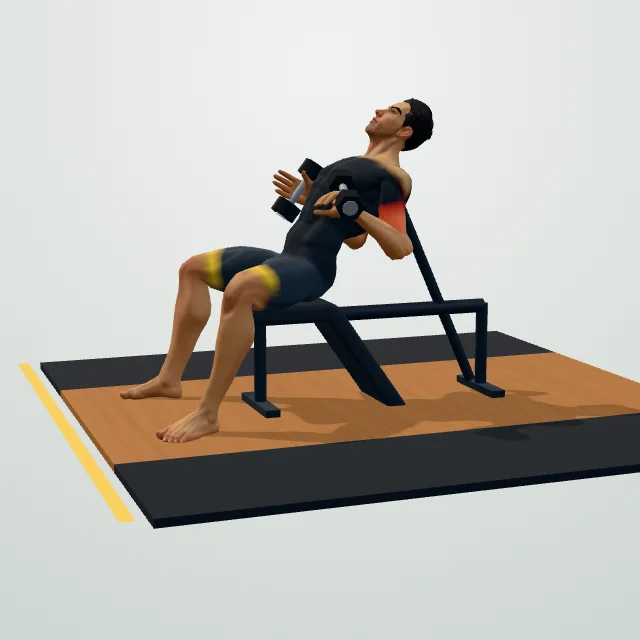
Incline Dumbbell Curl
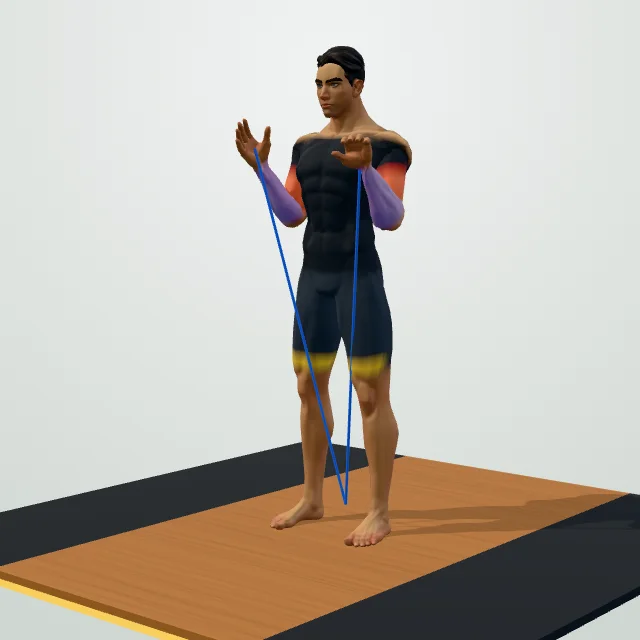
Resistance Band Bicep Curl
Secondary
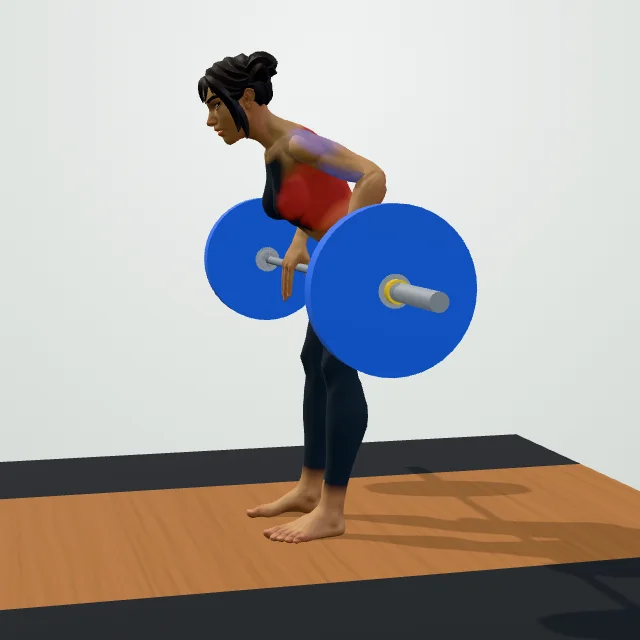
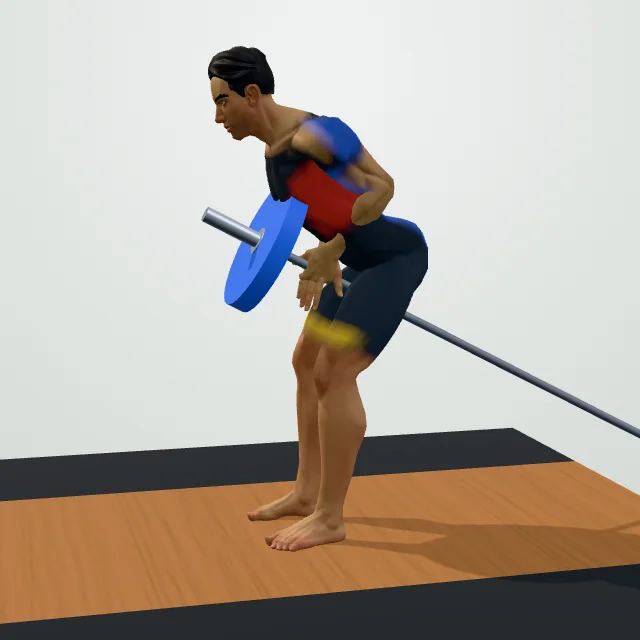
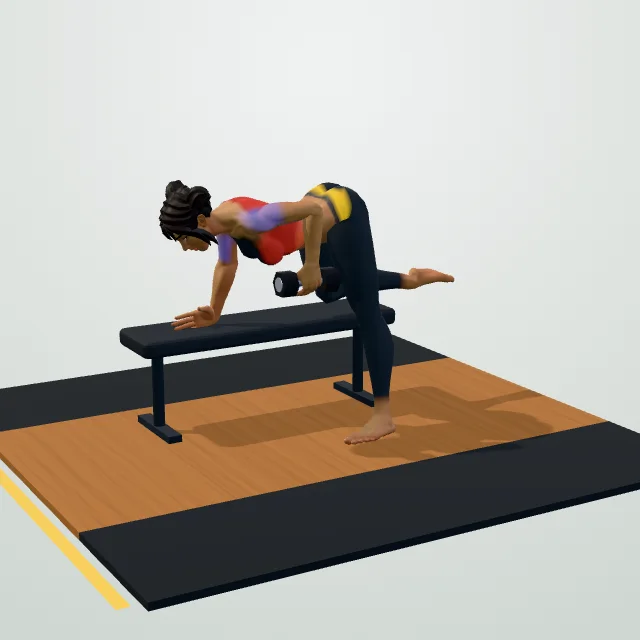
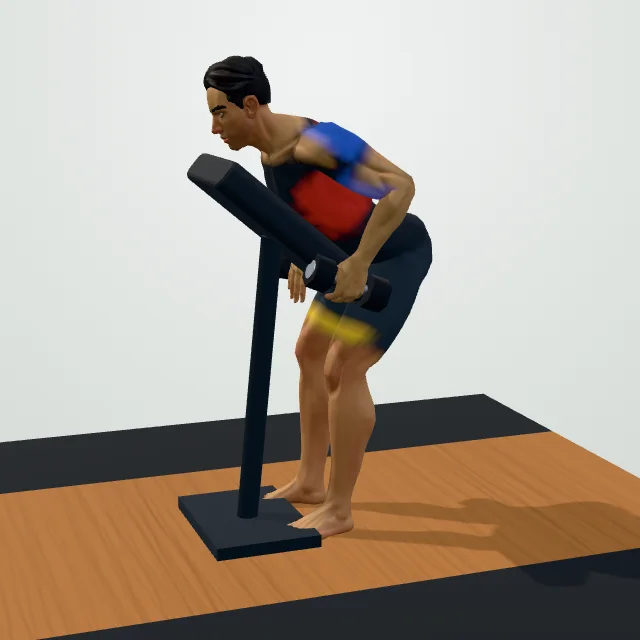
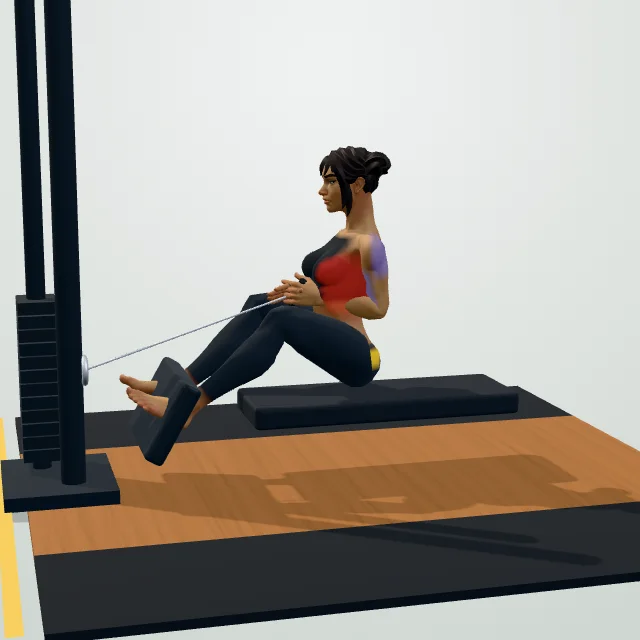
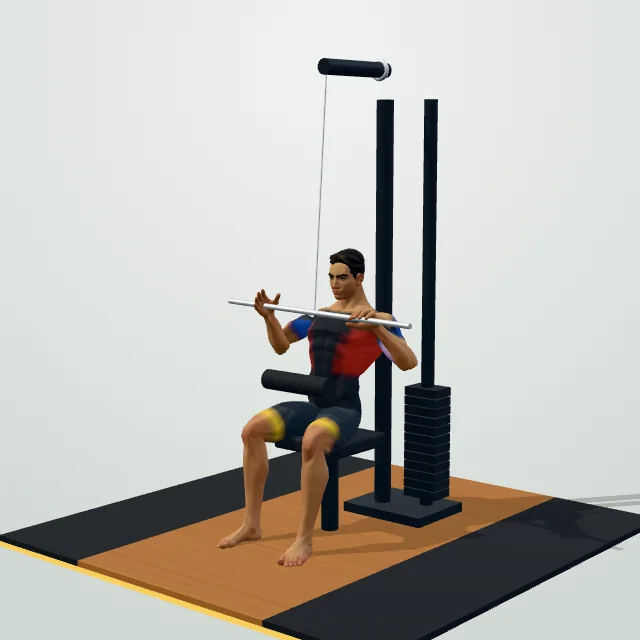
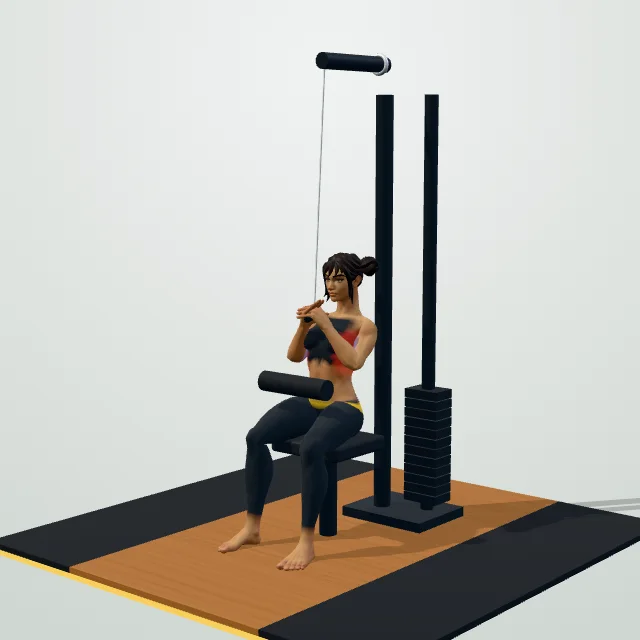
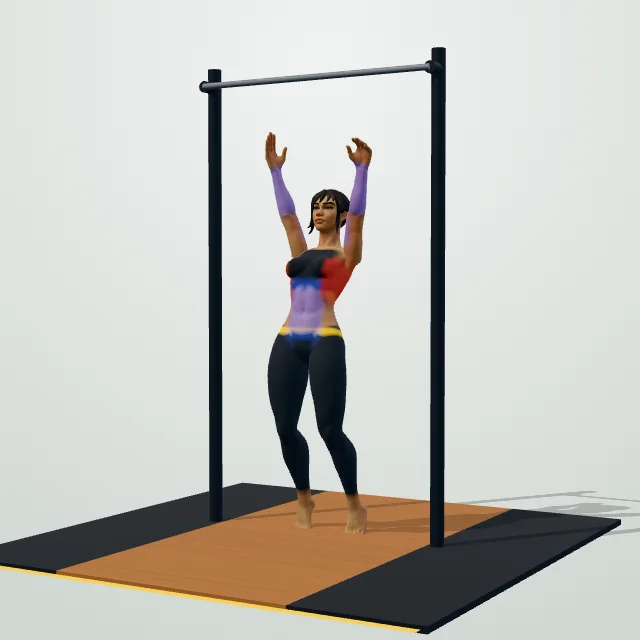
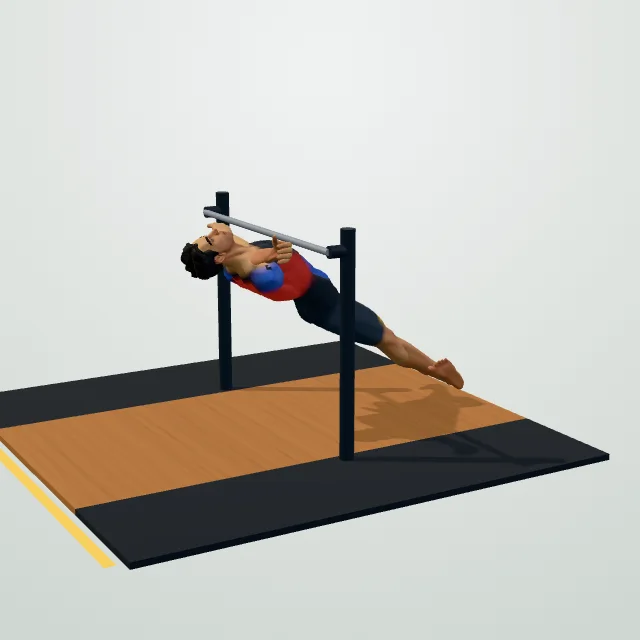
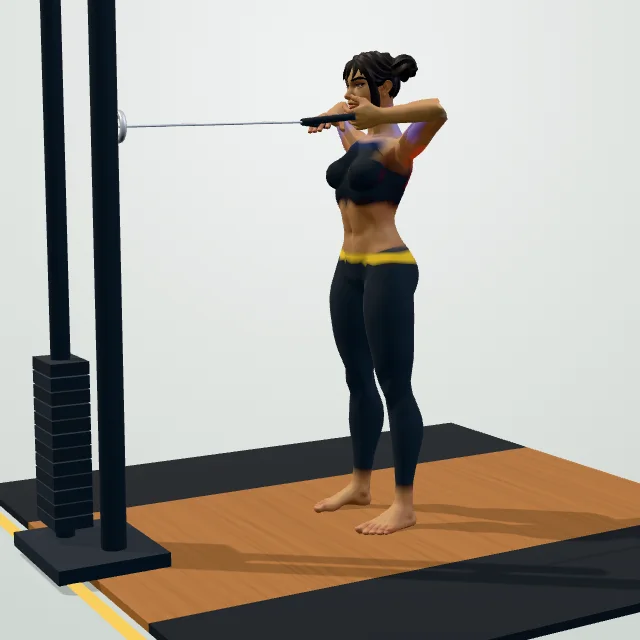
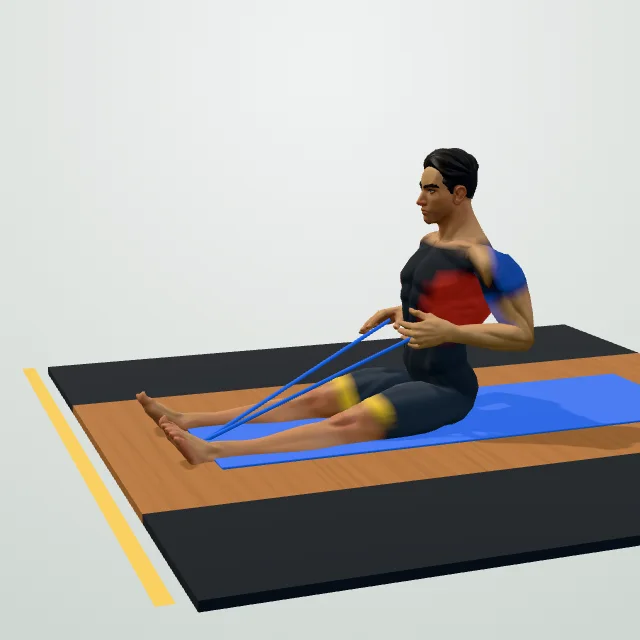
The most common mistake in bicep exercises is doing only one type of curl set after set — the biceps have two heads plus a third muscle (brachialis) underneath, and different curl variations shift emphasis between them, so a well-rounded arm routine mixes grip and angle rather than repeating one curl.
Biceps anatomy and function
The biceps brachii has a short head (inner) and a long head (outer), both crossing the elbow and shoulder joints; they bend the elbow and rotate the forearm to a palm-up position. The brachialis sits underneath the biceps and also bends the elbow, and building it up pushes the biceps outward, adding visible size. Grip changes which part is emphasised: a supinated (palm-up) curl works the biceps most directly, a neutral (palm-in) grip such as a hammer curl brings in more brachialis and forearm, and body position changes the emphasis further — an incline curl stretches the long head more at the bottom, while a preacher curl shortens the range and emphasises the short head with the shoulder fixed.
How to train biceps: sets, reps and frequency
Biceps respond well to a moderate-to-high rep range, typically 8–15 reps per set, since the muscle is small and recovers quickly, and 9–15 total weekly sets across two exercises is enough for most people to see growth, especially given how much indirect biceps work already happens during back exercises like rows and pull-ups. Training biceps twice a week, with two or three different curl variations spread across those sessions, covers more of the muscle's range and grip angles than one long single-exercise session.
Best gym bicep exercises
The barbell curl allows the heaviest loading for the whole biceps, while the EZ bar curl offers a more wrist-friendly grip angle at similar loads. The dumbbell curl and incline dumbbell curl (a deeper stretch on the long head) let each arm work independently. The preacher curl removes shoulder swing entirely and isolates the short head, and the concentration curl does something similar seated with one arm at a time. The cable curl keeps constant tension through the whole range, unlike free weights which go slack at the top. The hammer curl and reverse curl shift emphasis to the brachialis and forearm rather than the biceps peak itself.
Best home bicep exercises
A single pair of dumbbells covers almost the full range needed at home: dumbbell curl, hammer curl and incline dumbbell curl (using a chair or bench) between them hit both biceps heads and the brachialis. With a resistance band instead of weights, the band bicep curl works the same pattern with adjustable resistance and is easy to travel with. If you have a pull-up bar, the chin-up (palms facing you) and negative pull-up load the biceps heavily as a secondary mover alongside the back, and are a genuinely effective bodyweight biceps builder when direct curls are not available.
Sample arm workout (biceps and triceps)
| Exercise | Sets | Reps | Rest |
|---|---|---|---|
| Barbell curl or dumbbell curl | 3 | 8–12 | 60–90 s |
| Hammer curl | 2–3 | 10–15 | 60 s |
| Triceps pushdown | 3 | 10–15 | 60–90 s |
| Overhead triceps extension | 2–3 | 10–15 | 60 s |
Common mistakes
Swinging the torso and using the hips to "curl" the weight up shifts effort away from the biceps and adds lower-back strain — keep the elbows pinned to your sides and the torso still, and reduce the weight if you cannot. Letting the elbows drift forward during the movement turns part of the curl into a shoulder exercise; keep the upper arm fixed. Only training with a supinated grip and never a neutral or pronated one leaves the brachialis and forearms undertrained, which limits how much size and definition the arm can show over time. Curling through a tiny range near the top of the movement (a common "burn" trick) is fine occasionally but should not replace full-range reps as your main working sets.
Biceps vs triceps: which grows the arm more?
The triceps make up roughly two-thirds of the upper arm's size, so a plan that only trains biceps and neglects triceps work will limit total arm growth — for the biggest change in arm size, split training time close to evenly between the two, or slightly favour triceps, using the sample workout above or the dedicated triceps exercises hub and the Dumbbell Arm Workout plan.