Glutes exercises: the best moves in 3D
How the glutes work, the best glute exercises for the gym and home, and how to build a glute workout that actually progresses.
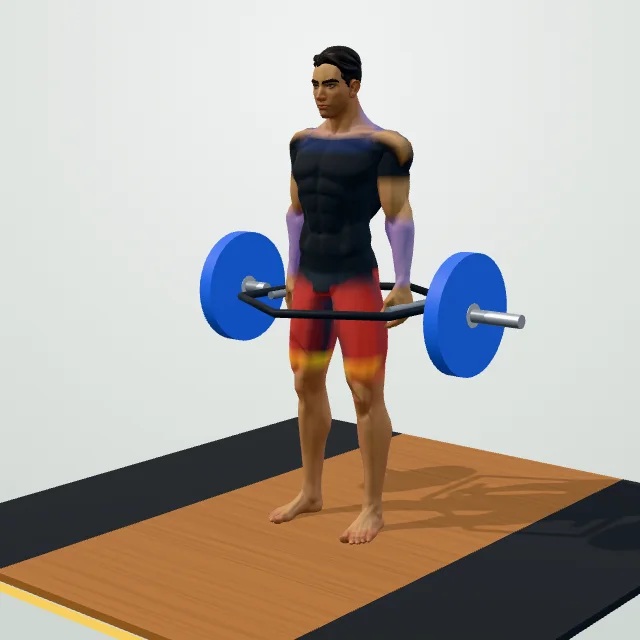
Gym
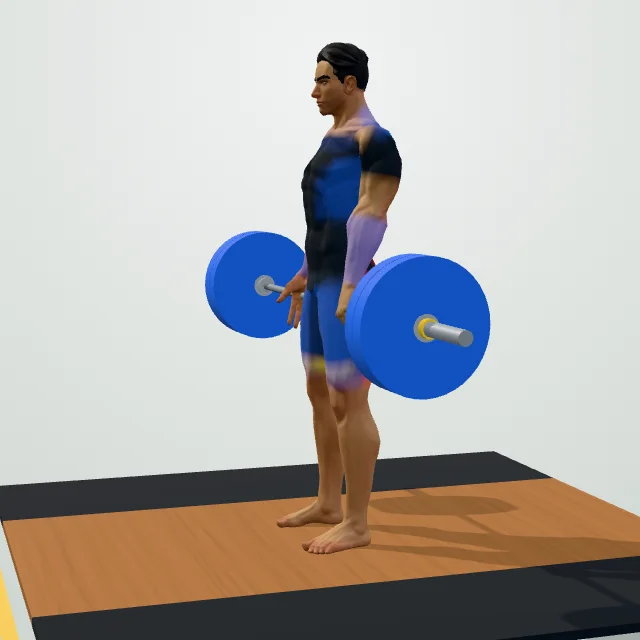
Deadlift
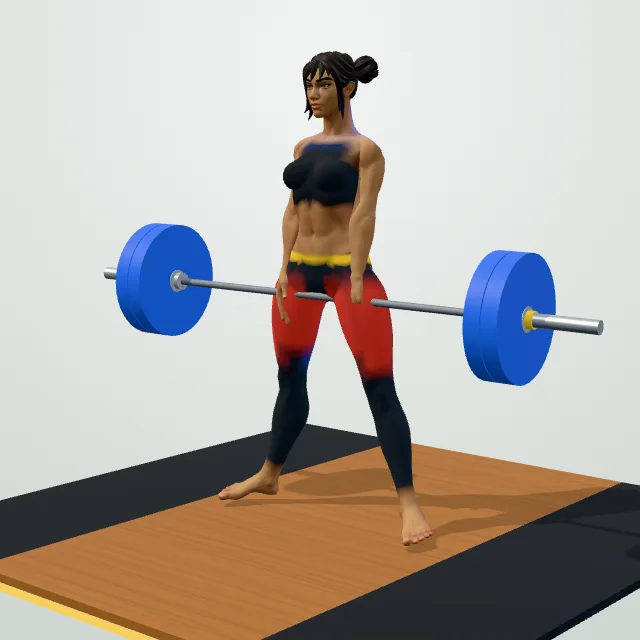
Sumo Deadlift
Trap Bar Deadlift
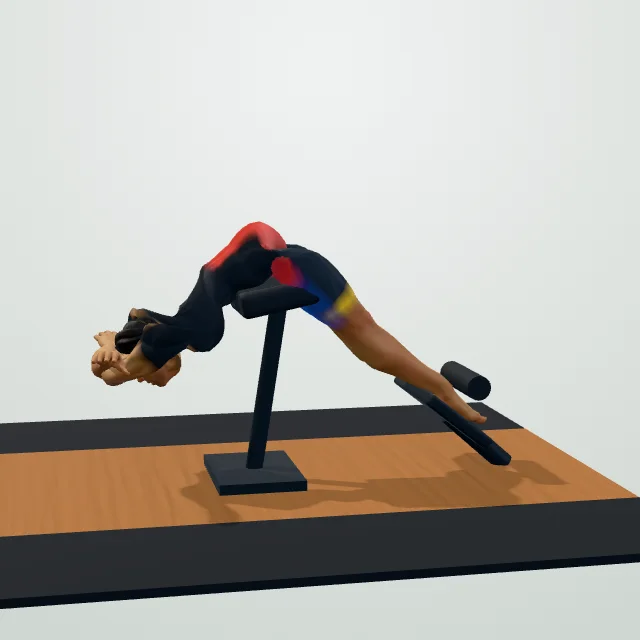
Back Extension
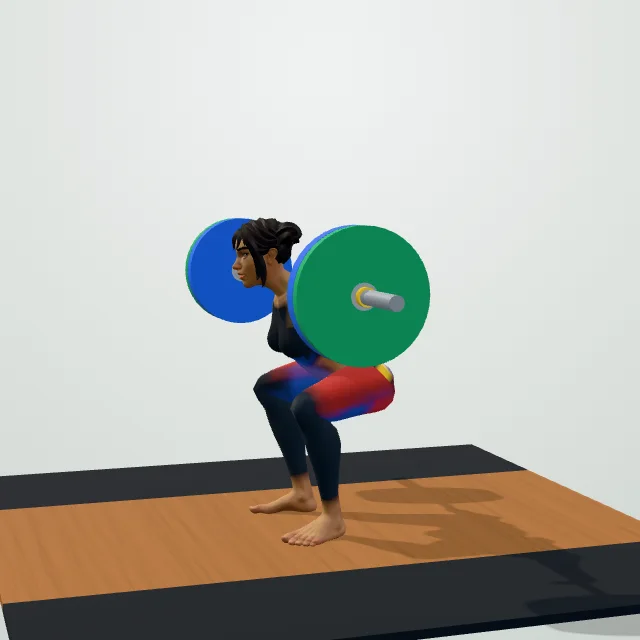
Barbell Back Squat
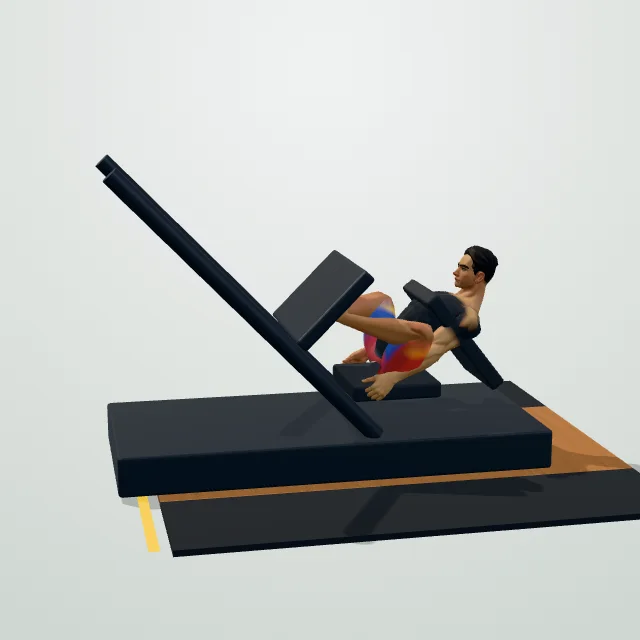
Leg Press
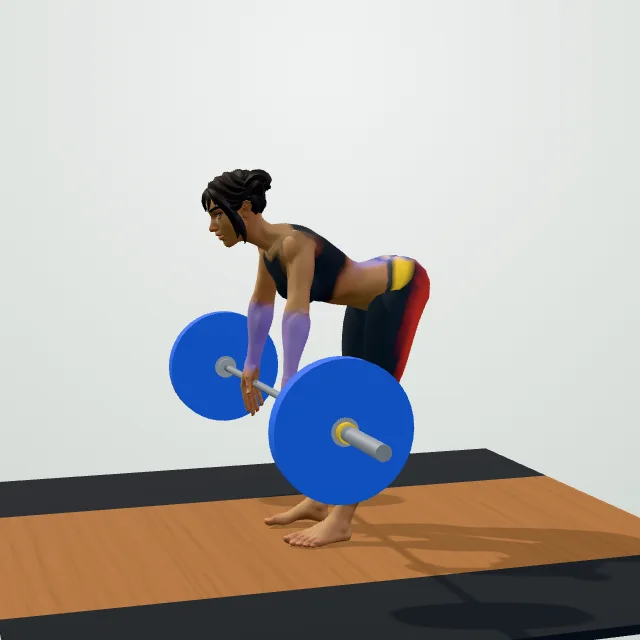
Romanian Deadlift
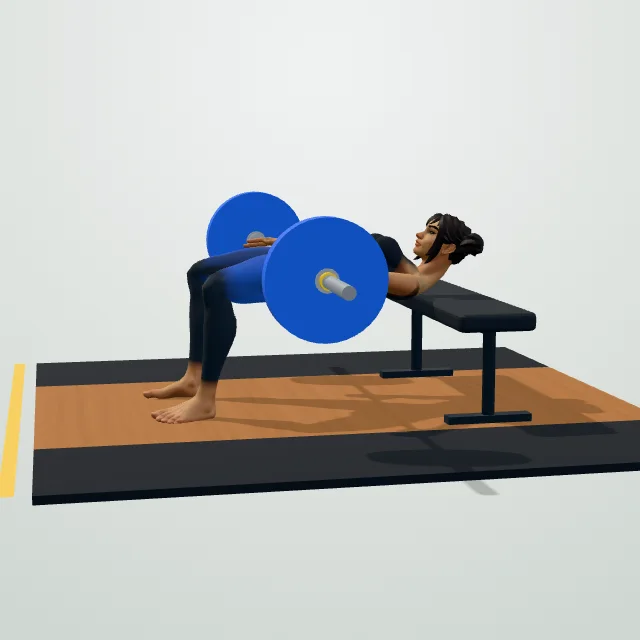
Barbell Hip Thrust
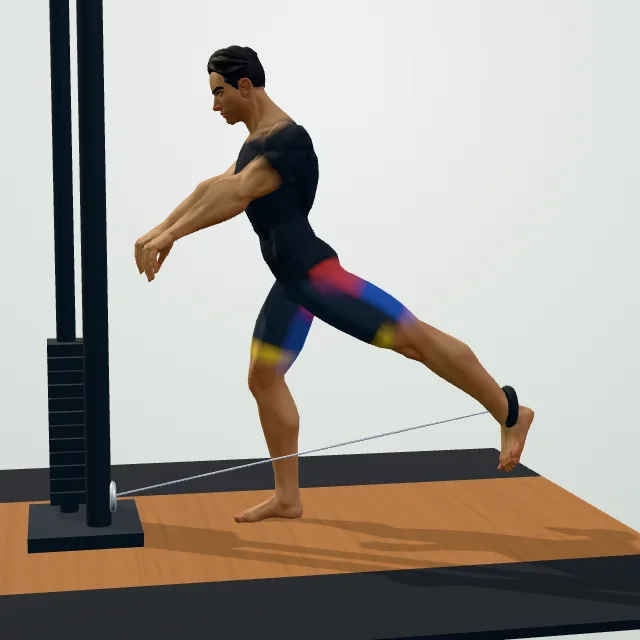
Cable Glute Kickback
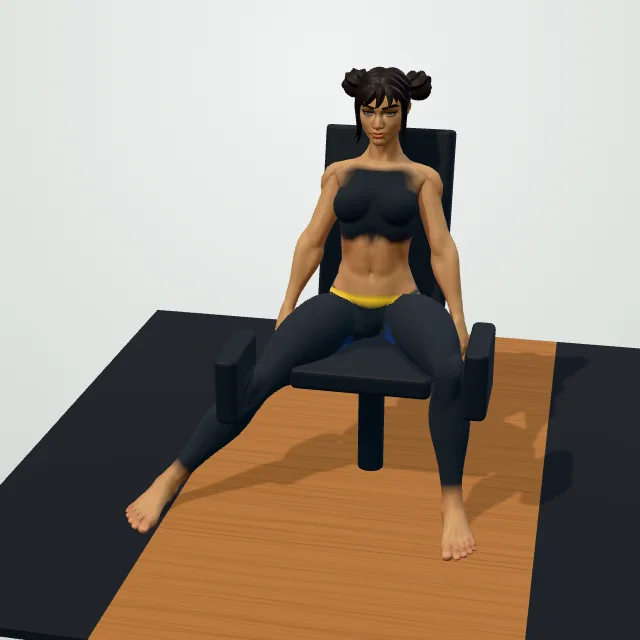
Hip Abduction Machine
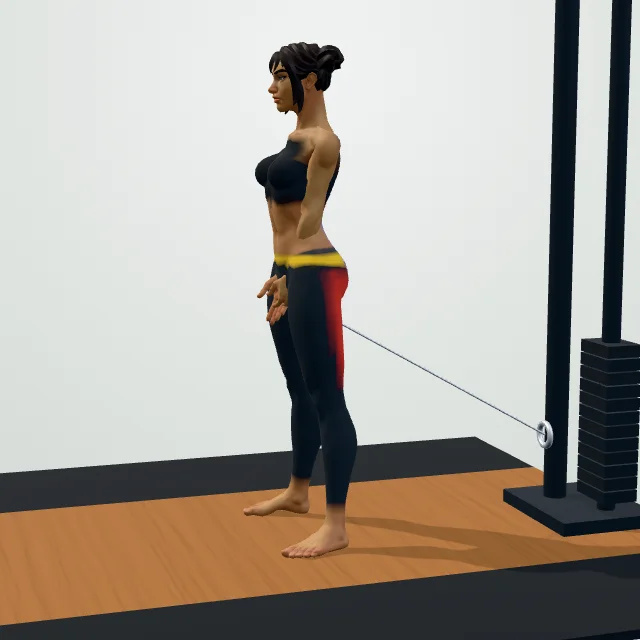
Cable Pull-Through
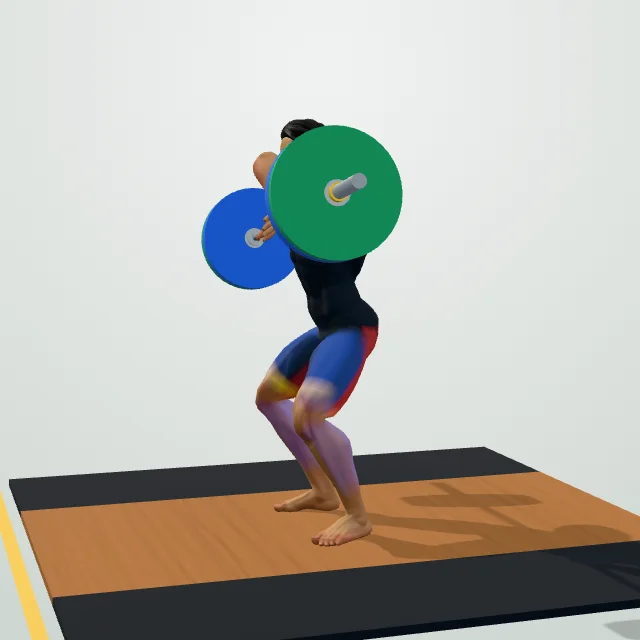
Power Clean
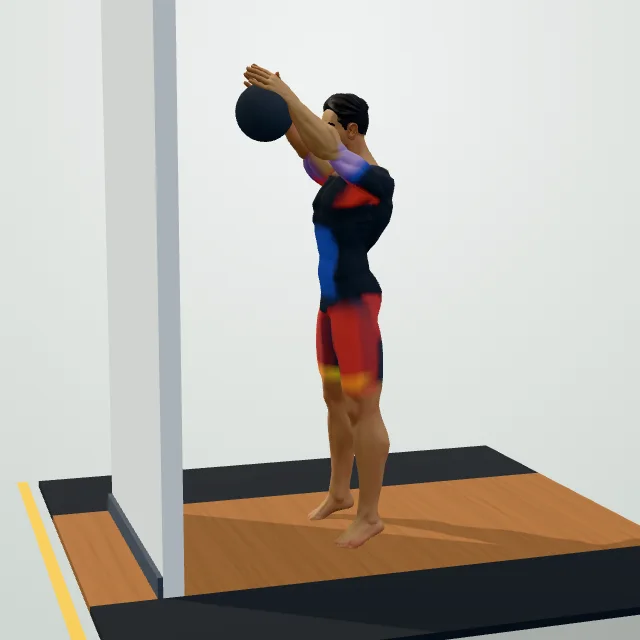
Wall Ball Shot
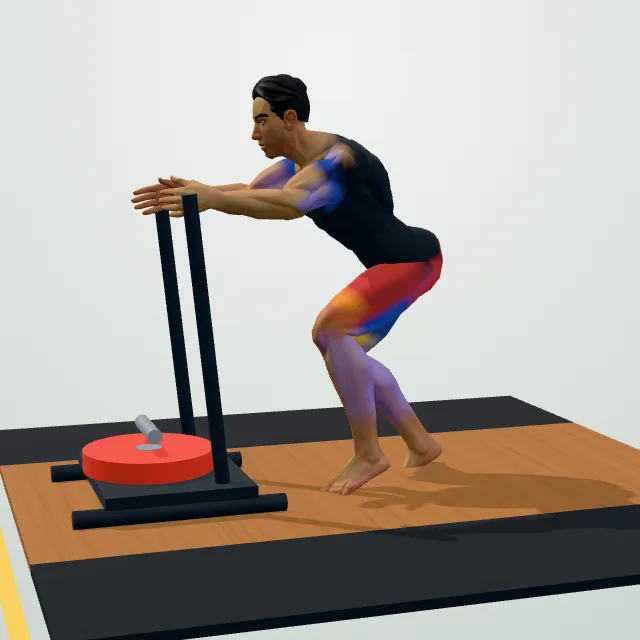
Sled Push
Home or gym
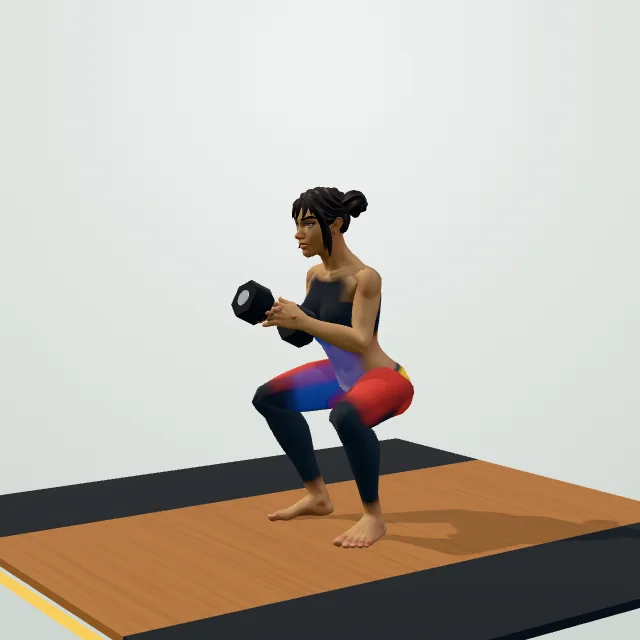
Goblet Squat
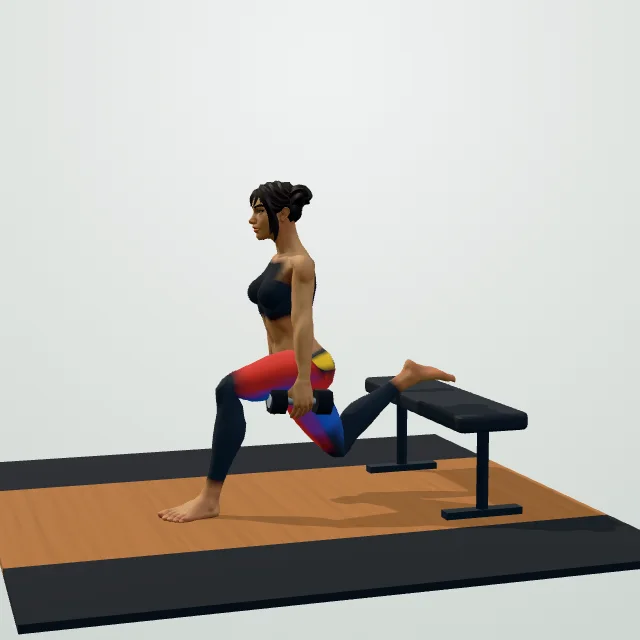
Bulgarian Split Squat
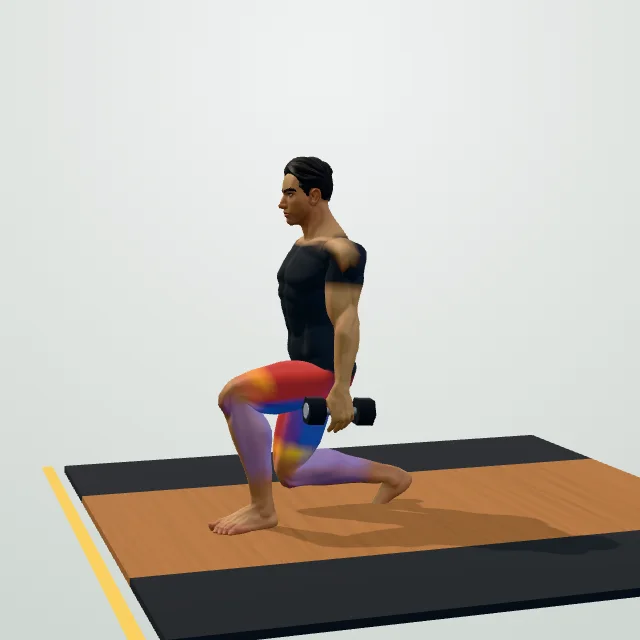
Dumbbell Walking Lunge
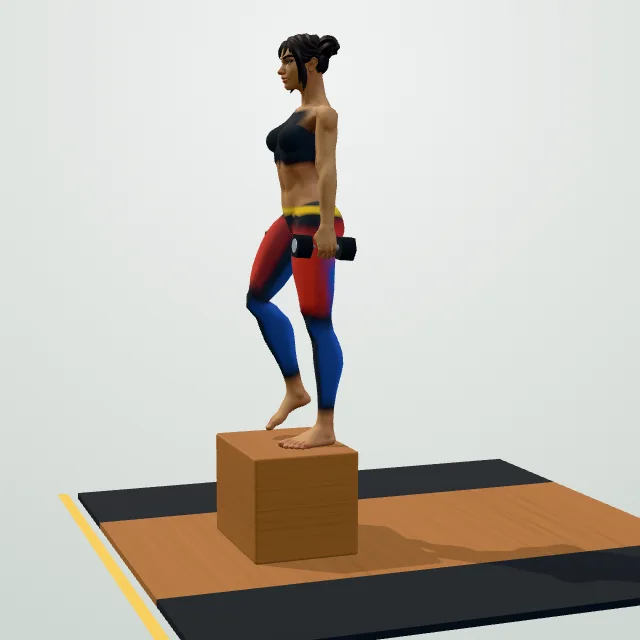
Dumbbell Step-Up
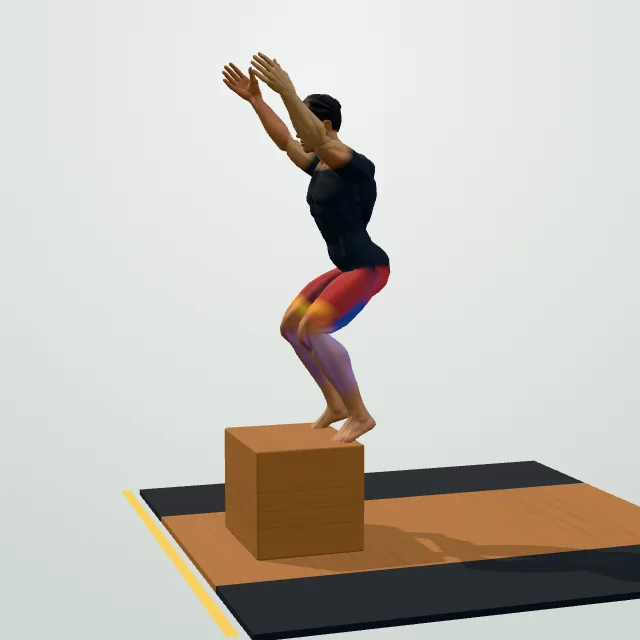
Box Jump
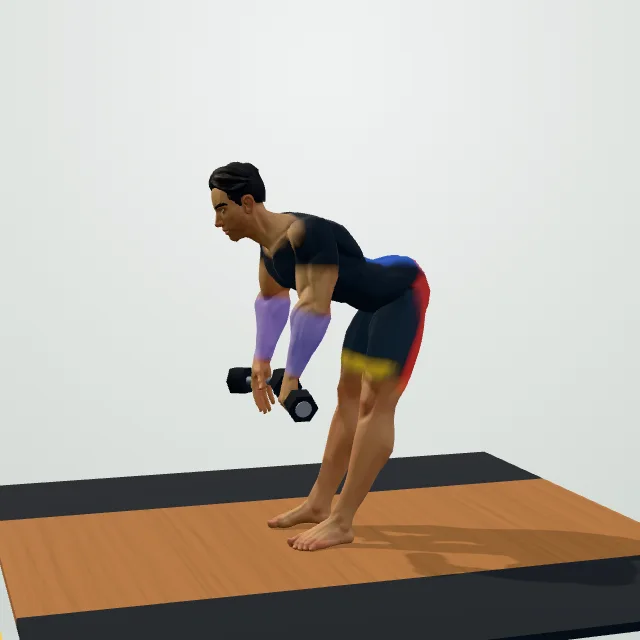
Dumbbell Romanian Deadlift
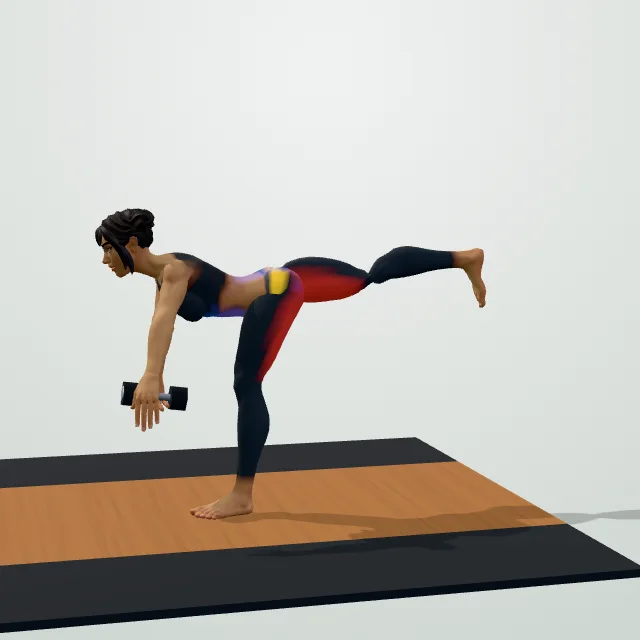
Single-Leg Romanian Deadlift
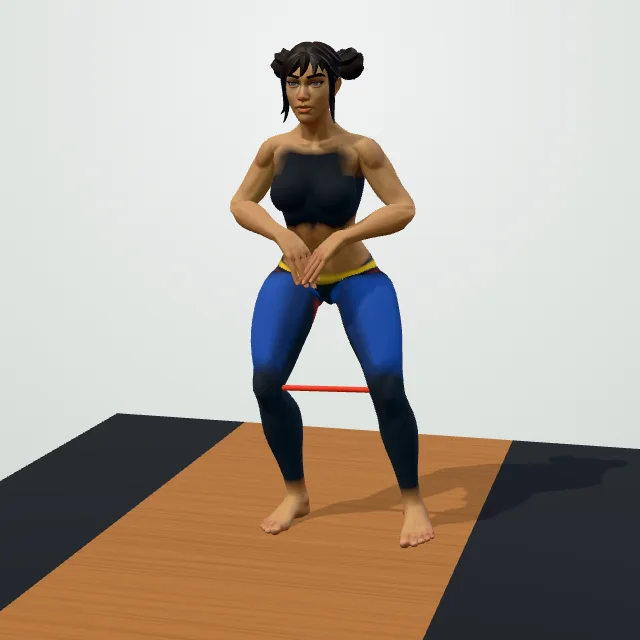
Lateral Band Walk
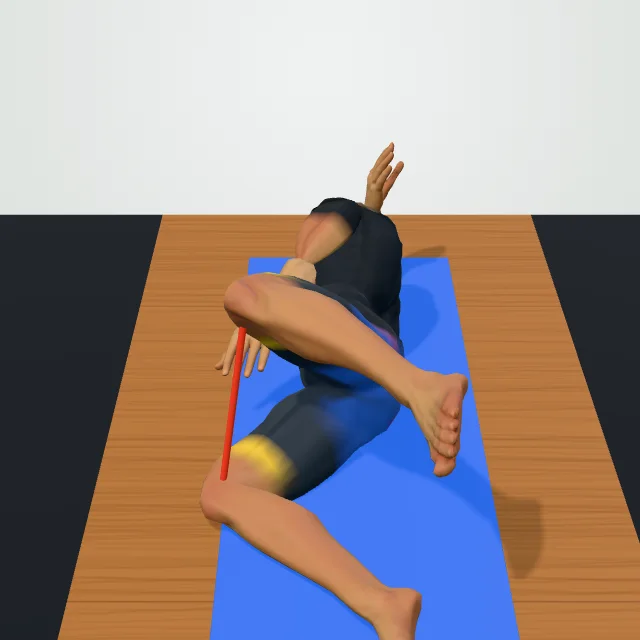
Clamshell
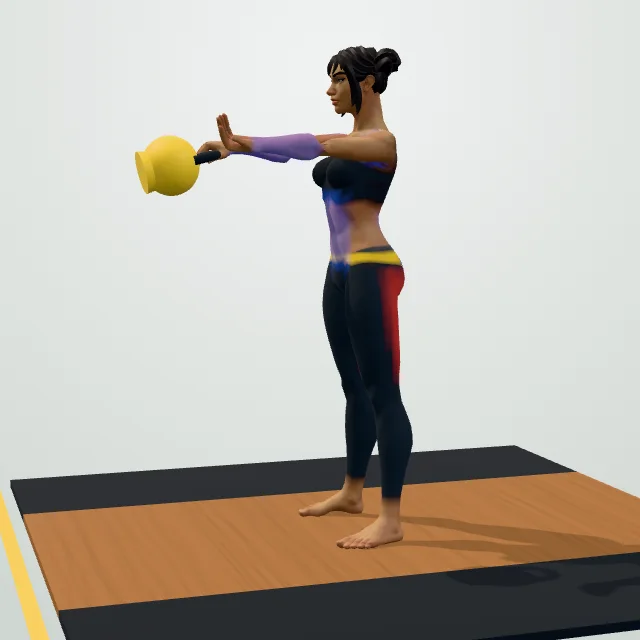
Kettlebell Swing
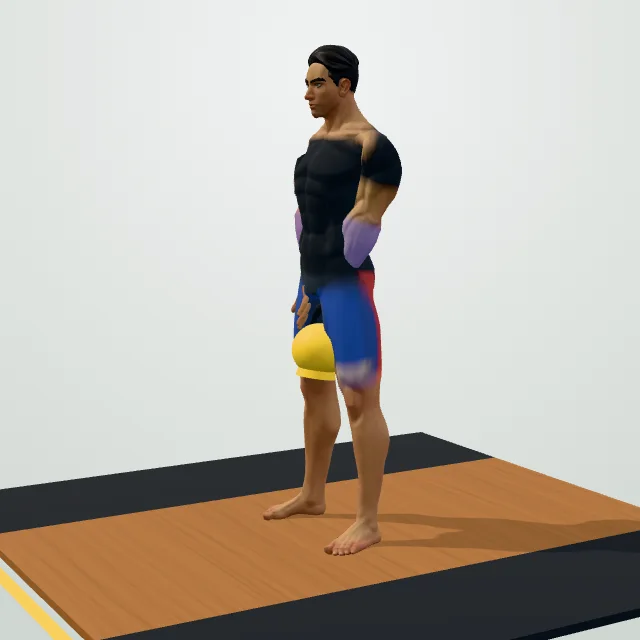
Kettlebell Deadlift
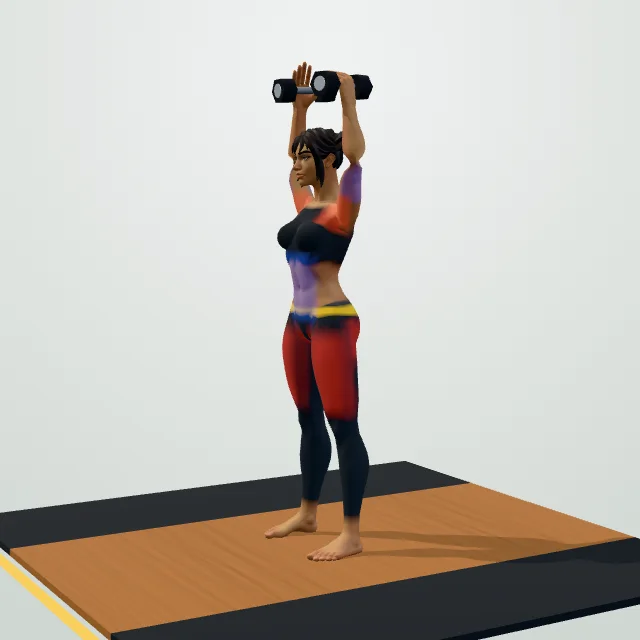
Dumbbell Thruster
Home, no equipment
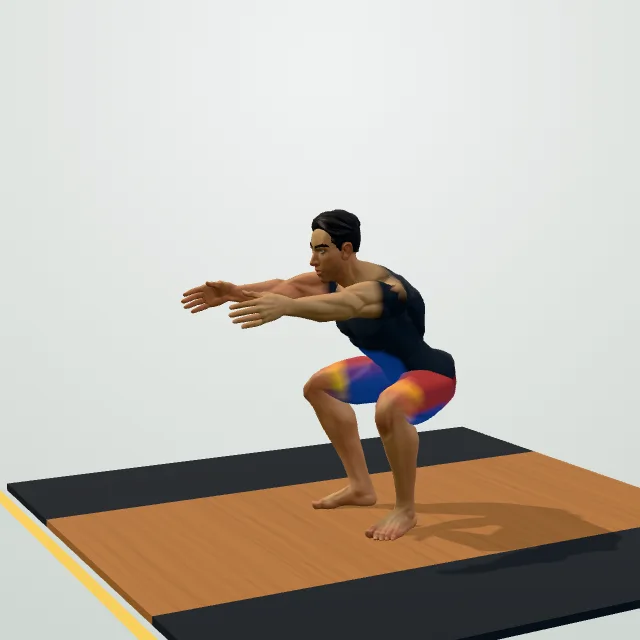
Bodyweight Squat
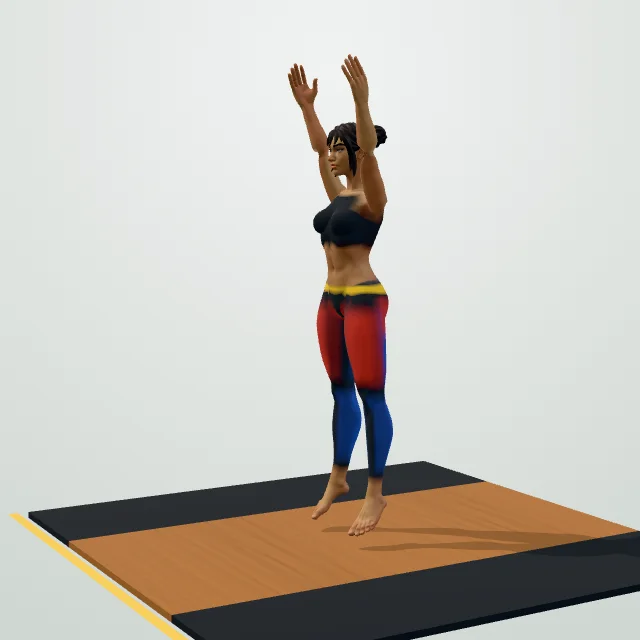
Jump Squat
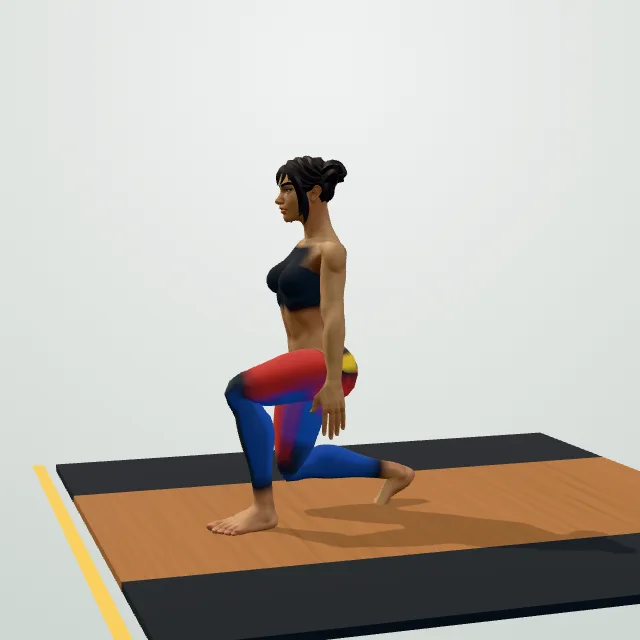
Forward Lunge
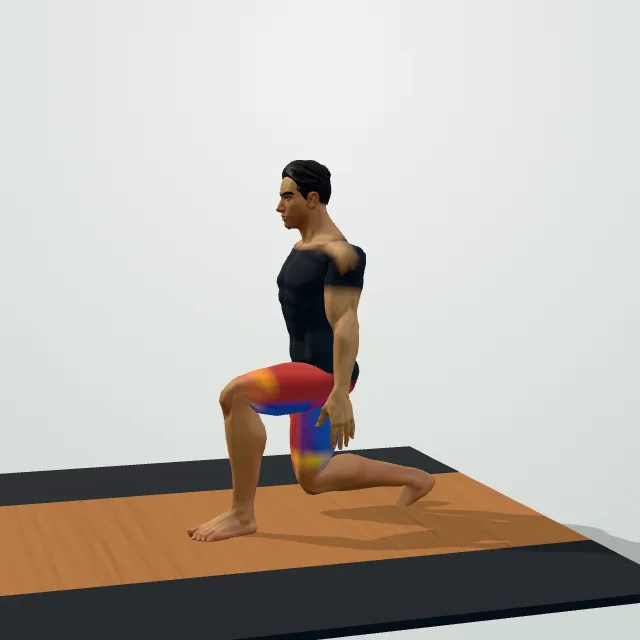
Reverse Lunge
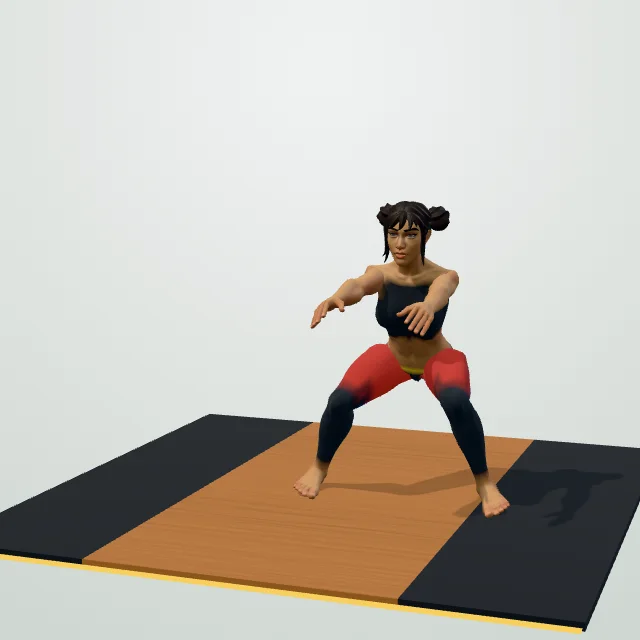
Lateral Lunge
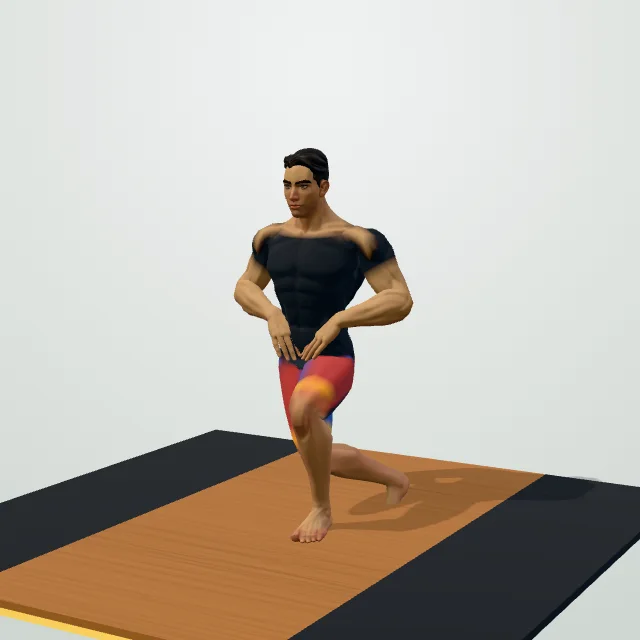
Curtsy Lunge
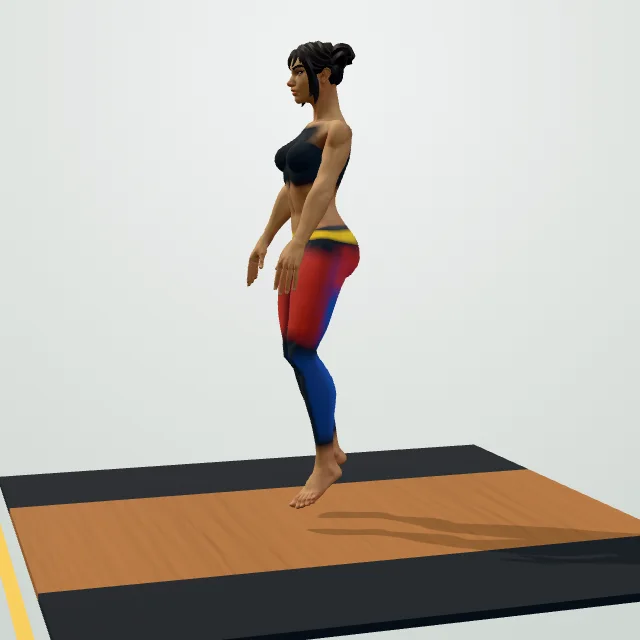
Jumping Lunge
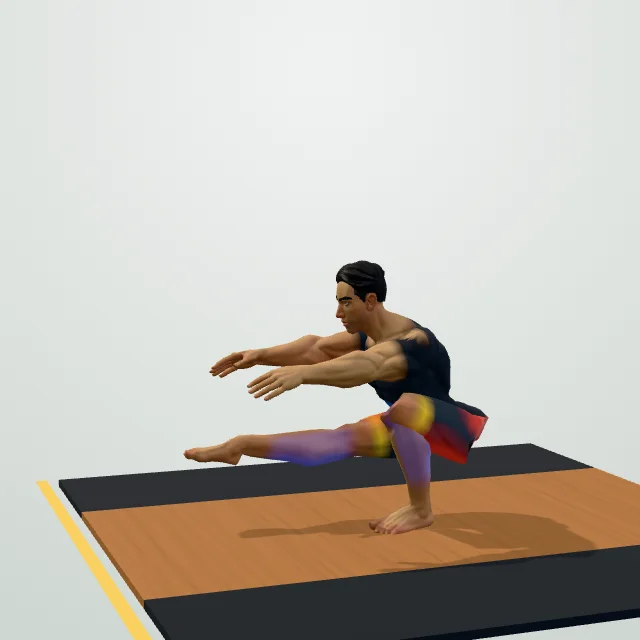
Pistol Squat
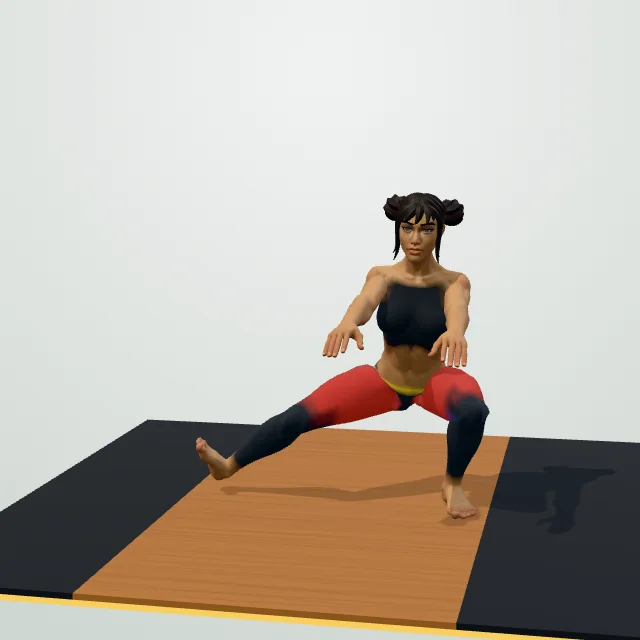
Cossack Squat
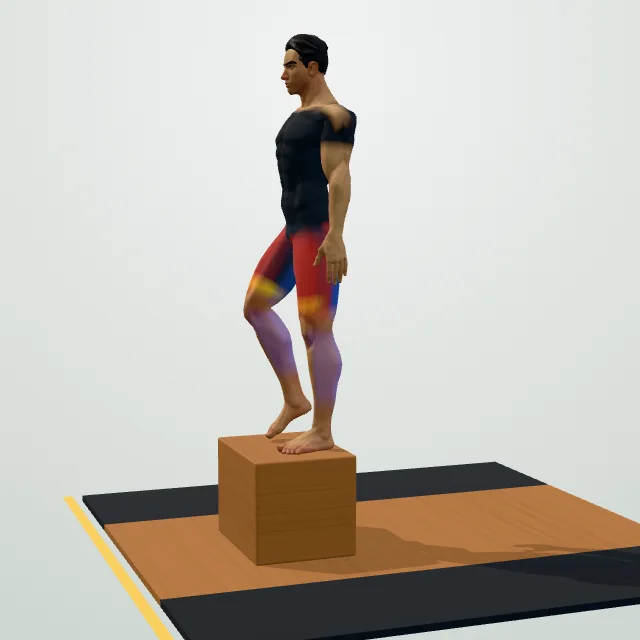
Step-Up
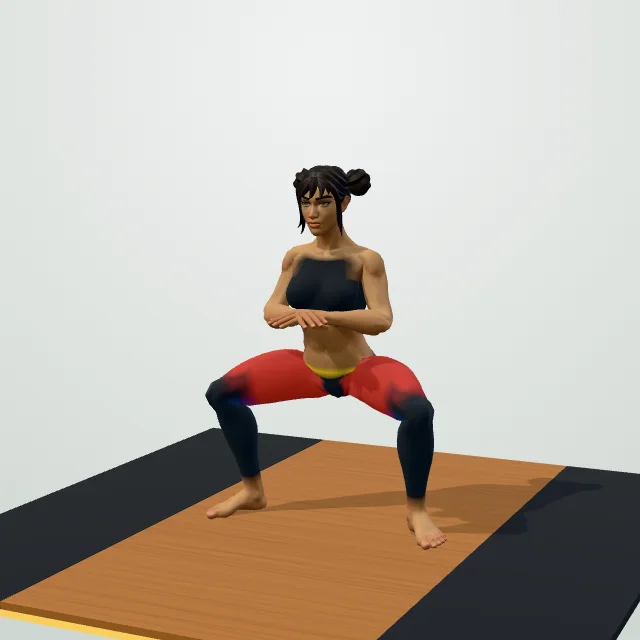
Sumo Squat
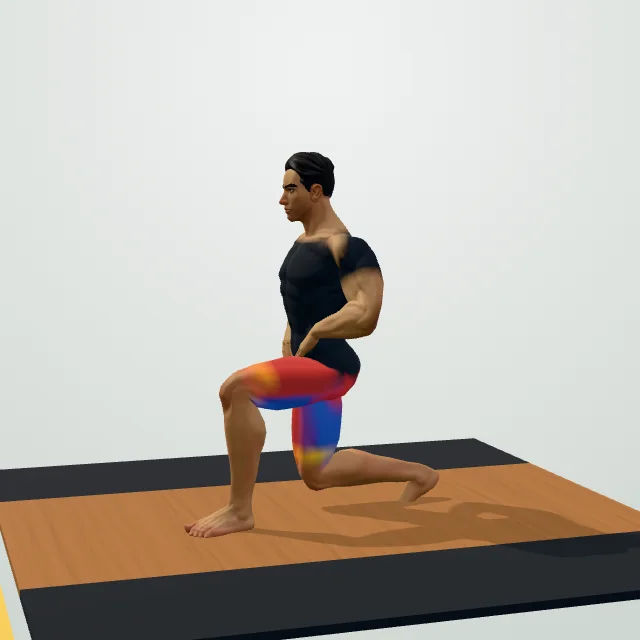
Split Squat
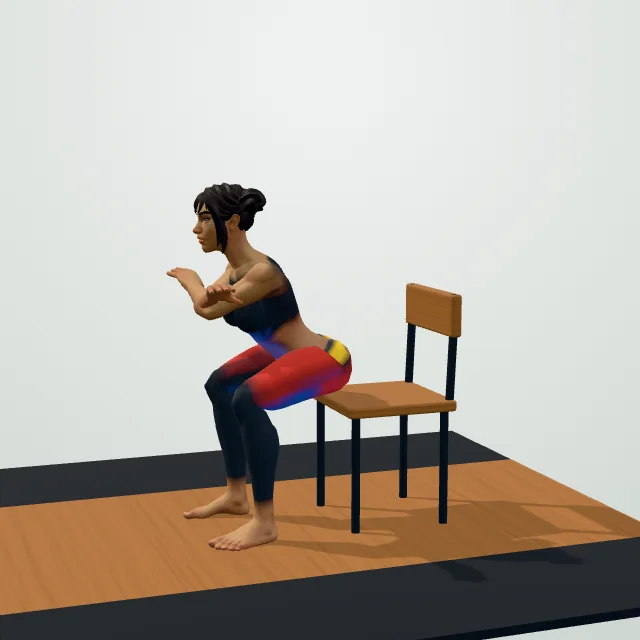
Sit-to-Stand (Chair Squat)
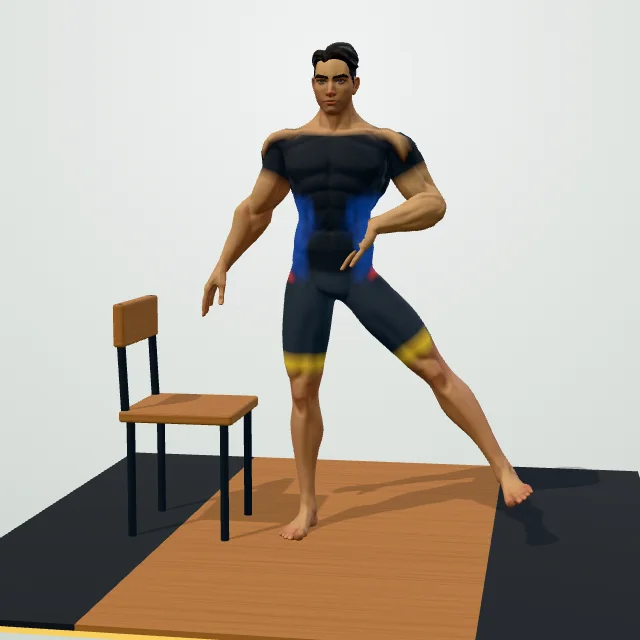
Standing Side Leg Raise
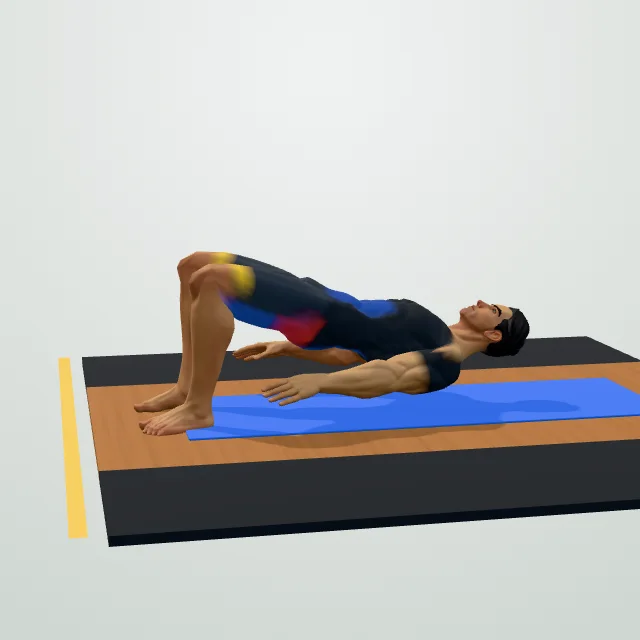
Glute Bridge
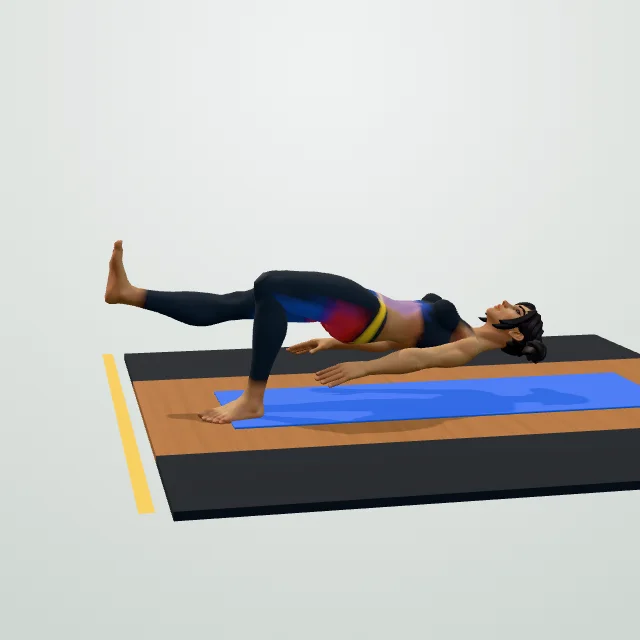
Single-Leg Glute Bridge
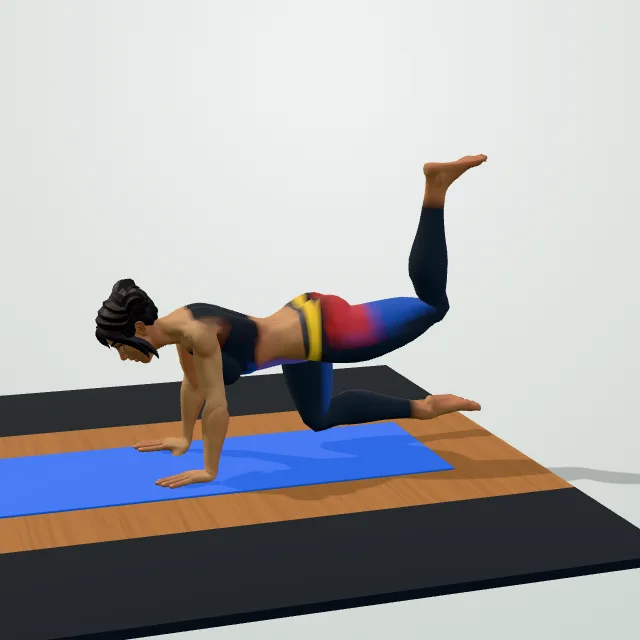
Donkey Kick
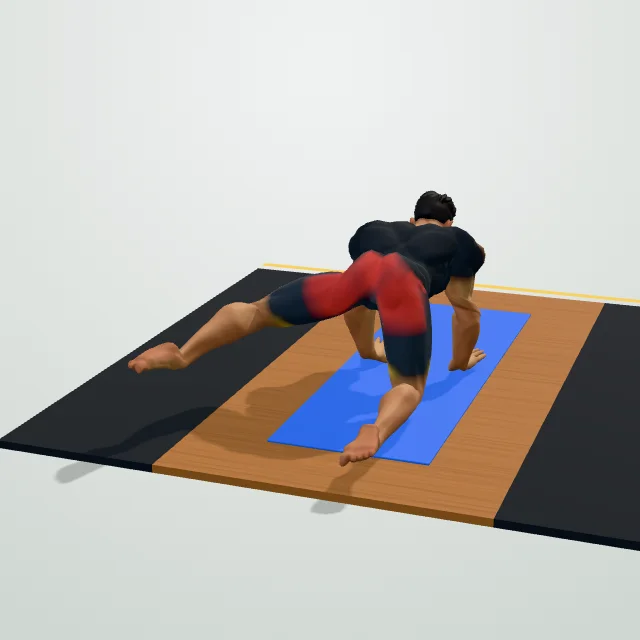
Fire Hydrant
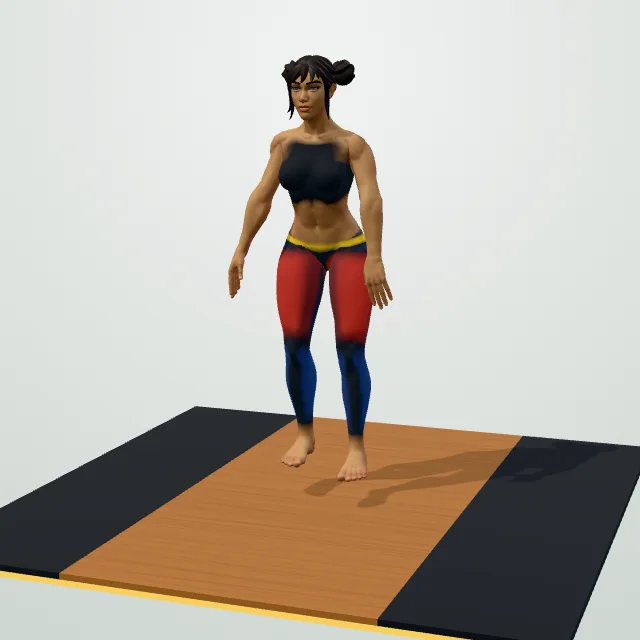
Skater Jump
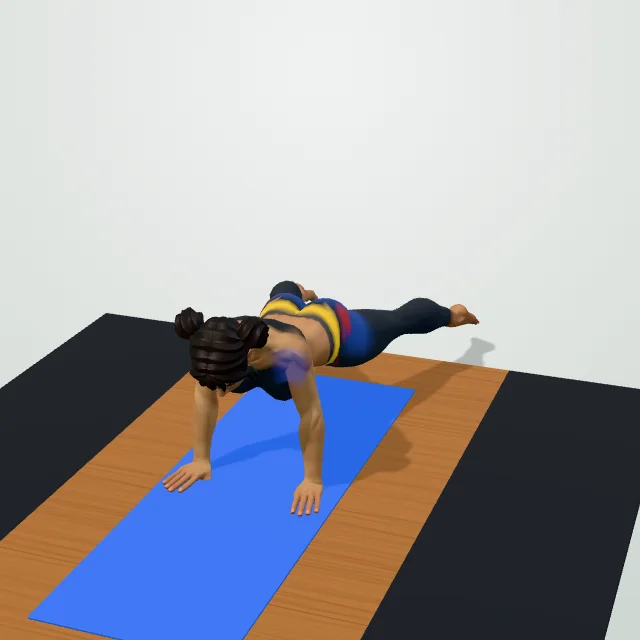
Plank Jack
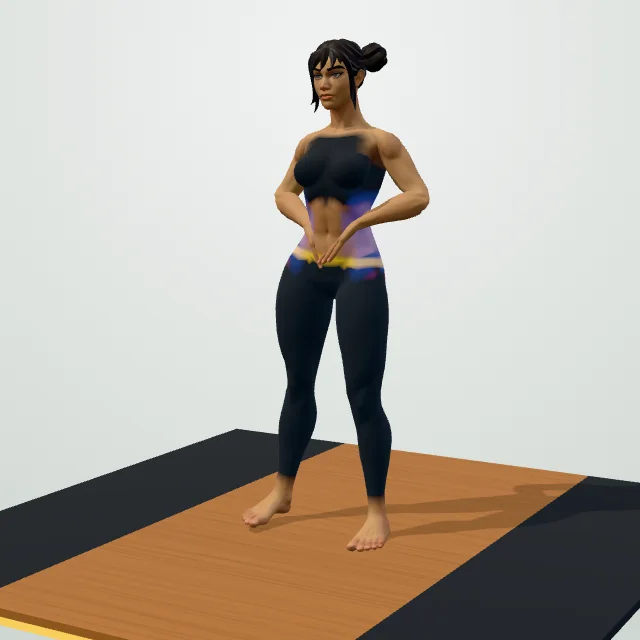
Hip Circles
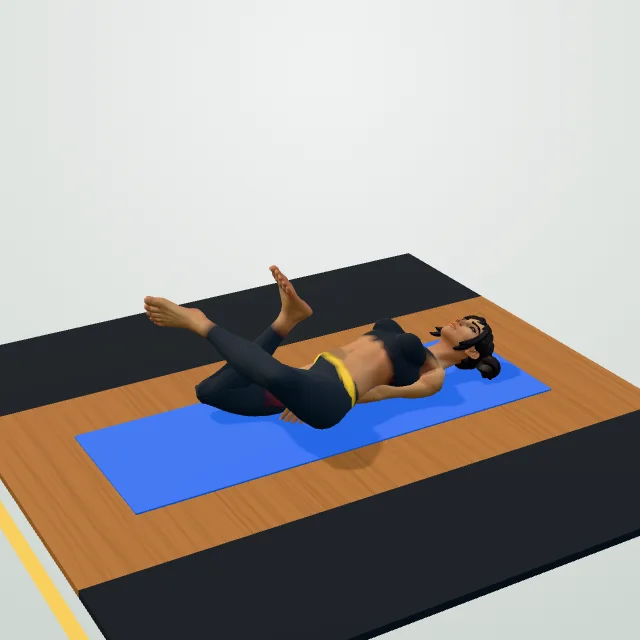
Figure-Four Glute Stretch
Secondary
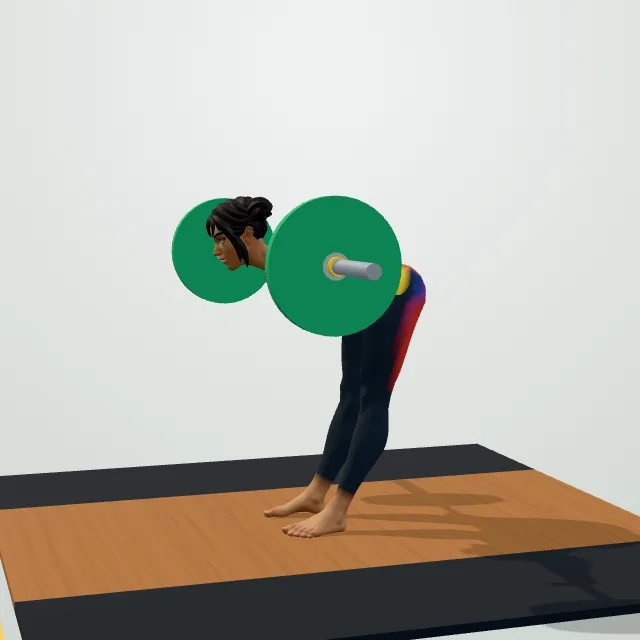
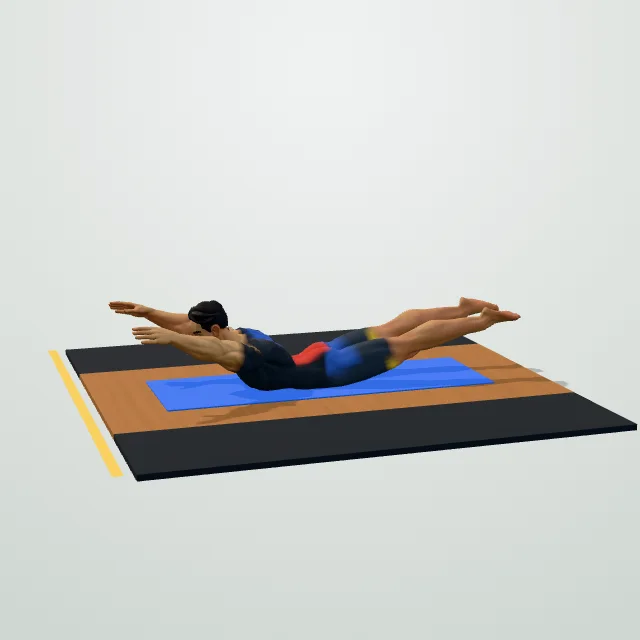
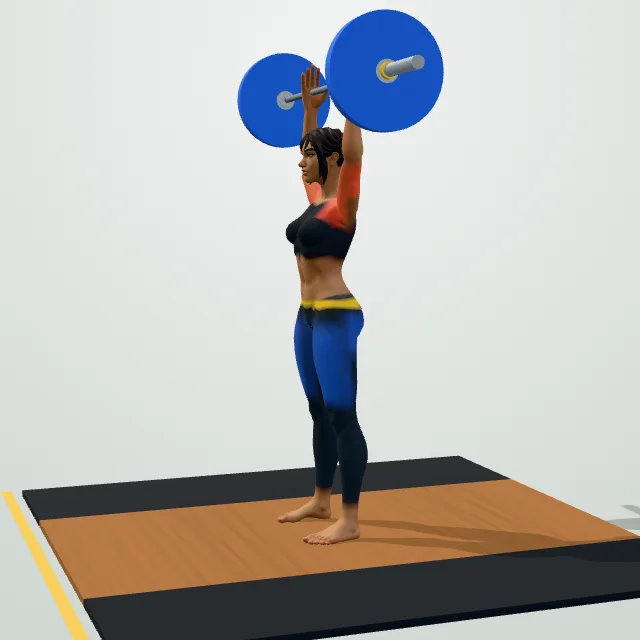
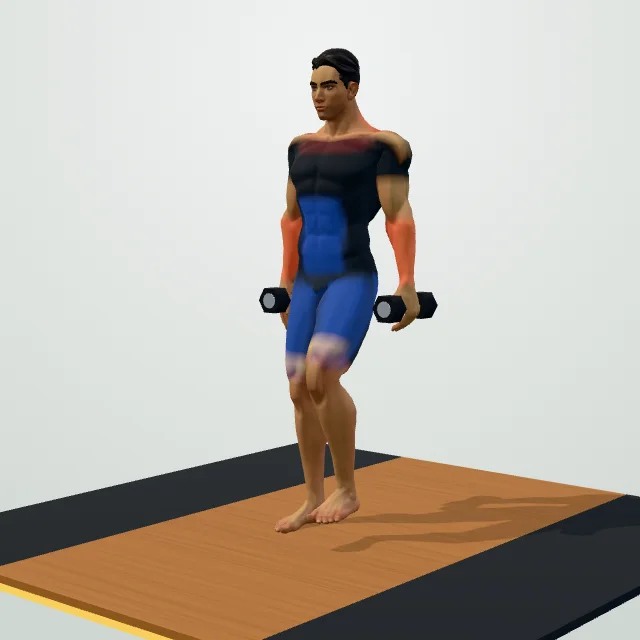
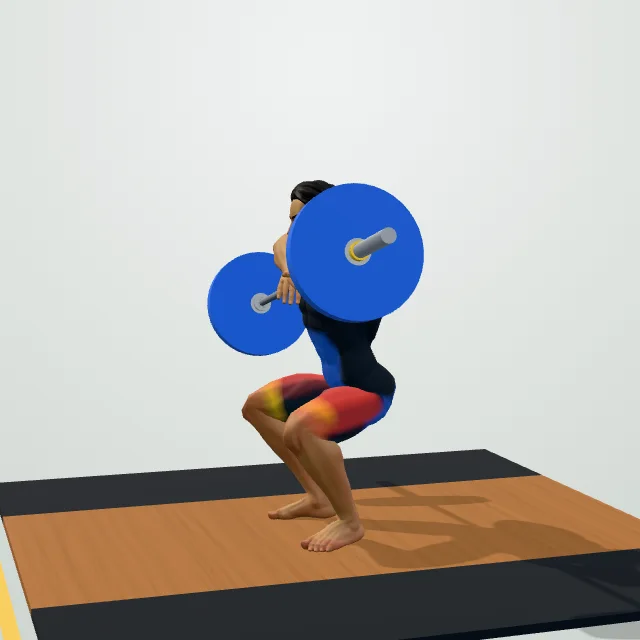
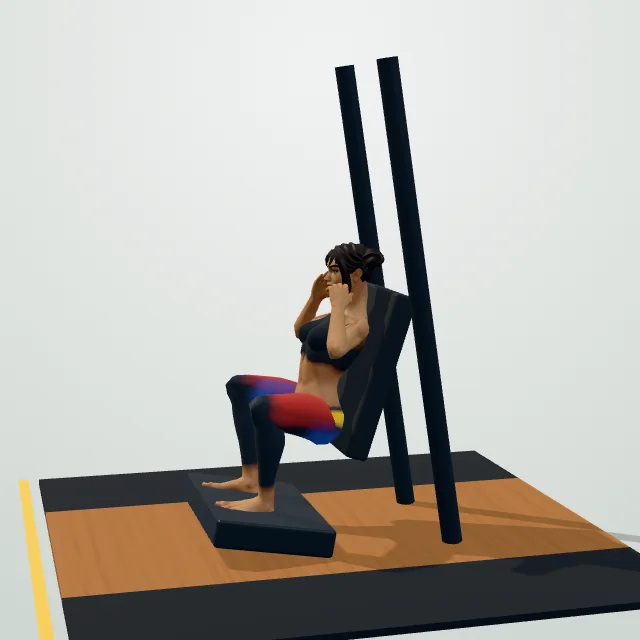
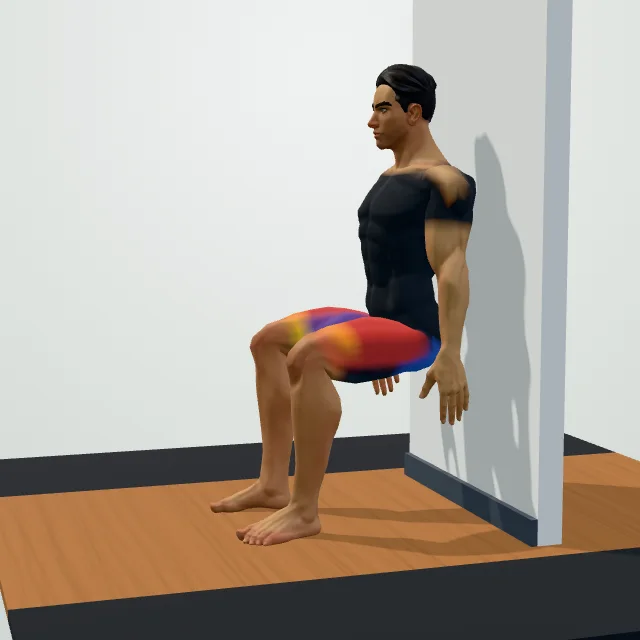
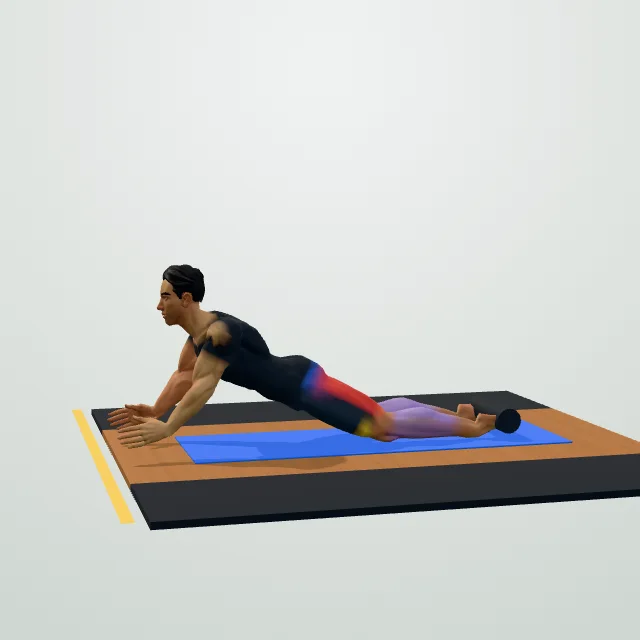
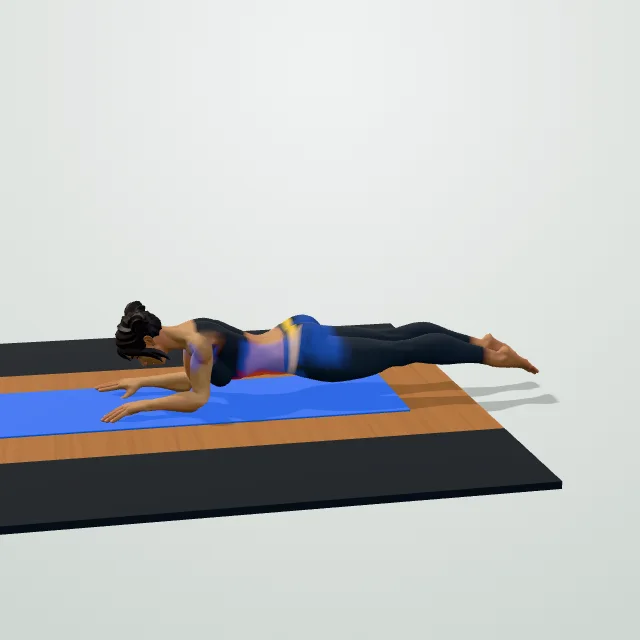
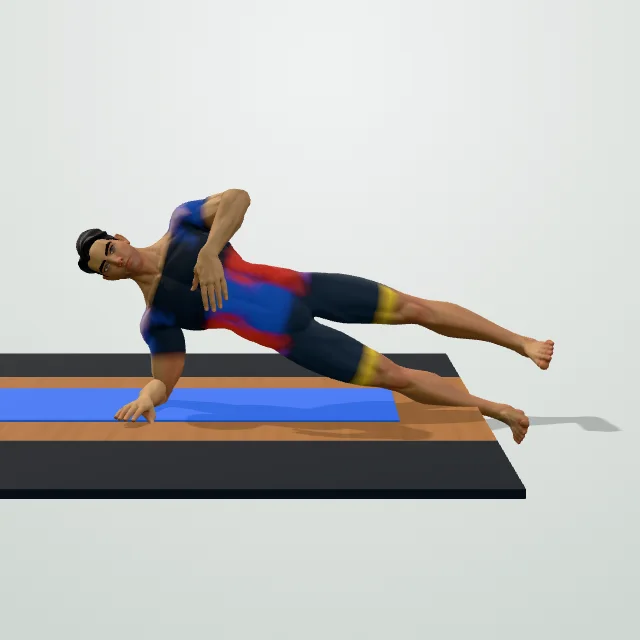
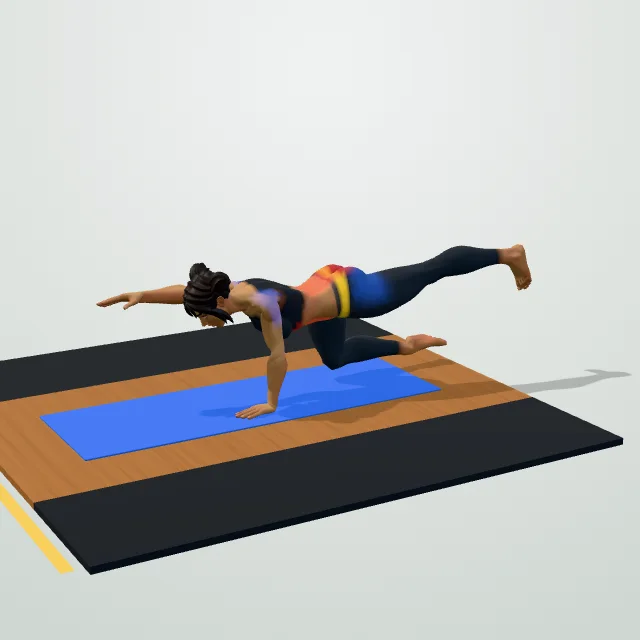
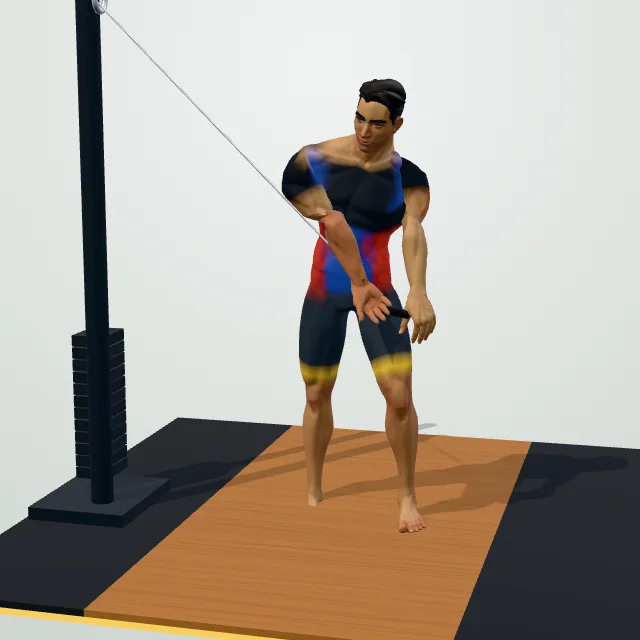
The single most effective glute exercise for most people is a heavy hip hinge or hip thrust variation, because the glutes are built primarily to extend the hip — and that one function underlies almost every strong glute exercise, gym or home.
Glutes anatomy and function
The gluteus maximus is the largest and strongest muscle in the body, and its main job is hip extension — driving the hips forward, as in standing up from a squat, finishing a deadlift, or pushing off in a sprint. The gluteus medius and minimus (grouped here as "outer hips" or abductors) sit higher and to the side, and they move the leg outward and stabilise the pelvis when you are standing on one leg, which is why single-leg and lateral movements target them specifically. A complete glute routine trains both the hip-extension function (with hinges, thrusts, squats) and the hip-abduction/stability function (with lateral and single-leg work), rather than relying on squats alone.
How to train glutes: sets, reps and frequency
Glute training responds well across a wide rep range — heavier hip thrusts and hinges in the 5–10 rep range for strength, and higher-rep bridges, kickbacks and band work (12–20 reps) for endurance and pump. A useful weekly structure trains glutes directly two to three times, combining one heavier hinge or thrust movement, one squat-pattern movement, and one lateral or single-leg movement per session, totalling roughly 12–20 sets a week for most people seeking noticeable growth.
Best gym glute exercises
The hip thrust is widely considered the single best glute-isolating strength exercise, since the hip position at the top maximises glute tension in a way squats and deadlifts do not. The Romanian deadlift and sumo deadlift both load the glutes heavily through a hip hinge. The back squat and Bulgarian split squat combine glute and quad work, with the Bulgarian split squat adding a strong single-leg stability demand. The cable kickback and hip abduction machine isolate the glutes directly with controlled resistance, useful as finishing exercises after the heavier compound work.
Best home glute exercises
The glute bridge and its harder single-leg version, the single-leg glute bridge, are the bodyweight equivalent of a hip thrust and need no equipment at all. Lunges in their many variations — reverse, lateral and curtsy — train the glutes from different angles using only bodyweight. The donkey kick and fire hydrant are common low-load isolation moves, while a resistance band adds real progressive challenge through lateral band walk and clamshell, both aimed squarely at the gluteus medius rather than the maximus.
Sample glute workout
| Exercise | Sets | Reps | Rest |
|---|---|---|---|
| Hip thrust or glute bridge | 4 | 8–12 | 90 s–2 min |
| Bulgarian split squat | 3 | 8–12 per side | 90 s |
| Romanian deadlift (or dumbbell version) | 3 | 8–12 | 90 s |
| Lateral band walk | 2–3 | 12–15 per side | 45–60 s |
Common mistakes
Hyperextending the lower back at the top of a hip thrust or glute bridge to squeeze harder actually shifts load off the glutes and onto the spine — stop the movement when the hips and torso form a straight line, without arching further. Letting the knees cave inward on squats and lunges reduces glute and hip stability involvement and adds knee strain — actively push the knees out in line with the toes. Only training heavy compound hinges and squats while skipping lateral, single-leg work leaves the gluteus medius undertrained, which can show up as hip instability or knee tracking issues later. Rushing through reps to move more weight, rather than pausing briefly at the top of a thrust or bridge, reduces the actual glute contraction that drives growth.
Glute exercises for runners
Weak or under-active glutes, particularly the gluteus medius, are commonly linked with knee and hip tracking issues in runners, since a stable pelvis during single-leg stance depends heavily on that muscle. Lateral band walks, single-leg glute bridges and clamshells are frequently used as a short pre-run activation routine or a separate strength session, alongside heavier hip thrusts or Romanian deadlifts on non-running days for overall glute strength.
Glute exercises and knee pain
Glute exercises that avoid deep knee bending — hip thrusts, glute bridges, cable kickbacks, lateral band walks — are often a good option for people managing knee discomfort, since the glutes can be trained hard through hip extension without heavily loading the knee joint. If knee pain is ongoing rather than occasional soreness, check with a doctor or physiotherapist before choosing exercises around it, and see the exercise for knee pain guide for more detail.