General fitness · Beginner
30-day home workout plan: no equipment needed
This 30-day home workout plan uses only your bodyweight, four sessions a week across three rotating workouts, and gets a little harder every week so week 4 is noticeably tougher than week 1.
Your week
Sessions
Legs and core
| Exercise | sets | Rest | |
|---|---|---|---|
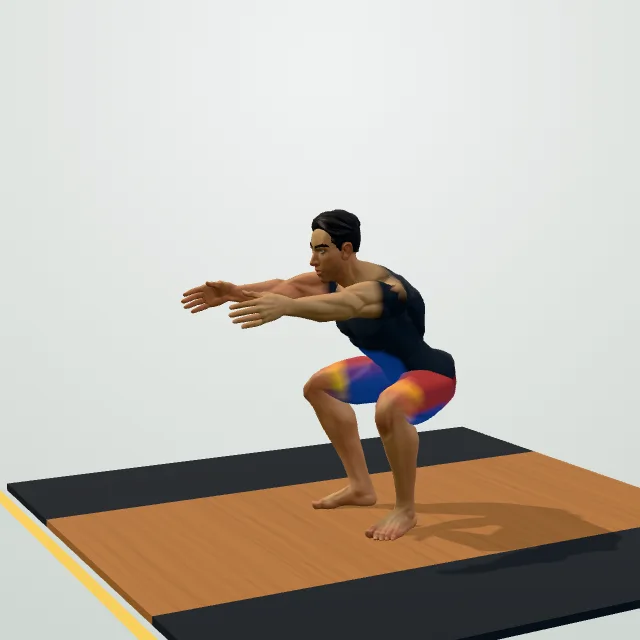
| Bodyweight Squat | 3 × 15 | 60 s |
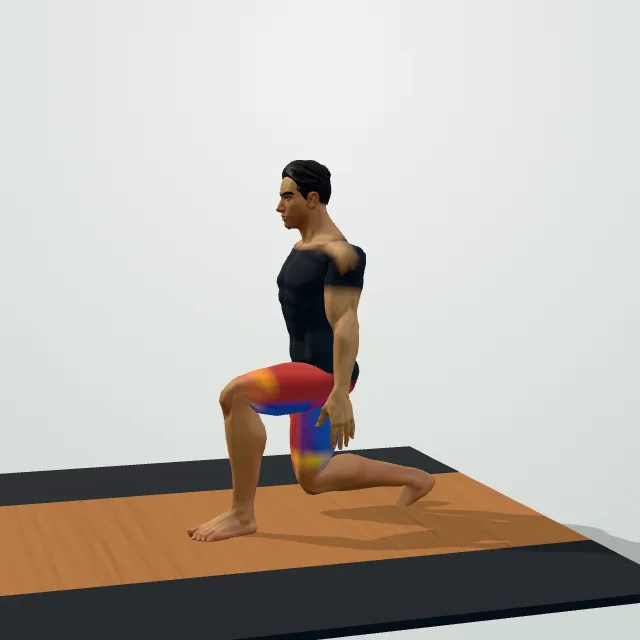 | Reverse Lunge | 3 × 10 per side | 60 s |
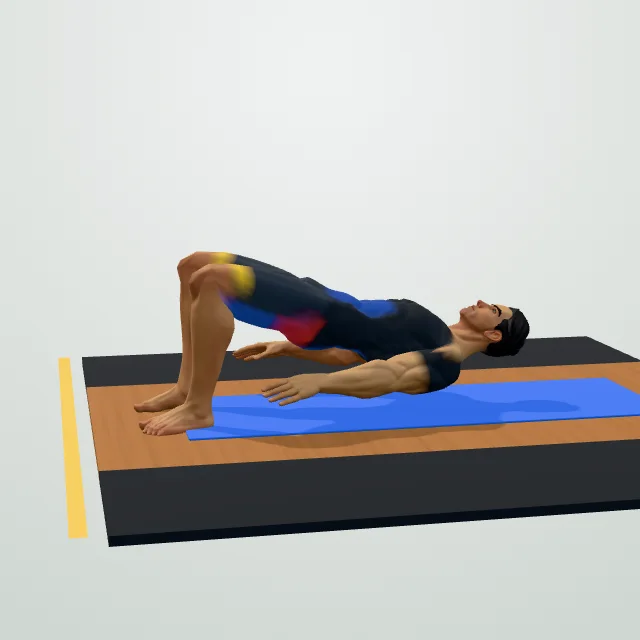 | Glute Bridge | 3 × 15 | 45 s |
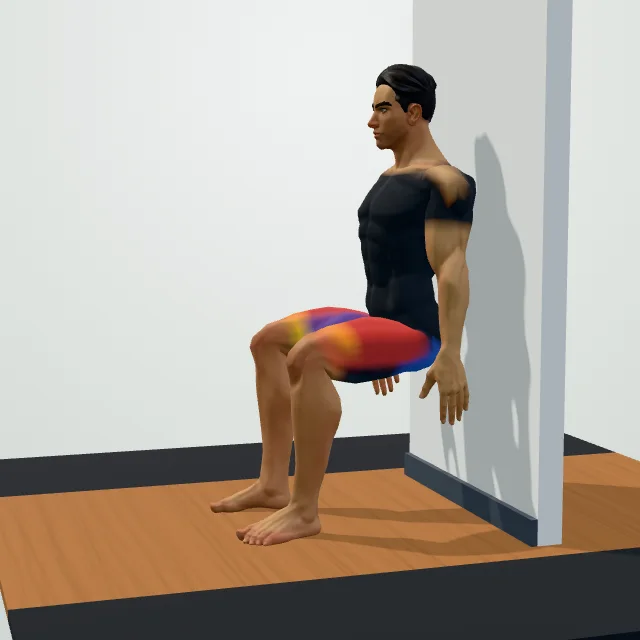 | Wall Sit | 3 × 30 s | 45 s |
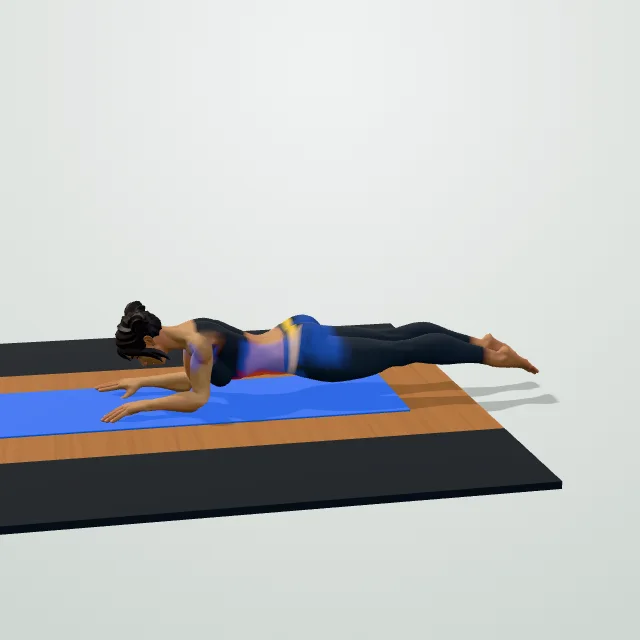 | Plank | 3 × 30 s | 45 s |
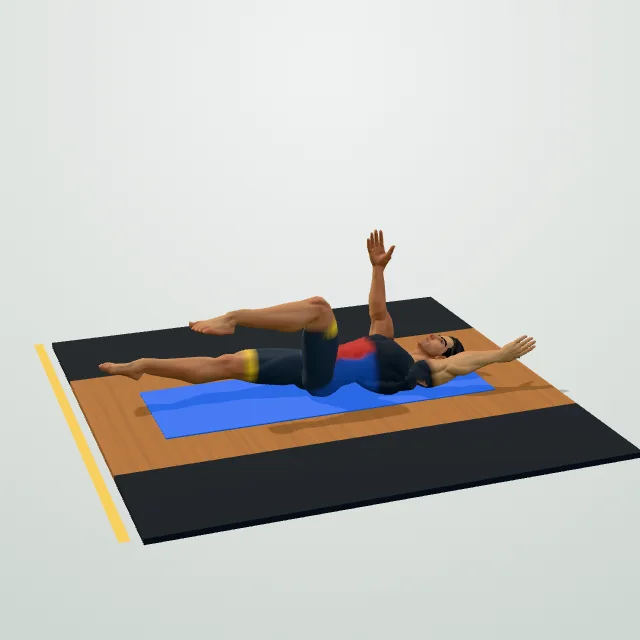 | Dead Bug | 3 × 10 per side | 30 s |
Upper body and core
| Exercise | sets | Rest | |
|---|---|---|---|
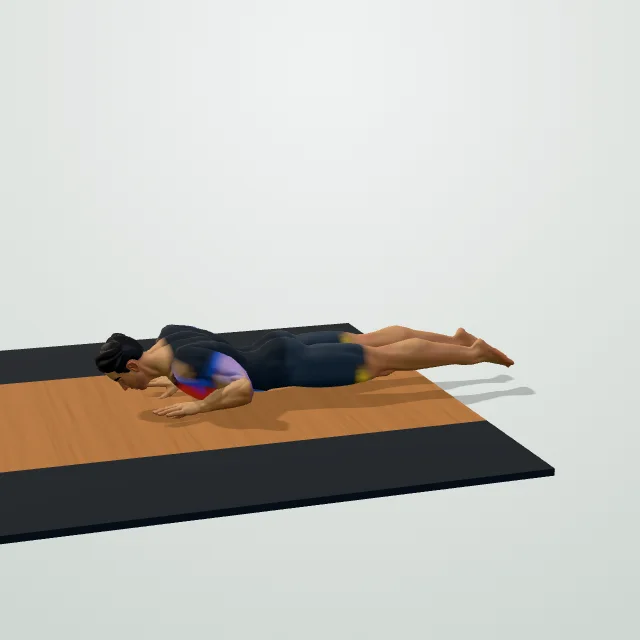 | Push-Up | 3 × 8-12 | 60 s |
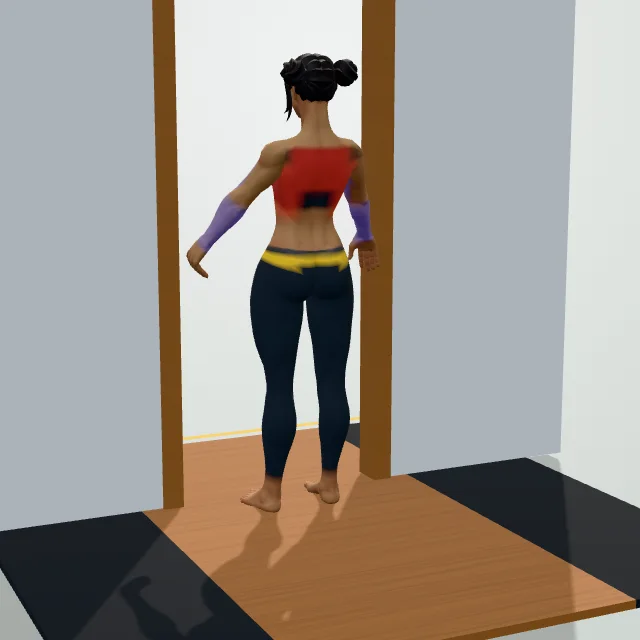 | Doorframe Row | 3 × 12 | 60 s |
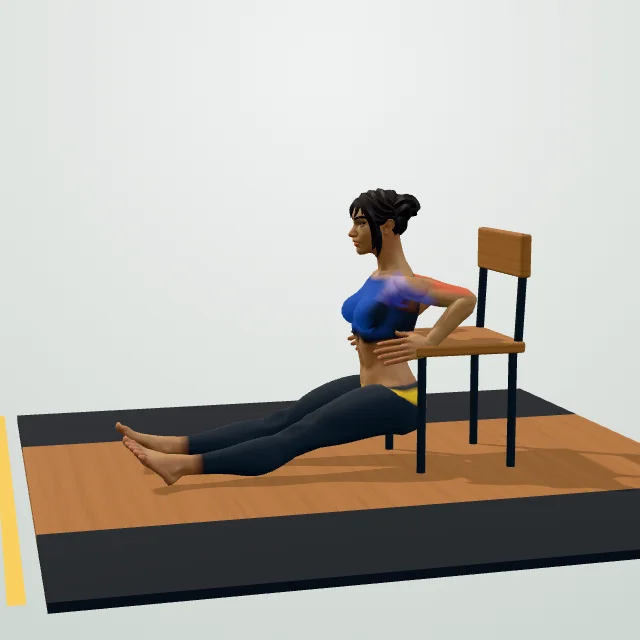 | Bench Dip | 3 × 10 | 60 s |
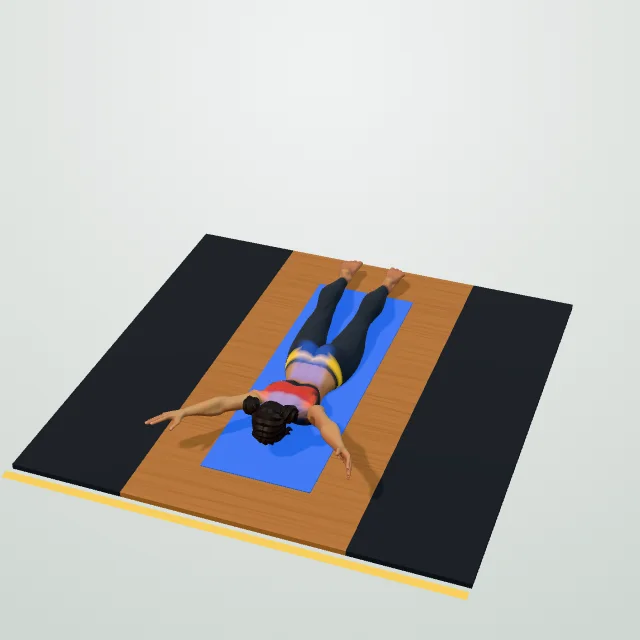 | Prone Y-T-W Raise | 3 × 8 | 45 s |
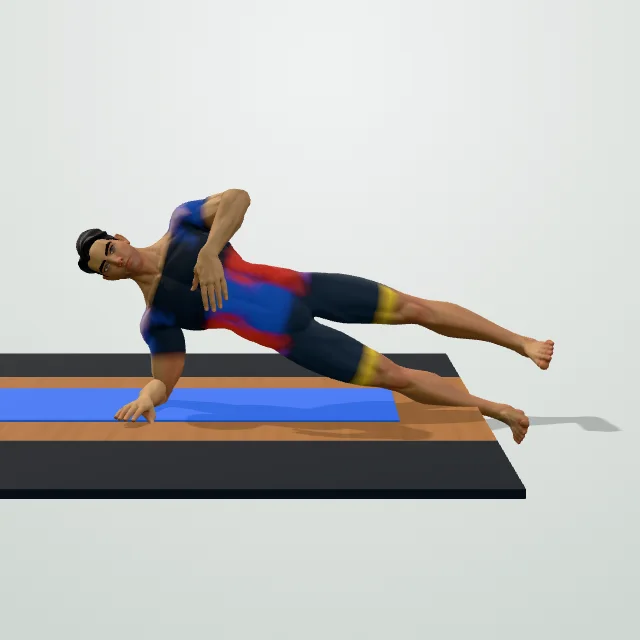 | Side Plank | 3 × 20 s per side | 30 s |
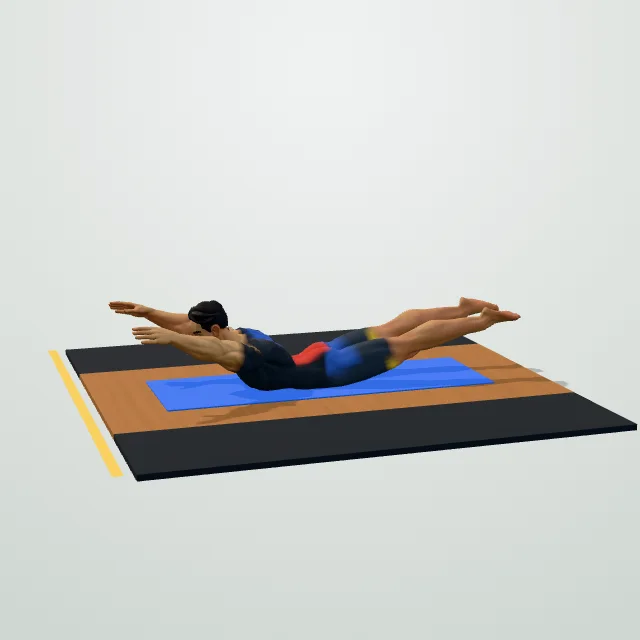 | Superman | 3 × 12 | 30 s |
Full-body conditioning
| Exercise | Work | Rest | |
|---|---|---|---|
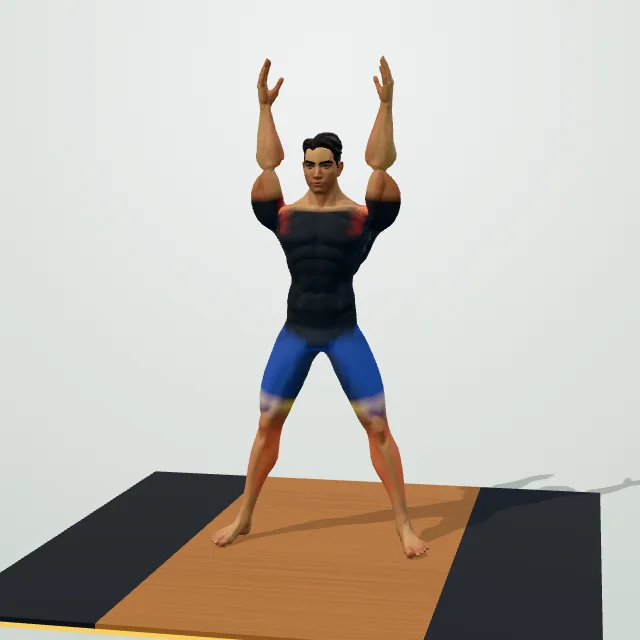 | Jumping Jacks | 40 s | 20 s |
| Bodyweight Squat | 40 s | 20 s |
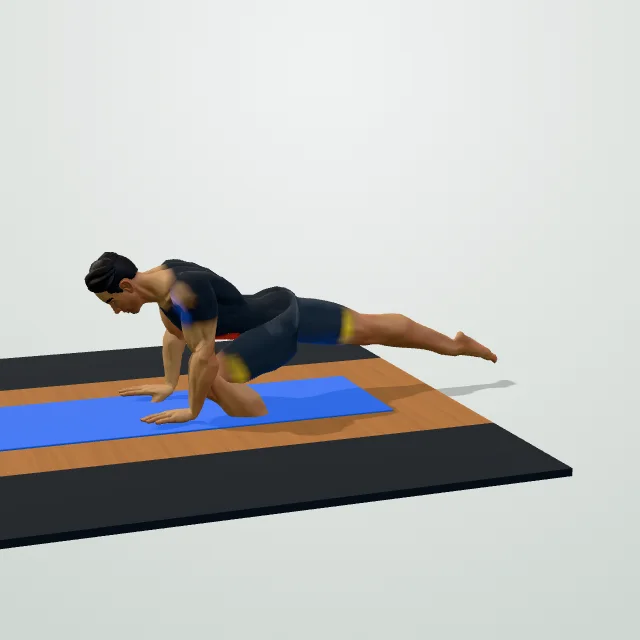 | Mountain Climber | 40 s | 20 s |
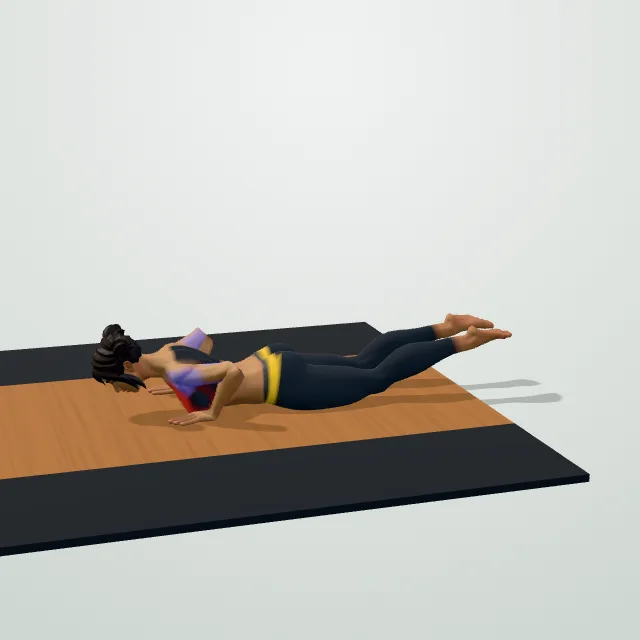 | Knee Push-Up | 40 s | 20 s |
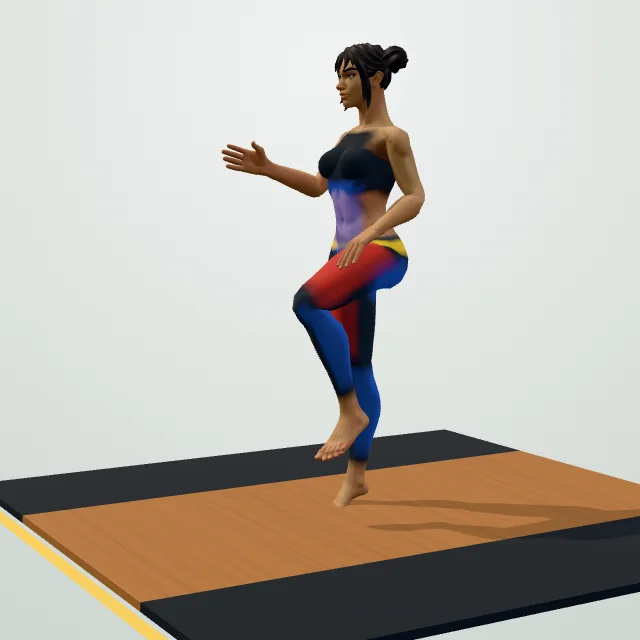 | High Knees | 40 s | 20 s |
| Reverse Lunge | 40 s | 20 s |
| Plank | 40 s | 20 s |
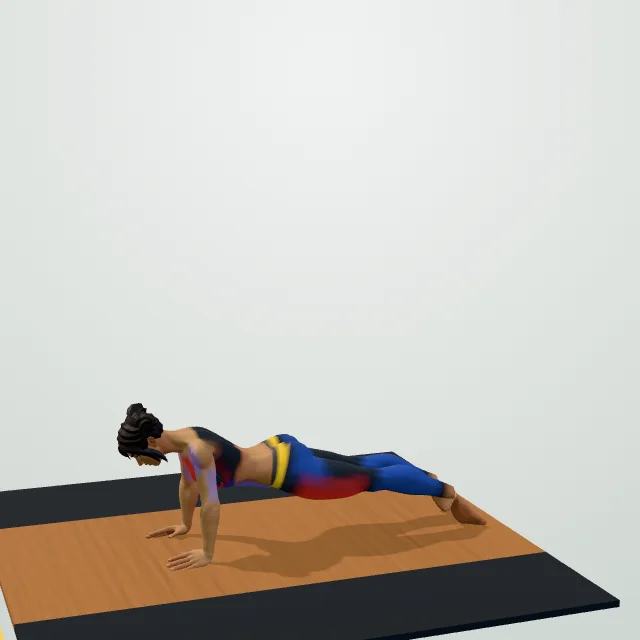 | Burpee | 40 s | 20 s |
| Round of 3 × 3 · Rest 60 s | |||
How to progress
- Week 1: 2 sets of each exercise (2 rounds of the circuit).
- Week 2: 3 sets.
- Week 3: 3 sets and the harder version where you can (push-up instead of knee push-up, jump squat instead of squat).
- Week 4: 4 sets. Then repeat the month with harder versions.
A 30-day home workout plan gives you a fixed month-long structure so you are never wondering what to do next: this one runs four sessions a week — legs and core, upper body and core, and a full-body conditioning circuit — using nothing but your own bodyweight, and it adds a set or a harder exercise variation each week so week 4 pushes noticeably harder than week 1.
Who this 30-day home workout plan is for
This plan suits complete beginners and anyone without gym access or equipment at home — all you need is enough floor space to lie down and do a push-up. It is a good fit if you searched for a no equipment workout plan or a home workout plan for beginners and want something you can start today rather than research further. If you own a pair of dumbbells, the full-body dumbbell workout plan will progress you faster since you can add real load instead of just harder bodyweight variations. If your main goal is losing fat rather than building a base of strength, see the 4-week fat-loss workout plan, which mixes strength circuits with steady cardio.
How to run the sessions
Warm up for 5 minutes before every session — Forma's dynamic warm-up works well, or a couple of easy rounds of jumping jacks and bodyweight squats. On the legs-and-core (A) and upper-body-and-core (B) sessions, work through the exercises in order and rest the full time shown between sets — 45–60 seconds is enough since these are bodyweight loads, not heavy weights. On the full-body conditioning circuit (C), move from exercise to exercise with only the short rest listed, and take the longer rest between rounds — the goal there is to keep your heart rate up, not to rest fully between moves. Finish with a few minutes of the cool-down stretch.
Choosing your starting difficulty
With no external weight to adjust, your main dial is the exercise variation and how close to failure you push. On push-ups, start with the knee push-up if a full push-up is too hard for 8 clean reps — dropping to your knees is not "cheating," it is how you build to a full push-up. On planks and wall sits, hold the position with good form (hips level, no sagging) rather than chasing a longer time with poor form. In week 1, aim to finish every set with 3–4 reps in reserve — plenty left in the tank — since the plan itself will add difficulty for you over the coming weeks.
Week-to-week progression, with numbers
Week 1: 2 sets of each exercise (2 rounds of the conditioning circuit) — this is your baseline, focused on learning good form. Week 2: 3 sets of each exercise. Week 3: 3 sets, and swap in the harder version of any exercise you can already do well, for example a full push-up instead of a knee push-up, or a jump squat instead of a bodyweight squat. Week 4: 4 sets, using the harder versions from week 3 wherever you can hold good form. After day 30, either repeat the month using the harder versions throughout, or move to a plan with added equipment such as the dumbbell full-body workout, since your bodyweight strength will have grown enough that dumbbells add useful extra load. This step-by-step build is the same progressive overload idea used in every serious training plan, just applied through sets and exercise difficulty instead of external weight.
Adapting the plan: fewer days, harder or easier, missing space
Only free three days a week: run A, B and C once each and skip the second A that week, rather than doubling up two sessions on the same day. Need it easier: keep every set at 2 rounds/sets throughout the month and stay on the easier exercise variations — there is no rule that says you must reach 4 sets by week 4, only that doing so builds more strength and endurance. Limited space: the conditioning circuit's jumping moves (jumping jacks, mountain climbers, burpees) can be swapped for the marching in place or high knees done on the spot with less lateral movement. If a landlord or downstairs neighbor rules out jumping entirely, replace jump-based moves with slower step-based versions of the same exercise and keep the timing the same.
Recovery, sleep and nutrition basics
Four sessions a week with rest days built in (the calendar leaves two full rest days) gives your muscles roughly 48 hours between sessions that hit the same area, which is enough recovery for a bodyweight plan at this intensity. Sleep 7–9 hours a night if you can — it matters more for recovery and consistency than any single workout choice. If building muscle and strength is your priority, eat roughly 1.6 g of protein per kg of body weight a day; if you are also aiming to lose fat, pair the plan with a modest calorie deficit rather than a crash diet, since crash diets tend to cost you muscle along with fat. Soreness in the first week or two is normal — the muscle soreness guide explains what is expected versus a sign to back off.
Common mistakes on a bodyweight month
- Jumping straight to the hardest exercise version: a full push-up with poor form trains less muscle than a knee push-up with good form. Master the easier version for a full week before progressing.
- Racing through the conditioning circuit: going too fast on jumping jacks or mountain climbers to "beat the clock" usually means sloppy form. Keep the same clean technique whether it is round 1 or round 3.
- Skipping rest days because it's "only bodyweight": your muscles and joints still need recovery time even without external load, especially on high-impact moves like burpees and jump squats.
- Doing every session at maximum effort in week 1: the plan is designed to build gradually. Going all-out too early leads to excess soreness that can make you skip week 2 sessions.
- Ignoring the core work: the plank and dead bug in these sessions protect your lower back during the other exercises — do not cut them short to save time.
What to do after 30 days
Once you finish the month, either repeat it using the harder exercise versions throughout, or move up to a plan that adds real weight, such as the full-body dumbbell workout plan or, if you now have gym access, the beginner full-body gym workout. Use the plan builder to adjust days or equipment at any time, and check the workout split guide once you are ready to choose a longer-term structure.
Questions people ask
Do 30-day home workout plans actually work?
Is a no-equipment workout plan as effective as one with weights?
How do I make my own home workout plan?
What if I cannot do a full push-up yet?
How much space do I need for this 30-day home workout plan?
Can I do this plan for weight loss?
What should I do after finishing the 30 days?
General fitness information, not medical advice. Check with a doctor or physiotherapist before starting if you have a health condition, an injury or are pregnant. Stop if you feel chest pain, dizziness or sharp pain.