Shoulder exercises: the best moves in 3D
How the deltoid muscles work, the best shoulder exercises for the gym and home, and how to program a shoulder workout.
Gym
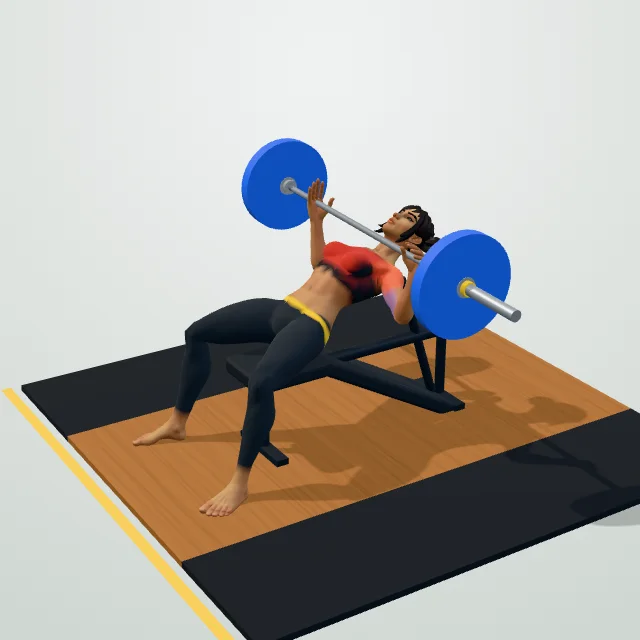
Incline Barbell Bench Press
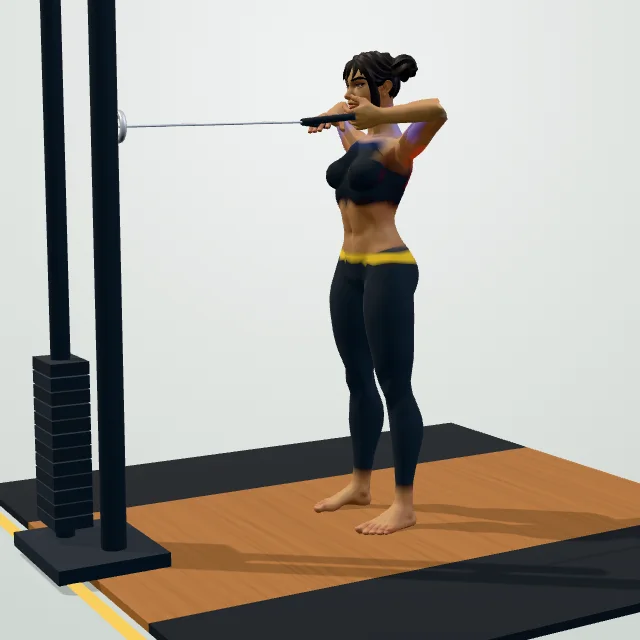
Face Pull
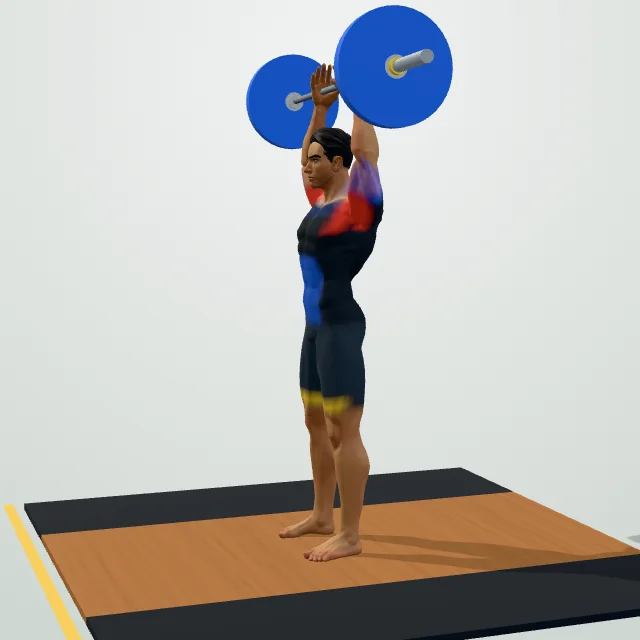
Overhead Press
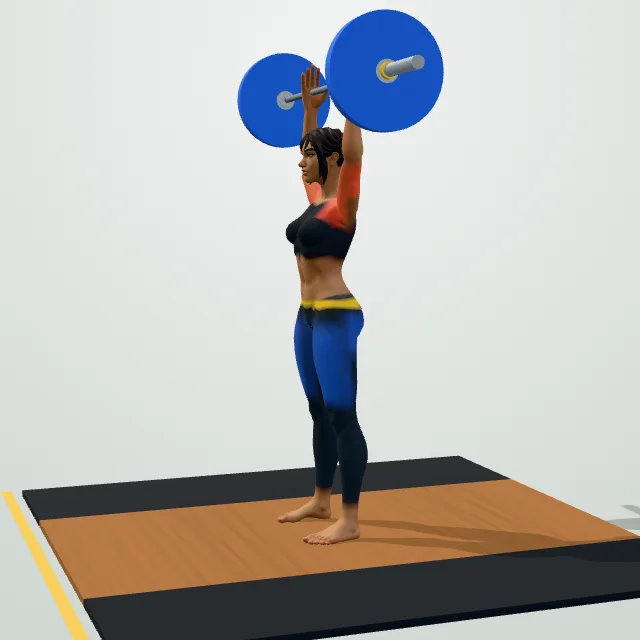
Push Press
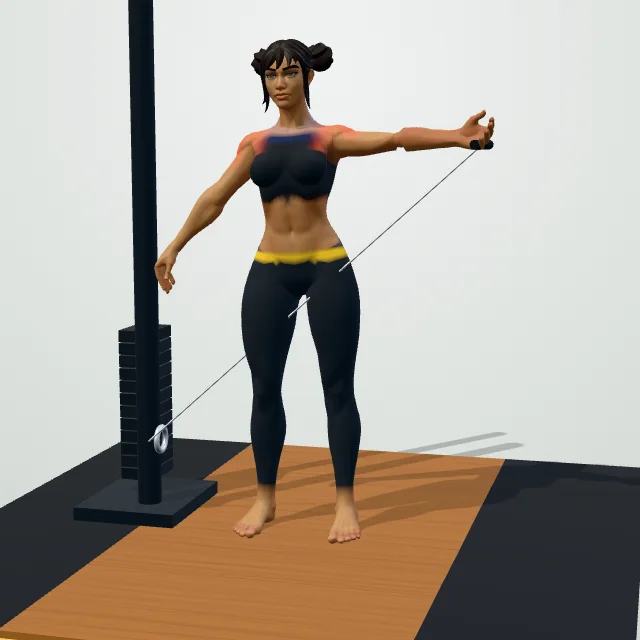
Cable Lateral Raise
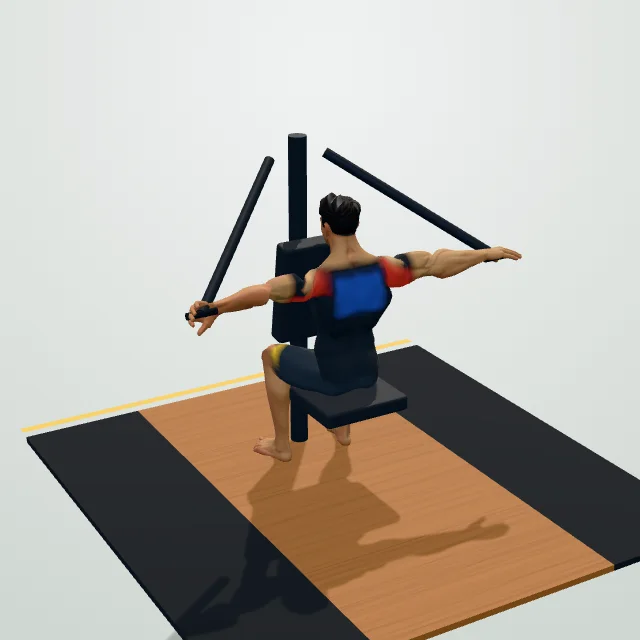
Reverse Pec Deck
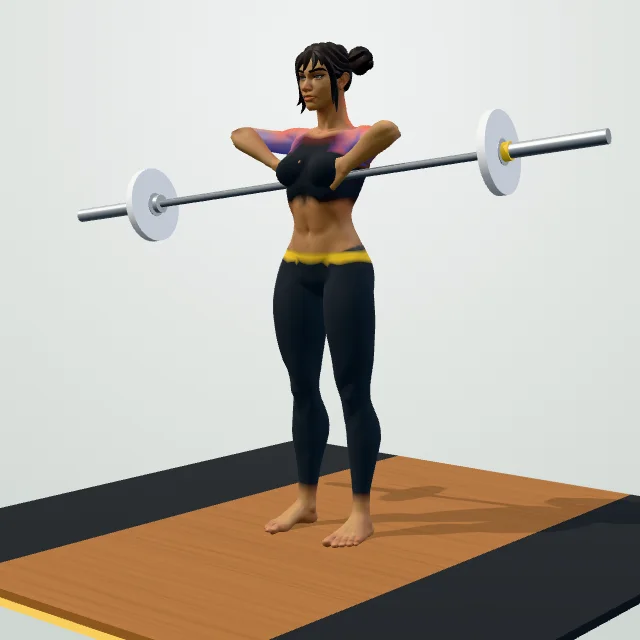
Upright Row
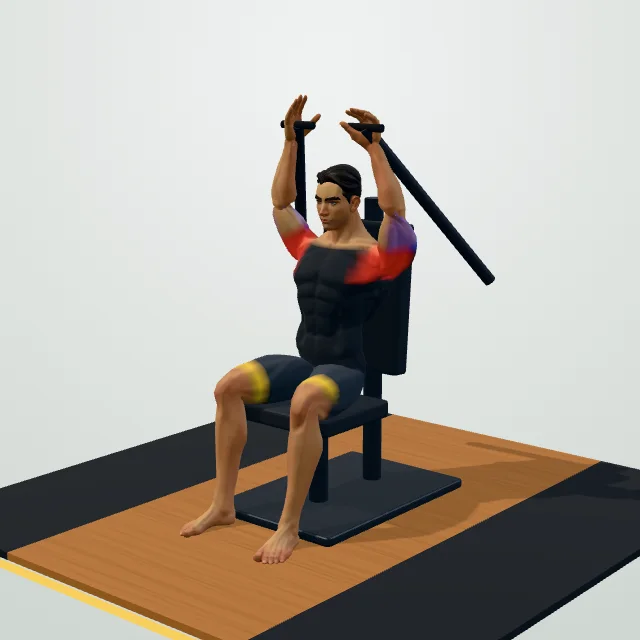
Machine Shoulder Press
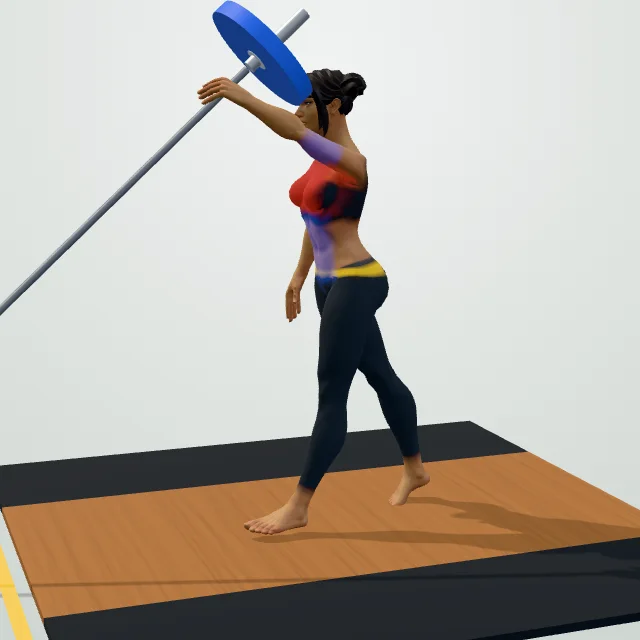
Landmine Press
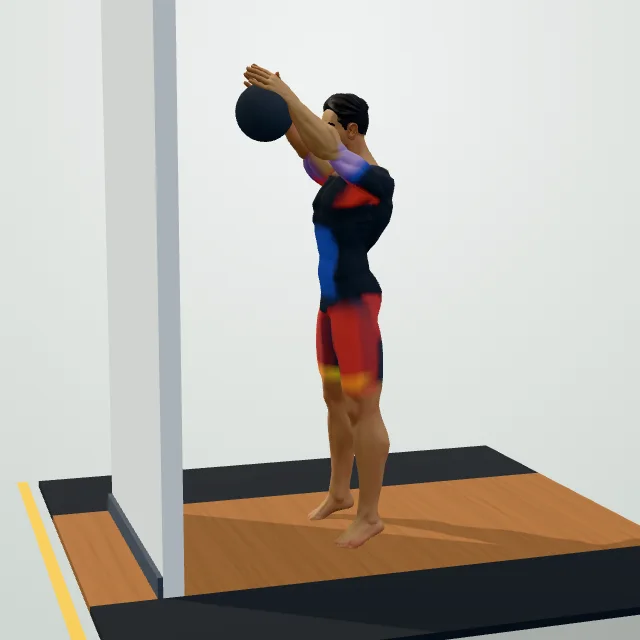
Wall Ball Shot
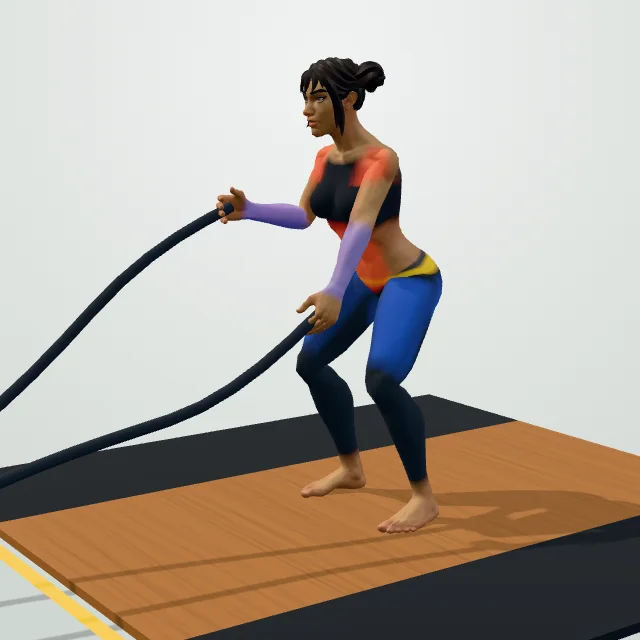
Battle Rope Waves
Home or gym
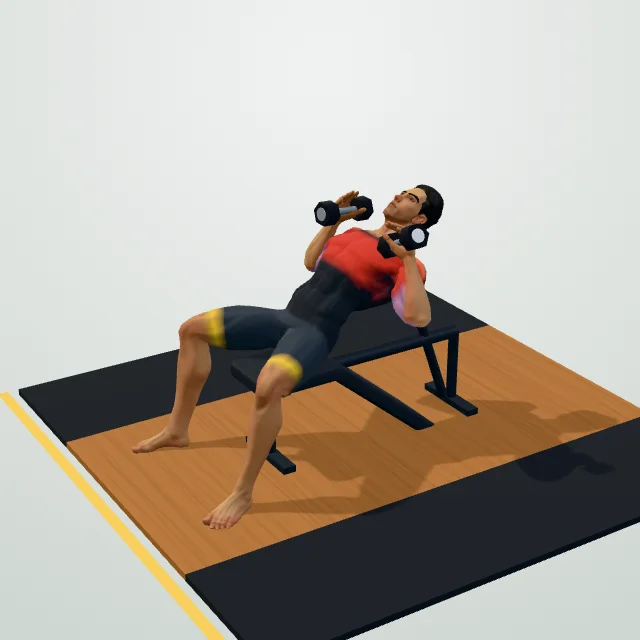
Incline Dumbbell Press
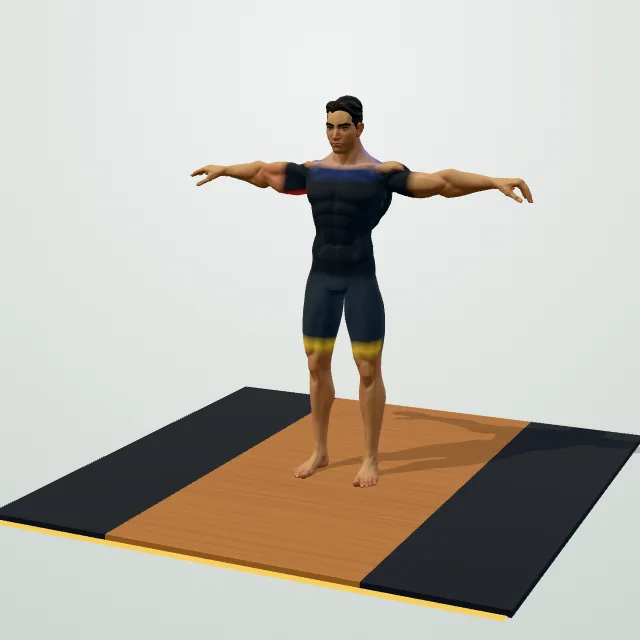
Band Pull-Apart
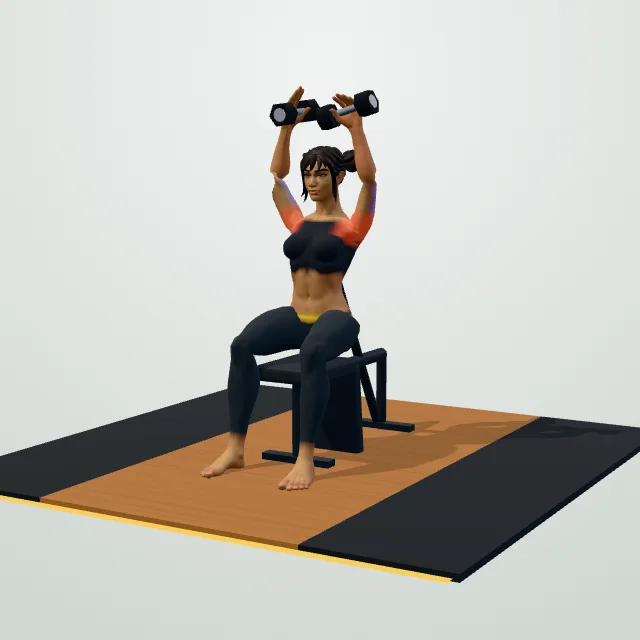
Dumbbell Shoulder Press
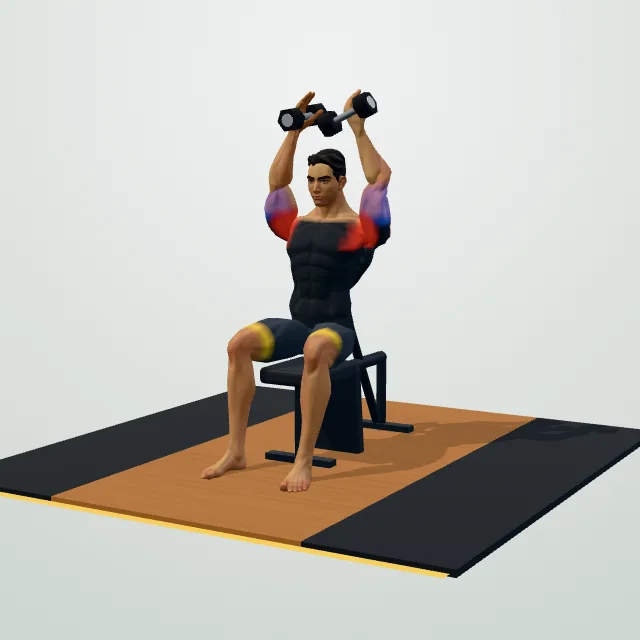
Arnold Press
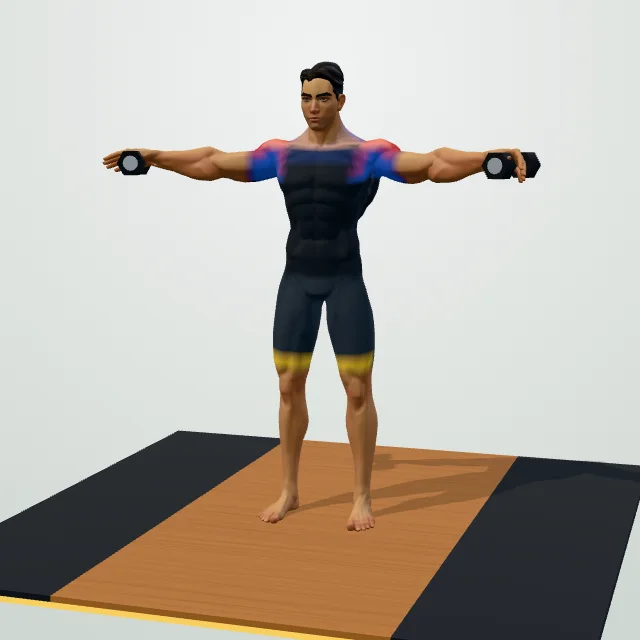
Dumbbell Lateral Raise
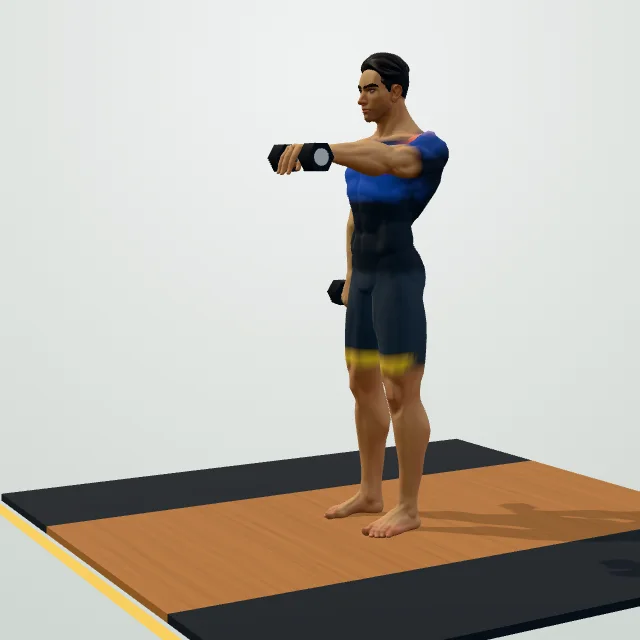
Dumbbell Front Raise
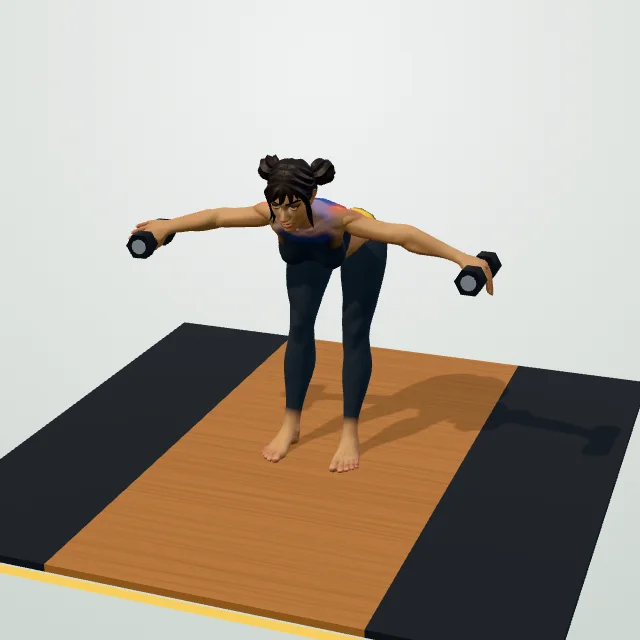
Bent-Over Rear Delt Fly
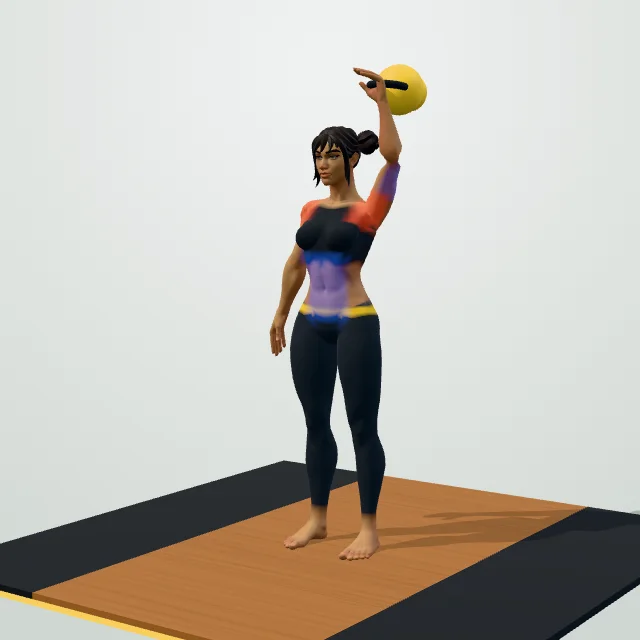
Single-Arm Kettlebell Press
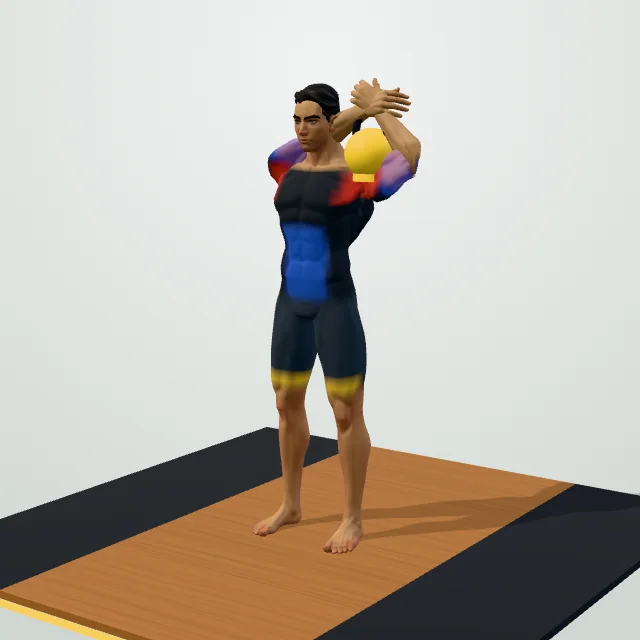
Kettlebell Halo
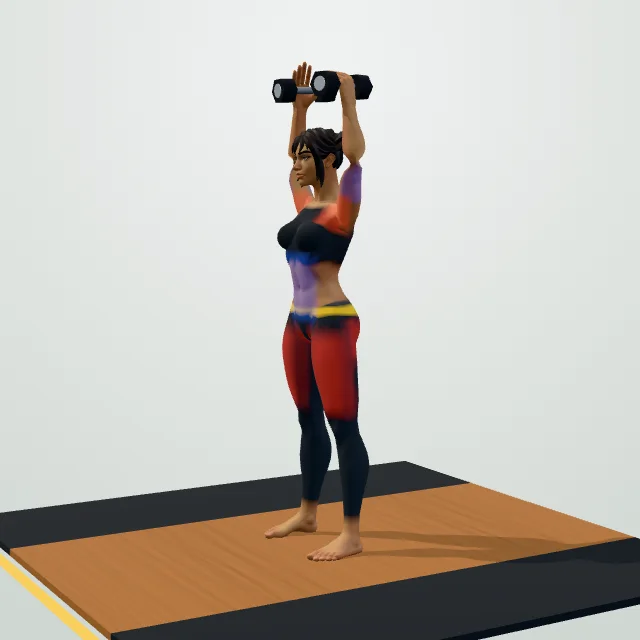
Dumbbell Thruster
Home, no equipment
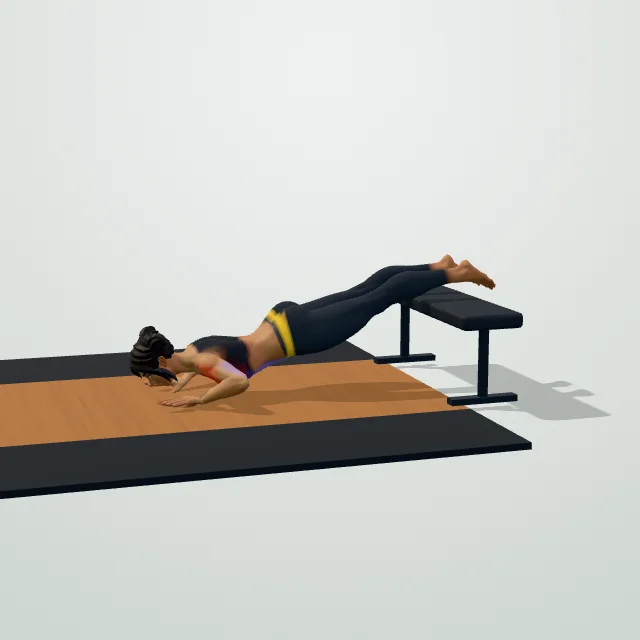
Decline Push-Up
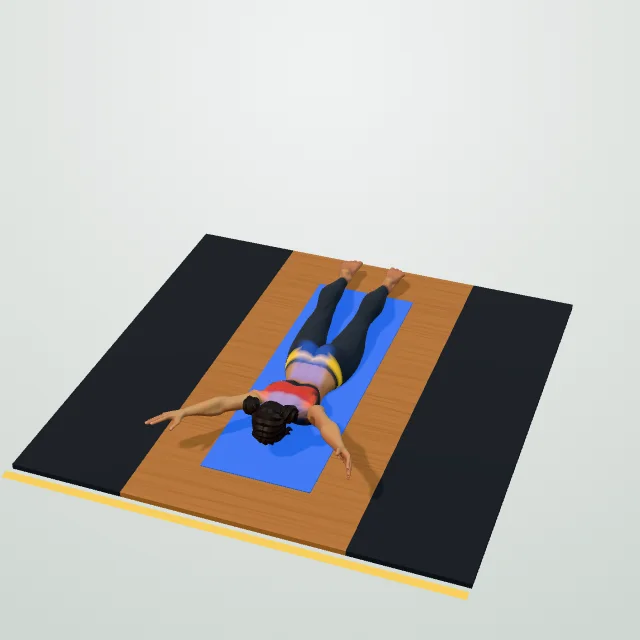
Prone Y-T-W Raise
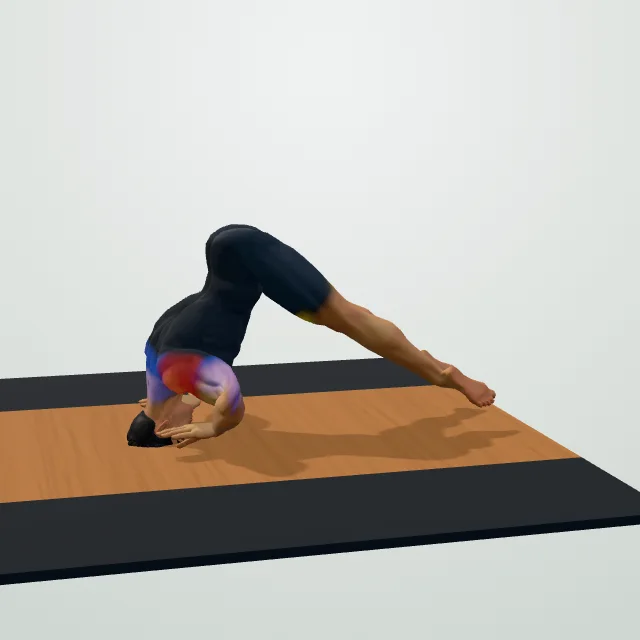
Pike Push-Up
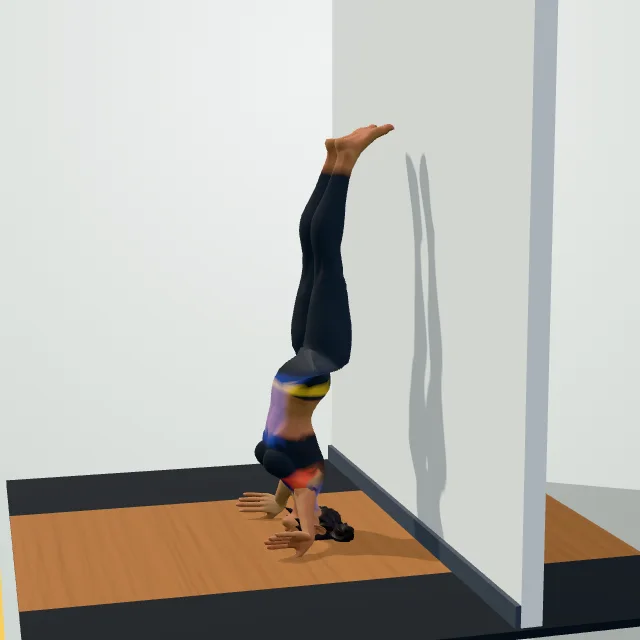
Wall Handstand Push-Up
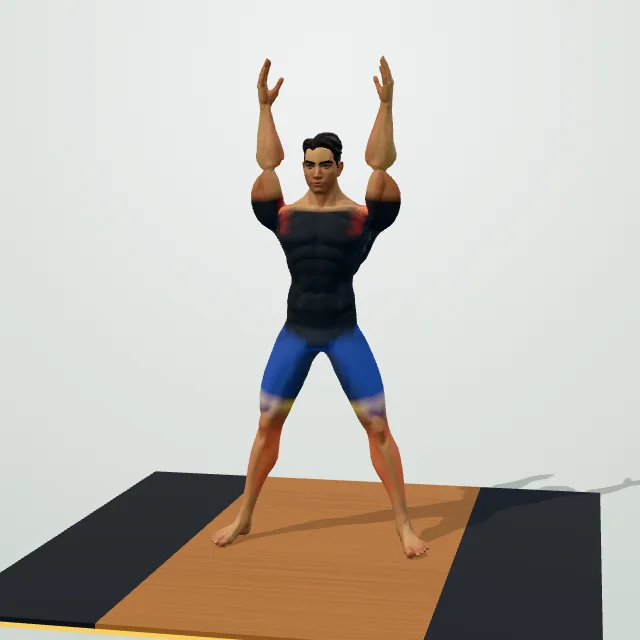
Jumping Jacks
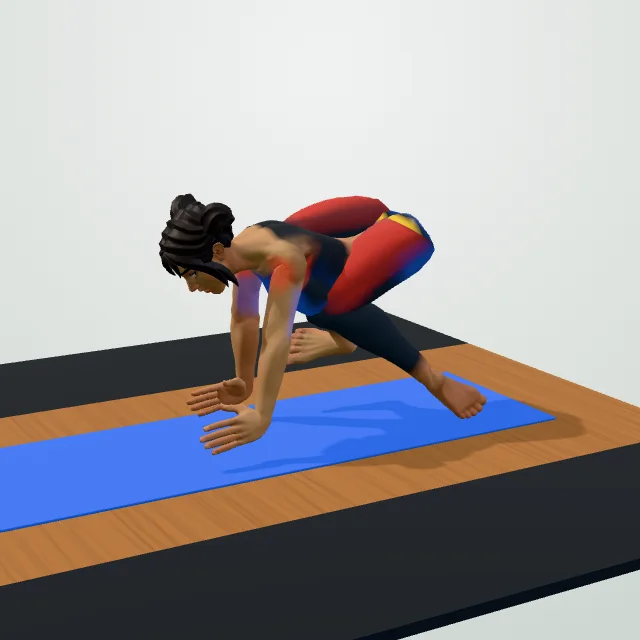
Bear Crawl
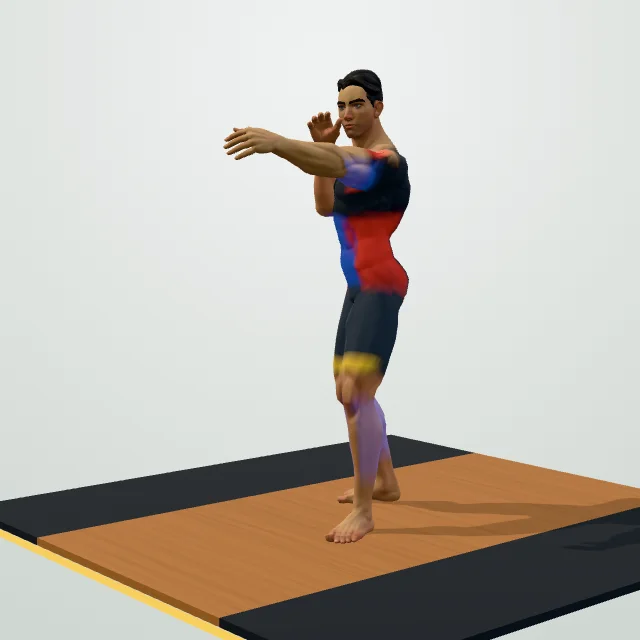
Shadow Boxing
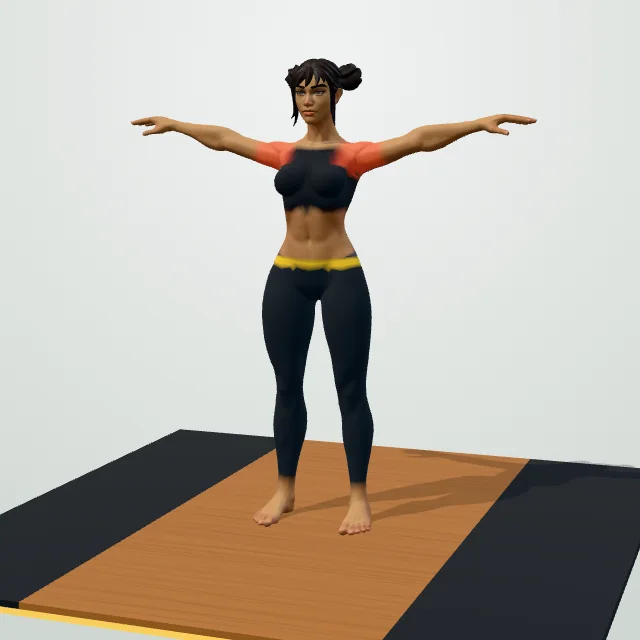
Arm Circles
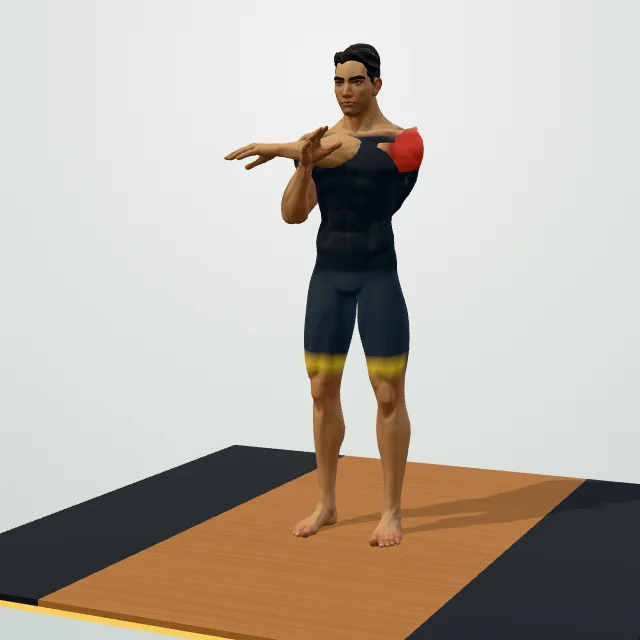
Cross-Body Shoulder Stretch
Secondary
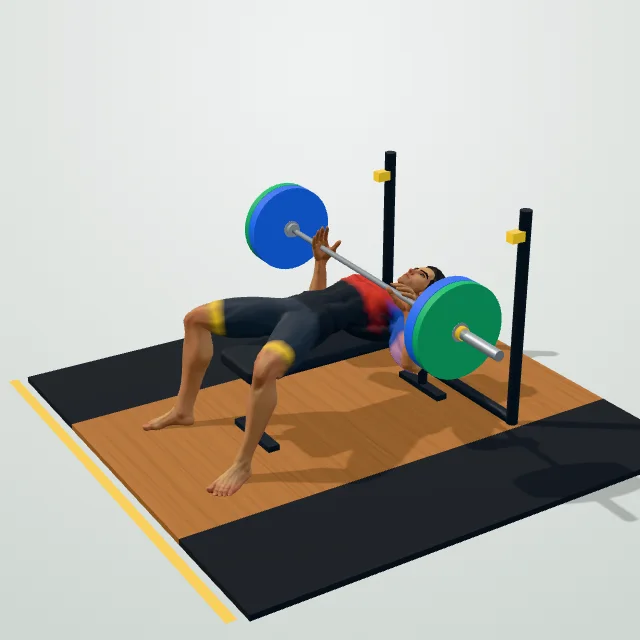
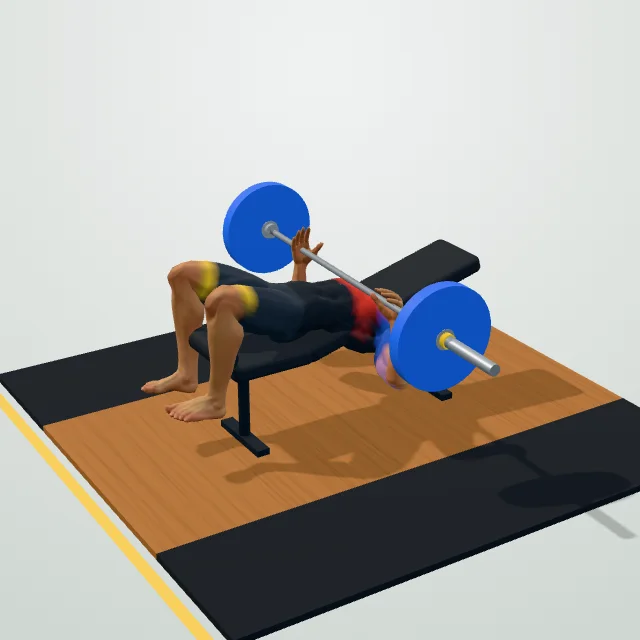
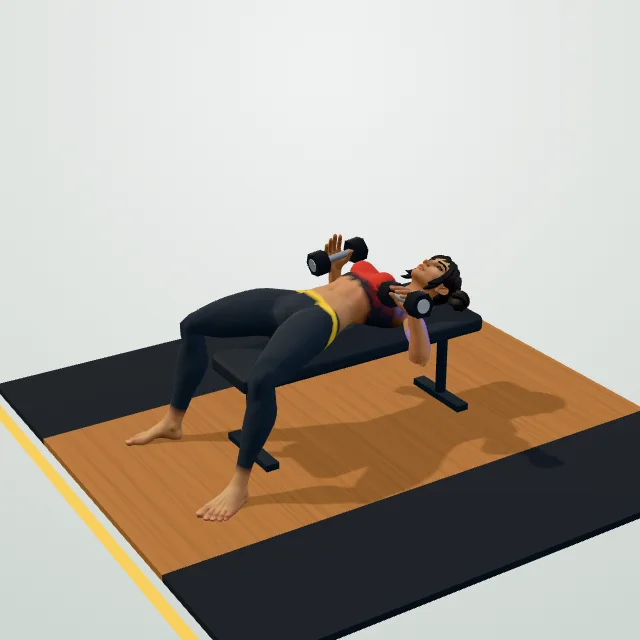
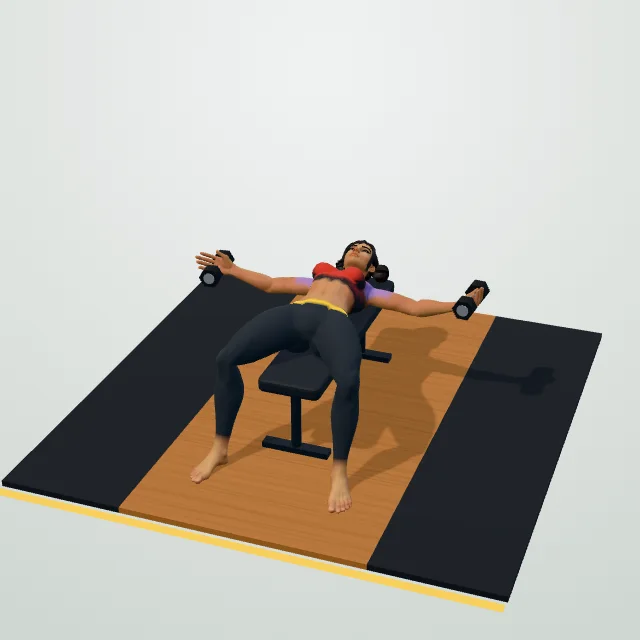
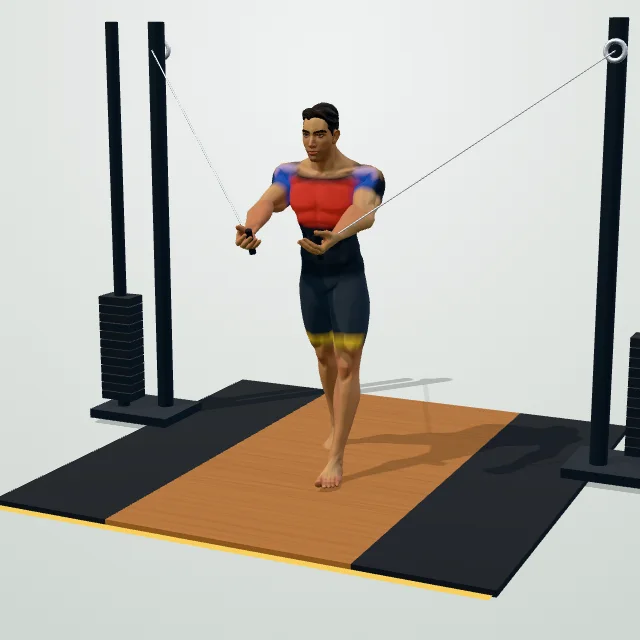
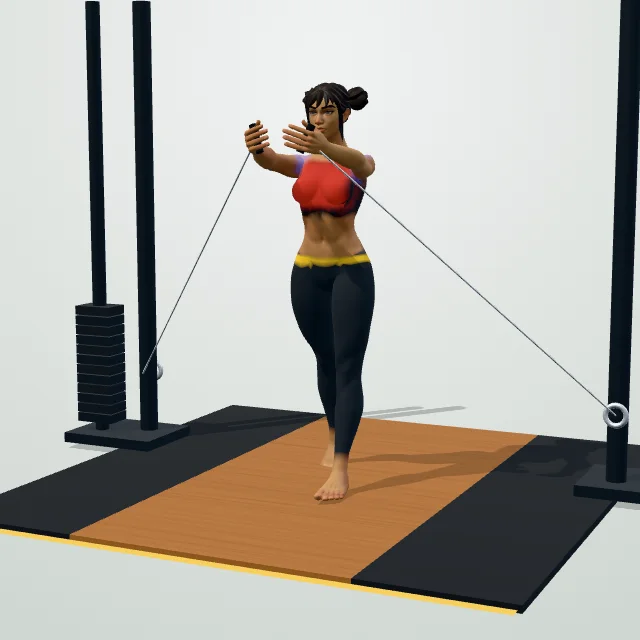
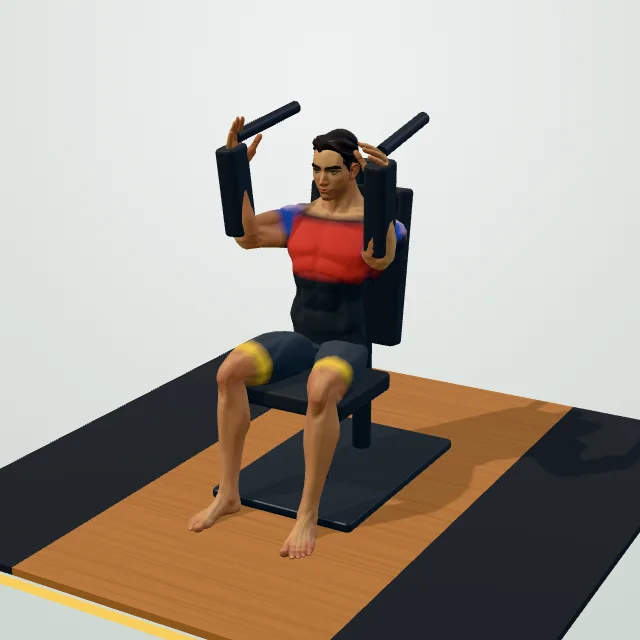
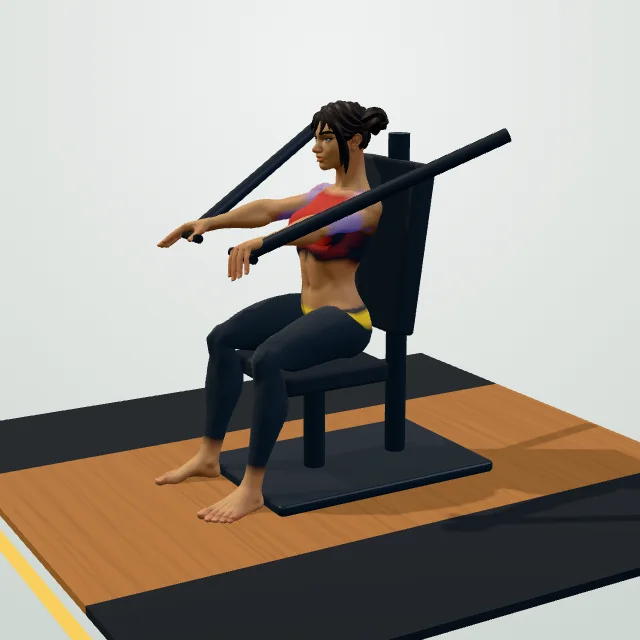
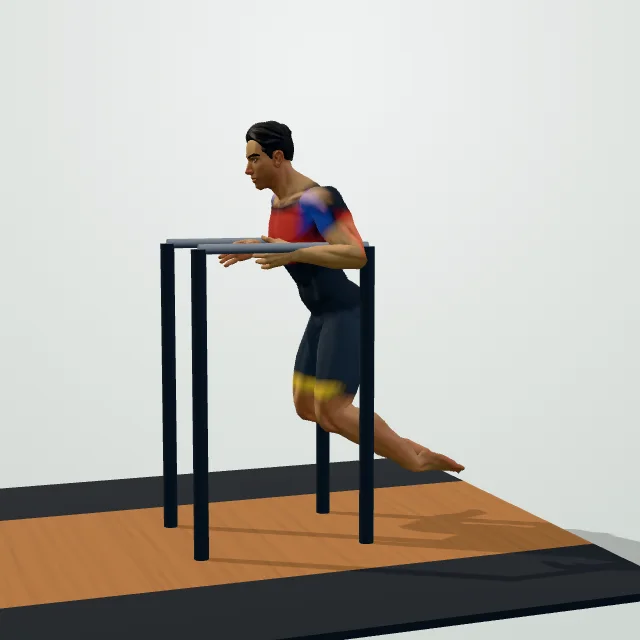
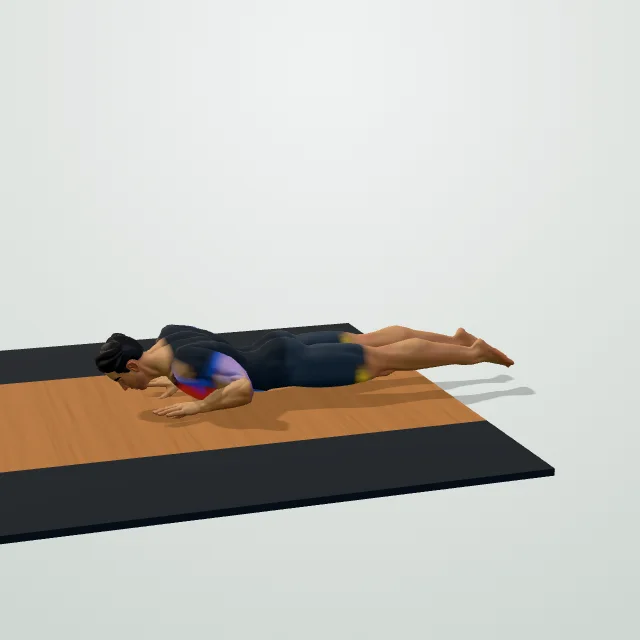
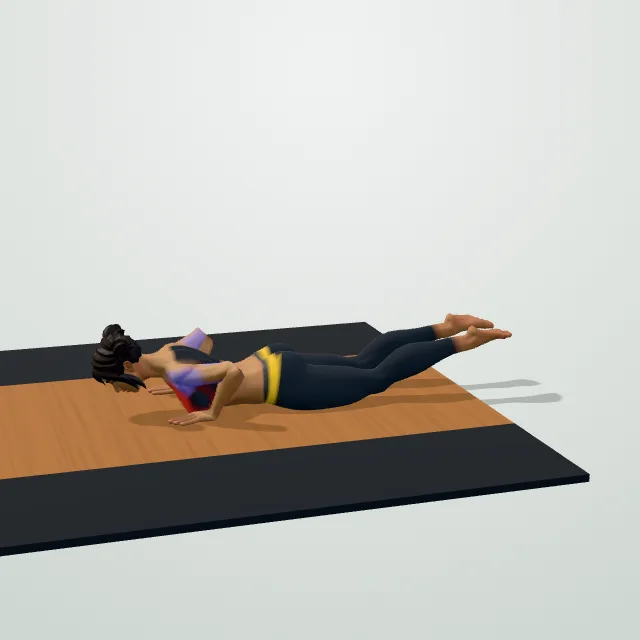
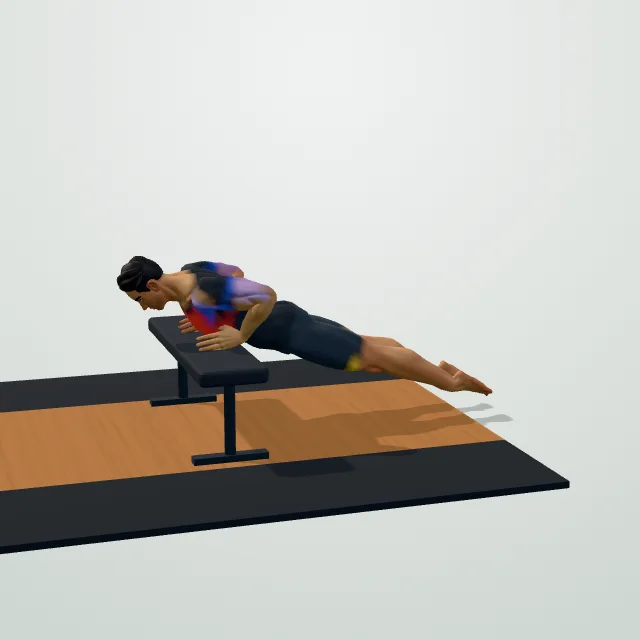
Well-rounded shoulder exercises train three separate heads of the deltoid, not one muscle — which is why a shoulder that looks flat from the side despite regular pressing usually just needs more direct side-delt work, not more pressing.
Shoulder anatomy and function
The deltoid has three heads: the front (anterior) delt lifts the arm forward and assists every pressing movement, the side (lateral) delt lifts the arm out to the side and gives the shoulder its width, and the rear (posterior) delt pulls the arm backward and assists rowing and pulling movements. Because pressing exercises already train the front delt heavily, a balanced shoulder workout puts extra direct emphasis on the side and rear delts, which are otherwise undertrained by a typical push-focused routine. The rotator cuff — a group of four smaller, deeper muscles — stabilises the shoulder joint itself rather than moving it through big ranges, and is trained indirectly by controlled pressing and directly by light external-rotation work.
How to train shoulders: sets, reps and frequency
A useful split is one or two heavier pressing movements per week (4–10 reps) for overall size and strength, plus two to four sets of lateral raises and two to four sets of rear delt work per session, in higher rep ranges (12–20), since the side and rear delts respond well to lighter, higher-volume work. Twice-weekly shoulder training, in the 10–20 total weekly set range across front, side and rear delts, suits most goals. Because the shoulder joint is used in almost every upper-body exercise, watch total weekly volume across chest, back and shoulder day together rather than treating shoulders as fully separate.
Best gym shoulder exercises
The overhead press and dumbbell shoulder press are the main strength and mass builders for the front and side delts together, and the Arnold press adds a rotation that brings in more of the side delt through the range. For direct side-delt work, the lateral raise and cable lateral raise are the standard isolation choices. For rear delts, the rear delt fly, reverse pec deck and face pull all work well and double as shoulder-health accessories. The front raise isolates the front delt directly, though it is usually less necessary given how much pressing already trains it, and the landmine press offers a joint-friendlier pressing angle for people with shoulder discomfort on a straight overhead press.
Best home shoulder exercises
A pike push-up is the main bodyweight shoulder press substitute, loading the front and side delts through an inverted pressing angle, and progresses toward the advanced handstand push-up. With a single dumbbell or a resistance band, the full range — lateral raise, front raise, rear delt fly and band pull-apart — is easy to reproduce at home. A kettlebell adds the kettlebell press and kettlebell halo, both useful for shoulder stability as well as strength. For mobility and warm-up, arm circles and the shoulder stretch need no equipment at all and are worth doing before any pressing work.
Sample shoulder workout
| Exercise | Sets | Reps | Rest |
|---|---|---|---|
| Overhead press or dumbbell shoulder press | 3–4 | 6–10 | 2 min |
| Lateral raise | 3–4 | 12–15 | 60 s |
| Rear delt fly or face pull | 3 | 12–15 | 60 s |
| Front raise | 2 | 12–15 | 45–60 s |
Common mistakes
Swinging the torso to launch a lateral raise or overhead press ("cheating" the weight up) shifts load off the delts and onto momentum — use a lighter weight and a slower, controlled tempo instead. Raising the arms above shoulder height on a lateral raise, or shrugging the traps up during the movement, brings the upper traps in more than the side delt — stop roughly at shoulder height and keep the shoulders down. Pressing behind the neck rather than in front of the head puts the shoulder in an unnecessarily strained position for most people and offers no clear benefit — press in front of or just above the head instead. Ignoring rear delt work while pressing heavily can create a front-to-rear strength imbalance that contributes to poor shoulder posture over time.
Shoulder exercises and pain
Shoulder exercises with light resistance and controlled range, particularly rotator-cuff and rear-delt work, can help some people manage shoulder discomfort and rebuild stability, but frozen shoulder, a suspected rotator cuff tear, or sharp pain with specific movements need assessment by a doctor or physiotherapist before you continue loading the joint. Stop any shoulder exercise that produces sharp or pinching pain rather than normal muscular effort, and reduce range of motion or switch to a machine-guided version while you work out what is causing it.