Cardio machines: which one is right for you?
How the treadmill, stationary bike and rowing machine compare, which suits your joints and goals, and how to structure a session.
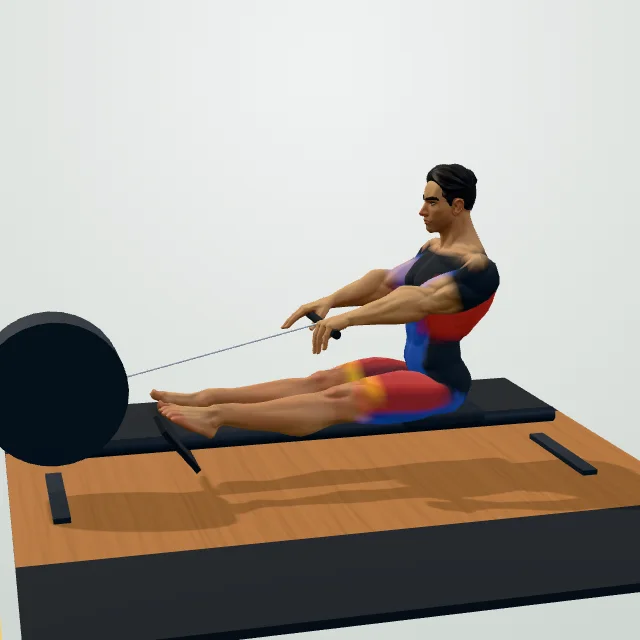
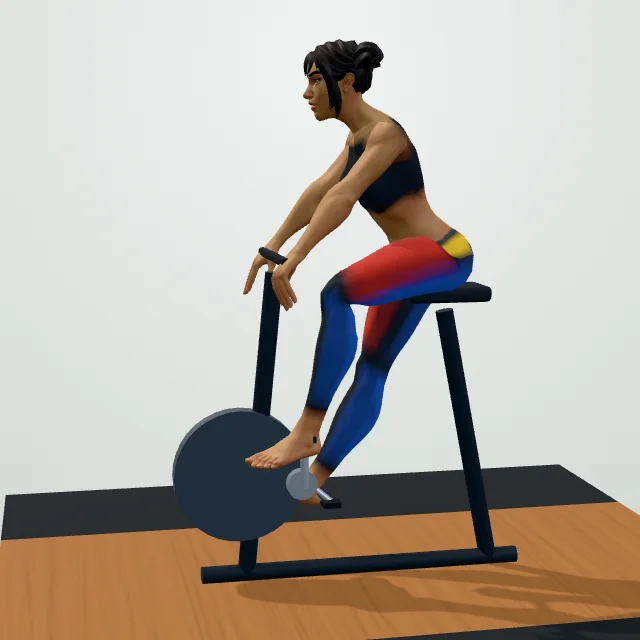
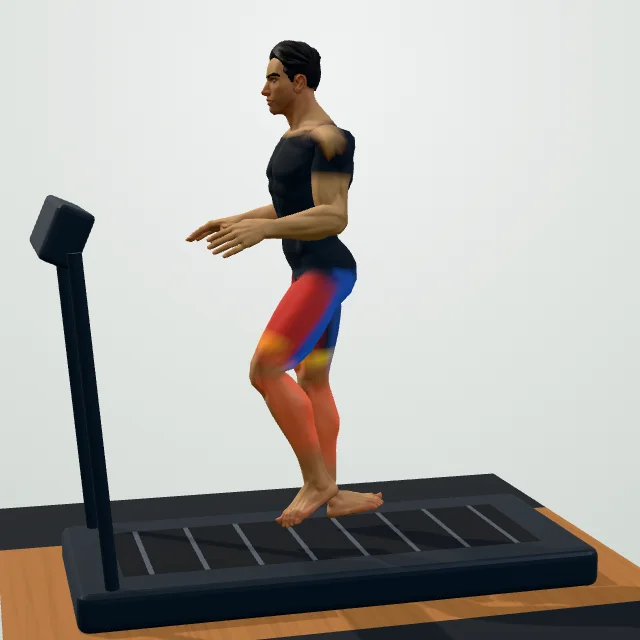
Every cardio machine at the gym raises your heart rate, but they load the body differently, which matters more than most guides admit when picking the best cardio machine for weight loss or joint comfort. The honest answer is that the best machine is the one you'll actually use consistently, since calories burned depends mainly on effort and duration, not which machine you choose. The 3D coach shows pacing and posture for rowing machine, stationary bike and treadmill running.
Treadmill vs bike vs rowing machine
The treadmill is the most natural movement pattern for most people and burns calories efficiently, but carries more impact stress on the knees, hips and lower back than the alternatives — a consideration for anyone with joint pain or returning from injury. The stationary bike is low-impact and supports the bodyweight through the seat, making it a good option for joint issues or as an easier recovery-day cardio choice. The rowing machine is also low-impact and uniquely works the back, legs and arms together in one continuous pull, giving a fuller-body cardio stimulus than either the treadmill or bike alone.
Choosing the best cardio machine for your goals
For pure calorie burn per minute at a hard effort, rowing and running tend to rank highest, with cycling close behind at a similarly hard effort. For joint-friendly options, the bike and rower both beat the treadmill. For full-body engagement, the rower edges out the others since it uses the arms and back as well as the legs. None of this matters as much as consistency — a machine you enjoy and will use several times a week beats a "better" machine you avoid.
Safety and setup
Adjust seat height and handlebar or strap position on the bike and rower before starting, and start any new machine at an easy pace to check your form feels natural. Increase treadmill incline and speed gradually rather than jumping straight to a hard interval, and stop for chest pain, dizziness or unusual breathlessness, especially if you have a heart or blood-pressure condition — check with a doctor before starting a new intense cardio routine if that applies to you.
Sample cardio machine session
| Block | Machine | Work |
|---|---|---|
| Warm-up | Any | 5 minutes easy pace |
| Steady state | Treadmill, bike or rower | 20–30 minutes moderate pace |
| Cool-down | Any | 3–5 minutes easy pace |
How to program cardio machine training
WHO and CDC guidance suggests 150–300 minutes of moderate cardio (or 75–150 minutes vigorous) a week, spread across several sessions. This can be steady-state (a consistent moderate pace for 20–40 minutes) or intervals (alternating hard and easy efforts), both of which work well on any of these machines. Use the calories burned calculator to estimate the energy cost of a session based on machine, intensity and duration, and the heart rate zone calculator to keep steady-state work in the right intensity zone.
Cardio machines for beginners and seniors
New exercisers and older adults generally do well starting with the stationary bike or a brisk treadmill walk (rather than running), since both allow an easily controlled, low-impact effort with something to hold onto for balance. Build duration before intensity — a comfortable 15–20 minute session most days is a better starting point than a single hard, short session, and supports the WHO guidance of accumulating 150+ minutes of moderate activity weekly. See our exercise for seniors guide for more on pacing this safely.
Where the elliptical fits in
The elliptical is another common low-impact option not covered above, combining a leg motion similar to walking or light running with moving handles for the arms, all while supporting your bodyweight through the pedals. It sits between the bike and treadmill in feel and is a reasonable choice if your gym has one and you find the motion comfortable — the same principle applies as with any cardio machine: pick what you'll actually use consistently at a real effort.
Cardio machines in workout plans
The gym cardio workout (treadmill, bike, rower) is built entirely around these three machines. Use the plan builder to add cardio sessions alongside your strength training, alternating machines across the week if you want the fuller-body stimulus of rowing without giving up the running-specific fitness a treadmill builds.