Fat loss · Beginner
Gym cardio workout: rotate three machines
This gym cardio workout rotates the treadmill, rowing machine and stationary bike in one session, about 35 minutes, three times a week. Rotating machines spreads the load across different muscles and joints so cardio stays sustainable week after week.
Your week
Sessions
Cardio machine rotation
| Exercise | sets | Rest | |
|---|---|---|---|
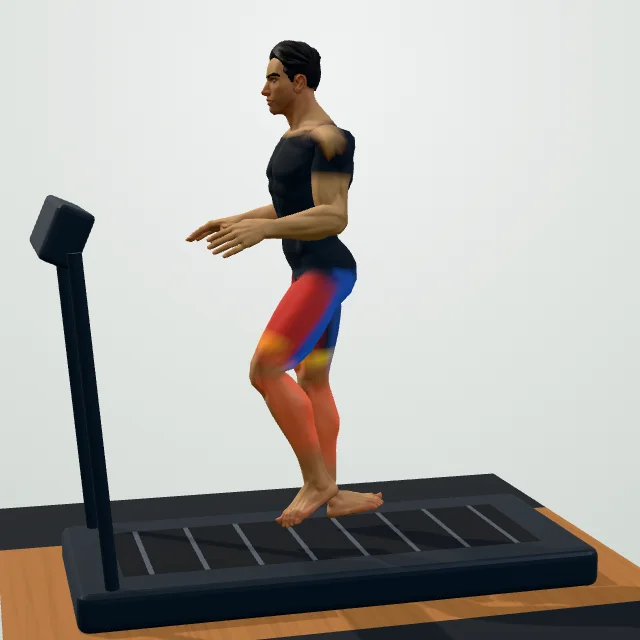
| Treadmill Running | 1 × 10 min per side | 60 s |
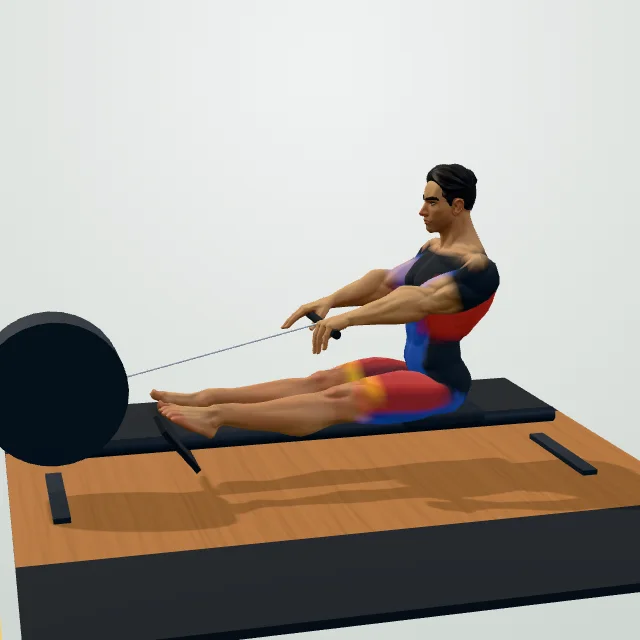 | Rowing Machine | 1 × 10 min | 60 s |
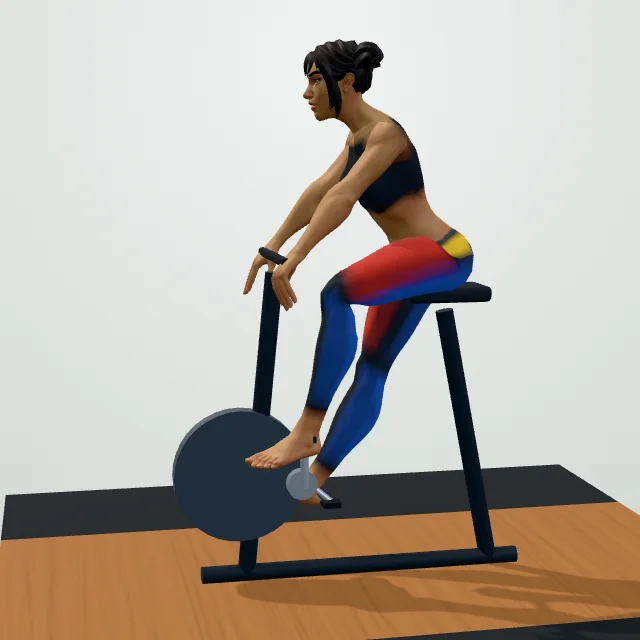 | Stationary Bike | 1 × 10 min per side | — |
How to progress
- Most of the time stay in zone 2 (you can talk in full sentences). Once a week, do 6–8 hard 30-second efforts on the bike.
A gym cardio workout that rotates between the treadmill, rowing machine and stationary bike spreads your effort across different muscle groups and joint patterns, which makes it easier to sustain week after week than doing 30 straight minutes on any single machine. This session runs about 35 minutes — 10 minutes on each of the three machines — and works well as a standalone cardio day or alongside a strength split.
Who this gym cardio workout is for
This plan suits anyone who wants structured cardio at the gym, whether your goal is general heart health, fat loss support, or simply building an aerobic base for other sports. It needs access to a treadmill, a rowing machine and a stationary bike; if your gym only has one or two of these, the how to lose fat with exercise guide covers how cardio fits into a broader fat-loss approach regardless of which machines you use. If you prefer bodyweight cardio at home instead, the 15-minute HIIT workout or 20-minute Tabata workout need no equipment at all.
How to run the session
Work through the treadmill, then the rowing machine, then the stationary bike, in that order, spending 10 minutes on each with a 60-second easy walk or slow pedal between the treadmill and rowing machine to let your heart rate settle slightly. There is no rest built in after the bike, since it finishes the session at a lower intensity by design. Rotating machines this way also means no single joint (knees on the treadmill, lower back on the rower) takes the full 30 minutes of repetitive load in one go.
How hard each machine should feel
For most of each 10-minute block, aim for "zone 2" effort: a pace where you could still hold a full conversation, even if a little breathless between sentences. This moderate, sustainable intensity is where most of your weekly cardio should sit, since it builds aerobic fitness without leaving you so fatigued that it interferes with strength training on other days. Once a week, add 6–8 short, hard 30-second efforts on the bike (pedaling as fast as you comfortably can, then easing back to normal pace) to add some higher-intensity stimulus without turning the whole session into a hard interval workout.
How to progress week to week
Progress by extending your time in zone 2 before adding intensity: once 10 minutes on each machine feels comfortable at a conversational pace, add a couple of minutes to one or two of the machines rather than pushing all three harder at once. Alternatively, keep the time the same but gradually increase your treadmill incline, rowing pace, or bike resistance while still staying able to talk in full sentences — that is a sign you are building genuine aerobic capacity, not just going through the motions. The heart rate zone calculator can help you find your zone 2 range if you want to track this more precisely with a heart rate monitor.
Adapting the workout: fewer machines, home options, joint issues
Only one or two machines available: split the 35 minutes across whichever machines you have, or extend your time on a single one — the total time and effort level matter more than using exactly three machines. Bad knees or joint sensitivity: the stationary bike and rowing machine put less impact through the knees than the treadmill, so lean more heavily on those two if running or walking briskly causes discomfort. No gym access: jump rope, brisk walking, or a bodyweight cardio circuit can substitute for the aerobic stimulus this session provides.
Recovery basics
Zone 2 cardio at this intensity is generally easy to recover from and can be done on the same day as strength training, or on separate days if you prefer to keep sessions shorter. The weekly harder bike intervals create more fatigue than the steady-state portions, so if you are also lifting heavily, consider placing the interval day away from your hardest leg session. Staying hydrated before and during longer cardio sessions matters more than most people expect, especially in a warm gym.
Common mistakes with gym cardio
- Going too hard on every session: constantly pushing near-maximum effort on cardio makes it harder to recover for strength training and raises burnout risk. Most sessions should feel moderate, not maximal.
- Holding onto the treadmill handrails: gripping the rails reduces how many calories you burn and can encourage poor posture. Let your arms swing naturally and adjust the pace or incline instead.
- Skipping the rowing machine because the technique feels unfamiliar: rowing works your back, legs and arms together and is worth learning — focus on driving with your legs first, then leaning back, then pulling with your arms.
- Doing cardio only, and no strength training: cardio supports heart health and can help with a calorie deficit, but strength training is what preserves and builds the muscle that shapes your body.
- Ignoring perceived effort in favor of a fixed pace: a "zone 2" pace on a bad day should feel easier, not the same speed regardless of how you feel. Adjust intensity to how your body responds that day.
What to do next
Use the calories burned calculator to estimate energy use across the three machines. Pair this cardio session with a strength split like the upper/lower split or push pull legs split using the plan builder to balance your week.
Questions people ask
How much cardio should I do at the gym each week?
Which cardio machine burns the most calories?
Is cardio bad for building muscle?
What if my gym only has a treadmill and no rower or bike?
Is this gym cardio workout good for weight loss?
Which cardio machine is best for bad knees?
Should I do cardio before or after weight training?
General fitness information, not medical advice. Check with a doctor or physiotherapist before starting if you have a health condition, an injury or are pregnant. Stop if you feel chest pain, dizziness or sharp pain.