Fat loss · Beginner
Workout plan for weight loss: a 4-week fat-loss plan
This workout plan for weight loss mixes two strength circuits with HIIT conditioning and steady cardio across four sessions a week, built to support fat loss alongside a modest calorie deficit — not replace one.
Your week
Sessions
Strength circuit A
| Exercise | sets | Rest | |
|---|---|---|---|
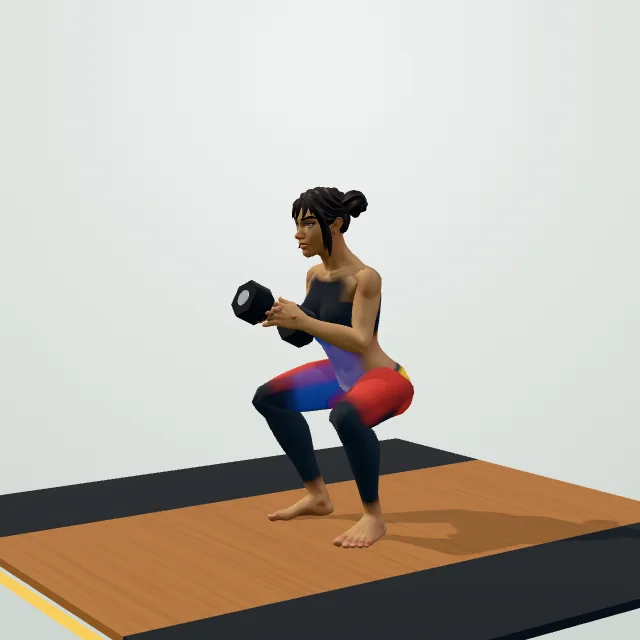
| Goblet Squat | 3 × 12 | 45 s |
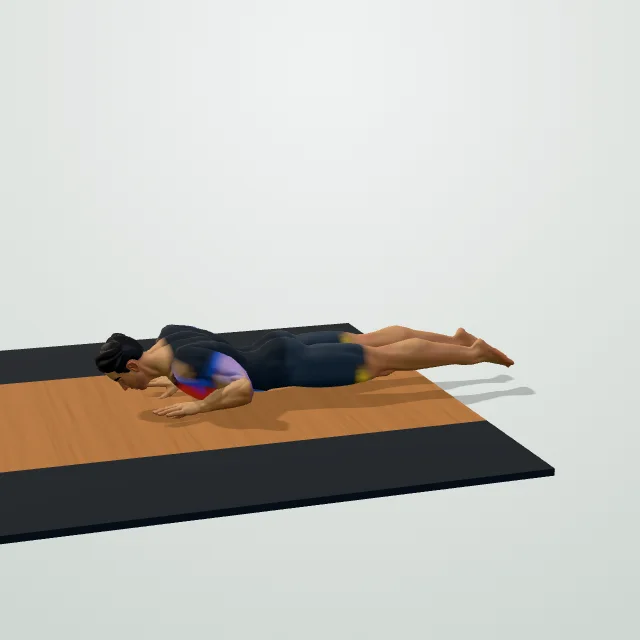 | Push-Up | 3 × 8-12 | 45 s |
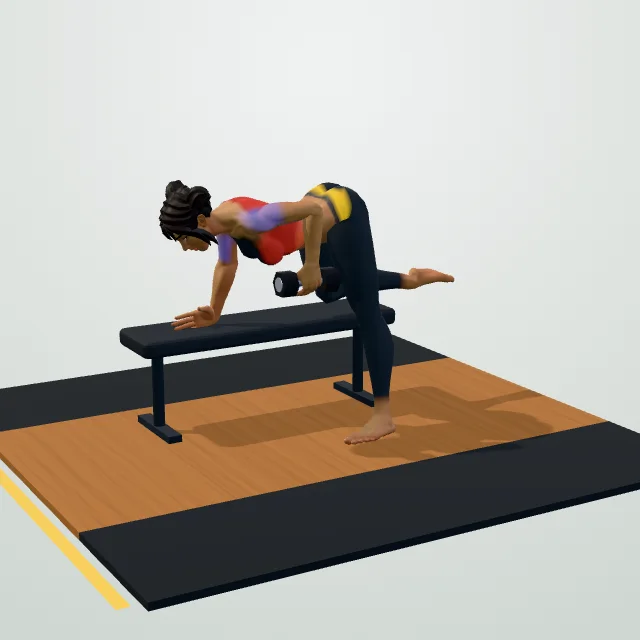 | One-Arm Dumbbell Row | 3 × 12 per side | 45 s |
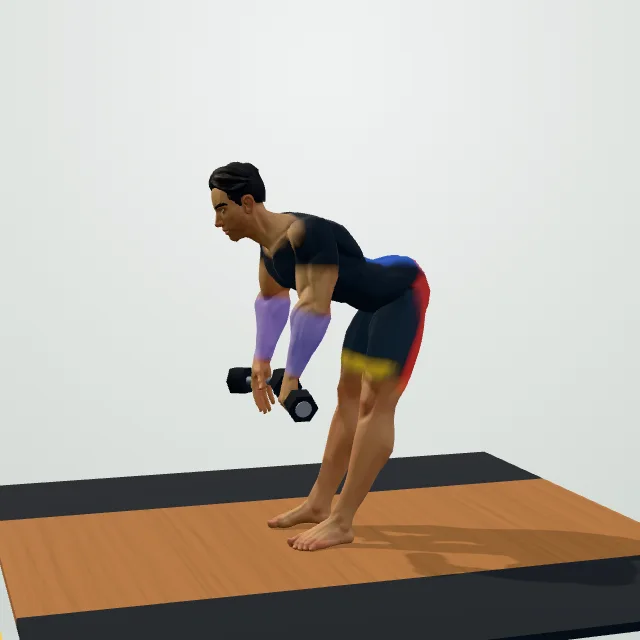 | Dumbbell Romanian Deadlift | 3 × 12 | 45 s |
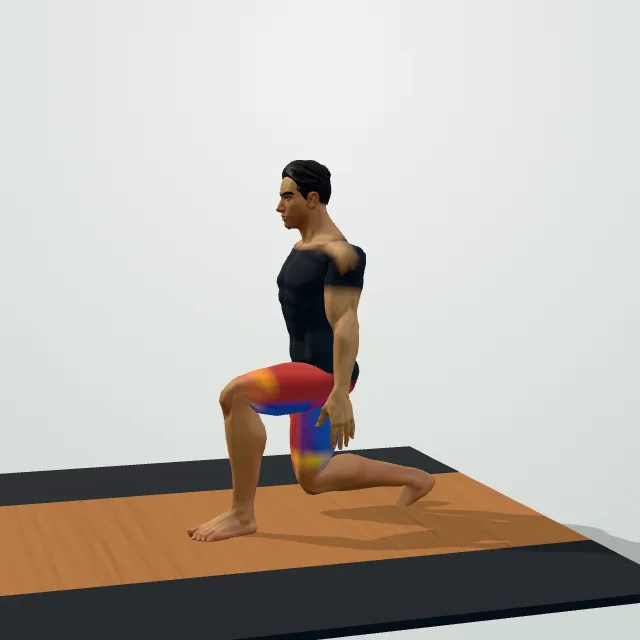 | Reverse Lunge | 3 × 10 per side | 45 s |
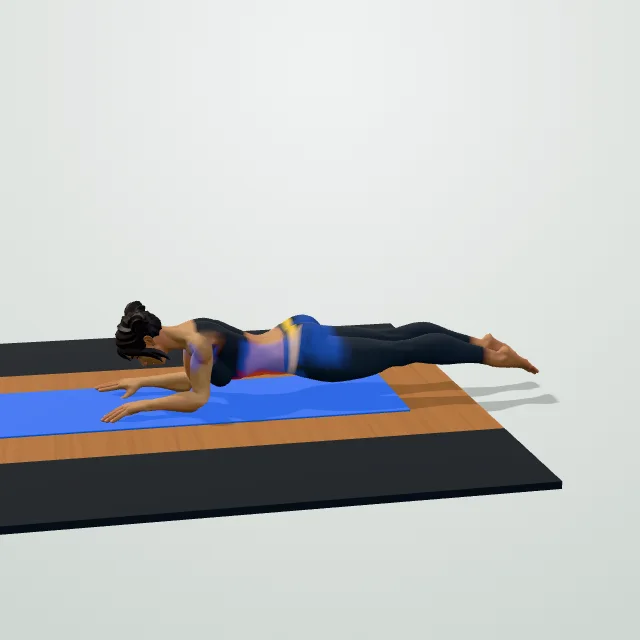 | Plank | 3 × 30 s | 30 s |
HIIT conditioning
| Exercise | Work | Rest | |
|---|---|---|---|
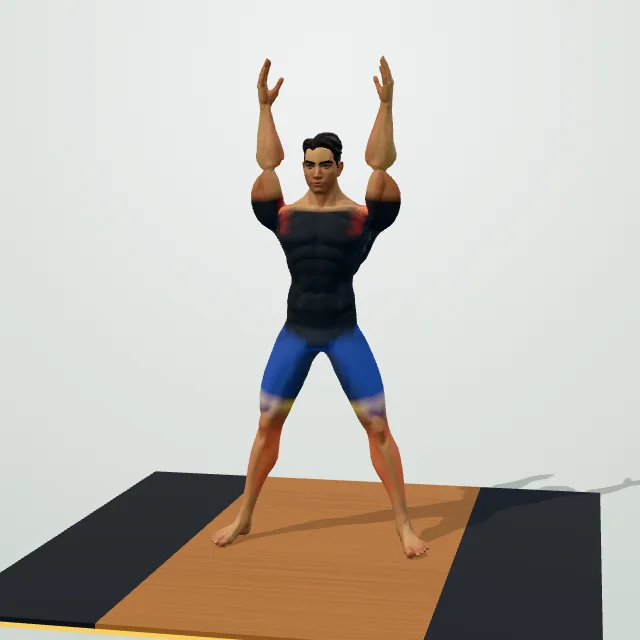 | Jumping Jacks | 40 s | 20 s |
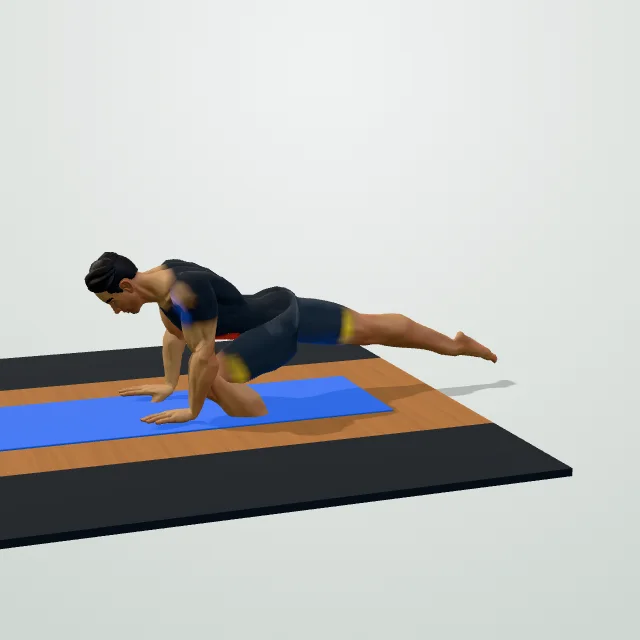 | Mountain Climber | 40 s | 20 s |
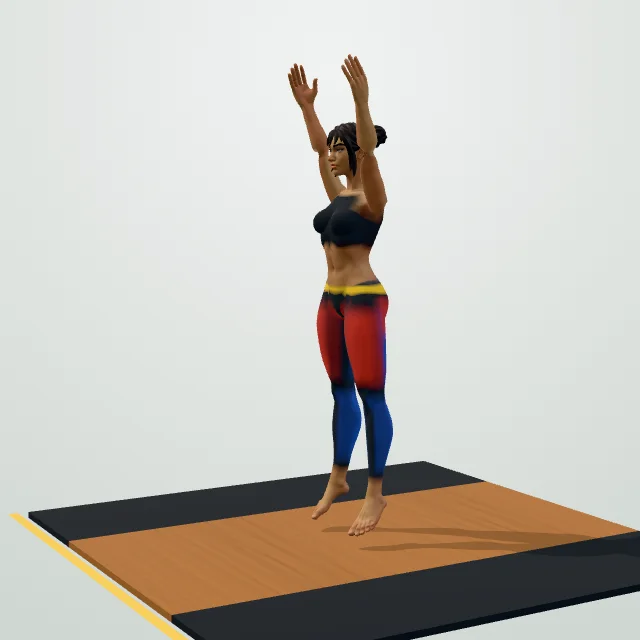 | Jump Squat | 40 s | 20 s |
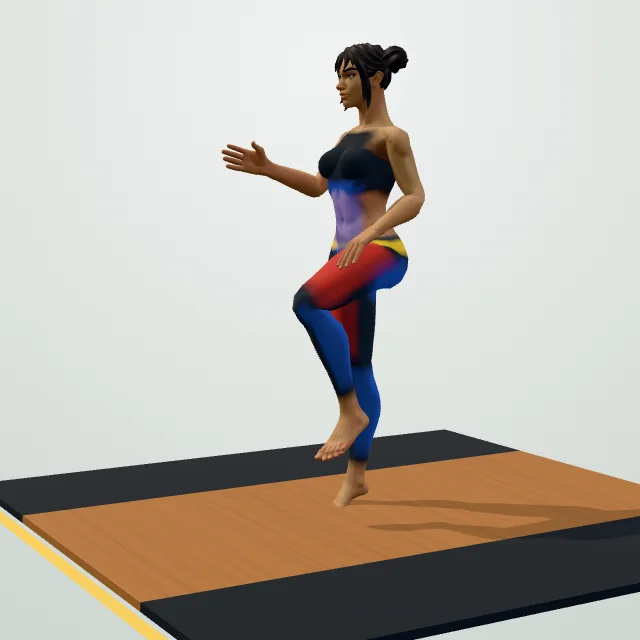 | High Knees | 40 s | 20 s |
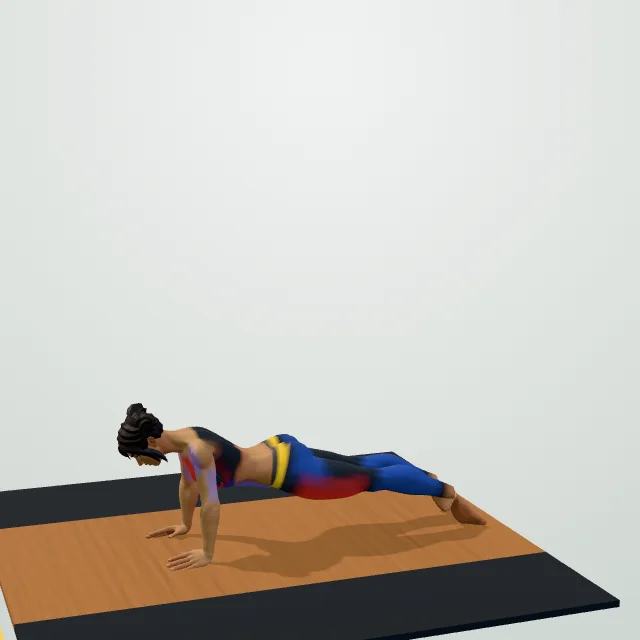 | Burpee | 40 s | 20 s |
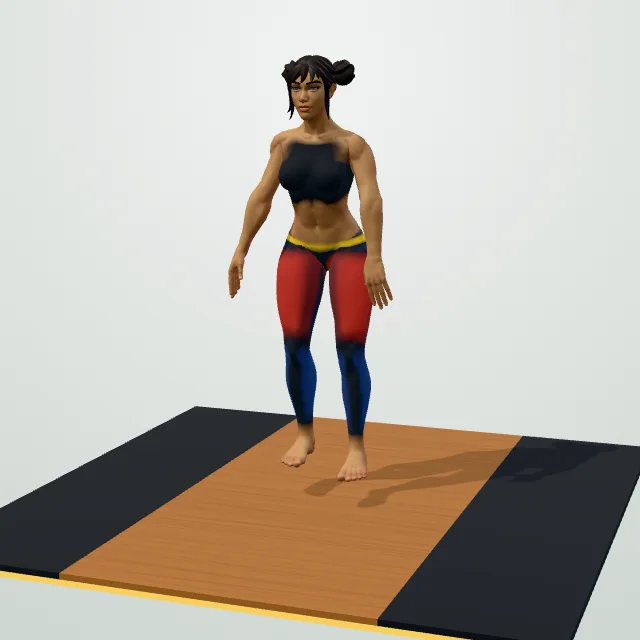 | Skater Jump | 40 s | 20 s |
| Round of 2 × 2 · Rest 60 s | |||
Strength circuit B
| Exercise | sets | Rest | |
|---|---|---|---|
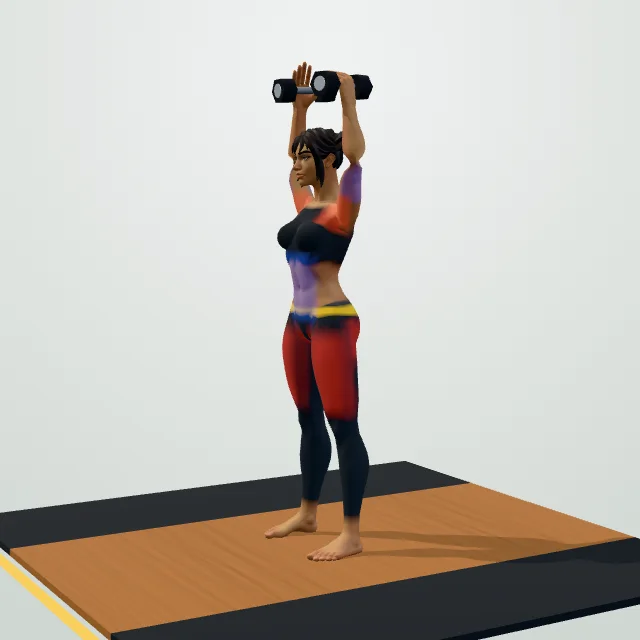 | Dumbbell Thruster | 3 × 10 | 45 s |
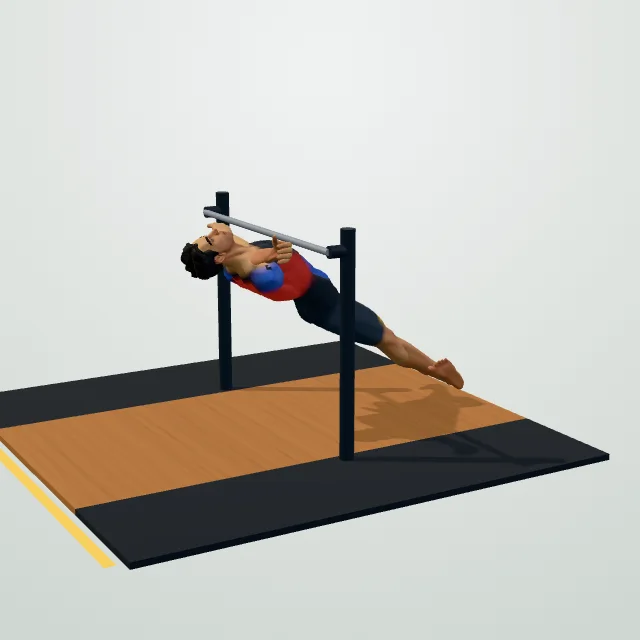 | Inverted Row | 3 × 10 | 45 s |
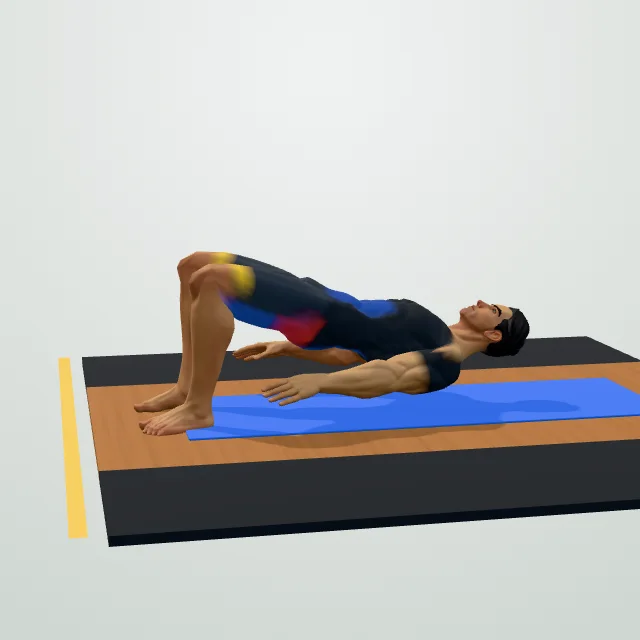 | Glute Bridge | 3 × 15 | 45 s |
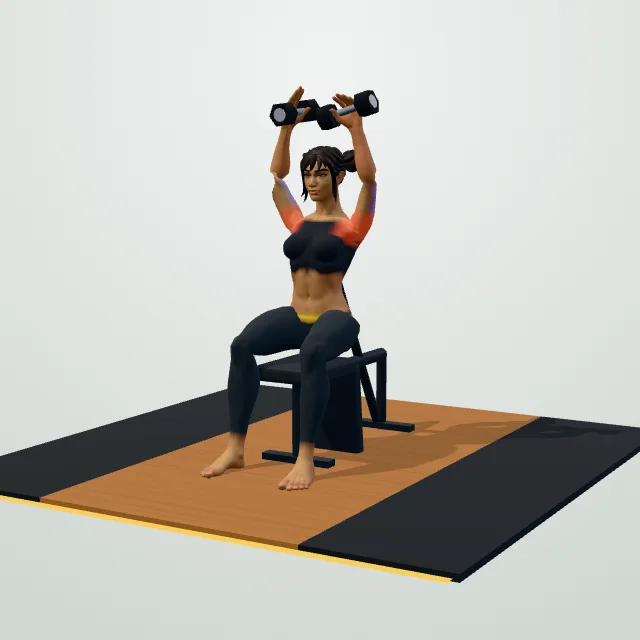 | Dumbbell Shoulder Press | 3 × 10 | 45 s |
| Mountain Climber | 3 × 30 s per side | 30 s |
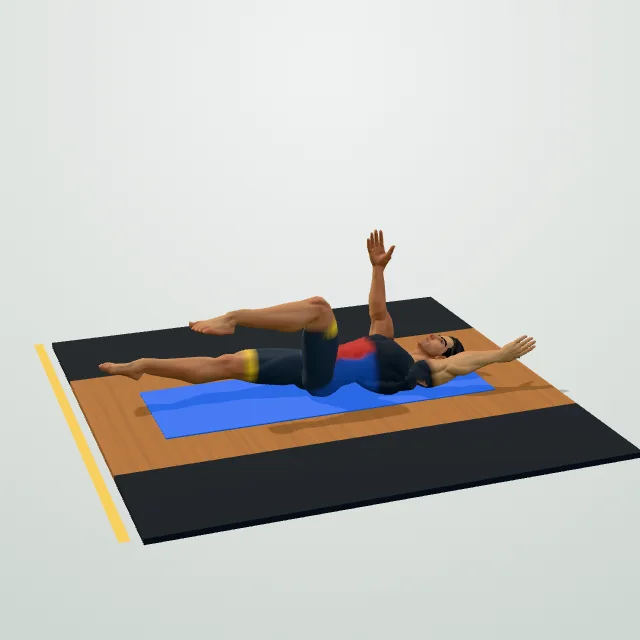 | Dead Bug | 3 × 10 per side | 30 s |
Steady cardio
| Exercise | sets | Rest | |
|---|---|---|---|
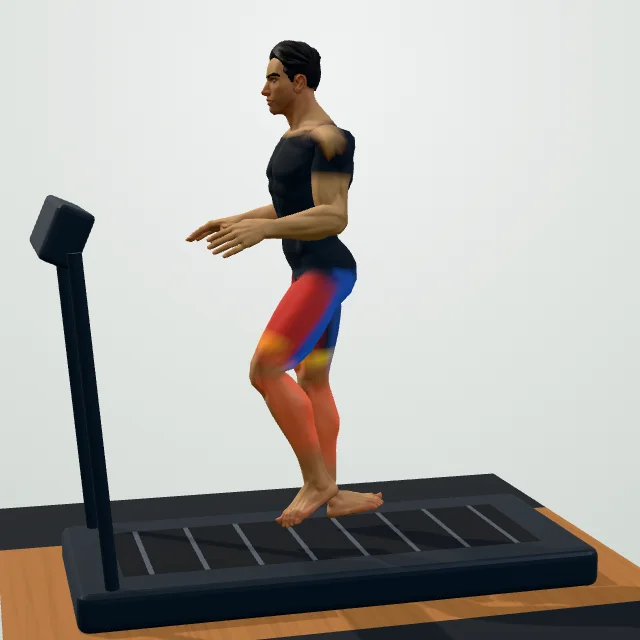 | Treadmill Running | 1 × 20 min per side | — |
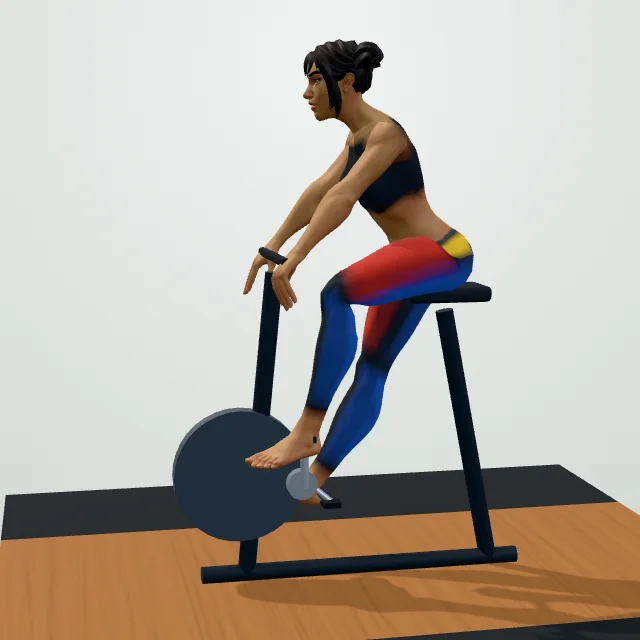 | Stationary Bike | 1 × 10 min per side | — |
How to progress
- Exercise burns calories, but fat loss comes from a small daily calorie deficit. Walk 7,000–10,000 steps a day as well.
- Spot reduction is a myth: ab exercises strengthen the core but do not burn belly fat by themselves.
A workout plan for weight loss works best when it combines strength training with conditioning, and this 4-week plan does exactly that: two strength circuits that preserve muscle while you are in a calorie deficit, one HIIT conditioning session for intensity, and one steady cardio session for extra calorie burn without adding fatigue.
Who this workout plan is for
This suits anyone whose main goal right now is losing body fat, whether training at home or in a gym — the sessions use dumbbells, bodyweight moves and cardio machines or outdoor space, so it flexes to either setting. It works for beginners and intermediates alike since the strength circuits use moderate rep ranges and shorter rest, which is more about total effort than heavy lifting. If building muscle and strength is more important to you than losing fat, the beginner full-body workout or 4-day muscle-building plan put more emphasis on progressive overload with less conditioning. If you want a faster, harder standalone conditioning session rather than this fuller weekly plan, see the 15-minute HIIT workout.
How to run the sessions
Warm up 5 minutes before every session. On the strength circuits (S1, S2), work through the exercises in order with the shorter 45-second rests shown — this keeps your heart rate up between sets, which adds a conditioning effect on top of the strength work. On the HIIT conditioning day (C1), move through the circuit with only the listed rest between exercises and the longer rest between rounds — push close to your real effort limit during each work period. On the steady cardio day (C2), keep your pace conversational (you should be able to talk in short sentences) for the full 20 minutes on each machine rather than starting too fast and fading. Follow the weekly order as written — S1, C1, rest, S2, C2, rest, rest — which spaces the two strength days three days apart for recovery.
How to choose your starting weight and effort
On the strength circuits, pick a dumbbell weight that leaves 2–3 reps in reserve on each set — the shorter rest and circuit format mean fatigue builds up within the session even at a moderate weight, so you do not need to go especially heavy for this to feel challenging. On the HIIT day, effort matters more than exercise selection: push close to your maximum during each 40-second work period and use the rest fully. On steady cardio, resistance or incline should be enough to keep you working but still able to hold a conversation — that "zone 2" effort level is what makes a 20-minute session sustainable several times a week.
Week-to-week progression, with numbers
On the strength circuits, use double progression the same way any strength plan would: once every set reaches the top of the rep range (for example 3×15 on the goblet squat), add 1–2 kg per hand next time. On the HIIT day, you can add a round (2 rounds instead of the standard structure) once the base version feels manageable, or increase your work-to-rest ratio slightly. Exercise burns calories and builds the muscle that helps shape your body as you lose fat, but fat loss itself comes from a small, consistent daily calorie deficit — pair this training plan with that deficit rather than expecting exercise alone to produce it. Walking 7,000–10,000 steps a day on top of these four sessions adds meaningful extra calorie burn without the recovery cost of more hard training.
Adapting the plan: fewer days, home vs gym, missing equipment
Only free 2–3 days: keep both strength circuits (S1, S2) as the priority, since they protect muscle mass during a calorie deficit, and add C1 or C2 if time allows. No dumbbells: the strength circuits' moves (goblet squat, push-up, glute bridge, plank) mostly work as bodyweight-only versions with a few more reps to compensate — see the 30-day home workout plan for a fully bodyweight template. No cardio machines: replace the steady cardio day with a 20-minute brisk walk or jog outdoors, which produces a similar effect. No time for a dedicated cardio day: extra daily walking (the 7,000–10,000 step target) can substitute for some of C2's structured cardio.
Recovery, sleep and nutrition basics
Sleep 7–9 hours a night — poor sleep makes a calorie deficit feel harder and can increase hunger, which works directly against your goal. Eat roughly 1.6 g of protein per kg of body weight a day, since higher protein intake helps preserve muscle while you are eating less overall, and keep your calorie deficit modest (roughly 300–500 calories a day below maintenance) rather than following a crash diet — large, unsustainable deficits tend to cost you muscle along with fat and are hard to stick with. Spot reduction is a myth: ab exercises strengthen your core but do not selectively burn belly fat, no matter how many reps you do. The how to lose fat with exercise guide covers this in more depth.
Common mistakes on a fat-loss plan
- Cutting calories too aggressively: a very large deficit usually costs muscle as well as fat and is hard to sustain. A modest, steady deficit works better over weeks and months.
- Dropping strength training to "just do cardio": the strength circuits in this plan protect muscle mass while you are in a deficit — losing that muscle alongside fat leaves you lighter but not leaner.
- Doing endless extra cardio instead of managing food intake: exercise alone rarely produces a large enough calorie gap for meaningful fat loss without also adjusting what you eat.
- Chasing "belly fat" exercises specifically: spot reduction does not work — fat loss happens across the whole body based on genetics and overall calorie balance, not which muscle you train.
- Skipping rest days to speed up results: training every day without recovery usually leads to burnout or injury before it leads to faster fat loss.
What to do next
Use the calories burned calculator to estimate how many calories each session burns, and the plan builder if you want to adjust the days or exercises. If your goals shift more toward building muscle once you are closer to your target weight, the 4-day muscle-building plan or upper/lower split are good next steps.
Questions people ask
Does exercise really help with weight loss?
How do I start a workout plan for weight loss?
Can I do this weight loss workout plan at home?
Will this plan help me lose belly fat specifically?
How big should my calorie deficit be for weight loss?
Should I do cardio or strength training for weight loss?
Is walking enough for weight loss alongside this plan?
General fitness information, not medical advice. Check with a doctor or physiotherapist before starting if you have a health condition, an injury or are pregnant. Stop if you feel chest pain, dizziness or sharp pain.