Strength · Intermediate
Upper/lower split: a 4-day strength workout plan
This upper/lower split trains your upper and lower body twice a week each, alternating a heavier strength-focused session with a lighter, higher-rep volume session, across four days.
Your week
Sessions
Upper A (strength)
| Exercise | sets | Rest | |
|---|---|---|---|
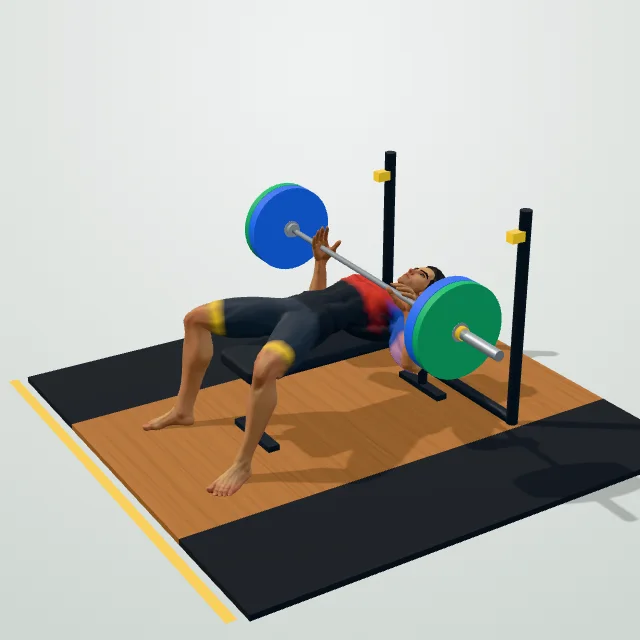
| Barbell Bench Press | 4 × 5-8 | 150 s |
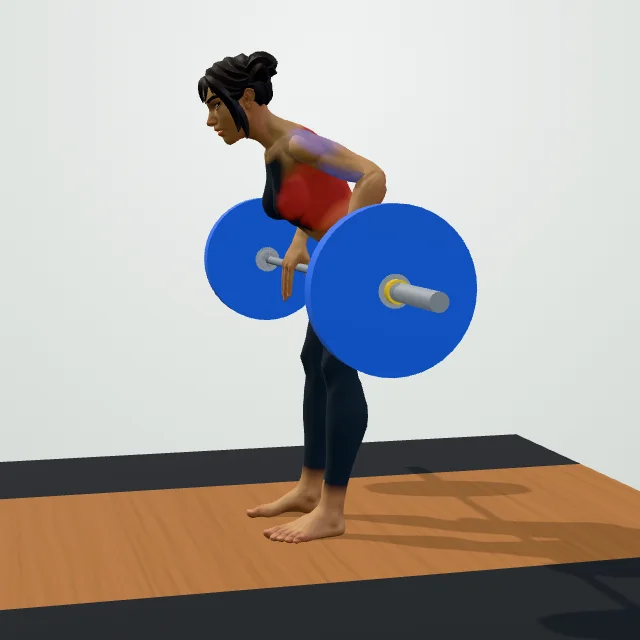 | Bent-Over Barbell Row | 4 × 6-8 | 120 s |
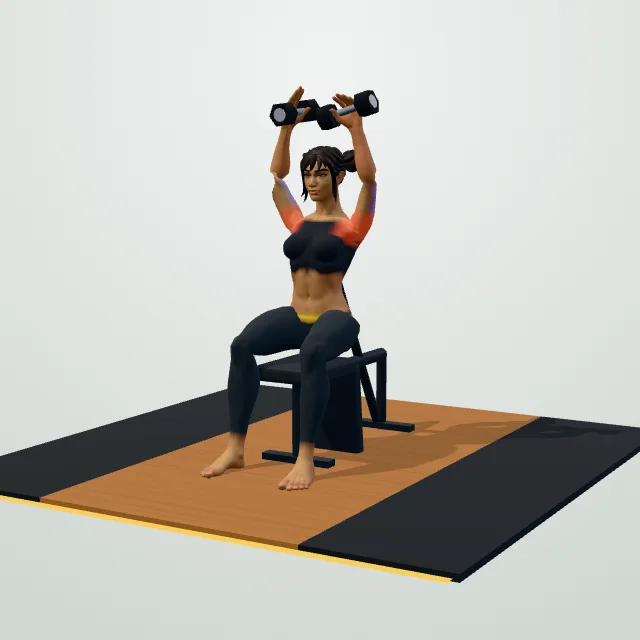 | Dumbbell Shoulder Press | 3 × 8-10 | 90 s |
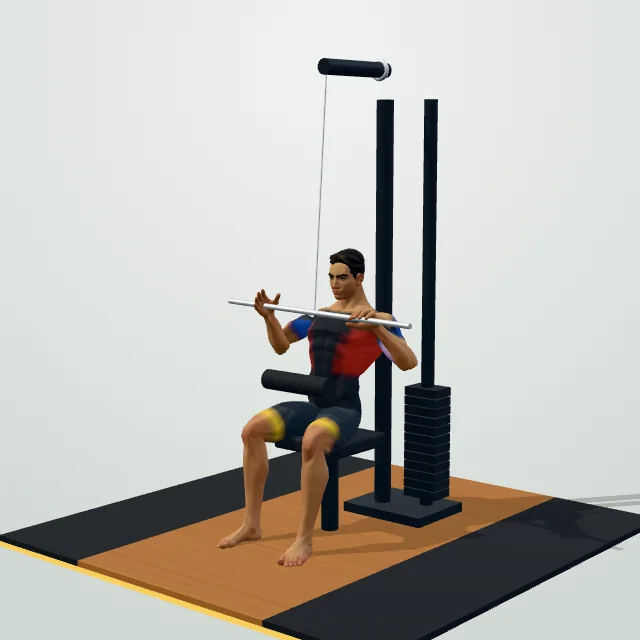 | Lat Pulldown | 3 × 8-12 | 90 s |
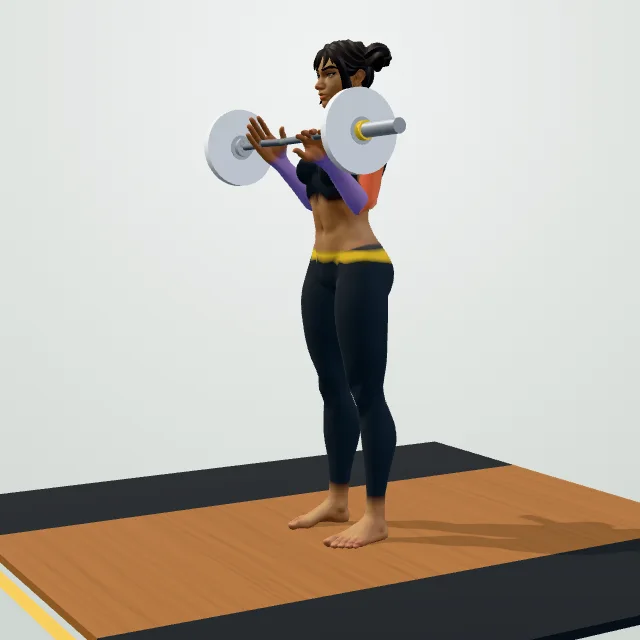 | EZ-Bar Curl | 2 × 10-12 | 60 s |
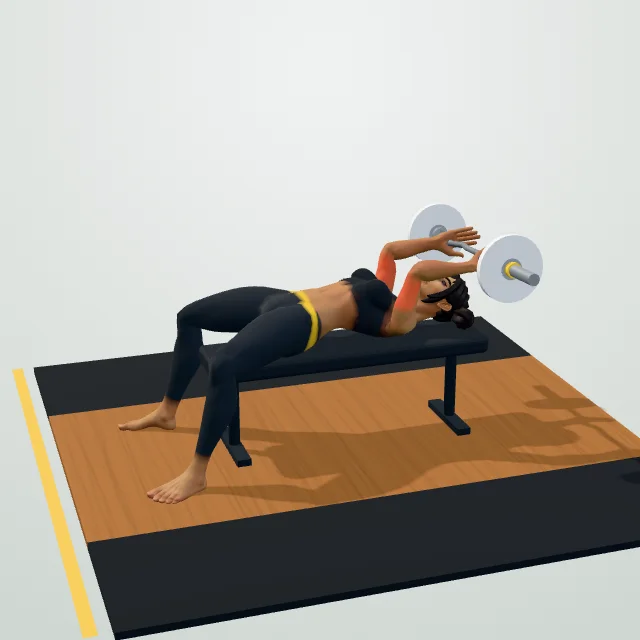 | Skull Crusher | 2 × 10-12 | 60 s |
Lower A (strength)
| Exercise | sets | Rest | |
|---|---|---|---|
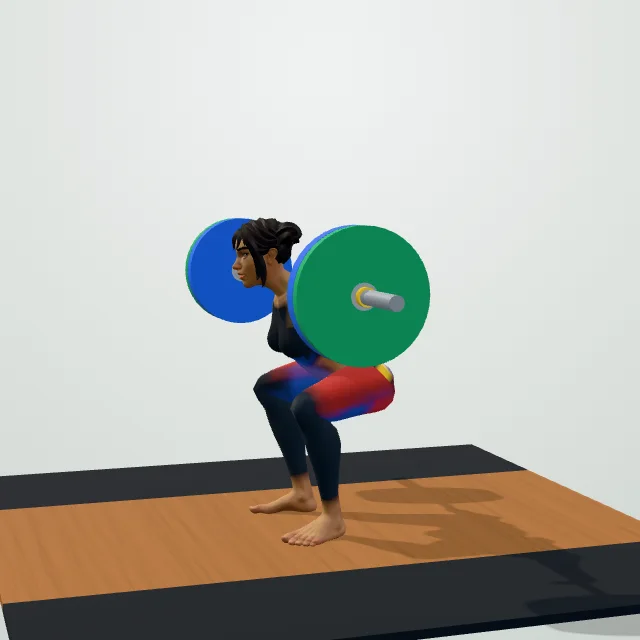 | Barbell Back Squat | 4 × 5-8 | 180 s |
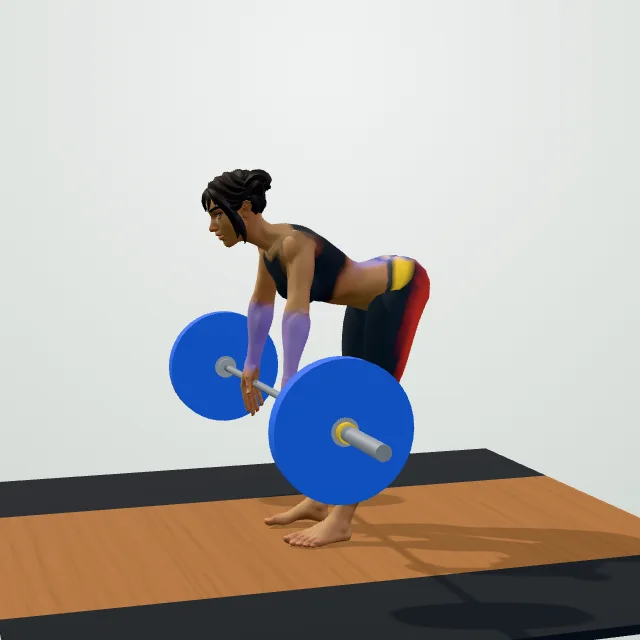 | Romanian Deadlift | 3 × 8-10 | 120 s |
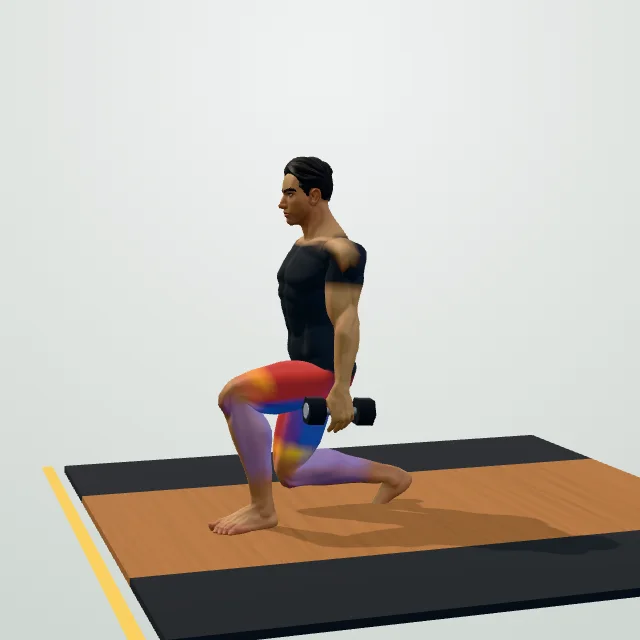 | Dumbbell Walking Lunge | 3 × 10 per side | 90 s |
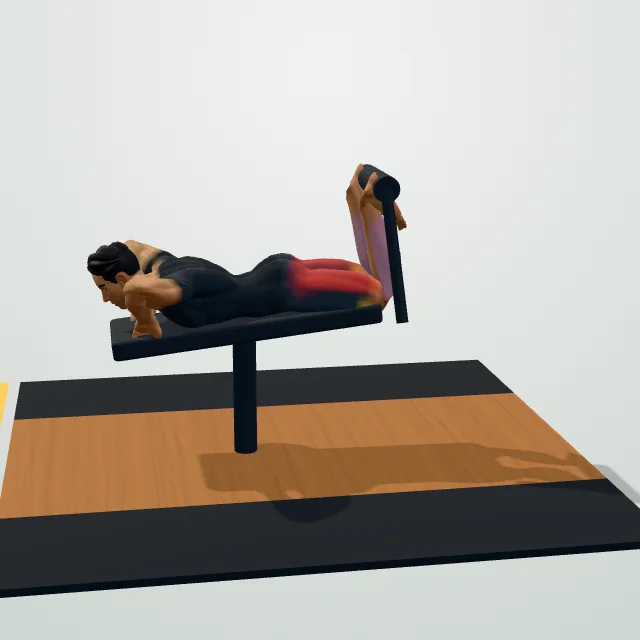 | Lying Leg Curl | 3 × 10-12 | 60 s |
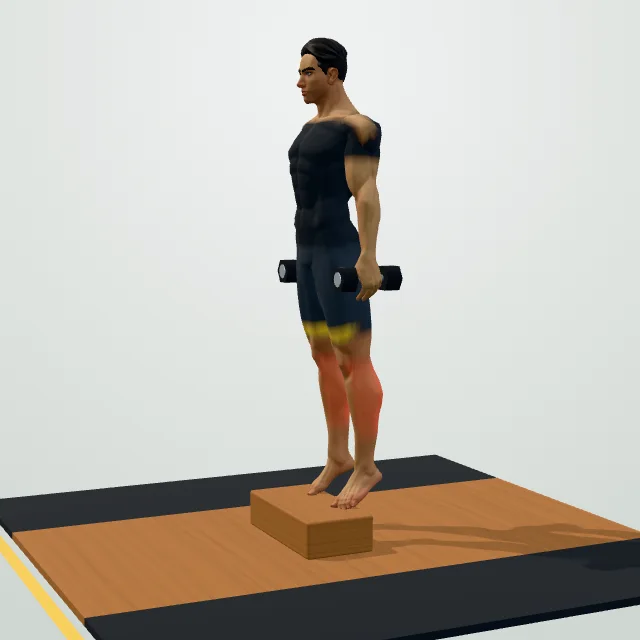 | Standing Calf Raise | 3 × 12-15 | 60 s |
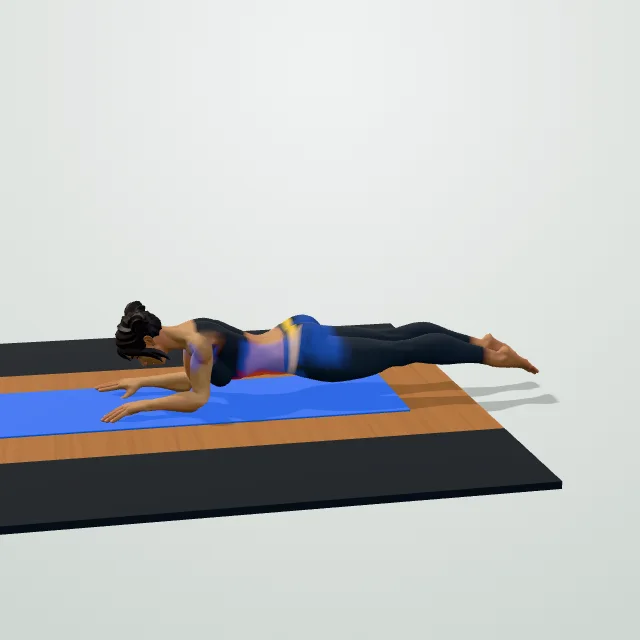 | Plank | 3 × 40 s | 45 s |
Upper B (volume)
| Exercise | sets | Rest | |
|---|---|---|---|
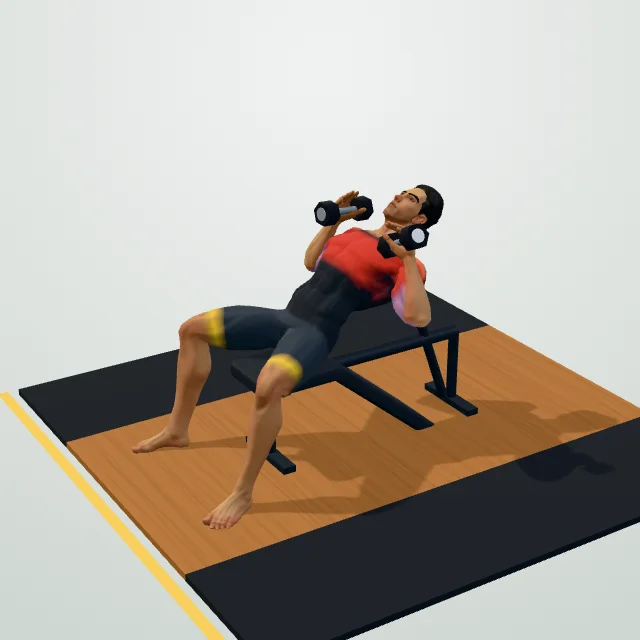 | Incline Dumbbell Press | 3 × 8-12 | 90 s |
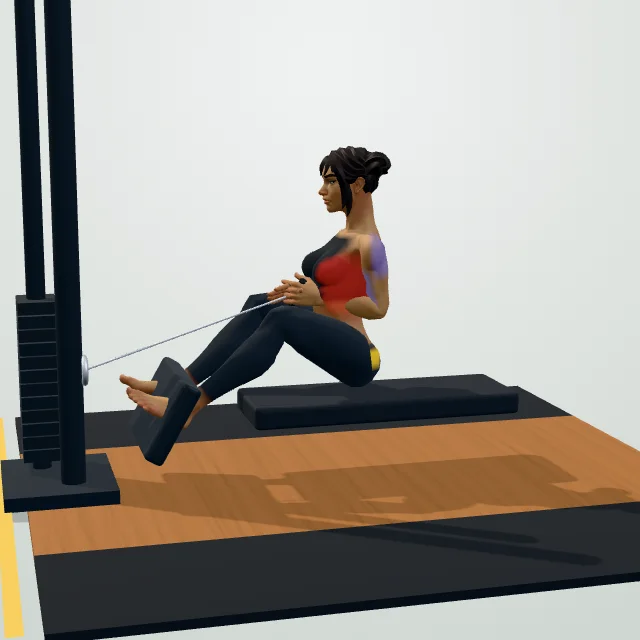 | Seated Cable Row | 3 × 10-12 | 90 s |
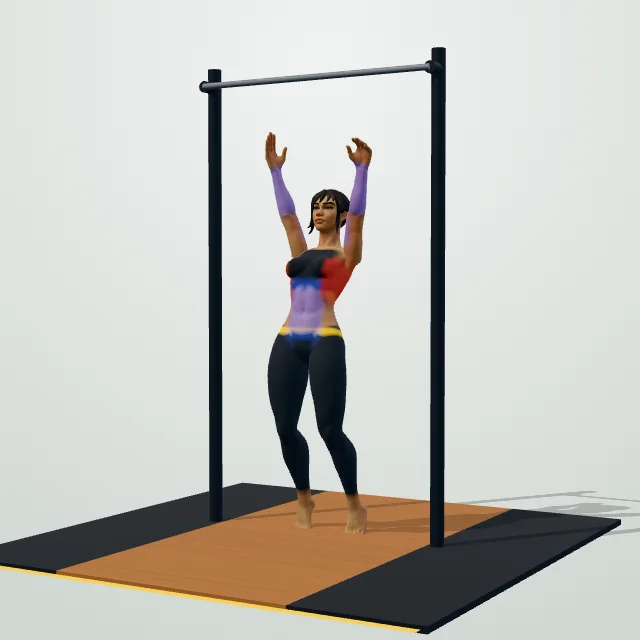 | Pull-Up | 3 × max | 120 s |
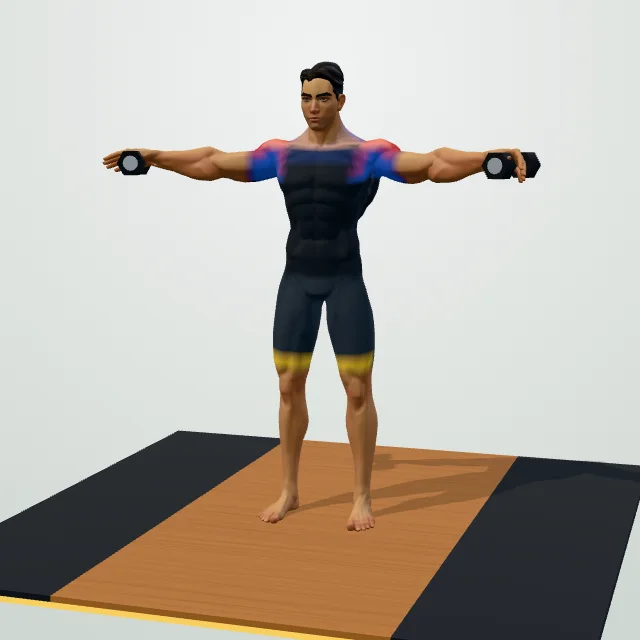 | Dumbbell Lateral Raise | 3 × 12-15 | 60 s |
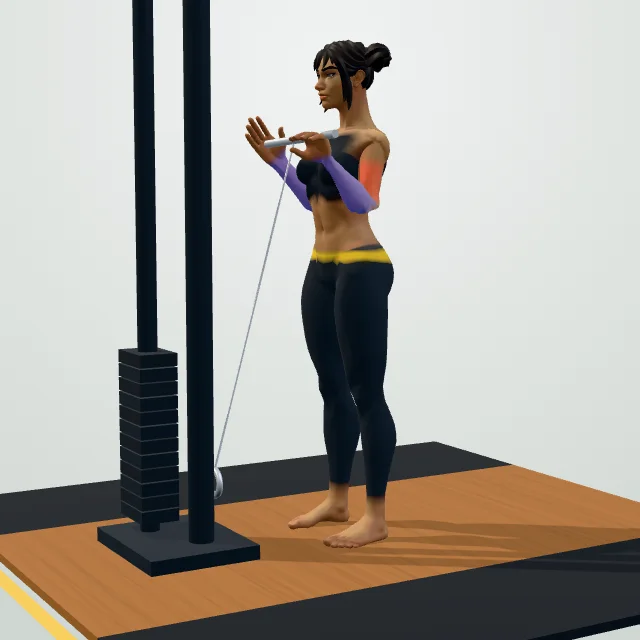 | Cable Curl | 2 × 12 | 60 s |
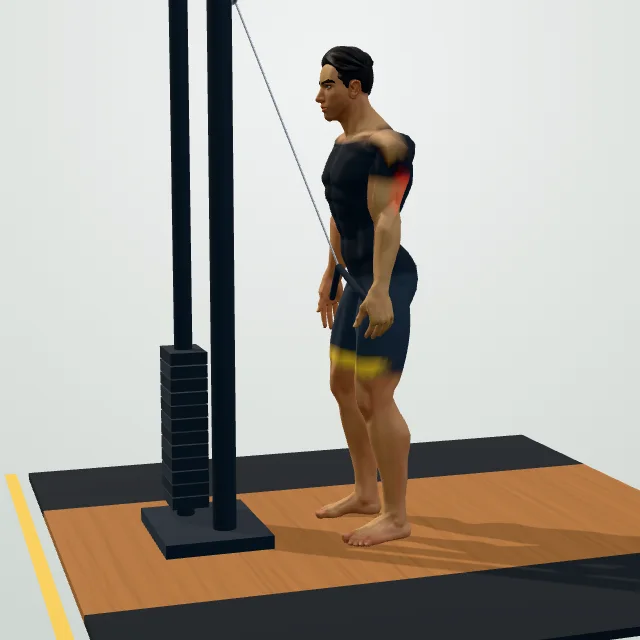 | Triceps Rope Pushdown | 2 × 12 | 60 s |
Lower B (volume)
| Exercise | sets | Rest | |
|---|---|---|---|
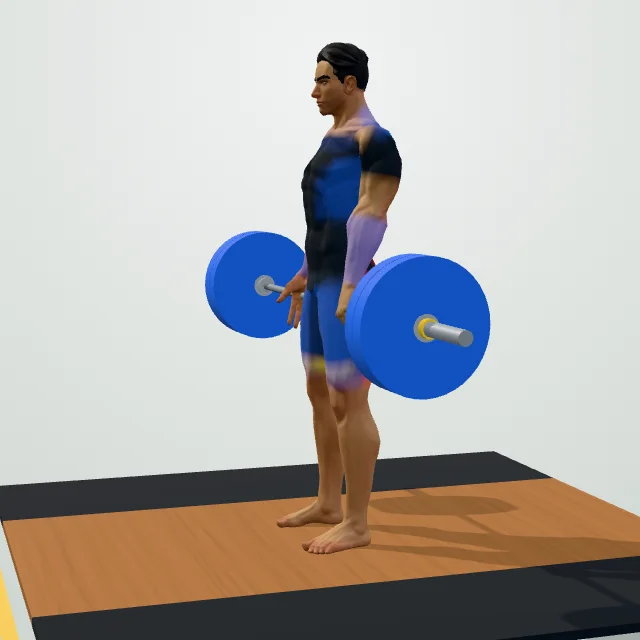 | Deadlift | 3 × 3-5 | 180 s |
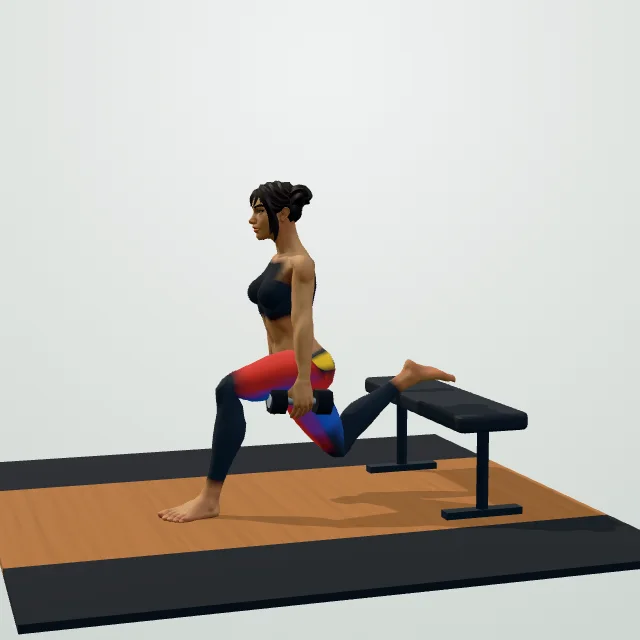 | Bulgarian Split Squat | 3 × 8 per side | 90 s |
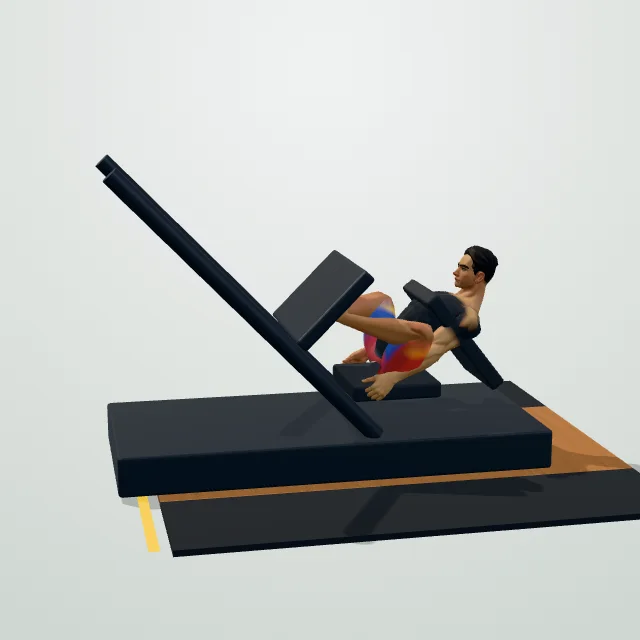 | Leg Press | 3 × 12 | 90 s |
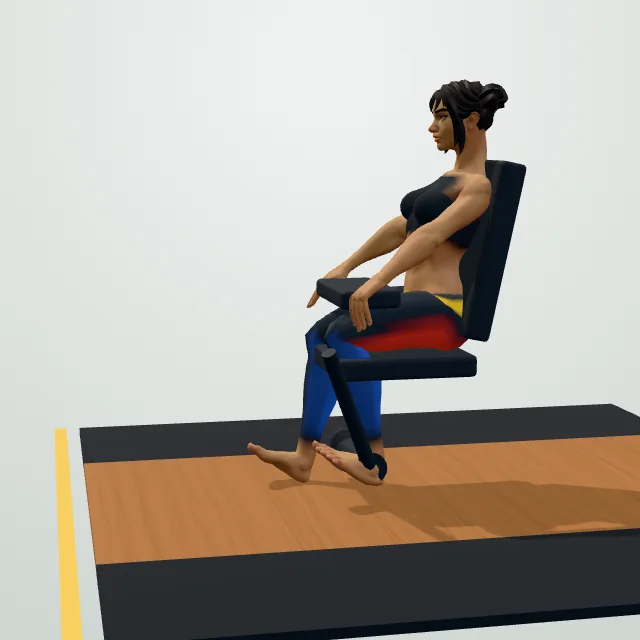 | Seated Leg Curl | 3 × 12 | 60 s |
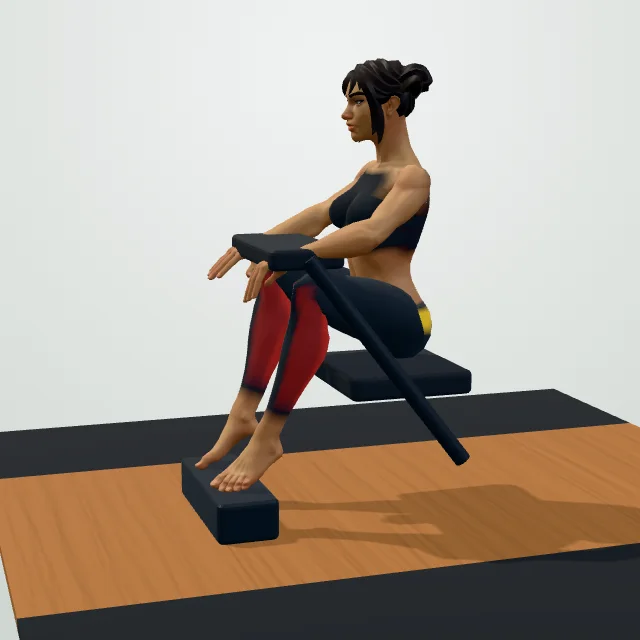 | Seated Calf Raise | 3 × 15 | 45 s |
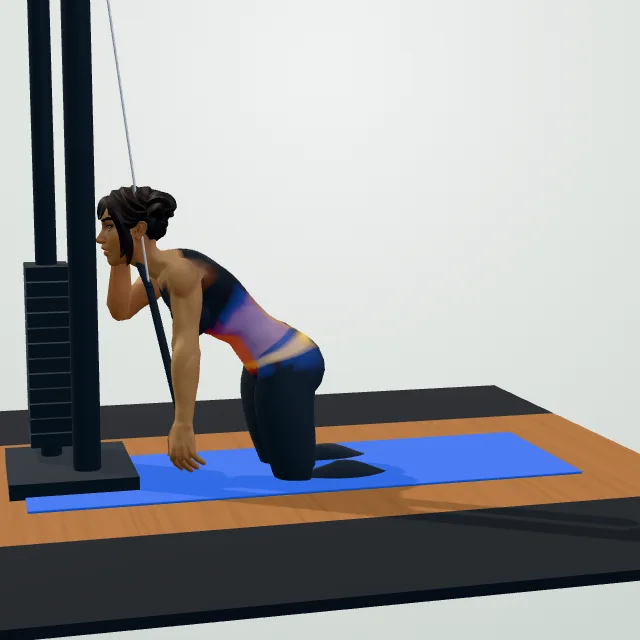 | Cable Crunch | 3 × 12-15 | 45 s |
How to progress
- Add 2.5 kg (5 lb) to the main upper lifts and 5 kg (10 lb) to squats and deadlifts when all sets hit the top of the range.
An upper/lower split workout plan divides the week into upper-body days and lower-body days, so each region gets trained twice within four sessions — enough frequency for solid strength gains while still leaving three full rest days a week for recovery.
Who this upper/lower split is for
This is an intermediate-level, gym-based plan built around barbell bench press, squat, deadlift and rows, so it suits lifters who already have the main lifts dialed in and want a strength-first structure without the six-day commitment of a push pull legs split. It works well if you want fewer, denser sessions rather than more frequent shorter ones, and it is a common next step after a beginner full-body plan once three full-body sessions a week start to feel too light. If your priority is more overall training volume for muscle size rather than strength numbers, the 4-day muscle-building plan covers similar days with a hypertrophy-first rep range.
How to run the sessions
Warm up for 5–8 minutes, then take 1–2 progressively heavier warm-up sets before your first working set on the day's main barbell lift — bench press on Upper A, squat on Lower A, and so on. Work through each session in the order shown: the heaviest compound lift leads while you are freshest, and accessory and core work finish the session. Follow the weekly pattern as written — Upper A, Lower A, rest, Upper B, Lower B, rest, rest — so each muscle group gets roughly 72 hours before its next session, and the two rest days at the end of the week give you a longer recovery stretch before starting again.
How to choose your starting weight
On the strength days (Upper A, Lower A), pick a weight that leaves 2–3 reps in reserve at the bottom of the rep range and close to 0–1 in reserve on your last set — these are your heaviest, lowest-rep sets of the week. On the volume days (Upper B, Lower B), the rep ranges are higher (8–15 reps) and the loads lighter; leave slightly more in reserve here since the goal is accumulating quality volume, not testing your limits every set. The RPE and RIR guide explains how to judge this more precisely as you get used to the plan.
Week-to-week progression, with numbers
Add 2.5 kg (5 lb) to the main upper-body lifts (bench press, barbell row, overhead press) and 5 kg (10 lb) to squats and deadlifts once all working sets hit the top of their rep range with good form. This is standard progressive overload: small, regular jumps beat trying to add weight before your reps and form catch up. Expect strength-day lifts to progress in weight more often, while volume-day accessories (lateral raises, curls, leg extensions, calf raises) usually progress in reps first and weight less often, since the increments available are larger relative to the load. If you stall on a main lift for two sessions in a row, take 10% off the bar and rebuild over 2–3 sessions rather than repeatedly grinding a failed weight.
Adapting the plan: fewer days, home training, missing equipment
Only free for 2–3 days: run Upper A and Lower A one week, then Upper B and Lower B the next, so you still cycle through both variations even at reduced frequency. No barbell at home: swap the bench press for dumbbell bench press and the back squat for goblet squat or Bulgarian split squat — the full-body dumbbell workout is a good template if you want an entirely dumbbell-based version. No pull-up bar: replace pull-ups with lat pulldowns at the same sets and reps. If you eventually want more total weekly volume once this feels manageable, the 6-day push pull legs split is the natural next step up in frequency.
Recovery, sleep and nutrition basics
Four sessions with three rest days gives ample recovery time for most intermediate lifters, but sleep and food still matter — aim for 7–9 hours of sleep, since that is when most strength adaptation actually happens. Eat roughly 1.6 g of protein per kg of body weight a day if building muscle and strength is the priority; if you also want to lose fat while running this plan, keep the calorie deficit modest so your strength numbers do not stall. The muscle soreness guide covers what soreness is normal on strength-day squats and deadlifts versus a sign you need more recovery time.
Common mistakes on an upper/lower split
- Treating both upper days the same: Upper A is a strength day and Upper B is a volume day — using the same heavy weight and low reps on both defeats the point of the split and adds unnecessary fatigue.
- Skipping warm-up sets on the strength days: going straight to a heavy squat or deadlift with a cold lower back is a common way to strain it. Two or three progressively heavier warm-up sets fix this.
- Adding weight before hitting the full rep range: jumping the bar up while still missing reps at the bottom of the range usually means stalling out sooner, not faster progress.
- Doing extra "bonus" sessions on rest days: the two rest days at the end of the week are part of the program, not wasted time — they let your central nervous system recover from the strength days.
- Neglecting the single deadlift set on Lower B: it is deliberately light volume for strength maintenance, not the day's main lift — do not add more heavy sets on top of it.
What to do next
Use the plan builder to adjust this to more or fewer days, and the one-rep max calculator to plan your working weights on the squat, bench press and deadlift. If you outgrow four days, the push pull legs split adds a fifth and sixth session with the same underlying progression principles.
Questions people ask
Is an upper/lower split good for strength?
How do I structure a 4-day upper/lower split?
Is upper/lower split better than push pull legs?
Can I do an upper/lower split with dumbbells only?
How much weight should I add on an upper/lower split?
Is upper/lower split good for beginners?
How many rest days does this upper/lower split have?
General fitness information, not medical advice. Check with a doctor or physiotherapist before starting if you have a health condition, an injury or are pregnant. Stop if you feel chest pain, dizziness or sharp pain.