Fat loss · Advanced
Tabata workout: a 20-minute high-intensity plan
This tabata workout runs the original 20-seconds-on, 10-seconds-off interval structure across four blocks of eight exercises each, with a minute of rest between blocks, for about 20 minutes total.
Your week
Sessions
4 Tabata blocks
| Exercise | Work | Rest | |
|---|---|---|---|
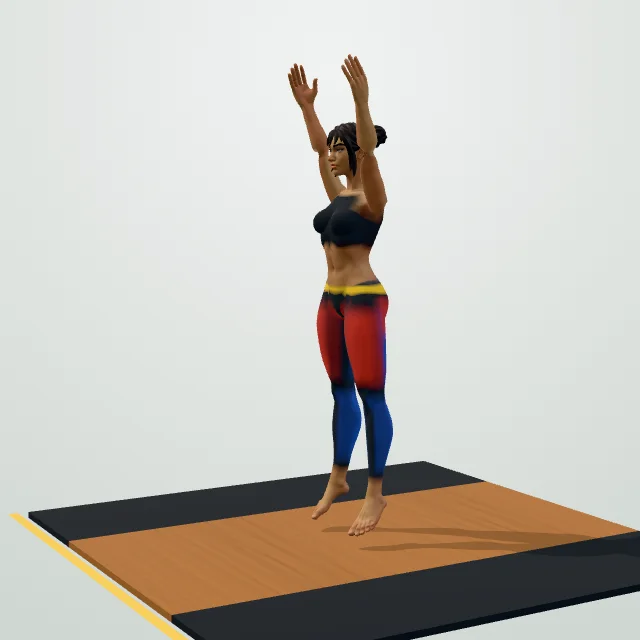
| Jump Squat | 20 s | 10 s |
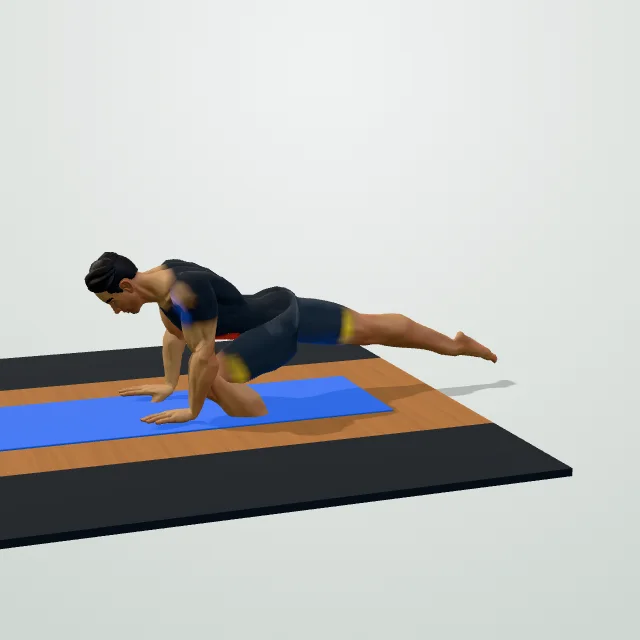 | Mountain Climber | 20 s | 10 s |
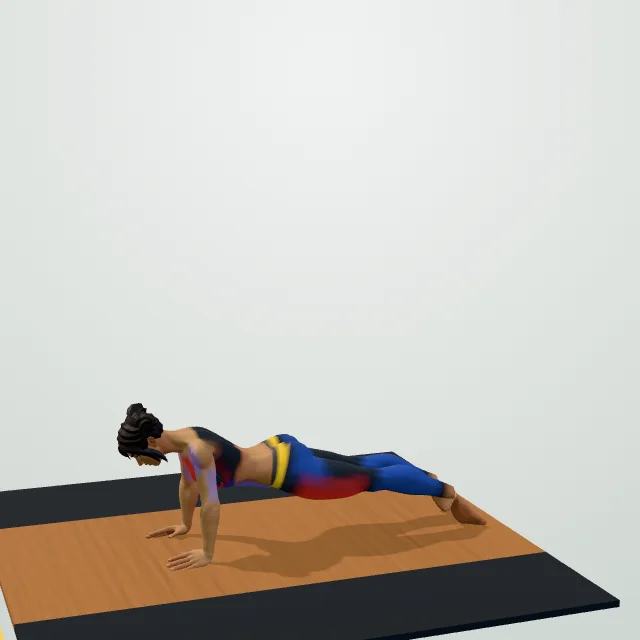 | Burpee | 20 s | 10 s |
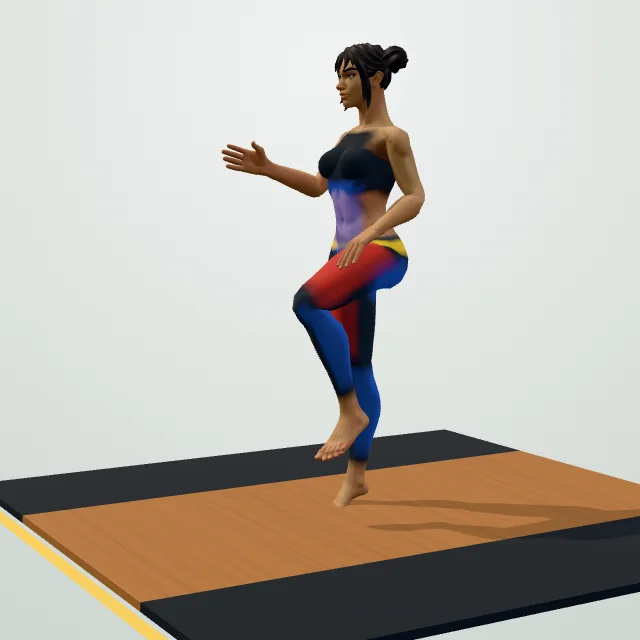 | High Knees | 20 s | 10 s |
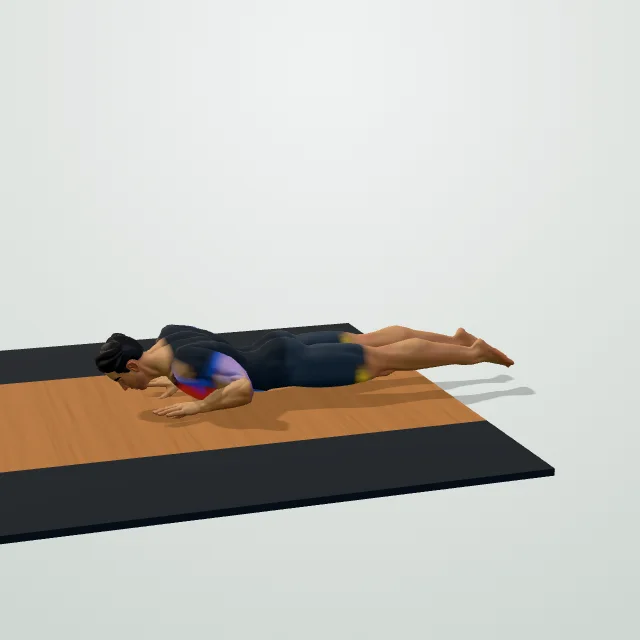 | Push-Up | 20 s | 10 s |
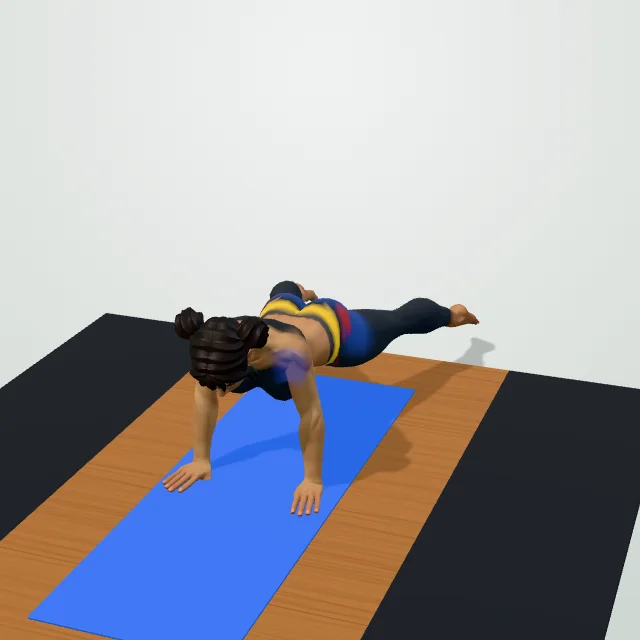 | Plank Jack | 20 s | 10 s |
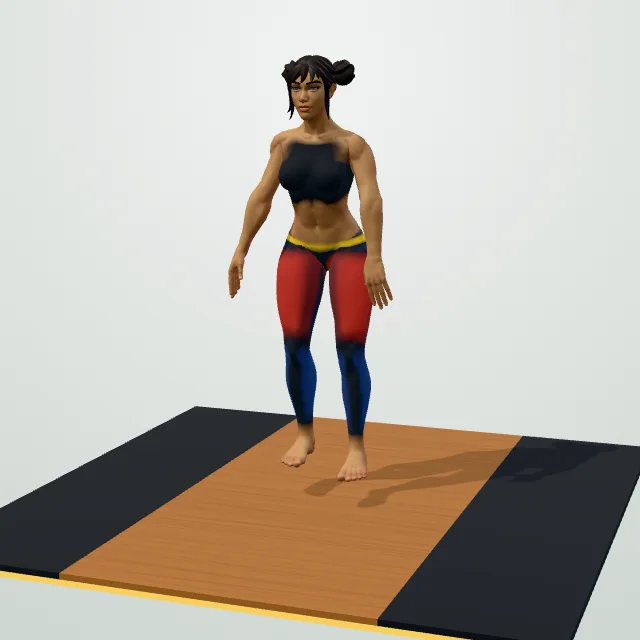 | Skater Jump | 20 s | 10 s |
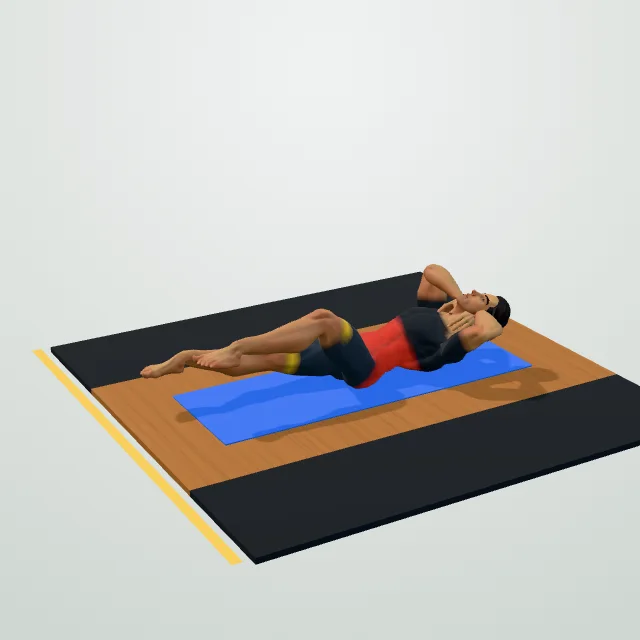 | Bicycle Crunch | 20 s | 10 s |
| Round of 4 × 4 · Rest 60 s | |||
How to progress
- A true Tabata is all-out effort. If you are new to intervals, start with the 15-minute HIIT plan.
A tabata workout uses one of the most studied high-intensity interval formats there is: 20 seconds of all-out effort followed by only 10 seconds of rest, repeated for 8 rounds — this plan runs that pattern across four separate blocks of eight different exercises, with a full minute of rest between blocks, for about 20 minutes total.
Who this tabata workout is for
Tabata's original 20/10 ratio is genuinely demanding — this plan is rated an advanced-intensity session, so it suits people who already have some conditioning base and want a short, very hard workout rather than a beginner's first structured routine. If you are new to interval training, the 15-minute HIIT workout uses a gentler 40-seconds-on, 20-seconds-off ratio that is easier to sustain while you build a base level of fitness. If you want a longer, lower-impact conditioning option instead, the gym cardio workout uses machines and steady effort rather than all-out intervals.
How to run the session
Warm up for 5 minutes before starting — some easy jumping jacks, arm circles and a couple of light bodyweight squats — since going straight into 20-second maximal effort intervals cold significantly raises injury risk. Each block runs all eight exercises once, 20 seconds of work and 10 seconds of rest between them, then you get a full 60-second rest before starting the next block. Push genuinely close to maximal effort during each 20-second work interval — a true Tabata protocol is defined by that intensity, not by the exercise list — and use the 60-second block rest to bring your breathing back under control before the next round. Finish with the cool-down stretch to bring your heart rate down gradually.
Choosing your starting intensity
There is no external weight here, so your main choice is exercise selection and how hard you push. If the jumping moves (jump squat, skater jump, plank jack) feel too high-impact for your knees or joints right now, swap in their non-jumping equivalents — a fast bodyweight squat instead of a jump squat, a slow mountain climber instead of a plank jack — while keeping the same 20/10 timing. Push-ups can be done from the knees if a full push-up is not sustainable for the full 20 seconds yet.
Week-to-week progression, with numbers
A true Tabata protocol is meant to be all-out effort every work interval — the way to make it "harder" over time is not to change the timing (that would no longer be a true Tabata), but to choose more demanding exercise variations as your fitness improves: a jump squat instead of a bodyweight squat, a full burpee with a push-up instead of a step-back burpee. If you are new to interval training and find even one block genuinely difficult to complete with proper form, start with the 15-minute HIIT plan's more forgiving 40/20 ratio for a few weeks, then come back to this Tabata structure once your conditioning improves. This mirrors progressive overload applied to intensity rather than weight — you earn the right to a harder protocol by building a base first.
Adapting the workout: fewer blocks, less impact, no jumping
New to interval training or find four blocks too much: do two blocks (about 10 minutes) rather than skipping the format altogether, and add a third and fourth block as your conditioning improves over a few weeks. Living somewhere jumping bothers neighbors: replace the jump squat, plank jack and skater jump with their non-jumping equivalents (regular squat, mountain climber, and a side-to-side step) while keeping the 20/10 timing intact. Limited space: every exercise in this circuit works within a small area, though the burpee needs enough room to lie flat briefly.
Recovery, sleep and nutrition basics
This plan is scheduled twice a week by design — Tabata's genuine all-out intensity needs real recovery time between sessions, so resist the urge to add more days without also adding rest. Sleep 7–9 hours a night, since recovery from maximal-effort interval training depends heavily on it. If fat loss is your goal, remember exercise supports it but a modest, sustained calorie deficit through diet is what drives most of the actual result — see the how to lose fat with exercise guide. If you have any heart, blood pressure or joint condition, talk to a doctor before starting genuinely all-out interval training like this, and stop immediately for chest pain, dizziness or unusual breathlessness — see the exercise safety guide for the full list of stop signs.
Common mistakes on a tabata workout
- Pacing yourself through the 20-second intervals: Tabata's benefit comes specifically from near-maximal effort. Treating it like a moderate-intensity circuit defeats the point of the protocol.
- Skipping the warm-up: going straight into all-out 20-second efforts with cold muscles is one of the more common ways people strain something on interval training.
- Doing this every day: genuine Tabata-intensity training needs real recovery. Two sessions a week, as scheduled, with other lighter or rest days between, is more sustainable than daily use.
- Sacrificing form for speed on jump-based moves: rushing a jump squat or burpee to fit more reps into 20 seconds usually means landing poorly, which raises injury risk without adding real benefit.
- Trying full Tabata as your very first interval workout: if you have no conditioning base, start with the gentler 15-minute HIIT ratio first and build up to this protocol.
What to do next
Use the HIIT and Tabata interval timer to run the 20/10 timing hands-free, and the calories burned calculator to estimate the session's energy cost. If Tabata feels too intense right now, the 15-minute HIIT workout is a gentler starting point, and the 4-week fat-loss workout plan combines conditioning like this with strength training across a full week.
Questions people ask
What is a tabata workout?
Is tabata training effective?
How do I do a tabata workout correctly?
Is tabata training good for beginners?
Can I do a tabata workout with no equipment?
How many times a week should I do tabata training?
Can tabata training help with weight loss?
General fitness information, not medical advice. Check with a doctor or physiotherapist before starting if you have a health condition, an injury or are pregnant. Stop if you feel chest pain, dizziness or sharp pain.