Mobility · Beginner
Stretching exercises: an 8-minute cool-down
This post-workout stretching routine takes about 8 minutes and covers your hamstrings, hips, calves, chest, shoulders and back with gentle held stretches. Do it after any workout to help your muscles and heart rate settle back down.
Sessions
Cool-down stretch
| Exercise | Work | Rest | |
|---|---|---|---|
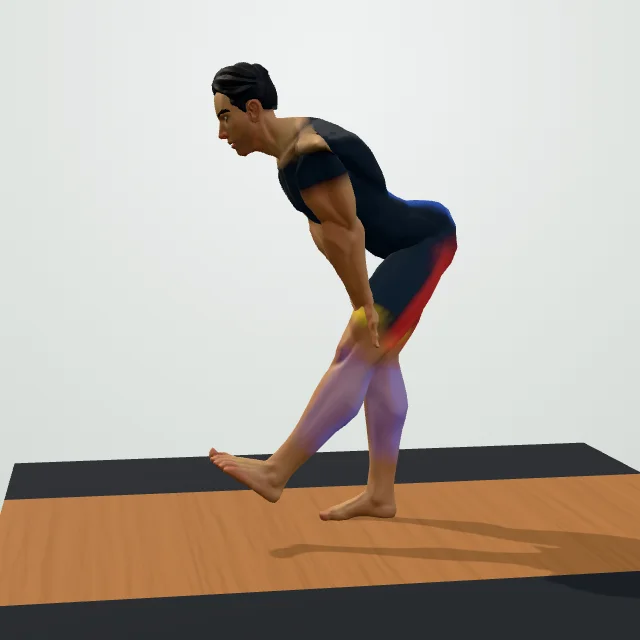
| Standing Hamstring Stretch | 30 s | 5 s |
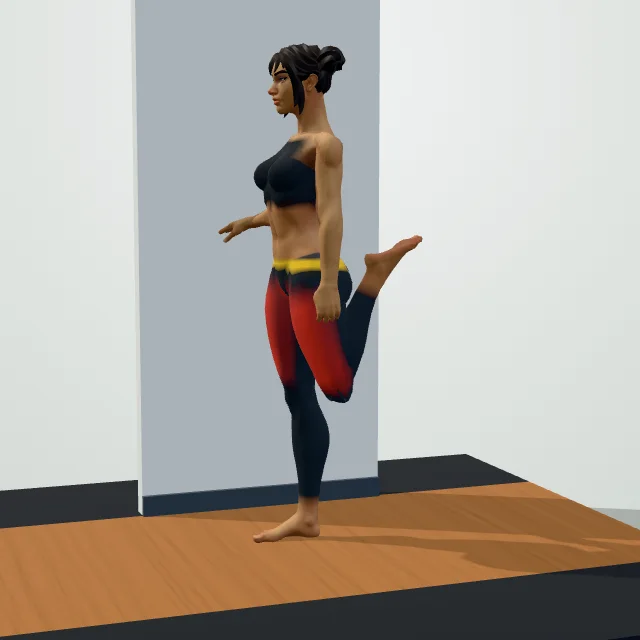 | Standing Quad Stretch | 30 s | 5 s |
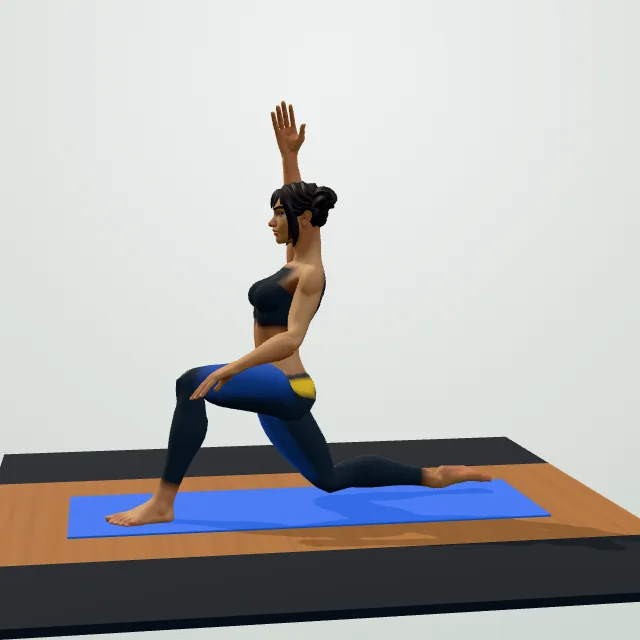 | Kneeling Hip Flexor Stretch | 30 s | 5 s |
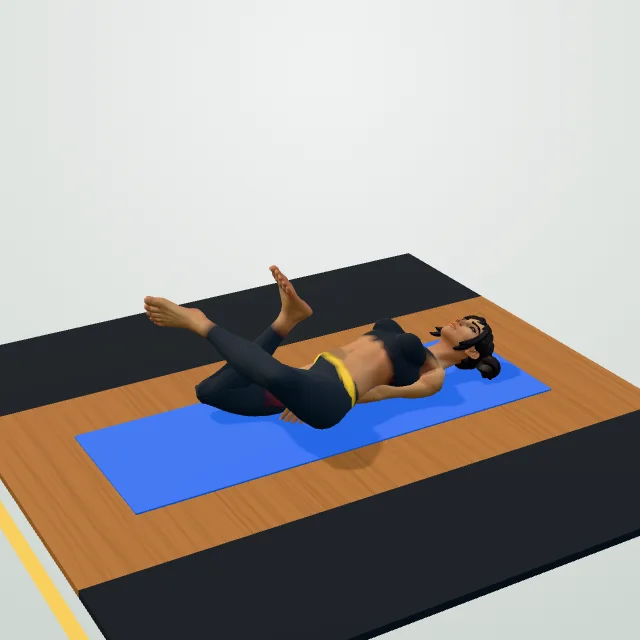 | Figure-Four Glute Stretch | 30 s | 5 s |
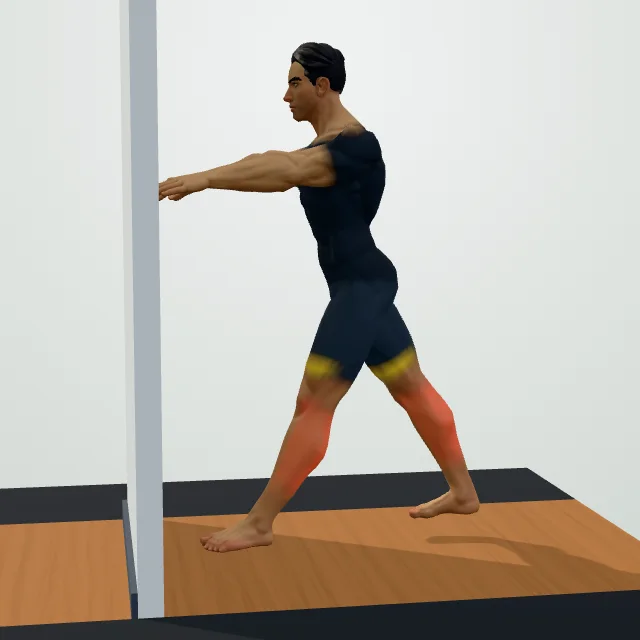 | Wall Calf Stretch | 30 s | 5 s |
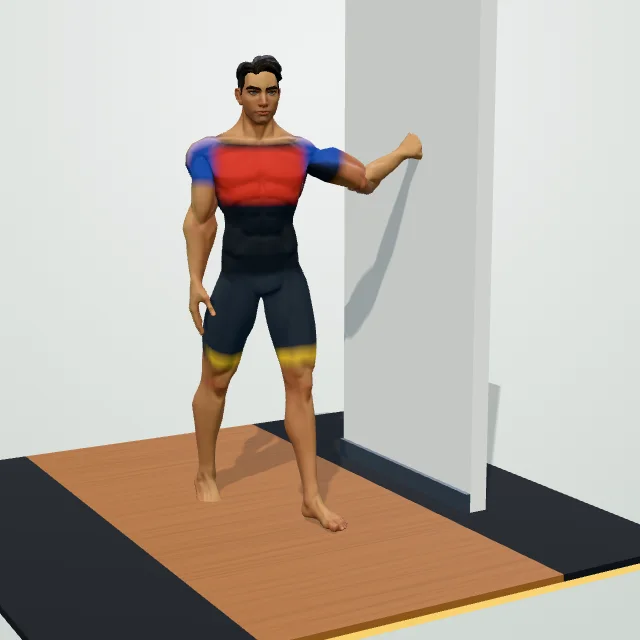 | Doorway Chest Stretch | 30 s | 5 s |
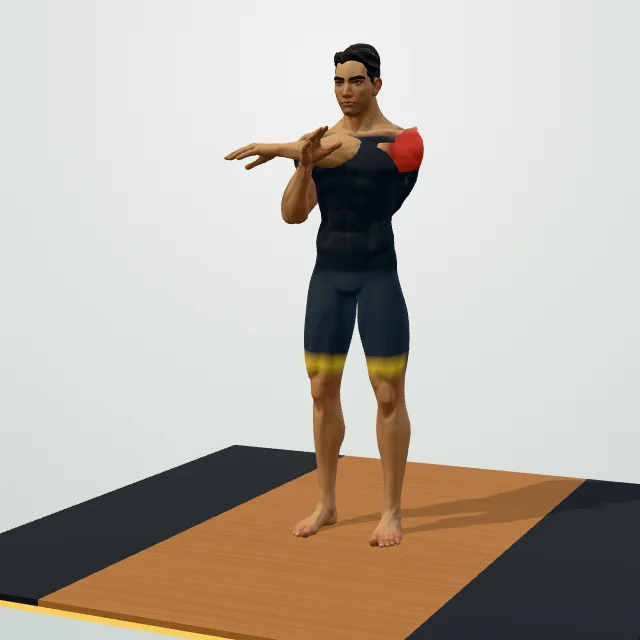 | Cross-Body Shoulder Stretch | 30 s | 5 s |
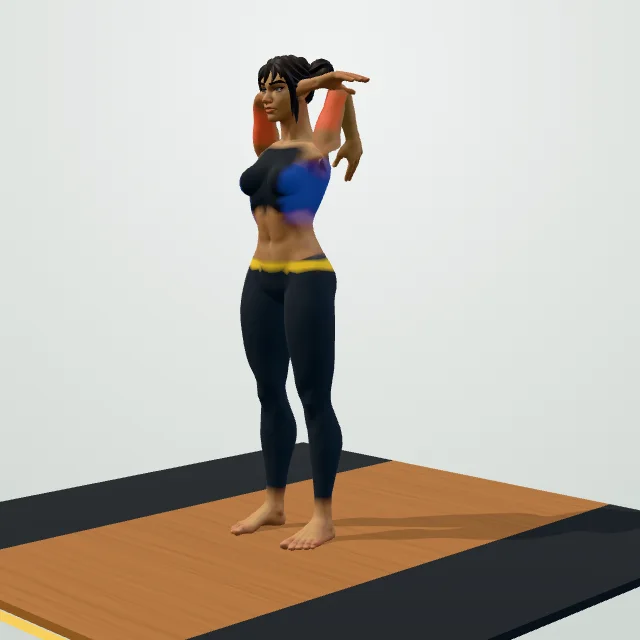 | Overhead Triceps Stretch | 30 s | 5 s |
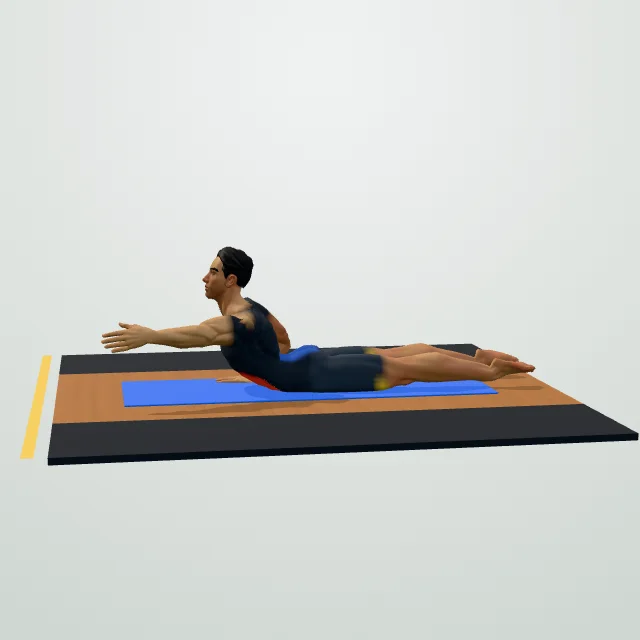 | Cobra Stretch | 30 s | 5 s |
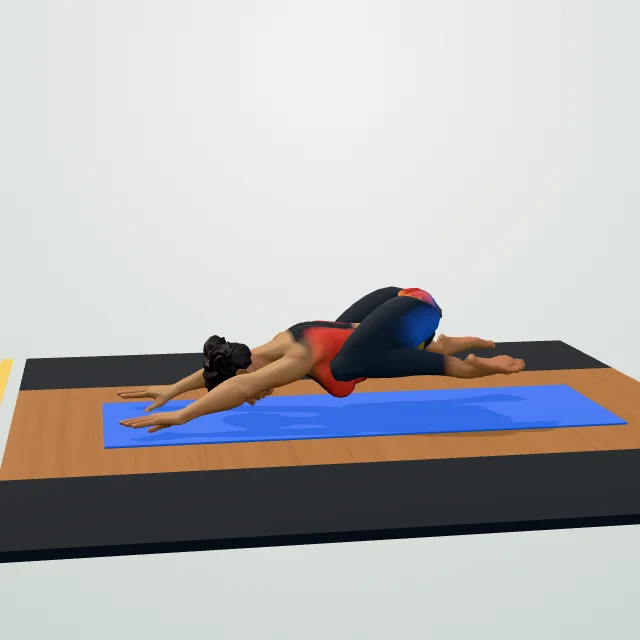 | Child's Pose | 30 s | 5 s |
| Round of 1 × 1 | |||
How to progress
- Breathe slowly and never stretch into pain.
Stretching exercises done right after a workout, while your muscles are still warm, help bring your heart rate back down gradually and can leave your joints feeling less stiff over the following day. This cool-down routine takes about 8 minutes and moves through ten held stretches covering your hamstrings, quads, hips, calves, chest, shoulders, triceps and lower back.
Who this cool-down is for
This routine suits anyone finishing a strength session, a run, or any other workout on this site — it is written as a general full-body stretch rather than one targeted at a single muscle group, so it pairs well with the beginner full-body workout, gym cardio workout or any other plan. If a specific area like your lower back or knees is a particular concern, the exercise for lower back pain and exercise for knee pain guides go into more targeted options.
How to run the cool-down
Move through the hamstring stretch, quad stretch, hip flexor stretch, figure-four glute stretch, calf stretch, chest stretch, shoulder stretch, triceps stretch, cobra stretch and finish with child’s pose, holding each for about 30 seconds (25 seconds on the shoulder and triceps stretches). Breathe slowly and steadily throughout each hold rather than holding your breath, and do each side stretch (hamstring, quad, hip flexor, calf, chest, shoulder, triceps) on both sides of your body before moving to the next exercise.
How each stretch should feel
You should feel a gentle pulling sensation in the muscle being stretched, never sharp pain or a burning nerve-like feeling — stop and ease off immediately if a stretch causes pain rather than a comfortable stretch feeling, since pushing into pain can strain rather than lengthen the muscle. It is normal for the stretch to feel a little uncomfortable at first and ease slightly as you hold it for the full 30 seconds; that easing is your muscle relaxing into the position, not something to force by bouncing.
Building flexibility over time
Flexibility improves gradually with consistency rather than by pushing harder in any single session — doing this cool-down after every workout, even briefly, builds more range of motion over weeks than occasionally holding a deeper stretch once. As a muscle group becomes more flexible, you will naturally be able to go slightly further into each position while keeping the same gentle, pain-free effort; there is no need to force extra range before your body is ready for it.
Adapting the cool-down: limited time, tight areas, seated options
Short on time: prioritize the hamstring, hip flexor and chest stretches, since these areas tend to get tightest from sitting and from common workouts. Particularly tight hips or hamstrings: hold those specific stretches for an extra 15–30 seconds rather than adding more stretches overall. Limited floor mobility: most of these stretches can be done seated in a chair with small adjustments — for example, the hamstring stretch works with one leg extended and the other bent while seated.
Common mistakes when cooling down
- Bouncing into a stretch: a bouncing or jerky movement can trigger a protective muscle contraction instead of a release. Ease into each position slowly and hold it still.
- Holding your breath: tensing up and holding your breath makes it harder for the muscle to relax. Breathe slowly through the nose during each hold.
- Skipping the cool-down entirely after a hard session: walking away straight after intense exercise means your heart rate and muscles do not get the same gradual wind-down; even 3–4 minutes helps.
- Pushing into pain to "stretch further": a stretch should feel like gentle tension, not pain. Ease off if it becomes uncomfortable rather than tolerable.
- Expecting one session to fix chronic tightness: long-standing tightness in the hips or hamstrings improves gradually with regular stretching over weeks, not from a single longer session.
What to do next
Pair this cool-down with any workout on the site, and use the 6-minute dynamic warm-up before your session for the other half of a complete routine. If ongoing tightness or pain in a specific area continues, the muscle soreness guide explains what is normal after exercise and when it is worth checking with a doctor or physiotherapist instead.
Questions people ask
Is stretching after a workout necessary?
How long should I hold each stretch?
Should stretching hurt?
Can stretching help with muscle soreness?
Is it better to stretch before or after exercise?
Can I do this cool-down if I have lower back pain?
How often should I do a cool-down stretch routine?
General fitness information, not medical advice. Check with a doctor or physiotherapist before starting if you have a health condition, an injury or are pregnant. Stop if you feel chest pain, dizziness or sharp pain.