Abs and core · Home, no equipment
Plank exercise: bracing your way to a stronger core
The plank holds your body in a straight line on your forearms and toes, training your core to resist movement rather than create it — a different kind of strength than a crunch builds.
- Primary
- Abs
- Secondary
- ObliquesFront deltsGlutes
- Level
- Beginner
- Type
- Compound · Both sides together
- Sets × reps
- 3 × 30 s hold
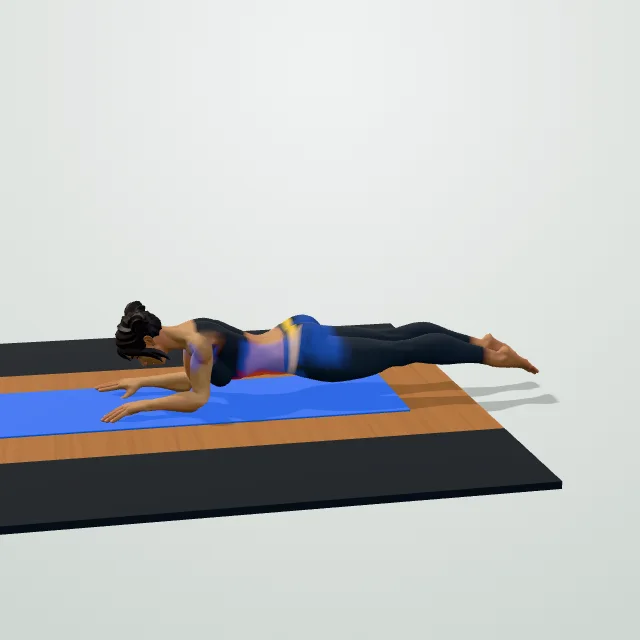
How to do it
- Set your forearms on the floor, elbows under your shoulders.
- Extend your legs back onto your toes.
- Form one straight line from shoulders to ankles.
- Brace your core and squeeze your glutes.
- Keep your neck neutral, eyes on the floor ahead.
- Hold while breathing steadily, without sagging or piking.
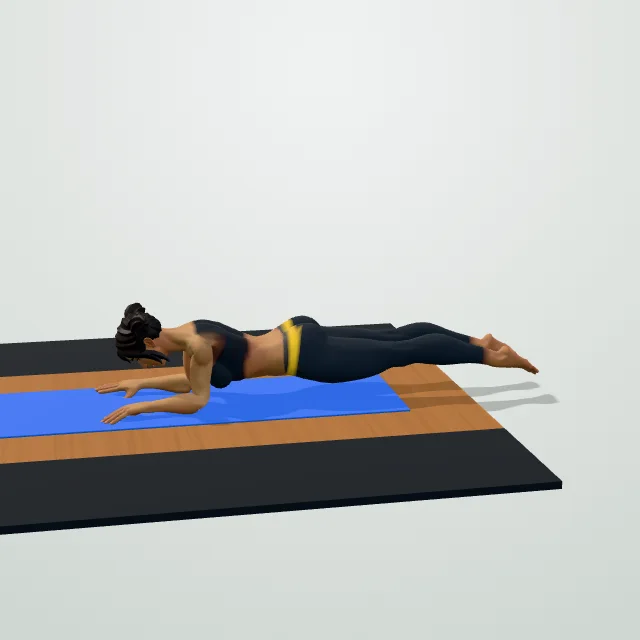
Coach cues
- Straight line, shoulders to ankles.
- Brace your core, squeeze glutes.
- Keep hips level, no sagging.
- Breathe steadily throughout.
Breathing: Breathe slowly and steadily throughout the hold; do not hold your breath.
Common mistakes
Make it easier / Make it harder
The plank exercise holds your body straight from shoulders to ankles, balanced on your forearms and toes, while you brace your core against gravity trying to pull your hips down or up. It trains your midsection to resist movement, which is closer to how your core actually works during most real-life lifting and sport.
Muscles worked and why bracing beats crunching
The abs and obliques do the main work of resisting your hips sagging, with the front shoulders and glutes assisting to keep your whole body rigid. A crunch trains your abs to shorten and pull your ribs toward your hips; a plank trains the same muscles to brace and prevent unwanted movement in your spine — a skill you use every time you pick something up, push a door, or take a hit in sport. Both are useful, but they are not the same kind of strength.
Benefits
Building this kind of bracing strength supports a stable spine during squats, deadlifts, and overhead lifts, and can help reduce strain on the lower back during everyday bending and lifting. Because the plank puts very little compressive load on the spine compared with sit-ups or crunches, it is also a common choice for people managing lower back sensitivity, though anyone with an existing back condition should confirm with a physiotherapist that it is appropriate for them.
Technique in detail
Set your forearms on the floor, elbows under your shoulders, and extend your legs back onto your toes so your body forms one straight line from shoulders to ankles. Brace your core as if you are about to be poked in the stomach, squeeze your glutes, and keep your hips level — not sagging toward the floor, not piked up toward the ceiling. Keep your neck neutral by looking at a spot on the floor slightly ahead of your hands, and breathe steadily throughout rather than holding your breath.
How to program it: duration is not the only goal
3 sets of 30–45 seconds is a solid starting target for most people, but chasing a longer and longer hold time has diminishing returns once your form starts to break down — a strict 40-second plank is worth more than a sagging 2-minute one. Once a basic hold feels manageable, add difficulty instead of just duration: shoulder taps, small hip dips, or a slower breathing pattern all increase the challenge while keeping the hold time reasonable. Train it 2–3 times a week as part of a core routine or the end of a full-body session.
Variations: forearm, straight-arm, and side
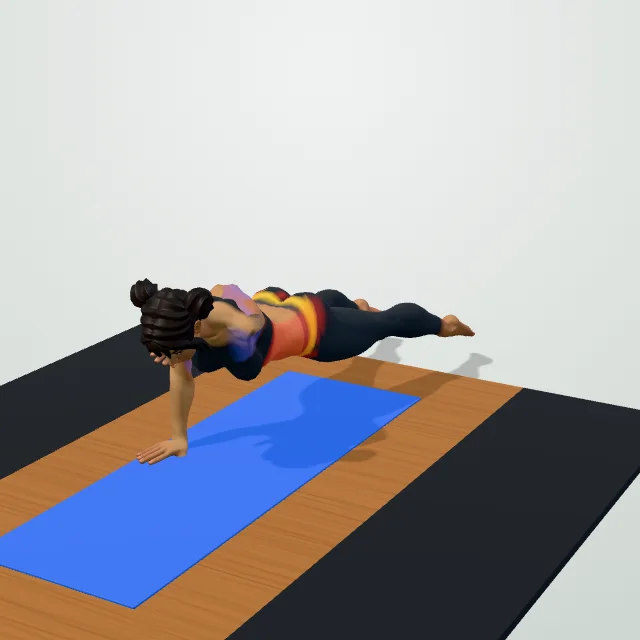
A straight-arm (high) plank, supported on your hands rather than forearms, shifts a bit more work onto your shoulders and is often slightly easier to hold for longer. The side plank shifts the challenge onto your obliques by balancing on one forearm and the side of one foot. Rotating between forearm, straight-arm, and side variations across a week trains your core from several angles rather than the same one repeatedly.
For beginners and older adults
If a full plank is too demanding at first, start on your knees instead of your toes, which shortens the lever and reduces the load significantly while keeping the same bracing pattern. Shorter holds of 10–15 seconds, repeated for more sets, are a reasonable way to build up. This makes the plank a realistic option for beginners and older adults working on core and back health, alongside general guidance on safe exercise progression.
Safety notes
Stop if you feel pain in your lower back rather than a muscular burn in your abs — sagging hips are the most common cause of back discomfort during a plank. Pregnant people and anyone with a diagnosed core or abdominal separation should get guidance from a physiotherapist on appropriate core exercises. Do not hold your breath during the hold, which can spike blood pressure unnecessarily, particularly for anyone with high blood pressure or heart conditions.
Plank ek aisa exercise hai jisme aap apni body ko seedhi line mein forearms aur pairon ke bal support karte hain. Ismein pet aur core ki muscles majboot hoti hain, bina kisi crunch ke. Shuru mein 15-20 second se shuru karein aur dheere-dheere समय badhayein. Kamar dard mehsoos ho to turant rukiye.
Workout plans with this exercise
General fitness · Beginner
Beginner Full-Body Gym Workout
General fitness · Beginner
30-Day Home Workout Plan (No Equipment)
Strength · Intermediate
Upper/Lower Split (4 Days)
Fat loss · Intermediate
15-Minute HIIT Workout (No Equipment)
Fat loss · Beginner
4-Week Fat-Loss Workout Plan
General fitness · Beginner
10-Minute Abs Workout
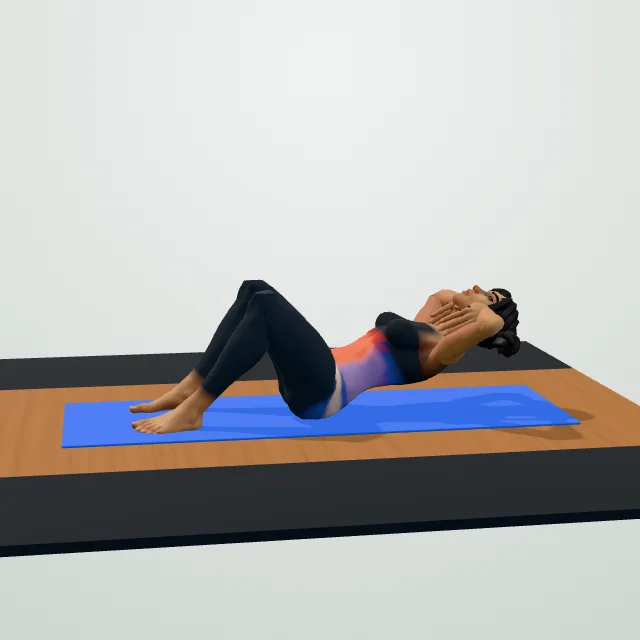
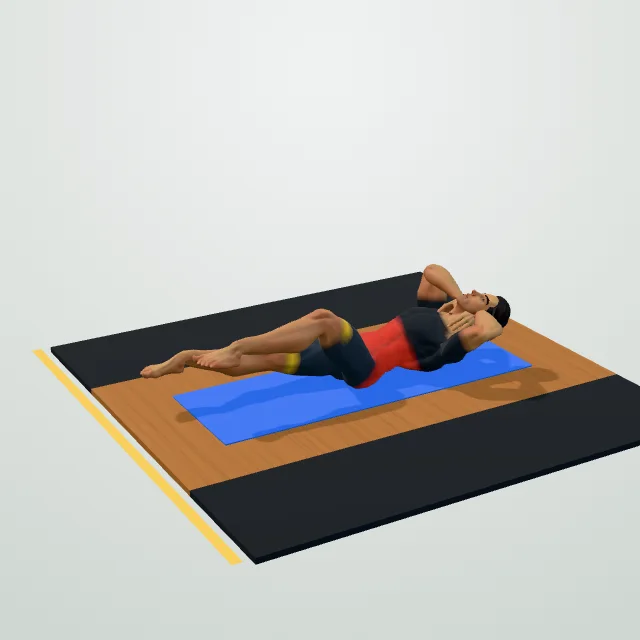
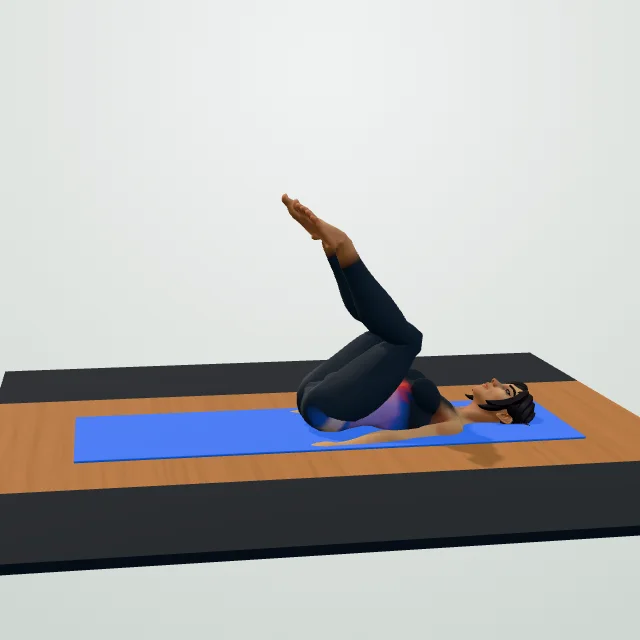
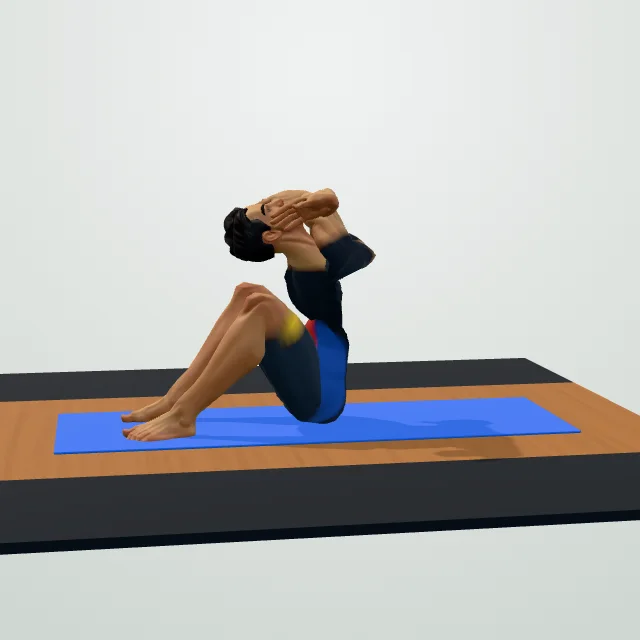
More exercises for abs and core
Questions people ask
How do you do a plank correctly?
What muscles does planking work?
How long should you hold a plank?
Is a forearm plank or straight-arm plank harder?
Can planks help with belly fat?
Are planks safe for beginners and seniors?
Why does my lower back hurt during a plank?
General fitness information, not medical advice. Check with a doctor or physiotherapist before starting if you have a health condition, an injury or are pregnant. Stop if you feel chest pain, dizziness or sharp pain.