Mobility · Beginner
Warm up exercises: 6 minutes before you train
This dynamic warm-up takes about 6 minutes and prepares your whole body — joints, muscles and nervous system — before any workout: gym, home, running or sport. Do it before every session, then finish with 1–2 light warm-up sets of your first exercise.
Sessions
Dynamic warm-up
| Exercise | Work | Rest | |
|---|---|---|---|
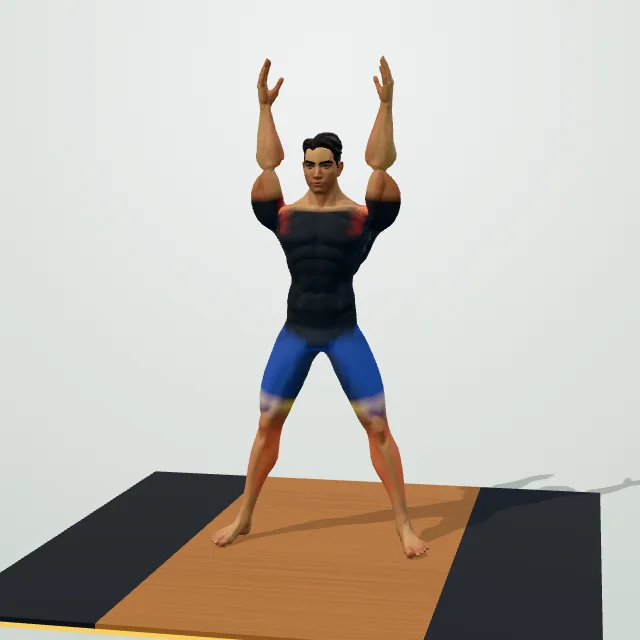
| Jumping Jacks | 40 s | 5 s |
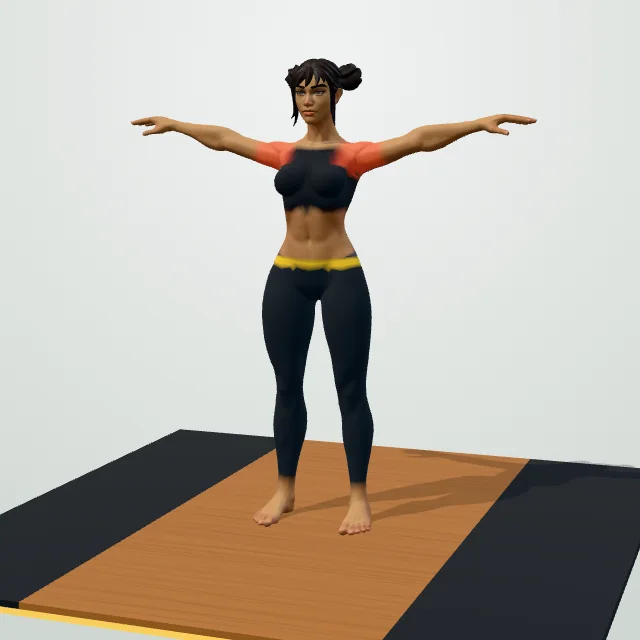 | Arm Circles | 40 s | 5 s |
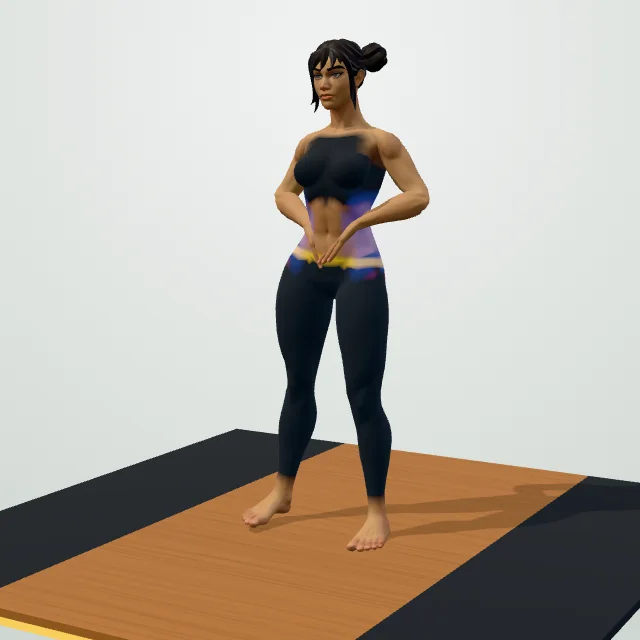 | Hip Circles | 40 s | 5 s |
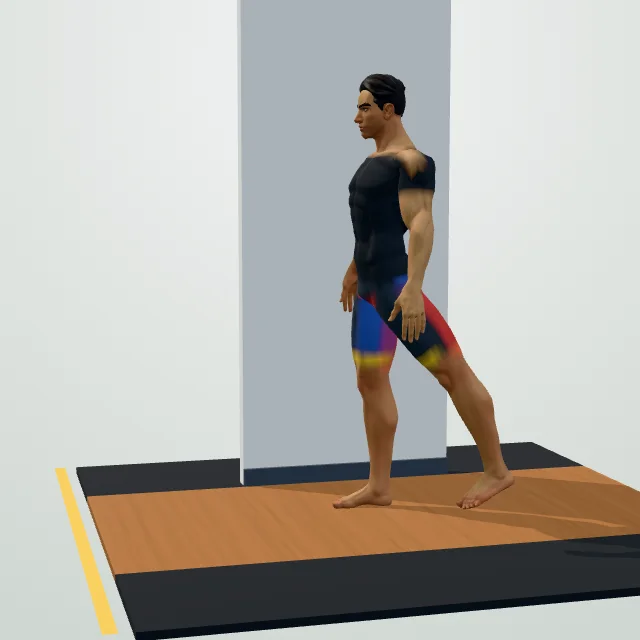 | Leg Swings | 40 s | 5 s |
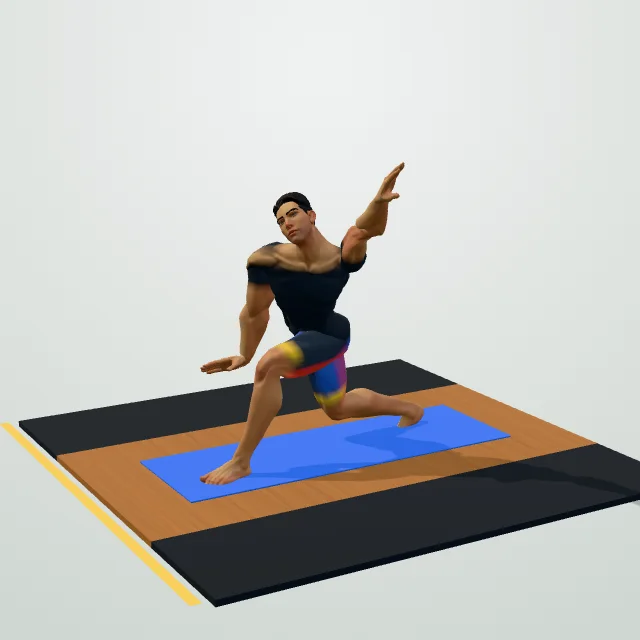 | World's Greatest Stretch | 40 s | 5 s |
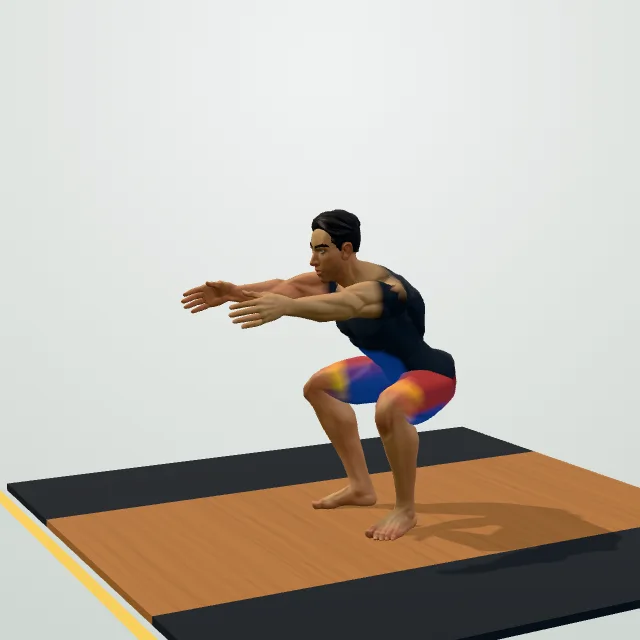 | Bodyweight Squat | 40 s | 5 s |
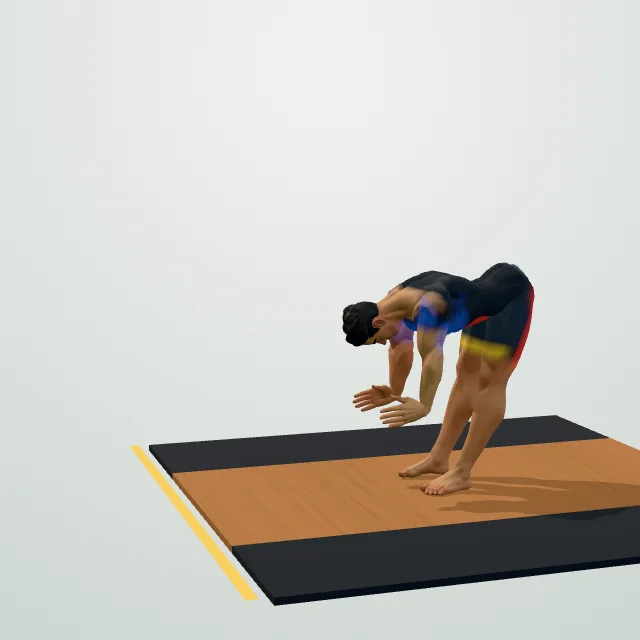 | Inchworm | 40 s | 5 s |
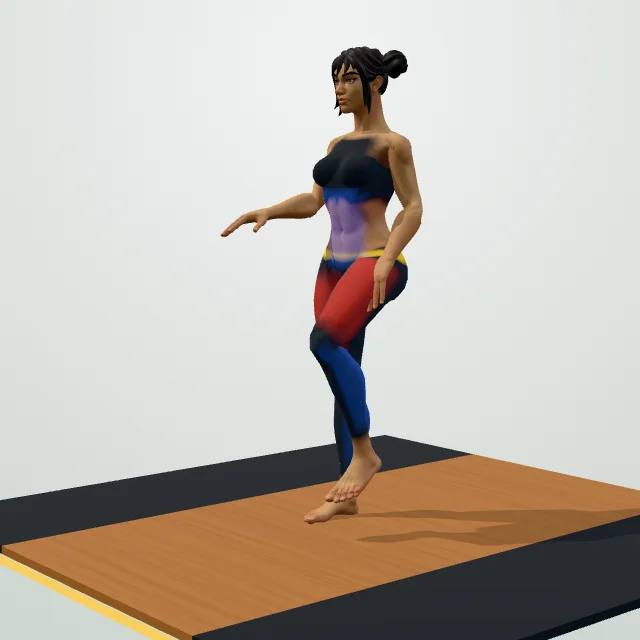 | Marching in Place | 40 s | 5 s |
| Round of 1 × 1 | |||
How to progress
- Do this before every workout. Finish with 1–2 light sets of your first exercise.
Warm-up exercises like this dynamic routine raise your muscle temperature, get synovial fluid moving through your joints and prime your nervous system for the movement patterns you are about to use, which is why doing them before any workout lowers injury risk and improves how the first few sets or minutes of your session feel. This full-body warm-up takes about 6 minutes and uses eight movements you can do almost anywhere, with no equipment.
Who this warm-up is for
This routine works as a general warm-up before any type of training — gym lifting, home bodyweight workouts, running, or field and court sports — because it moves every major joint through a full range without needing sport-specific drills. Use it before the beginner full-body workout, push pull legs split or any other strength session on this site, or before a run or cardio session.
How to run the warm-up
Move through jumping jacks, arm circles, hip circles, leg swings, world’s greatest stretch, bodyweight squat, inchworm and marching in place, spending about 40 seconds on each with only a brief pause to change position. Do the whole sequence once, then finish with 1–2 light, easy-effort sets of the first exercise in your actual workout — for example, a set of bodyweight squats before your working sets of back squats, or a few slow push-ups before a bench press session. That final step, sometimes called a "specific" warm-up, matters as much as the general movement that comes before it.
How hard it should feel
A warm-up should raise your heart rate and body temperature without creating fatigue — aim for an effort of about 4 or 5 out of 10, well below what you would use in the workout itself. Movements like leg swings and hip circles should feel like an easy, controlled stretch through the full range of motion, not a bounce to your end range. By the end of the 6 minutes you should feel looser and slightly warmer, with your heart rate mildly elevated, ready to move into the specific warm-up sets of your first exercise.
Adjusting the warm-up to your workout and the weather
In cold weather, or first thing in the morning when your joints are stiffer, spend a little longer on each movement or repeat the circuit before moving on. Before a lower-body-heavy session (squats, deadlifts, running), spend extra time on leg swings and hip circles; before an upper-body session, add an extra round of arm circles. If you only have 2–3 minutes, prioritize jumping jacks, arm circles and bodyweight squats — they cover the most ground for the least time.
Adapting the warm-up: limited space, joint issues, no equipment
Limited space: every movement here fits in a small area, so this warm-up works in a cramped home gym or a hotel room. Sore or stiff joints: slow every movement down and reduce the range slightly rather than skipping a joint altogether — gentle movement through a smaller range still helps circulation. If a movement causes sharp pain rather than a stretch sensation, stop that one and move to the next; a warm-up should never hurt.
Common mistakes with warming up
- Static stretching instead of moving: long, held stretches before lifting can temporarily reduce muscle power output. Save static stretches like those in the cool-down stretch routine for after your workout instead.
- Skipping the warm-up when short on time: even 2–3 minutes of movement is better than none, and cutting the warm-up entirely raises injury risk more than shortening your actual workout would.
- Going straight to your heaviest set: a general warm-up like this one still needs 1–2 lighter, specific warm-up sets before your first working set of any heavy exercise.
- Moving too fast or bouncing: jerky, ballistic movement through leg swings or hip circles can strain a cold muscle. Keep the motion controlled even as you build speed slightly through the 6 minutes.
- Using the same warm-up regardless of the workout: a warm-up before a leg day should lean more on hip and leg movement than one before an upper-body day.
What to do next
Pair this warm-up with the beginner full-body workout or any other plan on the site, and use the how to warm up before a workout guide for more background on why a proper warm-up matters. After training, the post-workout stretching routine is the natural follow-up to help your muscles recover.
Questions people ask
Why should you warm up before working out?
How long should a warm-up be?
Should I stretch before or after exercise?
Can I skip warming up if I am short on time?
Do I need different warm-ups for different workouts?
Is this warm-up suitable for seniors?
What should I do after the general warm-up?
General fitness information, not medical advice. Check with a doctor or physiotherapist before starting if you have a health condition, an injury or are pregnant. Stop if you feel chest pain, dizziness or sharp pain.