Dumbbell exercises: the complete dumbbell workout guide
How to pick your dumbbells, which exercises to do for each muscle, and a full body dumbbell workout to start with today.
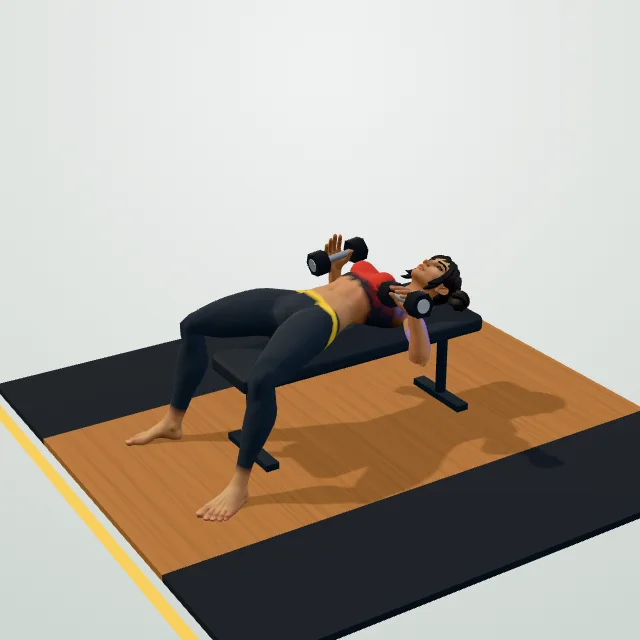
Dumbbell Bench Press
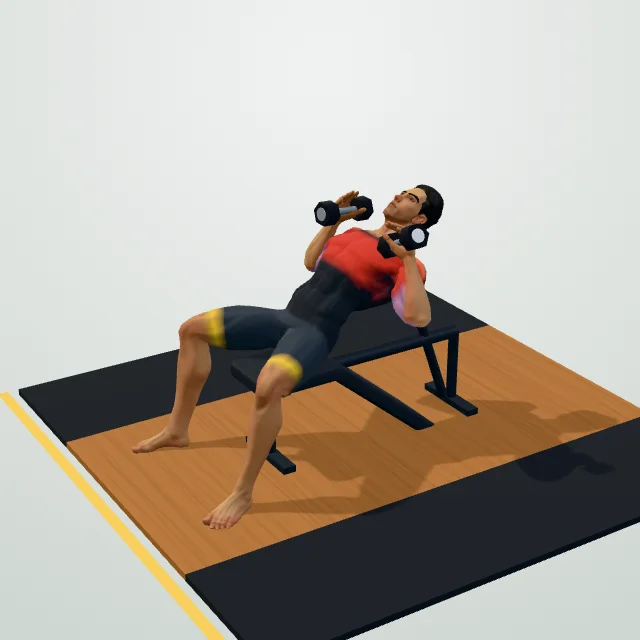
Incline Dumbbell Press
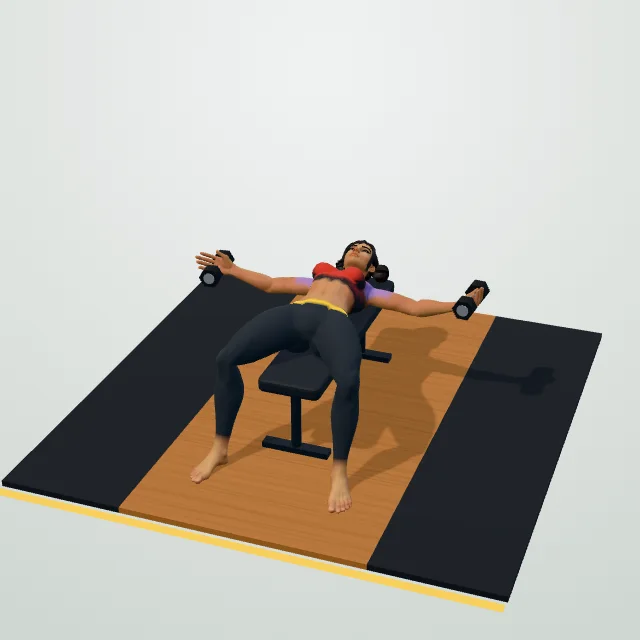
Dumbbell Fly
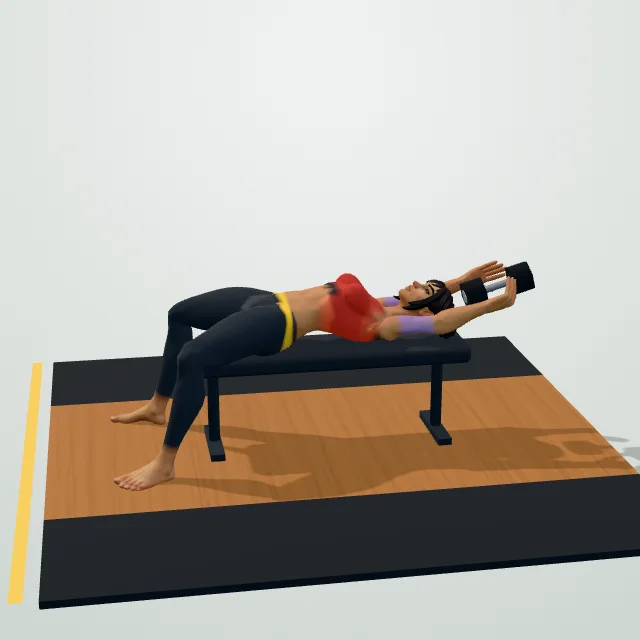
Dumbbell Pullover
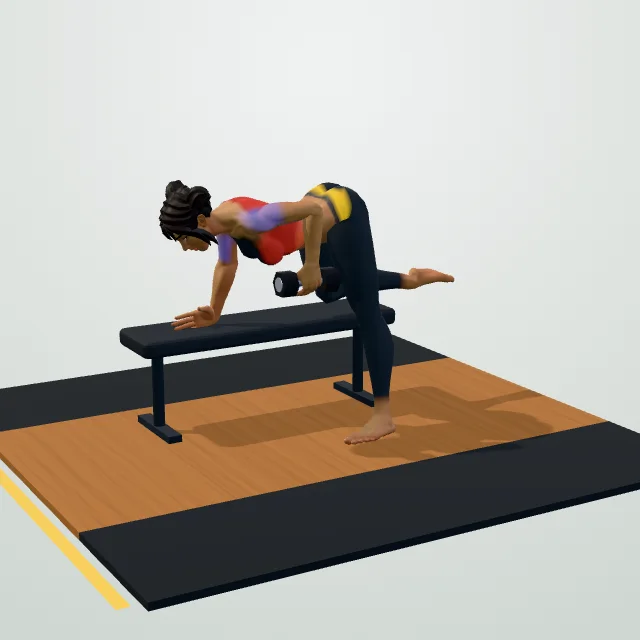
One-Arm Dumbbell Row
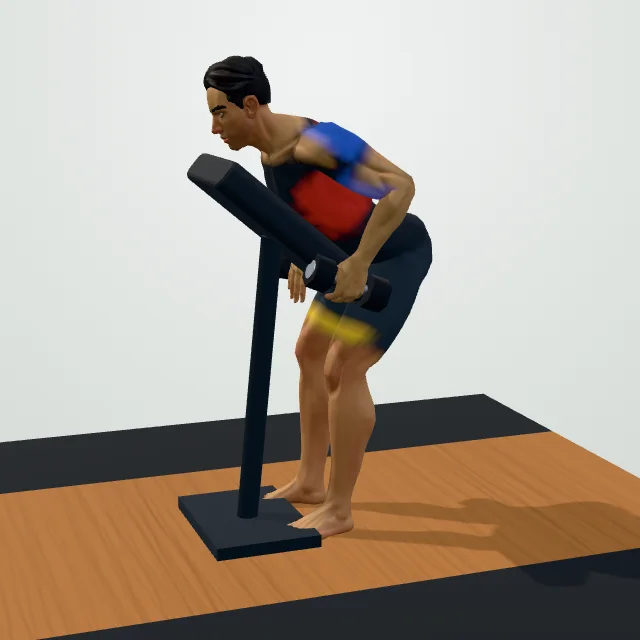
Chest-Supported Dumbbell Row
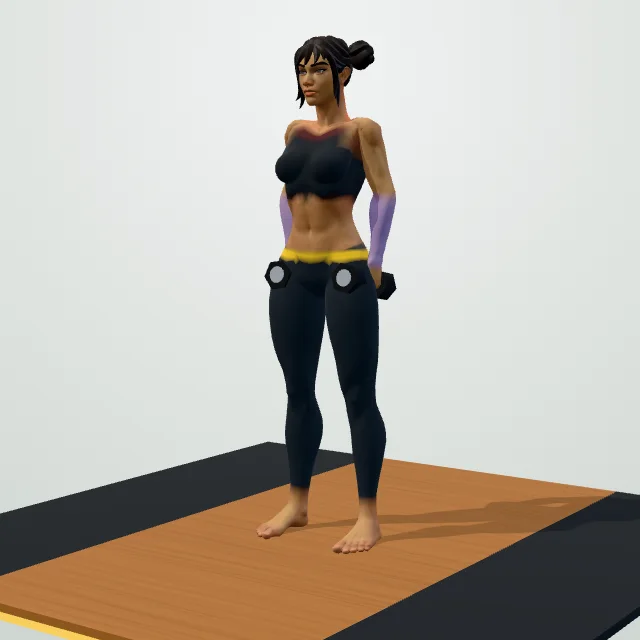
Dumbbell Shrug
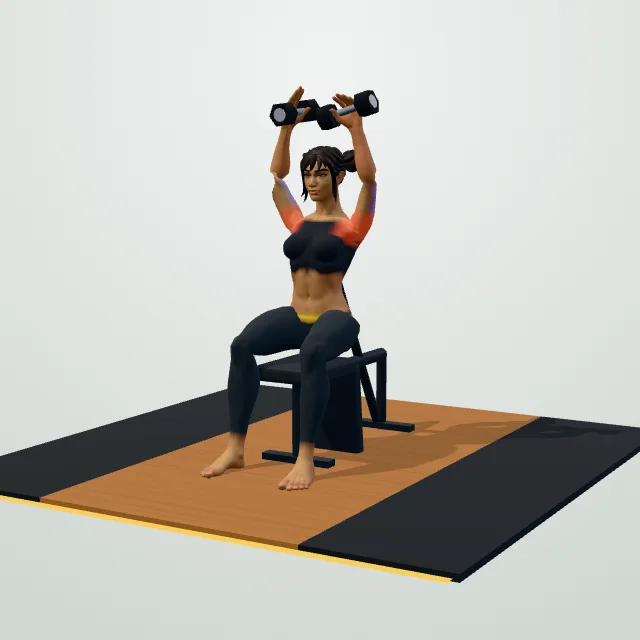
Dumbbell Shoulder Press
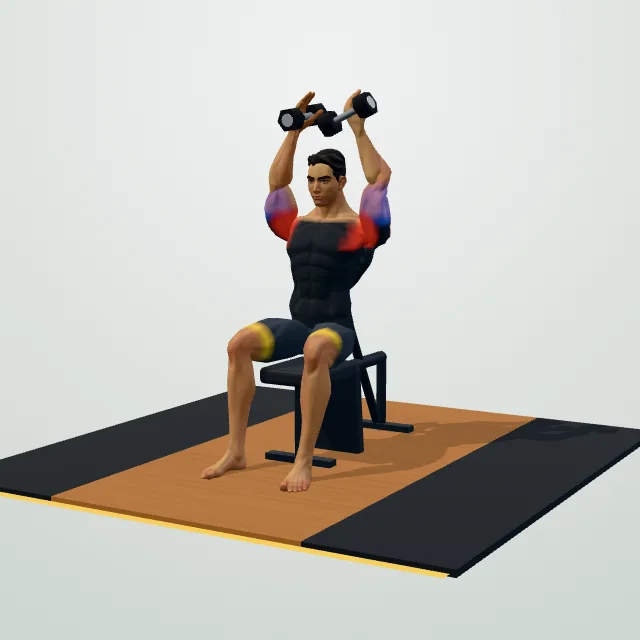
Arnold Press
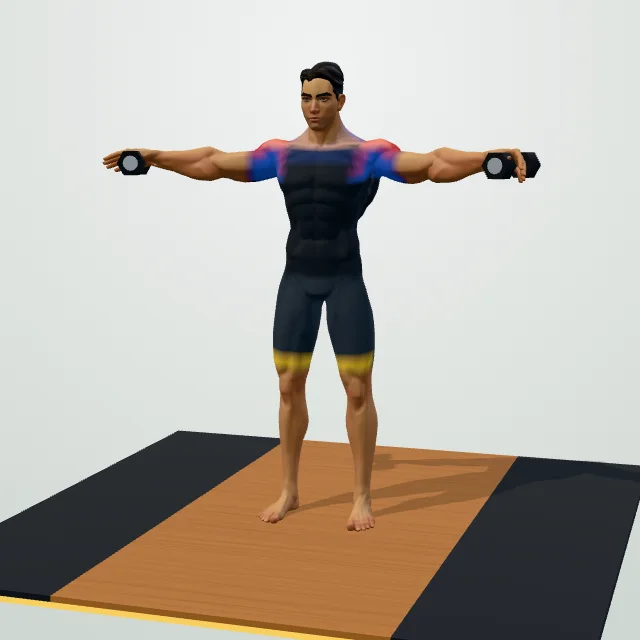
Dumbbell Lateral Raise
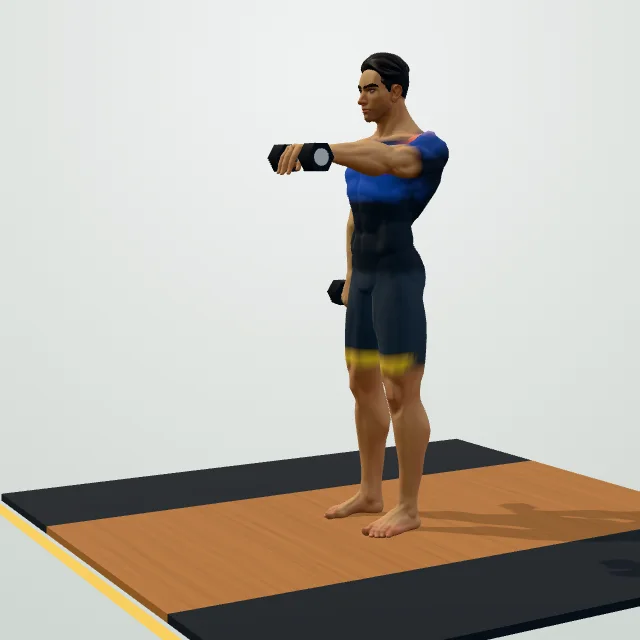
Dumbbell Front Raise
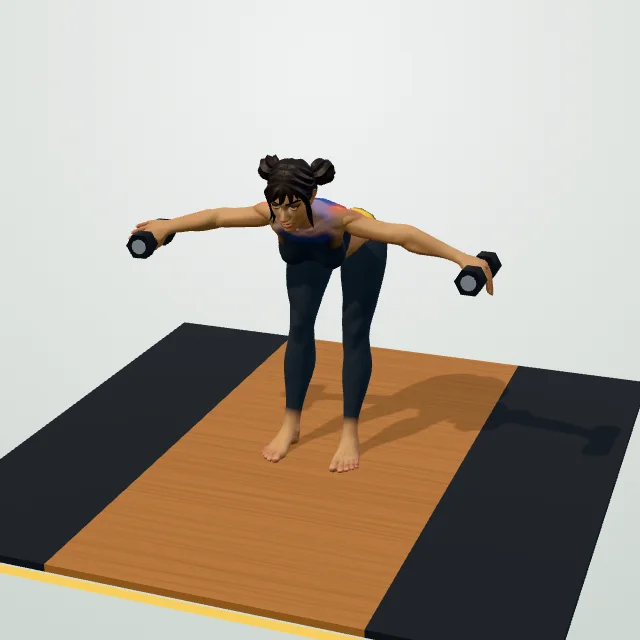
Bent-Over Rear Delt Fly
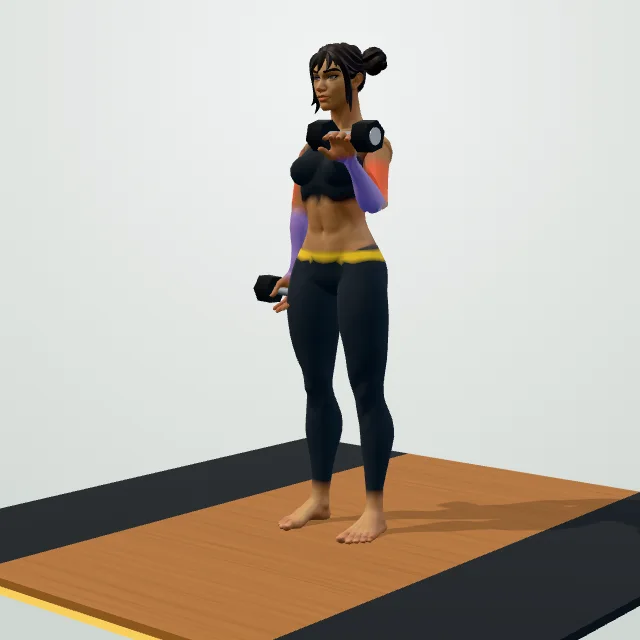
Dumbbell Bicep Curl
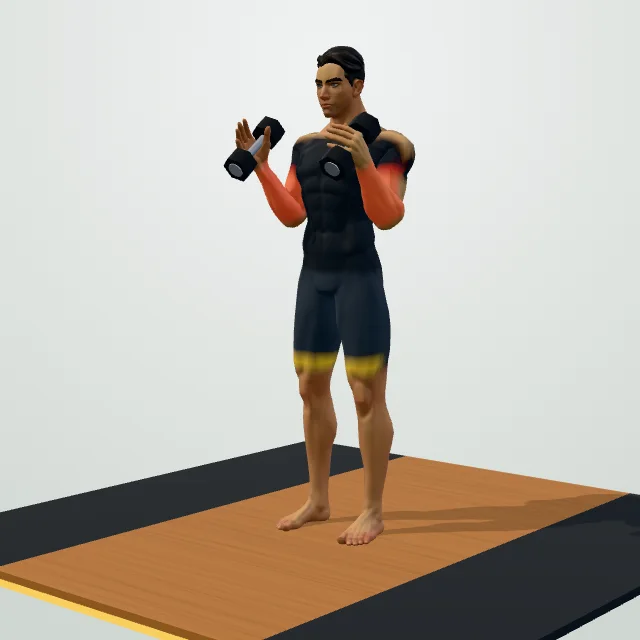
Hammer Curl
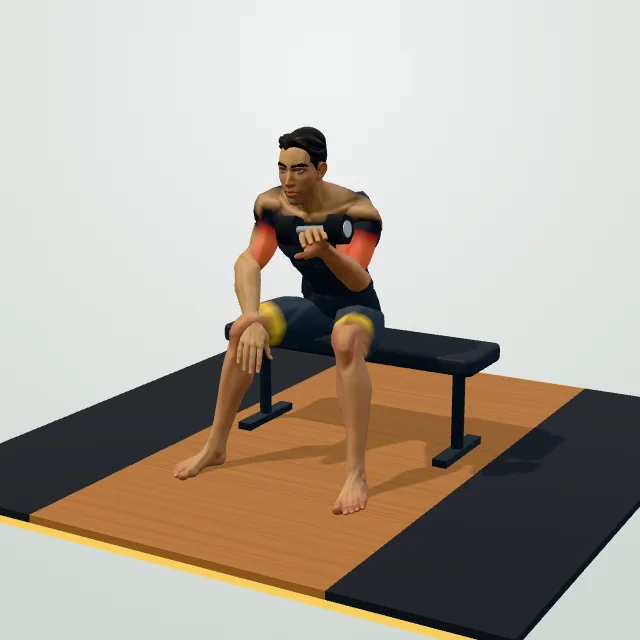
Concentration Curl
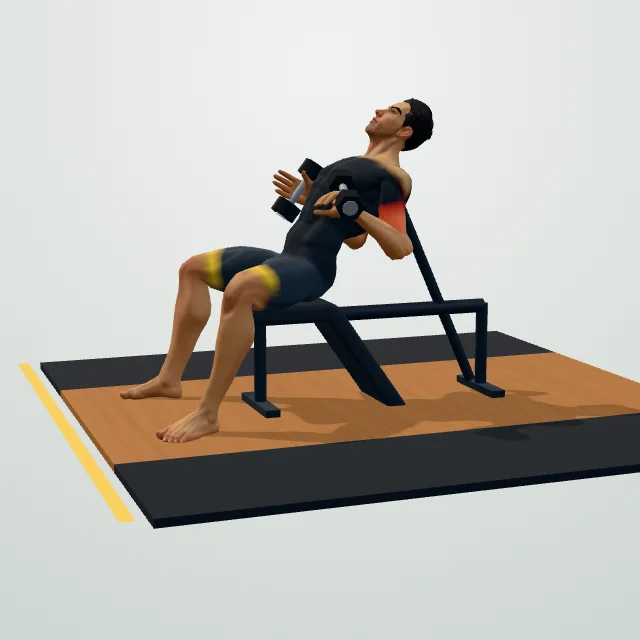
Incline Dumbbell Curl
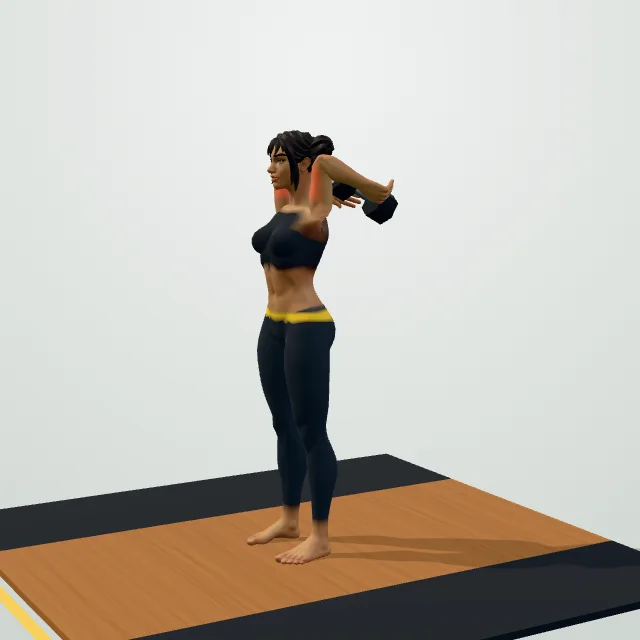
Overhead Triceps Extension
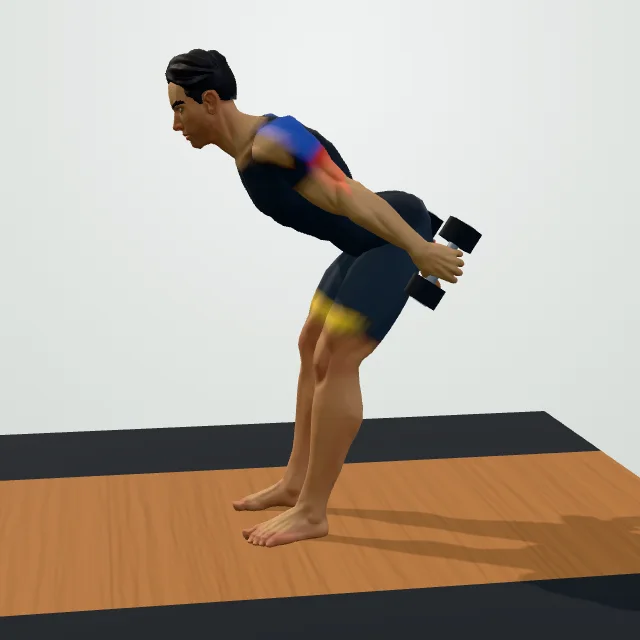
Triceps Kickback
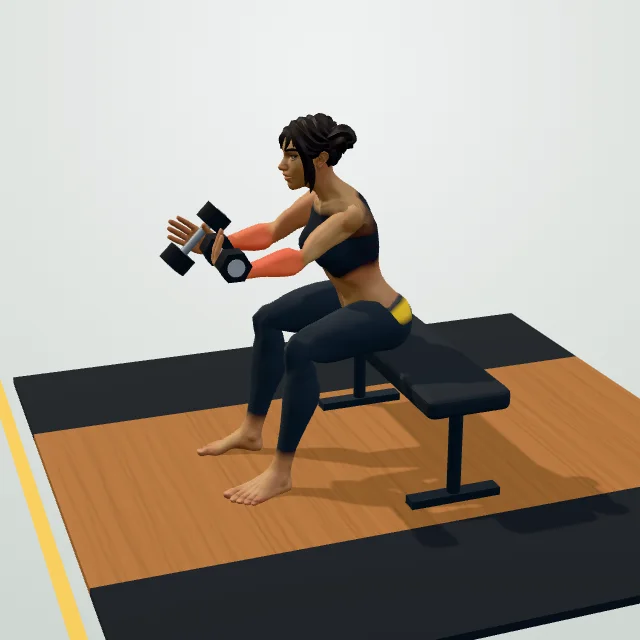
Wrist Curl
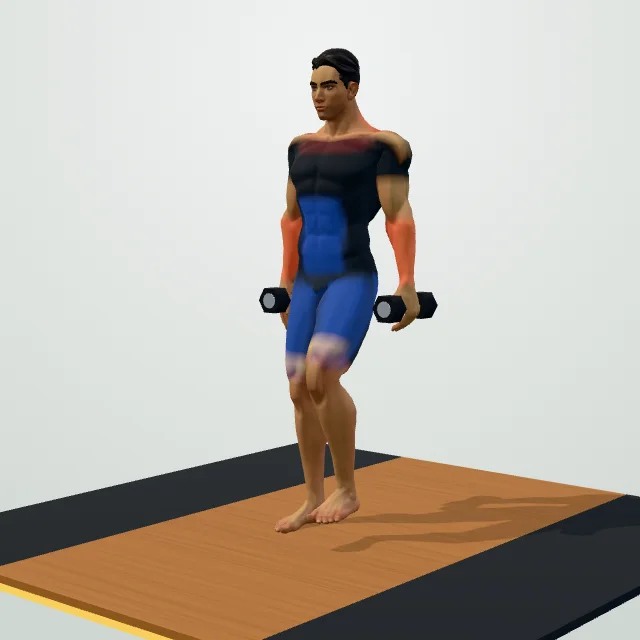
Farmer's Walk
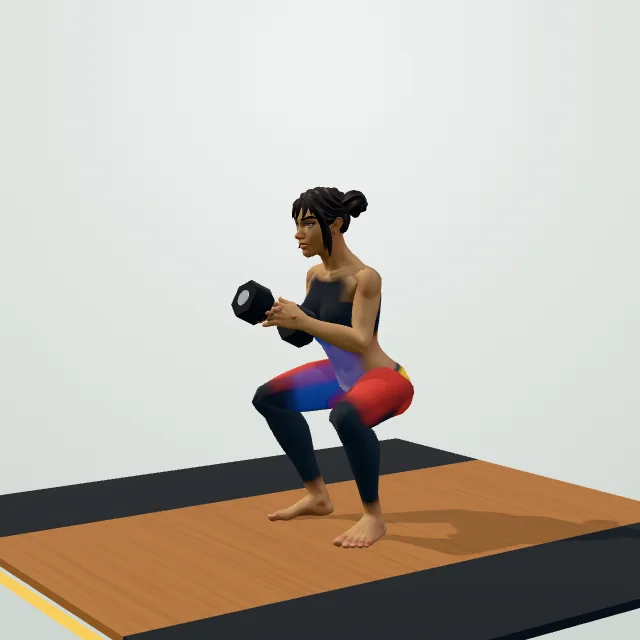
Goblet Squat
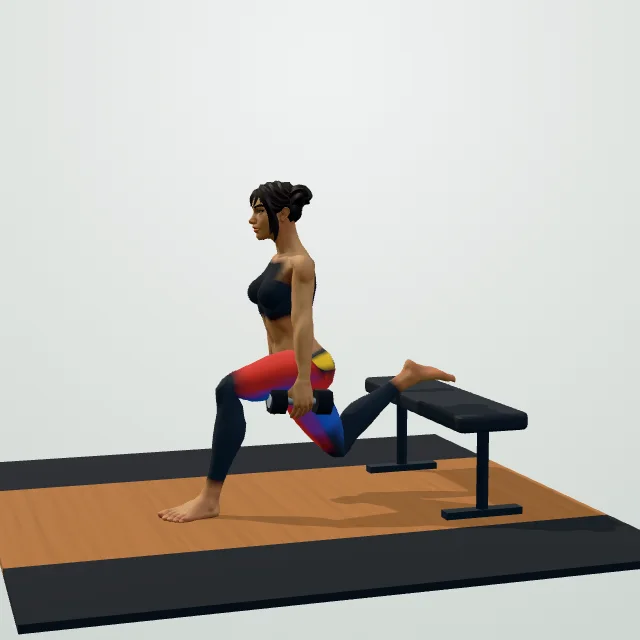
Bulgarian Split Squat
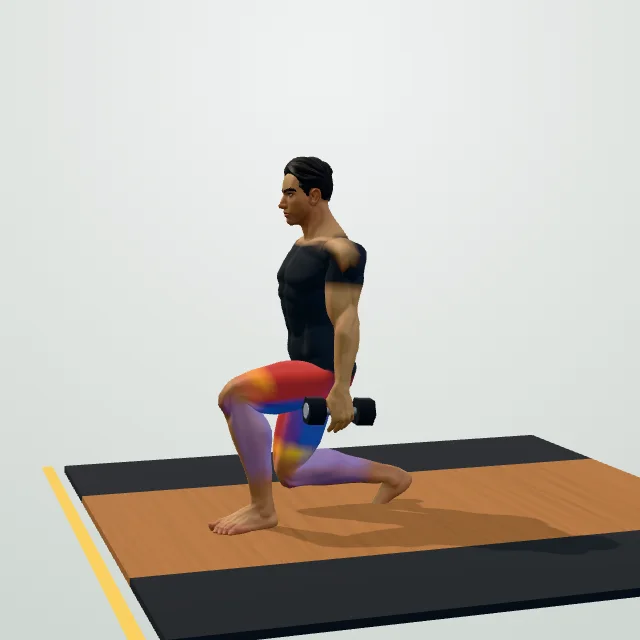
Dumbbell Walking Lunge
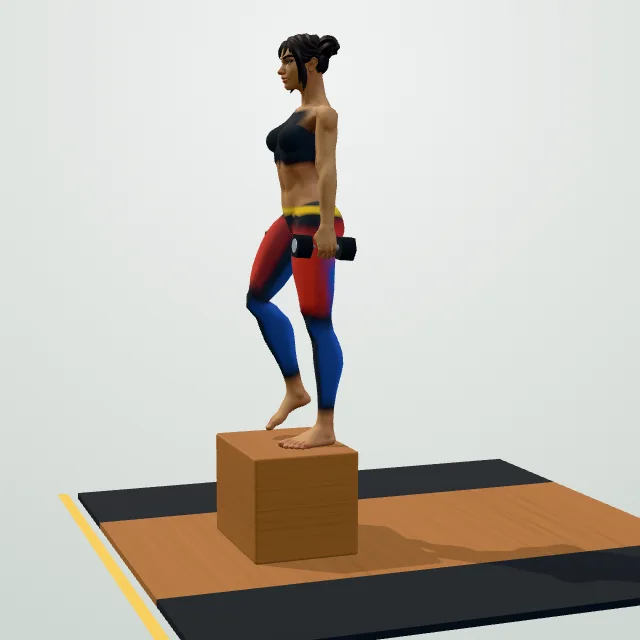
Dumbbell Step-Up
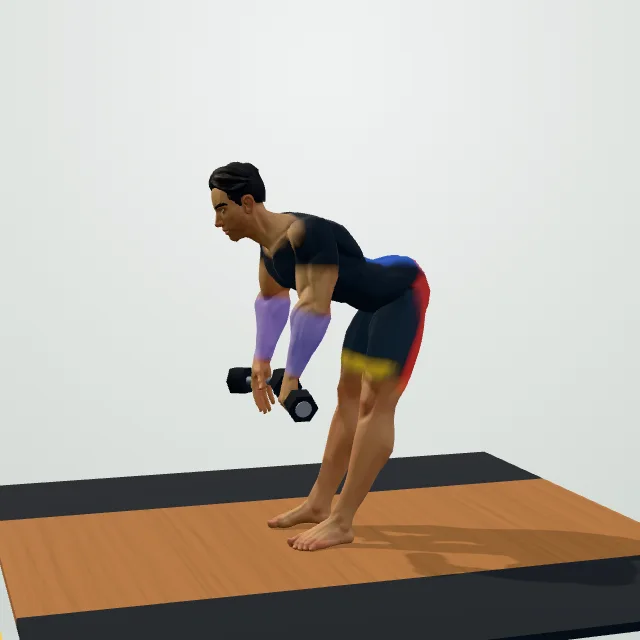
Dumbbell Romanian Deadlift
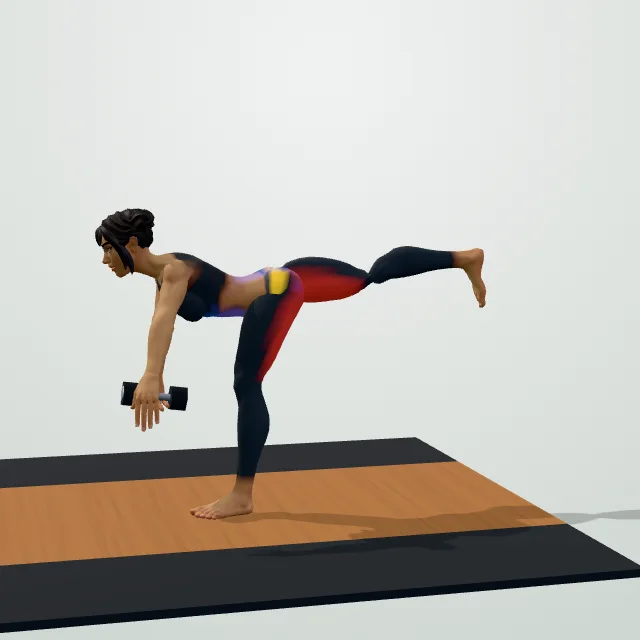
Single-Leg Romanian Deadlift
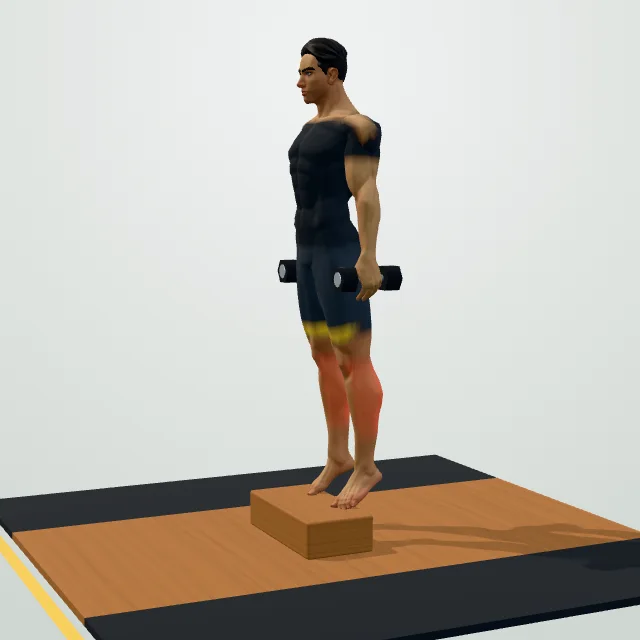
Standing Calf Raise
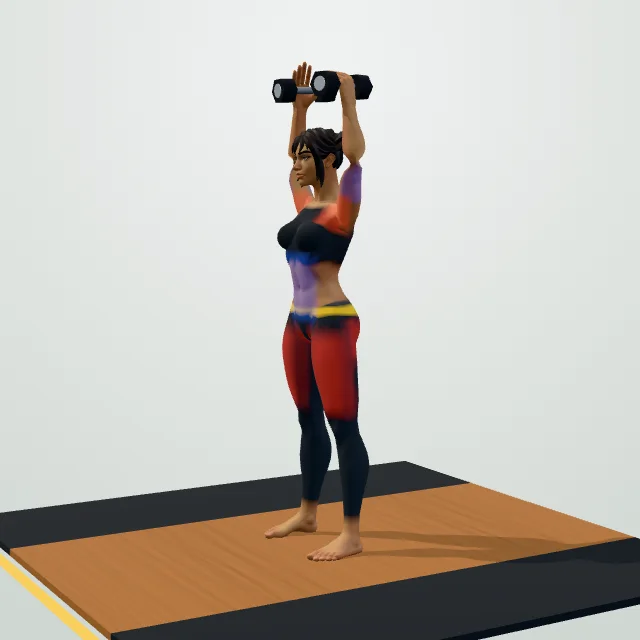
Dumbbell Thruster
Workout plans
General fitness · Beginner
Beginner Full-Body Gym Workout
Build muscle · Intermediate
Push Pull Legs Split (6 Days)
Strength · Intermediate
Upper/Lower Split (4 Days)
Build muscle · Intermediate
4-Day Muscle-Building Workout Plan
Build muscle · Intermediate
5-Day Body-Part Split (Bro Split)
Build muscle · Beginner
Full-Body Dumbbell Workout Plan
A pair of dumbbell exercises covers almost every muscle in the body, which is why a well-planned dumbbell workout is often all a home gym needs. Unlike a barbell, dumbbells let each side of your body work independently, which builds balanced strength and exposes weaknesses a bar can hide. They're also the easiest free weight to store and use in a small space, and the free 3D coach here shows the correct path for lifts like the dumbbell bench press, goblet squat and dumbbell curl so you can train confidently without a spotter.
Choosing dumbbell weights and sizes
Most people need more than one pair. A common starting spread for a home gym is a light pair (2–5 kg / 5–10 lb) for shoulders and arms, a medium pair (7–12 kg / 15–25 lb) for rows and presses, and a heavier pair (15–20 kg / 30–45 lb) for squats and lunges — adjustable dumbbells solve this in one unit if space is limited. As a rough guide, pick a weight where the last 2–3 reps of a set feel hard but your form doesn't break down; if you can do 20+ reps easily, it's time to go up. Beginners often start too light on lower-body moves like the goblet squat or dumbbell Romanian deadlift and too heavy on shoulder isolation moves like the lateral raise — legs can handle far more load than small shoulder muscles.
Safety and setup
Rack dumbbells on the floor or a stand rather than leaving them where you or someone else could trip; on a bench, bring weights to your knees first, then roll back into position rather than pressing them up from a straight-arm start over your face. Keep wrists straight (not bent back) during presses and curls, and avoid rounding your lower back on rows and deadlift-pattern moves — brace your core and hinge from the hips instead. If you're pregnant, have a hernia, or have uncontrolled high blood pressure, ask a doctor before heavy pressing or straining moves, and never hold your breath through a hard rep if you have a heart or blood-pressure condition.
Best dumbbell exercises for each muscle group
Chest: the dumbbell bench press and incline dumbbell press build pressing strength through a deeper, more natural range than a barbell allows; the dumbbell fly isolates the chest at the end range. Back: the one-arm dumbbell row and chest-supported row build the lats and upper back without needing a cable stack. Shoulders: the dumbbell shoulder press, lateral raise and rear delt fly hit all three deltoid heads. Arms: dumbbell curl, hammer curl and overhead triceps extension cover biceps, forearms and triceps. Legs and glutes: the goblet squat, Bulgarian split squat and dumbbell Romanian deadlift are compound moves that build the whole lower body and improve balance through single-leg work. Full body and grip: the farmer's walk and dumbbell thruster combine strength with conditioning.
Sample full body dumbbell workout
| Exercise | Sets × reps | Rest |
|---|---|---|
| Goblet squat | 3 × 10–12 | 90 s |
| Dumbbell bench press | 3 × 8–12 | 90 s |
| One-arm dumbbell row | 3 × 10–12 per side | 60 s |
| Dumbbell Romanian deadlift | 3 × 10–12 | 90 s |
| Lateral raise | 3 × 12–15 | 45 s |
| Dumbbell curl | 2 × 10–12 | 45 s |
How to program dumbbell training
For muscle growth, aim for 3–4 sets of 8–15 reps per exercise, training each muscle group roughly twice a week, with 60–90 seconds rest between sets. For strength-focused work, use fewer reps (4–8) on the big compound lifts and rest 2–3 minutes so you can lift close to your best each set. Use the one-rep max calculator to estimate a working max from any set you already did, and the plate calculator if you also train with a barbell. Progress by adding small jumps in weight (2.5–5%) once you can complete every set at the top of your rep range — see the progressive overload guide for the full method, and how many sets and reps for the research behind these ranges.
Dumbbell workouts at home, without a bench
Most dumbbell exercises don't need a bench — squats, lunges, rows, curls, presses and farmer's walks can all be done standing on the floor. A bench mainly unlocks flat and incline pressing and fly variations; if you don't have one, the push-up and standing dumbbell shoulder press cover similar ground until you can add one. For women specifically searching for a starting routine, the same exercises and rep ranges apply — strength training with dumbbells builds muscle and supports bone density at any age, and there's no special "toning" version of an exercise; the difference between goals is the plan around it, not the movement itself.
Dumbbell exercises for seniors and older beginners
Light dumbbell training is one of the most effective ways for older adults to maintain muscle, bone density and balance, and it fits WHO guidance to do muscle-strengthening activity on 2 or more days a week alongside regular walking or cardio. Start with a light pair, seated or supported variations of presses and rows, and single-leg work like the dumbbell step-up done slowly and with a wall or chair nearby for balance. Progress the weight only after form is consistent for 2–3 weeks, and stop any set that causes joint pain rather than muscle fatigue — see the exercise for seniors guide for a broader plan.
Dumbbells vs a barbell
Both build strength and muscle well, and the choice usually comes down to what you have available rather than which is "better". Dumbbells train each side independently, which corrects strength imbalances and generally feels easier on the shoulders and wrists because your hands aren't locked to a fixed bar path. A barbell lets you load more total weight, which matters most for maximal strength work like heavy squats and deadlifts. Many lifters use both: dumbbells for pressing, rows and single-leg work, and a barbell for the squat, deadlift and bench press when one is available.
Workout plans that use dumbbells
The full-body dumbbell workout plan is built entirely around this equipment, and dumbbells also appear throughout the beginner full-body gym workout, beginner gym workout plan for women, dumbbell arm workout and glute workout plan. If you'd rather generate a plan around the exact dumbbells and days you have, use the plan builder and select dumbbells as your equipment.