General fitness · Beginner
The 7 minute workout: 12 moves, no equipment
The 7-minute workout is a single circuit of 12 bodyweight exercises, 30 seconds of work followed by 10 seconds of rest each, done five days a week. It is based on a real high-intensity circuit training study, not just a marketing name, and needs nothing more than a chair and a wall.
Your week
Sessions
12 moves × 30 s
| Exercise | Work | Rest | |
|---|---|---|---|
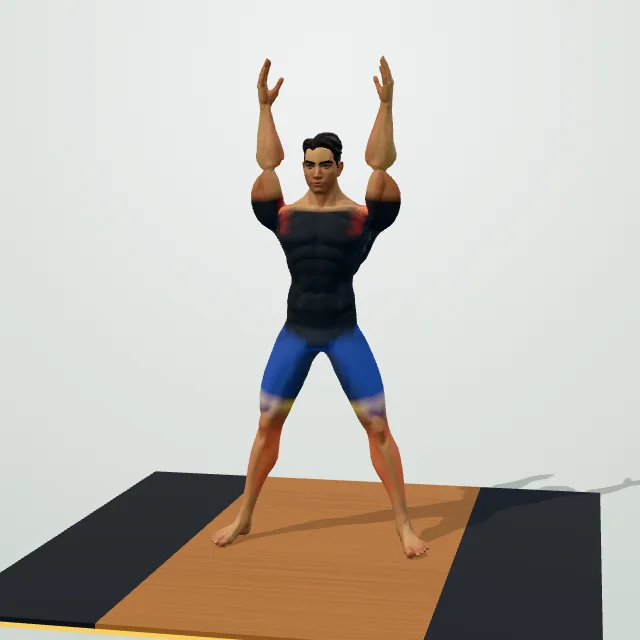
| Jumping Jacks | 30 s | 10 s |
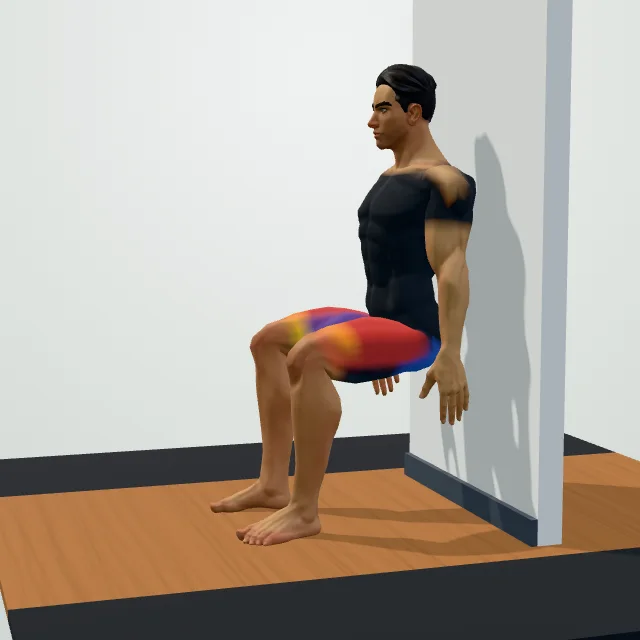 | Wall Sit | 30 s | 10 s |
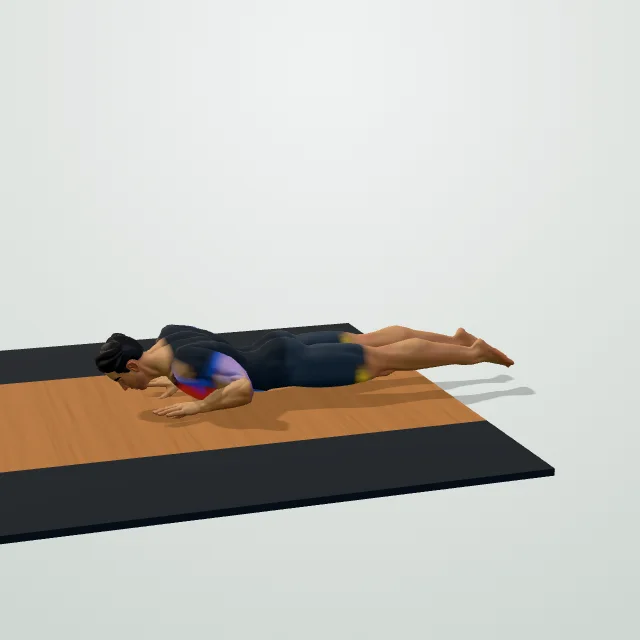 | Push-Up | 30 s | 10 s |
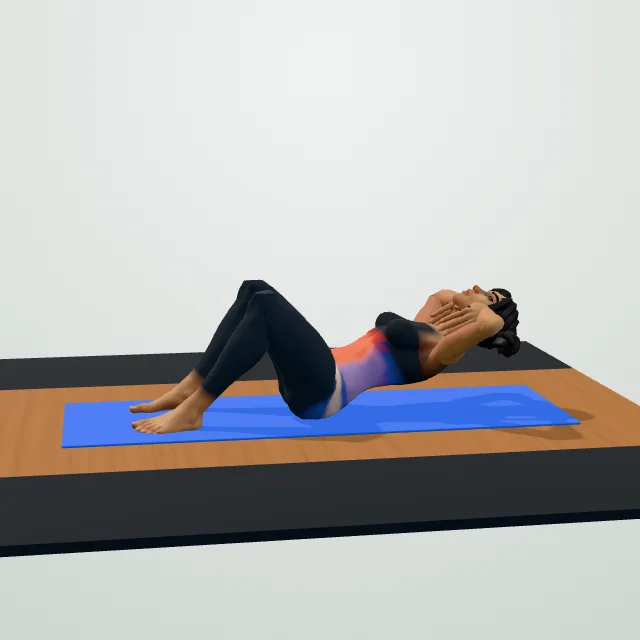 | Crunch | 30 s | 10 s |
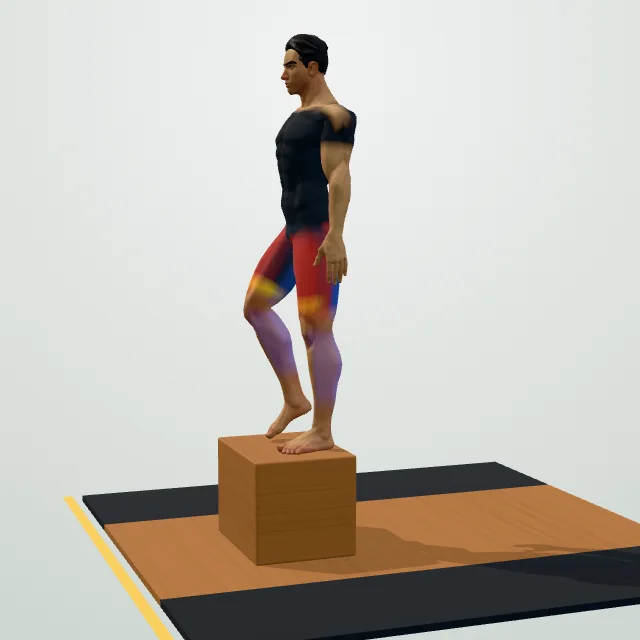 | Step-Up | 30 s | 10 s |
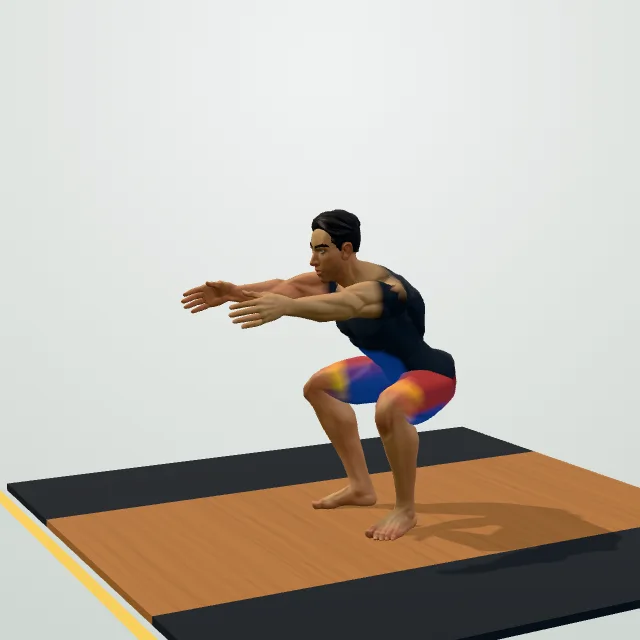 | Bodyweight Squat | 30 s | 10 s |
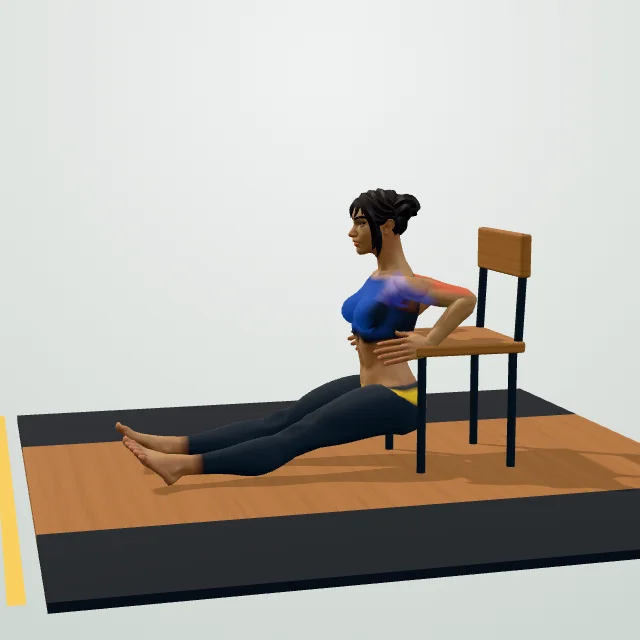 | Bench Dip | 30 s | 10 s |
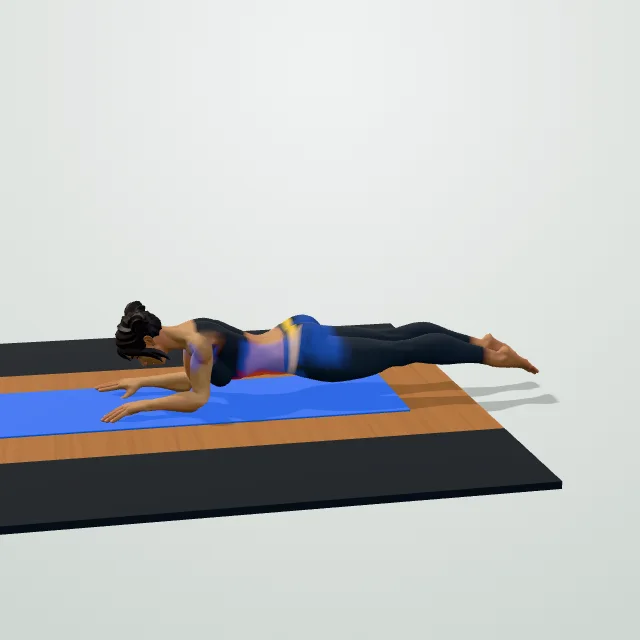 | Plank | 30 s | 10 s |
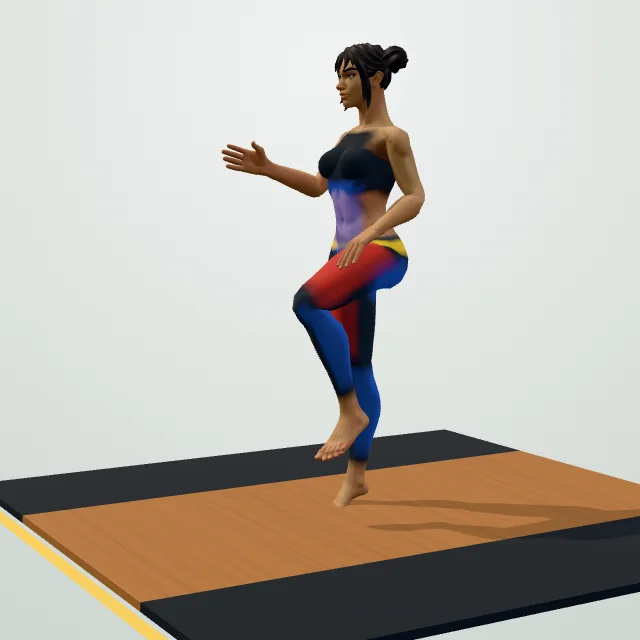 | High Knees | 30 s | 10 s |
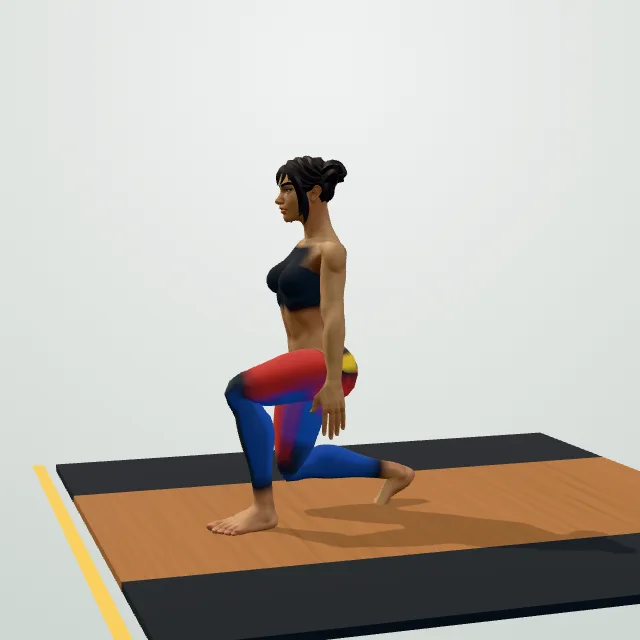 | Forward Lunge | 30 s | 10 s |
| Push-Up | 30 s | 10 s |
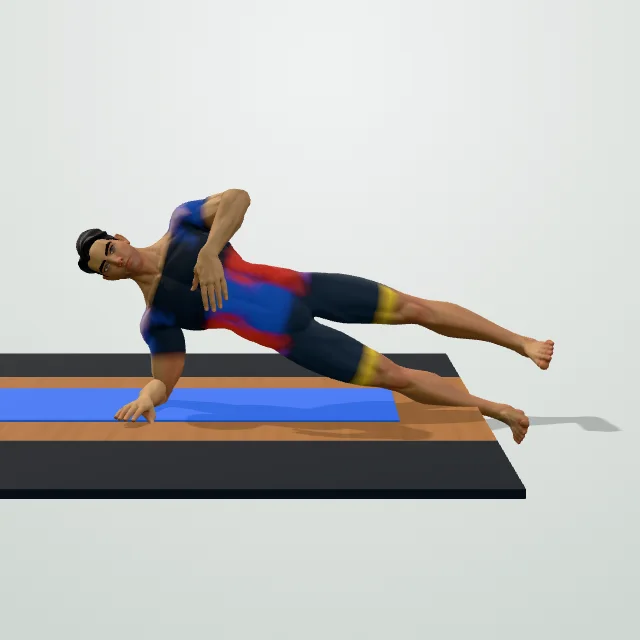 | Side Plank | 30 s | 10 s |
| Round of 1 × 1 | |||
How to progress
- Based on the high-intensity circuit described by Klika and Jordan (ACSM Health & Fitness Journal, 2013). Repeat 2–3 times for a fuller workout.
The 7-minute workout is a specific 12-exercise bodyweight circuit described in a real research paper, not just a catchy name for any quick routine: it comes from "High-Intensity Circuit Training Using Body Weight: Maximum Results With Minimal Investment," written by Brett Klika and Chris Jordan and published in the ACSM’s Health & Fitness Journal in 2013. This plan follows that structure closely — 12 moves, 30 seconds of work and 10 seconds of transition each, one round, in about 7 minutes total.
What the science behind the scientific 7-minute workout actually says
Klika and Jordan’s paper laid out the principles of high-intensity circuit training (HICT): pairing bodyweight resistance exercises with very short rest periods keeps your heart rate elevated throughout, so you get a combined strength and aerobic training effect in a short amount of time. The original design cycles through exercises that alternate upper body, lower body and core, using a mix of large-muscle and smaller-muscle moves so no single muscle group has to work twice in a row without a break. It is not a replacement for a full strength program, but the paper’s central claim — that a well-sequenced 7-minute bodyweight circuit can meaningfully challenge your cardiovascular and muscular systems — has held up reasonably well in the research on short, intense bodyweight circuits since.
Who this 7-minute workout is for
This routine suits anyone who wants a genuinely short, no-equipment workout for busy days, or as a finisher after a longer session. It needs only a wall (for the wall sit), a low step or sturdy chair (for the step-up), and floor space — nothing else. If 7 minutes consistently leaves you wanting more, the 15-minute HIIT workout and 20-minute Tabata workout use the same short-rest, high-effort structure at a longer duration.
How to run the session
Work through jumping jacks, wall sit, push-up, crunch, step-up, bodyweight squat, bench dip, plank, high knees, forward lunge, a second round of push-ups, and side plank, in that exact order — the sequence deliberately alternates muscle groups so you are never asking the same muscles to work twice back to back. Each move gets 30 seconds of work and 10 seconds to transition into the next exercise; there is no dedicated rest period built in beyond that 10 seconds, which is what makes this a high-intensity circuit rather than a gentle one.
How hard it should feel
Because there is so little rest, aim to work at close to your maximum sustainable effort for each 30-second block — by the end of each exercise you should feel genuinely challenged, similar to the last few reps of a hard set. If your form starts to break down badly (a plank sagging at the hips, a push-up losing full range), it is better to slow down and keep clean technique than to chase speed. Expect your heart rate to climb noticeably through the circuit; that is the intended aerobic effect the original research describes.
How to progress week to week
The simplest way to progress is to repeat the whole 7-minute circuit two or three times back to back once one round feels manageable, which is exactly what the original paper suggests for a fuller workout. You can also progress individual exercises — a full push-up instead of a knee push-up, or a jump squat instead of a bodyweight squat — once the current version stops feeling challenging by the end of its 30 seconds. This is a faster form of progression than the gradual load increases described in the progressive overload guide, since there is no external weight to add here — intensity comes from movement difficulty and pace instead.
Adapting the workout: fewer rounds, easier variations, missing equipment
New to exercise: do 20 seconds of work and 20 seconds of rest instead of the standard 30/10 split, and use easier variations throughout — knee push-ups, a shorter wall-sit hold, a lower step for the step-up. No chair or step available: replace the step-up with marching in place or a bodyweight squat instead. If a full round still feels too much, do 6 exercises instead of 12 and build up to the full circuit over a few weeks.
Recovery basics
A single 7-minute round is short enough that most people can do it daily, but doing several rounds back to back at a hard effort creates real fatigue, so treat multi-round sessions like any other intense workout and allow a rest day if you feel unusually sore. Mild next-day soreness in your legs and core is common when you first start (see the muscle soreness guide), and it typically fades within a couple of weeks of consistent training.
Common mistakes with the 7-minute workout
- Treating one round as a complete workout every time: a single 7-minute round is a good starting point, but the original research describes repeating the circuit for a fuller training effect.
- Skipping the wall sit because it feels boring: an isometric hold like the wall sit trains muscular endurance differently than dynamic moves, and it is a deliberate part of the original circuit design.
- Letting form collapse to keep up the pace: a sagging plank or a shallow squat trains less muscle even if you technically "finish" the 30 seconds. Slow down slightly rather than let technique slip.
- Expecting it to replace a full strength program: the 7-minute workout is efficient conditioning, but it does not offer the same progressive overload for building maximal strength that a weighted program does.
- Doing it on a full stomach: the pace is intense enough that eating a large meal right before can cause discomfort. Leave an hour or two if you can.
What to do next
Use the interval timer to run the 30-second work and 10-second rest intervals automatically instead of watching a clock, or use the plan builder to schedule this alongside a fuller strength routine on other days. If you find the pace too easy after a few weeks, the 20-minute Tabata workout uses a similar short-rest structure at a higher overall volume.
Questions people ask
Is the 7-minute workout actually based on science?
Does the 7-minute workout actually work?
What equipment do I need for the 7-minute workout?
Can beginners do the scientific 7-minute workout?
How many times should I repeat the 7-minute circuit?
Is the 7-minute workout good for weight loss?
Can I do the 7-minute workout every day?
General fitness information, not medical advice. Check with a doctor or physiotherapist before starting if you have a health condition, an injury or are pregnant. Stop if you feel chest pain, dizziness or sharp pain.