Bodyweight exercises: a complete no equipment workout guide
Everything you need to train hard with nothing but floor space: how to choose exercises, build a session, and get stronger without a single weight.
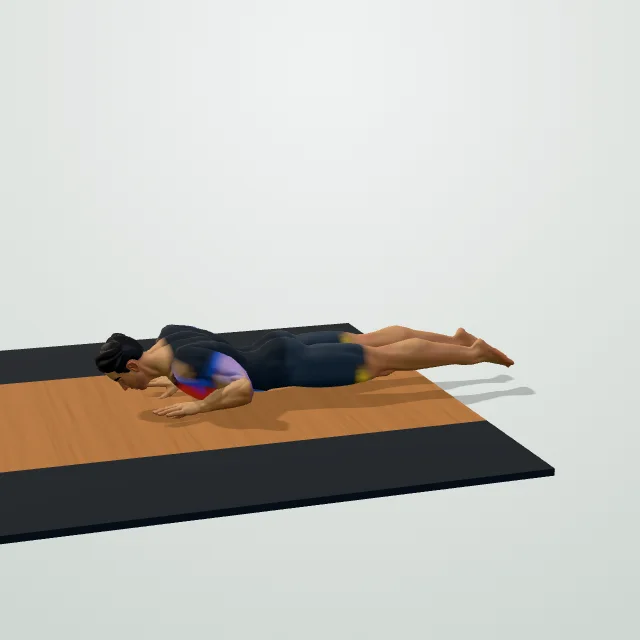
Push-Up
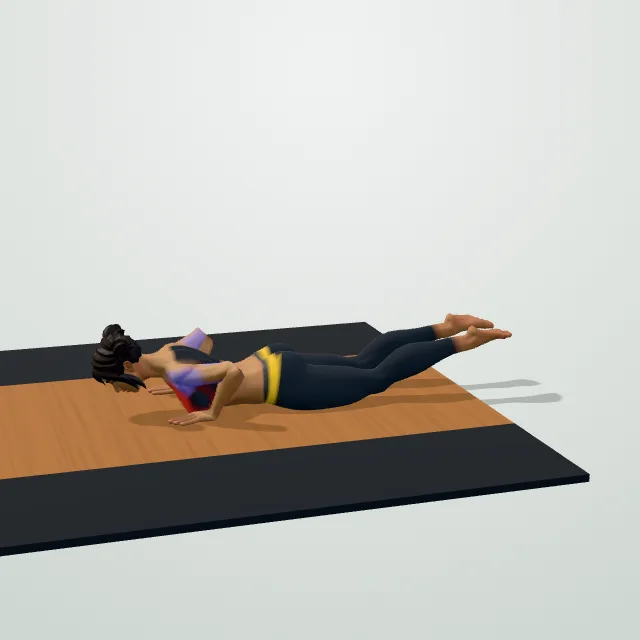
Knee Push-Up
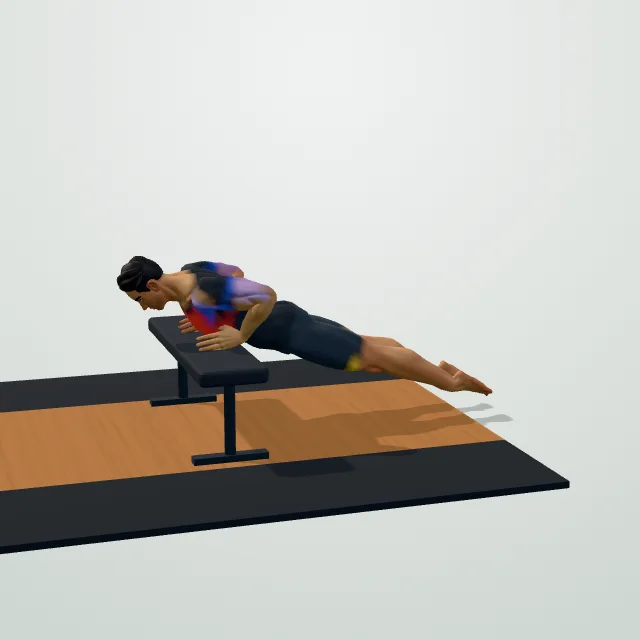
Incline Push-Up
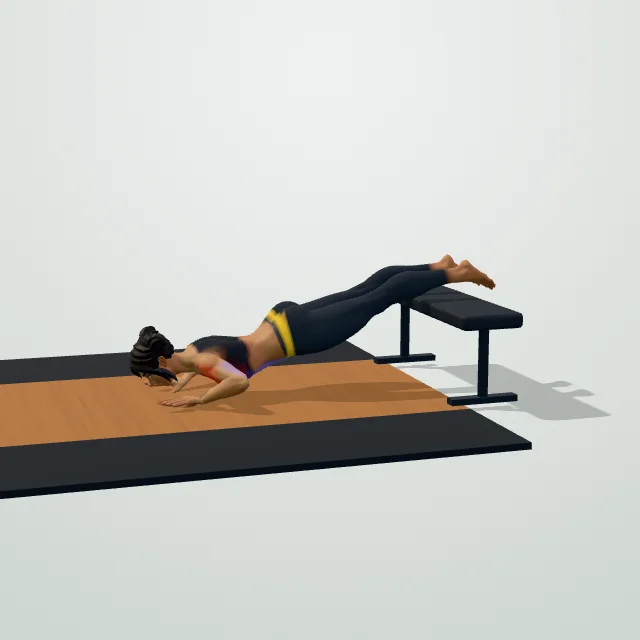
Decline Push-Up
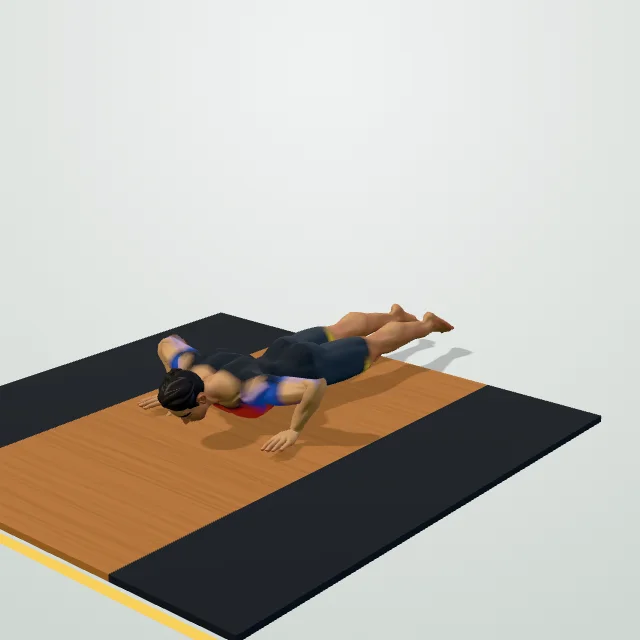
Wide Push-Up
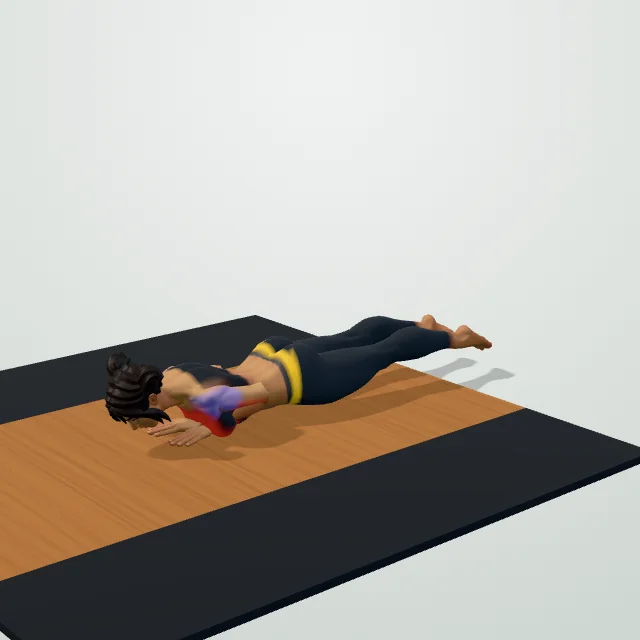
Diamond Push-Up
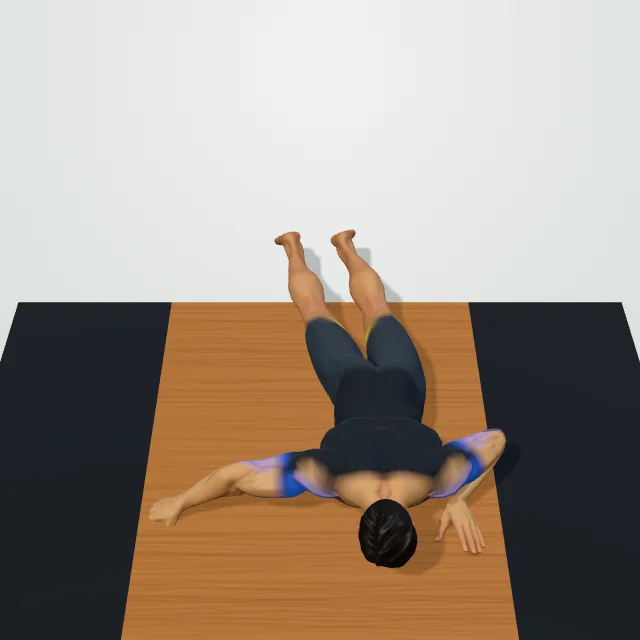
Archer Push-Up
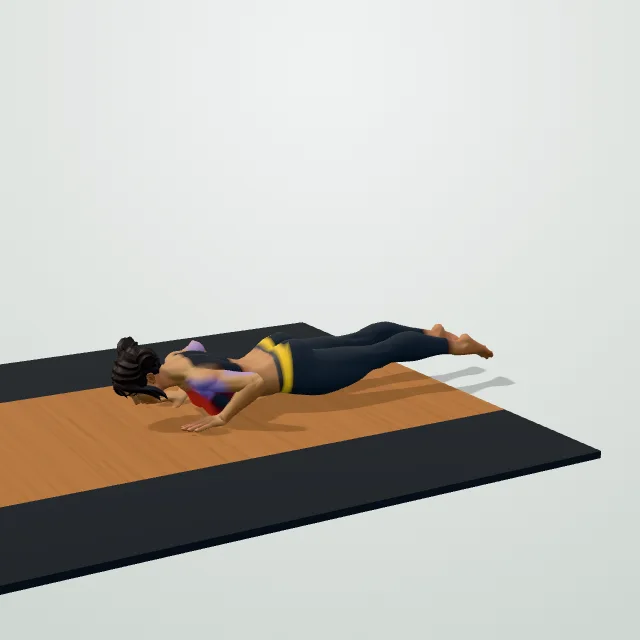
Clap Push-Up
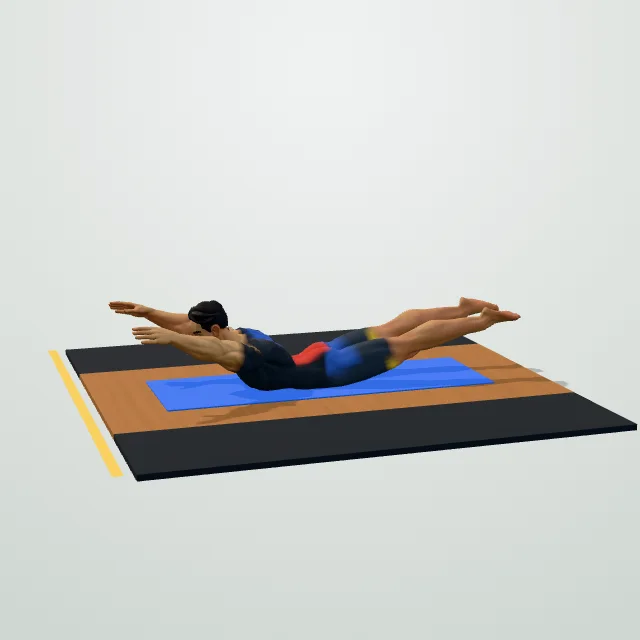
Superman
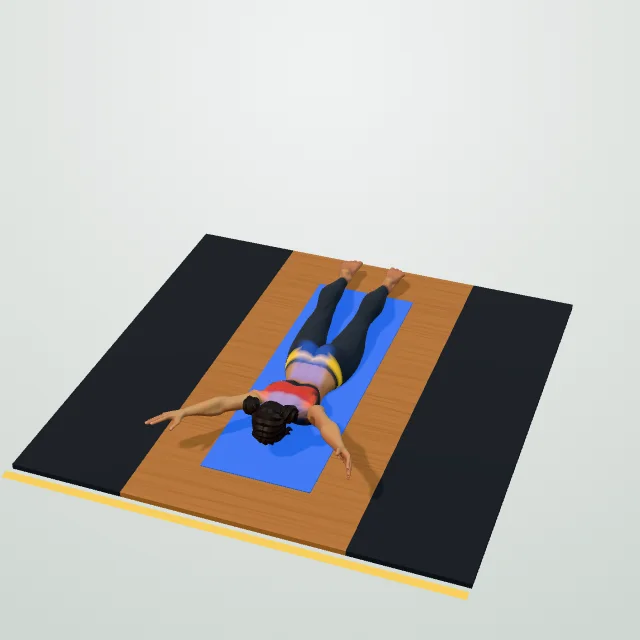
Prone Y-T-W Raise
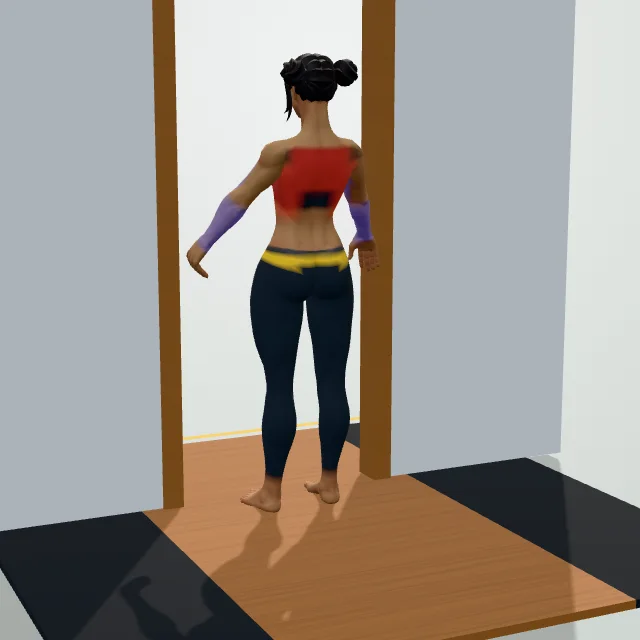
Doorframe Row
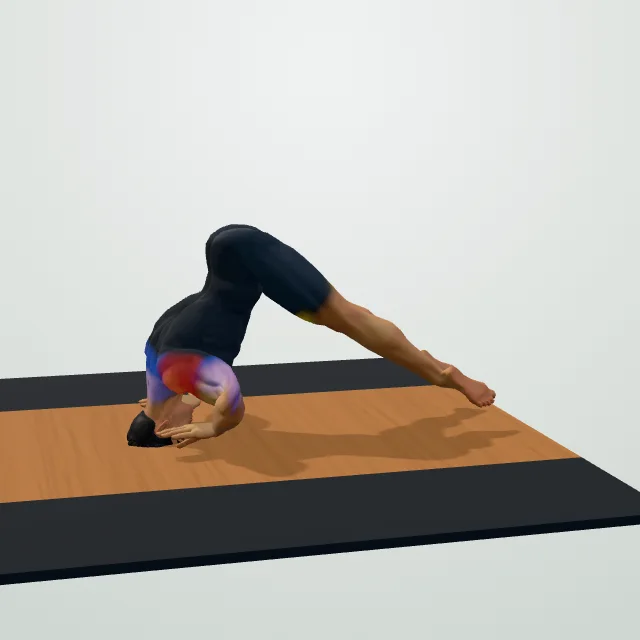
Pike Push-Up
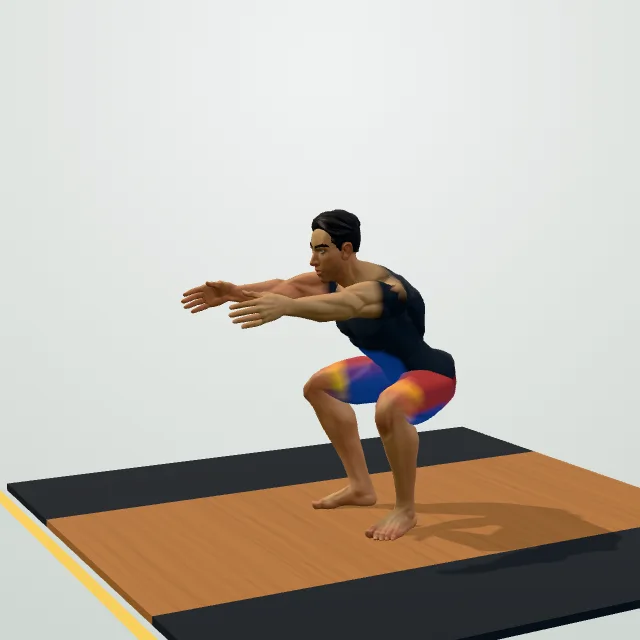
Bodyweight Squat
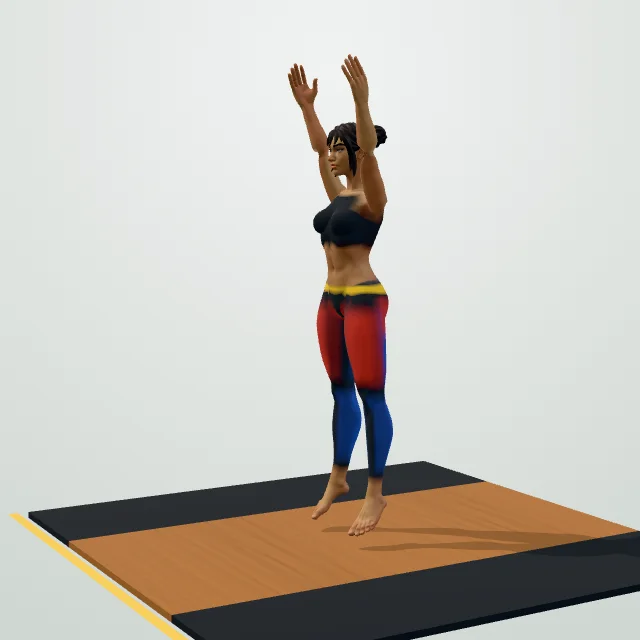
Jump Squat
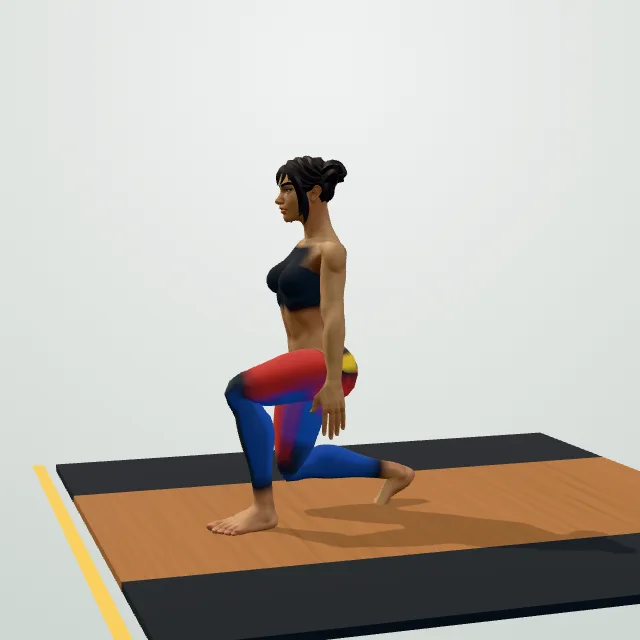
Forward Lunge
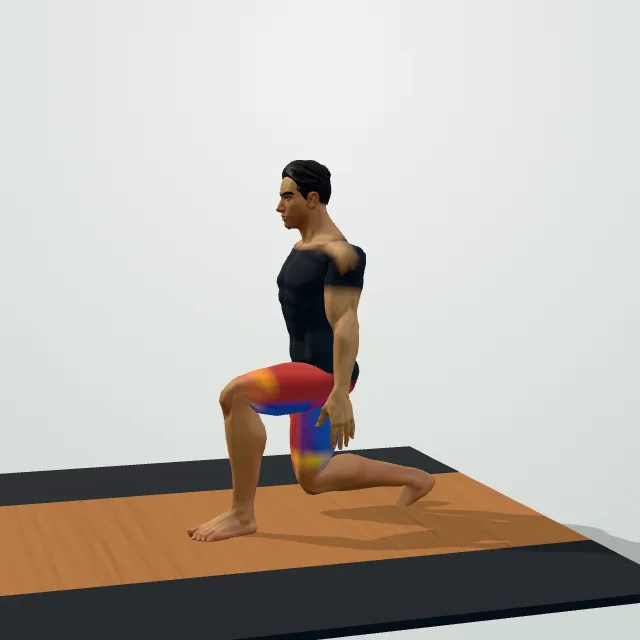
Reverse Lunge
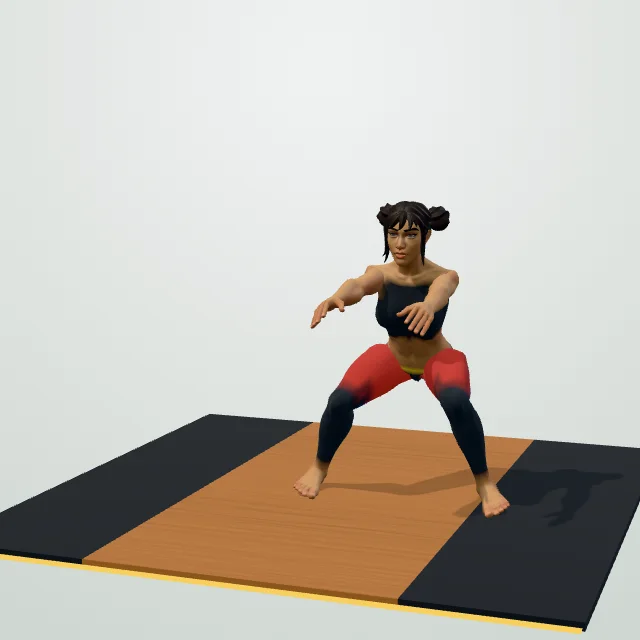
Lateral Lunge
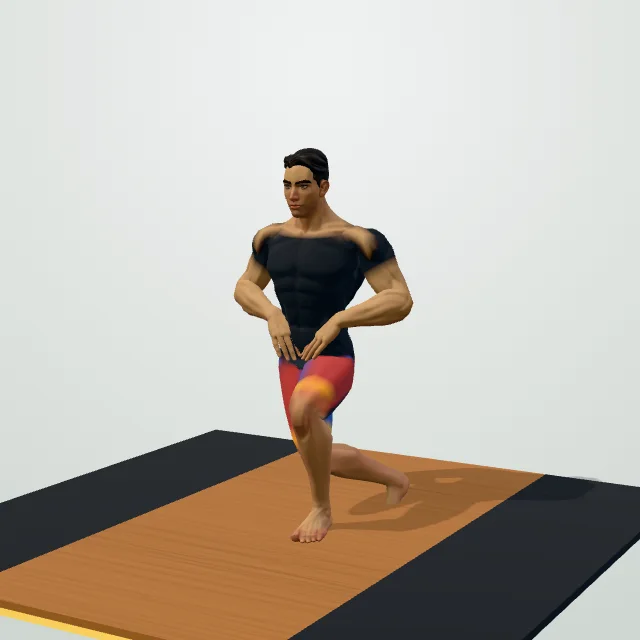
Curtsy Lunge
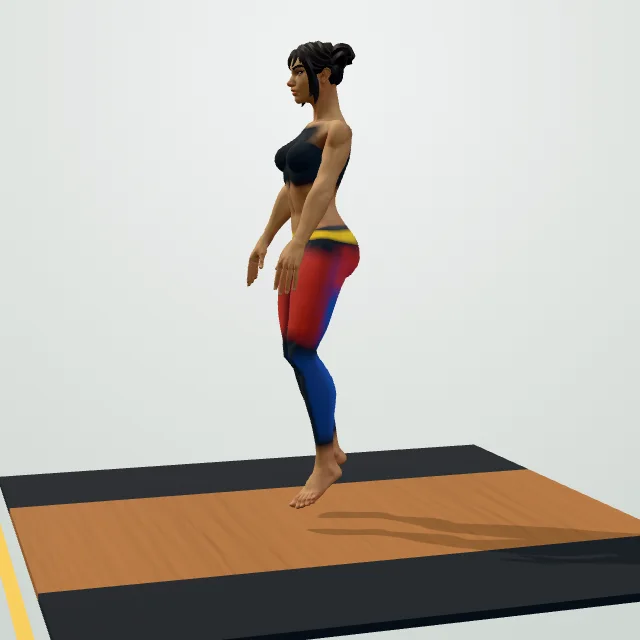
Jumping Lunge
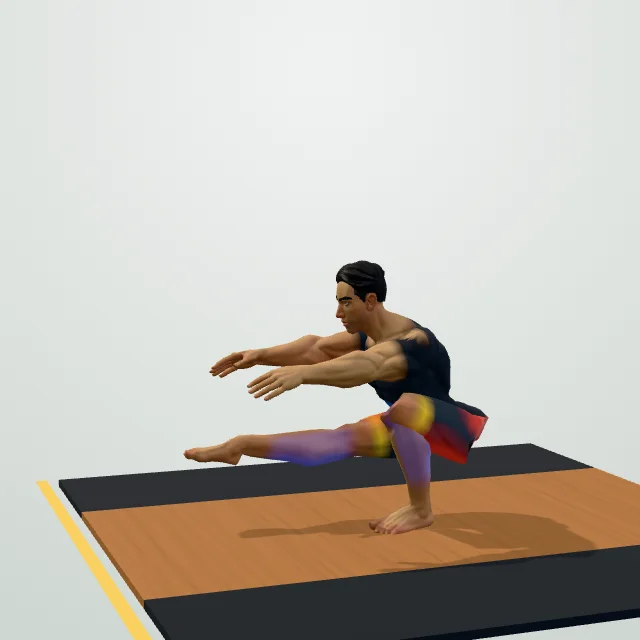
Pistol Squat
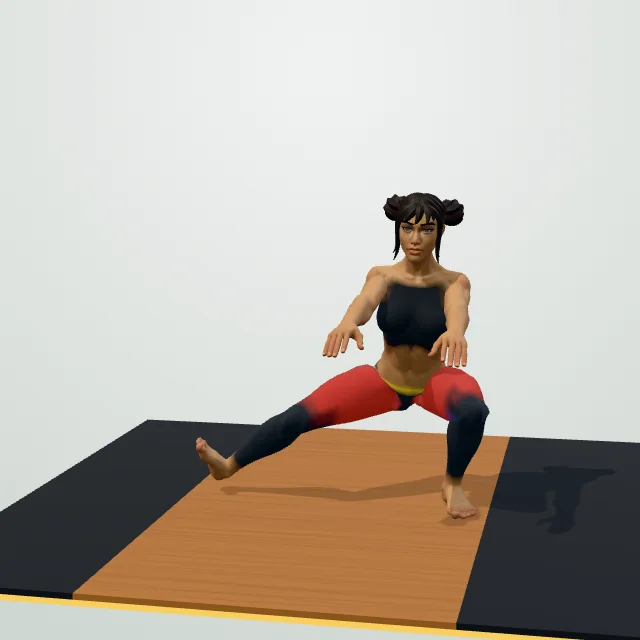
Cossack Squat
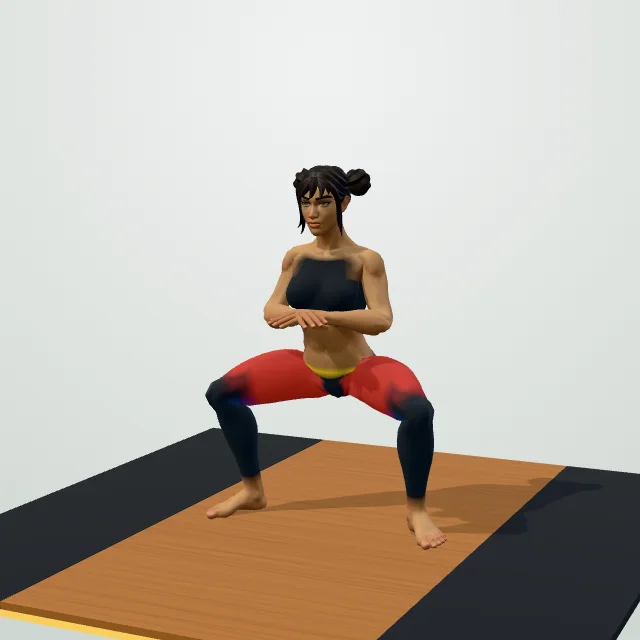
Sumo Squat
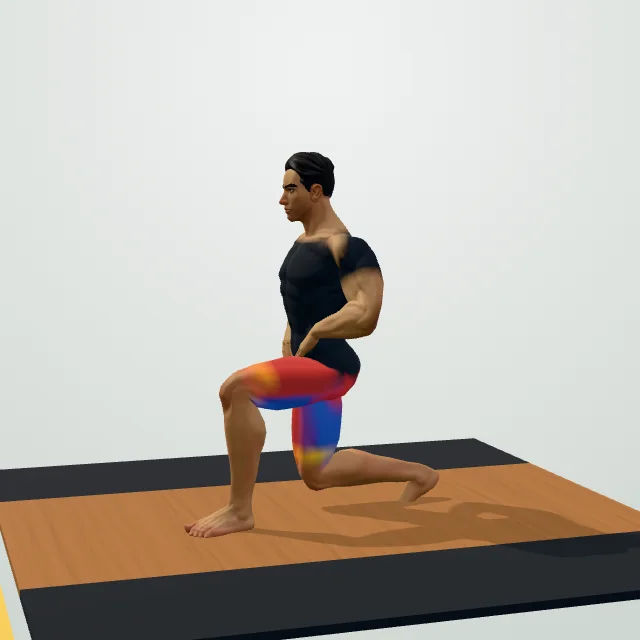
Split Squat
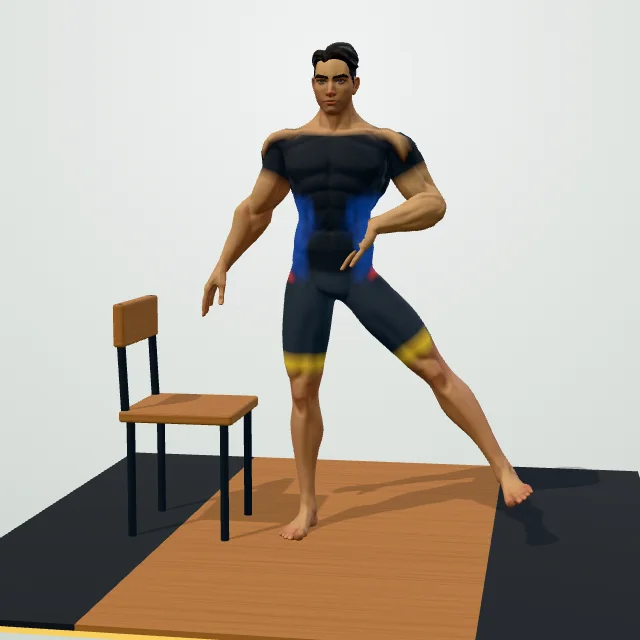
Standing Side Leg Raise
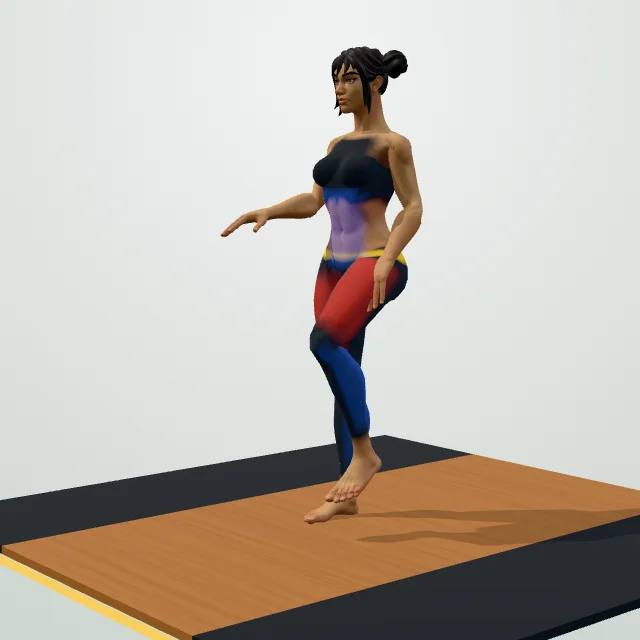
Marching in Place
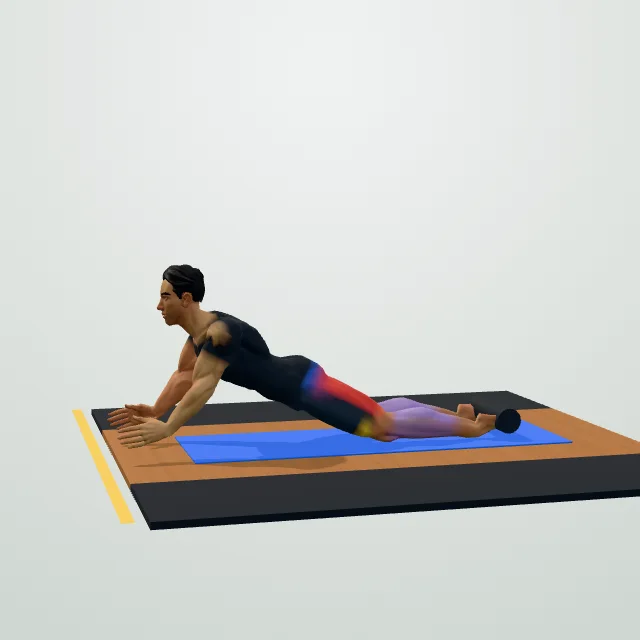
Nordic Hamstring Curl
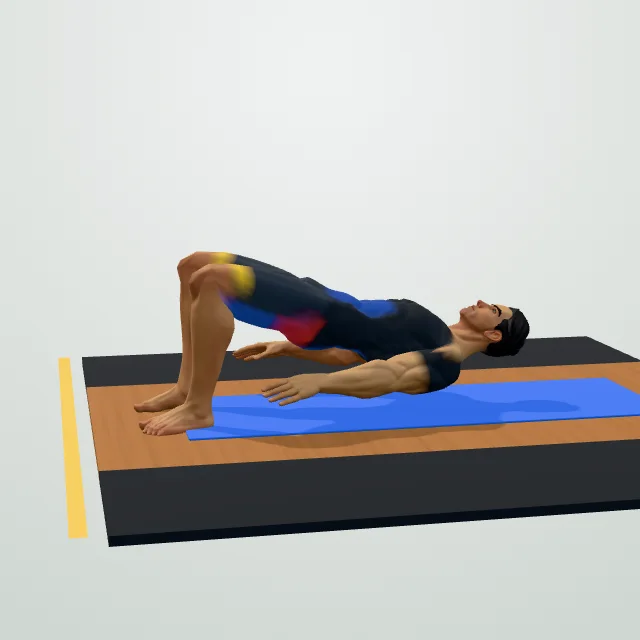
Glute Bridge
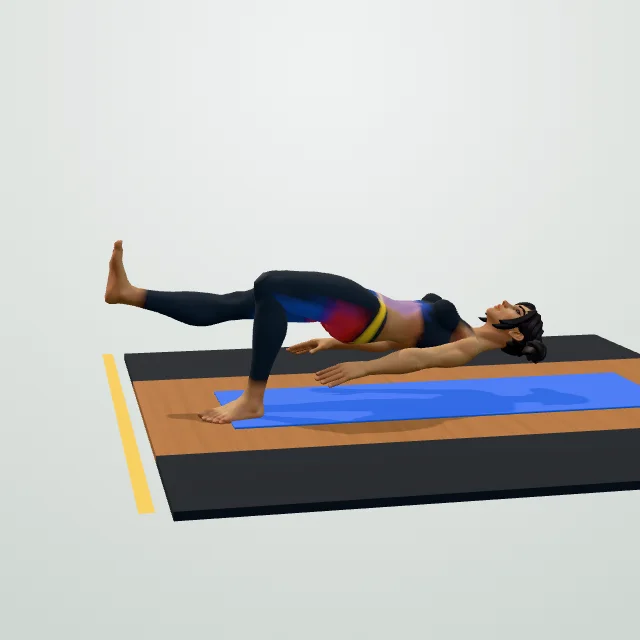
Single-Leg Glute Bridge
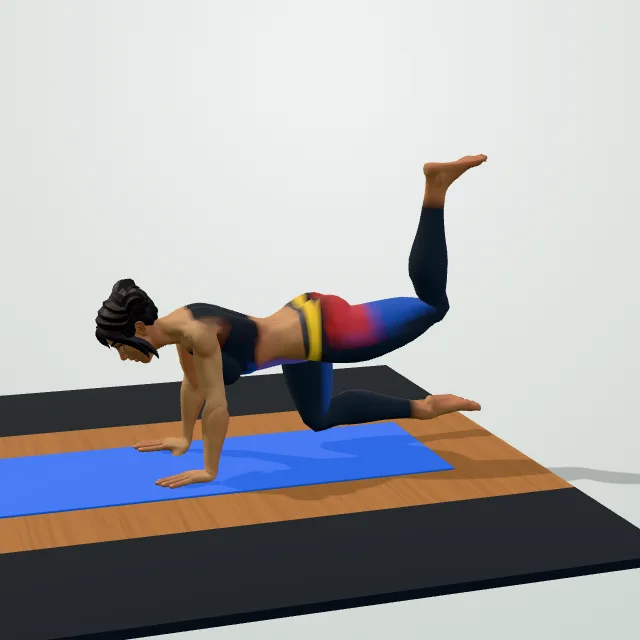
Donkey Kick
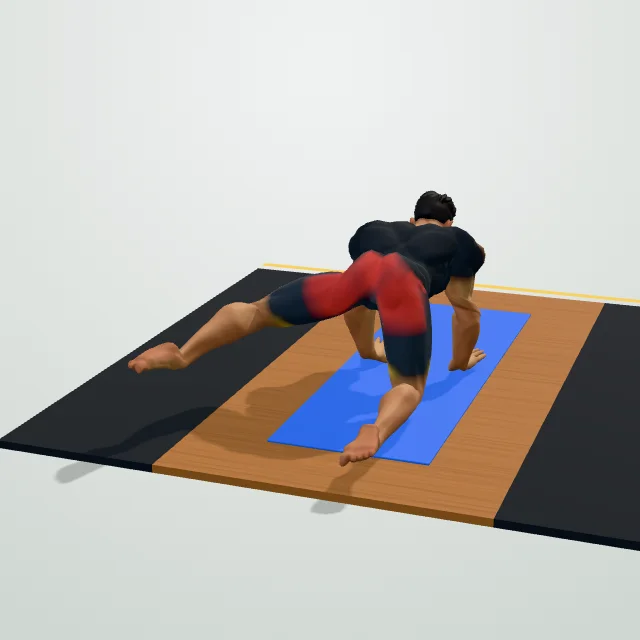
Fire Hydrant
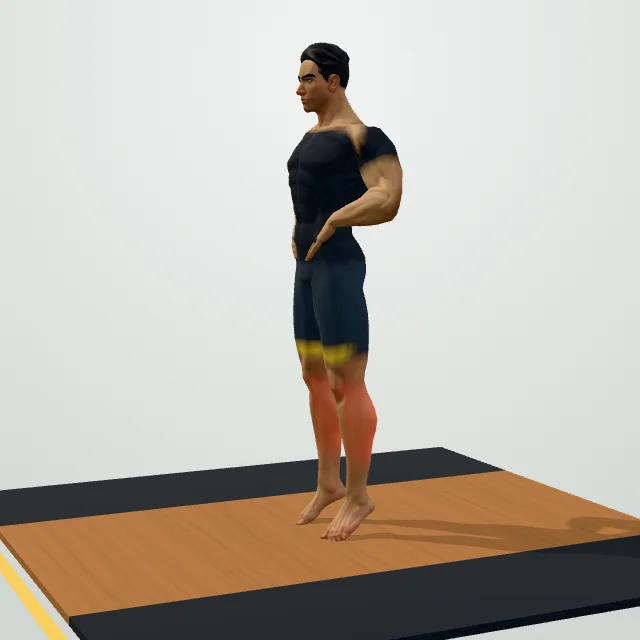
Bodyweight Calf Raise
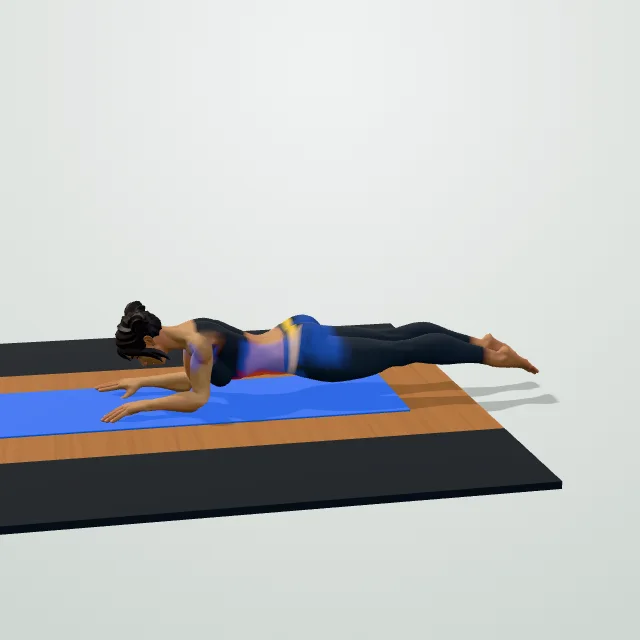
Plank
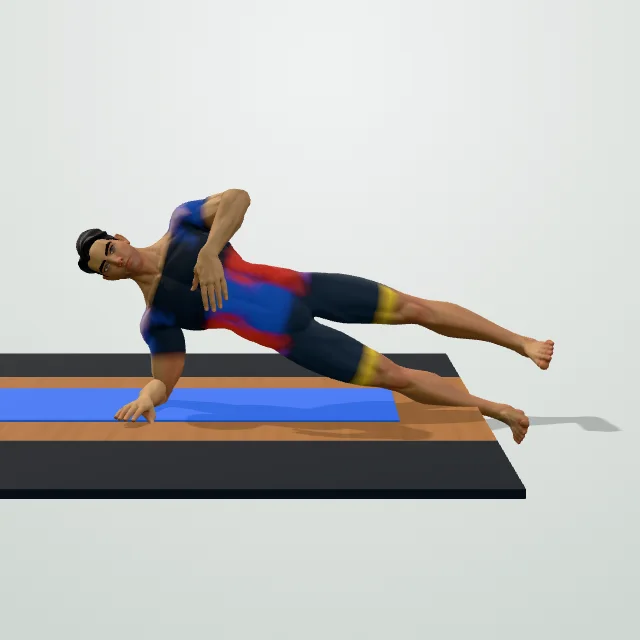
Side Plank
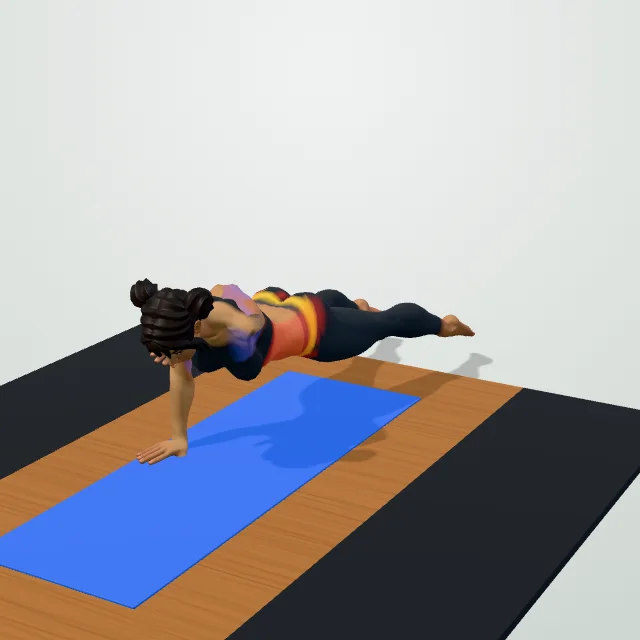
Plank Shoulder Tap
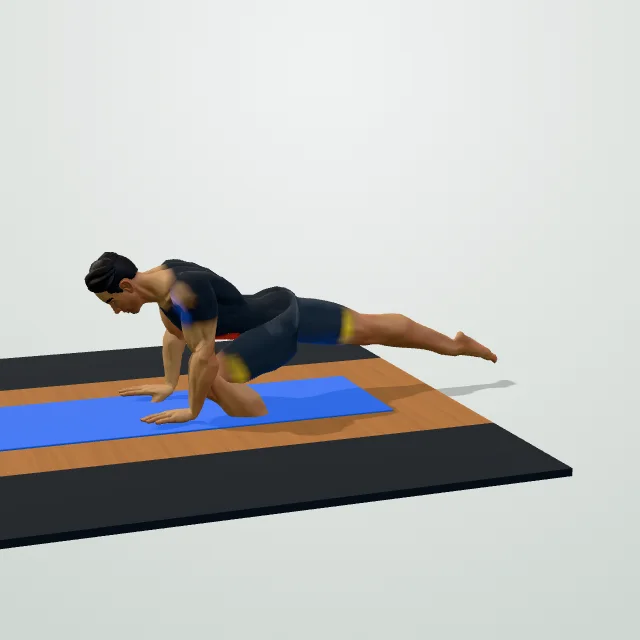
Mountain Climber
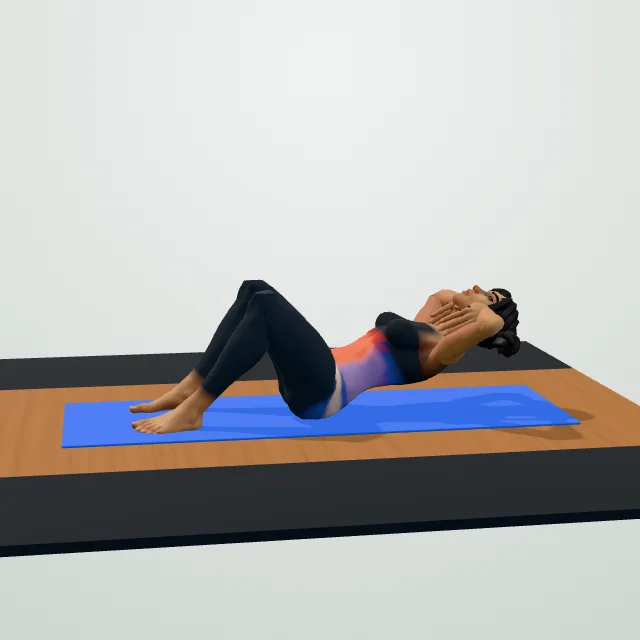
Crunch
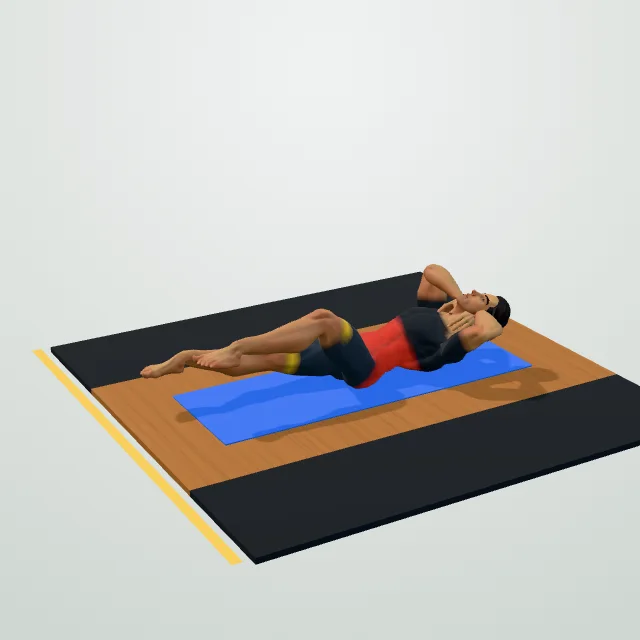
Bicycle Crunch
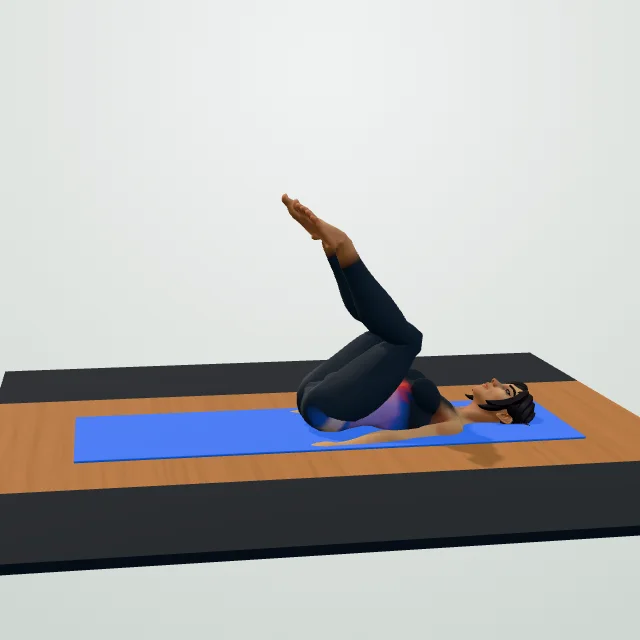
Reverse Crunch
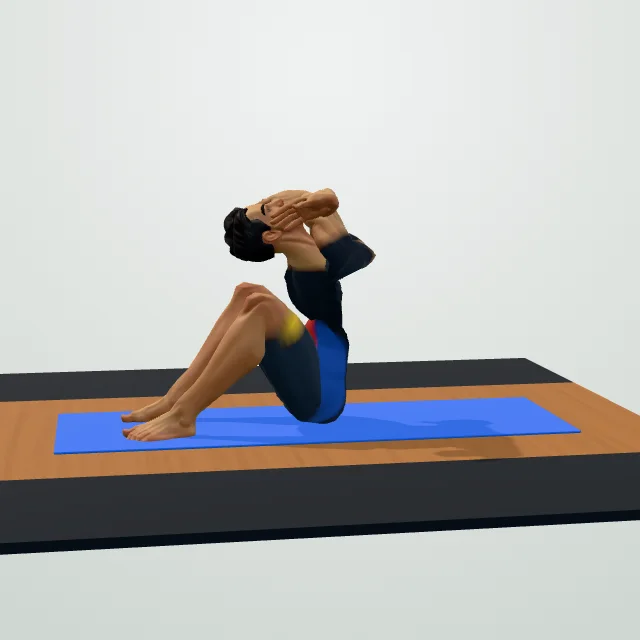
Sit-Up
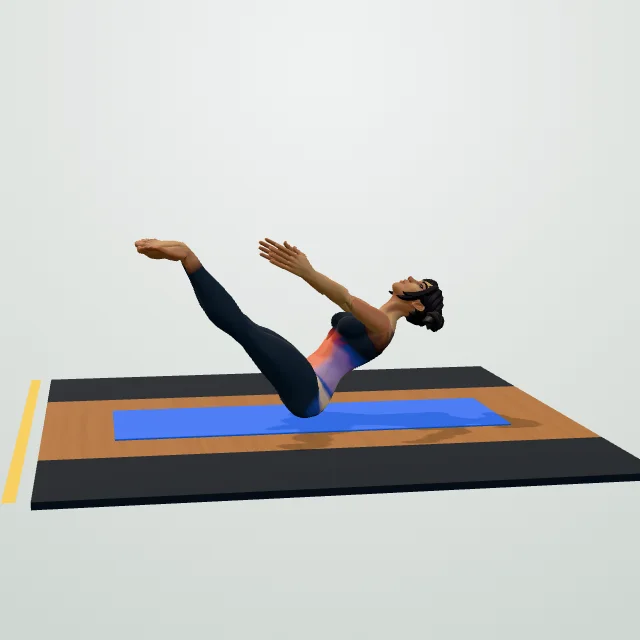
V-Up
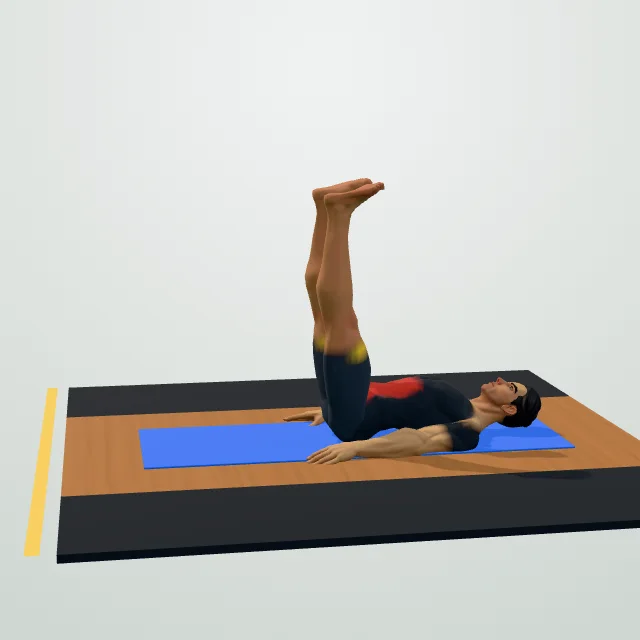
Lying Leg Raise
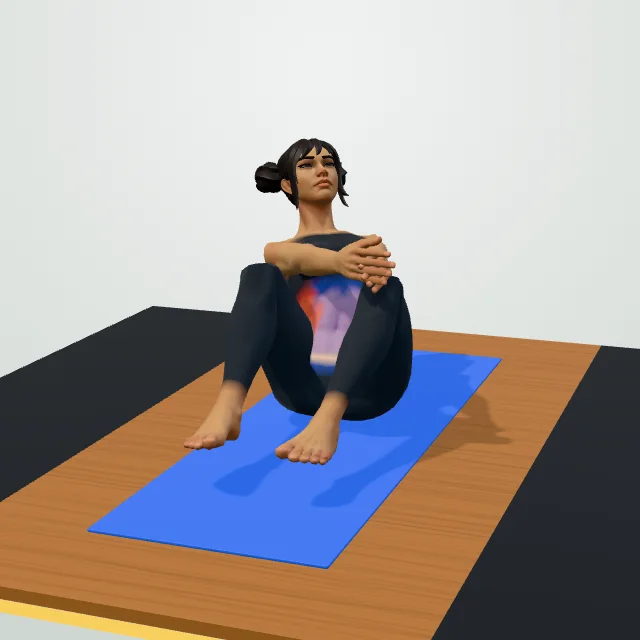
Russian Twist
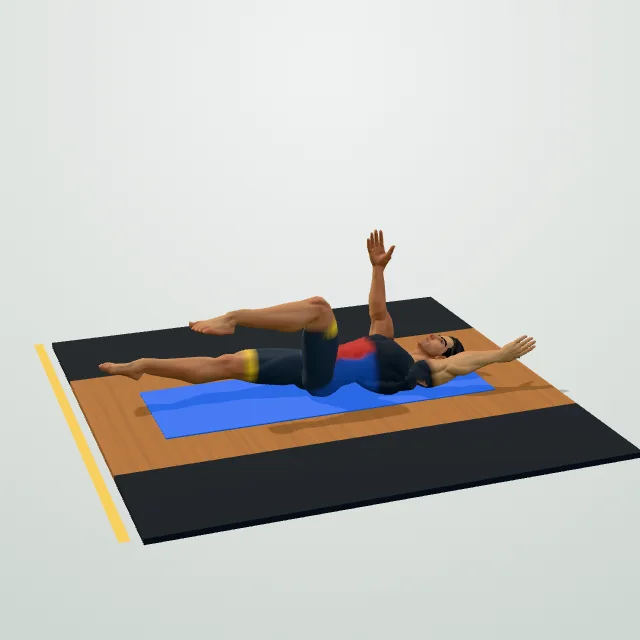
Dead Bug
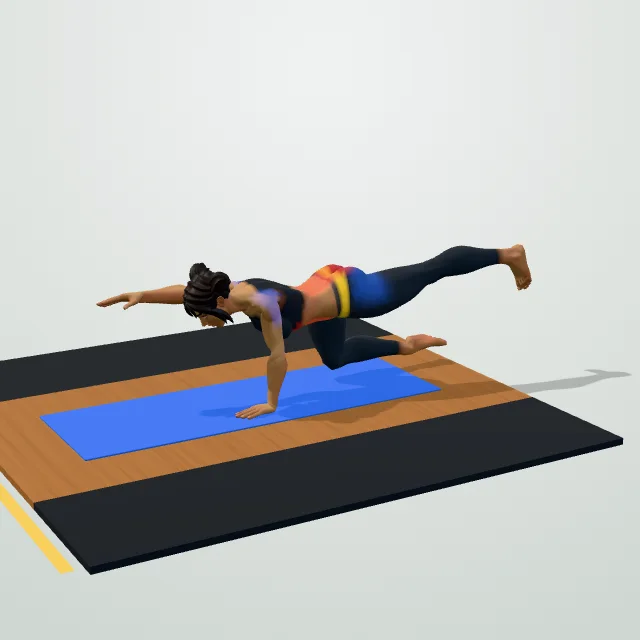
Bird Dog
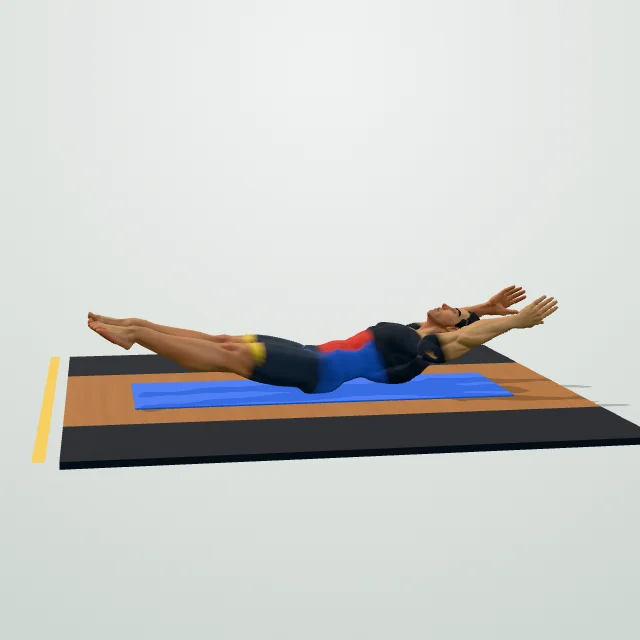
Hollow Body Hold
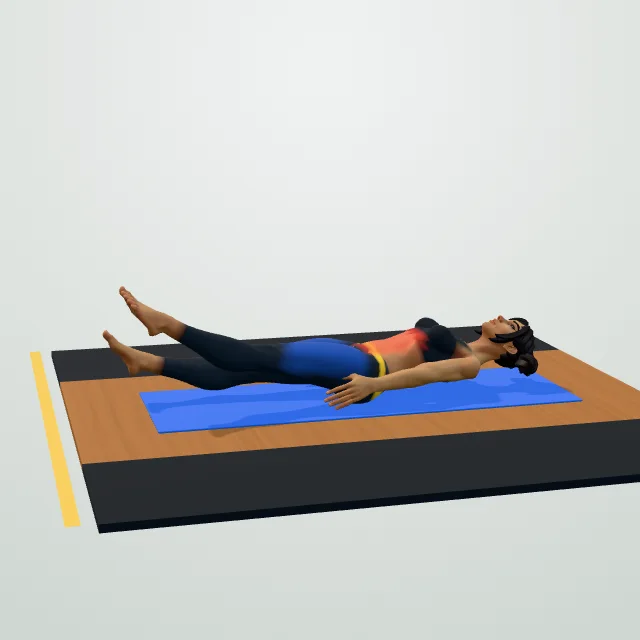
Flutter Kicks
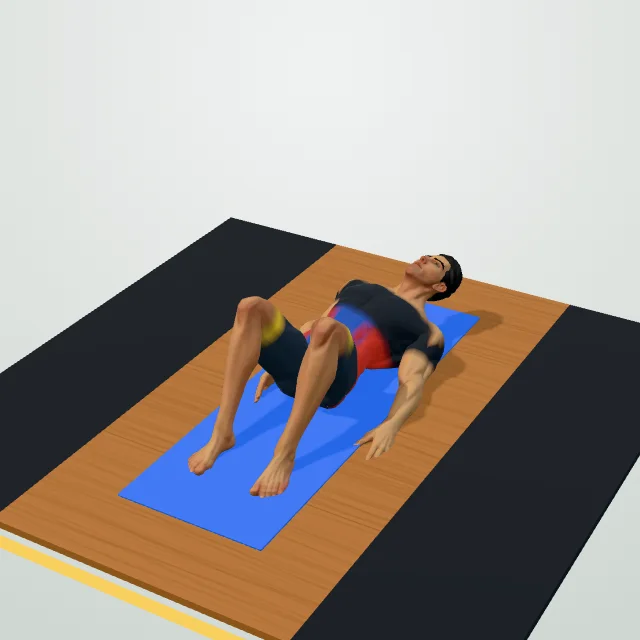
Heel Touches
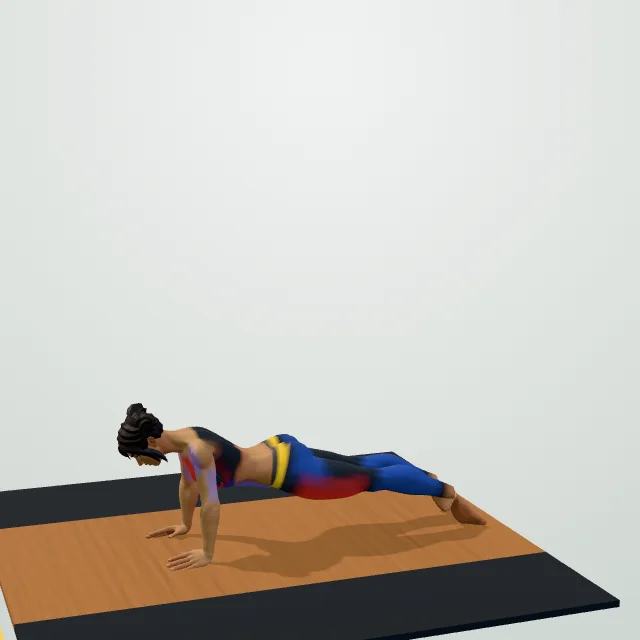
Burpee
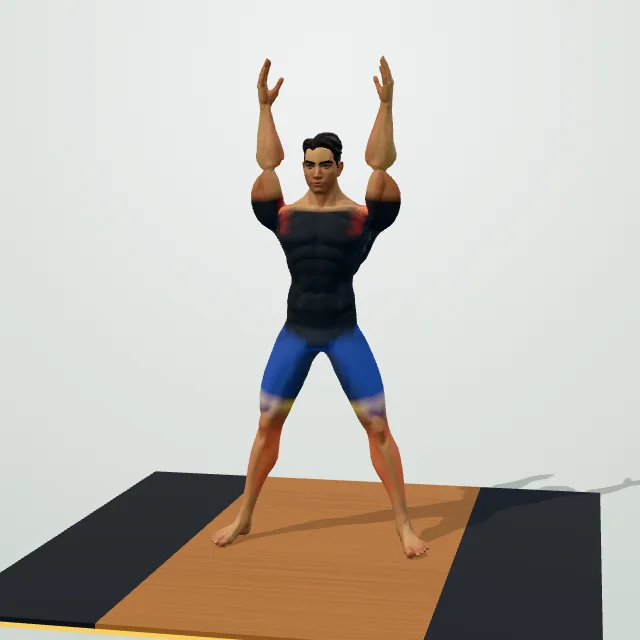
Jumping Jacks
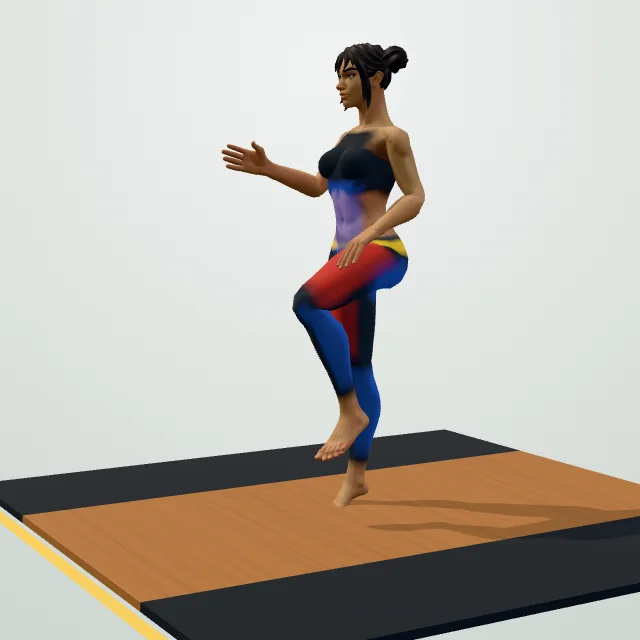
High Knees
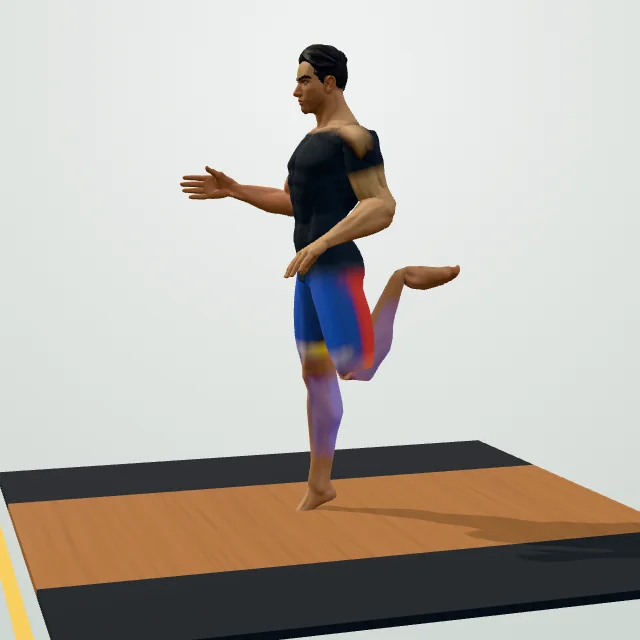
Butt Kicks
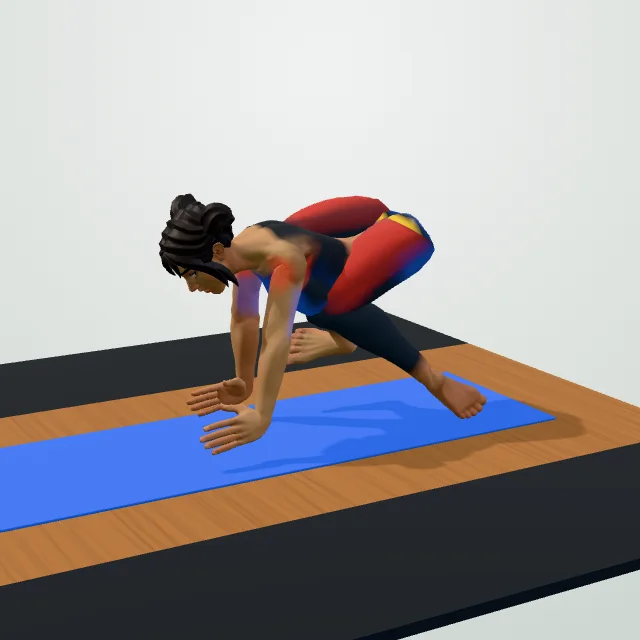
Bear Crawl
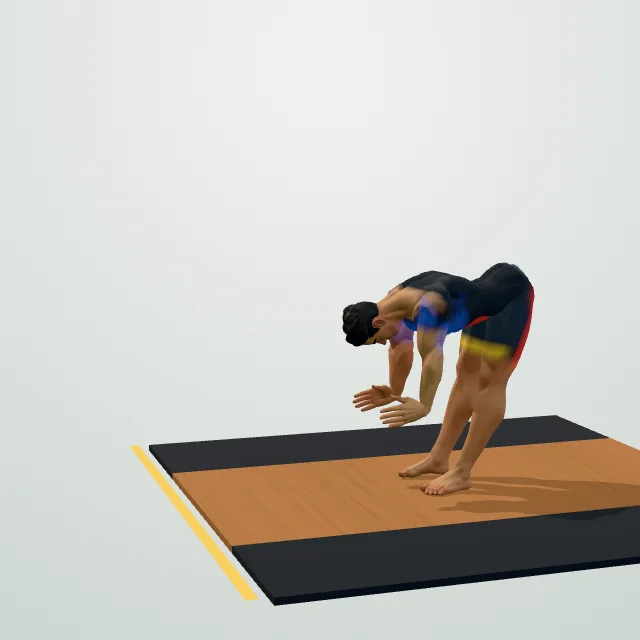
Inchworm
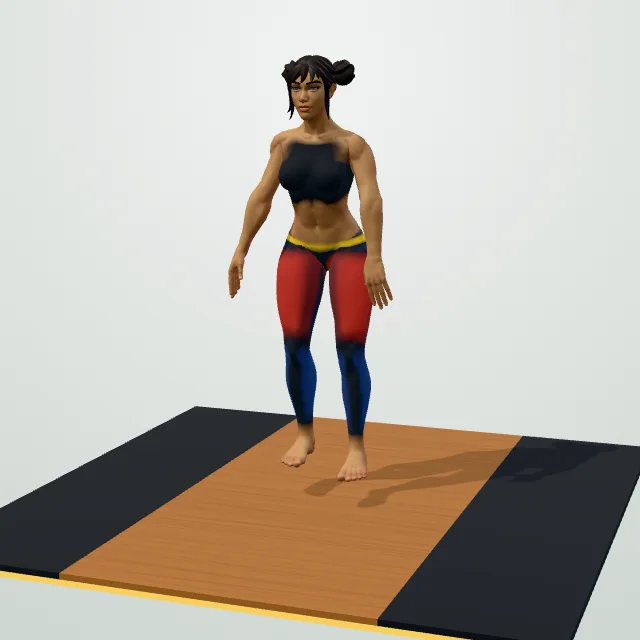
Skater Jump
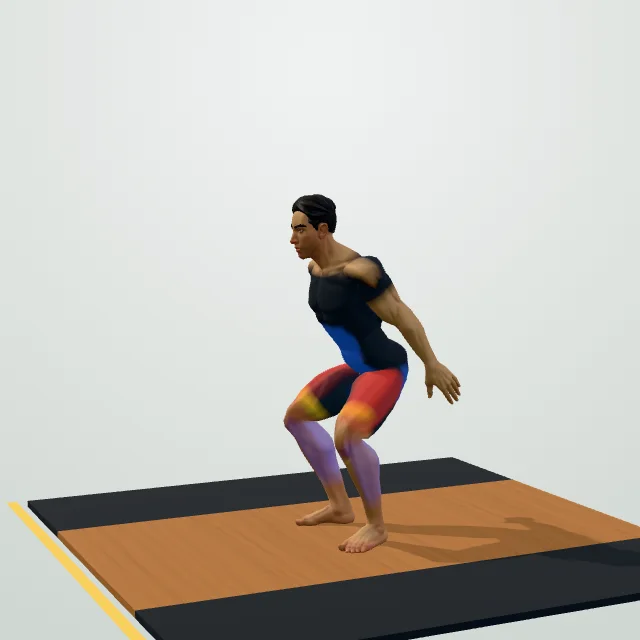
Tuck Jump
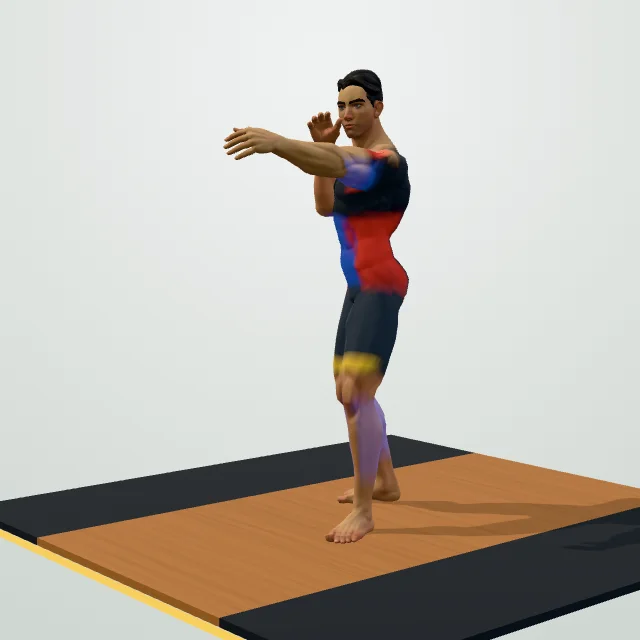
Shadow Boxing
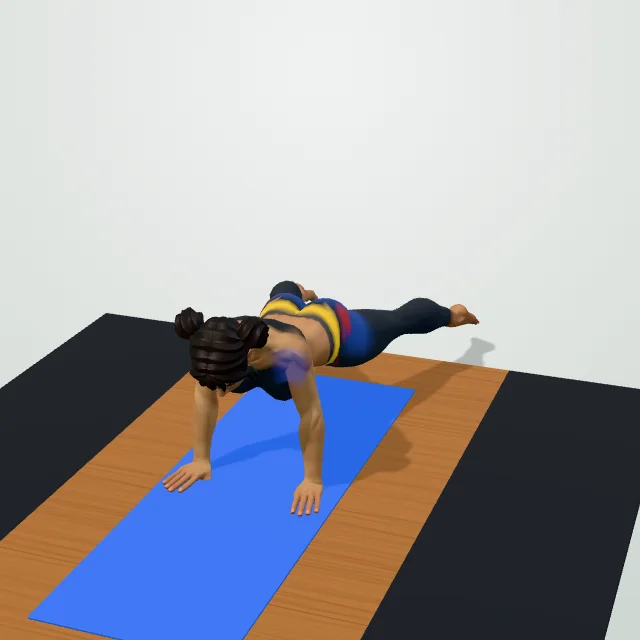
Plank Jack
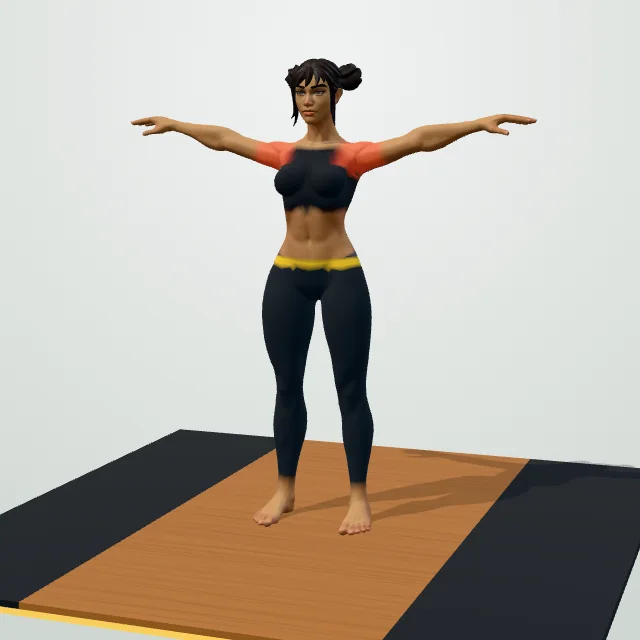
Arm Circles
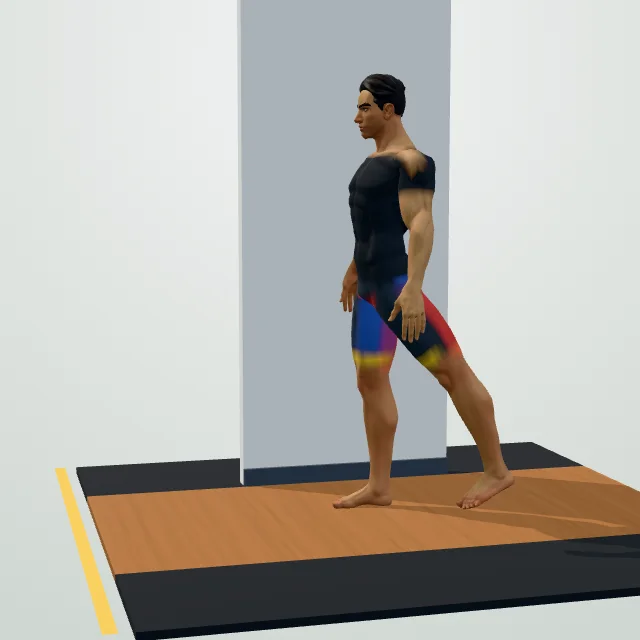
Leg Swings
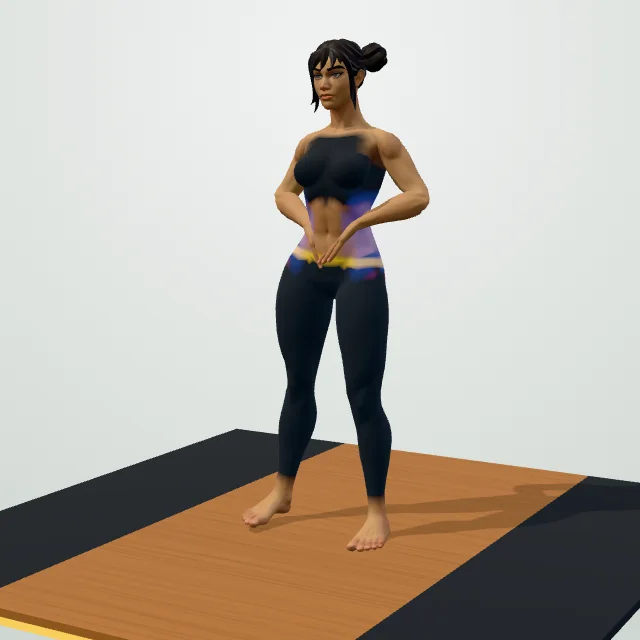
Hip Circles
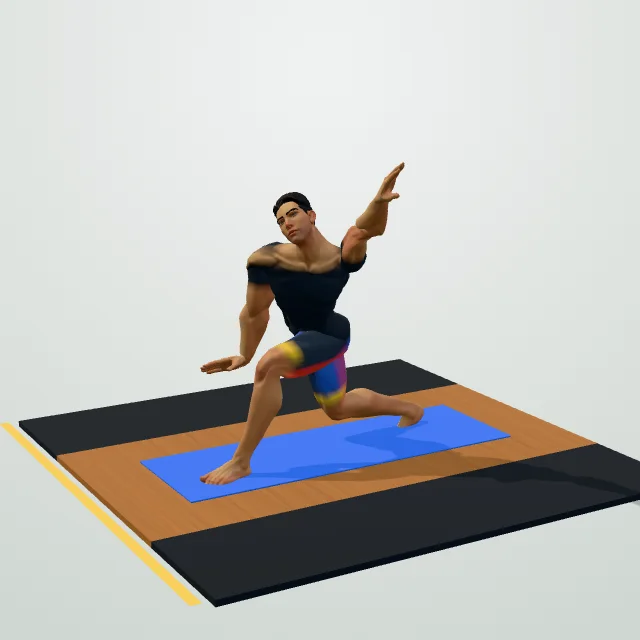
World's Greatest Stretch
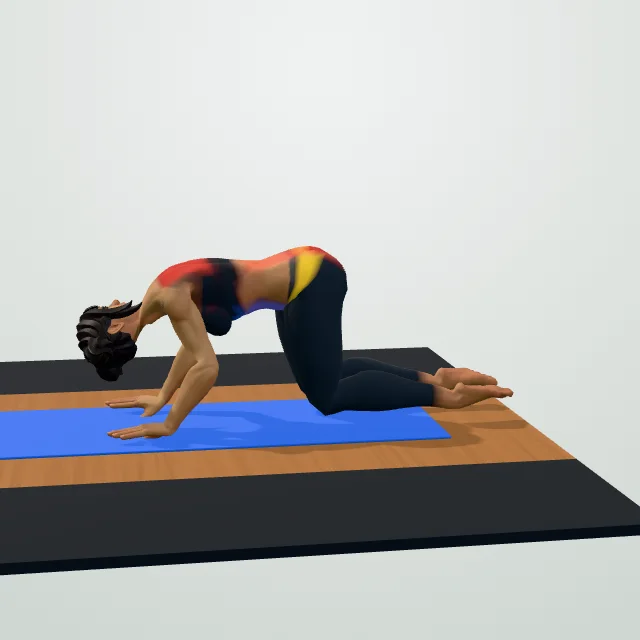
Cat-Cow
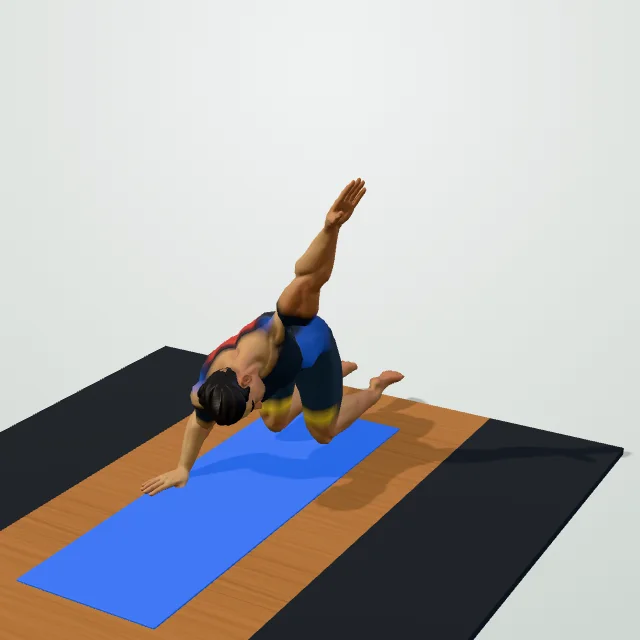
Thread the Needle
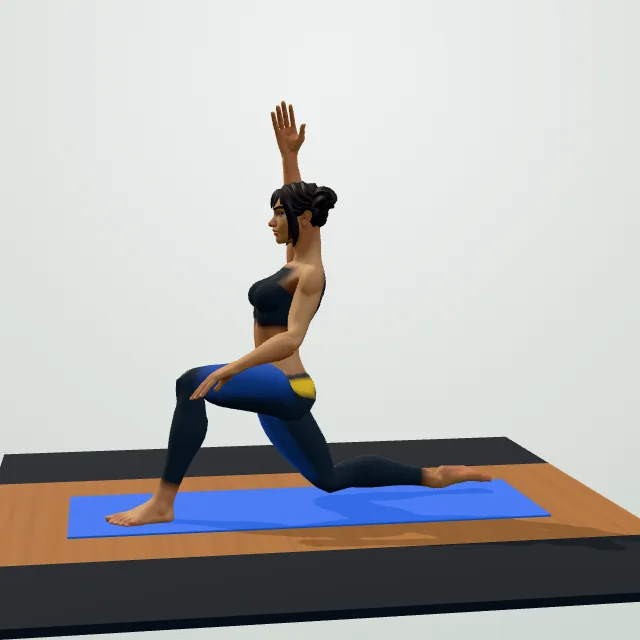
Kneeling Hip Flexor Stretch
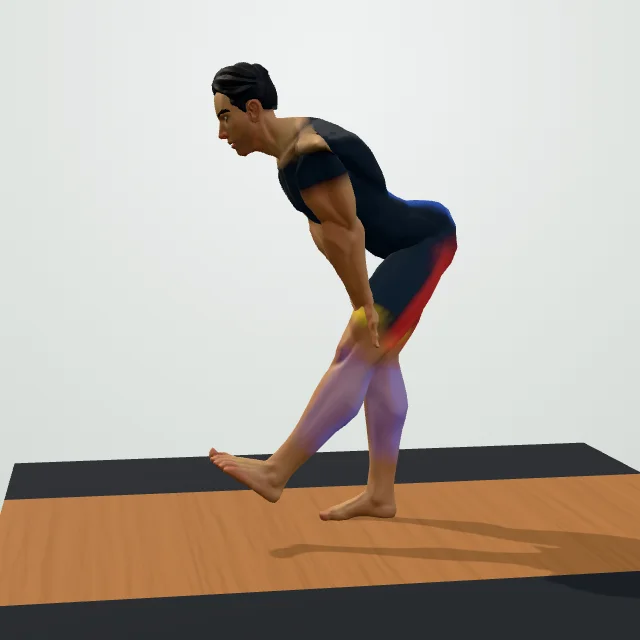
Standing Hamstring Stretch
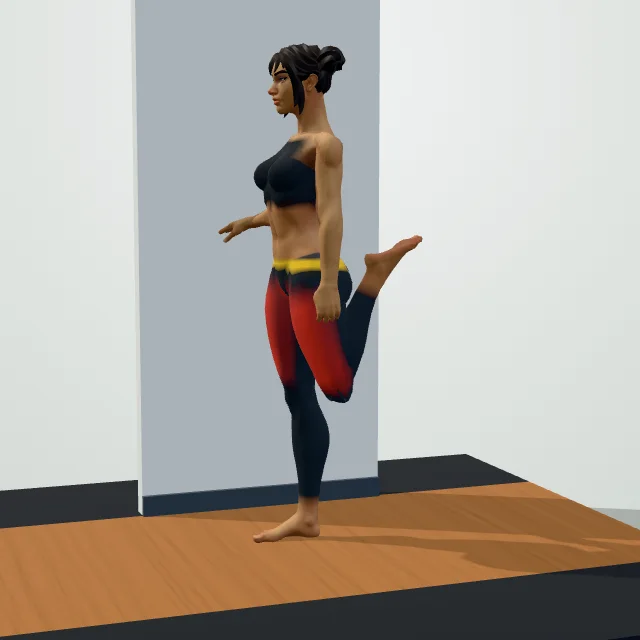
Standing Quad Stretch
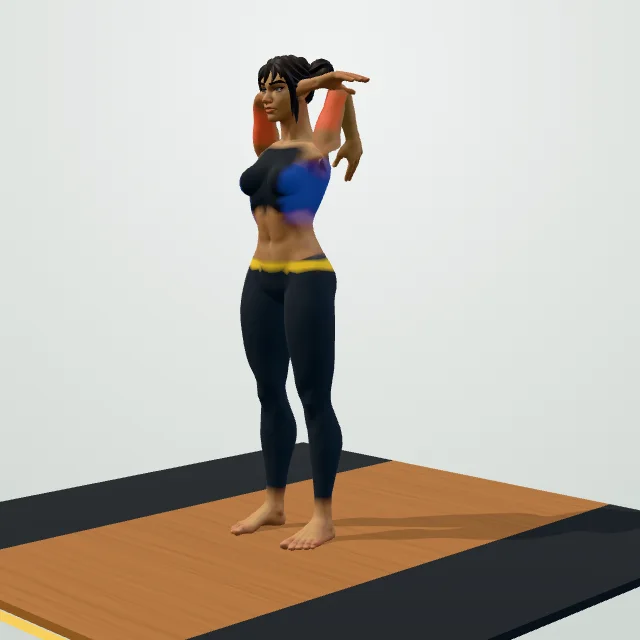
Overhead Triceps Stretch
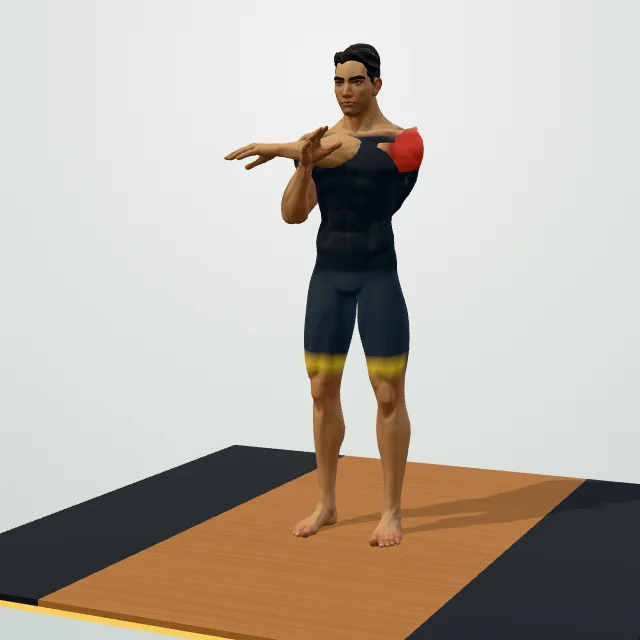
Cross-Body Shoulder Stretch
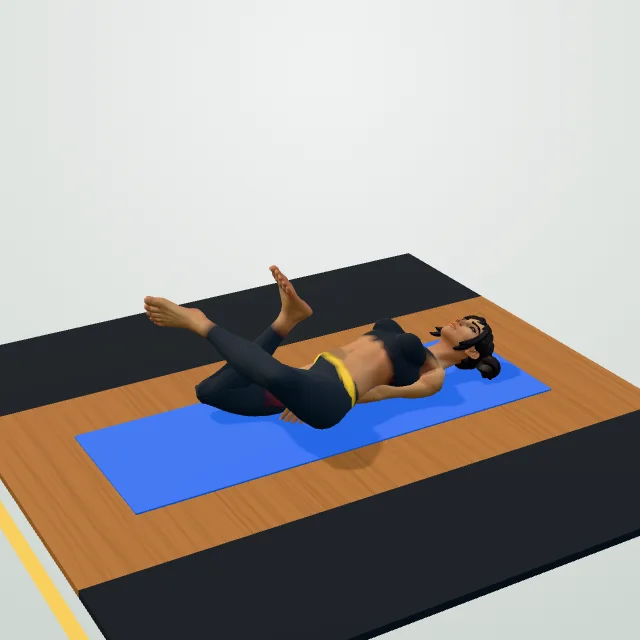
Figure-Four Glute Stretch
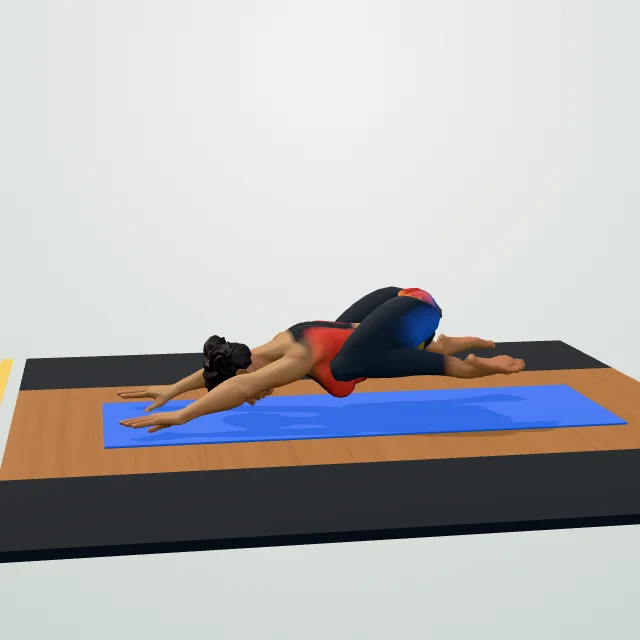
Child's Pose
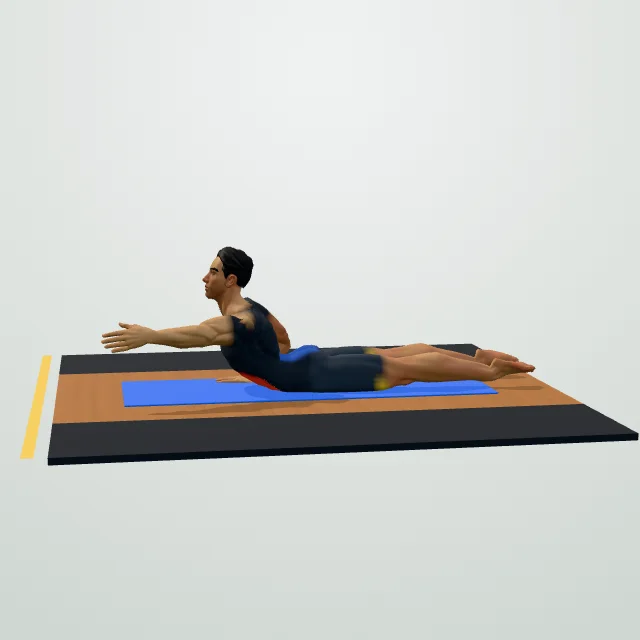
Cobra Stretch
Workout plans
General fitness · Beginner
Beginner Full-Body Gym Workout
General fitness · Beginner
30-Day Home Workout Plan (No Equipment)
Strength · Intermediate
Upper/Lower Split (4 Days)
Build muscle · Intermediate
5-Day Body-Part Split (Bro Split)
Build muscle · Beginner
Full-Body Dumbbell Workout Plan
Fat loss · Intermediate
15-Minute HIIT Workout (No Equipment)
Bodyweight exercises use your own body as the resistance, so a real no equipment workout needs nothing but a bit of floor space and, for a few moves, a wall or sturdy chair. That makes calisthenics exercises the easiest way to start training anywhere — a hotel room, a small apartment, a park — and one of the best tools for beginners because the load scales with the version of the movement you pick, not a dumbbell rack you don't have.
Don't mistake "no equipment" for "no progress". Push-ups, squats, rows and planks build real strength and muscle when you manage the variables that matter: how hard each set is, how many reps you do, and how you make the exercise harder once it gets easy. The free 3D coach on this site shows the correct push-up, bodyweight squat and plank from every angle with a voice cue for each phase, which matters more here than with weights — with no external load, form is the only thing separating a hard set from a wasted one.
How to choose which bodyweight exercises to do
Cover the whole body across a week rather than doing the same few moves every day. A simple template: one push move (push-up family), one pull move (row or hang), one squat move, one hinge move (glute bridge or single-leg RDL), and one core move. Add calf raises and mobility work at the end. This keeps the muscle groups balanced and avoids the common mistake of hammering abs and chest while ignoring the back and hamstrings, which are harder to load without equipment.
Match the exercise to your level rather than forcing a hard variation with bad form. Knee push-ups and wall push-ups are legitimate regressions, not "cheating" — they let beginners, older adults and anyone returning after injury build the same movement pattern with less load, then progress to the full push-up and eventually diamond push-ups or archer push-ups as strength improves.
Safety and setup
Warm up with 5 minutes of easy movement — arm circles, cat-cow, hip circles and a few slow bodyweight squats — before anything explosive like burpees or jump squats. Train on a surface with grip (a mat or firm carpet, not a slippery floor), and give impact moves like tuck jumps or box jumps a rest if you have knee or ankle pain. As with any training, sharp joint pain, chest pain, dizziness or unusual breathlessness are reasons to stop and check with a doctor, not push through.
The best no-equipment exercises, and why
For chest and triceps: the push-up and its regressions/progressions are the foundation — they train chest, shoulders, triceps and core bracing in one movement. For back, options are limited without a bar, so supermans, prone Y-T-W raises and doorframe rows earn their place — they're some of the only ways to load the upper back and rear shoulders bodyweight-only. For legs and glutes: the bodyweight squat, split squat, glute bridge and single-leg work like pistol squats (advanced) or sumo squats keep quads, hamstrings and glutes working hard. For core: plank, dead bug and hollow body hold build the bracing you need for every other exercise, gym or home. For conditioning: burpees, mountain climbers, high knees and jumping jacks raise heart rate fast for a no-equipment HIIT finisher.
Sample full-body bodyweight workout
| Exercise | Sets × reps | Rest |
|---|---|---|
| Push-up (or knee push-up) | 3 × 8–15 | 60 s |
| Bodyweight squat | 3 × 12–20 | 60 s |
| Glute bridge | 3 × 12–15 | 45 s |
| Plank | 3 × 30–45 s hold | 45 s |
| Mountain climbers | 3 × 30 s | 30 s |
Increase reps first, then move to a harder variation (decline push-up, jump squat, single-leg glute bridge) once you can comfortably do the top of the rep range with good form.
How to program a no-equipment routine
Beginners can train 3–4 days a week using a full-body split like the one above. Aim for 2–4 sets per exercise and rep ranges of about 8–15 for strength-style moves and 15–25+ for smaller isolation-style moves; ACSM's general guidance is 2–3 non-consecutive days of muscle-strengthening work for beginners, more for intermediate and advanced trainees. Progress by adding reps, slowing the tempo, or switching to a harder variation — the "progressive overload" principle applies to bodyweight training exactly as it does with weights; see our progressive overload guide for how to structure that over weeks. Rest 45–90 seconds between sets for most moves, longer for anything you take close to failure.
Bodyweight training for beginners, seniors and at home
If you're new to exercise or returning after a break, start with the easiest regression of each movement and focus on completing every rep under control rather than chasing numbers. Chair-assisted moves and wall exercises are a good bridge for older adults or anyone with balance concerns — see our chair exercises and wall exercises pages, and the dedicated exercise for seniors guide. Because nothing needs assembling or storing, a no-equipment routine also travels well and fits into a small living room, which is why it remains one of the most searched ways to train at home.
Tracking bodyweight progress
Without a weight stack to read, it's easy to lose track of whether you're actually improving. Log your sets and reps for each session so you can see the trend over weeks — more reps at the same difficulty, or a harder variation unlocked, is progress even if the "load" never changes. The my workouts log tracks this automatically after a session in the 3D coach, and the one-rep max calculator is still useful once you add light dumbbells, since bodyweight and light-load training combine well in a single plan.
Workout plans built around bodyweight training
Several full plans on this site use no equipment at all, so you can follow a structured week instead of picking exercises one at a time: the 30-day home workout plan, calisthenics workout for beginners, 15-minute HIIT workout, 7-minute workout, and progression plans like the push-up progression (0 to 30) and pull-up progression (uses a bar, but starts from bodyweight regressions). You can also build your own with the plan builder by choosing "no equipment" and your available days.