Pull-up bar exercises: build a pull-up bar workout at home
How to set up a doorway pull-up bar, the best exercises to do on it, and a beginner-friendly path to your first pull-up.
Workout plans
Build muscle · Intermediate
Push Pull Legs Split (6 Days)
Strength · Intermediate
Upper/Lower Split (4 Days)
Build muscle · Intermediate
4-Day Muscle-Building Workout Plan
Build muscle · Intermediate
5-Day Body-Part Split (Bro Split)
Fat loss · Beginner
4-Week Fat-Loss Workout Plan
Build muscle · Intermediate
Back and Biceps Workout
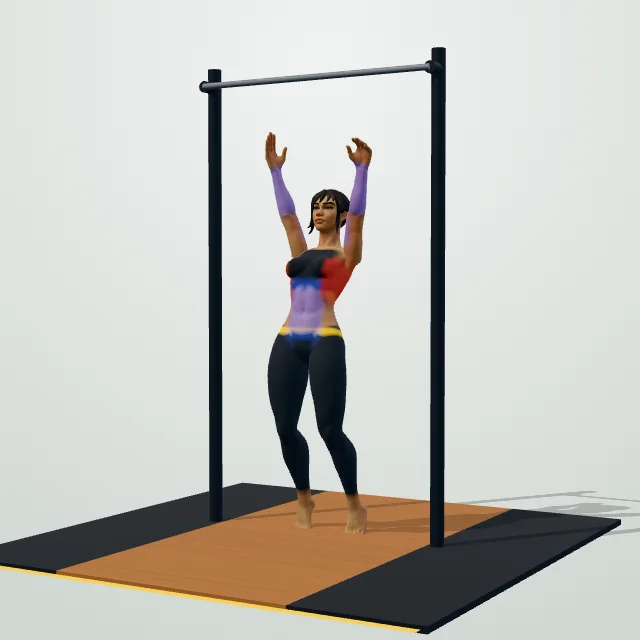
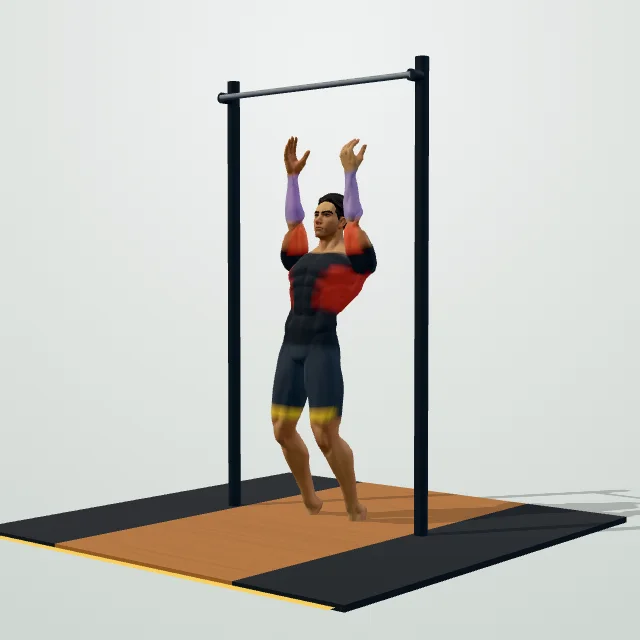
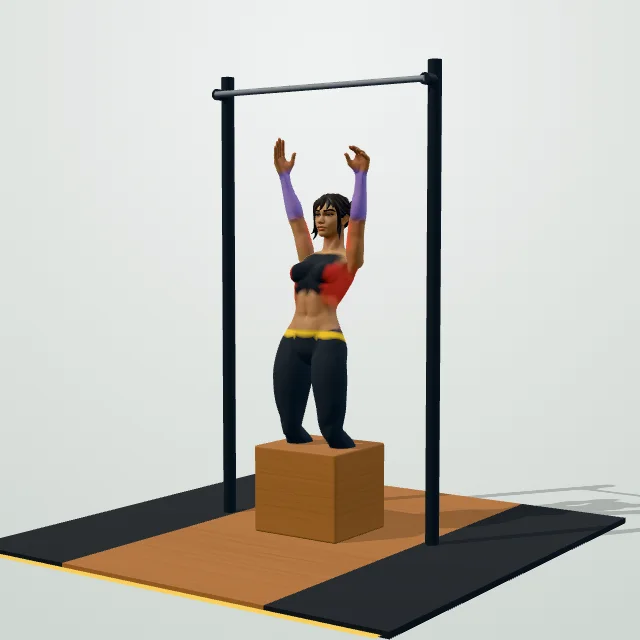
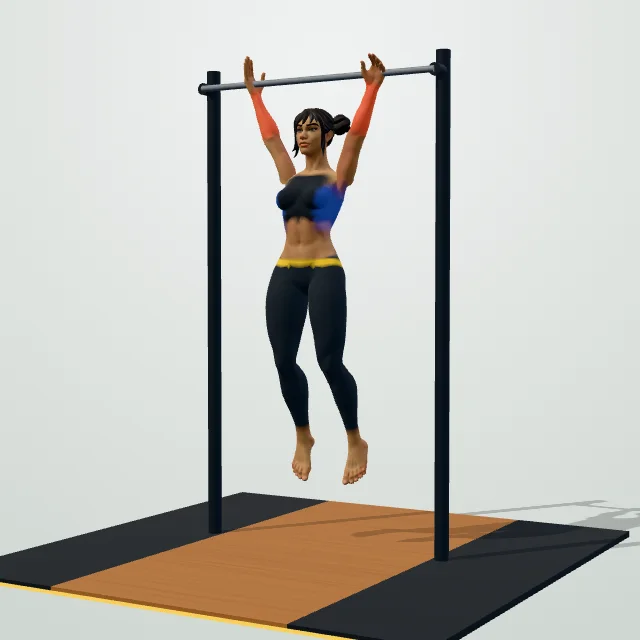
A doorway pull-up bar is one of the cheapest ways to add real back and grip training to a home gym, and a pull-up bar workout reaches muscles that are hard to load without one — the lats, upper back and grip respond to almost nothing else as directly as hanging and pulling. The 3D coach shows the full range for pull-ups, chin-ups and the beginner-friendly negative pull-up.
Installing a doorway pull-up bar safely
Pressure-fit doorway bars grip the door frame's trim, so check your frame is solid wood (not hollow or damaged) and that the bar's rated weight limit covers your bodyweight with margin. Test it by hanging your weight gradually before doing a full set, and prefer a bar mounted with screws into studs if you plan to do dynamic or weighted work — pressure-fit bars are best for bodyweight pulling only.
Safety and setup
Clear the space below and around the bar of furniture, and warm the shoulders up with arm circles or a dead hang before pulling hard. If you feel shoulder pinching pain (different from muscle fatigue) during a pull-up, narrow your grip slightly or switch to the chin-up grip, which many people find more comfortable on the shoulders.
Best pull-up bar exercises
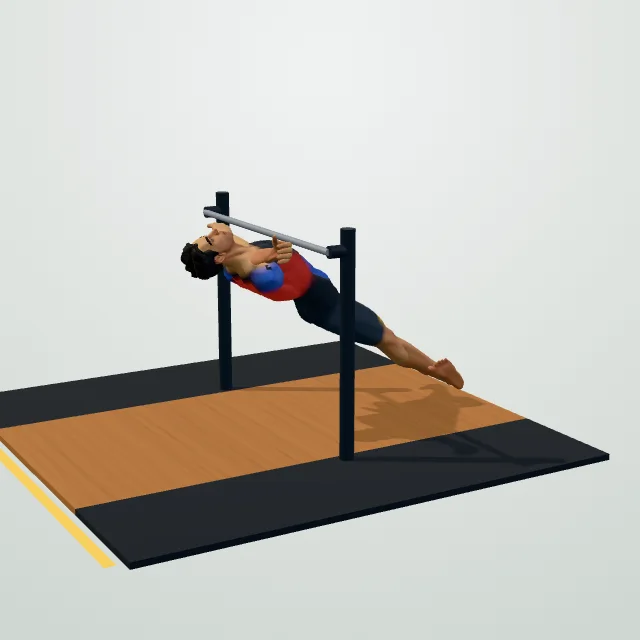
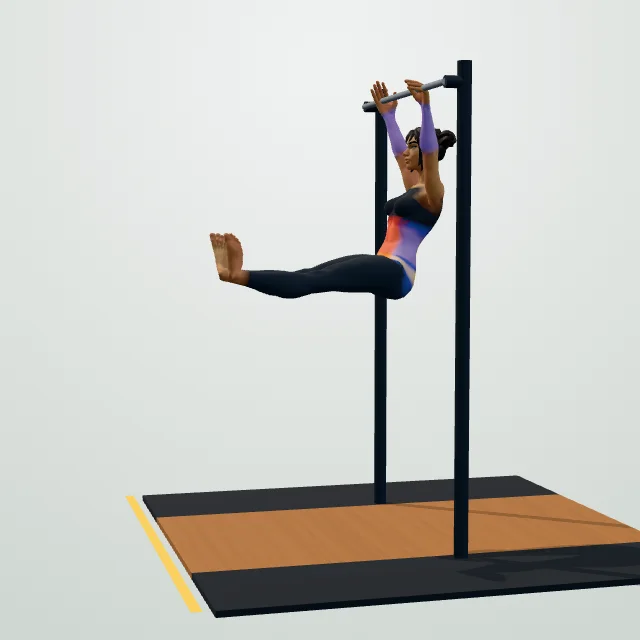
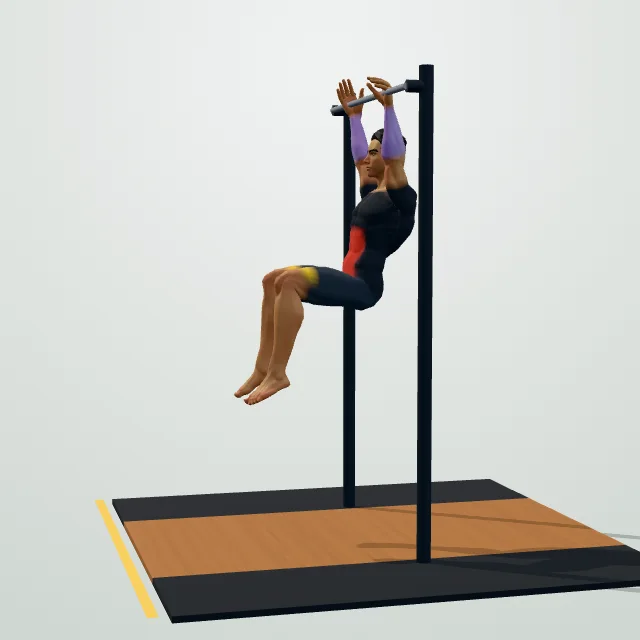
The pull-up (overhand grip) and chin-up (underhand grip) are the core moves, training the lats, biceps and upper back. If you can't yet do a full rep, the negative pull-up (jump or step up, then lower slowly) and dead hang build the grip and shoulder strength needed to get there. The inverted row, done at a lower bar height with feet on the floor, is an easier horizontal-pull alternative. For core, the hanging leg raise and hanging knee raise use the bar to load the abs against gravity.
Sample pull-up bar workout
| Exercise | Sets × reps | Rest |
|---|---|---|
| Pull-up (or negative pull-up) | 4 × 5–10 | 90 s |
| Inverted row | 3 × 8–12 | 60 s |
| Hanging knee raise | 3 × 10–15 | 45 s |
| Dead hang | 2 × max hold | 60 s |
Getting your first pull-up
Most beginners can't yet do a full pull-up, and that's normal — the pattern responds well to a structured progression rather than repeated failed attempts. Build dead hang time first (aim for 20–30 seconds), then add negative pull-ups (3–5 slow, controlled lowers of 3–5 seconds each), then band-assisted or partial-range pull-ups, before testing a full rep every couple of weeks. Our pull-up progression plan (0 to 10 pull-ups) lays this out week by week.
Pull-up bar training for women
Pull-ups can feel harder to build toward for many women simply due to a typically higher ratio of bodyweight to upper-body strength at the start, not any difference in the exercise itself — the same negative-pull-up and dead-hang progression above works identically well. Consistency matters more than speed here: most people, regardless of starting point, need several weeks to months of regular practice before their first unassisted rep.
Pull-up bars for kids and true beginners
Kids and complete beginners can use the same bar, but should start with hangs and assisted or negative reps rather than attempting full pull-ups cold — grip and shoulder strength take weeks to build regardless of age. Supervise young children on a doorway bar, keep the area below clear of hard furniture, and treat the bar as a strength tool rather than a piece of playground equipment to swing from, since pressure-fit bars aren't rated for dynamic swinging loads.
Grip width and hand position
A wider overhand grip shifts more emphasis onto the lats and outer back, while a closer, underhand chin-up grip brings the biceps in more and is often the easiest place to start. Neither is required — pick whichever grip lets you complete the most reps with good shoulder position, and vary it across sessions once you have a few clean reps to keep the whole back developing evenly. Grip strength itself improves quickly with regular hanging, which carries over to deadlifts, rows and even everyday carrying tasks. Rotate grip and hand position every few sessions rather than sticking to one for months, so the shoulders and forearms adapt to a variety of angles instead of one repeated pattern.
Workout plans that use a pull-up bar
Beyond the dedicated progression plan, pull-up bar moves appear in the back and biceps workout and several full-body plans. If a bar is your only equipment along with bodyweight moves, the plan builder can build a full week around it, alternating pulling days with the rest of your no-equipment routine so the back gets trained without overloading the shoulders every session.