Mobility and stretching · Home, no equipment
Arm circles: a simple shoulder warm-up that works
Arm circles rotate the shoulders through a full range before you load them, which is why they open almost every upper-body warm-up. Here is how to do them so they actually prepare your shoulders.
- Primary
- Side deltsFront delts
- Secondary
- Rear delts
- Level
- Beginner
- Type
- Isolation · Both sides together
- Sets × reps
- 1 × 30 s
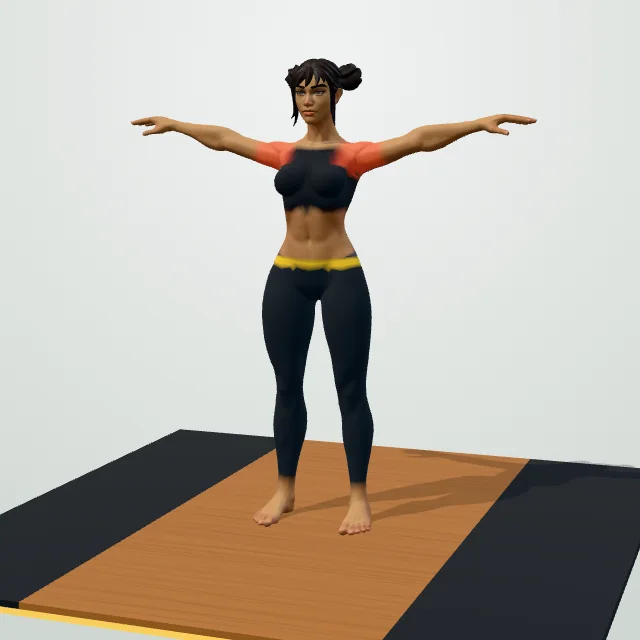
How to do it
- Stand tall with arms extended out to your sides.
- Draw small circles with your hands.
- Gradually increase the circle size over several reps.
- Keep your shoulders down and core braced.
- Reverse direction and repeat for the same duration.
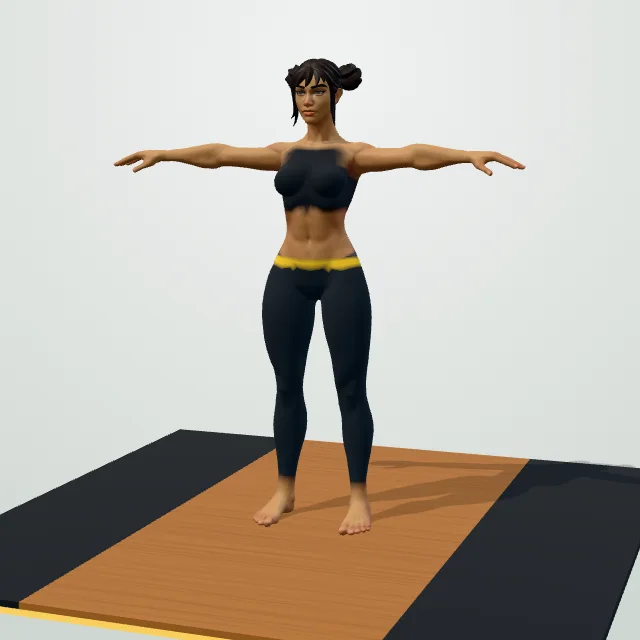
Coach cues
- Arms out, shoulders down.
- Start small, circles grow gradually.
- Keep your torso still.
- Switch direction, repeat.
Breathing: Breathe naturally and steadily throughout; there is no need to time breaths to the circles.
Common mistakes
Make it easier / Make it harder
Arm circles rotate your arms in slow, controlled circles from the shoulder joint, gradually taking the shoulders through more of their range before you ask them to lift, push or throw anything. It is a two-minute warm-up move, not a strength exercise, and its whole job is to prepare the joint rather than fatigue the muscle.
What muscles do arm circles work?
The front and side of the shoulders drive the arm through the front and top of each circle, while the rear delts and upper back take over as the arm swings behind the body. This constant handoff between the front, side and rear of the shoulder is exactly why arm circles are useful as a warm-up: a normal pressing or pulling exercise rarely moves the shoulder through this much range in one continuous motion. The core stays lightly braced to keep your torso still so the movement stays isolated to the shoulders rather than turning into a whole-body swing.
Benefits
- Shoulder mobility. Moving through a full circular range increases blood flow and loosens the joint before heavier pressing or pulling work.
- Low injury risk warm-up. Because the load is only your own arm weight, arm circles are a very low-risk way to prepare the shoulder before a workout.
- No equipment, anywhere. They take seconds to start and need no space beyond room to extend your arms.
- Works alongside other mobility drills. Paired with leg swings and torso twists, arm circles are a common opening sequence for a full dynamic warm-up.
Technique: size, speed and direction
Stand tall with your arms extended out to your sides at shoulder height, and draw small circles with your hands, gradually increasing the circle size over the first few reps rather than starting at maximum range immediately. Keep your shoulders down away from your ears and your core braced so your torso stays still. Do a set of circles forward, then reverse direction and repeat backward, since both directions load the shoulder differently. The most common technical error is doing the circles too fast and too large right from the first rep, which skips the gradual warm-up effect the drill is meant to provide — start small and slow, and let the range build naturally over 10-15 seconds.
How to program arm circles
| Use | Work | Rest |
|---|---|---|
| Pre-workout warm-up | 15-30 sec forward, 15-30 sec backward | none, move to the next drill |
| Shoulder mobility session | 2-3 rounds of 20 sec each direction | 15-20 sec between rounds |
Arm circles belong at the start of a session, before any pressing, pulling or overhead work, as part of a broader warm-up rather than as a standalone exercise. They fit naturally into the 6-minute dynamic warm-up alongside leg swings and hip circles, giving the shoulders, hips and legs a few minutes of preparation before the main workout. The guide to warming up covers how to sequence a full warm-up if you want more than this one drill.
Variations and progressions
For extra shoulder activation, hold a very light dumbbell or a light resistance band in each hand while circling — the added tension can help you feel the rear delts working, especially on the backward direction, but keep the weight light since this is still a warm-up, not a shoulder-strength exercise. Larger, slower circles emphasise mobility and range; smaller, quicker circles raise blood flow faster if time is short. Arm circles are sometimes searched as a way to reduce arm fat, but spot reduction is not how fat loss works — they warm up and mobilise the shoulder, and any change in arm appearance comes from overall training and diet, not from this drill specifically.
Arm circles vs. shoulder rolls
Shoulder rolls move only the shoulder blade in a smaller circular pattern and are a gentler option if a full arm circle feels uncomfortable. Arm circles move the whole arm through a larger range at the shoulder joint itself, giving a more complete warm-up for pressing and pulling movements. Many warm-ups use both — shoulder rolls first to loosen the shoulder blades, then arm circles to take the joint through its fuller range.
Safety and who should modify it
Keep the circles small and slow, or skip them, if you have shoulder pain or a recent shoulder injury — check with a doctor or physiotherapist first if pain is present.
Arm circles are gentle, but a shoulder that is already irritated can still be aggravated by full-range circular movement. Keep the range comfortable and pain-free, and stop if you feel sharp joint pain, pinching or unusual discomfort rather than the normal sensation of a joint loosening up.
More exercises for mobility and stretching
Questions people ask
What muscles do arm circles work?
Are arm circles a good warm-up exercise?
Is arm circles a dynamic stretch?
How do I do arm circles correctly?
Do arm circles help lose arm fat?
How long should I do arm circles for?
Arm circles vs. shoulder rolls — what is the difference?
General fitness information, not medical advice. Check with a doctor or physiotherapist before starting if you have a health condition, an injury or are pregnant. Stop if you feel chest pain, dizziness or sharp pain.