Build muscle · Intermediate
Back and biceps workout: build a strong pull day
This back and biceps workout is one pull day: four back exercises and two biceps moves that hit your lats, upper back and arms hard in about 55 minutes. Pair it with a push day and a legs day, or drop it into any split that already has room for a pull session.
Your week
Sessions
Back + biceps
| Exercise | sets | Rest | |
|---|---|---|---|
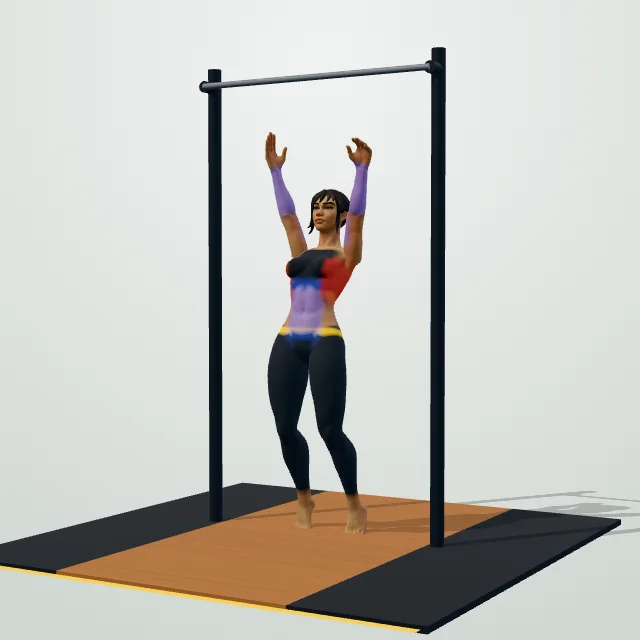
| Pull-Up | 4 × 6-10 | 120 s |
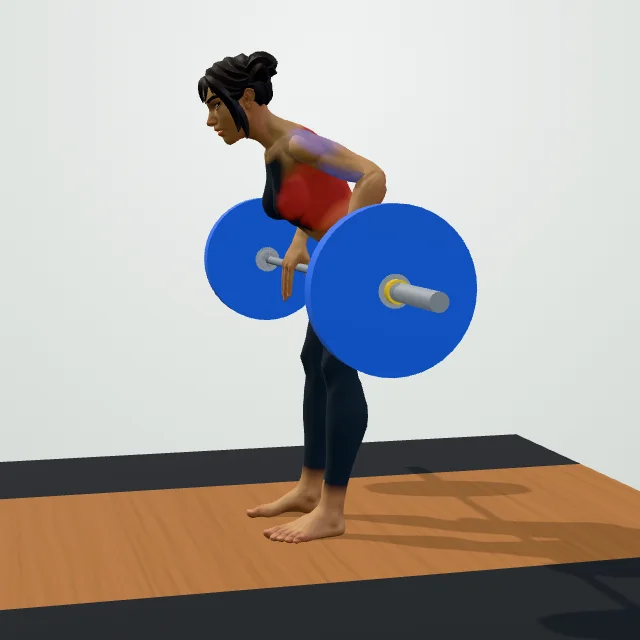 | Bent-Over Barbell Row | 3 × 8-10 | 120 s |
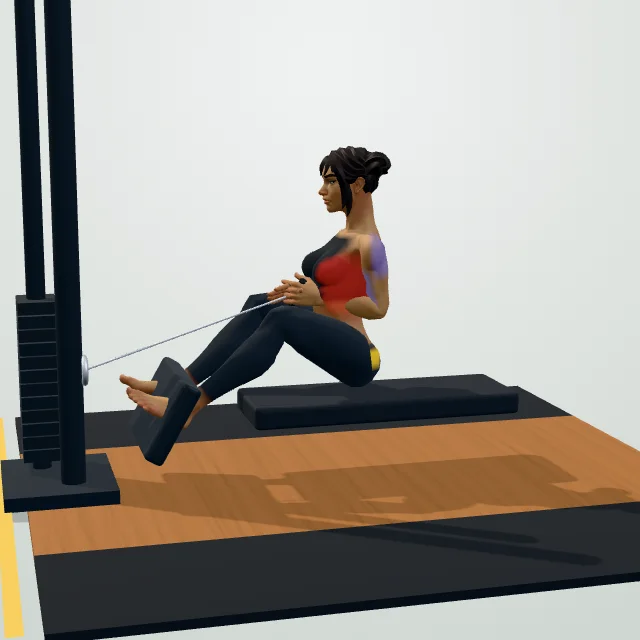 | Seated Cable Row | 3 × 10-12 | 90 s |
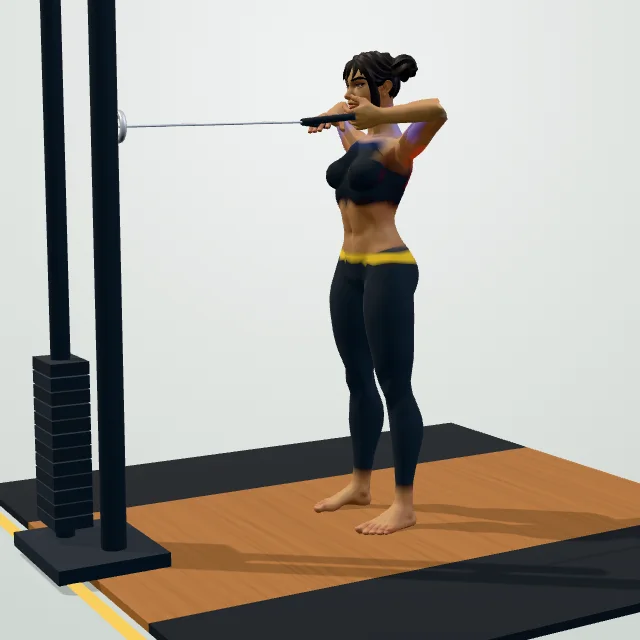 | Face Pull | 3 × 12-15 | 60 s |
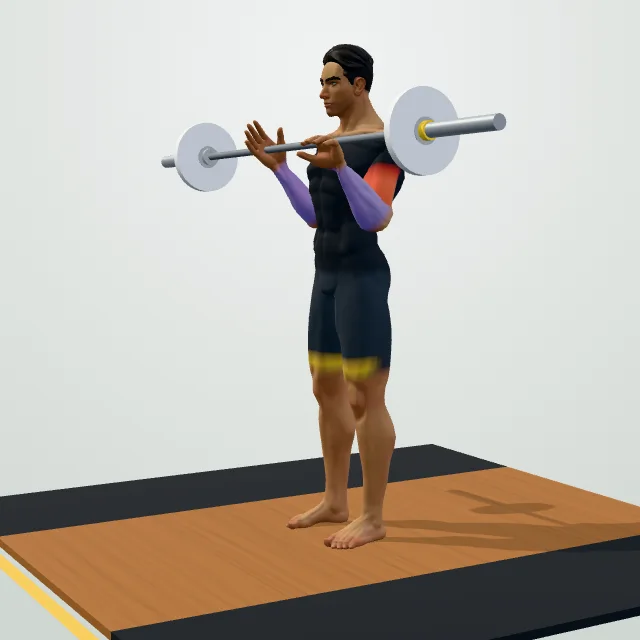 | Barbell Curl | 3 × 8-12 | 60 s |
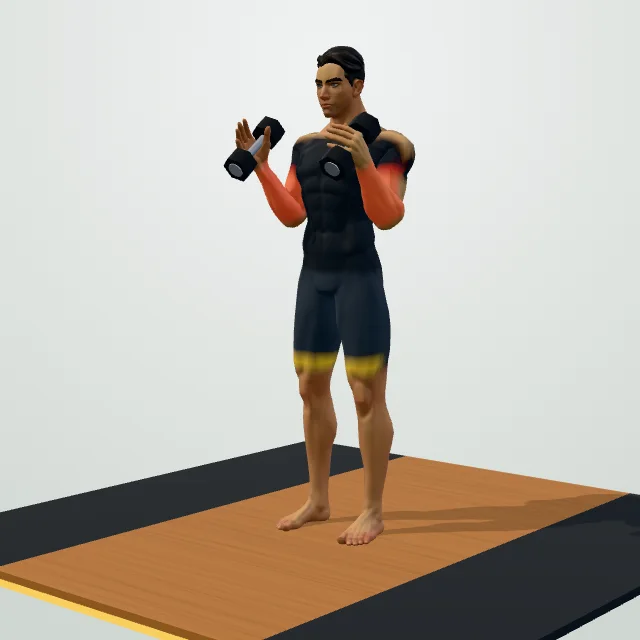 | Hammer Curl | 3 × 10-12 | 45 s |
A back and biceps workout groups every pulling exercise into one session: your lats, upper back, rear delts and forearms all work to bring weight toward you, and your biceps assist on almost every one of those pulls, so training them together is one of the most efficient pull day workout templates you can run. This session uses four back exercises and two biceps finishers across roughly 55 minutes, and it fits neatly as the "pull" day in a push/pull/legs split or as a standalone back and biceps day in a body-part split.
Who this back and biceps workout is for
This is an intermediate-level, gym-based session — it assumes you can already do a handful of pull-ups (or are working toward them) and have access to a barbell, a cable station and a bench. It suits lifters who already train 3–5 days a week and want a dedicated pull day workout to sit alongside a push day (see the chest and triceps workout) and a leg day, or anyone following the push pull legs split or a 5-day body-part split. If you are newer to lifting or do not yet have gym access, start with the beginner gym workout or a dumbbell full-body plan instead and build back to a split like this once the basic movements feel solid.
How to run the session
Spend 5–8 minutes on a general warm-up first — some light cardio and arm circles — then do 1–2 light warm-up sets of pull-ups or rows before your first working set, since a "cold" lat pull is a common source of shoulder tweaks. Work through the exercises in order: the heaviest compound pulls (pull-ups, barbell rows) come first while your grip and back are freshest, the cable and machine work in the middle keeps tension on the back with less overall fatigue cost, and the two biceps moves finish the session once your grip is already partly fatigued from all the pulling — that is normal and expected, not a sign you are doing something wrong. Rest the full time shown for each exercise: 2 minutes on pull-ups and barbell rows lets you keep the reps quality high set to set, while the shorter 45–60 second rests on face pulls and curls are enough because the muscles and loads involved are smaller.
How to choose your weight for each exercise
For pull-ups, bodyweight is the load — if you cannot yet do 4 sets in the 6–10 rep range, use the negative pull-up or an assisted machine, or swap in lat pulldowns until you build enough strength. For barbell rows, seated cable rows and curls, pick a weight that leaves 2–3 reps in reserve at the top of the rep range and only 0–1 in reserve on your last set — the RPE and RIR guide explains this "reps in reserve" idea in more detail if it is new to you. Face pulls are a technique exercise for the rear delts and upper back, not a max-effort lift: use a light-to-moderate weight and focus on pulling the rope to your face with your elbows high, not on how much is stacked on the machine.
How to progress week to week
Use double progression on every exercise: keep the weight the same until you hit the top of the rep range on every set (for example, 4×10 on pull-ups, 3×10 on barbell rows, or 3×12 on hammer curls), then add the smallest weight jump available next week — about 2–2.5 kg (5 lb) on barbell rows and curls, and 1–2 kg (2–5 lb) per hand on hammer curls. Once bodyweight pull-ups are easy for 4×10, add a light weight with a dip belt or a weighted vest, 1–2.5 kg (2–5 lb) at a time. This lines up with the general rule from progressive overload: increase load in roughly 5–10% steps, and only once form stays clean across every set. Because this is only one pull session a week, your back and biceps get further volume on any other pull-focused days in your split — running two pull days is how more advanced lifters push past 10–20 hard sets per muscle per week.
Adapting the workout: home, missing equipment, fewer exercises
No pull-up bar or you cannot yet do a pull-up: swap in inverted rows or lat pulldowns for the same sets and reps. No barbell: replace the barbell row with the one-arm dumbbell row or chest-supported row, and swap the barbell curl for a dumbbell curl. No cable station at home: the resistance band row covers the seated cable row and band pull-apart covers the face pull — both need only a resistance band. If you are short on time, keep the two compound rows (pull-up and barbell row) and the face pull, and add the curls back in on a separate short arm session such as the dumbbell arm workout.
Recovery basics
Your back and biceps need roughly 48 hours before you load them this hard again, so leave at least a day between this session and any other heavy pulling or arm work. Some muscle soreness in your lats and biceps for a day or two afterward is normal — see the muscle soreness guide for what is expected versus what is not — and it usually fades faster once you have run the plan for a few weeks. Sleep and protein (roughly 1.6 g per kg of body weight a day, spread across meals) do more for how quickly your back recovers than any single exercise choice.
Common mistakes on a back and biceps day
- Curling the weight up with momentum: swinging the barbell or dumbbells on curls shifts work off your biceps and onto your lower back. Slow the lift down and keep your elbows pinned to your sides.
- Skipping face pulls because they feel "too light": this is a small-muscle, high-rep exercise for the rear delts and upper back, and it is one of the best tools for shoulder health — the light weight is the point, not a flaw.
- Rounding the lower back on barbell rows: a rounded spine under load is a common way people irritate their back on this lift. Hinge from the hips, keep a flat back, and drop the weight if you cannot hold the position.
- Training biceps before back: pre-fatiguing your grip and biceps on curls first leaves you weaker on pull-ups and rows, where you need that grip most. Keep the order as written.
- Chasing pull-up numbers with poor range of motion: a pull-up that stops short of a full arm extension or full chin-over-bar trains less muscle. Use an easier variation before you add half-reps to a harder one.
What to do next
Use the plan builder to slot this in alongside a push and a legs day, or check the workout split guide if you are not sure which structure fits your schedule. If you want a broader look at hypertrophy programming across a full week, the 4-day muscle-building plan and upper/lower split are good next steps, and the one-rep max calculator can help you plan working weights on the barbell row once you know your numbers.
Questions people ask
Should you train back and biceps together?
How long should a back and biceps workout be?
Can I do this back and biceps workout at home?
What if I cannot do a pull-up yet?
How much weight should I use for barbell curls?
Is one back and biceps day a week enough?
Why do face pulls feel so much lighter than my other back exercises?
General fitness information, not medical advice. Check with a doctor or physiotherapist before starting if you have a health condition, an injury or are pregnant. Stop if you feel chest pain, dizziness or sharp pain.