Build muscle · Intermediate
Muscle building workout plan: a 4-day hypertrophy split
This muscle building workout plan spreads four sessions — upper, lower, push, pull — across the week, so chest, back, shoulders, arms and legs each get hit at least twice for real hypertrophy volume.
Your week
Sessions
Upper body
| Exercise | sets | Rest | |
|---|---|---|---|
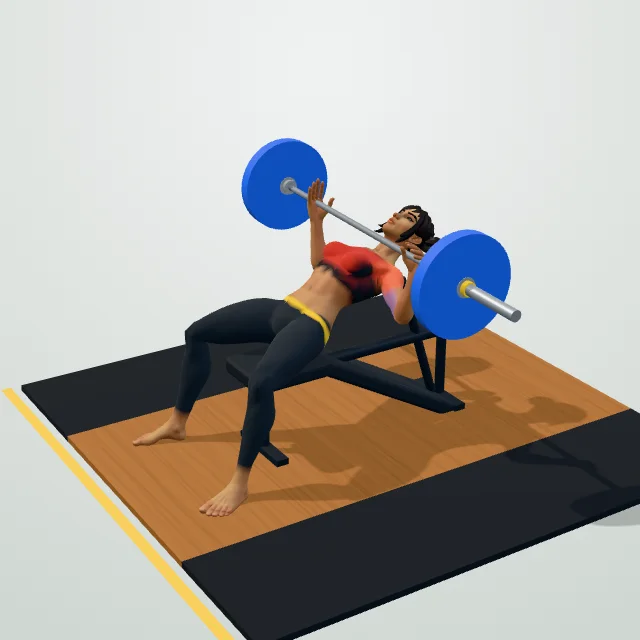
| Incline Barbell Bench Press | 4 × 6-10 | 120 s |
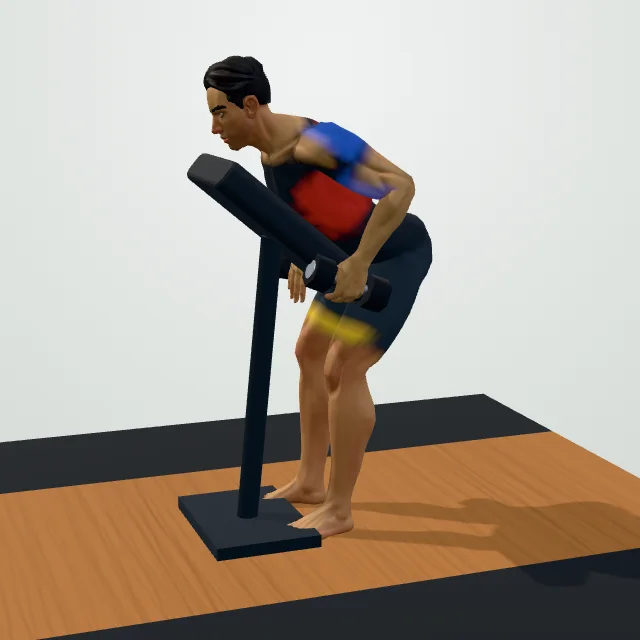 | Chest-Supported Dumbbell Row | 4 × 8-12 | 90 s |
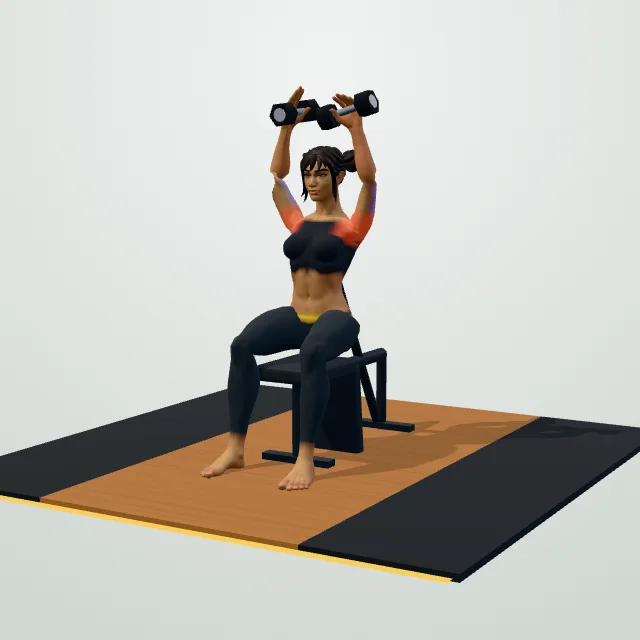 | Dumbbell Shoulder Press | 3 × 8-12 | 90 s |
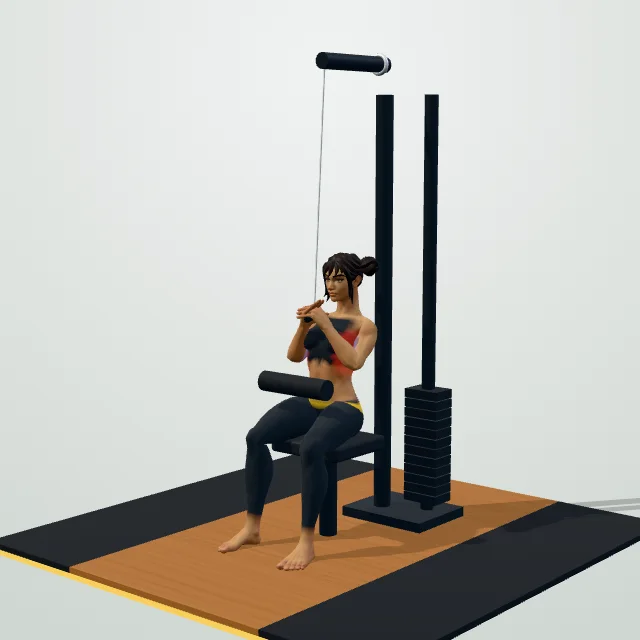 | Close-Grip Lat Pulldown | 3 × 10-12 | 90 s |
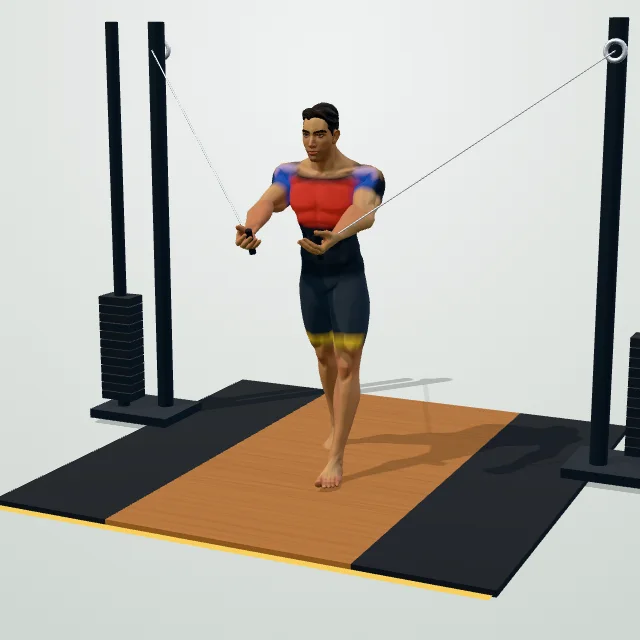 | Cable Crossover | 3 × 12-15 | 60 s |
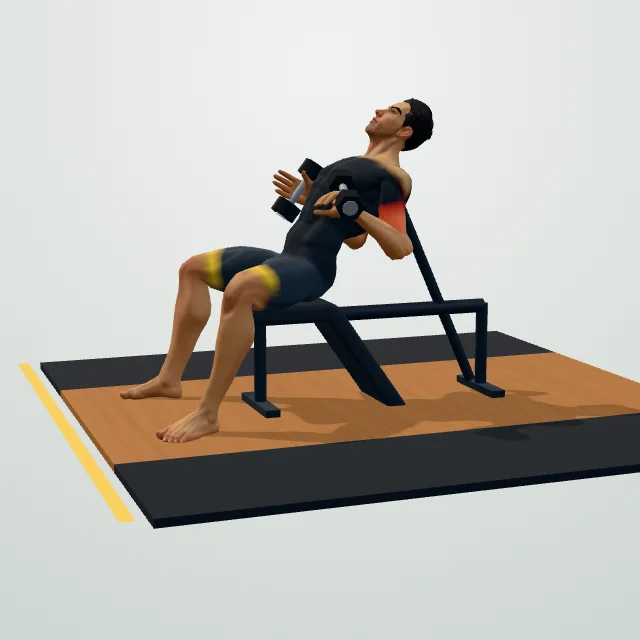 | Incline Dumbbell Curl | 3 × 10-12 | 60 s |
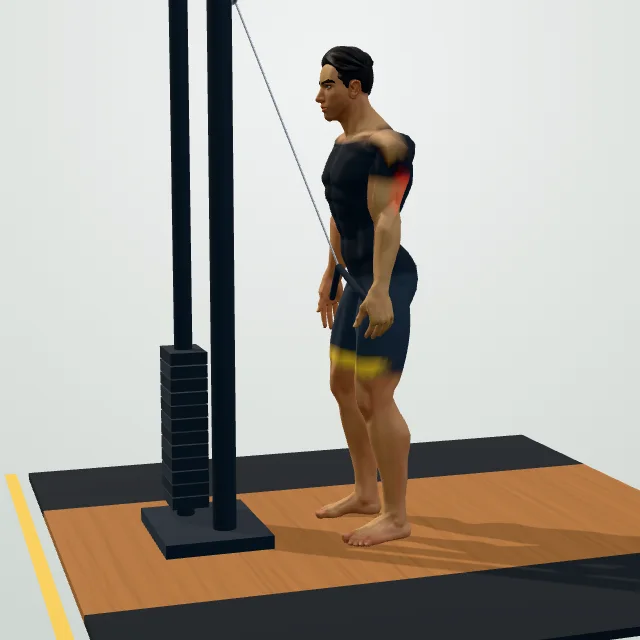 | Triceps Rope Pushdown | 3 × 10-15 | 60 s |
Lower body
| Exercise | sets | Rest | |
|---|---|---|---|
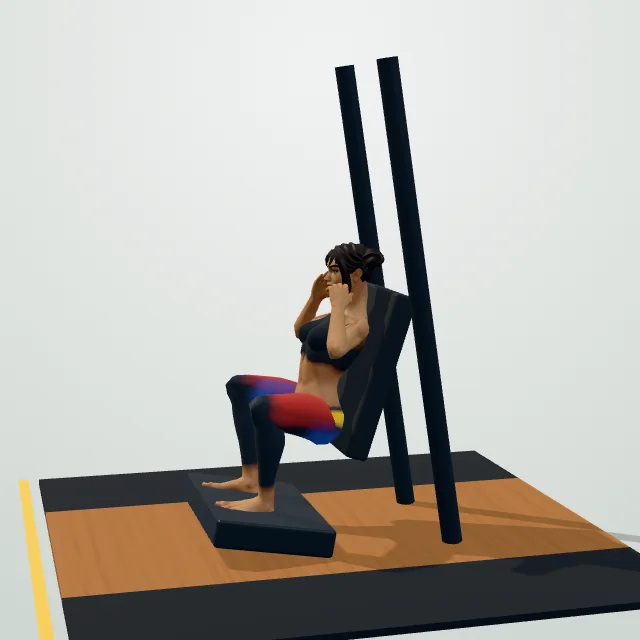 | Hack Squat | 4 × 8-12 | 120 s |
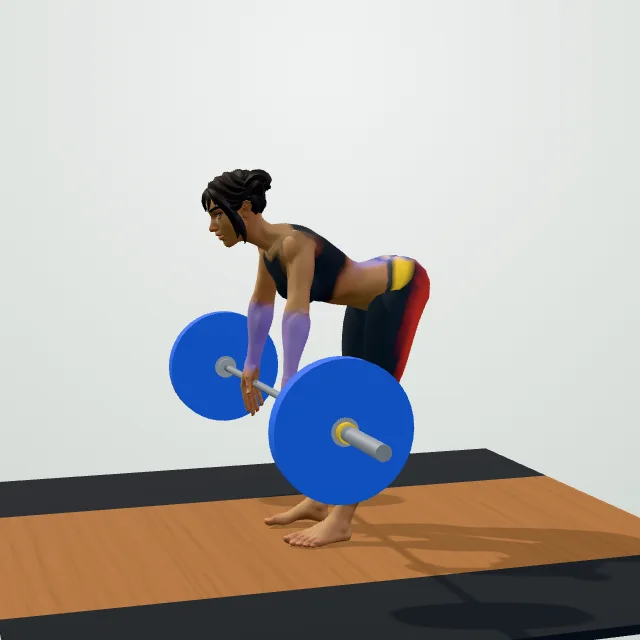 | Romanian Deadlift | 4 × 8-10 | 120 s |
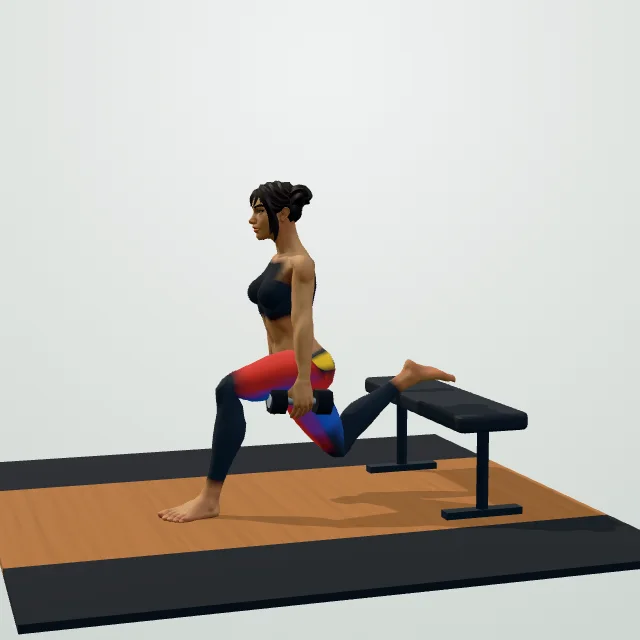 | Bulgarian Split Squat | 3 × 10 per side | 90 s |
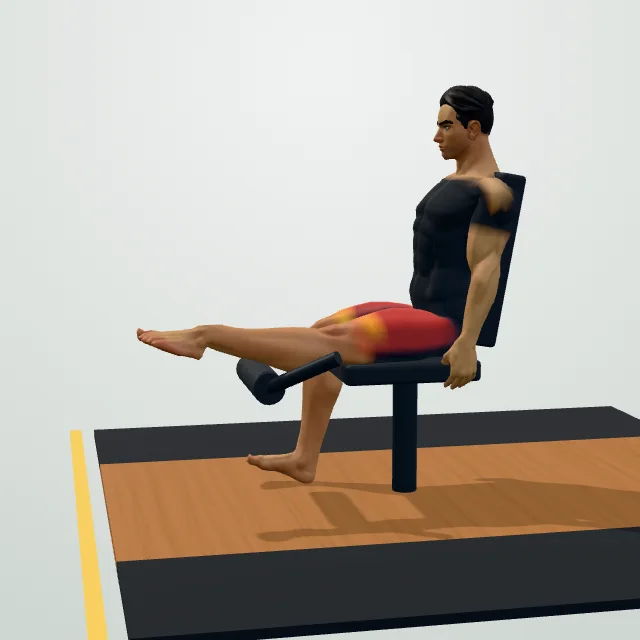 | Leg Extension | 3 × 12-15 | 60 s |
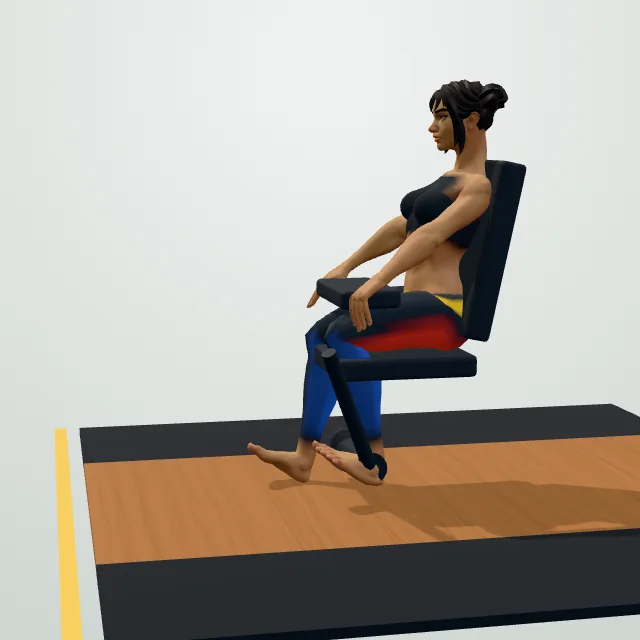 | Seated Leg Curl | 3 × 12-15 | 60 s |
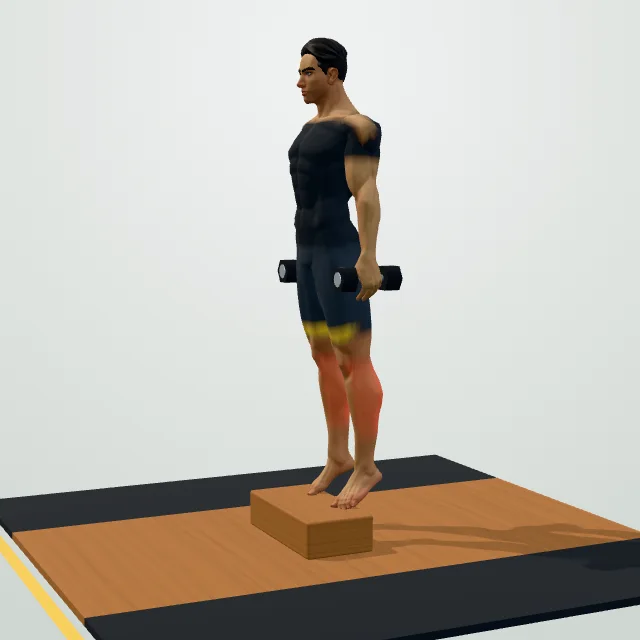 | Standing Calf Raise | 4 × 12-15 | 60 s |
Chest, shoulders, triceps
| Exercise | sets | Rest | |
|---|---|---|---|
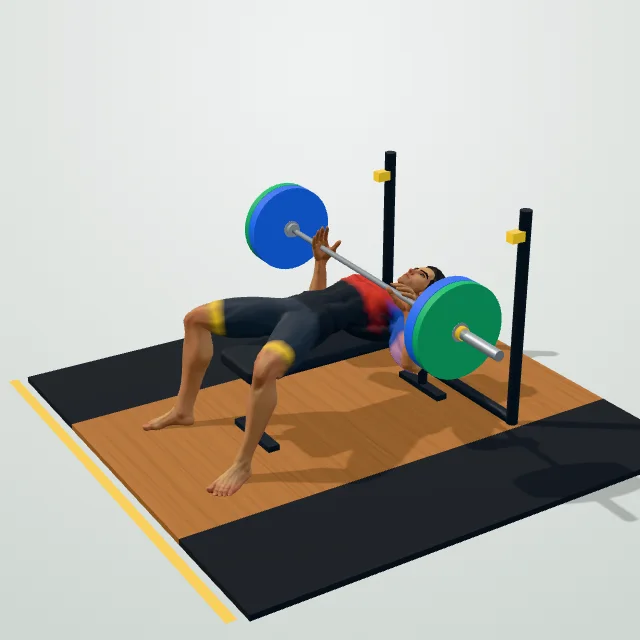 | Barbell Bench Press | 4 × 6-10 | 120 s |
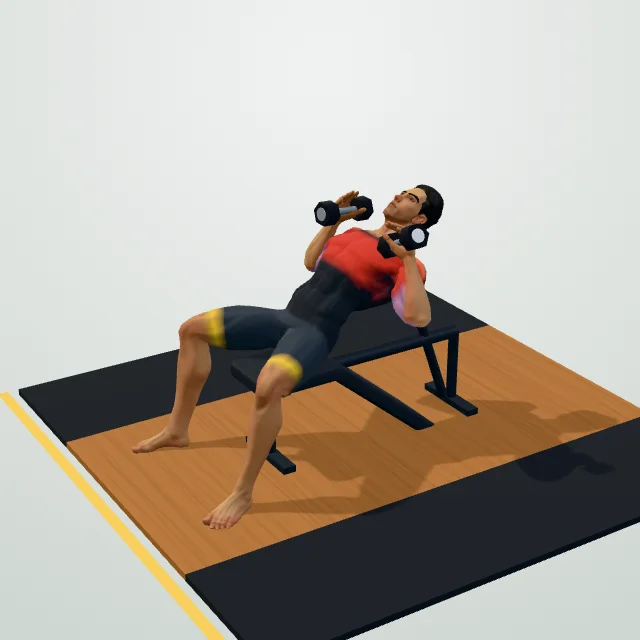 | Incline Dumbbell Press | 3 × 8-12 | 90 s |
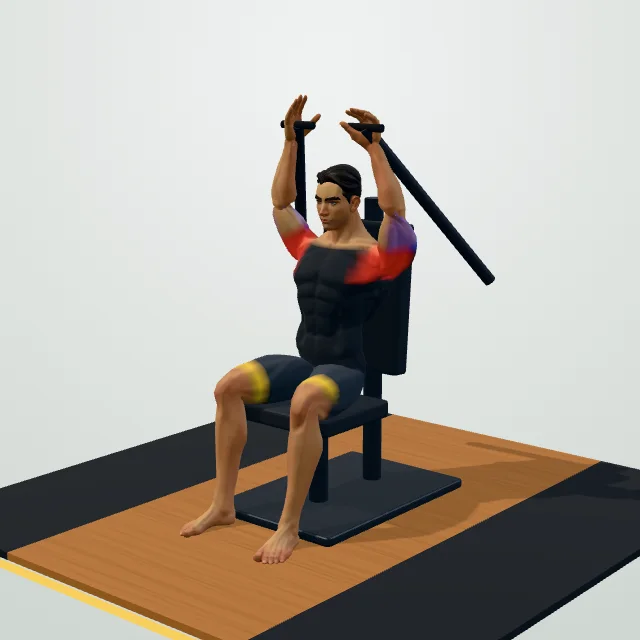 | Machine Shoulder Press | 3 × 10-12 | 90 s |
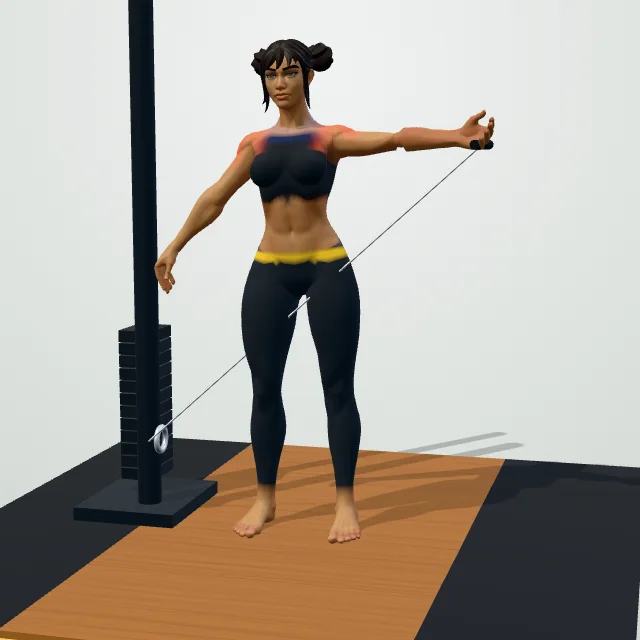 | Cable Lateral Raise | 3 × 12-15 per side | 45 s |
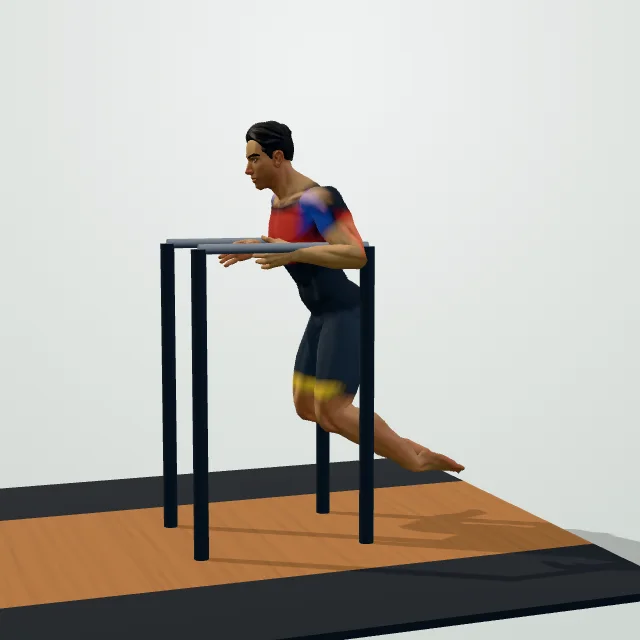 | Chest Dip | 3 × 8-12 | 90 s |
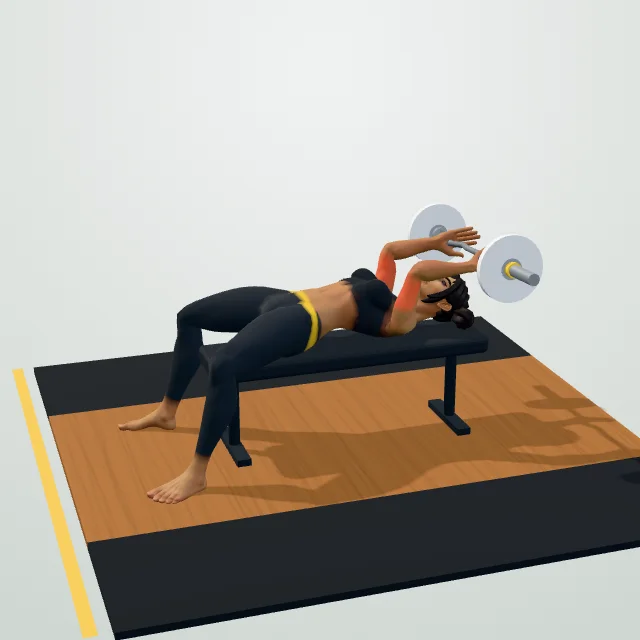 | Skull Crusher | 3 × 10-12 | 60 s |
Back, rear delts, biceps
| Exercise | sets | Rest | |
|---|---|---|---|
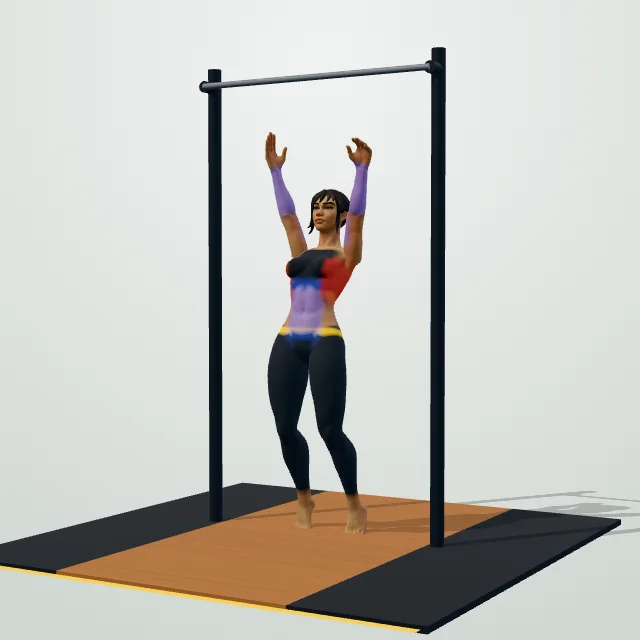 | Pull-Up | 4 × 6-10 | 120 s |
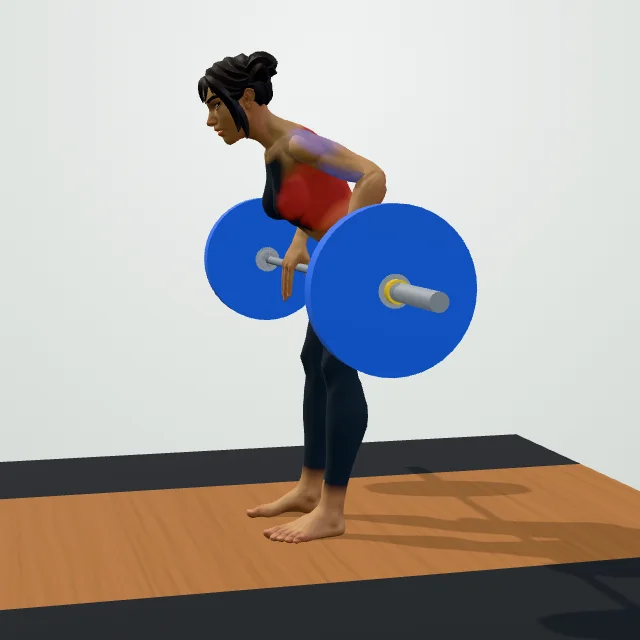 | Bent-Over Barbell Row | 3 × 8-10 | 120 s |
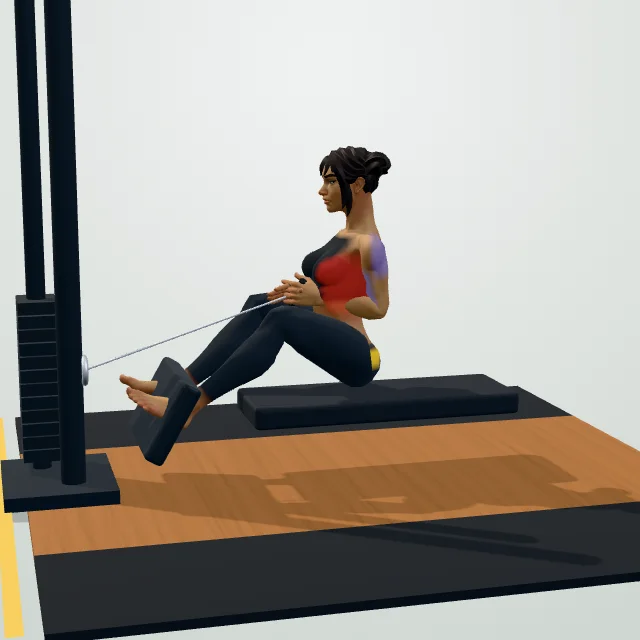 | Seated Cable Row | 3 × 10-12 | 90 s |
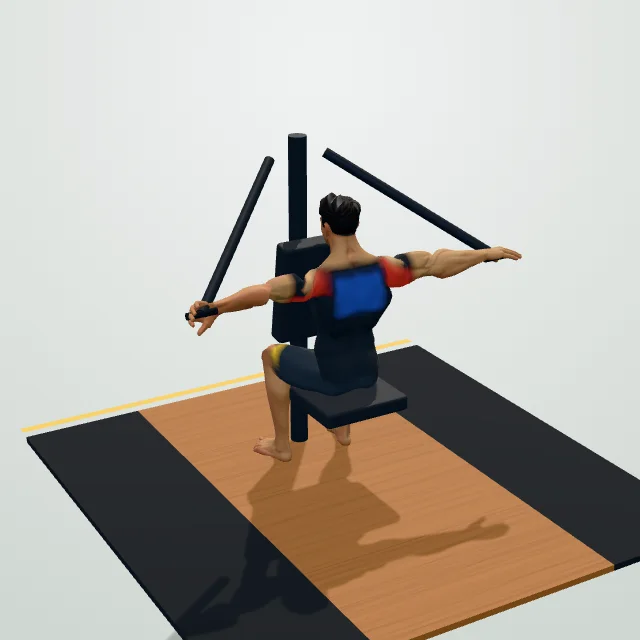 | Reverse Pec Deck | 3 × 12-15 | 60 s |
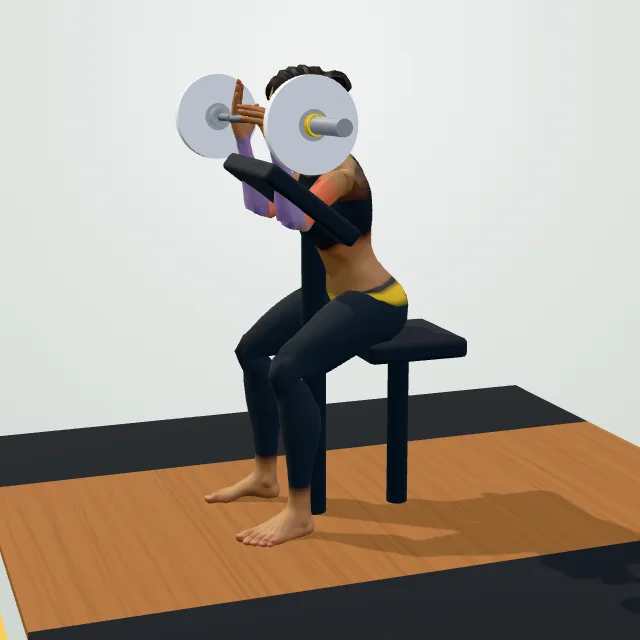 | Preacher Curl | 3 × 10-12 | 60 s |
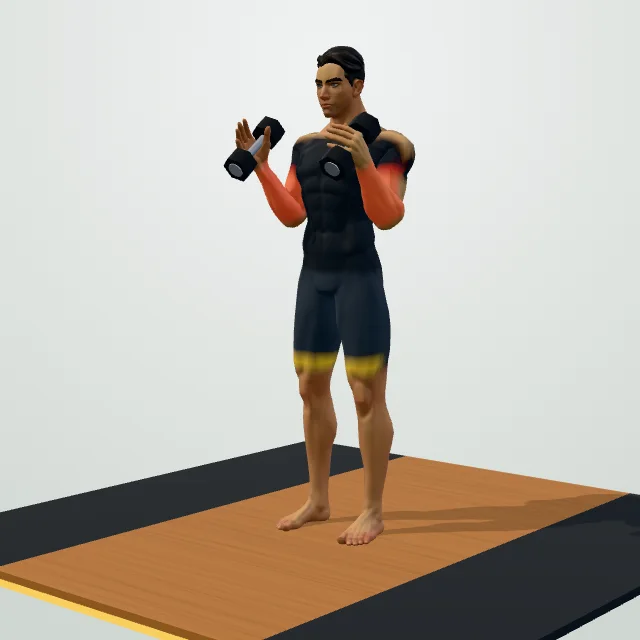 | Hammer Curl | 3 × 10-12 | 60 s |
How to progress
- Aim for 10–20 hard sets per muscle per week; stop most sets 1–3 reps short of failure.
- Add reps first, then weight. Eat enough protein (about 1.6 g per kg of body weight a day).
A muscle building workout plan needs enough weekly volume per muscle group to trigger growth, and this 4-day hypertrophy split delivers that with an upper day, a lower day, a push day and a pull day — so chest, shoulders and triceps get direct work twice (upper and push), back and biceps get direct work twice (upper and pull), and legs get one dedicated day with plenty of exercises.
Who this muscle building workout plan is for
This is an intermediate-level, gym-based plan that assumes access to barbells, dumbbells, cables and machines, and it suits lifters who already know the basic lifts and want a structure focused specifically on building muscle size rather than raw strength or pure conditioning. If you are newer to training, spend a few months on the beginner full-body workout first so your technique on the main lifts is solid before adding this much volume. If your priority is strength numbers over muscle size, the upper/lower split uses lower reps and heavier loads on its strength days; if you want even more volume and can commit to more days, the push pull legs split or 5-day body-part split are natural next steps.
How to run the sessions
Warm up 5–8 minutes, then take 1–2 warm-up sets before your first working set of any heavy compound lift — incline bench press on the upper day, hack squat on the lower day. Work through each session in the order listed: the biggest compound lifts (incline bench press, hack squat, barbell bench press, pull-ups) come first while you are freshest, isolation and machine work (cable crossover, leg extension, curls, triceps pushdowns) comes later once the heavy lifting is done. Follow the weekly pattern as written — upper, lower, rest, push, pull, rest, rest — which spaces the two "upper-body-heavy" days (upper and push) three days apart so your chest and shoulders get a real recovery window between them.
How to choose your starting weight
Pick a weight for each exercise that lets you finish most sets with 1–3 reps in reserve — close to failure, but not grinding out ugly reps every set. On the higher-rep isolation work (cable crossover, leg extension, cable lateral raise), you can push closer to failure on your last set since the joint stress is lower than on heavy compounds. The RPE and RIR guide explains how to judge this "reps in reserve" feeling if it is new to you.
Week-to-week progression, with numbers
Aim for 10–20 hard sets per muscle group per week across the plan's four sessions — this plan lands in that range for most major muscles once you count both direct and secondary work. Add reps first: once you can do, say, 4×6 on incline bench press, push toward 4×10 at the same weight before adding load. Once every set reaches the top of its rep range, add the smallest available weight jump — 2–2.5 kg (5 lb) on barbell lifts, 1–2 kg (2–5 lb) per dumbbell. This "reps first, then weight" approach is the core idea behind progressive overload applied to hypertrophy training specifically, where total weekly volume matters as much as how heavy any single set is.
Adapting the plan: fewer days, home training, missing equipment
Only free 2–3 days: run upper and lower one week, then push and pull the next, cycling through all four sessions across two weeks instead of one. No hack squat machine: swap in back squat or leg press for the same sets and reps. No cable station at home: replace cable crossover with dumbbell fly and reverse pec deck with rear delt fly — the full-body dumbbell workout shows a complete dumbbell-only alternative if your gym access is limited. No pull-up bar: use close-grip lat pulldown at the same sets and reps.
Recovery, sleep and nutrition basics
This plan's volume calls for solid recovery: sleep 7–9 hours a night, since sleep is when most muscle repair actually happens, and treat the three weekly rest days as part of the program, not optional extras. Eat enough protein — roughly 1.6 g per kg of body weight a day, spread across 3–4 meals — since protein intake is one of the few nutrition variables with strong, direct evidence for supporting muscle growth. If you also want to lose fat while building muscle, keep the calorie deficit small and gradual rather than aggressive; a large deficit combined with this much training volume usually costs you both strength and muscle. The muscle soreness guide explains what soreness is expected on a new muscle-building split versus a sign to scale back.
Common mistakes on a muscle-building split
- Training every set to complete failure: constantly grinding to failure adds fatigue faster than it adds muscle. Leave 1–3 reps in reserve on most sets and save true failure for occasional last sets.
- Chasing weight increases every session: add reps within the target range first, and only add weight once every set reaches the top of that range.
- Skipping isolation work to save time: cable crossover, lateral raises and curls target muscles that the big compound lifts do not fully cover — cutting them reduces total weekly volume where it often matters most for size.
- Ignoring protein intake: a well-designed training plan cannot make up for consistently under-eating protein — aim for roughly 1.6 g per kg of body weight a day.
- Running this plan alongside a large calorie deficit: big deficits blunt the muscle-building response to training. Keep any deficit modest if fat loss and muscle building are both goals right now.
What to do next
Use the plan builder if you want to shift this to more or fewer days, and the one-rep max calculator to plan working weights on the bench press and squat variations. If four days starts to feel light, the push pull legs split or 5-day bro split add more weekly volume with the same underlying progression rules.
Questions people ask
How many days a week should I work out to build muscle?
Can I build muscle in 4 weeks?
How much protein do I need to build muscle?
Can I build muscle and lose fat at the same time?
Can I do this muscle building workout plan at home?
How much weight should I add each week on this plan?
Is a hypertrophy workout different from a strength workout?
General fitness information, not medical advice. Check with a doctor or physiotherapist before starting if you have a health condition, an injury or are pregnant. Stop if you feel chest pain, dizziness or sharp pain.