Strength · Beginner
Push up progression: build to 30 strict push-ups
This push-up progression plan uses a ladder of five variations — easiest to hardest — to take you from your current level to 30 full push-ups, three days a week for about 15 minutes. Test your max every two weeks and drop the easiest step once it feels effortless.
Your week
Sessions
Push-up ladder
| Exercise | sets | Rest | |
|---|---|---|---|
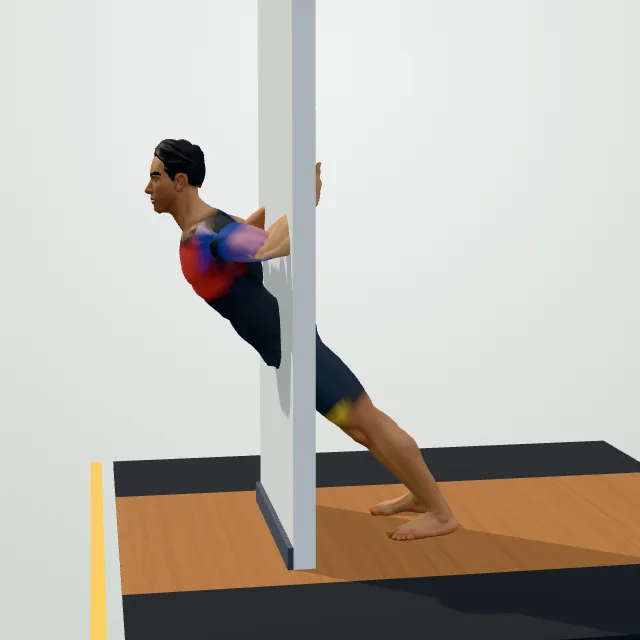
| Wall Push-Up | 2 × 15 | 45 s |
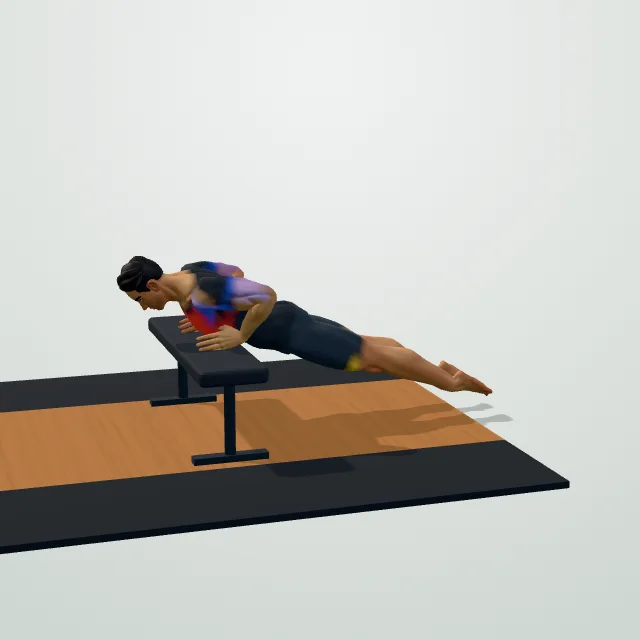 | Incline Push-Up | 3 × 10-12 | 60 s |
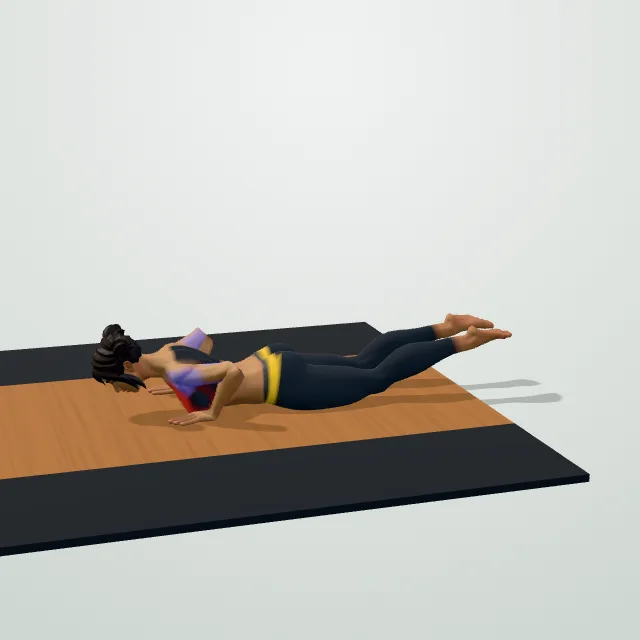 | Knee Push-Up | 3 × max | 90 s |
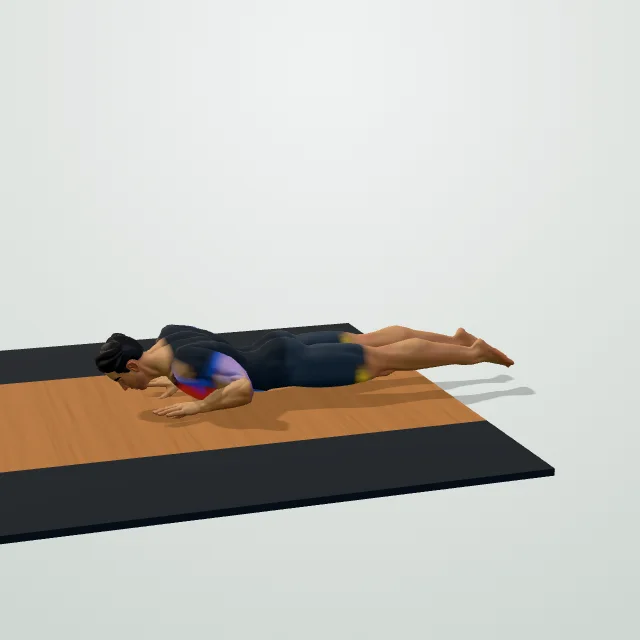 | Push-Up | 3 × max | 120 s |
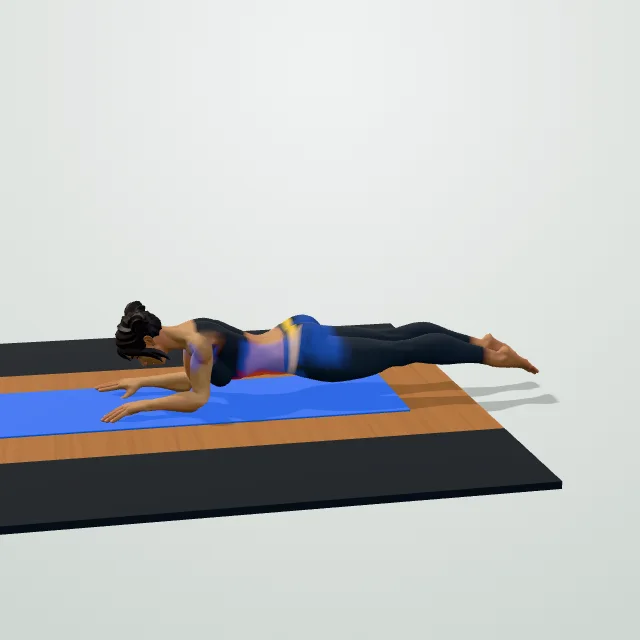 | Plank | 2 × 40 s | 45 s |
How to progress
- Drop the easiest step once you can do 3 × 15 of it. Test your max push-ups every 2 weeks.
A push-up progression plan works through a ladder of variations from easiest to hardest, so instead of struggling with the standard push-up from day one, you build the same pressing strength through an easier version first. This plan uses five exercises — wall push-up, incline push-up, knee push-up, full push-up and a plank finisher — three days a week for about 15 minutes, and takes most people from zero or a handful of push-ups to 30 consecutive reps.
Who this push-up progression is for
This plan suits anyone who struggles with a full push-up, wants to build toward a specific number like 20 or 30, or is coming back to training after a break. It needs no equipment beyond a wall and, ideally, a step or sturdy chair for the incline version. If you want a broader beginner routine that includes legs and pulling as well as pushing, the calisthenics workout for beginners covers more ground, and the pull-up progression plan is a natural companion if pull-ups are also a goal.
How to run the session
Work through wall push-up, incline push-up, knee push-up, full push-up and plank, in that order — from easiest to hardest — doing every step even once the earliest ones feel easy, since they still add useful warm-up volume before the harder versions. Rest 45 seconds after the wall and incline push-ups, 60–90 seconds after the knee push-up, and a full 2 minutes before the full push-up set, since that is the exercise you want the most strength available for. Finish with a 40-second plank hold to reinforce the same straight-body position a good push-up needs.
How hard each step should feel
On the easier steps (wall and incline push-up), the last few reps of each set should feel like genuine effort, not something you could do dozens more of — if they feel too easy, you have likely already outgrown that step. On the knee push-up and full push-up sets marked "max," do as many strict reps as you can while keeping a straight line from your head to your knees or heels; stop the set once your hips start to sag or your range of motion shortens noticeably, since a few clean reps train more than many sloppy ones.
How to progress week to week
Drop the easiest step in the ladder once you can do 3 sets of 15 reps of it with strict form — for example, once wall push-ups feel completely easy for 3×15, stop including them and let incline push-ups become your new "easy" warm-up step. Test your true push-up max every 2 weeks by doing as many strict reps as possible after a normal warm-up, and use that number to track real progress rather than judging session to session. Most people move from knee push-ups to full push-ups within 4–8 weeks of consistent training, and from a handful of full push-ups to 20–30 within a further 2–3 months, though the exact timeline varies with starting strength and body weight.
Adapting the plan: no wall or chair, plateaus, going further
No wall available: do the wall push-up against any sturdy vertical surface, or skip straight to the incline version using a low step, a sturdy box or even a stack of thick books. Progress has stalled at a certain number of push-ups: check your range of motion is still full (chest close to the ground) and your rest periods are long enough on your max-effort sets, since both commonly cause a plateau. Once 30 full push-ups feels achievable, add a harder variation like the diamond push-up or a weighted plate on your back, or move into a fuller strength plan like the full-body dumbbell workout.
Recovery basics
Chest, shoulders and triceps need about 48 hours to recover between hard push-up sessions, which this plan’s three-day-a-week schedule already builds in. Mild soreness in your chest and arms for a day or two after a new variation is normal (see the muscle soreness guide); sharp wrist or shoulder pain is not, and is worth easing off and checking with a doctor or physiotherapist if it does not settle.
Common mistakes on a push-up progression
- Letting the hips sag: a dropped hip shifts load off your chest and onto your lower back. Squeeze your glutes and core to keep a straight line throughout every rep.
- Only doing partial range of motion: stopping a few inches above the ground trains less muscle than a full rep. Lower your chest close to the floor on every repetition.
- Jumping straight to the hardest variation: attempting full push-ups before you can do 3 sets of 15 knee push-ups usually leads to poor form and slow progress. Trust the earlier steps.
- Flaring the elbows out to 90 degrees: a wide elbow angle stresses the shoulder joint. Keep your elbows at roughly 30–45 degrees from your body.
- Testing your max too often: testing every session instead of every 2 weeks adds fatigue without giving your strength time to actually improve between tests.
What to do next
Use the plan builder to fit this progression into your week, and move on to the chest and triceps workout or dumbbell arm workout once 30 push-ups feels manageable. The chest exercise hub has more variations to keep progressing once the basic push-up is no longer a challenge.
Questions people ask
How long does it take to progress from zero to 30 push-ups?
When should I move from knee push-ups to full push-ups?
Is it normal for my push-up numbers to vary day to day?
What if I cannot do the incline push-up either?
Are push-ups as effective as bench press for building chest muscle?
Is this push-up progression good for women?
Can I do this push-up progression every day?
General fitness information, not medical advice. Check with a doctor or physiotherapist before starting if you have a health condition, an injury or are pregnant. Stop if you feel chest pain, dizziness or sharp pain.