Strength · Beginner
Calisthenics workout for beginners: start with just your bodyweight
This calisthenics workout for beginners needs no equipment beyond a sturdy bar or table edge: two sessions alternate a push-and-legs day with a pull-and-core day, three times a week, in about 40 minutes each. It is the natural starting point for anyone working toward pull-ups, dips or harder push-up variations.
Your week
Sessions
Push + legs
| Exercise | sets | Rest | |
|---|---|---|---|
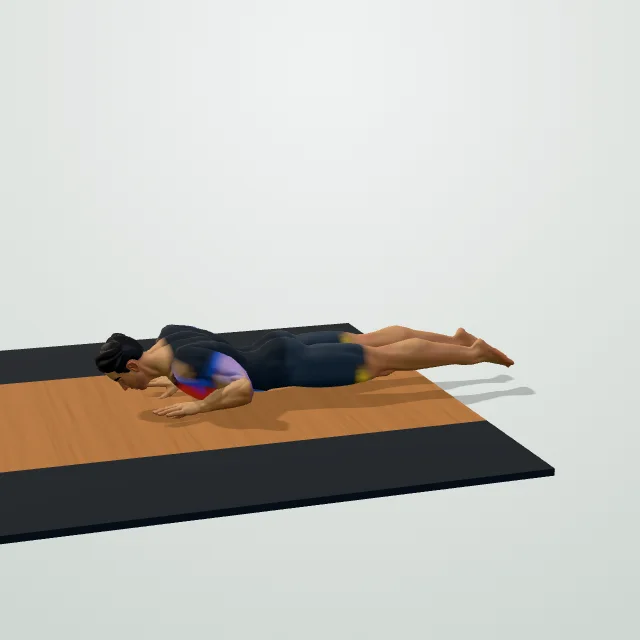
| Push-Up | 4 × 6-12 | 90 s |
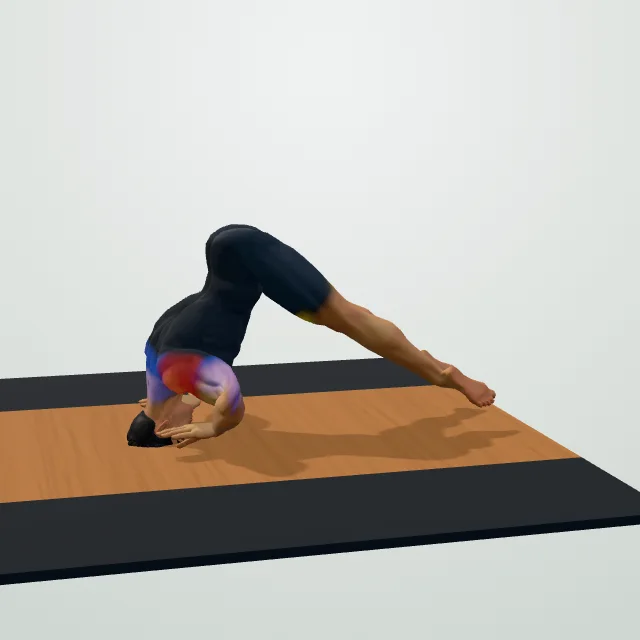 | Pike Push-Up | 3 × 6-8 | 90 s |
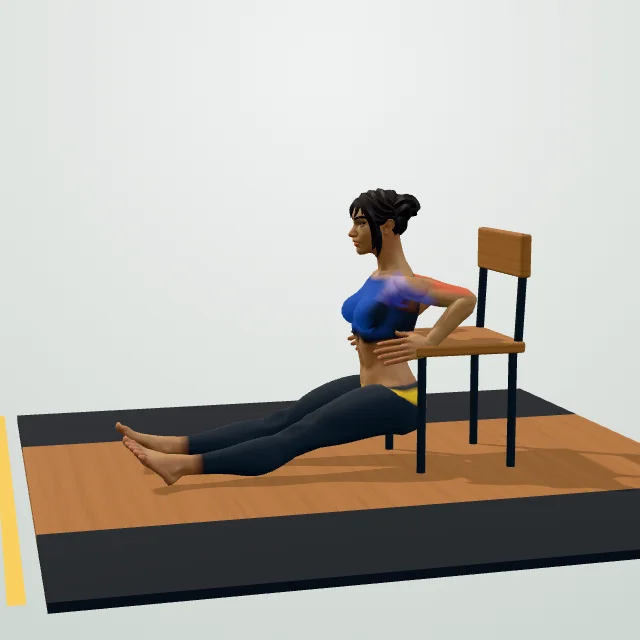 | Bench Dip | 3 × 8-12 | 60 s |
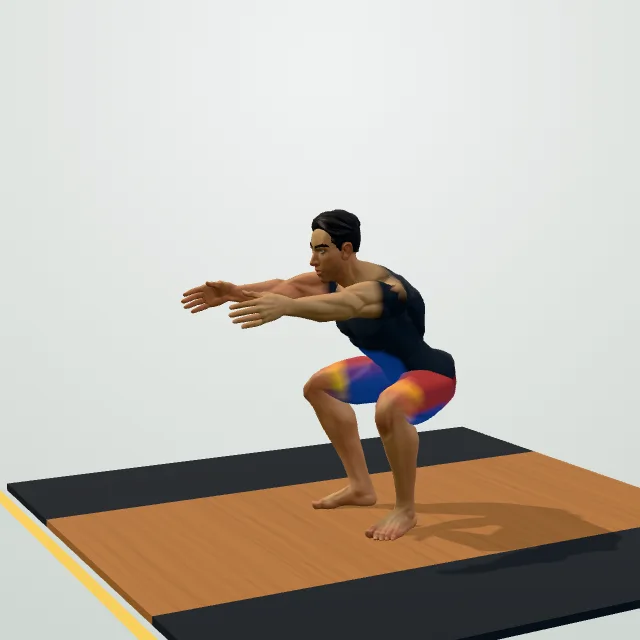 | Bodyweight Squat | 3 × 20 | 60 s |
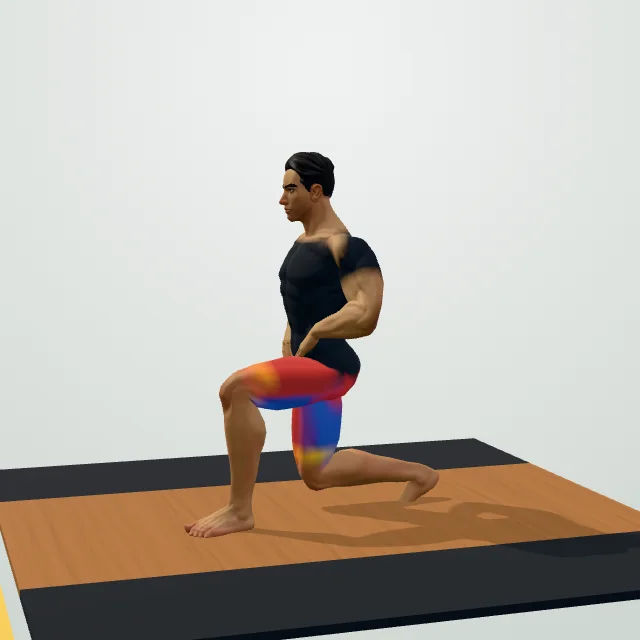 | Split Squat | 3 × 10 per side | 60 s |
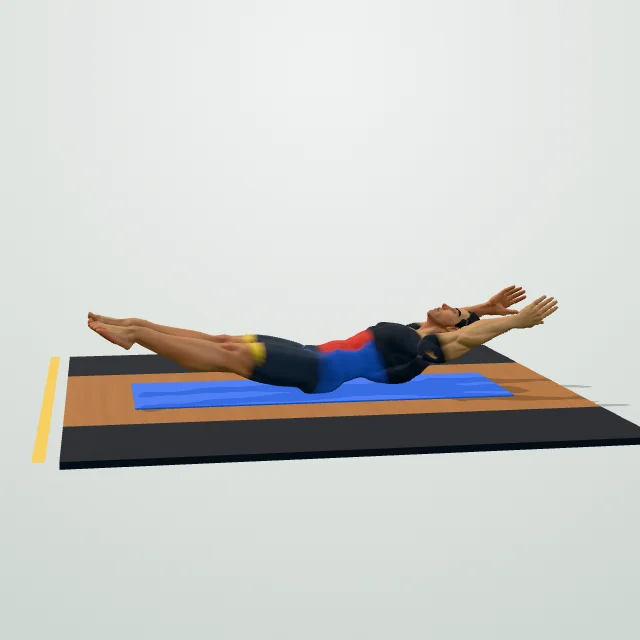 | Hollow Body Hold | 3 × 20 s | 45 s |
Pull + core
| Exercise | sets | Rest | |
|---|---|---|---|
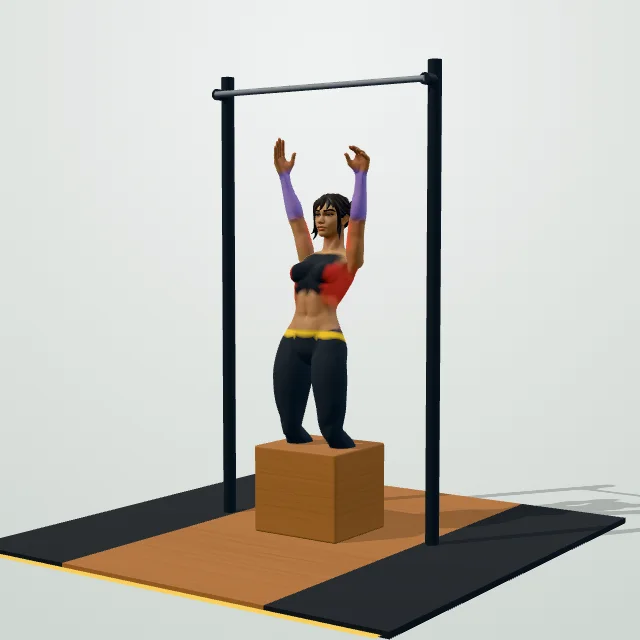 | Negative Pull-Up | 4 × 3-5 | 120 s |
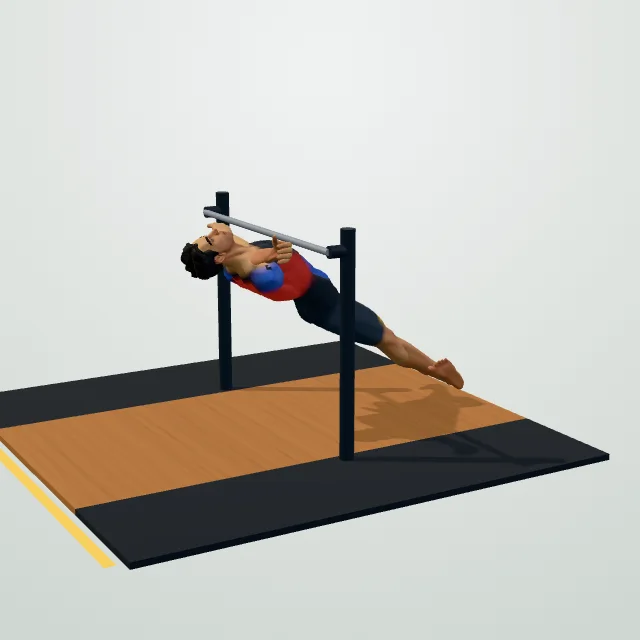 | Inverted Row | 3 × 8-12 | 90 s |
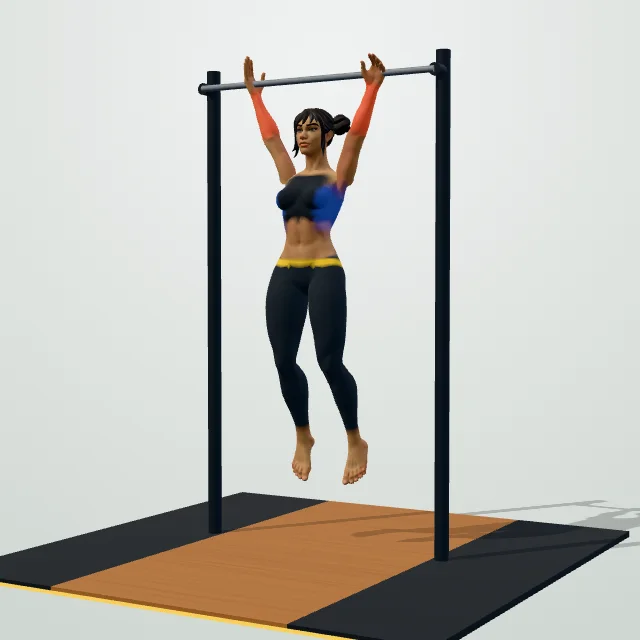 | Dead Hang | 3 × 30 s | 60 s |
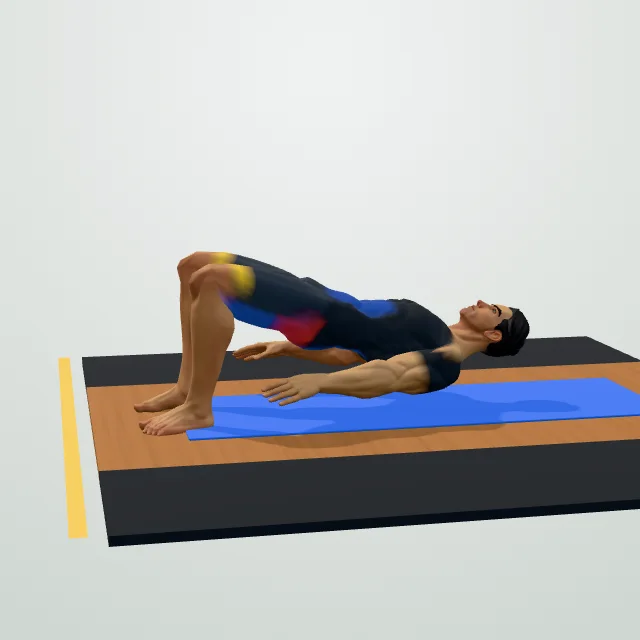 | Glute Bridge | 3 × 15 | 45 s |
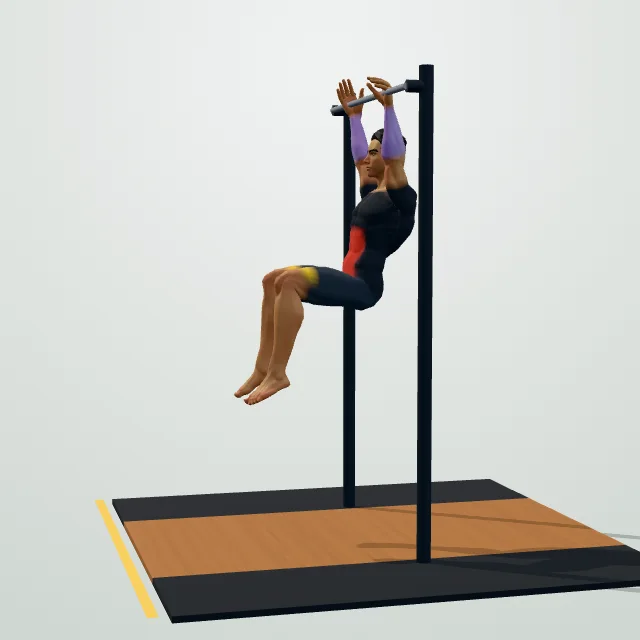 | Hanging Knee Raise | 3 × 8-12 | 60 s |
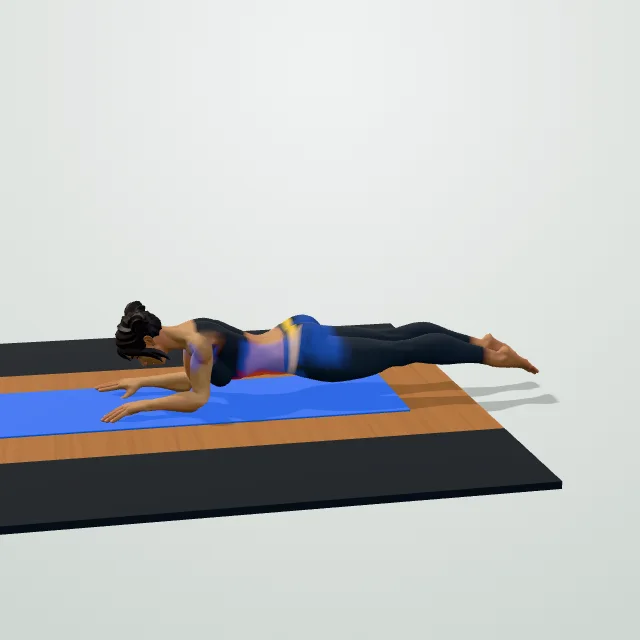 | Plank | 3 × 40 s | 45 s |
How to progress
- Move to the harder version once you can do 3 × 12 clean reps: knee push-up → push-up → decline push-up → archer push-up.
A calisthenics workout for beginners uses your own bodyweight as resistance instead of a barbell or dumbbells, which makes it one of the easiest ways to start strength training with no gym membership and almost no equipment. This 3-day plan alternates a push-and-legs session with a pull-and-core session, so every major movement pattern — pushing, pulling and squatting — gets trained twice a week in around 40 minutes.
Who this calisthenics routine is for
This plan is aimed squarely at beginners: someone who cannot yet do a strict pull-up and wants a structured path to their first one, or someone who wants to build general strength at home without buying equipment. All you need is a sturdy horizontal bar, a low table, or a set of gym rings for the pulling exercises; everything else uses only the floor. If you already have some training experience and want to progress your pull-ups or push-ups specifically, the dedicated pull-up progression plan and push-up progression plan go into more detail on each movement.
How to run the sessions
Do a short general warm-up first (the 6-minute dynamic warm-up works well), then alternate the two sessions across the week: A, rest, B, rest, A, rest, rest — so each session lands roughly twice every two weeks. On the push-and-legs day (session A), work through push-up, pike push-up, bench dip, bodyweight squat, split squat and a hollow-body-hold core finisher. On the pull-and-core day (session B), work through negative pull-up, inverted row, dead hang, glute bridge, hanging knee raise and plank. Rest the full time shown between sets — 90–120 seconds on the harder compound moves like negative pull-ups and push-ups, and 45–60 seconds on the easier bodyweight exercises — since calisthenics strength depends just as much on clean technique as on load.
How hard each set should feel
Because there is no external weight to adjust, "how heavy" in calisthenics means choosing the right variation of each movement. On push-ups, that might mean starting from an incline (hands on a bench or step) if a full push-up is too hard, and moving to the floor once that feels easy for the full rep count. On negative pull-ups, lower yourself as slowly as you can (aim for 3–5 seconds) rather than dropping fast — the slow lowering is what builds the strength for a full pull-up. Every set should leave you close to, but not swinging or kicking to finish, the last couple of reps; using momentum to "cheat" a rep trains far less muscle than a clean one.
How to progress week to week
Move to the next-harder variation of an exercise once you can do 3 sets of 12 clean reps of the current one: knee push-up progresses to push-up, then to decline push-up (feet raised), then to archer push-up. On pulling, work through dead hangs and inverted rows first, then negative pull-ups with a slow 3–5 second lower, and only start adding single full pull-ups once you can control that negative for 5 reps in a row. This step-by-step approach follows the same idea as progressive overload, just applied to leverage and range of motion instead of weight on a bar.
Adapting the workout: home, missing equipment, fewer exercises
No pull-up bar: replace negative pull-ups and dead hangs with more inverted rows under a sturdy table, or a low bar in a park. No space or time for six exercises: keep one push move, one pull move and one squat variation per session and rebuild from there — consistency with three exercises beats an incomplete attempt at six. Once bodyweight squats feel easy for 3 sets of 20, add a backpack with books for extra load, or move into dumbbell training if you have access to weights.
Recovery basics
Calisthenics still creates real muscle fatigue, so give the same muscle group at least a day of rest before training it hard again — that is exactly what alternating push/legs and pull/core sessions achieves across the week. Mild soreness for a day or two after a new variation is normal (see the muscle soreness guide), and sleep, hydration and enough protein (about 1.6 g per kg of body weight a day) matter as much here as in any weight-room program.
Common mistakes for calisthenics beginners
- Jumping straight to full pull-ups: most beginners cannot yet do one, and repeatedly failing builds frustration, not strength. Build through dead hangs, rows and slow negatives first.
- Letting the hips sag on push-ups and planks: a dropped hip shifts load off your core and onto your lower back. Squeeze your glutes and keep a straight line from head to heels.
- Rushing every rep: fast, bouncy reps rely on momentum instead of muscle. Slow down, especially on the lowering phase of any exercise.
- Skipping leg training because it "feels easier": bodyweight squats and split squats still need real effort at higher reps — push toward the top of the rep range instead of stopping early.
- Training the same pattern two days in a row: alternating push/legs and pull/core is deliberate; back-to-back pulling days, for example, do not give your lats and biceps enough recovery.
What to do next
Use the plan builder to schedule this calisthenics routine alongside rest days that fit your week, or move on to the pull-up progression plan and push-up progression plan once you want to specialize. If you later get access to a gym, the beginner full-body workout is a natural next step that adds barbell and dumbbell training on top of the movement patterns you have already built here.
Questions people ask
Is calisthenics good for beginners with no gym experience?
How many days a week should a beginner do calisthenics?
What equipment do I need to start calisthenics?
How long before I can do a full pull-up as a beginner?
Is this calisthenics workout good for women?
Can I do calisthenics every day instead of three times a week?
What should I do once bodyweight exercises feel easy?
General fitness information, not medical advice. Check with a doctor or physiotherapist before starting if you have a health condition, an injury or are pregnant. Stop if you feel chest pain, dizziness or sharp pain.