Gym machines: what each one does and how to use it
A plain-English guide to the machines you'll find at almost any gym, what muscles they train, and how to set them up correctly.
Workout plans
General fitness · Beginner
Beginner Full-Body Gym Workout
Build muscle · Intermediate
Push Pull Legs Split (6 Days)
Strength · Intermediate
Upper/Lower Split (4 Days)
Build muscle · Intermediate
4-Day Muscle-Building Workout Plan
Build muscle · Intermediate
5-Day Body-Part Split (Bro Split)
Build muscle · Beginner
Glute Workout Plan (Gym and Home)
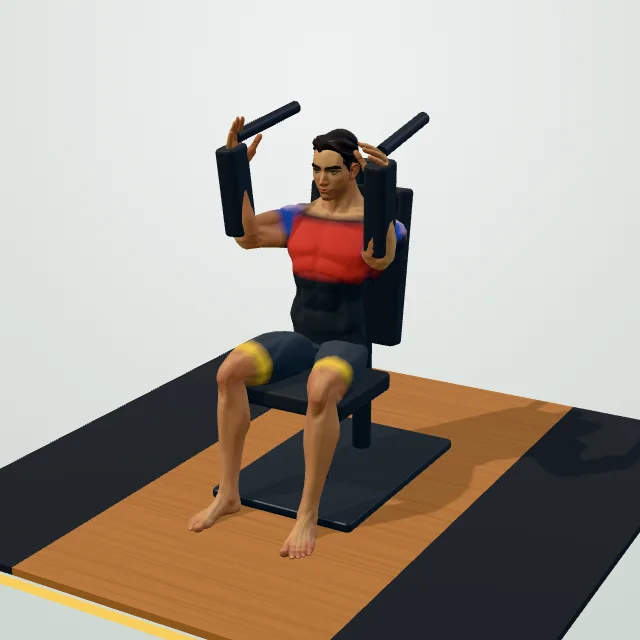
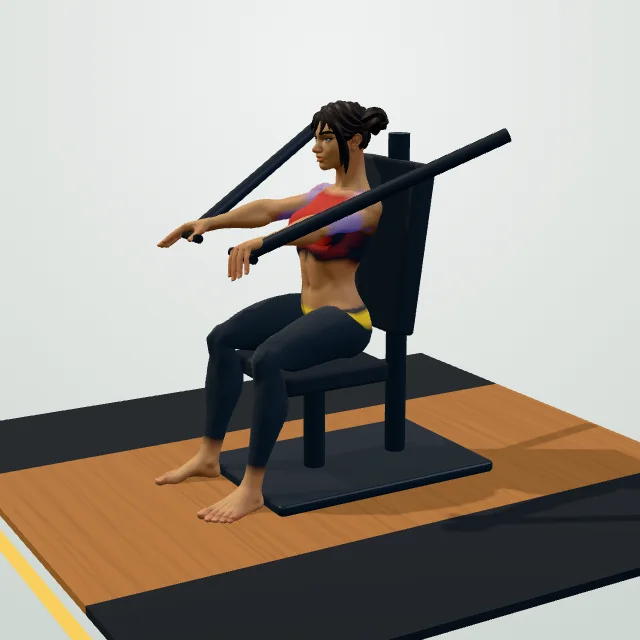
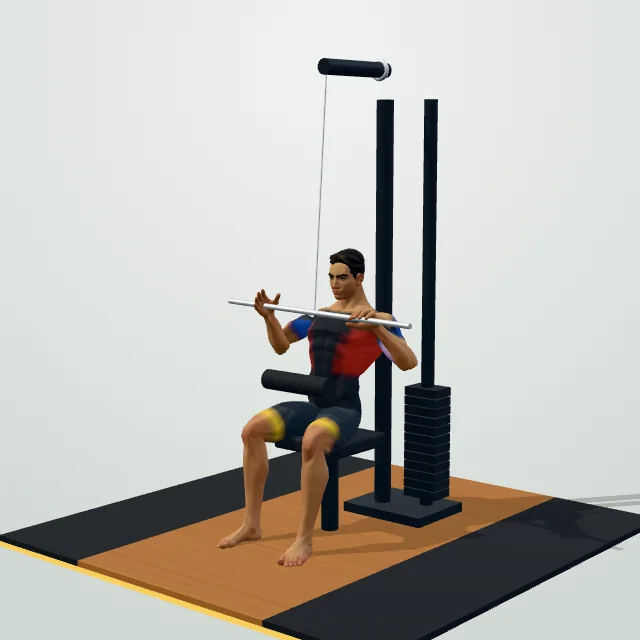
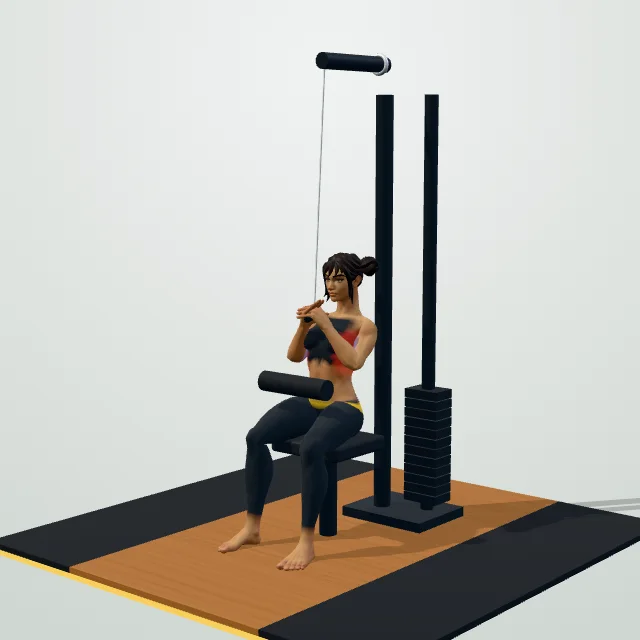
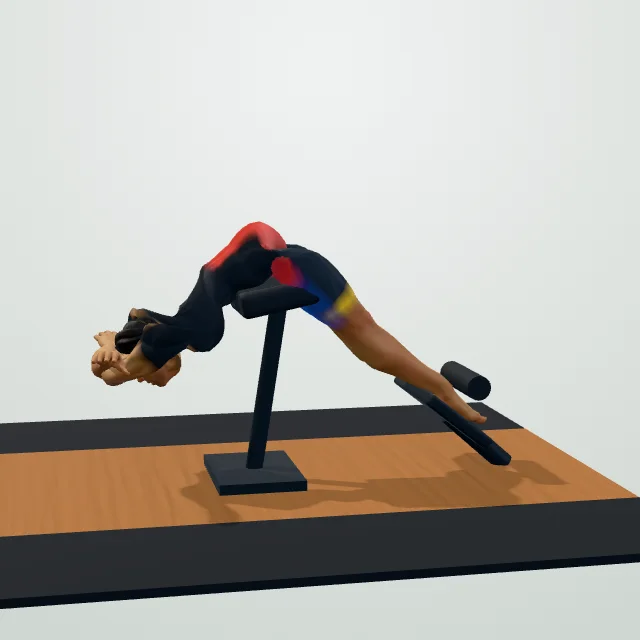
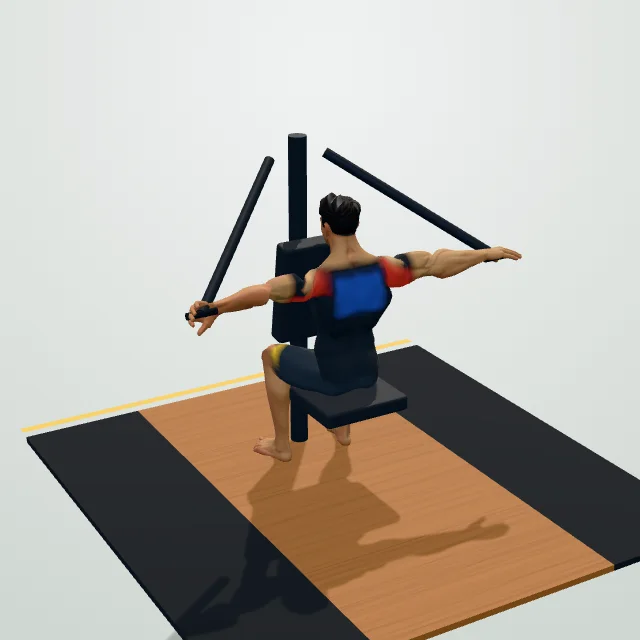
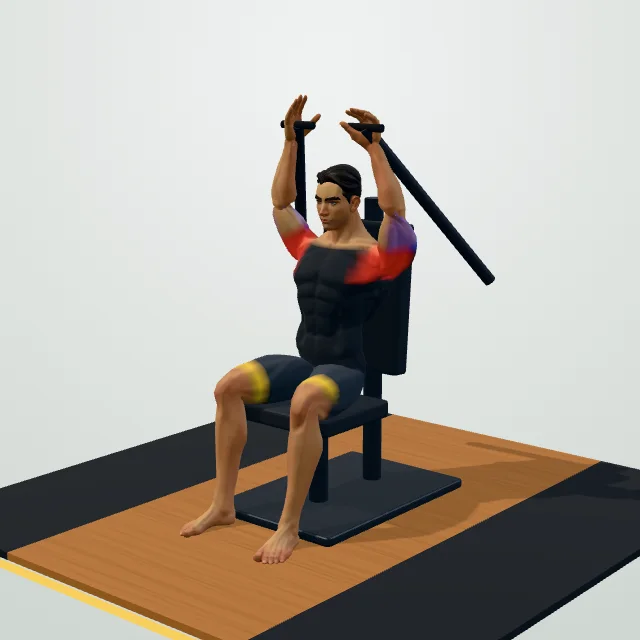
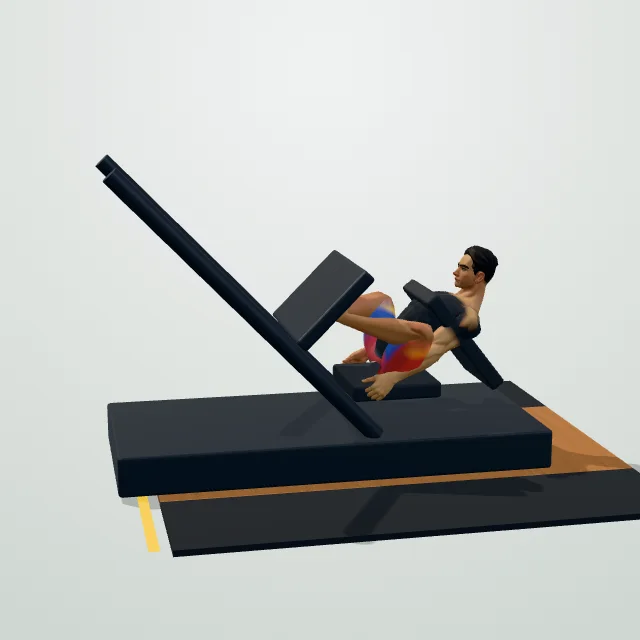
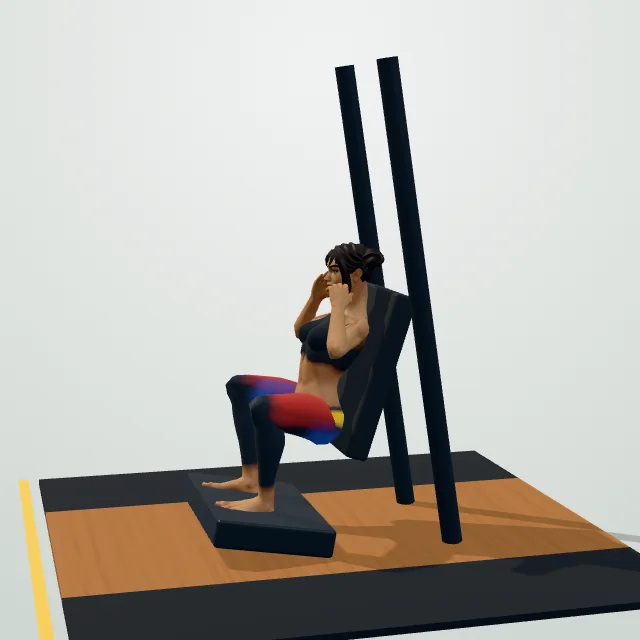
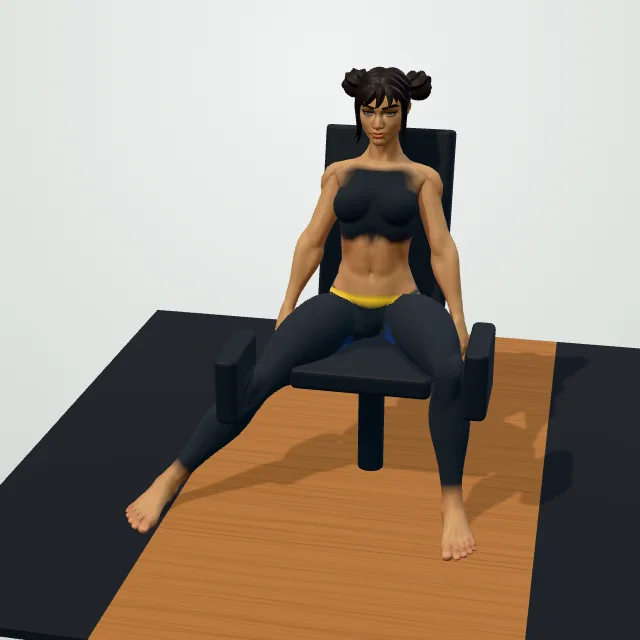
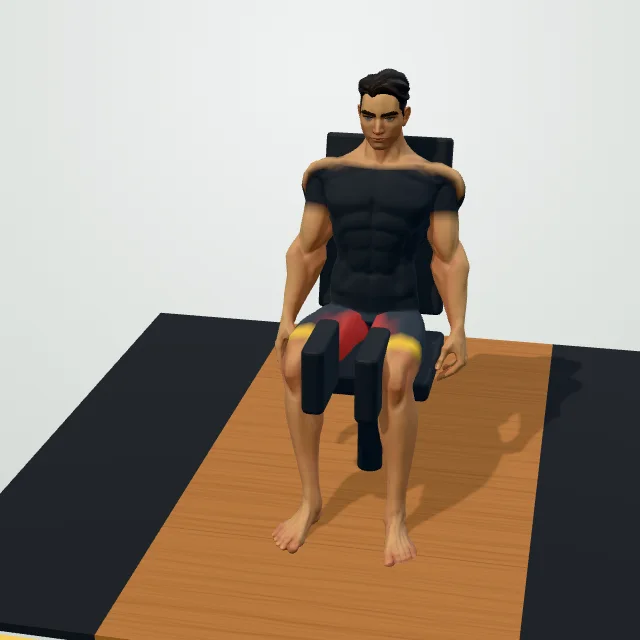
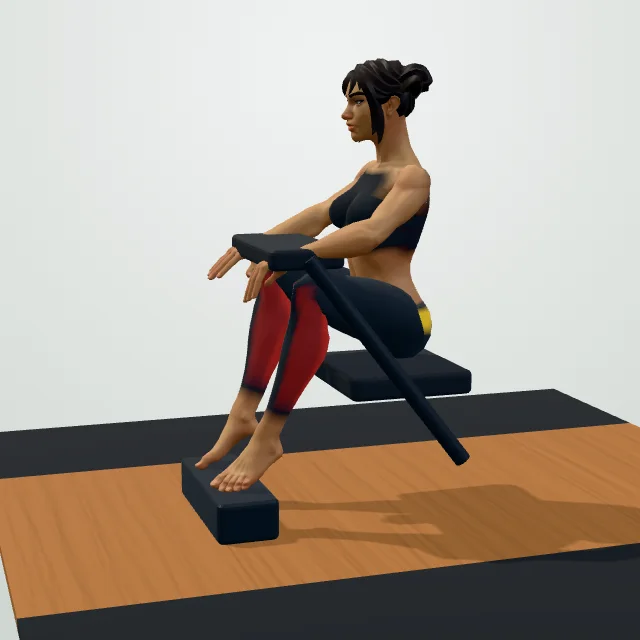
Walking into a gym full of unfamiliar gym machines is one of the biggest reasons people avoid strength training, but most gym machine exercises follow the same idea: a seat or pad holds your body in position, a lever or cable moves through a fixed path, and a weight stack sets the resistance. That fixed path is what makes machines a good starting point — there's less to coordinate than a free-weight lift, so you can focus on effort and range of motion. The 3D coach shows correct setup and form for leg press, chest press machine and lat pulldown.
How to use gym machines
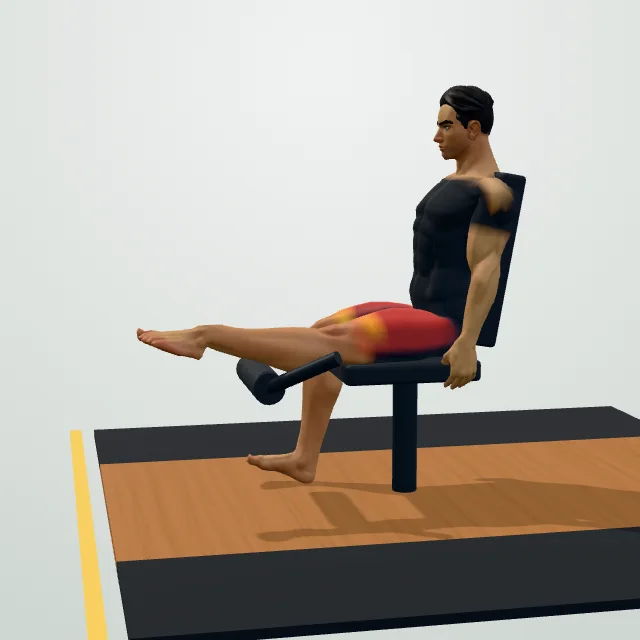
Every machine has a seat, back pad or footplate that adjusts — set it so the joint doing the work lines up with the machine's pivot point (for example, your knee should line up with the pivot on a leg extension). Select weight with the pin in the stack, starting light on any machine you haven't used before, and read the small diagram printed on most machines if you're unsure of the intended movement. Move through a full range of motion at a controlled pace rather than rushing reps or letting the stack drop and clang between them.
Safety and setup
Because machines guide the movement, the main risks are using too much weight too soon or working through a poorly adjusted seat position that puts a joint in an awkward angle. If a machine seat can't be adjusted to fit your body comfortably, use a different exercise instead of forcing the position. As with any resistance training, stop for sharp joint pain and warm up with a lighter set before your working weight.
Common gym machines and what they do
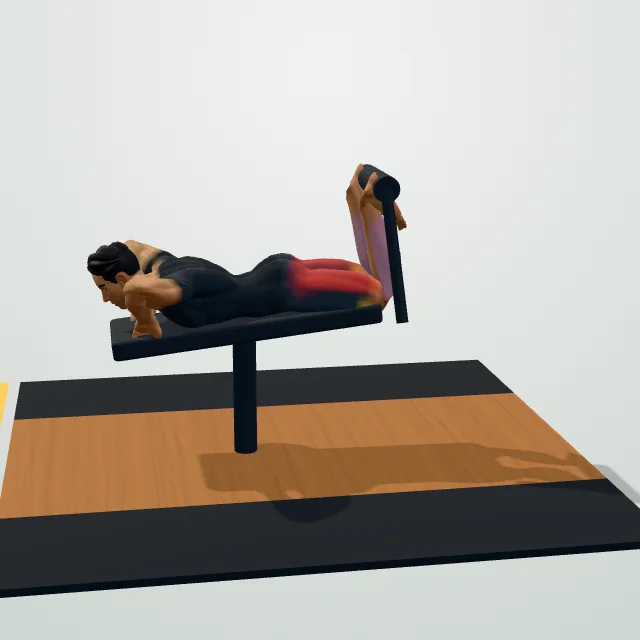
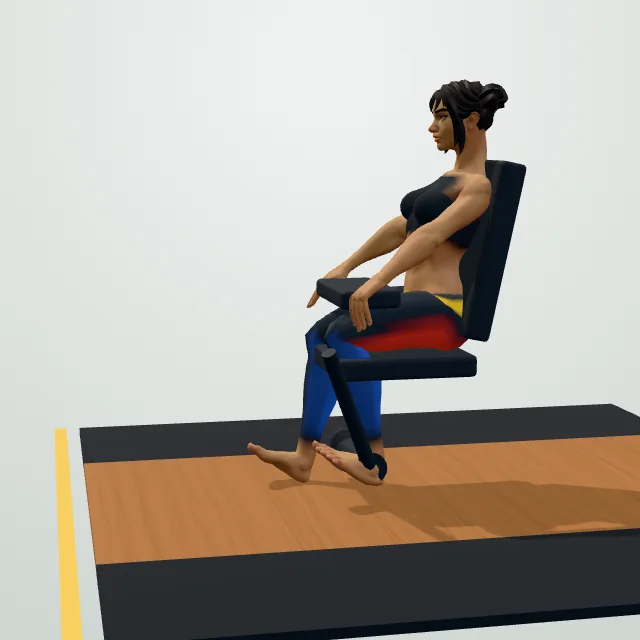
The leg press trains quads and glutes while supporting the back, a good option for beginners or anyone easing into squats. The hack squat machine does something similar with a more upright torso angle. The leg extension and lying leg curl isolate the quads and hamstrings individually. The chest press machine and pec deck train the chest without needing a spotter. The lat pulldown and machine shoulder press cover the back and shoulders. The hip abduction machine and hip adduction machine target the outer and inner glutes and thighs, and the back extension machine strengthens the lower back and glutes.
Sample machine-based workout
| Exercise | Sets × reps | Rest |
|---|---|---|
| Leg press | 3 × 10–12 | 90 s |
| Chest press machine | 3 × 10–12 | 75 s |
| Lat pulldown | 3 × 10–12 | 75 s |
| Leg extension | 3 × 12–15 | 60 s |
| Lying leg curl | 3 × 12–15 | 60 s |
How to program machine training
Machines work well both as a beginner's main tools and as an experienced lifter's finishing exercises after free weights. Use 3 sets of 10–15 reps with 60–90 seconds rest as a general starting point, and treat machine exercises the same as any other for progressive overload: add weight or reps once a set feels easier than it should. Beginners at "what machines to use first" can build a full first session from the leg press, chest press, lat pulldown and a machine ab or back extension move, then add free weights as confidence grows.
Machines for seniors and first-time gym-goers
Machines are often recommended for seniors and complete beginners precisely because the fixed path removes balance and coordination demands that free weights require — the leg press, chest press and seated row are good starting points, and most gyms will show you how to adjust seat and pin settings on request. See our gym for beginners guide and exercise for seniors guide for a fuller first-session plan.
Machines vs free weights
Both build muscle and strength effectively, and the right mix depends on your experience and goals. Machines isolate a target muscle with less need for balance or coordination, which is useful for beginners, for training around an injury, or for pushing a single muscle group hard at the end of a session when stabilizer muscles are already fatigued. Free weights recruit more stabilizing muscles and better carry over to daily movement and sports, which is why most experienced lifters use a combination — free-weight compound lifts early in a session, machine isolation work later.
Workout plans that use gym machines
Machine exercises appear throughout gym-based plans, especially the beginner full-body gym workout and 5-day body-part split. Use the plan builder to build a plan that leans on machines if you're new to the gym.