Chest · Gym
Pec deck: a guided way to isolate the chest
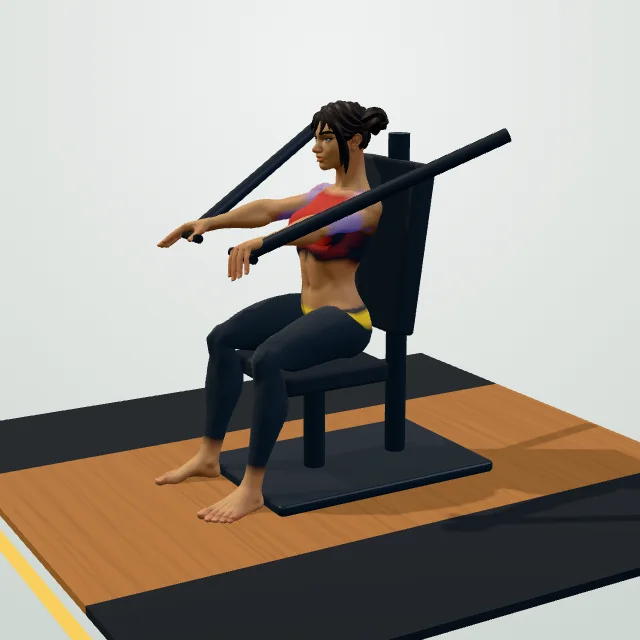
The pec deck machine takes balance out of the chest fly, guiding your arms through a fixed arc so you can focus purely on squeezing the chest.
- Primary
- Chest
- Secondary
- Front delts
- Level
- Beginner
- Type
- Isolation · Both sides together
- Sets × reps
- 3 × 12-15 reps
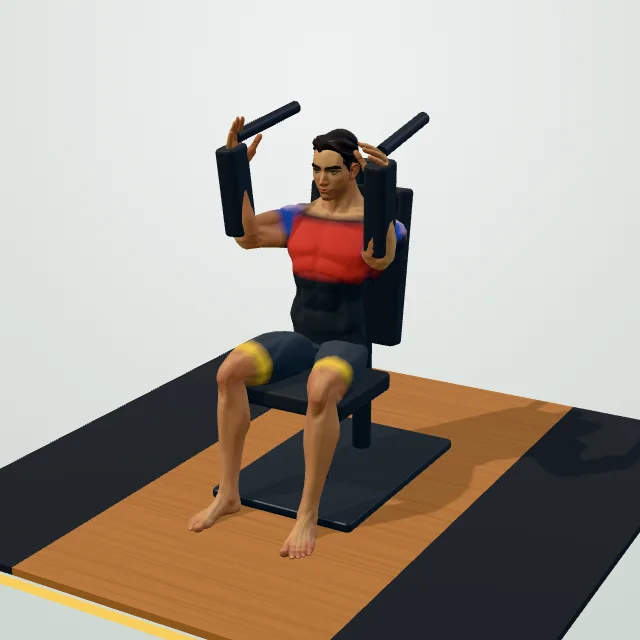
How to do it
- Adjust the seat so the arm pads sit level with your chest.
- Sit back with shoulder blades against the pad, feet flat on the floor.
- Press your forearms or upper arms against the pads.
- Bring the pads together in front of your chest.
- Squeeze your chest at the point where they meet.
- Let the weight return under control back to the start.
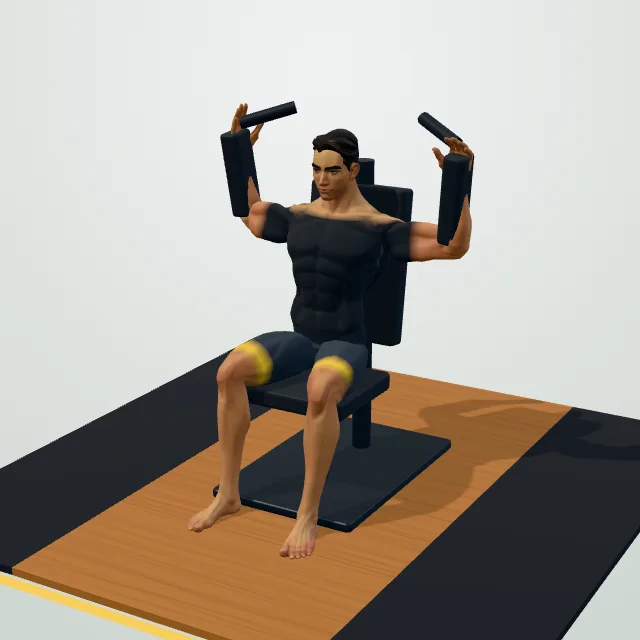
Coach cues
- Seat set level with your chest.
- Shoulder blades back against the pad.
- Bring the pads together, squeeze the chest.
- Control the return, do not let it drop.
Breathing: Breathe out as you bring the pads together, then breathe in as you let them return.
Common mistakes
Make it easier / Make it harder
Sets and reps by goal
| Goal | sets | reps | Rest |
|---|---|---|---|
| Strength | 3–5 | 6–8 | 90–120 s |
| Muscle growth | 3–4 | 10–15 | 60–90 s |
| Endurance | 2–3 | 15–20 | 30–60 s |
The pec deck (also called a machine fly or butterfly machine) is a seated chest machine that guides your arms along a fixed arc, using arm pads instead of handles. It isolates the chest the same way a dumbbell fly does, but the machine's fixed path removes the balance and stabilizing work your shoulders would otherwise need to do.
Muscles worked and why
The chest is the target muscle, brought together by squeezing your arms in toward the center of your body. The front shoulders assist lightly, but far less than in a free-weight fly, since the machine's fixed path does most of the stabilizing for you. This is exactly why it is a common recommendation for people newer to chest isolation work, or anyone whose shoulders do not tolerate a dumbbell fly's freer range.
Benefits
Because the arc is fixed by the machine, you cannot accidentally stretch the shoulder further than the design allows, which makes the pec deck one of the safer ways to train a deep chest squeeze without a spotter or careful weight selection. It is also easy to load and unload quickly with a weight stack, which makes it convenient for high-rep finishing sets or training close to failure at the end of a chest workout.
Seat height and setup
Adjust the seat so the arm pads (or handles) sit level with your chest — too high and you will feel it mostly in your shoulders, too low and your lower chest and arms take over the movement. Sit back with your shoulder blades against the pad and your feet flat on the floor.
Press your forearms or the backs of your upper arms against the pads and bring them together in front of your chest, squeezing at the point where your hands or elbows meet. Let the weight return under control back to the starting position, keeping a slight stretch across your chest at the back of the movement rather than letting the weight stack slam down. Avoid arching your back or using your legs to help push the pads together — the chest should do all of the work.
How to program it
Use the pec deck as a chest finisher after your main pressing work, or as your main chest isolation exercise on days you want a lower-impact session. 3 sets of 12–15 reps with 60–90 seconds of rest suits most goals, and it is also a good exercise for a short rest-pause or drop set at the end of a workout, since the machine makes changing weight quick. Leave a couple of reps in reserve on most sets (see the RPE and RIR guide), progressing mainly through added reps before adding weight, per progressive overload.
Variations and progressions
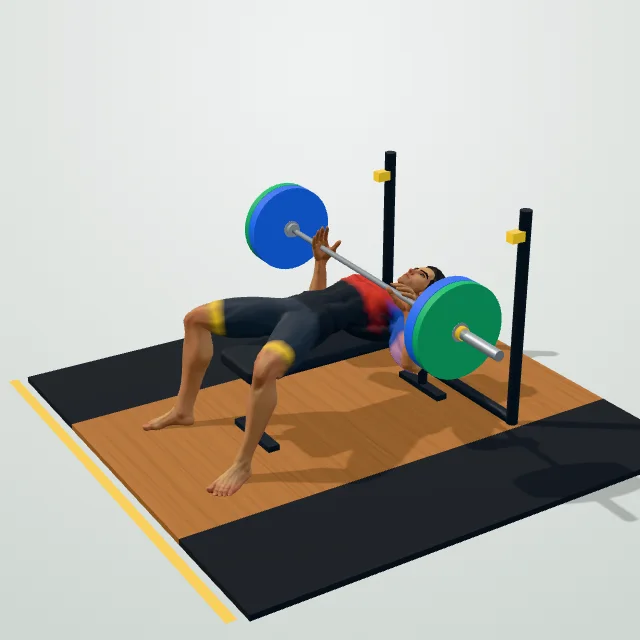
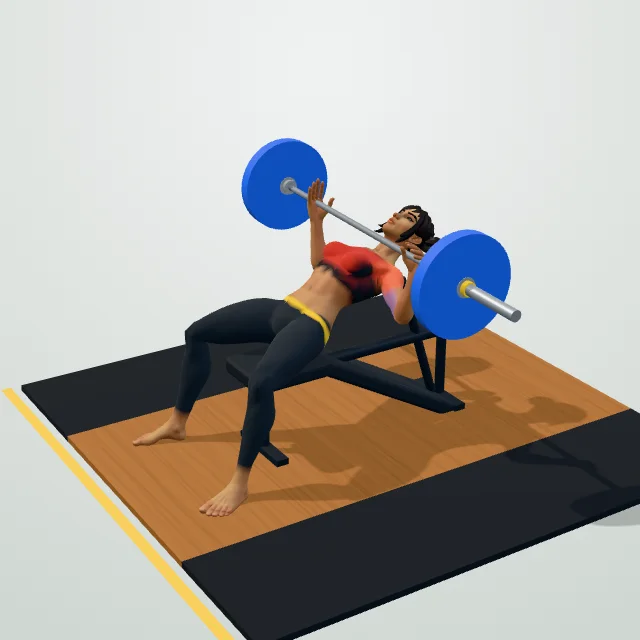
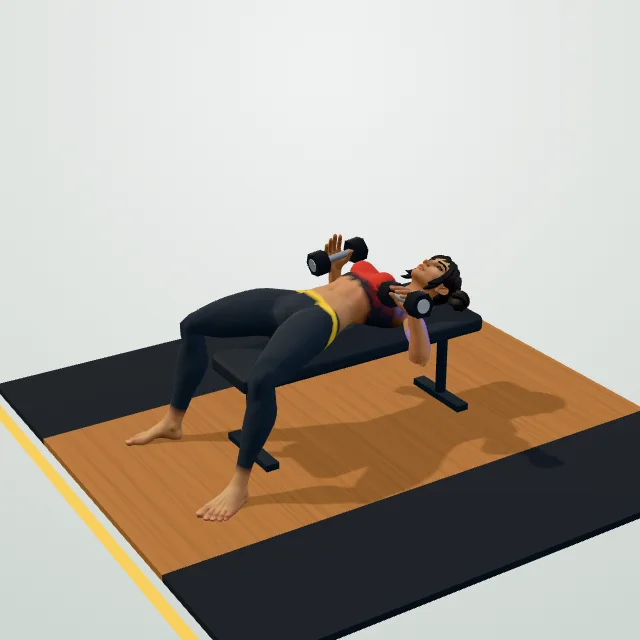
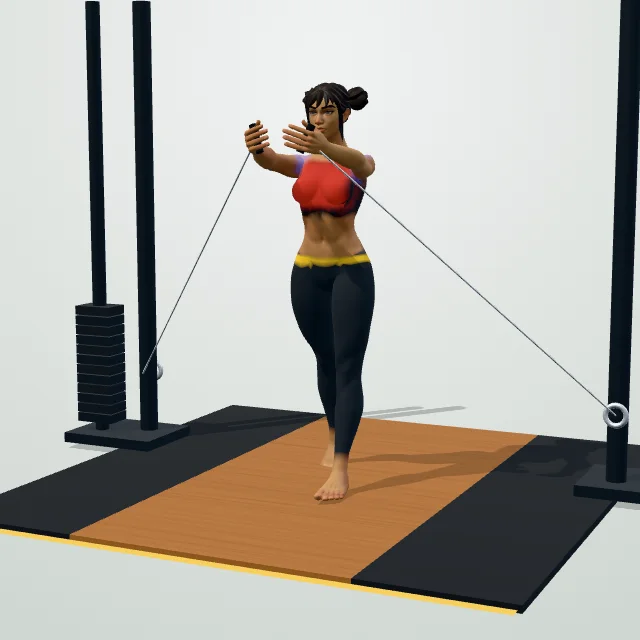
The dumbbell fly trains the same muscle with a freer range of motion once you are comfortable controlling the stretch yourself, and the cable crossover adds constant tension and adjustable pulley heights for targeting different parts of the chest. Some pec deck machines also convert to a reverse fly position for the rear shoulders, which is a different exercise entirely (see the reverse pec deck) and should not be confused with the chest-facing setup described here.
Pec deck vs dumbbell fly
A dumbbell fly needs more control and shoulder stability, since nothing is guiding the path, but it allows a longer, more customizable range of motion. A pec deck removes the balance requirement almost entirely, letting you focus purely on the chest squeeze, though the seat height and pad position limit how much you can adjust the exact path. Many programs use one or the other depending on equipment access rather than treating one as superior.
Safety: who should modify it
Keep the seat set so the pads meet your chest at a comfortable height rather than stretching your shoulders further than feels natural. Choose a weight you can lower under control rather than letting the stack drop quickly, since a sudden stretch at the back of the movement is the most common way this exercise irritates the shoulder. If you feel pinching at the front of the shoulder, reduce the range slightly or switch to a cable crossover, and see a physiotherapist if it does not settle.
Questions people ask
What muscles does the pec deck work?
How do I set the seat height on a pec deck?
Is the pec deck as good as a dumbbell fly?
Is the pec deck enough for chest development on its own?
How many reps should I do on the pec deck?
Is the pec deck the same as the reverse pec deck?
Can beginners use the pec deck safely?
General fitness information, not medical advice. Check with a doctor or physiotherapist before starting if you have a health condition, an injury or are pregnant. Stop if you feel chest pain, dizziness or sharp pain.