Legs · Gym
Hip adduction machine: training the inner thigh
The hip adduction machine pulls your knees together against padded resistance, a seated way to strengthen the often-neglected inner thigh muscles.
- Primary
- Inner thighs
- Level
- Beginner
- Type
- Isolation · Both sides together
- Sets × reps
- 3 × 12-15 reps
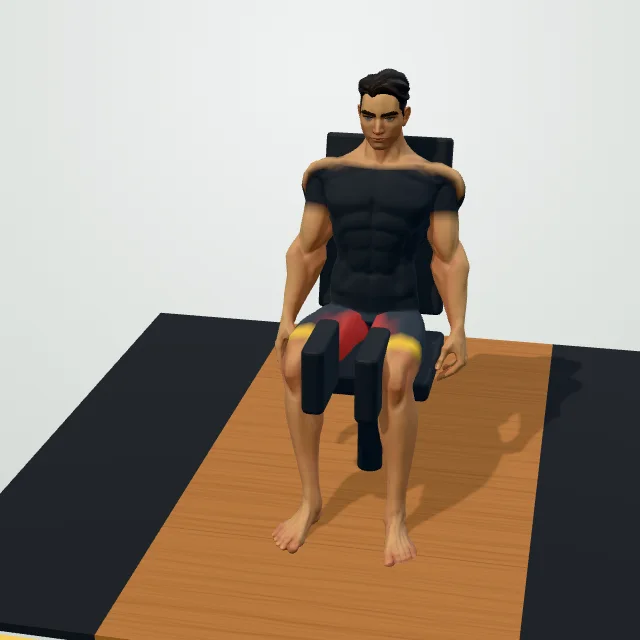
How to do it
- Set the pads against the inside of your knees, legs spread comfortably.
- Sit back fully with your back flat against the pad.
- Brace your core before starting the movement.
- Squeeze your knees together under control.
- Pause briefly once your knees meet or the range ends.
- Let the weight return slowly, without snapping open.
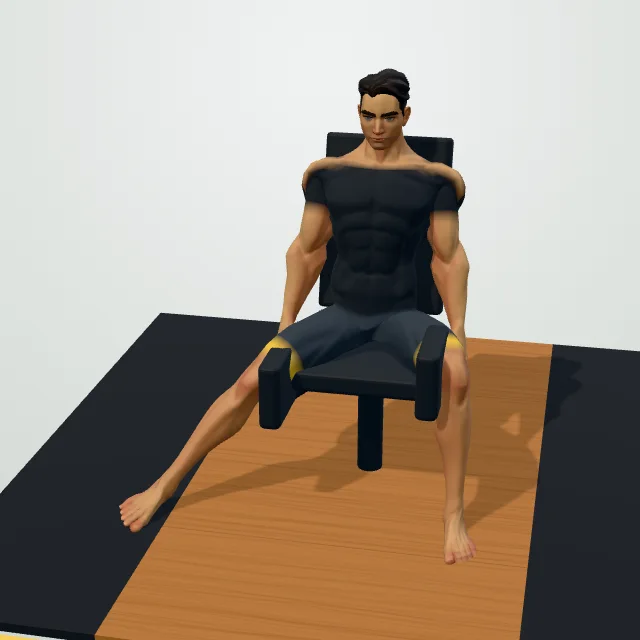
Coach cues
- Sit back, back flat.
- Squeeze knees together slowly.
- Pause at the inside of the range.
- Control the return, no snapping.
Breathing: Breathe out as you squeeze your knees together, breathe in as you return them apart.
Common mistakes
Make it easier / Make it harder
Sets and reps by goal
| Goal | sets | reps | Rest |
|---|---|---|---|
| Strength | 3–5 | 6–8 | 90–120 s |
| Muscle growth | 3–4 | 10–15 | 60–90 s |
| Endurance | 2–3 | 15–20 | 30–60 s |
The hip adduction machine is a seated gym machine with padded arms resting against the inside of your knees. You squeeze your legs together against the machine's resistance, training the group of muscles known as the adductors.
Muscles worked and what they actually do
The adductor group runs along the inside of your thigh and pulls your leg toward the midline of your body. These muscles are heavily involved in change-of-direction sports (soccer, hockey, tennis) and also help stabilize your hip and knee whenever you plant a foot to cut, pivot, or catch your balance. They rarely get direct attention from squats or lunges, which is why a dedicated machine is one of the few ways to load them hard through a full range with a controlled, isolated movement.
Benefits
Groin strains are common in sports with sudden sideways movement, and stronger adductors are associated with a lower risk of these strains in athletes who train them consistently as part of a season-long strength program. Beyond sport, adductor strength supports general hip stability, which matters for anyone doing lunges, single-leg work, or lateral movements. One important note: the machine cannot "tone" or spot-reduce fat from the inner thigh — it builds muscle strength in that area, and fat loss happens throughout the body based on overall diet and activity, not from targeting a single machine.
Technique in detail
Set the machine so the pads rest against the inside of your knees with your legs spread to a comfortable starting width, and adjust the seat back if the machine allows it. Sit back fully, brace your core, and squeeze your knees together under control, avoiding a fast, jerky pull. Pause briefly once your knees meet or the machine's range ends, then let the weight return slowly rather than allowing it to snap back open, which removes much of the muscle-building benefit of the exercise.
How to program it
3 sets of 12–15 reps works well as an accessory exercise, once or twice a week, usually placed after your main lower-body lifts. Progress the weight in small increments once you can complete every rep smoothly through a full range — this is not an exercise where heavier is automatically better, since a partial, jerky range trains the muscle far less than a slower, complete one.
Adduction machine vs. abduction machine
These two machines sit side by side in most gyms and train opposite movements. The adduction machine pulls the knees together, working the inner thigh; the hip abduction machine pushes the knees apart, working the outer hip. Training both keeps the muscles around your hip joint balanced, which supports better stability for squats, lunges, and any sport involving quick direction changes, rather than developing strength on only one side of the joint.
Alternatives without a machine
If a machine is not available, exercises like the sumo squat and Cossack squat load the adductors through a wider stance and a deep, controlled range, doubling as useful lower-body compound lifts rather than isolated adductor work. A resistance band looped around your ankles and pulled inward against tension can also mimic the machine's squeeze at home, and side-lying leg lifts with the bottom leg raised toward the top one give a similar isolated feel with no equipment at all.
Safety notes
Avoid forcing your knees past a comfortable range — groin and adductor tissue can be sensitive to overstretching under load. Anyone recovering from a groin strain or hip surgery should get clearance and a safe range from a physiotherapist before using this machine. Stop if you feel sharp or pinching pain in the groin or hip rather than a muscular burn on the inside of your thigh.
Where it fits in your workout
Treat it as accessory work rather than a primary lift: place it after squats, lunges, or Romanian deadlifts in a lower-body session, or pair it with the abduction machine for a short "inner and outer hip" superset. It is a reasonable option on a lighter recovery day too, since the load is easy to control and the joint stress is low compared with heavier compound lifts.
More exercises for legs
Questions people ask
What muscles does the hip adduction machine work?
Does the hip adduction machine reduce inner thigh fat?
What is the difference between the adduction and abduction machine?
Is the hip adduction machine good for athletes?
What is a good hip adduction machine alternative?
Can weak adductors cause hip or knee pain?
How often should I train the adductor machine?
General fitness information, not medical advice. Check with a doctor or physiotherapist before starting if you have a health condition, an injury or are pregnant. Stop if you feel chest pain, dizziness or sharp pain.