Build muscle · Beginner
Glute workout plan: gym and home sessions
This glute workout plan alternates a gym session — hip thrusts, Romanian deadlifts, Bulgarian split squats — with a home session of bridges, lunges and band work, so you can train glutes wherever you have access that week.
Your week
Sessions
Glutes at the gym
| Exercise | sets | Rest | |
|---|---|---|---|
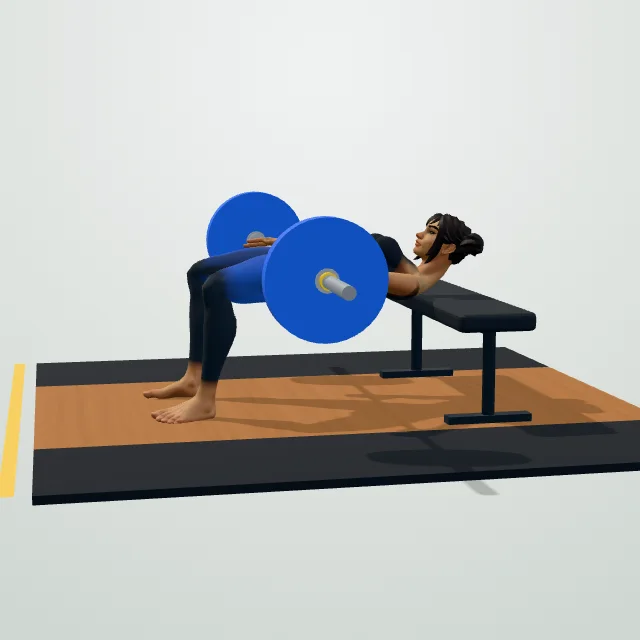
| Barbell Hip Thrust | 4 × 8-12 | 120 s |
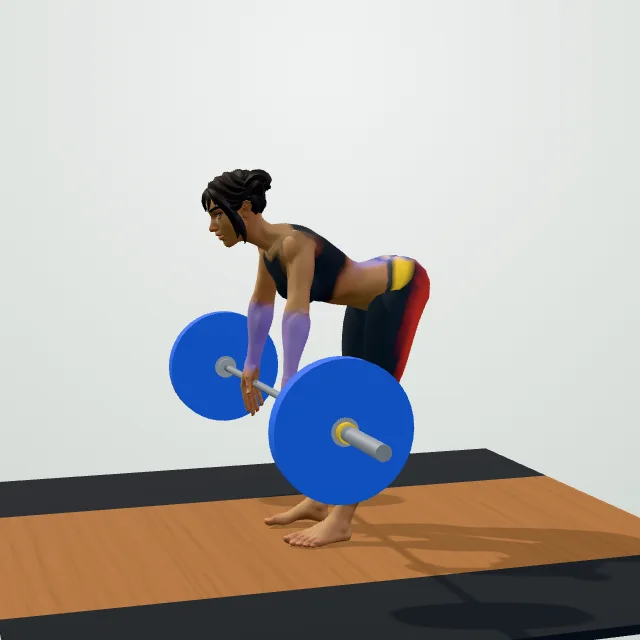 | Romanian Deadlift | 3 × 8-10 | 120 s |
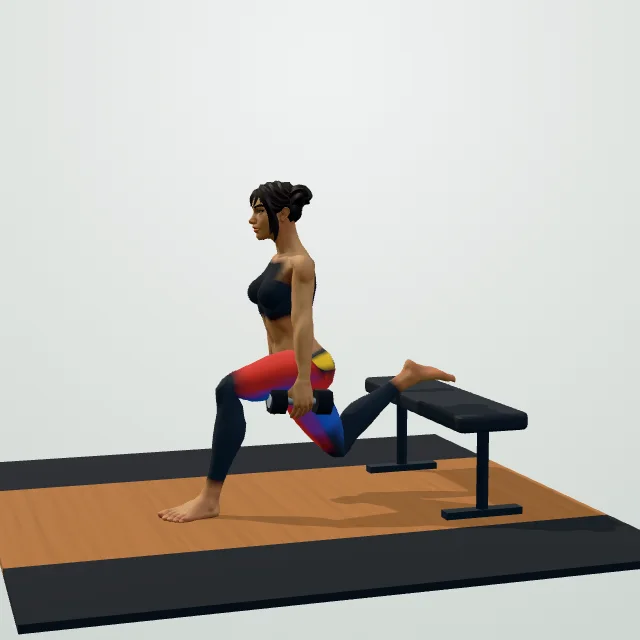 | Bulgarian Split Squat | 3 × 8 per side | 90 s |
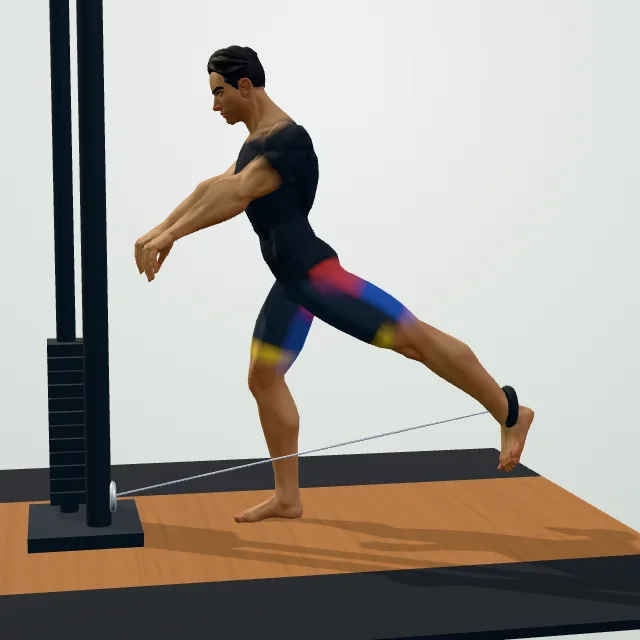 | Cable Glute Kickback | 3 × 12 per side | 45 s |
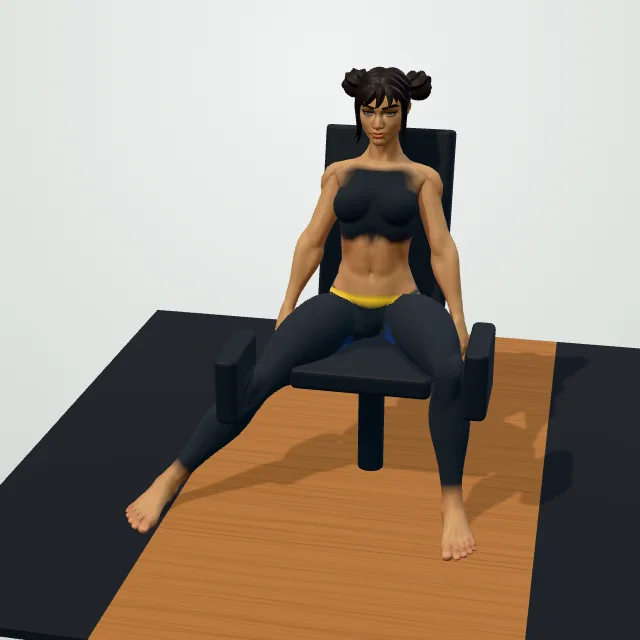 | Hip Abduction Machine | 3 × 15 | 45 s |
Glutes at home
| Exercise | sets | Rest | |
|---|---|---|---|
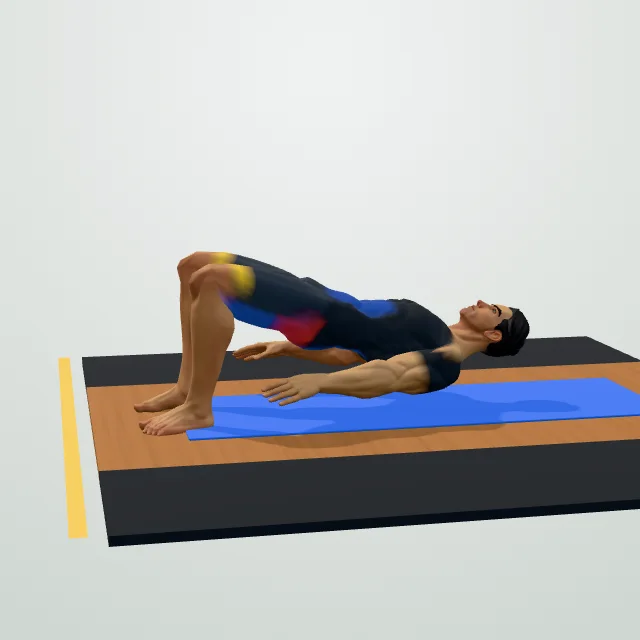 | Glute Bridge | 3 × 15 | 45 s |
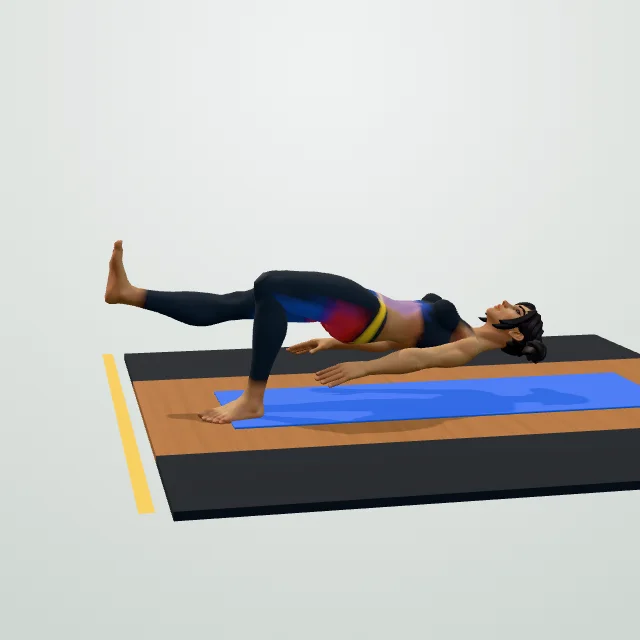 | Single-Leg Glute Bridge | 3 × 10 per side | 45 s |
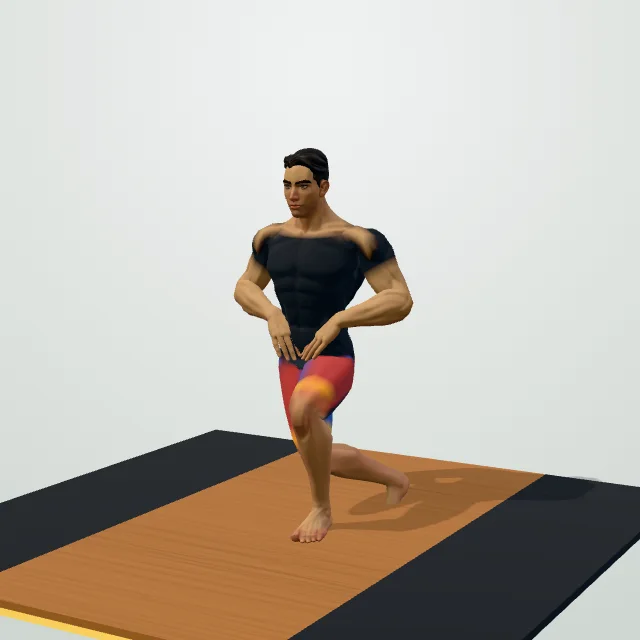 | Curtsy Lunge | 3 × 10 per side | 45 s |
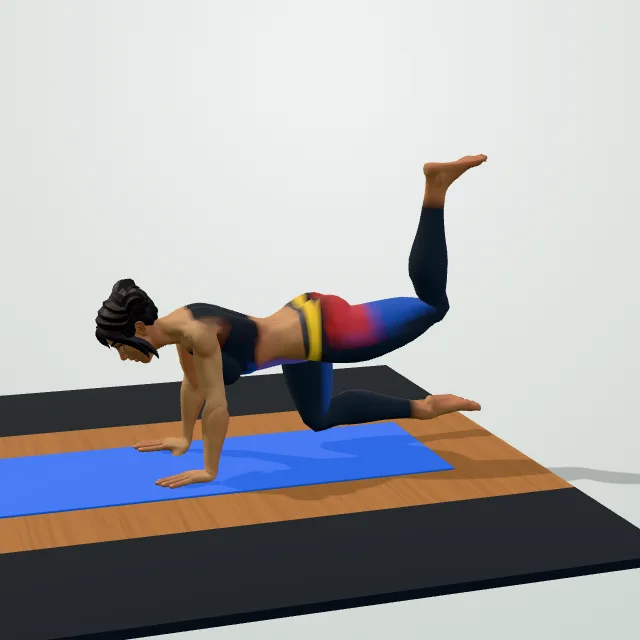 | Donkey Kick | 3 × 12 per side | 30 s |
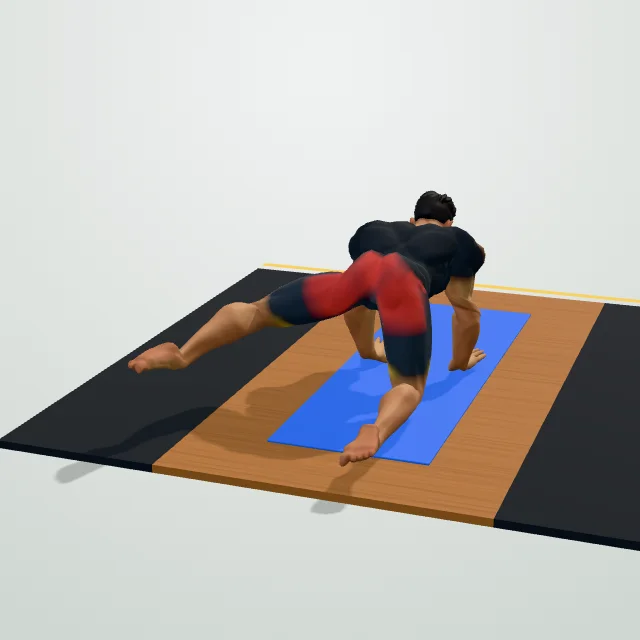 | Fire Hydrant | 3 × 12 per side | 30 s |
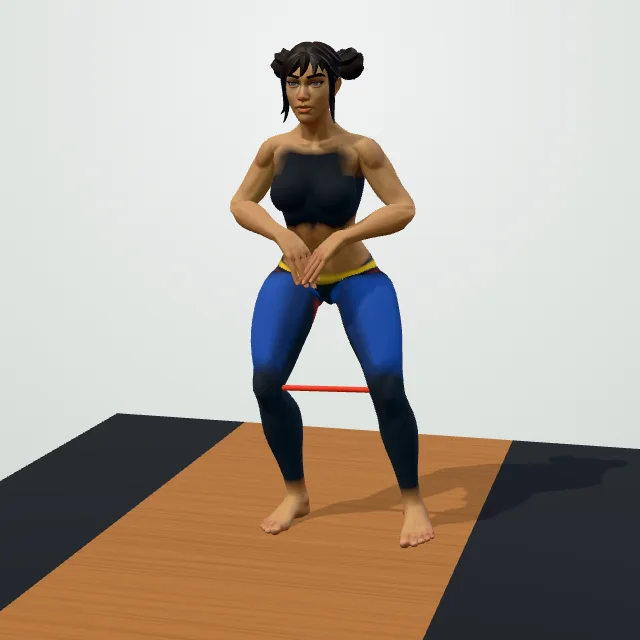 | Lateral Band Walk | 3 × 12 per side | 30 s |
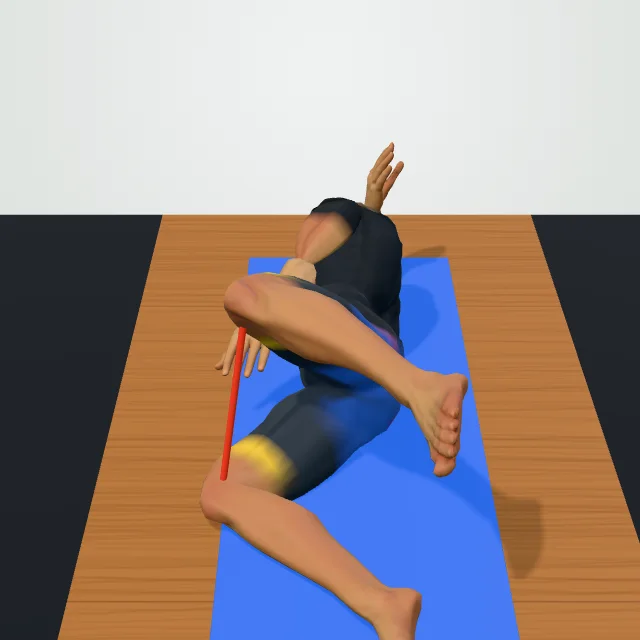 | Clamshell | 2 × 15 per side | 30 s |
How to progress
- Add a pause of 1–2 seconds at the top of every bridge and thrust before adding weight.
A glute workout plan needs a hip-hinge and a hip-thrust movement at minimum, since those load the glutes through their full range of motion better than isolation moves alone — this plan gives you both, split across a gym session built around the barbell hip thrust and Romanian deadlift, and a home session built around glute bridges, lunges and band work for days you cannot get to a gym.
Who this glute workout plan is for
This suits anyone whose main goal is building glute size and strength, whether that means better performance in other lifts and sports or a specific aesthetic goal — the plan works for beginners and intermediates alike since it uses moderate rep ranges and common equipment. It flexes between gym and home depending on your access that day, which makes it a good fit if your schedule is unpredictable. If your priority is overall leg development rather than glute-specific focus, the leg day workout covers quads and hamstrings with equal emphasis; if you want glutes trained within a broader full-body plan, the beginner full-body workout already includes a Romanian deadlift and hip-hinge pattern.
How to run the sessions
Warm up 5–8 minutes before every session, and take 1–2 lighter warm-up sets before your first heavy set of hip thrusts or Romanian deadlifts — a cold heavy hip thrust with a barbell across your hips is uncomfortable and a common source of poor first-rep form. On the gym session, work through the exercises in the order shown: the hip thrust and Romanian deadlift lead as the heaviest compound movements, with the Bulgarian split squat, cable kickback and hip abduction machine finishing the session. On the home session, move through the bridge and lunge variations first while you are freshest, with the smaller band and clamshell work last.
How to choose your starting weight
On the hip thrust and Romanian deadlift, pick a weight that leaves 2–3 reps in reserve on your first sets and closer to 0–1 on your last set — these are the heaviest, most load-bearing exercises in the plan. On the Bulgarian split squat, cable kickback and hip abduction machine, prioritize a full range of motion and a controlled squeeze at the top of each rep over the number on the weight stack. At home, bodyweight is your starting load on bridges and lunges — once these feel easy for the full rep range, add a dumbbell across your hips (for bridges) or held at your chest (for lunges) before increasing reps further.
Week-to-week progression, with numbers
Add a 1–2 second pause at the top of every hip thrust and glute bridge rep before you add weight — this pause increases time under tension on the glutes specifically and is often more effective for growth than simply loading the bar heavier without it. Once your form and pause are consistent, use standard progressive overload: add 2.5–5 kg to the hip thrust and Romanian deadlift, or 1–2 kg per hand to dumbbell-loaded home exercises, once every set reaches the top of its rep range with good form. Because the plan alternates gym and home sessions, track your numbers separately for each — a heavy barbell hip thrust and a bodyweight glute bridge are not directly comparable, so progress each session type on its own terms.
Adapting the plan: fewer days, all-home, missing equipment
Only free two days a week: alternate which session you run each week (gym one week, home the next) rather than trying to fit both into the same week. No gym access at all: use the home session both training days, and once bodyweight glute bridges and single-leg glute bridges become easy, add a resistance band around your knees on lateral band walks and clamshells to increase the challenge, or hold a dumbbell across your hips for bridges — see the resistance band exercises hub for more band-based options. No barbell for hip thrusts at the gym: use the glute bridge with a loaded barbell across your hips instead, which trains the same range of motion from the floor.
Recovery, sleep and nutrition basics
Glutes are a large muscle group and recover on a similar timeline to other big muscles — roughly 48 hours before training them hard again, which this plan's schedule (gym, rest, home, rest, gym) respects. Sleep 7–9 hours a night, since sleep drives most of the actual muscle repair between sessions. If growth is your priority, eat roughly 1.6 g of protein per kg of body weight a day; if you are also trying to lose fat, keep the deficit modest so recovery does not suffer. Some soreness in the first few weeks, especially from the hip thrust and Bulgarian split squat, is normal — see the muscle soreness guide for what to expect.
Common mistakes on a glute-focused plan
- Overarching the lower back on hip thrusts: pushing the hips too high and arching the spine shifts work off the glutes and onto the lower back. Stop the movement once your body forms a straight line from shoulders to knees.
- Rushing through the top-position pause: skipping the 1–2 second squeeze at the top of bridges and thrusts reduces one of the most useful parts of the exercise for glute growth specifically.
- Only doing hip-hinge movements and skipping lateral work: exercises like the lateral band walk and hip abduction machine target the side glutes (glute medius), which hip thrusts and deadlifts do not fully train.
- Training glutes with poor Romanian deadlift form: a rounded lower back on this hinge movement is a common cause of discomfort. Keep a flat back and stop the descent once you feel a stretch in your hamstrings.
- Expecting bodyweight-only training to progress indefinitely: once bodyweight bridges and lunges feel easy for high reps, add a dumbbell or band rather than just doing more and more reps with diminishing returns.
What to do next
Use the plan builder to adjust this to more days or a different split, and the one-rep max calculator once you want to plan working weights on the hip thrust and Romanian deadlift. For a fuller lower-body plan that also emphasizes quads and hamstrings, see the leg day workout, or the 4-day muscle-building plan for a broader hypertrophy split.
Questions people ask
How do I build glutes as a beginner?
Can I do a glute workout at home with no equipment?
Can I train my glutes every day?
Why are strong glutes important?
What is the best exercise for glute growth?
Do I need a gym to build my glutes?
How long before I see results from a glute workout plan?
General fitness information, not medical advice. Check with a doctor or physiotherapist before starting if you have a health condition, an injury or are pregnant. Stop if you feel chest pain, dizziness or sharp pain.