Glutes · Gym
Hip abduction machine: isolating the outer glutes
The hip abduction machine pushes your knees outward against padded resistance, a seated way to isolate the outer hip muscles without any balance demand.
- Primary
- Outer hips
- Secondary
- Glutes
- Level
- Beginner
- Type
- Isolation · Both sides together
- Sets × reps
- 3 × 12-15 reps
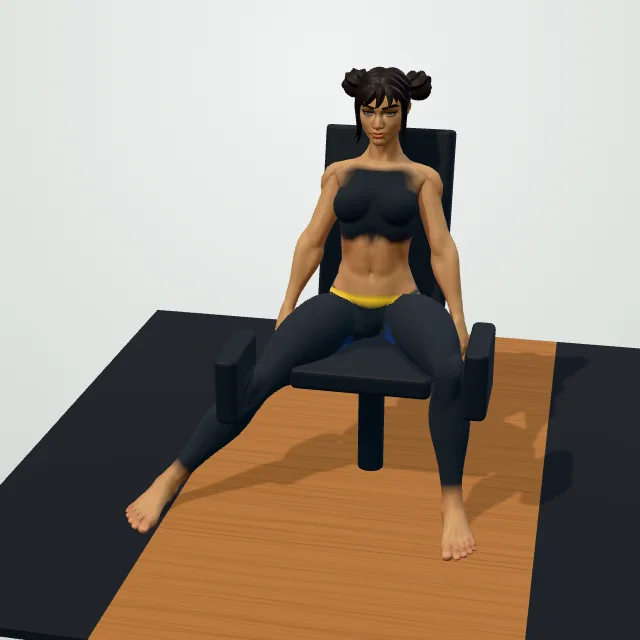
How to do it
- Adjust the machine so the pads sit against the outside of your knees.
- Sit back fully with your back flat against the pad.
- Brace your core before starting the movement.
- Push your knees outward under control to the widest comfortable point.
- Pause briefly at the top of the range.
- Return slowly without letting the weight stack slam down.
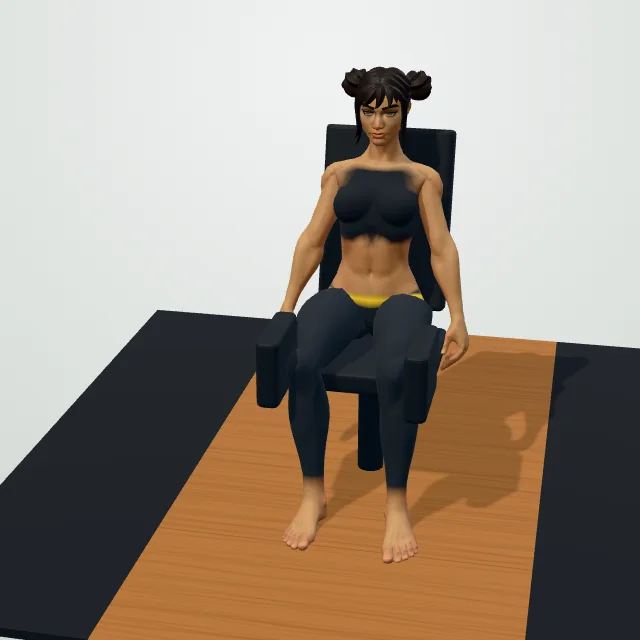
Coach cues
- Sit back, back flat.
- Push knees apart, stay controlled.
- Pause at the widest point.
- Return slowly, no slamming.
Breathing: Breathe out as you push your knees apart, breathe in as you return them together.
Common mistakes
Make it easier / Make it harder
Sets and reps by goal
| Goal | sets | reps | Rest |
|---|---|---|---|
| Strength | 3–5 | 6–8 | 90–120 s |
| Muscle growth | 3–4 | 10–15 | 60–90 s |
| Endurance | 2–3 | 15–20 | 30–60 s |
The hip abduction machine is a seated gym machine with padded arms that rest against the outside of your knees. You push your legs apart against the machine's resistance, isolating the muscles on the side of your hip.
Muscles worked and why the seated position helps
The outer hip muscles (abductors, mainly the glute medius and minimus) drive the movement, with the glute max assisting. Because you are seated and supported, the machine removes balance and core-stability demands almost entirely, letting you push these often-underused muscles directly to fatigue in a way that is hard to do with floor-based exercises like clamshells.
Benefits
The outer hip muscles help keep your pelvis level and your knees tracking correctly during walking, running, and single-leg work — a machine lets you load that pattern directly and progressively, adding small weight increases each week. It is also joint-friendly, with no impact and a fixed, controlled path, which makes it a reasonable option for people easing back into training after a hip or knee issue, with a doctor's or physiotherapist's clearance.
Technique in detail
Adjust the machine so the pads sit against the outside of your knees when your legs are together, and set the seat back angle if the machine allows it — a more upright position emphasizes the glute more than a reclined one. Sit back fully against the pad, brace your core, and push your knees outward under control, avoiding a sudden jerky start. Pause briefly at the widest point of the range, then return slowly rather than letting the weight stack slam down, which is the easiest way to lose most of the muscle-building benefit.
How to program it
3 sets of 12–15 reps works well as an accessory exercise after your main lower-body lifts, since this machine is best used to add targeted volume rather than as your primary hip or glute exercise. Increase weight gradually, in small steps, once you can complete every rep with a controlled return — chasing heavy weight here usually just adds momentum rather than muscle work. Train it once or twice a week, and give the outer hips 48 hours before hitting them hard again if you also do heavy squats or lunges in the same week.
Machine vs. band and bodyweight alternatives
If a hip abduction machine is not available, a lateral band walk or clamshell trains a similar pattern with a resistance band and no equipment beyond that. The machine has the advantage of easy, precise weight progression; band exercises are more portable and add a stability challenge the seated machine does not. Many people use both across the week: the machine for progressive overload, band work for warm-ups and travel days.
Abduction machine vs. adduction machine
These two machines are often placed side by side in a gym and are easy to confuse. The abduction machine pushes your knees apart, training the outer hip; the hip adduction machine pulls your knees together, training the inner thigh. They train opposite muscle groups around the same joint, and many lifters use both in the same session, since strong hips in both directions support better balance and joint control overall.
Safety notes
Avoid twisting your torso or leaning heavily to one side to push more weight — keep your back flat against the pad throughout. Anyone with hip impingement or recent hip surgery should check the safe range of motion with a physiotherapist before using this machine. Stop if you feel pinching or sharp pain in the hip joint rather than a muscular burn on the outside of your hip.
Where it fits in your workout
Because it is an isolation exercise with a fixed, supported path, the hip abduction machine works well later in a lower-body or glute workout, after compound lifts like squats or hip thrusts have already done the heavier work. Using it earlier as an "activation" set with light weight can also help you feel your outer glutes working before a squat session, though the evidence that this changes squat performance is mixed — treat it mainly as useful extra volume rather than a required warm-up step.
More exercises for glutes
Questions people ask
What muscles does the hip abduction machine work?
How do you use a hip abduction machine correctly?
Are hip abduction machines good for glutes?
What is the difference between the abduction and adduction machine?
What is a good hip abduction machine alternative?
Can the hip abduction machine help with knee pain?
Does the seat angle on a hip abduction machine matter?
General fitness information, not medical advice. Check with a doctor or physiotherapist before starting if you have a health condition, an injury or are pregnant. Stop if you feel chest pain, dizziness or sharp pain.