Forearms and grip · Gym
Reverse curl: overhand grip for bigger forearms and grip strength
The reverse curl flips your grip palms-down, shifting the work toward the brachialis and forearm extensors. Here is the technique, the muscles it builds, and how to program it.
- Level
- Beginner
- Type
- Isolation · Both sides together
- Sets × reps
- 3 × 10-12 reps
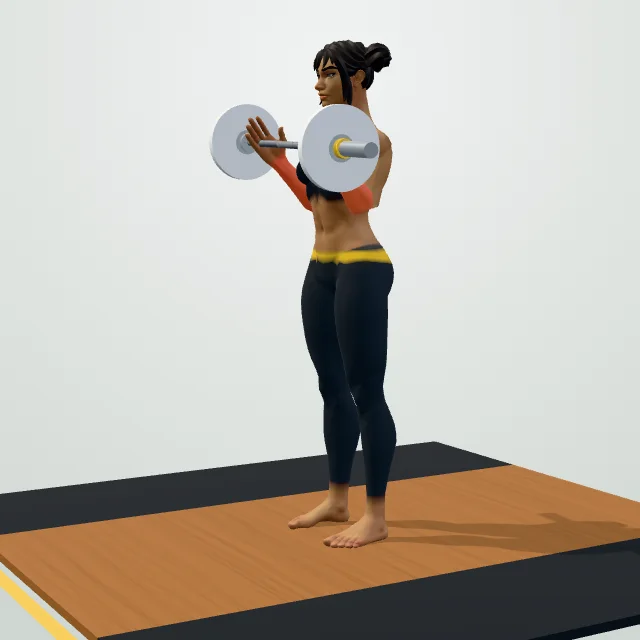
How to do it
- Grip an EZ-bar or straight bar with palms facing down.
- Stand tall with elbows pinned to your sides.
- Curl the bar up using only the elbows.
- Keep the wrist neutral, not curling forward.
- Squeeze briefly at the top of the rep.
- Lower slowly back to the starting position.
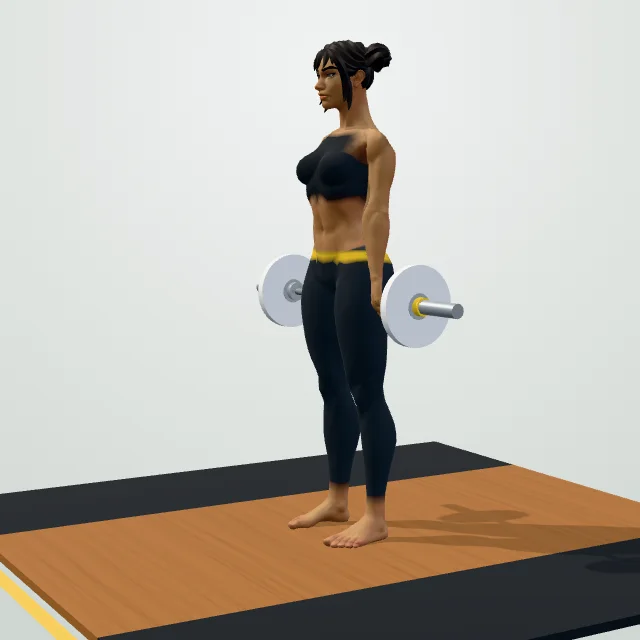
Coach cues
- Palms face down, grip firm.
- Elbows stay pinned to your sides.
- Curl up, keep the wrist steady.
- Lower slowly, no swinging.
Breathing: Breathe out as you curl the bar up, and breathe in as you lower it back down.
Common mistakes
Make it easier / Make it harder
Sets and reps by goal
| Goal | sets | reps | Rest |
|---|---|---|---|
| Strength | 3–5 | 6–8 | 90–120 s |
| Muscle growth | 3–4 | 10–15 | 60–90 s |
| Endurance | 2–3 | 15–20 | 30–60 s |
The reverse curl is a bicep curl done with an overhand (pronated) grip — palms facing down instead of up. That grip change shifts more of the workload onto the brachialis and brachioradialis, and adds direct training for the wrist extensors, making the reverse curl one of the more targeted exercises for building bigger, stronger forearms alongside the arms.
It is usually done with an EZ-bar, since the angled grip is gentler on the wrist in this position than a straight bar, though a straight bar, dumbbells or a cable also work. See the forearms and grip hub for how it fits alongside other grip-building exercises.
Muscles the reverse curl works
The overhand grip changes the leverage of the elbow flexors: the brachialis, which sits underneath the biceps, and the brachioradialis, which forms the ridge along the top of the forearm, both take on more of the work than in a standard curl. The biceps brachii still contributes but less than usual, since the pronated grip places it at a mechanical disadvantage. The wrist and finger extensors on the top of the forearm also work hard to keep the bar from rolling out of your hands, which is the main reason this exercise is so effective for grip and forearm size.
Benefits of the reverse curl
- Bigger forearms: direct work for the brachioradialis and wrist extensors that a standard curl barely touches.
- Stronger grip: carries over to rows, deadlifts, farmer's carries and pull-ups.
- Elbow health: training the wrist extensors is often recommended alongside curls to balance the forearm and support elbow tendon health.
- Adds arm width: a well-built brachialis pushes the biceps up, contributing to overall arm size.
Technique: grip, path and tempo
Grip an EZ-bar or straight bar with palms facing down (overhand), hands at shoulder width. Stand tall with elbows pinned to your sides, and curl the bar up using only the elbows — this grip makes it harder to lift heavy, so resist the temptation to lean back or use your hips. Because the wrist extensors are working hard to keep the bar level, expect your grip to fatigue faster than on a regular curl; that is normal for this exercise. Lower slowly over 2–3 seconds, keeping the wrist locked in a neutral, slightly bent-back position rather than letting it curl forward.
Use noticeably lighter weight than your standard curl — the biomechanics of the overhand grip mean this exercise is simply less strong for most people, and trying to match your regular curl weight is the fastest way to lose form.
How to program the reverse curl
| Goal | Sets | Reps | Rest |
|---|---|---|---|
| Strength | 3 | 8–10 | 90 seconds |
| Muscle (hypertrophy) | 3 | 10–12 | 60–90 seconds |
| Endurance | 2–3 | 15+ | 45 seconds |
Because grip fatigue limits this exercise more than muscle fatigue at first, most people do it toward the end of an arm session, after heavier curls, so grip is not a limiting factor on the bigger lifts. Add small increases in weight or reps over time using the progressive overload guide, and see the sets and reps guide for adjusting volume to your goal.
Variations and progressions
- Dumbbell reverse curl: lets each arm move independently and is easier on the wrists for some lifters.
- Cable reverse curl: keeps constant tension through the range — see cable machine exercises.
- Reverse preacher curl: combine the overhand grip with a preacher bench for a stricter, more isolated version.
- Single-arm reverse curl: useful for correcting a weaker grip side.
If your forearms and grip are the priority, pair this with the wrist curl for the flexor side, and the hammer curl, which sits between a standard and reverse grip.
Reverse curl vs hammer curl
Both exercises reduce biceps involvement compared with a standard curl and increase the load on the brachialis and forearm. The hammer curl uses a neutral grip (palms facing each other), which is a middle ground — still fairly strong, and comfortable for most wrists. The reverse curl's fully overhand grip is more specialized for forearm and grip development, but is also the weakest position of the three, so expect to use meaningfully less weight than on a hammer curl.
Safety and who should modify it
The overhand grip stresses the wrist extensors and the tendons around the elbow more than other curl variations, so start with light weight and build up gradually — this is not the exercise to load aggressively on day one. If you have any history of tennis elbow (lateral epicondylitis), be cautious, as this movement directly loads the muscles that attach at that tendon; keep the weight light and stop if you feel sharp pain rather than normal fatigue.
More exercises for forearms and grip
Questions people ask
What muscles does the reverse curl work?
Why is the reverse curl so much weaker than a regular curl?
Is the reverse curl good for forearm size?
Reverse curl or hammer curl — which should I do?
Can the reverse curl help with tennis elbow?
What bar should I use for reverse curls?
General fitness information, not medical advice. Check with a doctor or physiotherapist before starting if you have a health condition, an injury or are pregnant. Stop if you feel chest pain, dizziness or sharp pain.