General fitness · Beginner
Low impact workout for seniors: move safely and steadily
This low-impact workout for seniors and beginners takes about 25 minutes, three times a week, and uses gentle bodyweight exercises with a chair nearby for balance. Nothing here involves jumping or high-impact movement, and every exercise can be made easier by holding onto something sturdy.
Your week
Sessions
Gentle full body
| Exercise | sets | Rest | |
|---|---|---|---|
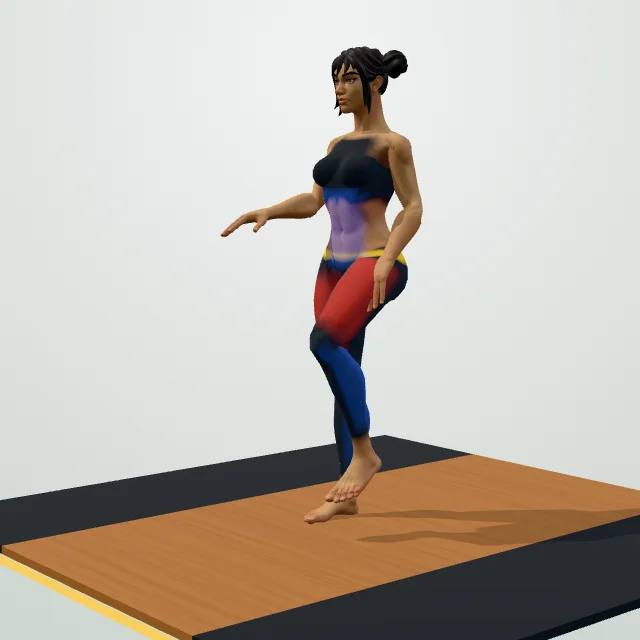
| Marching in Place | 1 × 60 s per side | 30 s |
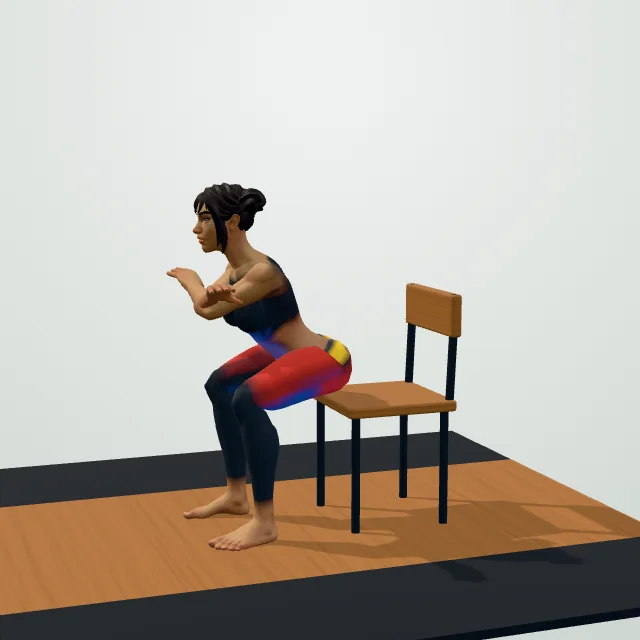 | Sit-to-Stand (Chair Squat) | 2 × 8-12 | 60 s |
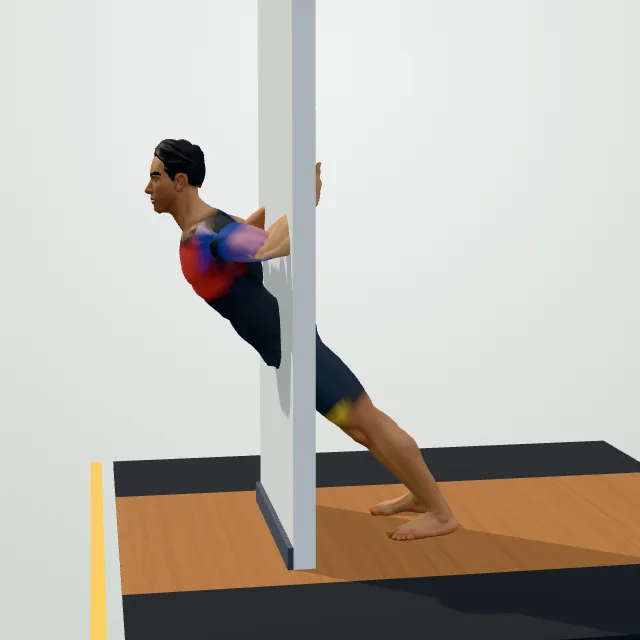 | Wall Push-Up | 2 × 10-12 | 60 s |
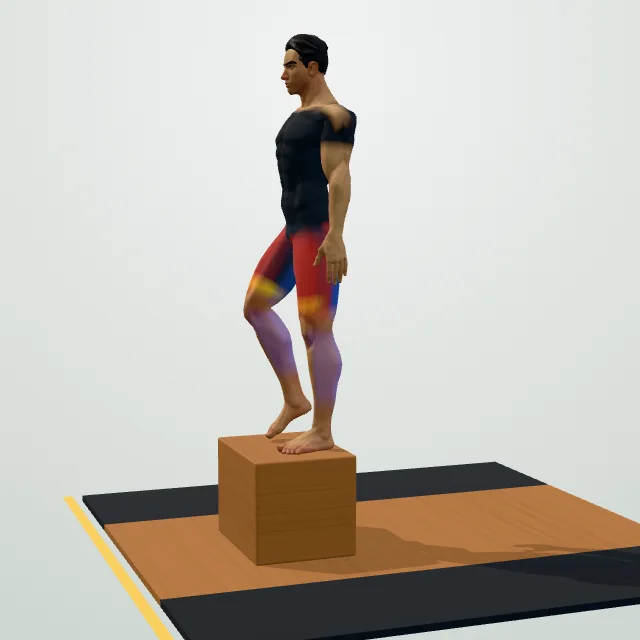 | Step-Up | 2 × 8 per side | 60 s |
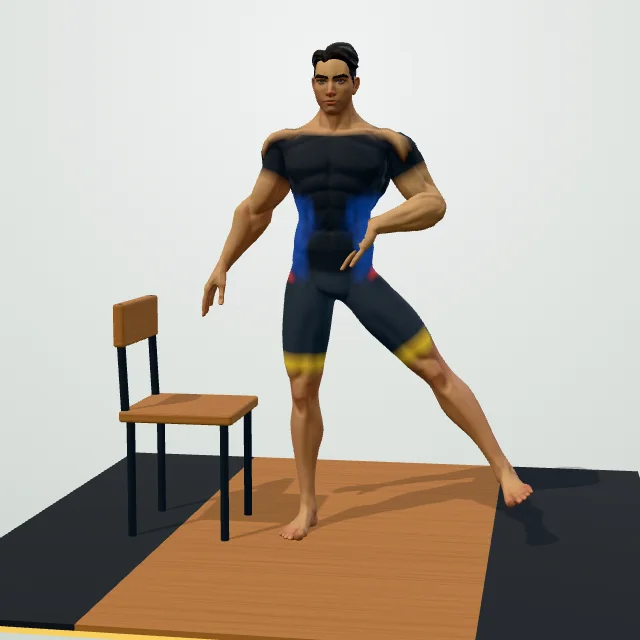 | Standing Side Leg Raise | 2 × 10 per side | 45 s |
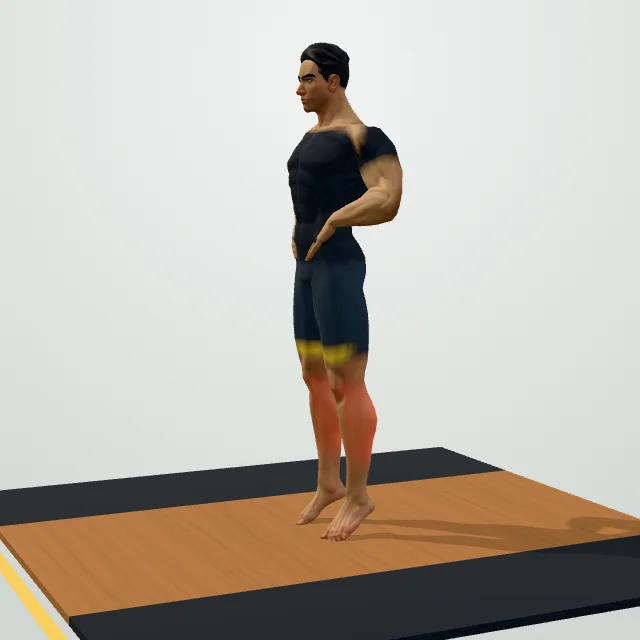 | Bodyweight Calf Raise | 2 × 12 | 45 s |
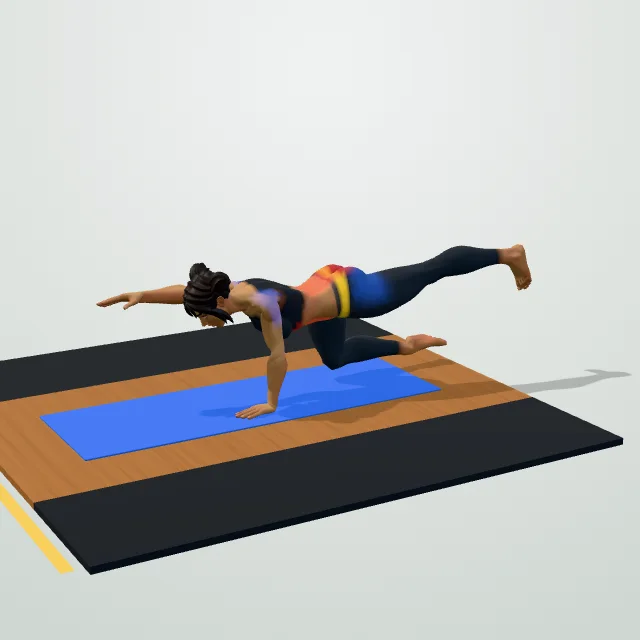 | Bird Dog | 2 × 8 per side | 45 s |
How to progress
- Hold a chair or a counter for balance whenever you need it.
- Ask your doctor before starting if you have heart, lung, joint or balance problems.
A low-impact workout for seniors uses controlled, joint-friendly movements — marching, sit-to-stands, wall push-ups and gentle balance work — instead of jumping or running, so it lowers the risk of falls and joint strain while still building real strength. This routine takes about 25 minutes, three days a week, and is a safe, structured starting point whether you are new to exercise, returning after a long break, or managing joint discomfort.
Who this low-impact workout is for
This plan is designed for older adults and complete beginners of any age who want a gentle way to build strength, balance and mobility without high-impact movement. If you already exercise regularly and want more challenge, the beginner full-body workout or resistance band workout are reasonable next steps once this routine feels easy.
Ask your doctor before starting if you have a heart, lung, joint or balance condition, or have had a recent surgery or fall.
How to run the session
Do the seven exercises in order, always with a sturdy chair or counter within reach: marching in place, sit-to-stand, wall push-up, step-up, standing side leg raise, calf raise and bird dog. Move at a pace where you can still talk in full sentences throughout — this is not meant to leave you breathless. Rest 30–60 seconds between sets, and take longer if you need it; there is no benefit to rushing between exercises in a program like this one.
How hard each set should feel
Effort should feel moderate, not maximal — you should finish each set feeling like you worked, not like you pushed to your absolute limit. Hold a chair or counter with one or both hands for every exercise if that helps you feel steady; this is not a sign of doing the exercise "wrong," it is how the movement is meant to be used for balance support. A little muscle fatigue and mild breathlessness during the marching and step-ups is expected and normal.
Stop and rest if you feel chest pain, dizziness, unusual shortness of breath or sharp joint pain, and seek medical attention if it does not pass quickly.
How to progress week to week
Progress slowly and in small steps: once 2 sets of 8 sit-to-stands feels comfortable, move to 2 sets of 12, and only after that consider doing the movement without holding the chair at all, if your balance allows. For step-ups, a very low step or stair is enough to start; increase the height only once the lower step feels easy for both sets. This routine follows the WHO and CDC guidance for older adults: aim to build toward 150 minutes of moderate activity a week, include muscle-strengthening activity on 2 or more days, and add balance training if you are at risk of falls — this plan already covers both. Any progress, even small, meaningfully reduces fall risk and supports independence, so there is no need to rush.
Adapting the workout: fewer exercises, seated options, more support
If standing balance is difficult, do the standing side leg raise and calf raise seated instead, or do the whole session seated in a stable chair, focusing on the sit-to-stand, seated marching and seated arm movements. If 25 minutes feels like too much at first, start with just 2–3 exercises and 1 set each, and add more only as it feels manageable. For extra support, do every exercise next to a wall or with a helper nearby until your confidence builds. There is no requirement to do every exercise from week one — building the habit of moving three times a week matters more than completing the full session immediately.
Recovery basics
Rest at least a day between sessions, and take an extra day if you feel unusually tired or sore — there is no benefit to pushing through fatigue in a program like this. Mild muscle tiredness the next day is normal and usually fades within a day or two; sharp joint pain, swelling or pain that gets worse over days is not normal, and you should mention it to your doctor. Staying hydrated and getting enough protein at meals supports muscle maintenance, which becomes more important, not less, with age.
Common mistakes with a low-impact routine
- Trying to skip the chair for support: using a chair or counter is a normal, sensible part of these exercises, not a sign of weakness. Use it as long as it helps you feel steady.
- Rushing sit-to-stands: standing up quickly increases the chance of losing balance. Stand and sit at a controlled, steady pace.
- Holding your breath during effort: breath-holding can raise blood pressure suddenly. Breathe out as you push up or stand, and in as you lower down.
- Pushing through joint pain: mild muscle effort is expected, but sharp or worsening joint pain is a signal to stop that exercise and check with a doctor or physiotherapist.
- Doing too much too soon: adding sets or reps faster than your body adapts raises injury risk without extra benefit. Small, steady increases work better over months.
What to do next
Read the exercise for seniors guide for more background on safe activity levels, or the exercise for lower back pain and exercise for knee pain guides if a specific joint is a concern. Use the plan builder to adjust the days or exercises to fit your week, and once this routine feels comfortable, the resistance band workout is a gentle way to add a little more resistance.
Questions people ask
Is a low-impact workout enough exercise for seniors?
Do I need any equipment for this workout?
Should I check with a doctor before starting?
What if I cannot balance without holding something?
Is it normal to feel some muscle soreness after this workout?
Can this routine help with falls?
How do I know when to make an exercise harder?
General fitness information, not medical advice. Check with a doctor or physiotherapist before starting if you have a health condition, an injury or are pregnant. Stop if you feel chest pain, dizziness or sharp pain.