Abs and core · Home, no equipment
Bird dog exercise: stability for your spine and hips
The bird dog has you extend one arm and the opposite leg from an all-fours position, training your lower back and core to keep your spine steady while your limbs move.
- Primary
- Lower backAbs
- Secondary
- GlutesRear delts
- Level
- Beginner
- Type
- Compound · Alternate sides
- Sets × reps
- 3 × 10 reps per side
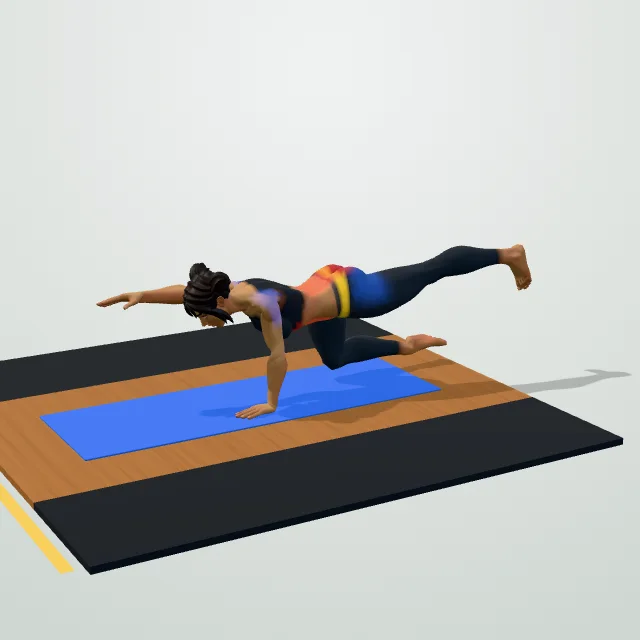
How to do it
- Start on hands and knees, spine neutral.
- Brace your core.
- Extend one arm forward, opposite leg back.
- Keep hips and shoulders square to the floor.
- Hold briefly, then return under control.
- Repeat on the other side.
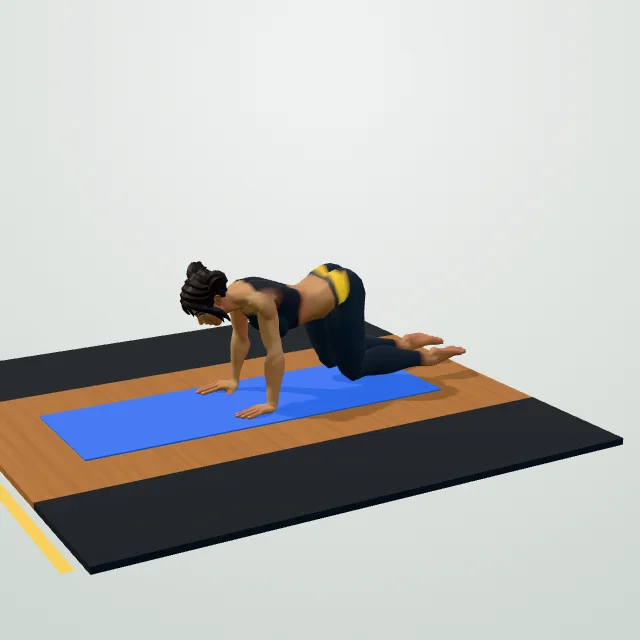
Coach cues
- Brace your core first.
- Reach opposite arm and leg together.
- Keep hips and shoulders level.
- Move slowly, stay steady.
Breathing: Breathe out as you extend your arm and leg, in as you return to the start.
Common mistakes
Make it easier / Make it harder
Sets and reps by goal
| Goal | sets | reps | Rest |
|---|---|---|---|
| Strength | 4–5 | 3–6 | 2–4 min |
| Muscle growth | 3–4 | 6–12 | 90–150 s |
| Endurance | 2–3 | 15–25+ | 30–60 s |
The bird dog exercise starts on your hands and knees, then has you extend one arm forward and the opposite leg back at the same time, holding briefly before switching sides. Like its close relative the dead bug, it trains your core to resist movement rather than create it, but from an upright, weight-bearing position instead of lying on your back.
Muscles worked and why balance matters
Your lower back and deep core muscles work continuously to keep your spine level and your hips square while your extended arm and leg try to pull you off balance, with your glutes and rear shoulder muscles helping drive the extension. The real test of the exercise is not how far you reach, but whether your hips and shoulders stay level and your lower back stays neutral throughout — any rocking or twisting means the weight you're trying to stabilize has beaten your control.
Benefits
The bird dog builds the kind of core and lower-back stability that supports a neutral spine during squats, deadlifts, and daily bending or lifting, and can help reduce strain on the lower back over time. It also trains balance and coordination between opposite limbs, useful for walking, running, and general movement quality. Because it loads the spine gently and keeps it in a neutral position, it is a common exercise recommended for people managing lower back sensitivity, though anyone with an existing back condition should confirm with a physiotherapist that it is right for them.
Technique in detail
Start on your hands and knees, hands under your shoulders and knees under your hips, with your spine in a neutral position — not arched, not rounded. Brace your core, then extend one arm straight forward and the opposite leg straight back at the same time, keeping both roughly parallel to the floor without lifting them higher just to look impressive. Hold the extended position briefly, keeping your hips and shoulders square to the floor, then return to the start under control and switch to the other side.
How to program it
3 sets of 8–10 reps per side is a good target, holding each extended position for 1–3 seconds and prioritizing a still, level spine over how far you reach. Bird dogs work well as a warm-up activation drill before heavier lifting, or as part of a dedicated core and lower-back session, and they pair naturally with the dead bug for a well-rounded anti-movement core routine. Train it 2–3 times a week.
Variations and progressions
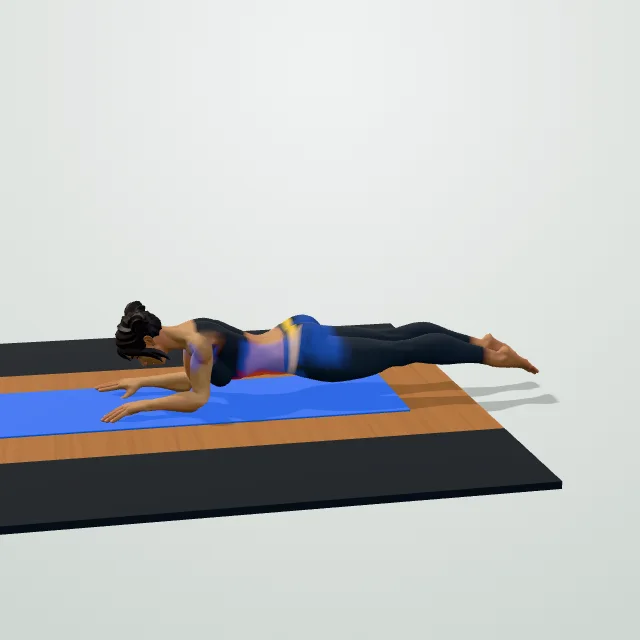
If holding your balance is difficult at first, extend just the arm or just the leg on their own before combining them, or shorten the reach so your limbs stay closer to the floor. Once the basic pattern feels solid, add a light ankle weight, hold each rep for longer, or draw a small square with your extended hand and foot without letting your torso move, which adds an extra balance challenge. The superman is a related exercise that extends both arms and both legs at once from a lying position.
Bird dog for lower back pain and posture
Because the bird dog trains the spine to stay stable rather than move, it is frequently included in general back-health and posture programs alongside gentle mobility work. It should feel like controlled effort, not pain — if any position causes back discomfort, shorten the reach or reduce how far you extend your arm and leg, and check with a physiotherapist if the discomfort continues.
Safety notes
The most common mistake is letting the hips tilt or the lower back sag or arch as the limbs extend, which shifts strain away from the core and onto the spine — if this happens, shorten your range until your hips and shoulders stay level. Anyone with acute lower back pain, a recent surgery, or a balance-affecting condition should get guidance from a physiotherapist before adding this exercise. Breathe steadily throughout, and avoid holding your breath.
Where it fits in a workout
The bird dog works well as a warm-up activation drill before squats or deadlifts, teaching your core and lower back to stay stable before you load them, or as part of a dedicated abs workout. It also appears often in programs built around the exercise for lower back pain guide, alongside other gentle, spine-friendly core movements.
Workout plans with this exercise
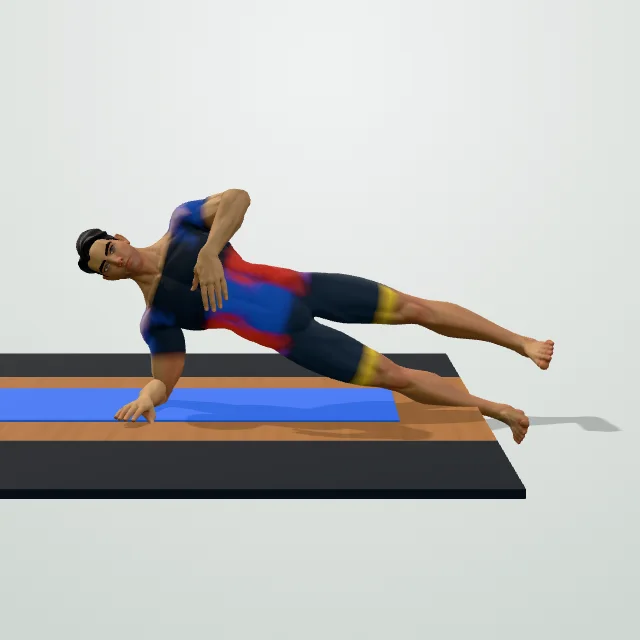
More exercises for abs and core
Questions people ask
How do you do a bird dog correctly?
What muscles does the bird dog work?
Is the bird dog good for lower back pain?
How do you make the bird dog easier?
How do you make the bird dog harder?
What is a good pairing for the bird dog?
Why do my hips rock during the bird dog?
General fitness information, not medical advice. Check with a doctor or physiotherapist before starting if you have a health condition, an injury or are pregnant. Stop if you feel chest pain, dizziness or sharp pain.