General fitness · Beginner
Resistance band workout: full-body strength anywhere
This resistance band workout trains your chest, back, legs, shoulders, arms and core with one long resistance band, in about 30 minutes, three times a week. It packs down small enough to travel with, so it works just as well in a hotel room as it does at home.
Your week
Sessions
Band full body
| Exercise | sets | Rest | |
|---|---|---|---|
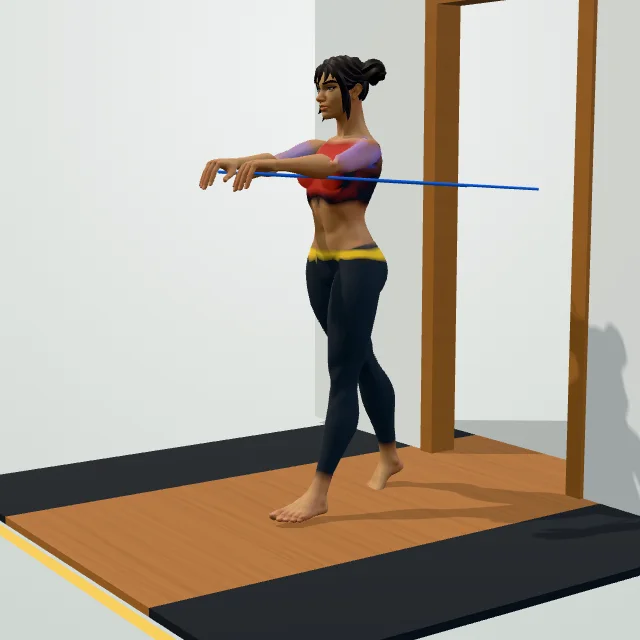
| Resistance Band Chest Press | 3 × 12-15 | 45 s |
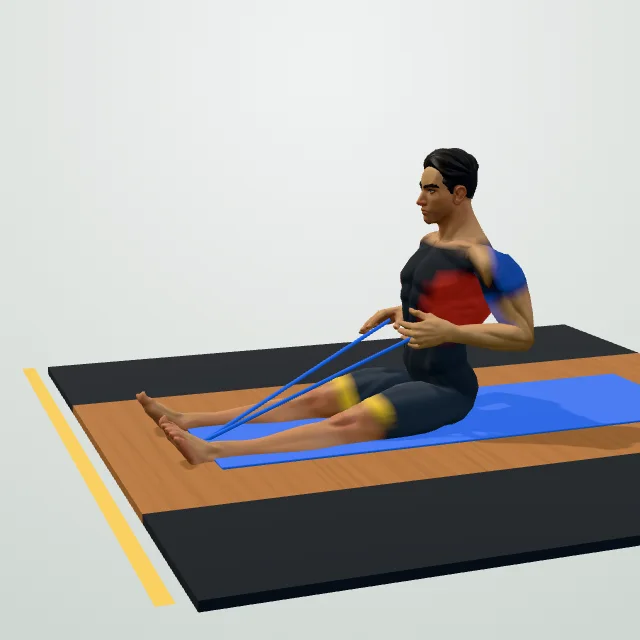 | Resistance Band Row | 3 × 12-15 | 45 s |
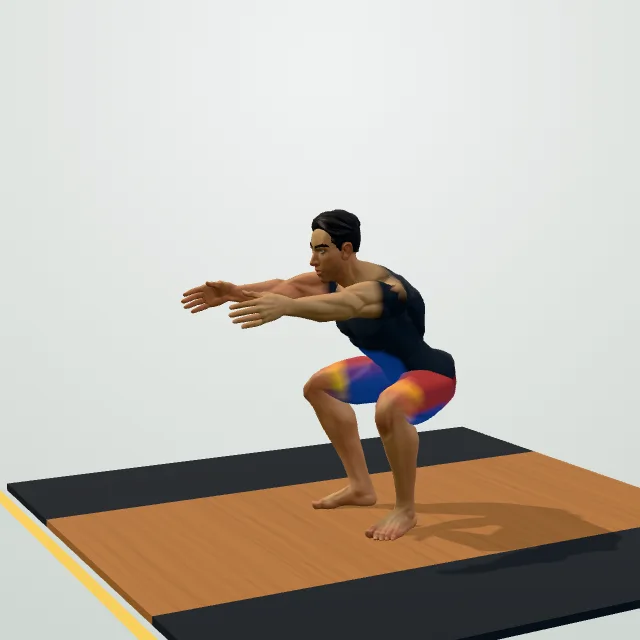 | Bodyweight Squat | 3 × 15 | 45 s |
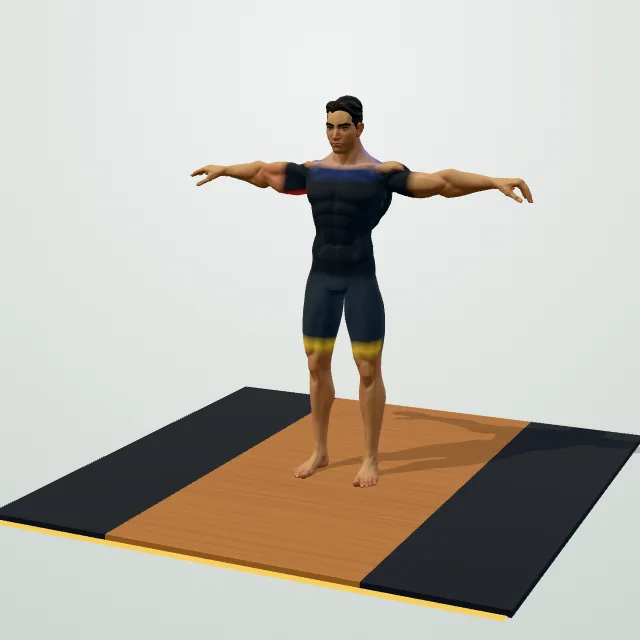 | Band Pull-Apart | 3 × 15-20 | 30 s |
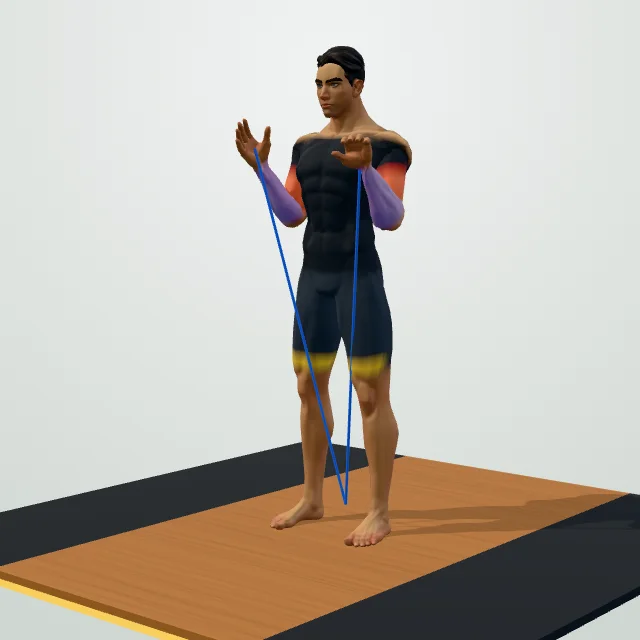 | Resistance Band Bicep Curl | 3 × 12-15 | 30 s |
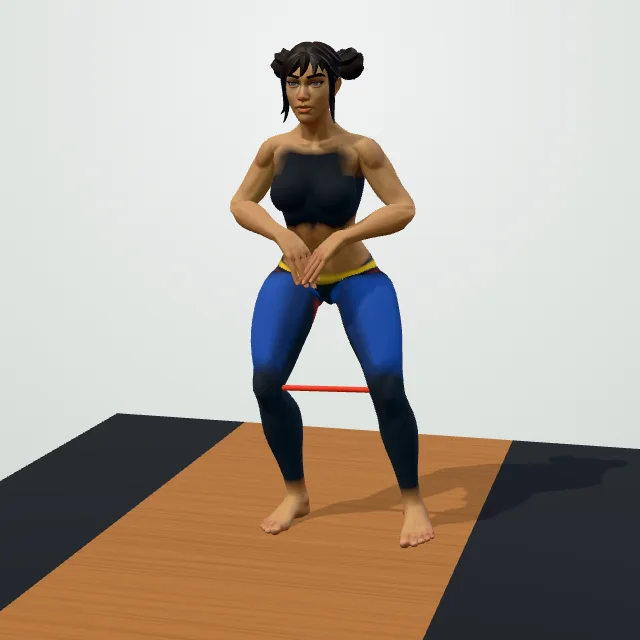 | Lateral Band Walk | 3 × 12 per side | 30 s |
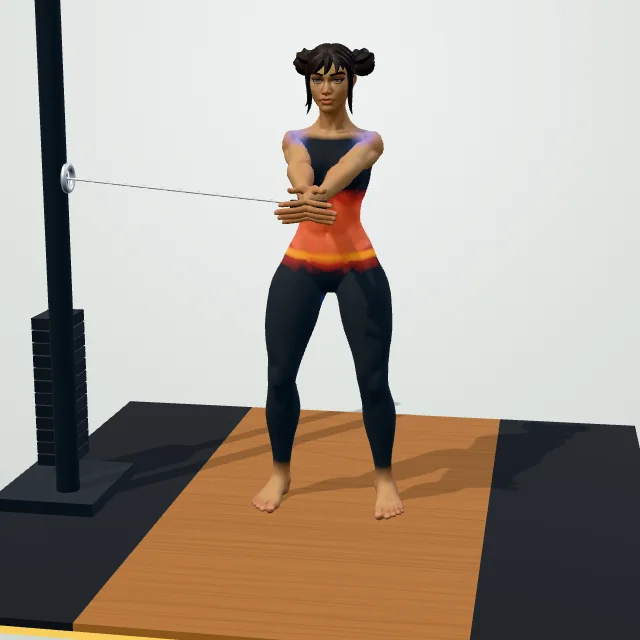 | Pallof Press | 3 × 10 per side | 30 s |
How to progress
- Move to a stronger band, or shorten the band, when 15 reps feel easy.
A resistance band workout can train your whole body using nothing more than a single long loop band, which makes it one of the most portable and affordable ways to keep training strength when you do not have access to a gym. This full-body routine uses seven exercises across roughly 30 minutes, covering pushing, pulling, squatting, shoulder health and core stability, and repeats three times a week.
Who this resistance band workout is for
This plan suits anyone training at home, traveling without gym access, or returning to exercise after time off and wanting something gentler on the joints than free weights. Bands are especially useful for shoulder and rotator cuff health because the resistance stays constant rather than dropping off at the top of a lift the way gravity-based weights do. If you already have dumbbells at home, the full-body dumbbell workout is a natural companion or alternative, and if you are newer to structured exercise, the low-impact workout for seniors is an even gentler starting point.
How to run the session
Anchor the band under a sturdy door, around a pole, or under your feet depending on the exercise, then work through the band chest press, resistance band row, bodyweight squat, band pull-apart, band bicep curl, lateral band walk and pallof press in order. This sequence alternates pushing and pulling movements so no single muscle group has to work twice in a row, and finishes with two core-focused exercises. Rest 30–45 seconds between sets — bands allow shorter rests than heavy free-weight training because the resistance is more forgiving on your joints and nervous system.
How hard each set should feel
Choose a band thickness (or fold the band to shorten it) so that the last few reps of each set feel genuinely hard while your form stays clean — bands get harder as you stretch them further, so the end of the rep range is naturally more challenging than the start, which is normal and expected. On the band chest press and row, you should feel real tension throughout the whole rep, not just at the very end. On the pallof press, resist the band’s pull to rotate your torso rather than letting it twist you — that anti-rotation control is the whole point of the exercise, not a side effect.
How to progress week to week
Move to a stronger band, or shorten your grip on the same band, once 3 sets of 15 reps feels easy with good control — both changes increase the resistance without buying new equipment. Bands typically come in a few fixed strength levels (light, medium, heavy), so progressing often means a bigger jump than the 5–10% steps described in the progressive overload guide; expect to spend a few weeks adjusting to a new band strength before it feels as controlled as the last one did. Because resistance bands do not have a fixed weight in kilograms, tracking your progress by reps completed and how controlled the last few reps feel works better than trying to compare band colors between brands.
Adapting the workout: home, missing equipment, fewer exercises
No door anchor: loop the band around a sturdy table leg or a low, secure railing instead, always checking it will not slip before loading it with your full effort. Only have one resistance level: increase reps toward the top of a wider range (say, up to 20) rather than stopping at 15, or add a short pause at the hardest point of the movement to increase time under tension. If you are short on time, keep the band chest press, resistance band row and bodyweight squat — the three exercises covering the biggest muscle groups — and add the rest back in on your next session.
Recovery basics
Because bands are gentler on the joints than heavy free weights, recovery between sessions tends to be quicker, but still give each muscle group at least a day off between hard sessions where possible. Mild muscle fatigue the next day is normal (see the muscle soreness guide) and usually settles within a day or two once your body adapts to the new stimulus. Inspect your bands regularly for small nicks or tears before each session, since a band failing under tension can snap back sharply.
Common mistakes with resistance band training
- Letting the band go slack at the start of a rep: this removes tension exactly when your muscles are freshest. Keep light tension on the band even at the starting position.
- Choosing a band that is too easy: if the last reps of a set do not feel challenging, the band is too light or your grip is too loose. Shorten your hold or size up.
- Anchoring the band somewhere unstable: a door that swings open or a wobbly chair leg can cause a fall or a snap-back injury. Always test the anchor with light tension first.
- Rushing through reps: because bands feel lighter at the start of the movement, it is tempting to move fast. Slow, controlled reps recruit more muscle than fast, momentum-driven ones.
- Ignoring worn or frayed bands: a band with visible cracks or thin spots can snap unexpectedly. Replace bands showing wear before your next session, not after they fail.
What to do next
Use the plan builder to schedule this resistance band workout around your week, or check the home gym equipment guide if you are considering adding dumbbells or a pull-up bar next. Once this routine feels easy at your heaviest band, the full-body dumbbell workout or kettlebell workout for beginners are good next steps for more progressive overload.
Questions people ask
Do resistance bands actually build muscle?
Can I do this resistance band workout every day?
What resistance band strength should a beginner buy?
Is a resistance band workout effective for weight loss?
Can I do this workout while traveling?
How do I know if my resistance band is worn out?
Is this resistance band workout suitable for seniors?
General fitness information, not medical advice. Check with a doctor or physiotherapist before starting if you have a health condition, an injury or are pregnant. Stop if you feel chest pain, dizziness or sharp pain.