Legs · Home, no equipment
The sit to stand exercise: a safe chair squat for beginners
Sit-to-stand, often called a chair squat, rebuilds the exact strength you use to get up from a chair, bed or toilet. It is one of the safest ways for seniors and beginners to start training the legs.
- Secondary
- HamstringsAbs
- Level
- Beginner
- Type
- Compound · Both sides together
- Sets × reps
- 2 × 8-12 reps
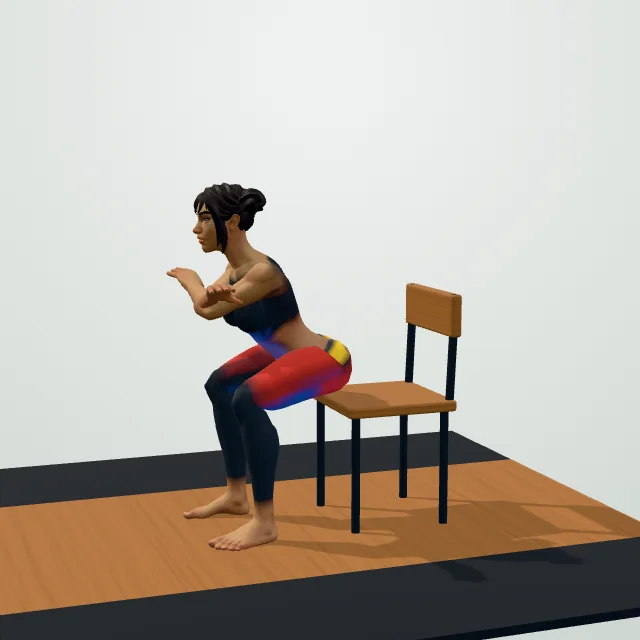
How to do it
- Sit toward the front edge of a sturdy, non-sliding chair.
- Place feet flat on the floor, hip-width apart, slightly behind your knees.
- Lean your chest forward slightly over your knees.
- Push through your feet to stand all the way up.
- Reach your hips back and bend your knees to lower down.
- Sit back onto the chair under control, not by dropping.
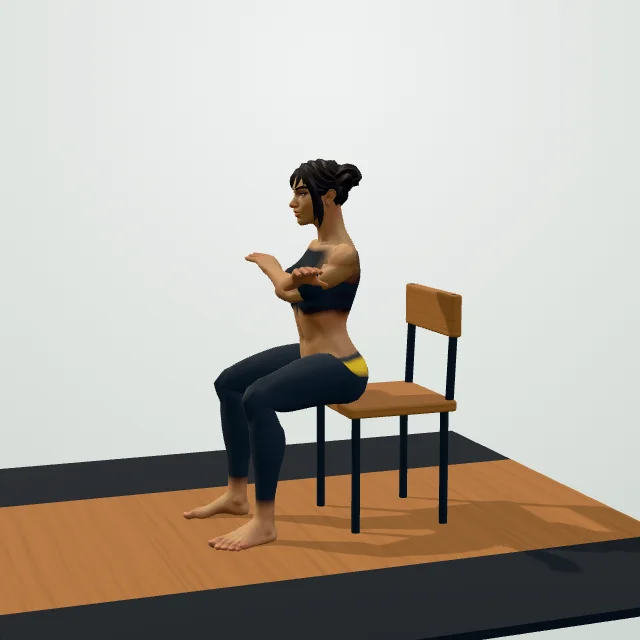
Coach cues
- Feet flat, slightly behind your knees.
- Lean your chest forward, then stand tall.
- Push through your whole foot.
- Sit back down slowly, don’t drop.
Breathing: Breathe out as you push up to stand; breathe in as you lower back down to the chair.
Common mistakes
Make it easier / Make it harder
Sets and reps by goal
| Goal | sets | reps | Rest |
|---|---|---|---|
| Strength | 4–5 | 3–6 | 2–4 min |
| Muscle growth | 3–4 | 6–12 | 90–150 s |
| Endurance | 2–3 | 15–25+ | 30–60 s |
The sit to stand exercise, also called a chair squat, is the movement of standing up from a seated position and sitting back down again with control. It looks simple, but it is one of the most useful exercises for seniors and beginners because it trains the exact strength and balance needed to get up from a chair, bed, car seat or toilet without help.
What muscles does the chair squat work?
Standing up from the chair mainly uses your quads and glutes — both covered in our leg exercises hub — the same muscles that power a regular squat, with the hamstrings assisting through the hip and the abs bracing to keep your torso steady. Because the chair sets a consistent, safe depth, this exercise trains those muscles through a controlled range without asking for the balance or ankle mobility that a full floor squat needs.
Sit to stand exercise benefits
- Builds everyday independence. It directly trains the movement of getting up from furniture, which is one of the most common daily strength demands as people age.
- Supports fall prevention. Stronger legs and better control lowering into a chair can help reduce the risk of a fall or a hard, uncontrolled drop into a seat.
- A safe starting point. The chair limits how deep you go and gives a stable reference point, making it a good first strength exercise for people new to training.
- No floor work needed. People who find it hard to get up and down from the floor can still train their legs fully seated in a chair.
How to do the sit to stand exercise
Sit toward the front edge of a sturdy chair with a solid back against a wall or a heavy piece of furniture so it cannot slide. Place your feet flat on the floor, hip-width apart, slightly behind your knees. Lean your chest forward slightly over your knees, then push through your feet to stand all the way up, using your hands on your thighs or the chair arms for support if you need it. Once standing tall, reverse the movement slowly, reaching your hips back and bending your knees to lower yourself back onto the chair under control rather than dropping the last few inches.
Beginners can use their hands on the chair arms or their thighs for a solid push; as strength improves, try crossing your arms over your chest or reaching them forward instead, using only your legs to stand.
How to program sit-to-stand for seniors and beginners
| Level | Sets | Reps | Rest |
|---|---|---|---|
| Just starting out | 1-2 | 5-8, using hands to assist | 60 sec |
| Building strength | 2 | 8-12, hands crossed or forward | 45-60 sec |
Two or three sessions a week is a reasonable starting frequency, in line with general activity guidance to include muscle-strengthening work on at least two days a week. Progress gradually — first by removing your hands, then by slowing the sit-down phase, then by trying a slightly lower or softer chair — rather than jumping straight to a harder version. This fits naturally into a low-impact workout for seniors and beginners.
Making it easier or harder
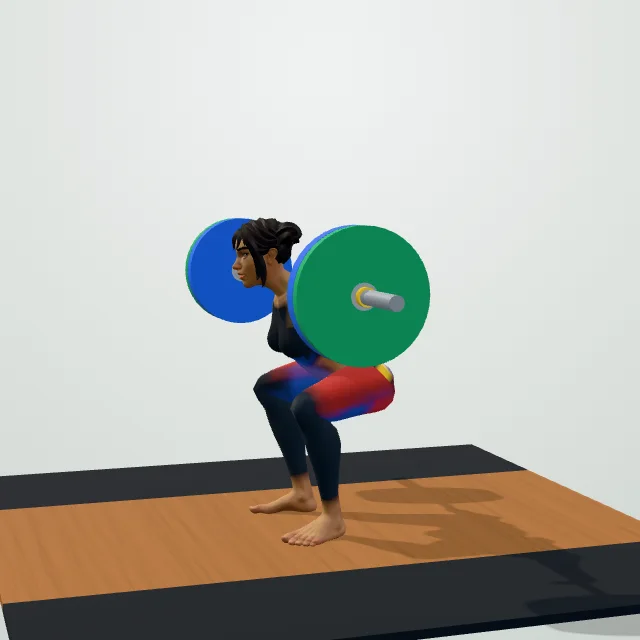
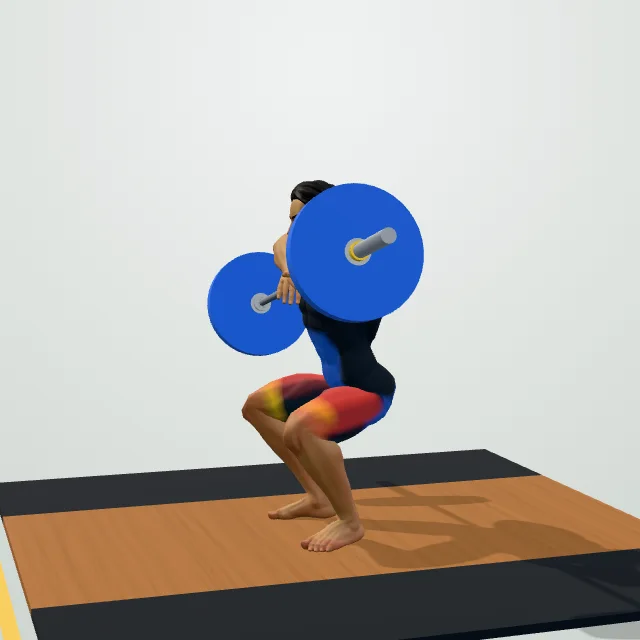
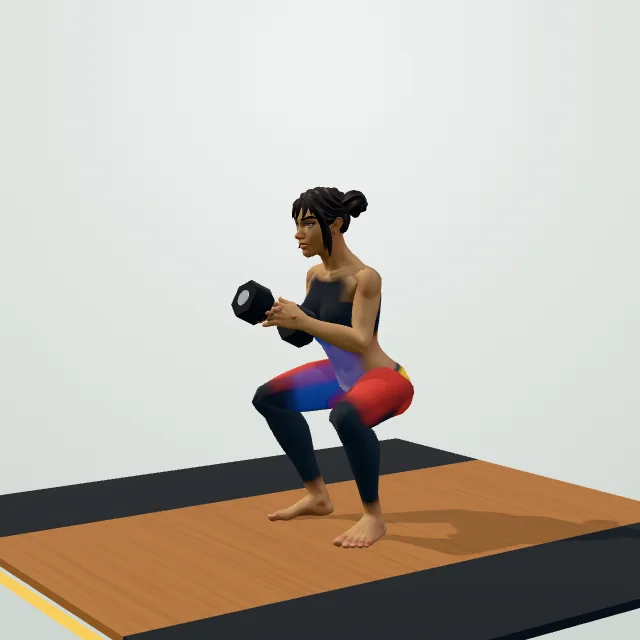
If standing up is still difficult, use a higher chair, a firm cushion to raise the seat, or push off the chair arms to help. As you get stronger, progress toward a bodyweight squat without a chair, or hold a wall sit to build the isometric leg strength that supports a controlled sit-down. Both are natural next steps once repeated chair squats feel comfortable and controlled.
Safety and who should take extra care
Always use a sturdy, non-sliding chair, ideally with its back against a wall. Never hold your breath through the effort, especially if you have high blood pressure or a heart condition — breathe out as you stand.
Stop and rest if you feel chest pain, dizziness, unusual shortness of breath, or sharp joint pain — normal muscle effort is expected, these signs are not. If you have had a recent fall, surgery, or a health condition affecting balance or blood pressure, check with a doctor or physiotherapist before starting a new strength routine, and always keep support nearby until you feel confident with the movement. Our exercise for seniors guide covers this in more depth.
Workout plans with this exercise
More exercises for legs
Questions people ask
What is a chair squat?
Is sit-to-stand a good exercise for seniors?
What muscles does the chair squat work?
How many sit-to-stands should I do?
Is sit-to-stand safe for people with knee pain?
How do I make sit-to-stand exercise easier?
How is a chair squat different from a regular squat?
General fitness information, not medical advice. Check with a doctor or physiotherapist before starting if you have a health condition, an injury or are pregnant. Stop if you feel chest pain, dizziness or sharp pain.