Abs and core · Home, no equipment
Dead bug exercise: teaching your core to stay still
The dead bug moves one arm and the opposite leg at a time while you lie on your back, training your core to keep your spine and pelvis still instead of curling or twisting.
- Primary
- Abs
- Secondary
- ObliquesHip flexors
- Level
- Beginner
- Type
- Compound · Alternate sides
- Sets × reps
- 3 × 10 reps per side
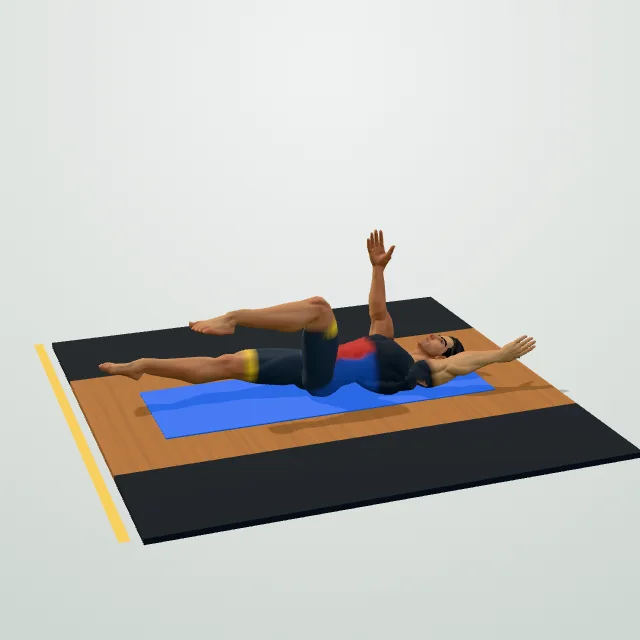
How to do it
- Lie on your back, arms reaching up, knees bent over hips.
- Press your lower back flat into the floor.
- Brace your core.
- Extend one arm overhead and the opposite leg out.
- Return to the start under control.
- Repeat on the other side.
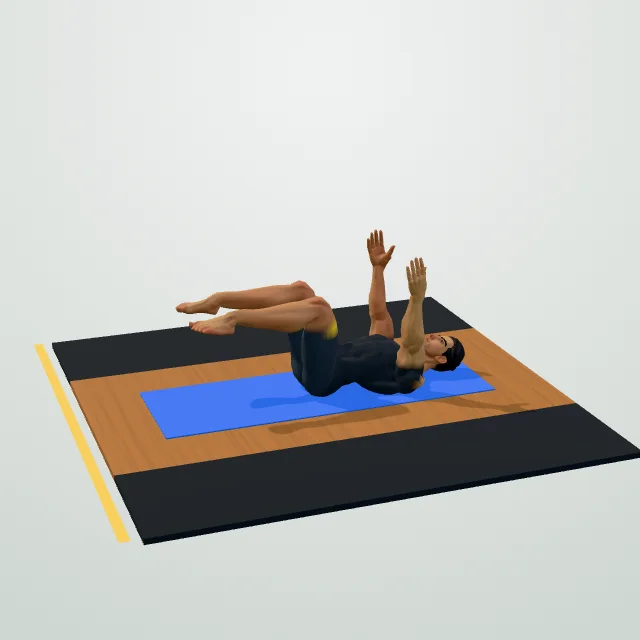
Coach cues
- Press your lower back flat.
- Brace your core before you move.
- Opposite arm and leg extend together.
- Move slowly, keep your torso still.
Breathing: Breathe out as you extend your arm and leg, in as you return to the start.
Common mistakes
Make it easier / Make it harder
Sets and reps by goal
| Goal | sets | reps | Rest |
|---|---|---|---|
| Strength | 4–5 | 3–6 | 2–4 min |
| Muscle growth | 3–4 | 6–12 | 90–150 s |
| Endurance | 2–3 | 15–25+ | 30–60 s |
The dead bug exercise has you lie on your back and slowly extend one arm and the opposite leg at the same time, then bring them back, all while keeping your lower back pressed flat against the floor. It looks simple, but it is one of the most effective ways to train your core to resist movement rather than create it.
Muscles worked and why "doing nothing" is the point
Your abs, particularly the deep muscles that wrap around your spine, work the whole time to keep your lower back flat and your pelvis still while your limbs move independently, with your hip flexors and obliques assisting in controlling the leg and rotational forces. Unlike a crunch or sit-up, the dead bug does not ask your abs to shorten and curl — it asks them to brace and prevent unwanted movement, which is exactly the job your core does during squats, deadlifts, and overhead lifts.
Benefits
The dead bug builds core stability that supports a neutral spine under load, which can help reduce strain during lifting and everyday bending. It is gentle on the lower back compared with sit-ups or crunches, making it a common recommendation for people rebuilding core strength after back discomfort, though anyone with an existing back condition should confirm with a physiotherapist that it is appropriate for them. It also improves coordination between opposite-side arms and legs, a pattern used constantly in walking, running, and throwing.
Technique in detail
Lie on your back with your arms reaching straight up toward the ceiling and your knees bent at 90 degrees over your hips, in a tabletop position. Press your lower back flat into the floor and brace your core, then slowly extend one arm back overhead and the opposite leg out straight, lowering both until they hover just above the floor without your lower back arching. Return to the starting position under control and repeat on the other side, moving slowly enough that your torso never shifts or wobbles.
How to program it
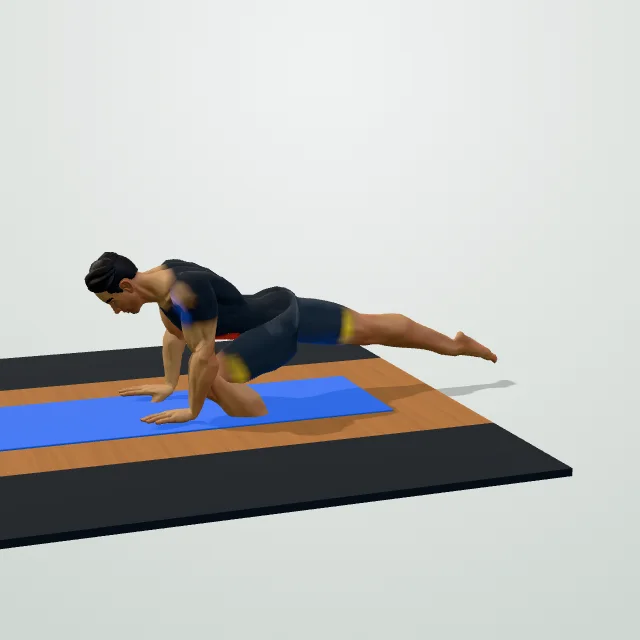
3 sets of 8–10 reps per side is a solid target, with the range of motion limited to whatever keeps your lower back flat against the floor — a smaller range with a still spine is always better than a bigger range with an arching back. Dead bugs work well as a warm-up core activation drill or as part of a dedicated core session, and they pair naturally with the bird dog, which trains the same anti-movement pattern from a different position. Train it 2–3 times a week.
Variations and progressions
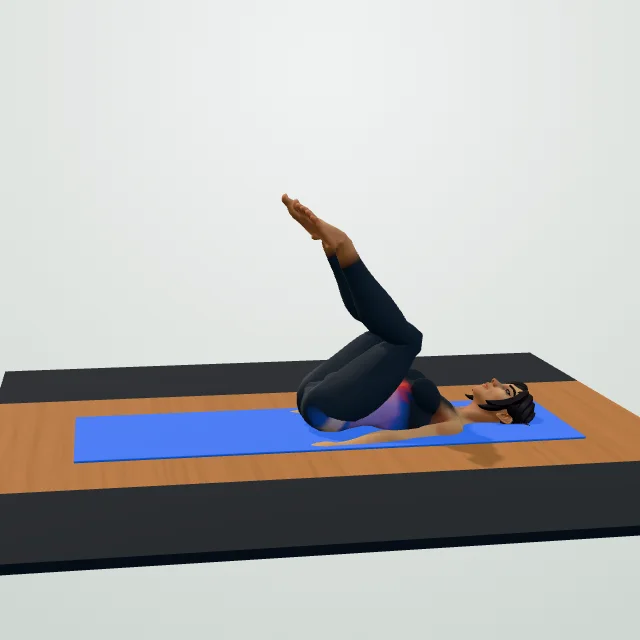
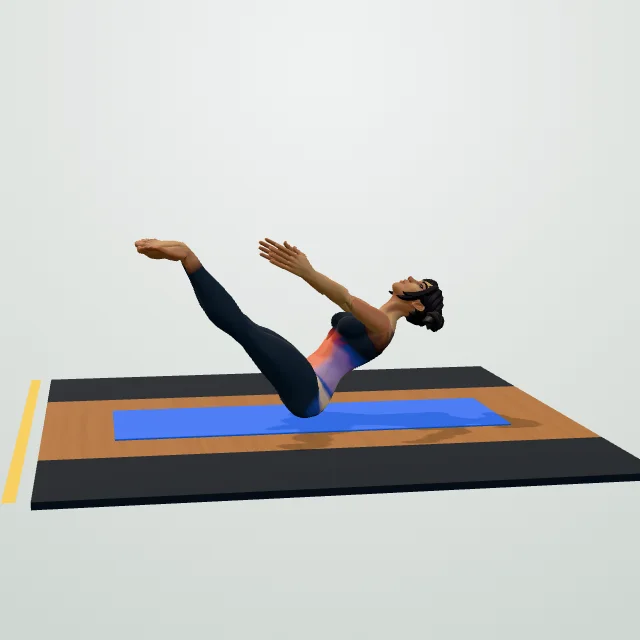
Start by moving just the legs, keeping your arms still overhead, or just the arms, keeping your knees stacked over your hips, if the full opposite-arm-and-leg pattern is too much to control at first. Once the basic pattern feels solid, add a light resistance band around your feet, hold a light weight in your hands, or slow the tempo down for more time under tension. The hollow body hold is a related bracing exercise once dead bugs feel easy.
Dead bug for lower back pain
Because the dead bug keeps the spine still and loads the core in a gentle, controlled way, it is frequently used in rehabilitation and general back-health programs as an early step in rebuilding core control. It should still feel comfortable, not painful — if any position causes back pain, reduce the range of motion or the number of limbs moving at once, and check with a physiotherapist if pain continues.
Safety notes
The most common mistake is letting the lower back arch off the floor as the arm and leg extend, which shifts strain onto the spine — if this happens, shorten your range until your back stays flat throughout. Anyone with acute lower back pain, a recent abdominal surgery, or pregnancy should get guidance from a physiotherapist on which core exercises are appropriate. Breathe steadily throughout rather than holding your breath, which can spike blood pressure unnecessarily.
Where it fits in a workout
The dead bug is a natural fit at the start of a session as a core activation drill before squats or deadlifts, or inside a dedicated abs workout alongside the plank and bird dog. If lower back comfort during lifting is a goal, pair it with general guidance from a back pain guide and check the exercise fits your own situation.
Workout plans with this exercise
General fitness · Beginner
Beginner Full-Body Gym Workout
General fitness · Beginner
30-Day Home Workout Plan (No Equipment)
Fat loss · Beginner
4-Week Fat-Loss Workout Plan
General fitness · Beginner
10-Minute Abs Workout
General fitness · Beginner
Beginner Gym Workout Plan for Women
More exercises for abs and core
Questions people ask
How do you do a dead bug correctly?
What muscles does the dead bug work?
Is the dead bug good for lower back pain?
How do you make the dead bug easier?
How do you make the dead bug harder?
What is a good pairing for the dead bug?
Why does my back arch during dead bugs?
General fitness information, not medical advice. Check with a doctor or physiotherapist before starting if you have a health condition, an injury or are pregnant. Stop if you feel chest pain, dizziness or sharp pain.