Build muscle · Intermediate
Shoulder workout: build strong, round delts
This shoulder workout is one gym session that trains all three deltoid heads plus your traps in about 45 minutes: an overhead press for strength, four isolation moves for shape, and face pulls for shoulder health. Run it once a week as a standalone day, or fold it into a push/pull/legs or body-part split.
Your week
Sessions
Shoulders
| Exercise | sets | Rest | |
|---|---|---|---|
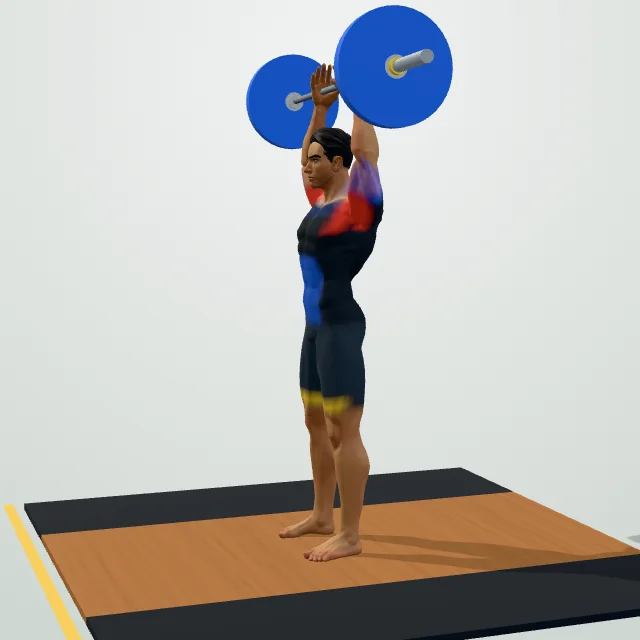
| Overhead Press | 4 × 6-8 | 120 s |
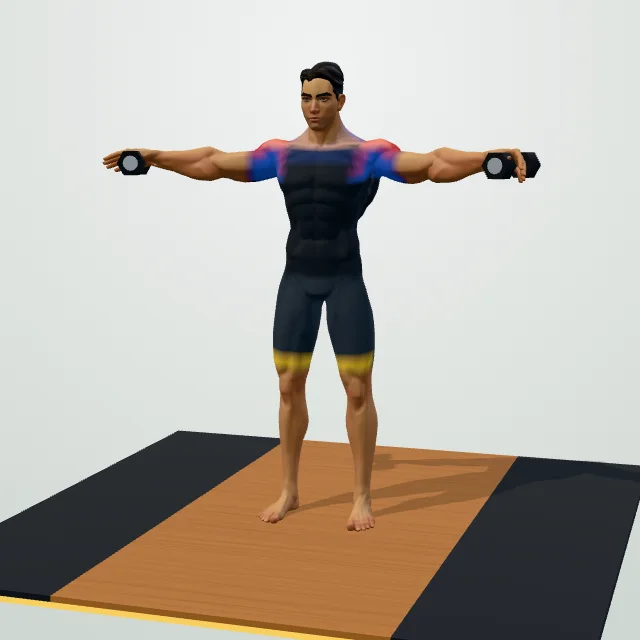 | Dumbbell Lateral Raise | 4 × 12-15 | 45 s |
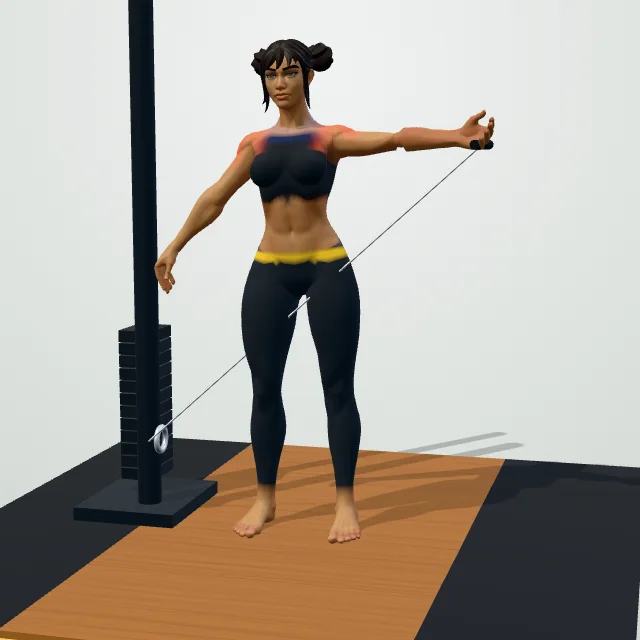 | Cable Lateral Raise | 3 × 12-15 per side | 45 s |
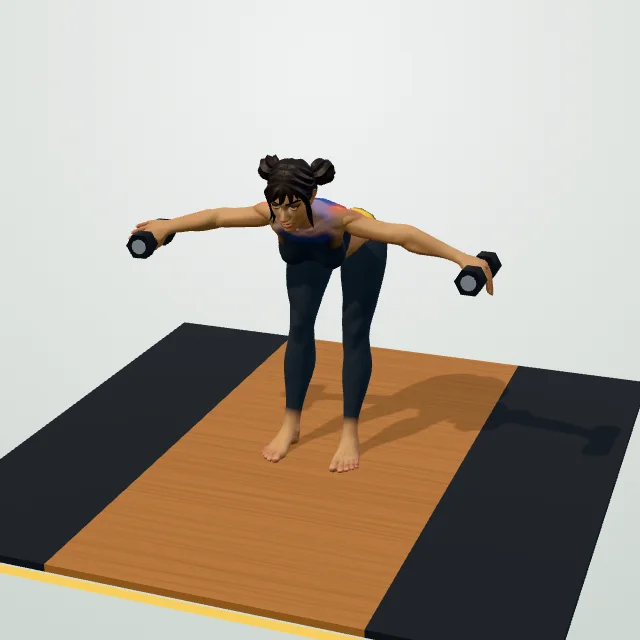 | Bent-Over Rear Delt Fly | 3 × 12-15 | 45 s |
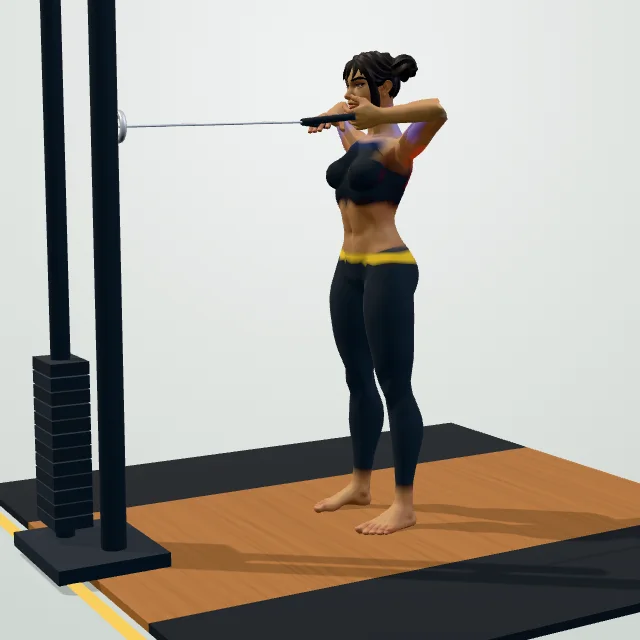 | Face Pull | 3 × 15 | 45 s |
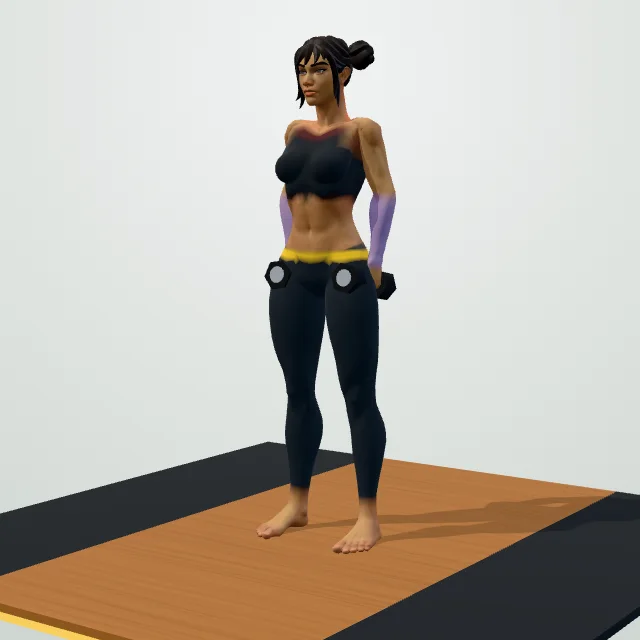 | Dumbbell Shrug | 3 × 12 | 45 s |
A shoulder workout built around the overhead press, several angles of lateral and rear-delt raises, and face pulls is one of the most efficient ways to add width and definition to your upper body, because the deltoids are visible from every angle and respond quickly to direct training. This session runs about 45 minutes and covers all three deltoid heads — front, side and rear — plus the traps, so it works well as a standalone shoulder day gym session or as the shoulder-focused day in a 5-day body-part split.
Who this shoulder workout is for
This is an intermediate-level gym session: it assumes access to a barbell, dumbbells and a cable station, and enough general lifting experience to press overhead safely. If you are newer to the gym, spend a few weeks on the beginner full-body workout first to build the shoulder stability the overhead press needs. This shoulder workout pairs naturally with the chest and triceps workout and back and biceps workout in a push/pull/upper-lower style week, or it can sit as the "shoulders" day in a body-part split.
How to run the session
Start with 5–8 minutes of general movement and shoulder circles (the 6-minute dynamic warm-up works well), then do 1–2 light warm-up sets of overhead presses before your first working set — shoulders are a small, easily irritated joint and a cold press is a common source of niggles. Work through the exercises in the order given: the heavy compound overhead press comes first while you are freshest, the two lateral-raise variations build side-delt width in the middle of the session, the rear-delt fly targets the back of the shoulder, and face pulls and shrugs finish things off since they need the least fresh strength. Rest 2 minutes on the overhead press so you can keep the bar moving well set to set, and about 45 seconds on every isolation move — that is enough recovery for a smaller muscle doing higher reps.
How hard each set should feel
On the overhead press, pick a weight that leaves 2–3 reps in reserve for most sets and closer to 0–1 on your last set of 4. On lateral raises, cable lateral raises and rear-delt flies, the weight should feel light — these are shape-and-endurance exercises for a small muscle, not strength exercises, so chasing heavier weight at the cost of using momentum defeats the point. Face pulls and shrugs are technique work: use a weight you can control for the full 12–15 or 15 reps with a clean squeeze at the top of the movement. If your shoulder pinches or catches sharply rather than just feeling worked, stop that exercise and try a narrower grip or a lighter load, and see a physiotherapist if pain continues.
How to progress week to week
Use double progression on the overhead press: keep the weight the same across sessions until every set of 4 hits 8 reps, then add the smallest plate jump available (about 1–2.5 kg / 2–5 lb per side). On lateral raises, cable lateral raises and rear-delt fly, add 1–2 kg (2–5 lb) once you can complete every set at the top of the 12–15 rep range with clean form — resist the temptation to jump up before that, since sloppy raises quickly turn into a trap exercise instead of a shoulder one. This follows the same 5–10% loading steps described in the progressive overload guide. Because shoulders also get worked hard on every pressing exercise in a push day, one dedicated shoulder session a week is enough volume for most lifters; advanced lifters chasing more delt size can add a light second session later in the week.
Adapting the workout: home, missing equipment, fewer exercises
No barbell: replace the overhead press with the dumbbell shoulder press at the same sets and reps. No cable station: the band pull-apart covers the face pull and needs only a resistance band, and a dumbbell lateral raise replaces the cable version. No gym at all: build a home shoulder session from the dumbbell shoulder press, lateral raise and band pull-apart — see the resistance band workout for a full band-only session. If you are short on time, keep the overhead press and one lateral-raise variation and add the rest back in on your next push day.
Recovery basics
Shoulders recover fastest of the major muscle groups, but still give this session at least 48 hours before you press or raise hard again, since the front delts are also worked on every chest day. Some fatigue in the side and rear delts for a day afterward is normal — see the muscle soreness guide for what is expected — and sleep plus roughly 1.6 g of protein per kg of body weight a day matter more for recovery than any single exercise choice.
Common mistakes on a shoulder day
- Swinging the weight on lateral raises: using momentum from your hips shifts work off the side delt entirely. Slow the lift down and stop the set once form breaks.
- Pressing overhead with an arched lower back: a big lean-back on the overhead press turns it into an incline press and stresses your spine. Brace your core and keep ribs down.
- Skipping face pulls and shrugs because they feel light: both target the rear delts, traps and rotator cuff muscles that keep your shoulder healthy under heavier pressing — the light weight is intentional.
- Chasing heavy lateral raises: going too heavy here almost always recruits the traps instead of the side delt. A lighter, controlled set that burns by rep 12 builds more shoulder width.
- Training shoulders the day after a heavy chest session: front delts are already fatigued from pressing, which weakens your overhead press. Space chest and shoulder days at least a day apart where possible.
What to do next
Use the plan builder to slot this shoulder workout alongside chest, back and leg days, or check the workout split guide to decide how many days fit your week. The one-rep max calculator can help you plan overhead press working weights, and the shoulder exercises hub has more variations if you want to rotate movements every few months.
Questions people ask
How often should I train shoulders?
Can I do this shoulder workout at home?
Why do my shoulders click or pinch on overhead press?
How much weight should I use for lateral raises?
Is this shoulder workout good for women?
What if I feel my traps more than my shoulders on lateral raises?
Can I superset shoulder exercises to save time?
General fitness information, not medical advice. Check with a doctor or physiotherapist before starting if you have a health condition, an injury or are pregnant. Stop if you feel chest pain, dizziness or sharp pain.