Shoulders · Gym
Overhead press: how to build strong shoulders safely
The overhead press is the most direct way to load your shoulders and triceps with a barbell. Get the setup right and it builds pressing strength that carries over to every other push.
- Primary
- Front deltsSide delts
- Level
- Intermediate
- Type
- Compound · Both sides together
- Sets × reps
- 4 × 5-8 reps
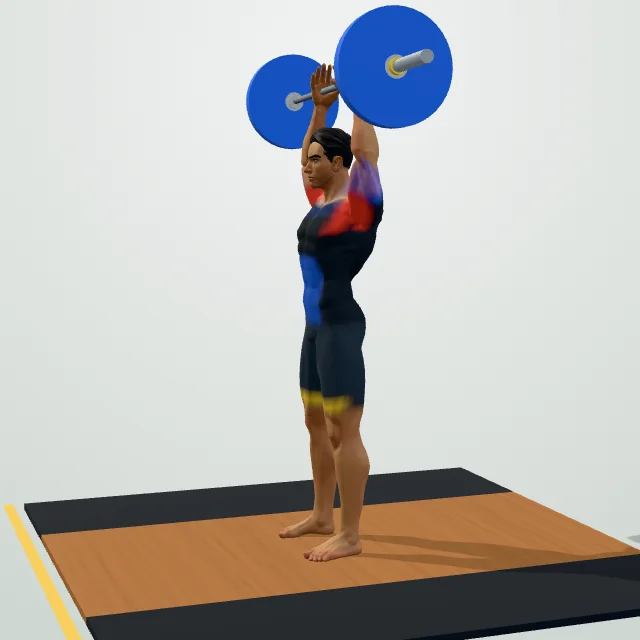
How to do it
- Set the bar at collarbone height in a rack; grip just outside shoulder width.
- Unrack it onto your front shoulders, elbows slightly in front of the bar.
- Step back, feet hip-width, brace your core and squeeze your glutes.
- Press straight up, moving your head back then through as the bar passes your face.
- Lock out with the bar over your ears, biceps by your head, ribs down.
- Lower under control back to your collarbone and reset your brace.
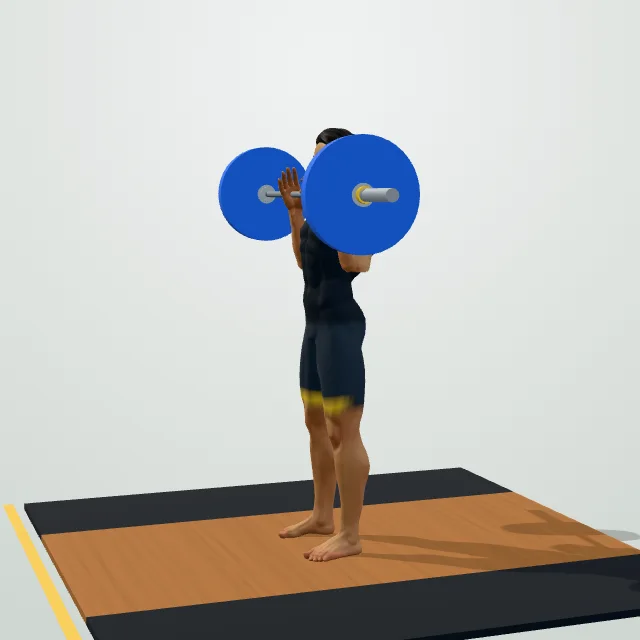
Coach cues
- Grip just outside shoulder width, elbows under the bar.
- Brace your core like you are about to be punched.
- Press straight up, move your head back then through.
- Lock out with the bar over your ears, not behind your head.
Breathing: Take a breath and brace before you unrack the bar, then breathe out steadily as you press past your face and lock out.
Common mistakes
Make it easier / Make it harder
Sets and reps by goal
| Goal | sets | reps | Rest |
|---|---|---|---|
| Strength | 3–5 | 3–6 | 2–4 min |
| Muscle growth | 3–4 | 6–12 | 90–150 s |
| Endurance | 2–3 | 15–20 | 30–60 s |
The overhead press (often called the military press or standing barbell press) is a standing barbell lift where you press the bar from your collarbone to a straight-arm lockout overhead. It is one of the oldest tests of upper-body strength for a reason: with no bench or seat to lean on, your shoulders, triceps and core all have to work together to get the bar overhead in a straight line.
What muscles the overhead press works
The front delts start and drive the press off your shoulders, and the side delts take over as your arms move away from your body, so together they decide how heavy you can go. Your triceps lock out the elbow at the top, and your upper back and traps stabilize the shoulder blades so the delts have something solid to push from. Because you are standing and unsupported, your abs and lower back also work isometrically the whole set to stop your ribs from flaring up and your lower back from arching — this is why a strict overhead press trains real total-body bracing, not just shoulders.
Benefits of the overhead press
- Shoulder strength that transfers. A stronger overhead press supports bench press lockout, throwing, and overhead reaching in daily life.
- Full-shoulder development. Unlike a lateral raise, it loads the front and side delts heavy enough to add size and strength together.
- Real core and hip stability. Standing and pressing overhead exposes weak bracing quickly, so it doubles as core training.
- A simple strength benchmark. Because the standard is a strict standing press with no leg drive, it is easy to track progress honestly.
Overhead press technique in detail
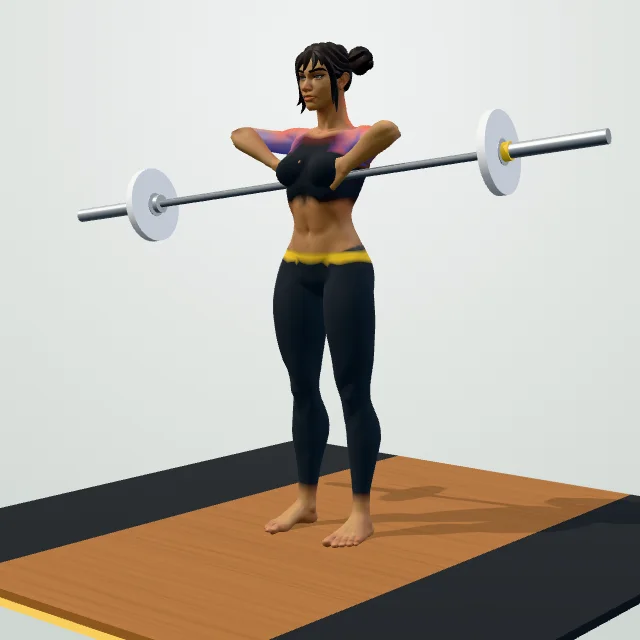
Set the bar in a rack at about collarbone height. Grip just outside shoulder width — wide enough that your forearms stay vertical under the bar at the bottom, not so wide that your elbows flare out. Rest the bar on your front delts with your wrists stacked over your elbows, then step back and set your feet hip-width apart.
Brace your core hard, squeeze your glutes, and press the bar straight up. As it passes your face, move your head back slightly so the bar can travel in a straight vertical line, then push your head through once the bar clears your forehead so you finish with the bar directly over your ears, biceps close to your head, and your ribs down — not arched back. Lower under control back to your collarbone for the next rep. Every rep should look identical: no knee bend, no backward lean, no bouncing the bar off your chest.
Sets, reps and how often to press
| Goal | Sets × reps | Rest | Load |
|---|---|---|---|
| Strength | 4 × 4–6 | 2–3 min | RPE 7–8 (2–3 reps in reserve) |
| Muscle growth | 3–4 × 8–12 | 90 sec | RPE 7–9 |
| Endurance | 2–3 × 15+ | 45–60 sec | Light, controlled |
Most lifters get the best results pressing strict overhead once or twice a week, since the shoulders also work hard on bench and incline press days. Add weight in small 2.5–5% steps once you can hit the top of your rep range with a clean bar path on every set — the one-rep max calculator can help you plan those jumps and pick working weights for the day.
Overhead press vs push press vs shoulder press
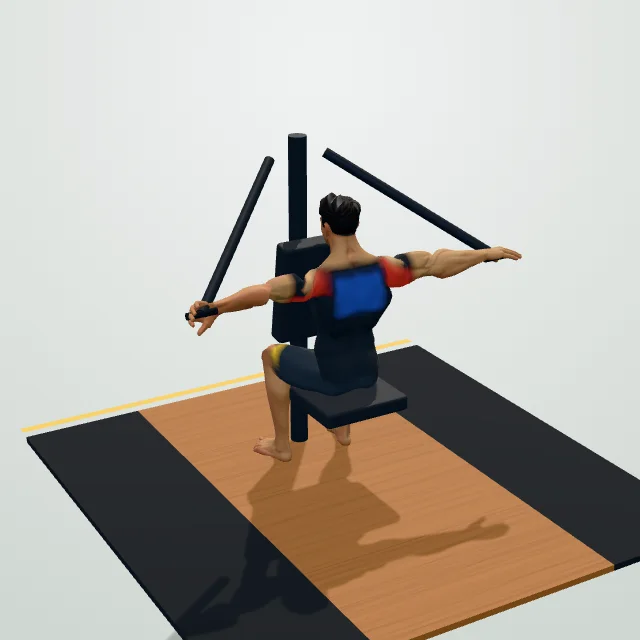
A strict overhead press uses no leg drive at all — it is a pure test of shoulder and triceps strength. A push press adds a short dip and drive from the legs, letting you move more weight and is better suited to building explosive power. "Shoulder press" is usually just another name for the same movement done seated or standing with a dumbbell shoulder press or on a machine shoulder press — both let you isolate the shoulders with less core demand than the standing barbell version.
Variations and how to progress it
If a heavy barbell feels unstable overhead, start with the dumbbell shoulder press or landmine press, both of which are easier on the shoulder joint and forgiving of small form errors. Bodyweight options like the pike push-up work the same front and side delts using your own body weight, which is useful for training at home or building the base strength to start pressing a bar. Once the standard barbell press feels controlled, progress with small weight jumps, then explore single-arm dumbbell presses or the Arnold press for extra rotation work through the shoulder.
Safety: who should be careful
If you have a history of shoulder impingement or pain when raising your arm overhead, build up with dumbbell or landmine presses first and keep the bar path close to your face rather than behind your neck. Anyone with uncontrolled high blood pressure or a heart condition should avoid holding their breath through a heavy top set — breathe out as the bar passes your head. Stop and check with a doctor or physiotherapist if you feel pinching pain at the top of the lift, not just normal muscular fatigue.
Done well, the overhead press is one of the safest ways to load the shoulders directly, because a strict bar path keeps the joint in a strong, stable position through the whole range of motion.
Workout plans with this exercise
Build muscle · Intermediate
Push Pull Legs Split (6 Days)
Build muscle · Intermediate
5-Day Body-Part Split (Bro Split)
Strength · Intermediate
5×5 Strength Program
Build muscle · Intermediate
Shoulder Workout (Gym)
More exercises for shoulders
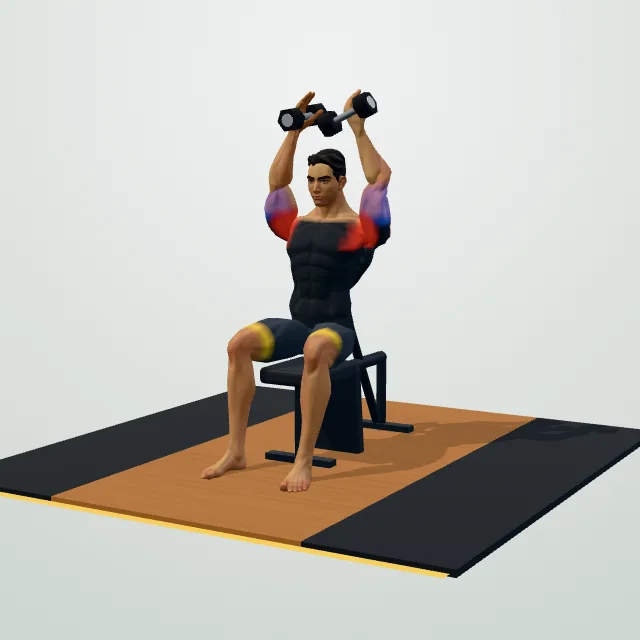
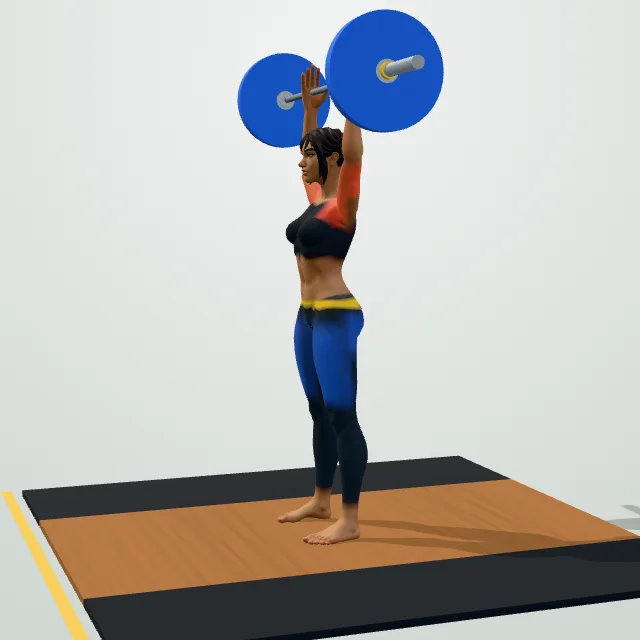
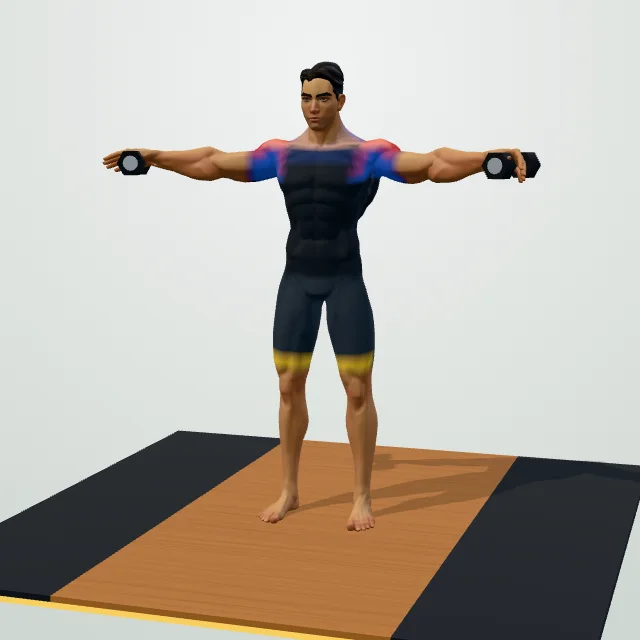
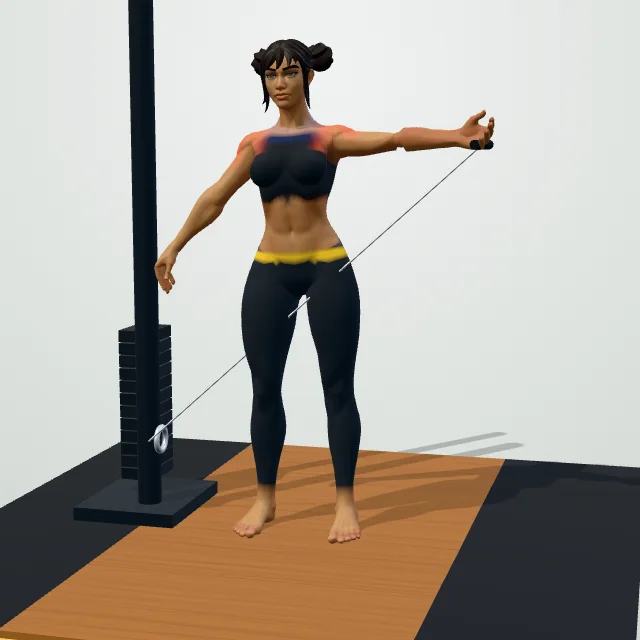
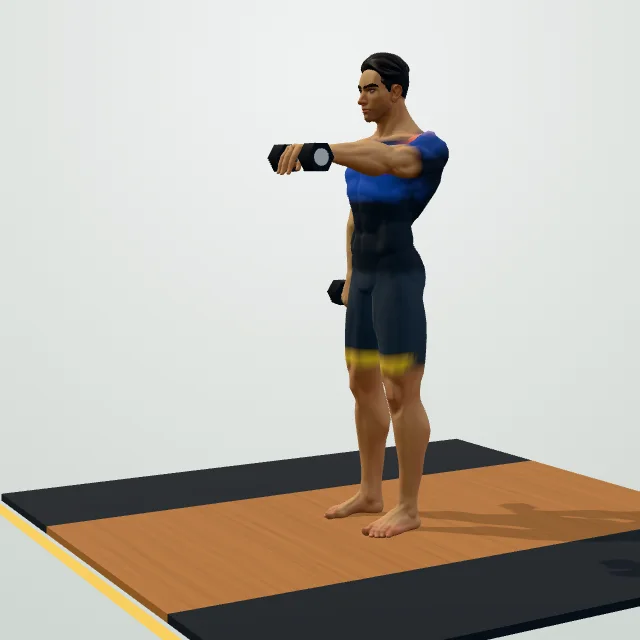
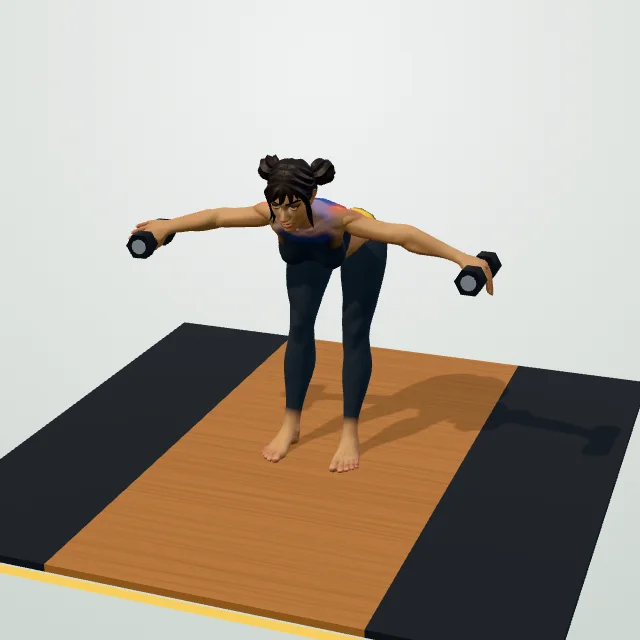
Questions people ask
Is overhead press the same as shoulder press?
What muscles does the overhead press work?
How much weight should I overhead press?
Is the overhead press bad for your shoulders?
Overhead press or push press — which should I use?
Can I do the overhead press without a barbell?
How often should I train the overhead press?
General fitness information, not medical advice. Check with a doctor or physiotherapist before starting if you have a health condition, an injury or are pregnant. Stop if you feel chest pain, dizziness or sharp pain.