Chest · Gym
Decline bench press: shorter range, lower chest focus
The decline bench press is a flat-bench press done head-down, which shortens the bar path and leans slightly more on the lower chest. Here is how to set it up safely.
- Primary
- Chest
- Secondary
- TricepsFront delts
- Level
- Intermediate
- Type
- Compound · Both sides together
- Sets × reps
- 3 × 8-10 reps
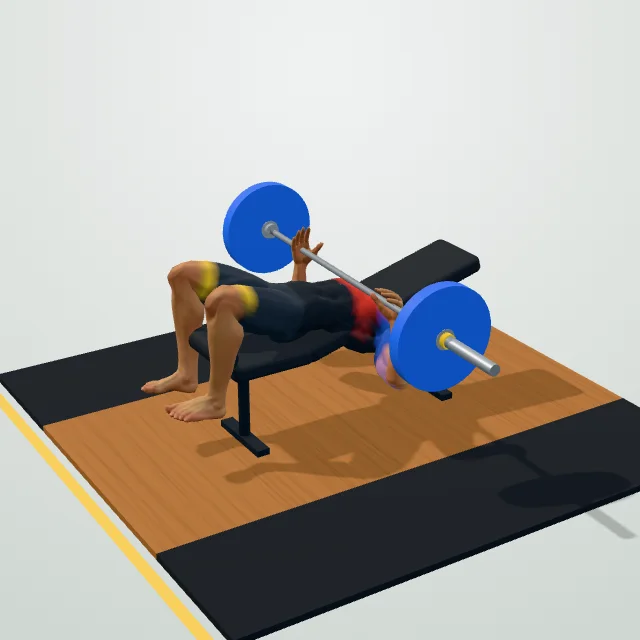
How to do it
- Set the bench to a 15–30° decline and hook your feet under the pads.
- Lie back and grip the bar just outside shoulder width.
- Pull your shoulder blades together and unrack the bar.
- Lower the bar to your lower chest, elbows at about 45–60°.
- Press back up in a straight line until your arms lock out.
- Re-rack the bar carefully after your last rep.
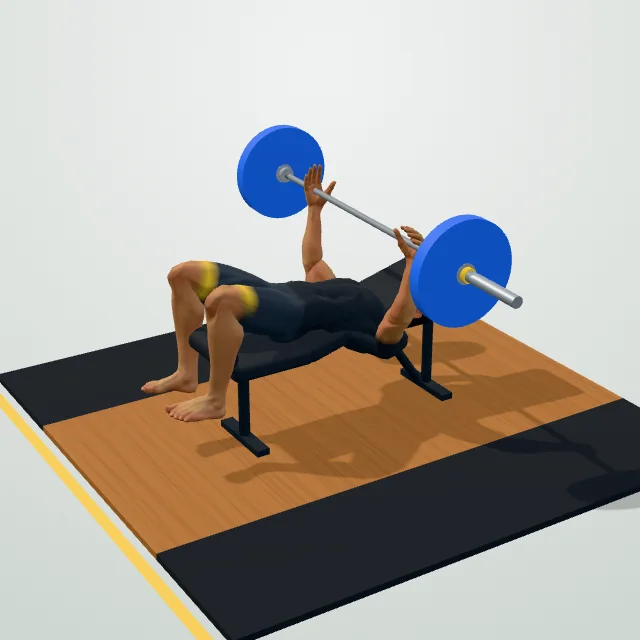
Coach cues
- Feet locked under the pads.
- Shoulder blades together, chest lifted.
- Bar to your lower chest.
- Press straight up to lockout.
Breathing: Breathe in as you lower the bar to your chest, then breathe out as you press it back up.
Common mistakes
Make it easier / Make it harder
Sets and reps by goal
| Goal | sets | reps | Rest |
|---|---|---|---|
| Strength | 3–5 | 3–6 | 2–4 min |
| Muscle growth | 3–4 | 6–12 | 90–150 s |
| Endurance | 2–3 | 15–20 | 30–60 s |
The decline bench press is a barbell press done on a bench angled down at the head, usually 15–30°, which shortens the range of motion and shifts a bit more of the work toward the lower chest. It's less common than flat or incline pressing, but it's a useful option once you've built a base of pressing strength and want to round out the lower portion of the chest.
Muscles worked and why
The decline angle changes the direction your arms travel relative to your torso, pulling more of the lower fibers of the chest into the movement compared with a flat bench. The triceps and front shoulders still assist, but the shoulder does noticeably less work here than on an incline press, since the shoulder joint is in a more neutral position. The shorter range of motion also means you can typically move slightly more weight than on a flat bench with the same effort.
Benefits
Studies on chest activation find the differences between flat and decline pressing are smaller than gym folklore suggests, but the decline press does put a bit more emphasis on the lower chest and takes some strain off the shoulder joint, which makes it a useful substitute if incline or flat pressing bothers your shoulders. The shorter range can also let you handle heavier loads with a similar level of effort, which some lifters use for overload work.
Setup, foot position and bar path
Set the bench to a 15–30° decline and hook your feet under the pads at the end — this is what keeps you anchored, since you can't brace against the floor the way you can on a flat bench. Grip just outside shoulder width and pull your shoulder blades together before you unrack, exactly as you would on a flat press.
Lower the bar to your lower chest, near the bottom of the sternum, keeping your elbows at roughly 45–60° from your torso. Press back up in a straight line until your arms lock out. Because you're upside down relative to a normal bench, take a moment to get your bearings and breathe steadily before your first rep — some people feel briefly light-headed on a steep decline, which is worth knowing before you load the bar heavy.
How to program it
Use the decline press as a second or third chest exercise, after a flat or incline press, rather than as your main lift — most programs don't need more than one decline movement per week. 3 sets of 8–10 reps with 60–90 seconds of rest is a common range for size work. Leave 1–2 reps in reserve on your working sets (see the RPE and RIR guide), and increase the weight in small steps as your reps feel easier, following progressive overload.
Variations and progressions
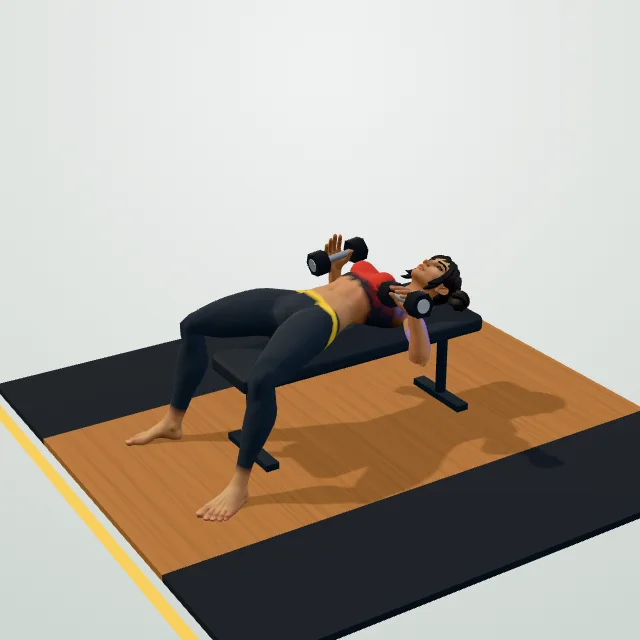
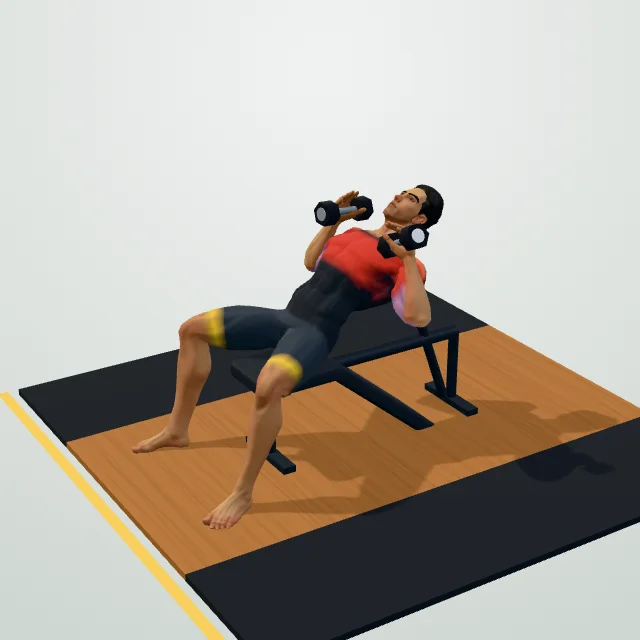
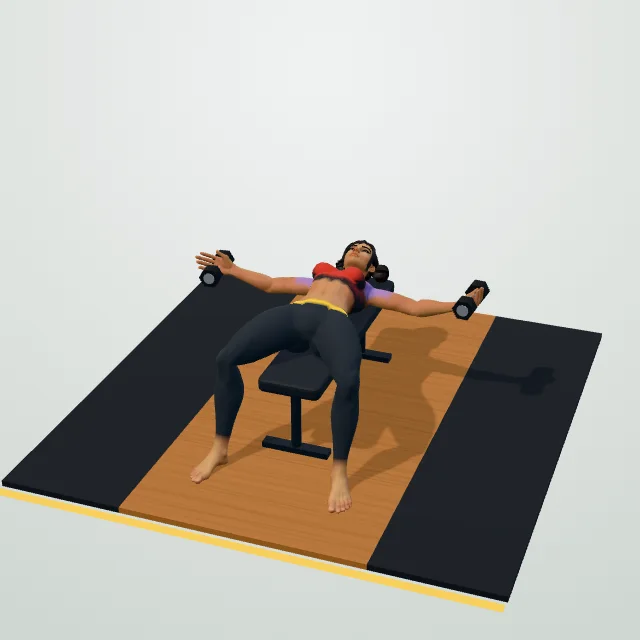
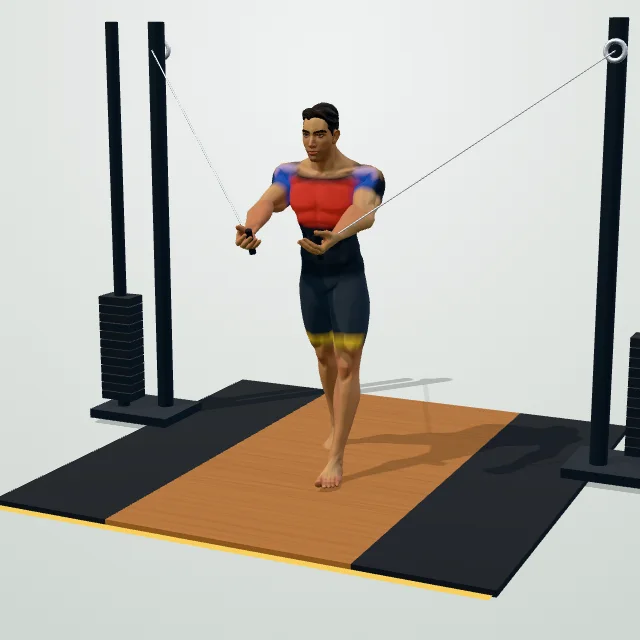
If you don't have a decline bench, the chest dip hits a similar lower-chest and triceps combination using just your bodyweight, and the incline push-up (hands elevated) is a gentler bodyweight option. For a machine version, some gyms have a decline setting on the chest press machine. If your main goal is overall chest size rather than a specific angle, the flat barbell bench press or dumbbell bench press will build most of the same muscle with an easier setup.
Decline vs flat vs incline
Flat pressing trains the chest broadly and is the easiest to set up and progress. Incline pressing shifts emphasis to the upper chest. Decline pressing shifts it slightly toward the lower chest and shortens the range, which can suit shoulders that don't tolerate flat or incline pressing well. None of the three is strictly "better" — they're complementary angles, and most lifters only need one or two of them in a given week.
Safety: who should modify it
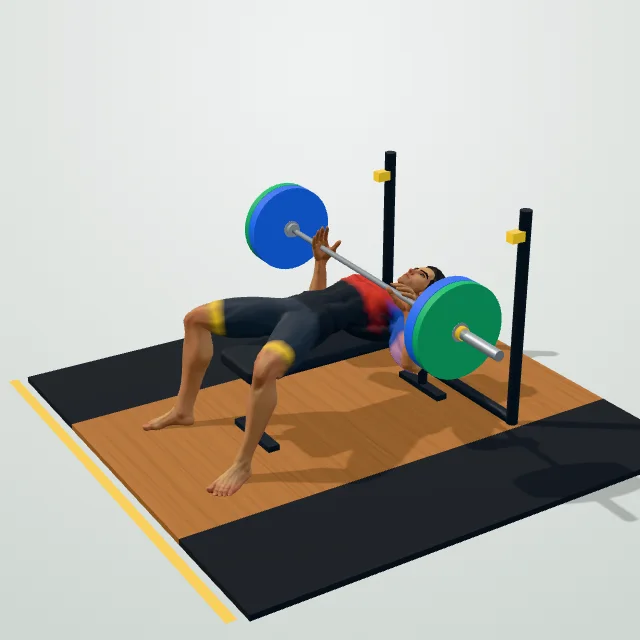
Always use a spotter or a rack with the safety pins set correctly for a decline bench, since being upside down makes a missed rep harder to recover from. Skip or modify decline pressing if you have reflux, vertigo, uncontrolled high blood pressure, or feel light-headed lying head-down — a flat or incline press is a safer substitute. Warm up with lighter sets first, and get help securing your feet in the pads if the bench is unfamiliar.
Questions people ask
What muscles does the decline bench press work?
Is the decline bench press worth doing?
How is the decline bench press different from the flat bench press?
Do I need a decline bench for a decline press?
Is the decline bench press safe?
How many sets and reps for decline bench press?
Why do I feel light-headed on the decline bench?
General fitness information, not medical advice. Check with a doctor or physiotherapist before starting if you have a health condition, an injury or are pregnant. Stop if you feel chest pain, dizziness or sharp pain.