Back · Gym
Good morning exercise: a hip hinge for a stronger back
Bar across your upper back, hinge forward at the hips like a bow, then stand back up — a demanding hamstring and lower-back builder that rewards strict technique.
- Primary
- HamstringsLower back
- Secondary
- Glutes
- Level
- Intermediate
- Type
- Compound · Both sides together
- Sets × reps
- 3 × 8-10 reps
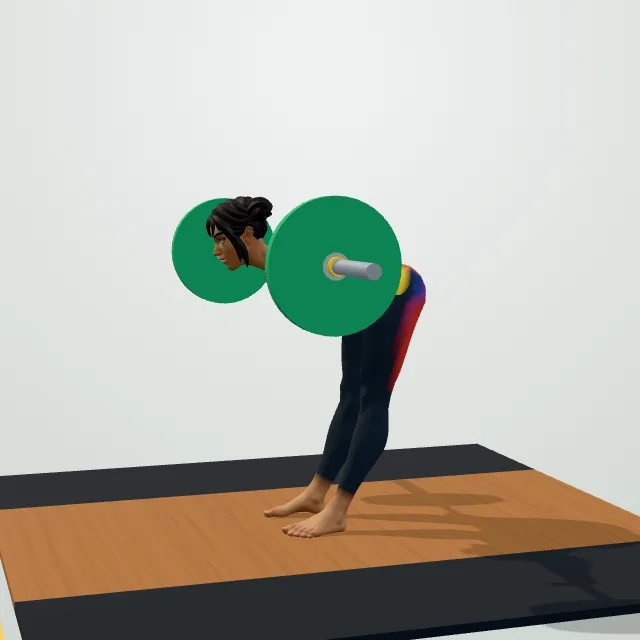
How to do it
- Set the bar across your upper back and unrack it with a hip-width stance.
- Brace your core and set a small natural arch in your lower back.
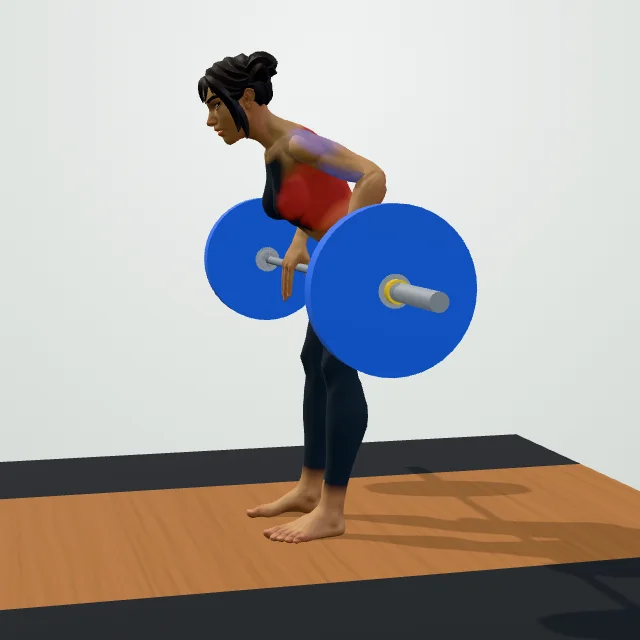
- Push your hips back with soft knees, hinging your torso forward.
- Lower until your torso is close to parallel, keeping your back flat.
- Drive your hips forward, squeezing your glutes back to standing.
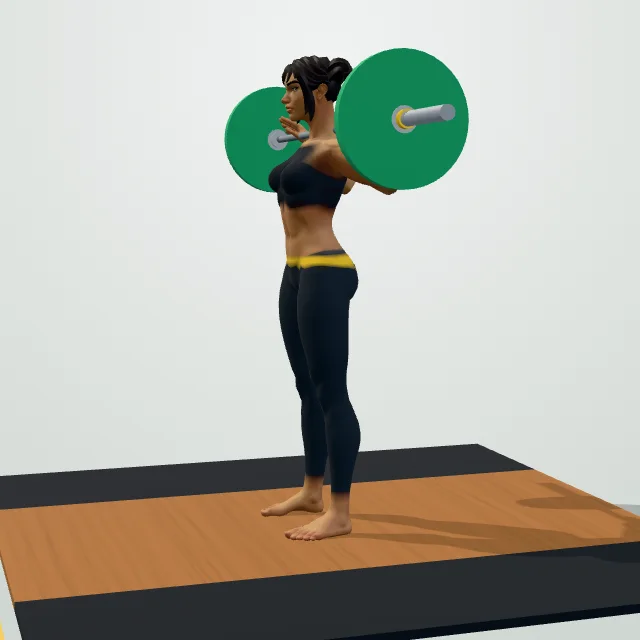
Coach cues
- Push your hips back first.
- Keep a flat back the whole way down.
- Only as low as your back allows.
- Drive hips forward to stand tall.
Breathing: Breathe in and brace before you hinge forward, breathe out as you drive back up to standing.
Common mistakes
Make it easier / Make it harder
Sets and reps by goal
| Goal | sets | reps | Rest |
|---|---|---|---|
| Strength | 3–5 | 3–6 | 2–4 min |
| Muscle growth | 3–4 | 6–12 | 90–150 s |
| Endurance | 2–3 | 15–20 | 30–60 s |
What muscles does the good morning exercise work
The primary targets are your hamstrings and lower back (erector spinae), both of which control the hip hinge and prevent your spine from rounding under load. Your glutes assist strongly, especially as you drive back up to standing, and your abs brace hard throughout to keep your torso rigid. It is a demanding exercise for the whole posterior chain — the muscles down the back of your body — rather than an isolated lower-back move.
Benefits
The good morning builds hip-hinge strength and hamstring and lower-back endurance that carries over directly to deadlifts, squats and everyday bending and lifting. Because the bar sits on your back rather than in your hands, it also trains your ability to keep a braced, neutral spine under load without needing grip strength as a limiting factor — useful for lifters whose grip fails before their hamstrings on deadlift variations, and a useful diagnostic for how well someone can hinge under load with strict, honest form.
Technique: bar position, hinge and depth
Set the barbell across your upper back in the same position as a back squat, not on your neck, and take it out of a rack with a stance about hip-width. Before you move, brace your core and set a small natural arch in your lower back — this position needs to stay constant for the whole rep. Push your hips straight back while keeping a soft bend in your knees, letting your torso hinge forward as your hips travel back, like closing a hinge rather than rounding your spine forward. Go only as low as you can while keeping your back flat — for most beginners that is somewhere between hips level with the knees and torso just above parallel to the floor; going lower than your hamstring flexibility and core control allow is where the exercise gets risky.
Reverse the movement by driving your hips forward and squeezing your glutes to return to standing, keeping the bar path close to directly over your midfoot the whole time. You should feel a strong stretch through your hamstrings and glutes at the bottom, and your lower back working to hold the position, not sharp or pinching pain anywhere in the spine.
Good morning vs Romanian deadlift
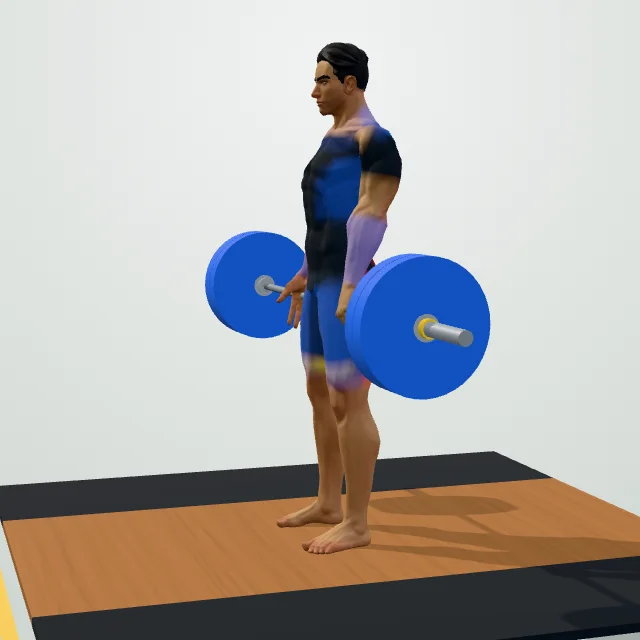
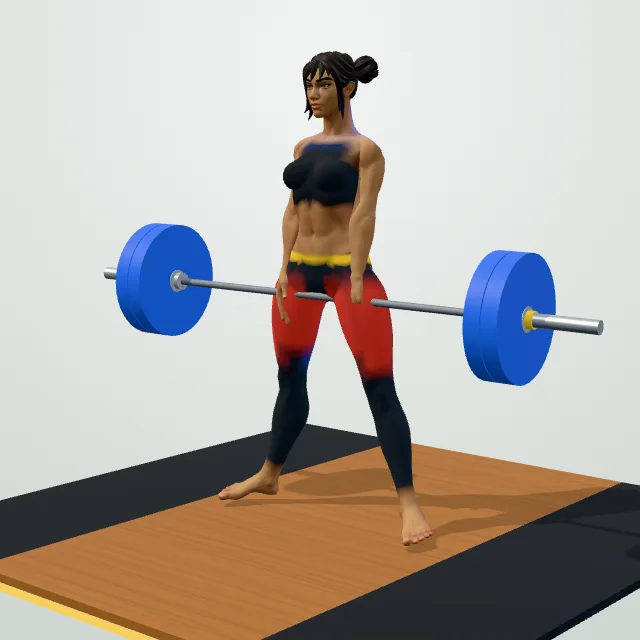
A Romanian deadlift uses the same hip-hinge pattern but with the bar in your hands rather than on your back, which usually allows heavier loading and adds a grip-strength component. The good morning removes grip as a limiting factor and shifts more demand onto keeping your upper back and spine rigid under a bar, which is why it is generally trained with lighter weight and treated as a supplementary exercise rather than a main lift for most lifters.
How to program good mornings
Because strict hip-hinge technique matters more here than in almost any other barbell exercise, start with an empty bar or very light weight for 3 sets of 8–10 reps and add load in small, 5–10% steps only once your form is consistent. It is typically placed as an accessory after your main squat, deadlift, or hip-hinge lift, in a leg day workout or a lower-body-focused session, rather than trained as a maximal-effort lift.
Safety
This exercise carries more risk to the lower back than most if the spine rounds under load, so master the hip hinge with just a broomstick or an empty bar before adding real weight, and never sacrifice a flat back to reach a deeper range. Stop for any sharp or shooting pain, and if you have an existing lower back injury or disc issue, get individual guidance from a physiotherapist before including this movement, and always warm up the hips and hamstrings with a lighter set first.
Questions people ask
What does the good morning exercise work?
Are good mornings bad for your back?
Good morning vs Romanian deadlift: which should I do?
How low should I go on a good morning?
Can I do good mornings without a barbell?
How much weight should I use for good mornings?
General fitness information, not medical advice. Check with a doctor or physiotherapist before starting if you have a health condition, an injury or are pregnant. Stop if you feel chest pain, dizziness or sharp pain.